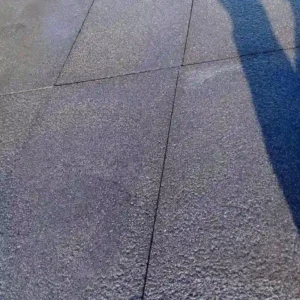
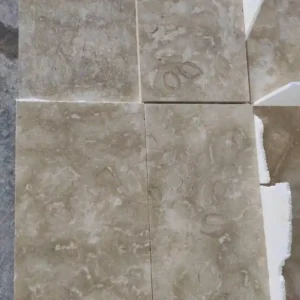
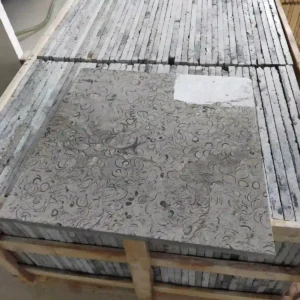
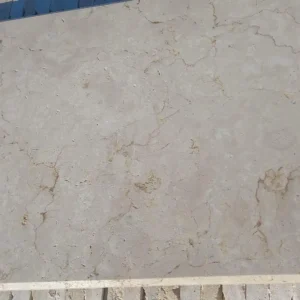
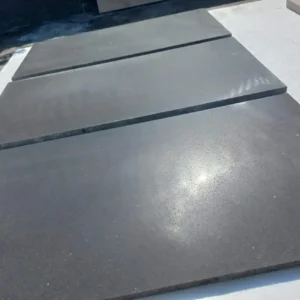
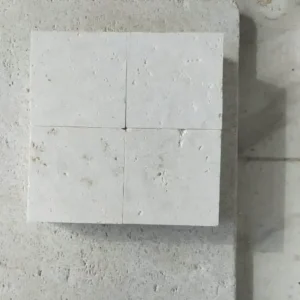
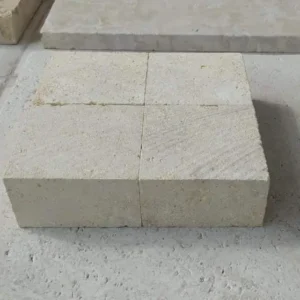
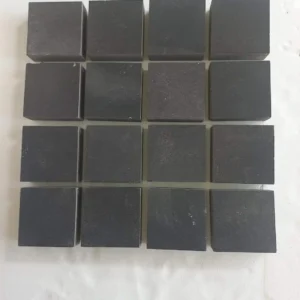
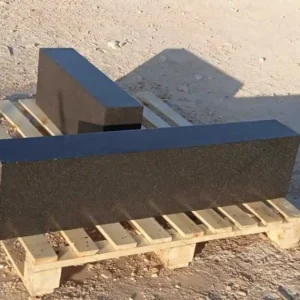
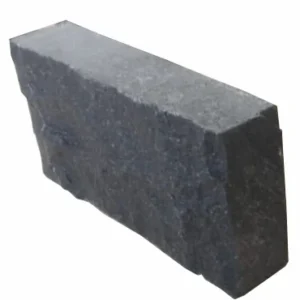
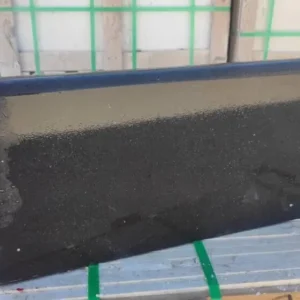
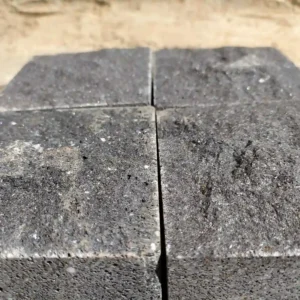

Base failures in a black pavers walkway in Arizona almost always trace back to the same overlooked variable — drainage geometry that ignores the violent intensity of monsoon-season rainfall. You can select the highest-density basalt available, nail every joint spacing specification, and still watch the installation heave within two seasons if the water management layer beneath it wasn’t engineered for Arizona’s unique hydrological cycle. The drainage design isn’t a supporting concern here — it’s the primary structural determinant.
Why Arizona’s Water Patterns Define Your Black Walkway Paver Specification
Arizona receives most of its annual precipitation in two concentrated windows — the North American Monsoon from July through September, and winter frontal systems between December and February. The monsoon delivers 1–3 inches of rainfall in under an hour across much of the low desert, including Phoenix and Tucson. That’s not a nuisance event — it’s a hydraulic stress test your subbase experiences repeatedly, year after year. Your black paver walkway in Arizona specification needs to treat this as a design load, not an afterthought.
The soil profile makes this more complex. Caliche hardpan, common across the Valley floor, creates a near-impermeable barrier that forces lateral water movement rather than vertical infiltration. Standing water beneath your paver system builds hydrostatic pressure against the setting bed, loosening the base aggregate and introducing differential settlement. You’ll see it first as a subtle rocking in the center panels — and by then, the base has already been compromised across a wider zone than the visible damage suggests.
- Monsoon rainfall intensity routinely exceeds 1.5 inches per hour, demanding surface drainage slopes of at least 1.5–2% minimum across the walkway plane
- Caliche layers at 18–36 inches depth can redirect subsurface flow laterally, undermining base aggregate over multiple seasons
- Winter frontal systems introduce slower, sustained saturation that exposes micro-fractures in poorly compacted base material
- Sandy desert soils with low cohesion migrate under hydraulic pressure, widening joint gaps and destabilizing the surface plane
- Improperly graded adjacent landscape areas become unintended catchment zones that funnel runoff directly under the paver field
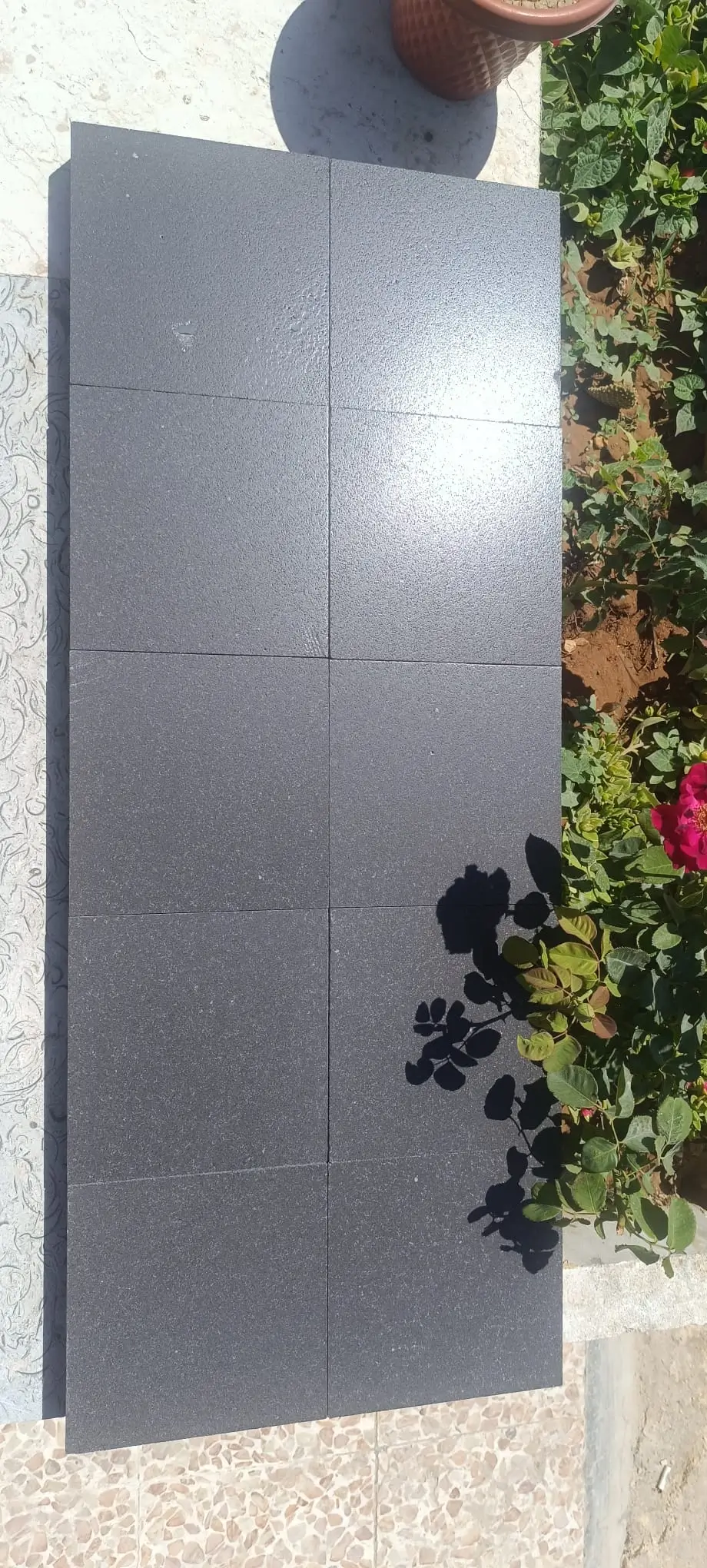
Black Pavers for Walkway in Arizona — Material Performance Under Moisture Stress
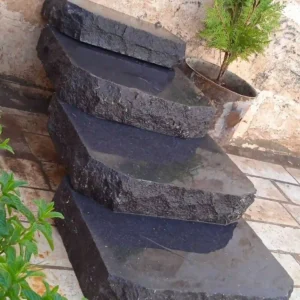
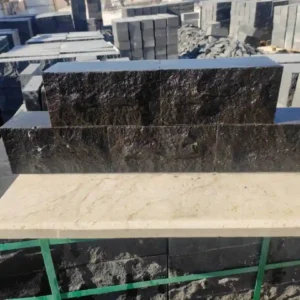
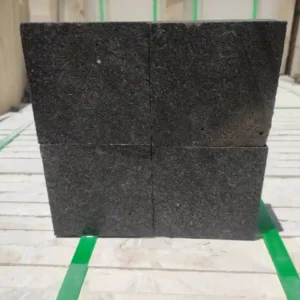
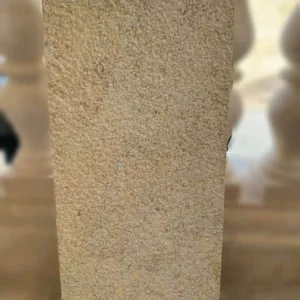
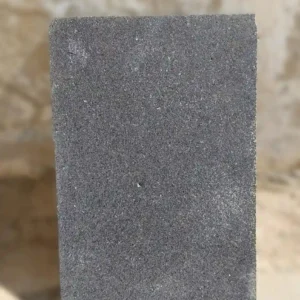
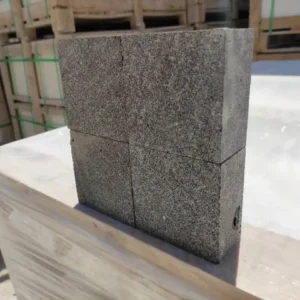
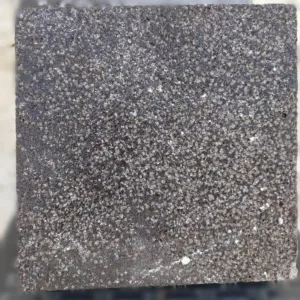
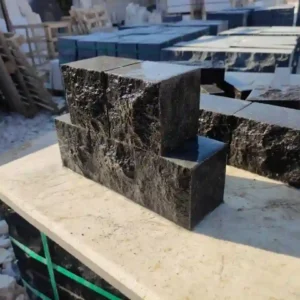
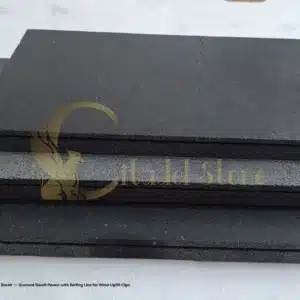
Dense-bodied basalt and dark-pigmented concrete pavers both appear under the broad category of black walkway pavers in Arizona, but their behavior under cyclic moisture exposure differs significantly. Natural basalt, sourced from volcanic formations, exhibits water absorption rates typically below 1.5% by mass — well within the threshold required for freeze-thaw resistance and sustained surface integrity under repeated saturation cycles. For most Arizona elevations, this absorption rate matters less for freeze protection and more for preventing the surface staining and biological growth that concentrated moisture encourages in shaded walkway sections.
Concrete-based black pavers operate differently. Their absorption rates range from 3–6% depending on mix design, and repeated wetting-and-drying cycles in Arizona’s climate accelerate efflorescence migration — those white calcium deposits that emerge at joints and on the surface face. In a walkway context where drainage concentrates water at the panel edges, this process is amplified. Natural stone avoids this mechanism entirely, which is one reason specifiers working on high-visibility projects in Scottsdale tend to favor basalt or dark limestone over manufactured alternatives.
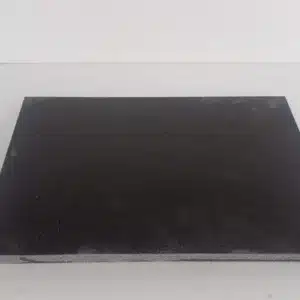
- Natural basalt: water absorption below 1.5%, compressive strength typically above 18,000 PSI, excellent resistance to surface spalling
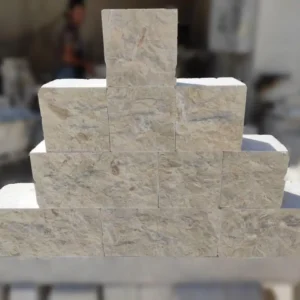
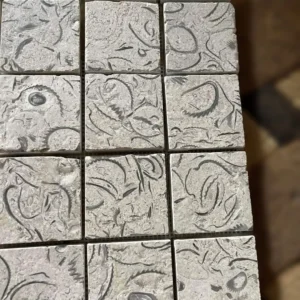
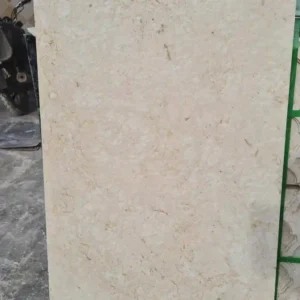
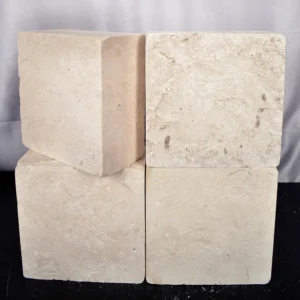
- Dark limestone: absorption varies 2–4% depending on density; verify individual batch results before committing to a moisture-exposed application
- Concrete pavers: absorption 3–6%; specify low-absorption mixes explicitly if using in drainage-concentrated zones
- Porcelain black pavers: near-zero absorption, excellent drainage resistance, but more vulnerable to cracking under point loads without adequate base depth
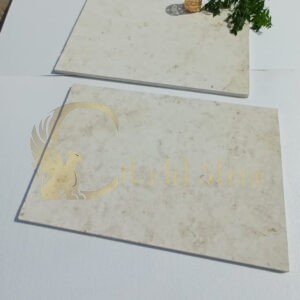
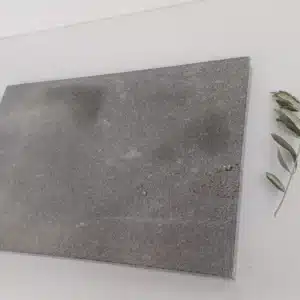
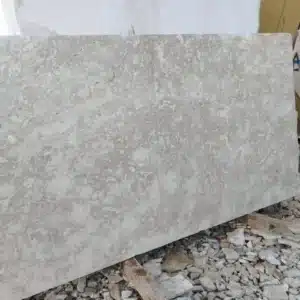
Citadel Stone sources black walkway pavers in Arizona from established quarry partners, and each batch undergoes inspection for consistent absorption rates and surface density before it leaves the warehouse. For projects where moisture cycling is a documented performance factor, you can request absorption rate data for specific material lots before placing your order.
Building the Drainage Layer Your Black Paver Border in Arizona Actually Needs
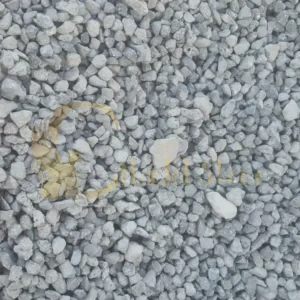
The standard compacted aggregate base specification — 4 inches of 3/4-inch crushed base compacted to 95% modified Proctor — performs adequately in low-rainfall climates. Arizona’s monsoon intensity means you need to reconsider that baseline, particularly for walkways positioned downslope of landscaped beds, pool decks, or hardscape areas that concentrate runoff. In practice, the aggregate base depth should increase to 6 inches minimum for walkways carrying pedestrian traffic through drainage corridors, with a 1-inch bedding layer of coarse washed concrete sand — not limestone screenings, which pack too tightly and inhibit vertical drainage.
Projects in Mesa frequently encounter caliche hardpan at 18–24 inches depth, which presents a double-edged condition. A properly excavated caliche pan actually provides excellent bearing capacity, but its impermeability requires you to direct lateral drainage intentionally. Installing a perforated pipe drain at the base of your aggregate layer, daylighting to a suitable outlet or dry well, converts a problem stratum into a reliable drainage receiver. Without that deliberate outlet, the aggregate base becomes a retention basin rather than a drainage layer.
- Minimum base depth: 6 inches compacted 3/4-inch crushed aggregate for standard pedestrian walkways
- Increase to 8 inches where the walkway occupies a natural drainage path or where adjacent surfaces concentrate runoff toward it
- Bedding layer: 1-inch coarse washed concrete sand, not limestone screenings or decomposed granite
- Install a perforated collector drain at base level wherever caliche or heavy clay soils restrict vertical infiltration
- Maintain minimum 1.5% cross-slope on the paver surface plane — 2% is preferable in high-intensity rainfall zones
- Keep landscape bed edges at least 2 inches below the finished paver surface to prevent soil and mulch migration into the joint system
Black Paving Edging in Arizona — The Drainage Interface Nobody Talks About
Edge restraint systems do more than hold the paver field together — they manage the interface between your paved surface and the adjacent landscape or hardscape, and that interface is exactly where drainage failures begin. A standard plastic spike-down edge restraint provides lateral stability but does nothing to manage the water that collects at the perimeter during heavy rain. For a black paver border in Arizona installation, the edge detail needs to solve two problems simultaneously: containing the paver field against lateral creep and providing a defined drainage pathway away from the field perimeter.
Steel or aluminum edge restraint systems with stake spacing at 12 inches — not the standard 18 inches on the package — perform significantly better under the lateral hydraulic pressure that monsoon saturation creates. The tighter stake spacing prevents the base from pushing outward as it absorbs moisture, which is the primary cause of walkway edge spreading you’ll see on five-year-old installations that were correctly installed but under-staked. Pair the restraint with a gravel border strip, minimum 6 inches wide, to create a permeable transition zone that captures edge runoff and directs it into the landscape drainage system. For detailed guidance on pairing the right stone products with your edge condition, black paver walkway options provides a practical breakdown of how maintenance schedules interact with edge and drainage performance over time.
- Use steel or aluminum edge restraint over plastic for applications subject to repeated monsoon-season moisture cycling
- Stake spacing at 12 inches maximum in Arizona’s drainage-intensive environments
- Install a 6-inch permeable gravel transition strip along walkway edges to capture and redirect perimeter runoff
- In sloped applications, position the downslope edge restraint at grade level to prevent base material washout beneath the final paver row
Joint Design and Polymeric Sand — Managing Water Where It Enters First
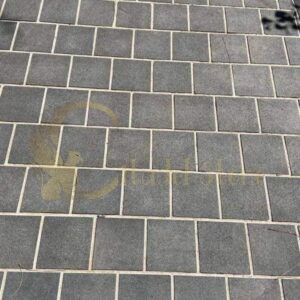
The joint system is the first point of contact between rainfall and your paver installation. For a black pavers walkway in Arizona, joints need to do two conflicting things — allow minor differential movement between units without cracking, and seal tightly enough to prevent base material migration under hydrostatic pressure. Standard polymeric sand performs this reasonably well in moderate climates, but Arizona’s monsoon intensity demands that you select a high-performance polymeric sand specifically rated for intense moisture activation — check that the manufacturer specifies installation temperatures below 90°F, because activating polymeric sand above that threshold in direct summer sun produces incomplete curing and joint washout within the first season.
Joint width matters more than most specifications acknowledge. Narrow joints at 1/8 inch or less look refined but provide almost no tolerance for the thermal expansion that Arizona’s 110°F+ surface temperatures create — and they also channel water directly downward rather than dispersing it laterally. A joint width of 3/16 to 1/4 inch with properly activated polymeric sand distributes both movement and drainage more effectively across the field. For black pavers specifically, the thermal mass stored in the dark surface amplifies sub-surface temperature at the joint interface, accelerating the drying process that hardens polymeric sand — which means you’ll want to wet-cure the joints with a light mist the evening of installation to ensure complete activation.
Colour Stability and UV Exposure in Arizona’s Drainage Zones
Black walkway pavers in Arizona face a specific combination of UV radiation and moisture cycling that affects colour stability differently than either factor alone. High UV intensity drives photo-oxidation in surface sealers and pigments, while the repeated wet-dry cycling from monsoon events accelerates micro-surface abrasion and bleaching. Natural basalt handles this cycle exceptionally well — its dark colouration derives from iron-magnesium mineral content rather than surface pigmentation, so the colour is inherent to the stone rather than dependent on a sealer film for visual depth.
Sealed black pavers require a sealer with UV-inhibitor chemistry rated for Arizona conditions, typically a penetrating impregnator rather than a film-forming topcoat. Film-forming sealers on dark stone tend to whiten or haze when trapped moisture — from either monsoon events or irrigation overspray — can’t escape through the sealed surface. You’ll see this most commonly in shaded walkway sections where moisture dwell time is longer. In Flagstaff, the higher elevation adds freeze-thaw cycling to the moisture equation, making penetrating sealers the only appropriate choice at that altitude — film-formers delaminate under ice expansion.
- Natural basalt: inherent dark colouration from mineral content — UV stable without sealer dependency
- Dark limestone: sealer required to maintain colour depth; specify penetrating impregnator with UV inhibitors
- Concrete black pavers: surface pigmentation vulnerable to UV bleaching; reseal every 2–3 years in Arizona sun exposure
- Avoid film-forming topcoat sealers in any walkway section with constrained drainage or regular irrigation overspray contact
- Schedule initial sealing after the first monsoon season, not before — allowing the joint system to settle and any efflorescence to express before locking it beneath a sealer
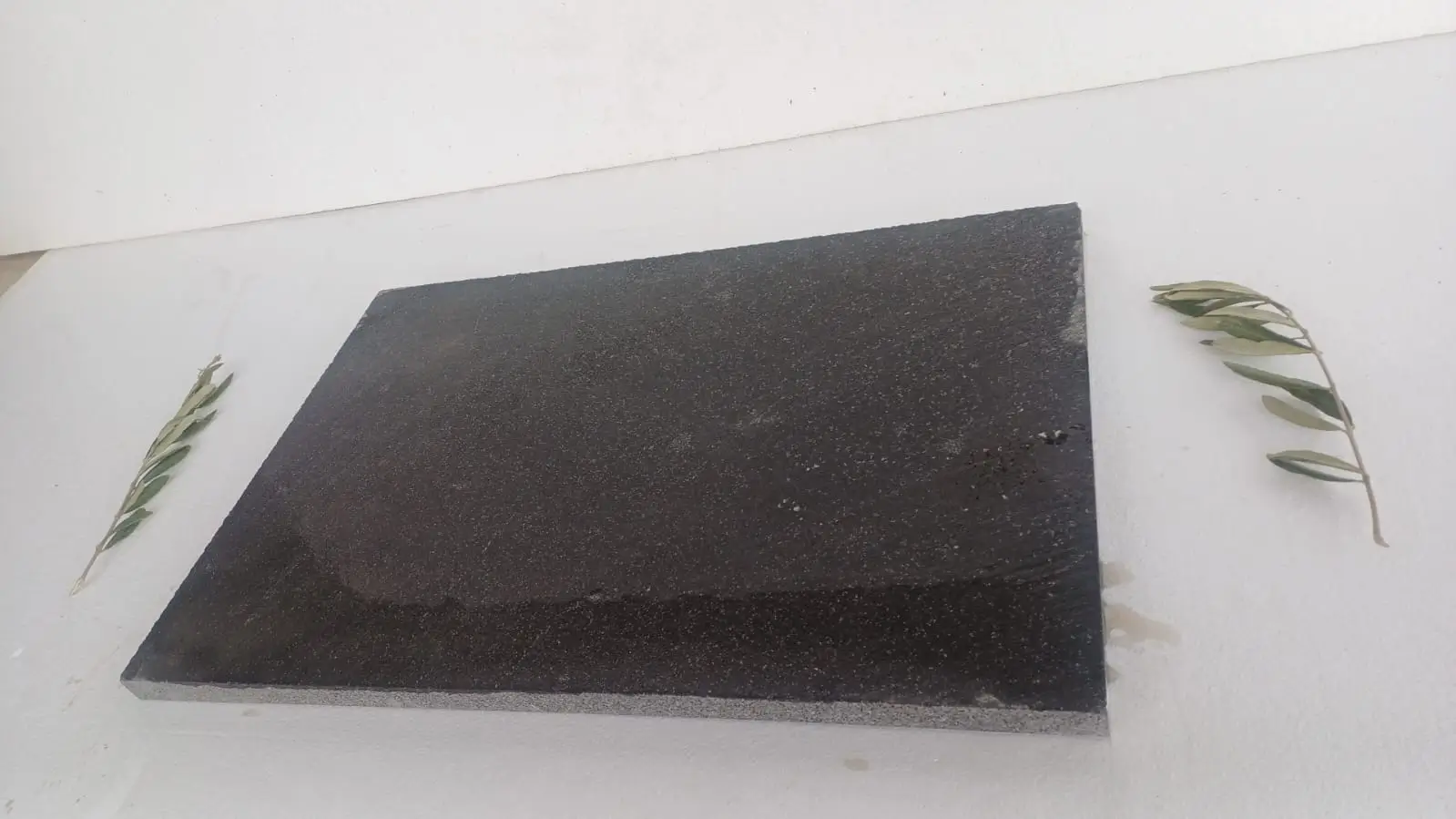
Pattern Selection for Black Walkway Pavers — Drainage Function Shapes Design
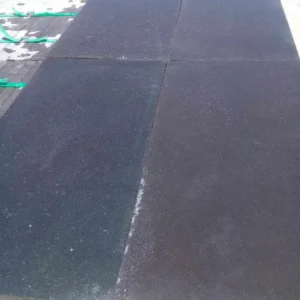
The herringbone pattern earns its dominant position in walkway specification for functional reasons that go beyond aesthetics — it distributes point loads across a wider interlock network and, critically, creates a joint geometry that doesn’t align in continuous runs parallel to the drainage slope. Continuous aligned joints in a running bond pattern on a sloped walkway become preferential flow channels during heavy rain, directing water along joint lines rather than across the surface plane and concentrating erosive pressure on specific base zones. For a black pavers walkway in Arizona where monsoon events deliver high-velocity sheet flow, herringbone at 45 degrees to the primary slope direction is the technically superior choice.
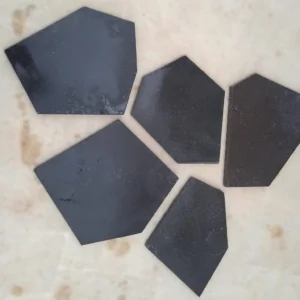
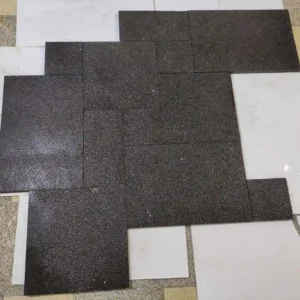
Modular mixed-size patterns — combining 4×8, 6×6, and 8×8 units — introduce deliberate joint offset that provides similar hydraulic benefits while allowing more design flexibility. The format variety also allows you to use a black paver border in Arizona design as a framing device that simultaneously serves as a surface drainage delimiter, visually marking the edge zone where runoff transitions from the walkway field to the adjacent drainage strip. Citadel Stone stocks black walkway pavers in standard rectangular formats as well as modular combination sets — you can request size samples and layout documentation to validate the pattern geometry before committing to a full project order.
- Herringbone at 45 degrees to slope direction: optimal hydraulic performance and maximum interlock under dynamic loads
- Running bond parallel to slope: avoid — creates continuous joint channels that concentrate drainage flow and base erosion
- Modular mixed formats: good balance of drainage distribution and design flexibility for residential and commercial walkways
- Soldier course border in contrasting black paving edging in Arizona: functional drainage delimiter and visual frame simultaneously
- Minimum 1.5% surface slope regardless of pattern — the pattern does not substitute for proper grading
Request a Quote for Black Pavers Walkway in Arizona — Citadel Stone
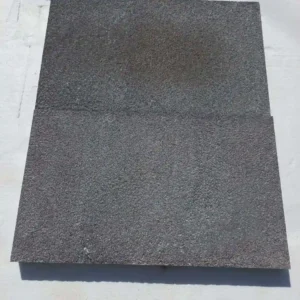
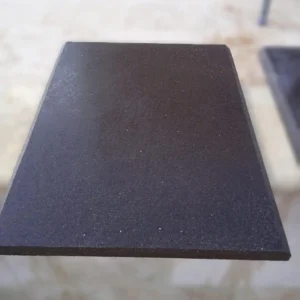
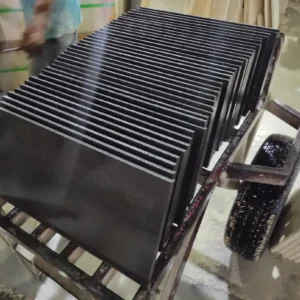
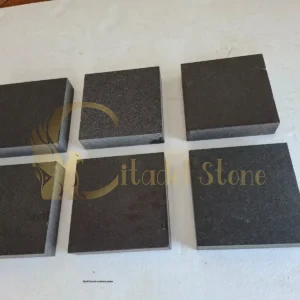
Citadel Stone stocks black walkway pavers in basalt, dark limestone, and dense concrete formats, available in standard thicknesses of 1.25 inches, 1.5 inches, and 2 inches to match pedestrian, light commercial, and mixed-use walkway load requirements. Available sizes include 4×8, 6×6, 8×8, 12×12, and 12×24 nominal formats, with modular mixed-size sets available for pattern installation. For projects requiring custom cuts, non-standard thicknesses, or specific absorption rate documentation, the Citadel Stone technical team can advise on lead times and batch availability from current warehouse inventory.
Delivery coverage extends across Arizona — from Phoenix and Tucson metro areas to northern communities — with truck scheduling available for both pallet delivery to staging areas and full job-site drops depending on access conditions. Standard lead times from confirmed warehouse stock run 1–2 weeks for most Arizona destinations. Trade account pricing and wholesale volume enquiries are available for contractors, landscape architects, and developers with recurring project needs. Contact Citadel Stone to request material samples, review current format availability, or schedule a technical consultation for your black paving edging in Arizona or full walkway project.
As you finalize your Arizona stone project scope, adjacent patio surfaces benefit from coordinated material planning that supports your walkway drainage design and maintains visual continuity across the full hardscape — Black Patio Blocks in Arizona covers how complementary surface specifications can be aligned with your walkway system for consistent performance and aesthetics. For Arizona properties that demand both performance and refined aesthetics, Citadel Stone delivers black paver walkway installations built to endure the desert environment.