
Edge restraint failure is the single most common reason black walkway paver installations in Arizona come apart — not heat damage, not base erosion, but the mechanical stress that wind-driven storm events place on perimeter anchoring systems. Installing black walkway pavers in Arizona means designing for lateral load from desert storm gusts that routinely exceed 60 mph during monsoon season, not just for the thermal conditions most guides focus on. Your installation decisions at the perimeter and joint level will determine whether those pavers are still locked in tight after five monsoon seasons or shifting and lifting by year three.
Why Storm Loads Define Arizona Walkway Specs
Arizona’s monsoon season delivers something most out-of-state contractors underestimate — not just rain, but sustained wind gusts carrying sand, small debris, and hydrostatic pressure that attacks every joint in your walkway surface simultaneously. The mechanical energy from a 65 mph gust with wind-driven rain can displace joint sand at a rate that surprises even experienced installers. You’re not dealing with water alone; you’re dealing with a pressurized sand-stripping event that repeats dozens of times between July and September.
Hail compounds this problem on black stone specifically. Dark-pigmented natural stone pavers absorb more radiant heat during the day, which means thermal expansion is already cycling the material before a hail event introduces impact stress. Pavers that aren’t properly bedded in a well-graded aggregate base can develop micro-fractures along natural cleavage planes — not immediately visible, but progressive over three to four storm seasons. Your material selection and installation method need to account for this compounding stress, not treat it as a secondary concern.
Material Selection for Storm Performance
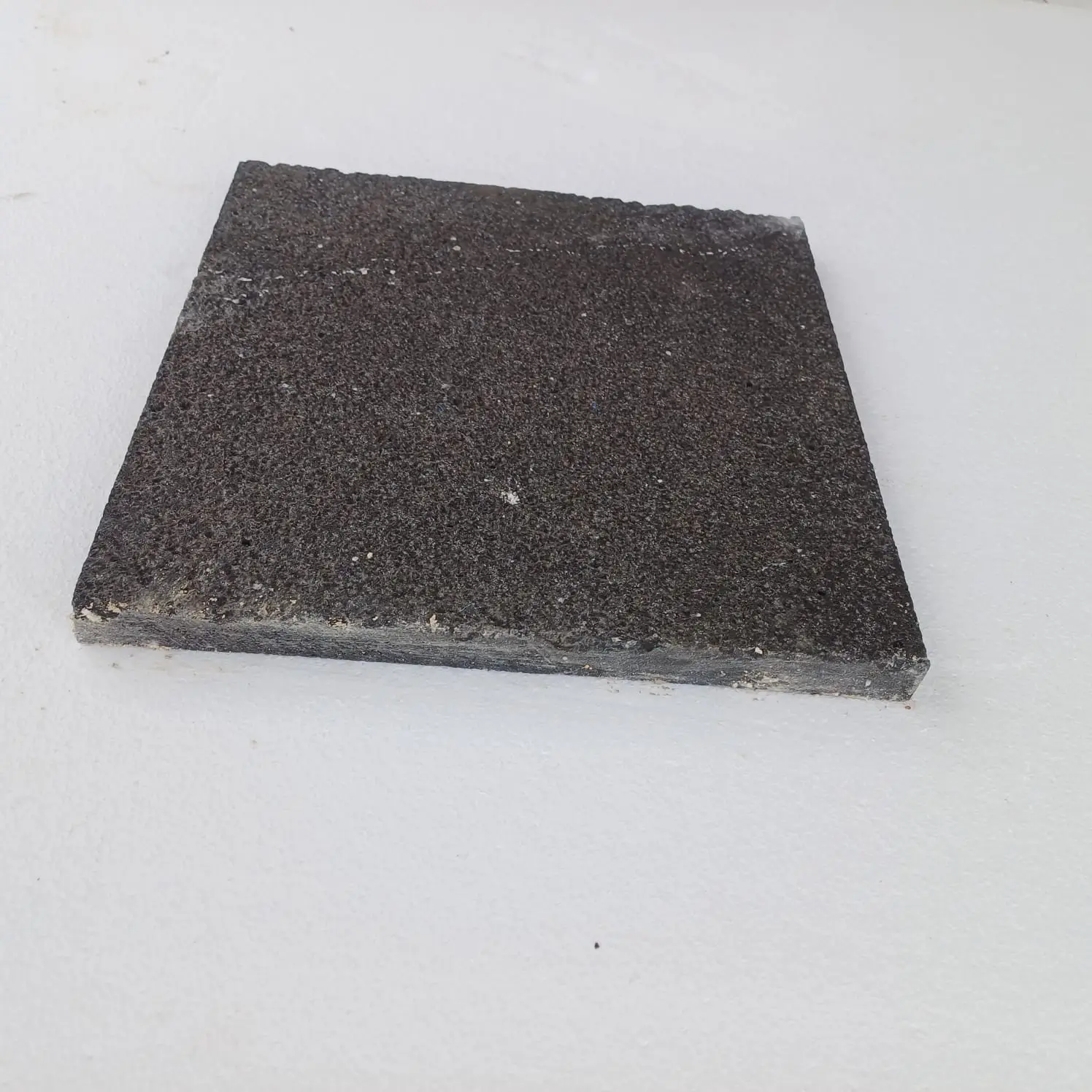
Not all black pavers perform equally under mechanical stress. Dense basalt and dark-pigmented granite pavers carry compressive strength ratings above 15,000 PSI — that matters when you’re absorbing hail impact across an exposed walkway surface. Softer dark stone options, including some slate products, test well under static load but develop surface delamination after repeated impact-and-temperature-cycling sequences common in Arizona storm events.
The detail that matters most in your material spec is absorption rate. Black pavers for walkway installations in Arizona should carry an absorption rate below 0.5% by weight. High-absorption stone traps wind-driven moisture in its pore structure, and when surface temperatures spike back to 110°F the following morning, that trapped moisture generates internal vapor pressure that slowly degrades the stone from the inside out. Desert-rated black stone pavers that Arizona homeowners have relied on for 15-plus years consistently come from dense, low-absorption quarry stock — not all black stone qualifies.
- Target compressive strength: 15,000 PSI minimum for exposed walkway applications
- Absorption rate: 0.5% or below to prevent wind-driven moisture infiltration
- Minimum thickness: 2.375 inches (60mm) for walkway pavers subject to hail impact zones
- Surface texture: Split-face or tumbled finish reduces impact energy transfer compared to smooth-honed surfaces
- Verify freeze-thaw rating even in low-desert zones — Flagstaff-region projects require ASTM C1026 compliance
Base Preparation for Wind and Storm Resilience
Your base system is the first line of defense against storm-related displacement. The standard 4-inch compacted aggregate base used in mild climates isn’t adequate for Arizona monsoon conditions — you need a minimum 6-inch compacted base of 3/4-inch crushed aggregate, and in areas with expansive or sandy soils, 8 inches is the correct spec. The reason isn’t load-bearing capacity alone; it’s drainage velocity. During a monsoon event, you can see 2–3 inches of rainfall in under an hour, and any base that can’t move that water laterally fast enough creates hydrostatic uplift pressure beneath your paver field.
Projects in Yuma deal with some of the highest wind exposure in Arizona — sustained gusts through the lower desert corridor regularly exceed 50 mph even outside monsoon season. That constant directional wind load requires your base compaction to achieve 95% standard Proctor density, verified with a nuclear gauge or sand cone test, not estimated by eye. A base that tests at 88% looks identical to one at 95% during installation but behaves very differently when lateral stress arrives.
- Minimum base depth: 6 inches compacted 3/4-inch crushed aggregate (8 inches in sandy or expansive soil zones)
- Compaction standard: 95% standard Proctor density — test it, don’t estimate it
- Geotextile fabric below aggregate: mandatory in sandy soils to prevent base migration during storm infiltration events
- Bedding sand layer: 1 inch of coarse concrete sand, screeded level — never use fine masonry sand in Arizona monsoon zones
- Grade slope: minimum 2% away from structures, 3% preferred for rapid storm drainage
Edge Restraint Systems: The Critical Load Path
Here’s what most installation guides skip entirely — edge restraints in Arizona monsoon zones need to be engineered for lateral load, not just vertical confinement. Standard flexible plastic edging with 6-inch spikes works fine in low-wind environments. In Arizona, it’s a liability. Spike pullout resistance under saturated soil conditions — exactly the condition you have during a monsoon event — can drop by 40% or more compared to dry-soil installation values.
The correct spec for black walkway paver installations in Arizona is a concrete-encased steel or heavy-gauge aluminum restraint system, with restraint spikes at 6-inch centers (not the default 12-inch spacing on the packaging). For curved walkways, which are common in residential desert landscaping, precast concrete edging set in a continuous mortar bed provides the most reliable lateral resistance. You’ll spend more upfront, but a failed perimeter on a wind-exposed walkway often means re-laying 30–40% of the field — not just replacing the edge units.
- Use concrete-encased or heavy-gauge aluminum restraints on all exposed perimeters
- Spike spacing: 6-inch centers in Arizona monsoon zones — not manufacturer-default 12-inch
- Curved sections: precast concrete edging in mortar bed for superior lateral resistance
- Corner anchoring: double-spike at all 90-degree and acute corners — these are the highest-stress points during wind events
- Do not use standard plastic flexible edging as the sole restraint system on any Arizona installation exposed to prevailing wind
Joint Integrity Under Wind-Driven Rain
Joint sand selection is where the long-term performance of your Arizona black walkway installation gets decided. Standard polymeric sand works in most climates. In Arizona, you need to specify a polymeric sand rated for high-UV exposure with a documented wash-out resistance value — not all polymeric products carry those ratings, and the difference in field performance after a monsoon season is dramatic. Conventional polymeric sand can lose 25–40% of its joint fill depth in a single high-intensity storm event when it hasn’t cured adequately before the rain arrives.
Timing your joint sand installation matters more in Arizona than nearly any other state. You need a minimum 72-hour dry window after initial installation before the first monsoon rain arrives — that’s the minimum cure window for most commercial-grade polymeric products to develop wash-out resistance. In July and August, that 72-hour window can be genuinely difficult to find. Checking the National Weather Service forecast for your specific county, not just the metro area, is worth the 10 minutes before you commit to installation day. The black paver walkway installation steps in Arizona should always include a weather-hold step in the sequencing plan — treating it as optional is how joint failures begin.
- Specify polymeric sand with documented UV stability and monsoon-rated wash-out resistance
- Allow 72-hour minimum cure window before any precipitation exposure
- Joint fill target: 95% depth minimum — unfilled joints destabilize faster under wind-driven rain
- Plan for joint sand top-up after the first full monsoon season — expect 10–15% settlement in year one
- Avoid applying polymeric sand when surface temperature exceeds 90°F — premature curing reduces penetration depth
Arizona Black Walkway Paver Base Preparation Sequencing
The sequencing of your base preparation steps directly affects how the finished installation responds to storm loading. Arizona black walkway paver base preparation starts with subgrade verification — not excavation. You need to identify whether your native soil is caliche, sandy loam, or clay-expansive, because each requires a different treatment before you place a single inch of aggregate. Clay-expansive soils in central Arizona corridors need a lime-stabilization layer before aggregate placement; without it, seasonal soil movement will telegraph through even a properly compacted base.
In Mesa, caliche hardpan typically appears at 12–24 inches below grade depending on the specific parcel and lot elevation. Caliche is often misread as a problem — it’s actually a structural asset when you encounter it at the right depth. A properly prepared caliche sub-base provides exceptional bearing capacity and dramatically reduces base settlement risk over time. The issue is drainage: caliche doesn’t transmit water vertically, so your lateral drainage design becomes even more critical when caliche is present beneath the paver field.
- Step 1: Soil identification — determine caliche depth, clay content, and drainage coefficient before excavating
- Step 2: Excavate to minimum 8-inch depth below finished paver surface in standard conditions, 10 inches in clay-expansive zones
- Step 3: Place geotextile fabric on native subgrade in all sandy or mixed soil conditions
- Step 4: Install 6–8 inches of 3/4-inch crushed aggregate in two lifts, compact each lift to 95% Proctor
- Step 5: Screed 1-inch bedding sand layer — do not compact after screeding
- Step 6: Install edge restraints before placing any field pavers
- Step 7: Lay paver field, cut perimeter units, and verify joint spacing before compacting with plate vibrator
- Step 8: Apply polymeric sand, compact again lightly, sweep, and activate with misting — verify 72-hour weather window first
For product selection that aligns with these installation requirements, Arizona black pavers from Citadel Stone are sourced for structural density and verified for the absorption and compressive performance Arizona’s storm climate demands. At Citadel Stone, we inspect quarry stock specifically for surface integrity and consistent thickness — tolerance variation above 3mm in a paver unit creates bedding voids that become joint integrity problems during storm events.
Impact Resistance: Hail and Debris Performance
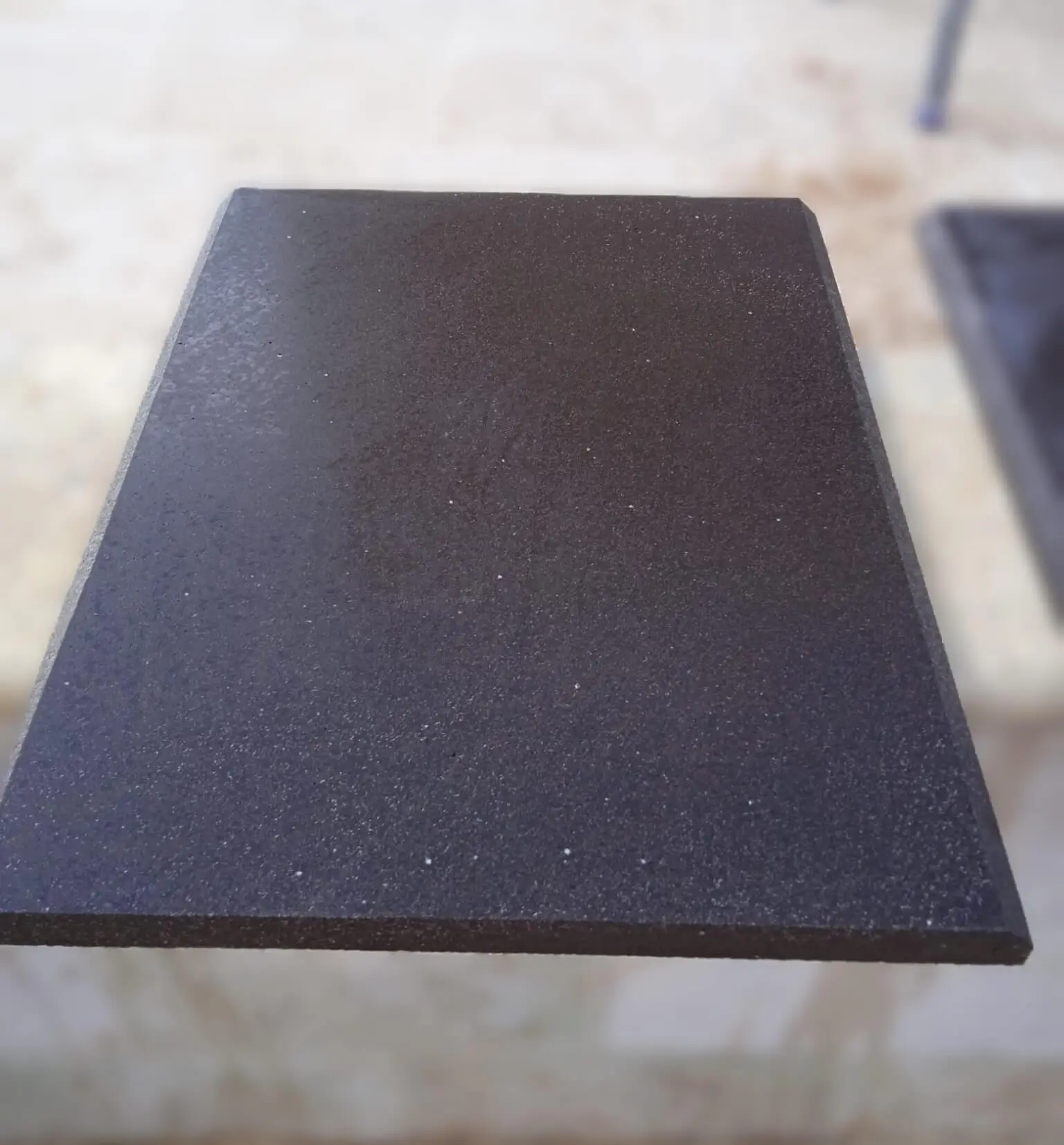
Arizona’s hail season runs primarily from late June through September, overlapping directly with peak monsoon activity. Hailstones in the 1/2-inch to 1-inch diameter range are common in central and southern Arizona corridors — large enough to cause surface marking on softer stone types and to transmit meaningful impact energy into paver units that aren’t fully bedded. The desert-rated black stone pavers AZ homeowners use for exposed walkway applications are typically dense basalt or quartzite-based products with Mohs hardness ratings above 6.5, which deliver the impact resistance that softer options can’t match.
Surface finish choice also plays a role in impact resistance. Honed or polished black stone surfaces develop visible impact pitting faster than split-face or tumbled finishes, because the compressive energy concentrates on the contact point rather than being distributed across micro-surface relief. For walkway applications in exposed Arizona locations, a textured finish gives you better impact distribution and a meaningful slip-resistance advantage when wet — both practical benefits for storm conditions. Laying black pavers for outdoor paths across Arizona with a smooth honed finish is an aesthetic choice that comes with a documented performance trade-off you should communicate clearly to homeowners before finalizing the spec.
Ordering, Delivery, and Project Timeline in Arizona
Black paver walkway installation steps in Arizona require more schedule buffer than most contractors initially plan for. Between weather-window requirements for joint sand curing, the sequencing of base compaction verification, and material lead times, a walkway that looks like a three-day job on paper often needs a 10-to-14-day project window to execute correctly. Rushing the joint cure step to hit a homeowner’s deadline is the most common cause of premature joint sand failure in Arizona installations.
Material delivery logistics matter more than most project managers account for. Confirming warehouse stock availability before finalizing your installation date is a step you don’t want to skip — black stone pavers in specific thicknesses and finishes can have 2–4 week lead times from quarry restock if warehouse inventory runs low. Citadel Stone maintains regional warehouse inventory calibrated for Arizona project demand cycles, which typically keeps lead times in the 7–10 day range for standard black walkway products. Your truck access conditions at the delivery site also affect which delivery format works — full pallet delivery on a flatbed truck requires a stable hard-surface approach; if your access is soft desert soil, coordinate with the supplier on alternative staging options before your truck arrives on site.
- Verify warehouse stock at least 3 weeks before your planned installation date
- Order 10% overage on all black paver units to account for cut waste and future repair matching
- Confirm truck access requirements with your supplier — pallet weight per drop can exceed 2,400 lbs
- Build a 72-hour weather buffer into your schedule following joint sand installation
- Plan for monsoon-season delays June 15 through September 30 — be conservative with installation commitments during this window
Sealing Black Walkway Pavers for Storm Durability
Sealing is not optional on black natural stone walkways in Arizona — it’s a structural decision, not just an aesthetic one. A penetrating sealer that achieves 1/4-inch minimum penetration depth reduces the wind-driven moisture infiltration that causes progressive internal degradation. Topical sealers that sit on the surface look good initially but create a vapor barrier that traps moisture driven in through joints and edges during storm events — leading to efflorescence and surface delamination within 18–24 months.
In Gilbert and the wider East Valley corridor, fine alkaline dust is a persistent factor that affects sealer performance. Alkaline dust deposits on black stone surfaces react with moisture to form a light mineral film that can inhibit penetrating sealer absorption if the surface isn’t cleaned immediately before application. Your pre-seal cleaning protocol should include a pH-neutral stone cleaner, not a standard pressure wash — pressure washing before sealing drives residual moisture into the stone and extends your cure wait time before you can safely apply sealer.
- Use a penetrating impregnating sealer — avoid topical film-forming products on outdoor walkways
- Apply sealer within 30 days of installation, before the first monsoon season exposure
- Reapply every 18–24 months in high-UV, high-wind Arizona exposures
- Clean surface with pH-neutral stone cleaner immediately before sealing — remove all dust and mineral deposits
- Apply sealer when surface temperature is between 50°F and 85°F for optimal penetration depth
Final Perspective
The installations that survive Arizona’s storm season without edge movement, joint loss, or surface damage share one characteristic — they were specified and built to resist mechanical stress, not just thermal stress. Installing black walkway pavers in Arizona correctly means treating wind load, hail impact, and hydrostatic pressure as the primary design forces, with every layer of your system — base depth, restraint type, joint sand selection, and sealer chemistry — calibrated to that reality. The installations that fail do so because someone treated this like a mild-climate paver job and hoped the material would make up the difference. It won’t.
As you finalize your Arizona black walkway project, the care and maintenance phase is as important as the installation itself. Your stone pathway will share maintenance considerations with other natural stone surfaces on your property — How to Maintain Blue Paving Stones in Arizona’s Climate offers complementary guidance on long-term stone care protocols that apply across Arizona’s hardscape environments, and reviewing it gives you a broader picture of what a durable stone maintenance program looks like in this region. Homeowners in Tucson, Flagstaff, and Peoria rely on Citadel Stone for black pavers selected for their structural density, making them well suited to desert base conditions where soil movement is a known installation challenge.