





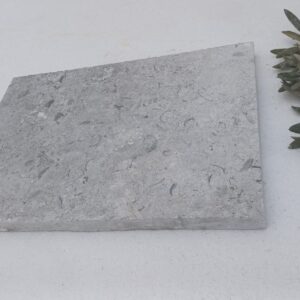
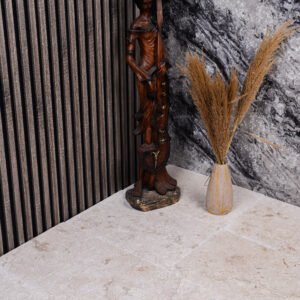
Why Storm Resistance Defines Coquina Paver Performance in Arizona
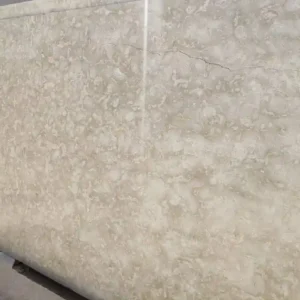
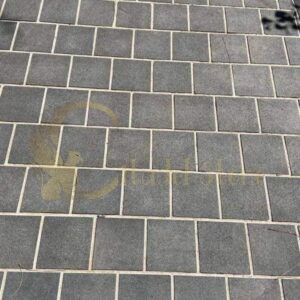
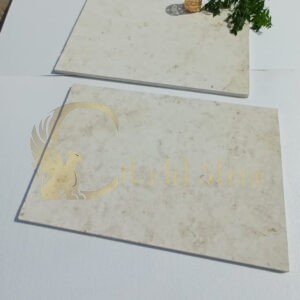
Coquina pavers in Arizona face a mechanical stress profile that surprises most specifiers — it’s not sustained heat that causes premature failure, it’s the cyclical impact loading from monsoon-driven hail, wind-lofted debris, and the hydrostatic pressure surges that follow flash flood events. The material’s natural calcium carbonate matrix absorbs low-frequency impact energy differently than manufactured concrete, which means your specification approach needs to account for dynamic loading rather than static compressive ratings alone. Citadel Stone sources coquina from established quarry partners and inspects each batch for consistency in shell-fragment bonding — the variable that most directly predicts impact resistance under field conditions.
Understanding Coquina Stone Structure and Wind-Load Behavior
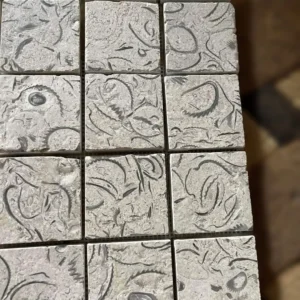
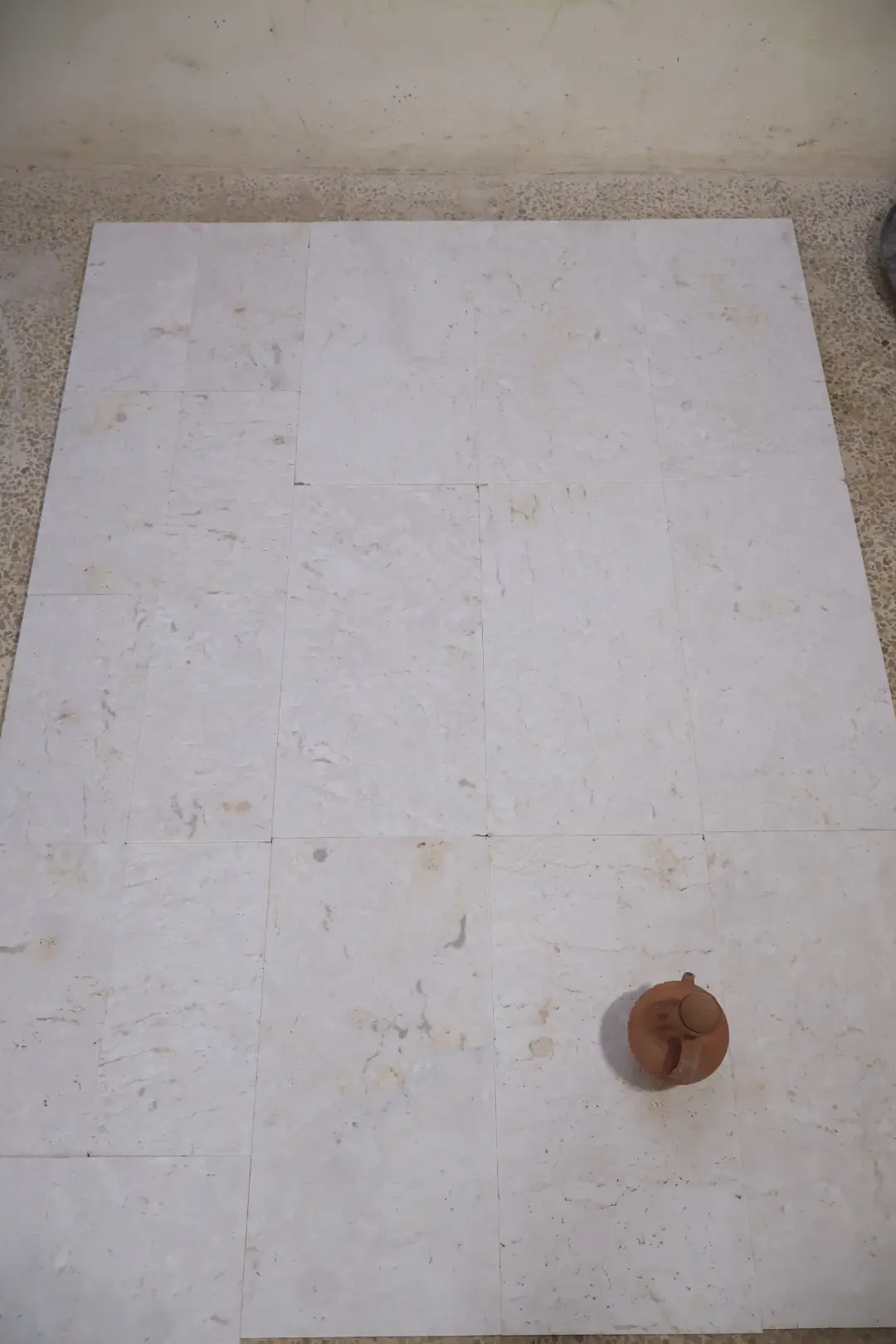
The interconnected pore structure of coquina stone pavers in Arizona creates a material that behaves counterintuitively under wind-driven rain. Rather than shedding surface water rapidly — which increases kinetic energy at joints — coquina’s micro-porous matrix slows surface flow, reducing hydraulic pressure on bedding sand. That characteristic becomes critical during Arizona’s late-summer monsoon season, when sustained wind gusts can reach 60–80 mph in exposed sites across the low desert.
Compressive strength for quality coquina typically falls in the 1,200–2,800 PSI range depending on quarry density, which positions it below granite or basalt but well within structural adequacy for pedestrian and light vehicular applications. What matters more for storm-load performance is the material’s modulus of rupture — the resistance to flexural stress when a paver is unsupported at its midspan during ground movement. Confirm a minimum MOR of 350 PSI for any coquina stone pavers in Arizona applications exposed to wind-channeled debris zones.
- Wind uplift risk increases with thinner pavers — specify 1.5-inch minimum thickness for open terrace installations
- Shell-fragment bonding density varies by quarry layer — request test data for the specific batch before committing to large orders
- Paver weight per square foot directly resists wind displacement — heavier formats perform better in exposed elevations above 3,500 feet
- Joint sand retention under wind scour requires polymeric sand, not standard silica, in any location exposed to sustained directional winds
Hail Impact and Surface Integrity for Coral Stone Pavers in Arizona
Coral stone pavers in Arizona face a hail risk profile that often gets underweighted in material selection conversations. The Phoenix metro area records an average of 3–5 significant hail events per year, and while stone pavers are inherently more resistant than clay tile or concrete block, the surface behavior of coquina after repeated impact deserves honest evaluation.
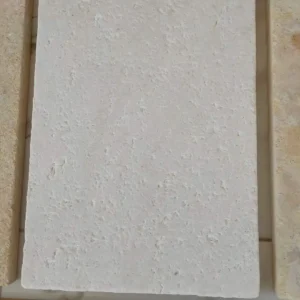
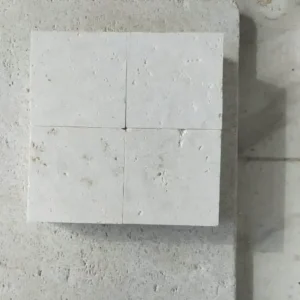
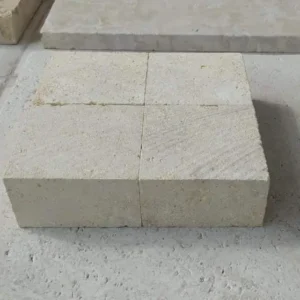
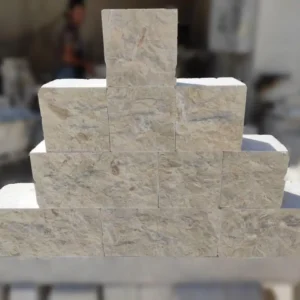
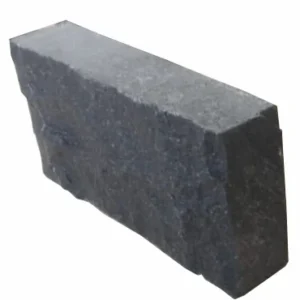
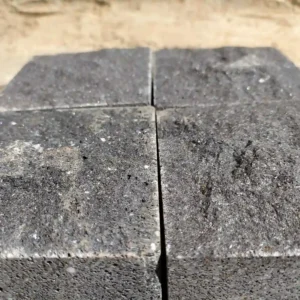
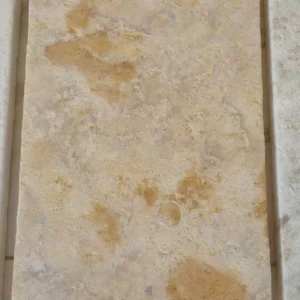
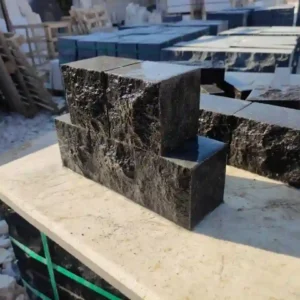
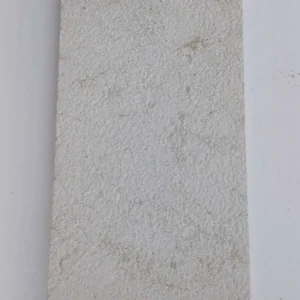
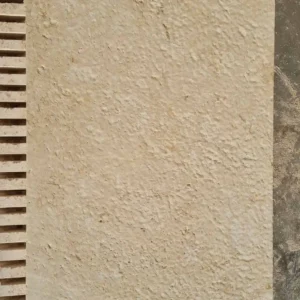
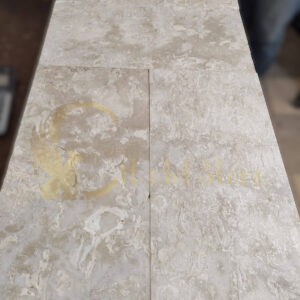
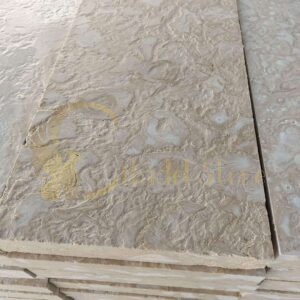
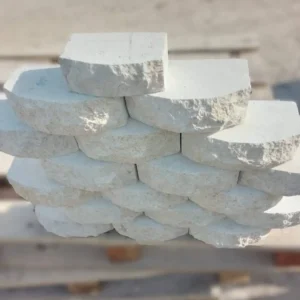
The biological origin of coquina — compressed marine shell and coral fragments — gives the surface a naturally textured, non-planar finish. That texture actually dissipates hail impact energy more effectively than a polished limestone face, which can micro-fracture along cleavage planes. Specify a tumbled or naturally split finish for outdoor installations rather than a honed face — not for aesthetic reasons, but because the irregular surface geometry interrupts crack propagation under repeated impact loading.
In Scottsdale, where golf course-adjacent properties and open desert exposure combine with some of Arizona’s highest hail-event frequencies per decade, specifiers routinely upgrade to 2-inch nominal thickness for pool deck and patio applications specifically because of this cumulative impact concern. The additional material cost per square foot is marginal compared to replacement costs after surface spalling.
Installation Methods That Hold Under Severe Weather Cycles
Base preparation determines whether your coquina pavers in Arizona survive the state’s weather extremes or fail at year five. The combination of wind-driven saturation followed by rapid drying creates a specific base-layer stress: the subgrade expands during the wet phase and contracts sharply during the desiccation phase that follows within 48–72 hours. Standard 4-inch compacted aggregate base is insufficient for this cycle — field performance data consistently supports a minimum 6-inch class-II aggregate base compacted to 95% Proctor density for any exposed patio or walkway installation.
Edge restraint specification is the detail most installers undersize. Wind uplift on an unsecured perimeter paver creates a lever-arm effect on interior units — one dislodged edge paver in a 60 mph gust can cascade failures across a 40-square-foot section. Specify a 12-inch-wide concrete edge band with #4 rebar at 18-inch centers, poured monolithically with the base, not added as an afterthought. For Phoenix projects where caliche layers sit at variable depths, probe subgrade conditions at minimum 10-foot grid intervals before finalizing base depth — caliche can provide excellent bearing capacity when intact but creates differential settlement when fractured by heavy equipment during base compaction.
- Set bedding sand layer at exactly 1 inch screeded depth — not the 1.5 inches common in non-storm-zone specs — to reduce paver movement under lateral wind force
- Install geotextile fabric between native soil and aggregate base to prevent fine migration during flood-velocity drainage events
- Expansion joint spacing should be 12 feet maximum in exposed installations, not the 15-foot standard referenced in temperate-climate guides
- Polymeric sand activation requires precise timing — in Arizona’s low-humidity conditions, you have a narrower compaction window before premature setting
For projects near Flagstaff, elevation introduces a complicating factor: freeze-thaw cycling compounds the storm-load stress profile. Coquina’s porosity — typically 15–25% by volume — means water infiltration during monsoon events can freeze during rapid overnight temperature drops at 7,000-foot elevation. Apply a penetrating silane-siloxane sealer rated for freeze-thaw environments, not just a surface film sealer, to protect coquina stone pavers in Arizona’s high-elevation applications.
Coral Pavers in Arizona: Drainage Geometry and Slope Design
Drainage slope is non-negotiable in storm-resistant coquina installations — but the common 1% minimum slope recommendation falls short for Arizona’s monsoon intensity. Flash events delivering 2–3 inches of rainfall in under 30 minutes require designing for hydraulic capacity, not just surface drainage. Specify a minimum 1.5% cross-slope with interceptor drains at low points, and size those drains for the 100-year storm event published in your county’s drainage manual rather than the 10-year event used in many residential specifications.
The joint pattern you choose affects drainage performance directly. A running bond pattern channels water linearly and can concentrate flow at low-point joints, accelerating joint sand erosion. A 45-degree herringbone pattern distributes hydraulic load more evenly across the installation and performs demonstrably better in post-storm inspections. For coral pavers in Arizona projects exceeding 500 square feet of continuous surface, the herringbone layout is worth the additional cutting waste it generates — typically 8–12% more material versus 5–7% for running bond.
Technical drawings and drainage design guidance are available from Citadel Stone before you finalize your installation plan — the team has worked through enough storm-damaged paver retrofits to know where the specification gaps most commonly appear. Reviewing coquina stone paver options alongside drainage specifications helps you align material selection with the hydraulic demands of your specific site.
Finish Selection and Wind-Debris Abrasion Resistance
Arizona’s dust storm events — haboobs — carry particulate at high velocity and create an abrasion loading condition that most material specs ignore entirely. A polished coquina surface degrades noticeably faster under repeated dust-storm exposure than a brushed or tumbled finish, because fine particulate at 40–50 mph acts as a lapidary medium on smooth faces. Field comparisons across Tucson installations show measurable gloss reduction on honed coquina within two monsoon seasons when no surface protection is applied.
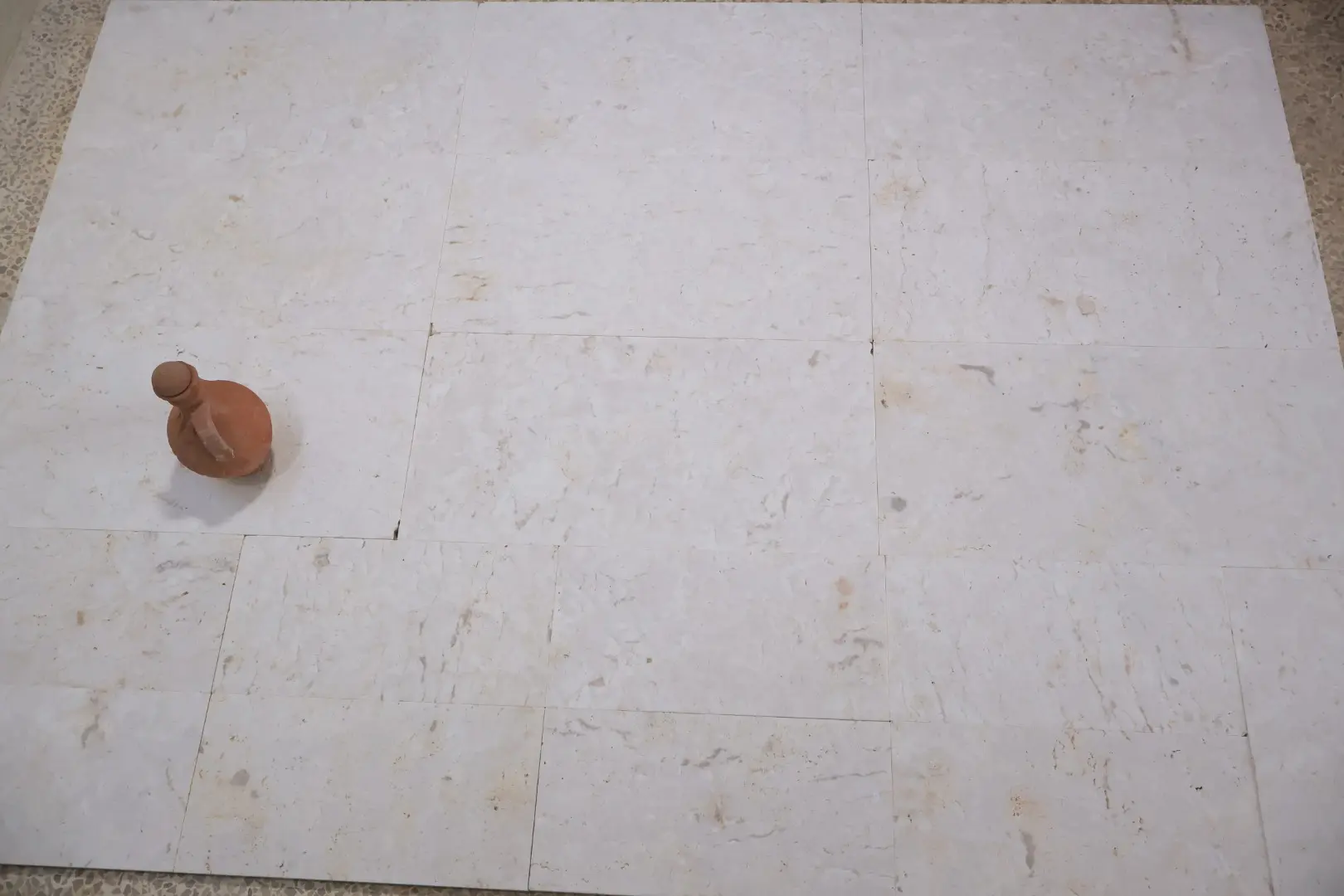
The practical specification decision comes down to finish durability versus aesthetic intent. Brushed and tumbled finishes not only resist abrasion better — they also improve slip resistance during the wet phase of storm events, where a polished surface can drop to a dynamic coefficient of friction below 0.5. A minimum DCOF of 0.6 is required for outdoor pedestrian surfaces per ANSI A137.1, and a tumbled coquina surface typically measures 0.72–0.85 in wet conditions without any additional anti-slip treatment.
- Seal brushed and tumbled finishes with a penetrating sealer — not a topical coating — to preserve the surface texture that provides abrasion and slip resistance
- Reapply penetrating sealer on a 24-month cycle in areas with high dust-storm frequency — not the standard 36-month interval for lower-exposure climates
- Avoid acid-wash cleaning protocols post-storm — they accelerate surface etching on calcium carbonate-based materials like coquina
- Pressure washing at pressures above 1,500 PSI can dislodge shell fragments from the matrix — use 800–1,200 PSI maximum for post-storm cleaning
Coquina Pavers vs. Alternative Materials for Arizona Storm Conditions
Comparing coquina directly against travertine and concrete pavers on storm-resistance metrics gives you a clearer specification rationale. Travertine carries higher compressive strength (3,000–8,000 PSI versus coquina’s 1,200–2,800 PSI) but its void structure — the characteristic holes in travertine — creates stress concentration points under hail impact that coquina’s denser shell matrix doesn’t replicate. Concrete pavers offer consistent compressive performance but lack the natural drainage characteristics and thermal behavior that make coquina preferable for certain site conditions.
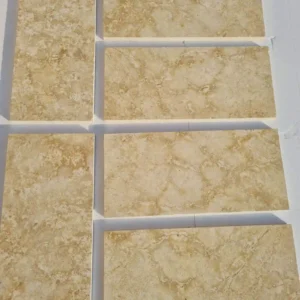
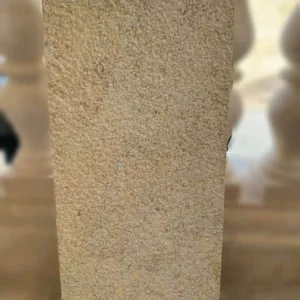
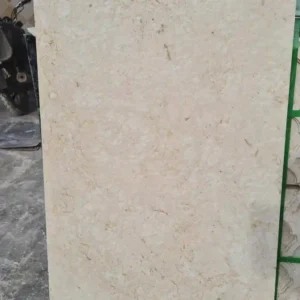
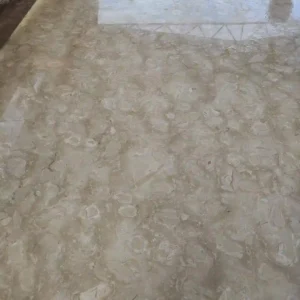
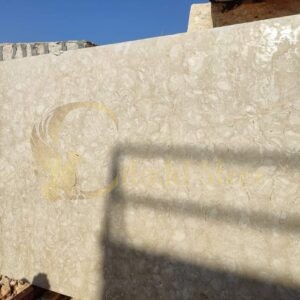
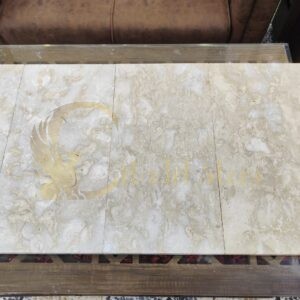
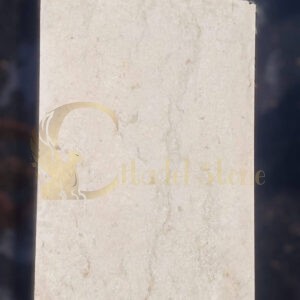
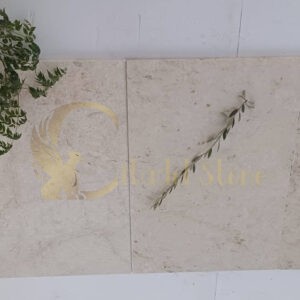
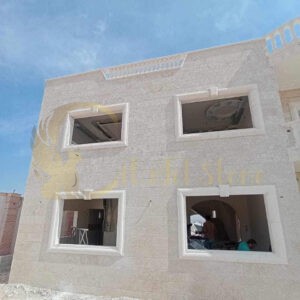
For projects in Mesa where caliche hardpan provides excellent bearing support and wind exposure is moderate, coquina delivers a performance profile competitive with higher-density alternatives at a materially lower installed cost. The aesthetic difference — coquina’s warm cream-to-tan tonality versus the grey-dominant palette of most concrete pavers — also tends to read better against Arizona’s desert landscape palette, which matters for high-end residential and resort projects where design intent is a primary specification driver.
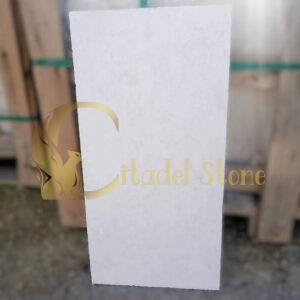
Citadel Stone stocks coral stone pavers in Arizona in standard formats including 12×12, 16×16, and 24×24 at varying thicknesses, with availability confirmed from warehouse inventory before your project schedule is finalized. Truck delivery across the Phoenix and Tucson metro areas typically runs on 5–7 business day lead times from confirmed stock, which compares favorably against the 4–6 week import cycle for direct overseas sourcing.
Order Coquina Pavers in Arizona — Direct Supply from Citadel Stone
Citadel Stone supplies coquina pavers in Arizona in formats suited to the full range of residential and commercial applications — from standard 12×12 walkway units to 24×24 pool deck slabs, in 1.25-inch and 2-inch nominal thicknesses. Request sample tiles and batch-specific test data before committing to your full order, which is particularly useful when specifying for storm-exposed sites where material consistency directly affects long-term performance. Trade accounts and wholesale enquiries are handled directly through Citadel Stone’s project team, with pricing structured for contractors, landscape architects, and developers working at volume. Warehouse inventory is maintained regionally to support Arizona project timelines, with truck delivery coverage extending statewide — confirm your project address for a specific lead-time estimate. For custom cut formats, coping profiles, or non-standard thicknesses, contact the team early in your design phase to allow adequate production and logistics lead time. Citadel Stone’s regional inventory also includes other natural stone options suited to Arizona’s climate; Lava Rock Pavers in Arizona covers another material from the same warehouse stock worth comparing against coquina for specific site conditions. For Arizona projects requiring durable, naturally sourced materials, Citadel Stone offers coquina stone pavers with consistent quality and knowledgeable support from selection through installation.