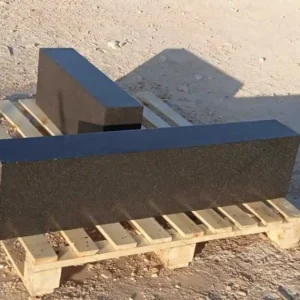
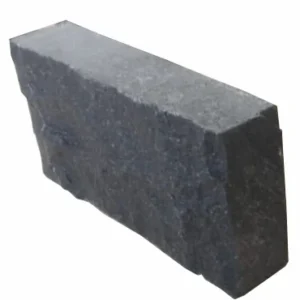
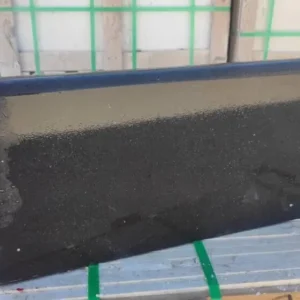
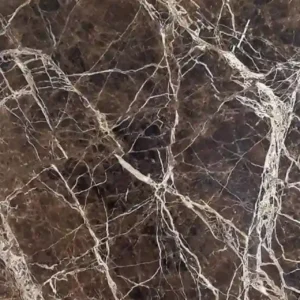
Base stability across Arizona’s varied terrain is the variable that separates black pavers in Arizona installations that hold for decades from those that begin failing within three to five years. The state’s elevation range — from 70 feet above sea level in Yuma to over 7,000 feet in Flagstaff — creates radically different ground movement profiles, drainage demands, and subgrade conditions that no single off-the-shelf specification can address. Your choice of black paving slabs in Arizona needs to be evaluated against the specific elevation band, slope gradient, and soil classification of your site before any other decision is made.
How Arizona’s Terrain Shapes Drainage Design for Black Pavers
Arizona’s topography isn’t just dramatic scenery — it’s a set of engineering constraints that directly determine how your black paving slabs perform over time. The state’s basin-and-range geology creates abrupt transitions between compacted alluvial fans, loose sandy washes, and caliche-laden clay deposits, sometimes within a single residential lot. Your drainage design has to work with those transitions, not pretend they’re uniform.
In the Phoenix metro, surface drainage moves fast across hardscape because the grade is relatively shallow and the ground is dry. In contrast, terrain around Sedona introduces steeper cross-slopes, red clay soils with poor lateral drainage, and seasonal storm flows that can redirect entirely based on how your paver field is oriented. Getting the cross-fall right — typically 1.5 to 2 percent on black outdoor pavers in sloped contexts — is more important here than it is on a flat Phoenix lot.
For sloped terrain above roughly 3,500 feet elevation, you’ll also contend with winter saturation cycles where moisture penetrates the joint system, freezes in the aggregate voids beneath, and generates upward frost pressure. This is why black landscape pavers specified for Sedona or the higher Scottsdale foothills should be assessed for freeze-thaw resistance alongside their standard load-bearing ratings.
- Alluvial fan soils in the valley floor compact well but can shift under sustained moisture — your base needs adequate depth to distribute load across the stable layer
- Caliche hardpan, common between 12 and 30 inches in many central Arizona locations, can either anchor your base or create a perched water table if drainage paths aren’t cut through it
- Red clay soils at mid-elevations expand laterally when wet, pushing against paver edges and destabilizing border pavers if perimeter restraints are undersized
- Wash-adjacent lots face periodic subsurface water movement that standard aggregate bases alone won’t manage — a geotextile separator layer is non-negotiable in those zones
- Slope gradient above 5 percent changes how your bedding sand migrates — you may need to step your base courses rather than maintain a continuous single grade
Material Properties That Matter for Black Paving Slabs in Arizona
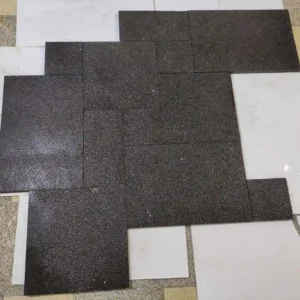
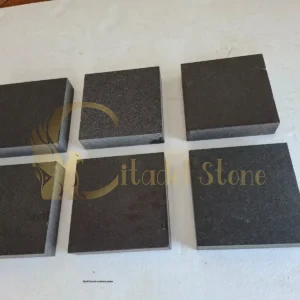
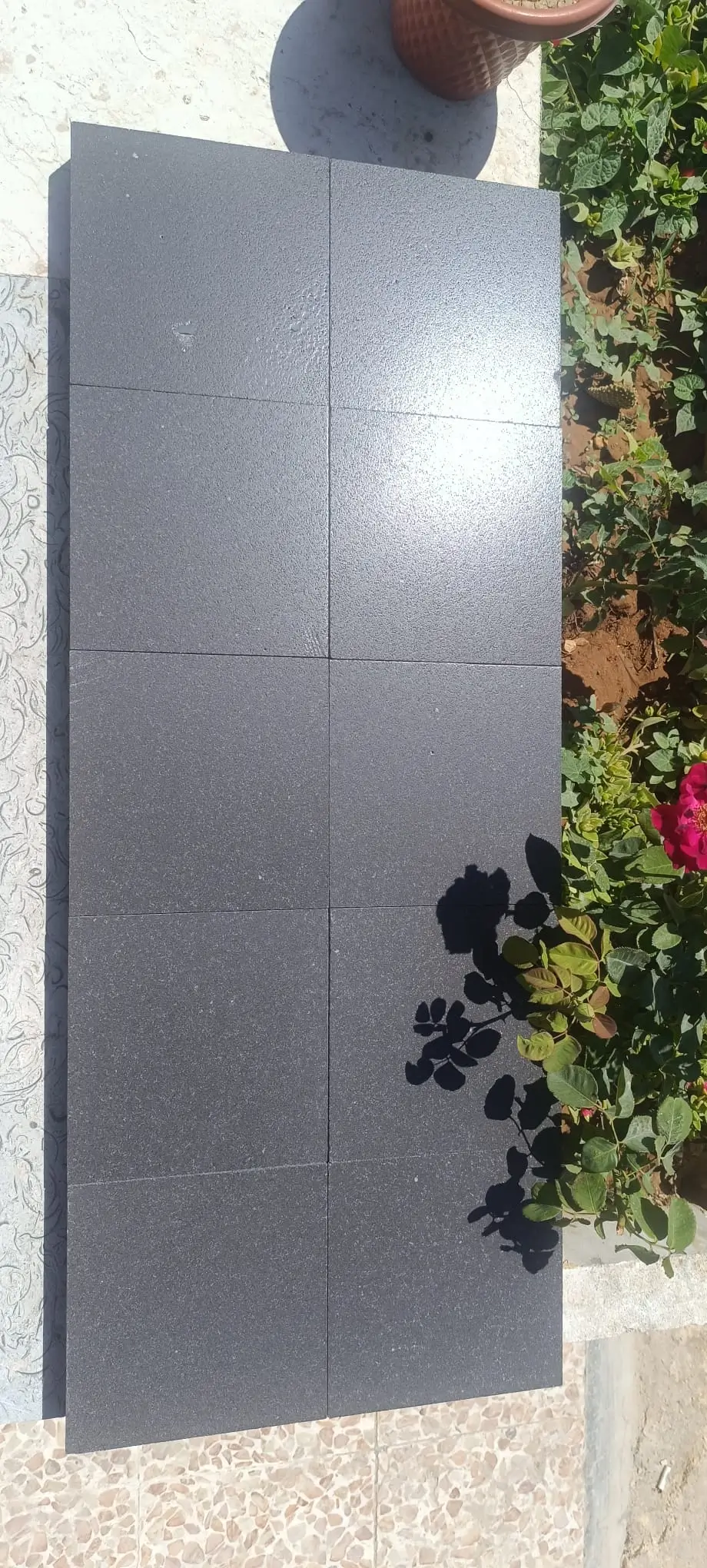
The deep coloration that makes black paving stones visually striking also drives specific performance requirements you need to understand before specifying. Dense dark materials — basalt, honed black granite, and certain black slate paving varieties — absorb more radiant energy than lighter alternatives, which means surface temperatures on exposed horizontal planes can reach 160°F to 175°F in direct Arizona sun during summer. That’s not a reason to avoid black patio pavers in Arizona, but it’s a reason to understand how thermal mass affects both user comfort and the material’s long-term dimensional behavior.
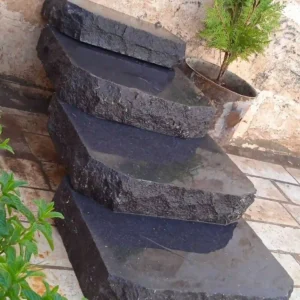
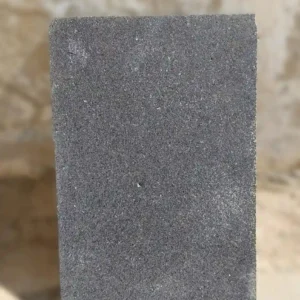
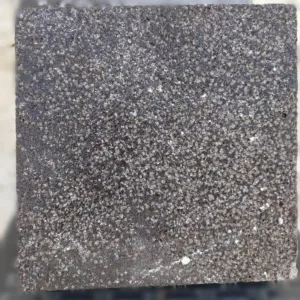
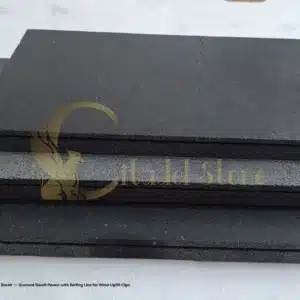
Basalt is the material that performs most consistently for black outdoor paving slabs in Arizona’s demanding conditions. Its compressive strength typically ranges from 25,000 to 35,000 PSI — substantially stronger than limestone or sandstone alternatives — and its low porosity (generally below 1%) makes it highly resistant to the moisture infiltration that causes long-term joint degradation. The material’s thermal expansion coefficient of approximately 4.0 × 10⁻⁶ per °F is favorable, meaning your expansion joints at 10-foot intervals will adequately handle the differential movement even in extreme desert heat cycles.
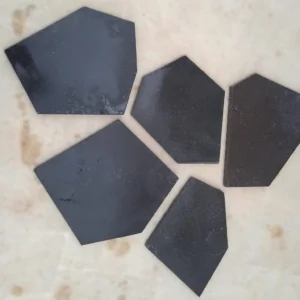
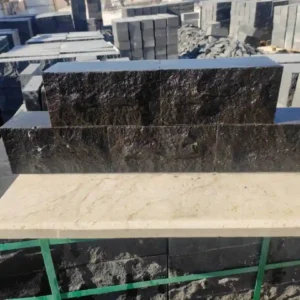
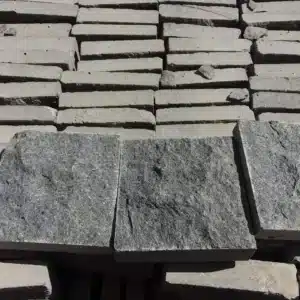
Black slate paving slabs deserve separate consideration because their performance profile differs significantly from basalt. Slate is a foliated metamorphic rock, and that layered structure means it’s prone to delamination under sustained compressive cycling when installed flat — particularly in black riven paving slabs formats where the irregular surface creates uneven point loading. Black slate paving slabs work well in lower-traffic garden applications and vertical cladding but need careful specification for driveways or areas with regular vehicular or heavy foot traffic.
- Basalt: compressive strength 25,000–35,000 PSI, water absorption below 1%, excellent freeze-thaw resistance up to ASTM C1026 standards
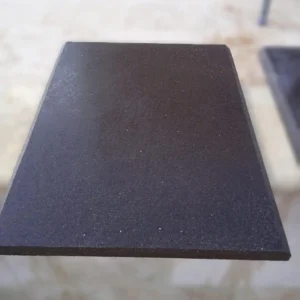
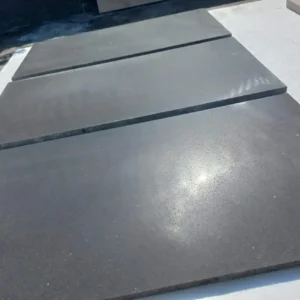
- Black granite: comparable strength to basalt with slightly higher thermal expansion, well-suited for high-polish black patio slabs in premium applications
- Black limestone: lower compressive strength (8,000–12,000 PSI typical), higher porosity, requires sealing on installation and biennial maintenance cycles
- Black slate: good for garden applications and lower-traffic contexts; riven surface adds texture but concentrates load at raised points under heavy traffic
- Black porcelain pavers: manufactured product with very low porosity and consistent color, but thermal shock resistance differs from natural stone — specify accordingly for Arizona’s temperature cycling
Citadel Stone sources black paving slabs from quarry partners with documented geological consistency, which means each batch delivered to your site has been inspected for color uniformity, surface integrity, and dimensional accuracy before it leaves the warehouse. That inspection step eliminates the common problem of mixed quarry batches that produce visible color variation across your finished paver field.
Base Preparation Across Arizona’s Elevation Zones
The single largest predictor of long-term black paver performance in Arizona is the aggregate base — specifically its depth, gradation, and compaction level relative to the soil type it sits on. Generic specifications calling for 4 inches of compacted base gravel work adequately in low-desert residential patio applications, but they’re consistently underspecified for slope zones, mid-elevation sites, and any application that carries vehicular loads.
For projects in Scottsdale‘s northern foothills — where granite cobble soils alternate with sandy washes and slopes routinely exceed 8 percent — you’ll want to build your aggregate base in two distinct layers: a 6-inch lower course of 1.5-inch crushed angular aggregate compacted to 95% Proctor density, followed by a 2-inch setting bed of clean angular grit. The angular gradation is critical because rounded gravel migrates laterally under load, which is why you’ll see edge failure in many paver installations that used river-wash aggregate as a cost-cutting measure.
For black patio pavers in flat valley applications around Phoenix, a 4-inch compacted base with a 1-inch setting layer is typically sufficient for residential pedestrian loads, but that should increase to 6 inches total for anything carrying vehicle weight. The real consideration in Phoenix’s flat terrain is lateral drainage — confirming that your base aggregate doesn’t act as a collection reservoir for the runoff that can’t escape the site quickly enough during monsoon events is essential to long-term performance. For a detailed breakdown of slab thickness and how it interacts with base depth for Arizona sites, black paving slabs Arizona options provides specification guidance aligned with these regional base conditions, covering pedestrian through driveway load scenarios in detail.
Thickness selection for the black paving slabs themselves should follow this rough guide: 1.25 inches (30mm) for pedestrian patio and garden applications, 1.57 inches (40mm) for mixed pedestrian and light vehicle access, and 2.36 inches (60mm) or thicker for full driveway applications.
- Verify caliche layer depth before designing base thickness — a caliche shelf at 18 inches can serve as your structural base if you break through it for drainage relief holes at 24-inch intervals
- Always install a geotextile separation fabric between native soil and aggregate base on clay-dominant sites to prevent fines migration into your drainage layer
- Compact aggregate base in maximum 3-inch lifts — thicker single-pass compaction produces a hard crust over a loose interior that fails under point loads
- On slopes above 3 percent, install a compacted edge beam or soldier course of black border pavers set in cement mortar to prevent the entire installation from migrating downhill over time
- In wash-adjacent zones, size your drainage gaps accordingly — standard 1/8-inch joints are too tight when debris-laden stormwater needs to pass through quickly
Format Selection: From Black Block Paving to Riven Slabs
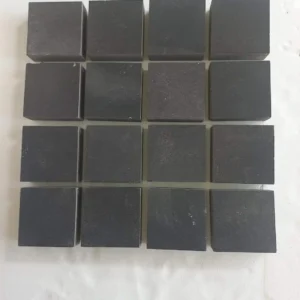
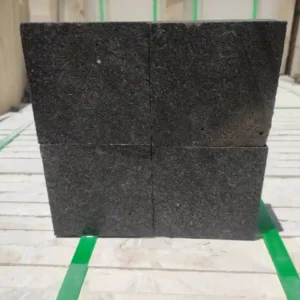
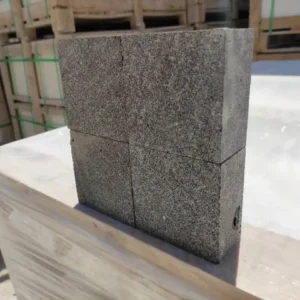
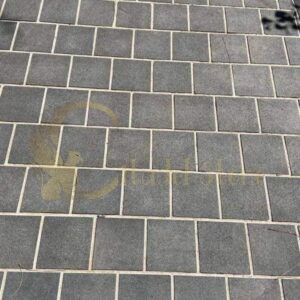
Arizona projects range from formal Scottsdale courtyards to working driveways in Phoenix commercial properties, and the format of your black paving material needs to match both the application load and the drainage geometry of your site. Black block paving bricks — the smaller modular units used in interlocking patterns — offer inherent drainage flexibility because the joint system creates a distributed pathway for surface water. That characteristic makes them particularly practical on terrain where surface runoff needs to be managed across a wide area rather than channeled to a single drain point.
Black block paving in herringbone pattern provides measurably better resistance to surface spreading under vehicular loads compared to stack bond or running bond layouts. The 45-degree herringbone transfers horizontal forces through the interlock between units rather than relying solely on the edge restraint system, which matters significantly on any sloped application where tire forces have a directional component.
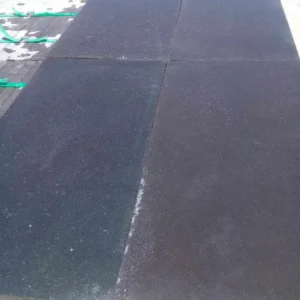
For patios and garden areas, large-format black patio slabs in 600mm × 600mm or 900mm × 600mm sizes create a cleaner visual plane and require fewer joints — which simplifies maintenance and reduces the number of potential points where weed infiltration can occur. The trade-off is that larger slabs are heavier and less forgiving of uneven base preparation; a hollow spot under a 900mm slab will produce a visible rock under point loading that the same void under a 200mm block paving brick would never create. Black garden slabs in these larger formats perform best in sheltered patio areas where drainage is controlled and base preparation can be executed to a consistent standard.
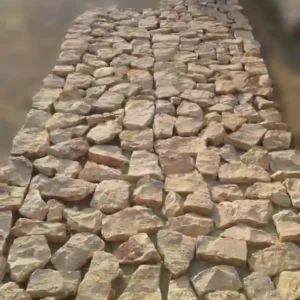
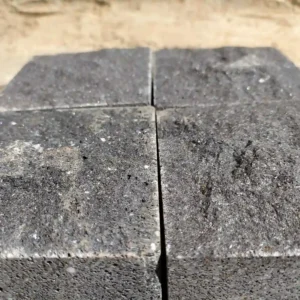
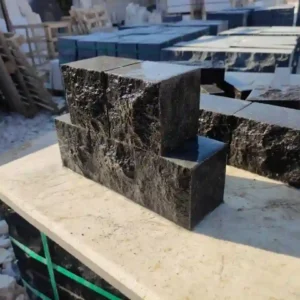
Black cobblestone driveway applications have seen strong uptake in Scottsdale and other areas where property aesthetics justify the premium. Cobblestones — typically 4-inch to 6-inch natural stone setts — provide excellent load distribution and a finished surface that ages naturally without the color fade issues associated with concrete pavers. Your installation for cobblestone requires a wet mortar bed rather than a dry-laid system, which changes your drainage approach: instead of relying on joint permeability, you design surface drainage through cross-fall and integrated channel drains.
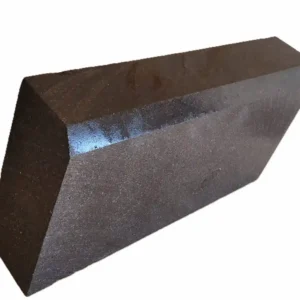
- Black paving bricks in 200mm × 100mm format suit commercial and high-traffic residential driveways — the smaller unit size distributes load more evenly across the base
- Large-format black garden paving works best in sheltered patio areas with controlled drainage — less suitable for open slope installations
- Black riven paving slabs in Arizona add natural surface texture that improves slip resistance in wet conditions — valuable in poolside and garden path applications where smooth polished surfaces can become hazardous
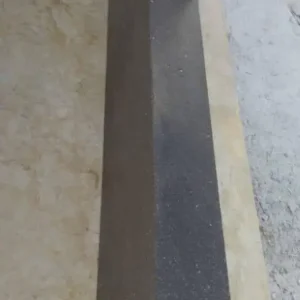
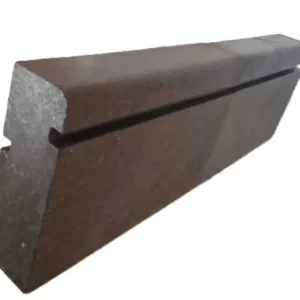
- Black border pavers in linear strip formats provide edge definition and retain the main field — spec them at the same thickness as your field pavers, not thinner
- Black cobblestone setts for driveways need to be mortared in Arizona’s terrain — dry-laid cobbles migrate on any grade above 2 percent
Slip Resistance and Drainage Performance for Outdoor Black Paving
Specifying black outdoor pavers for pool surrounds, entrance approaches, or any surface that gets wet regularly requires you to prioritize surface texture in your material selection. The visual appeal of a honed or polished black stone surface is undeniable, but the dynamic coefficient of friction on a wet polished surface can drop to 0.35 or below — well under the 0.60 minimum OSHA recommends for walking surfaces and the 0.80 typically required for pool decks in Arizona.
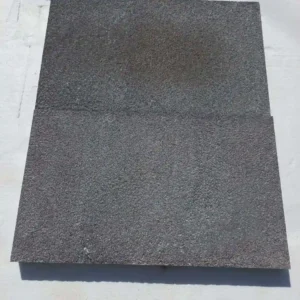
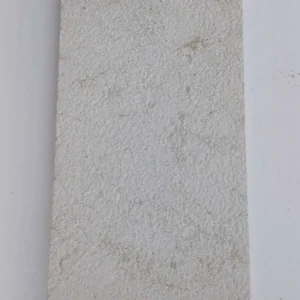
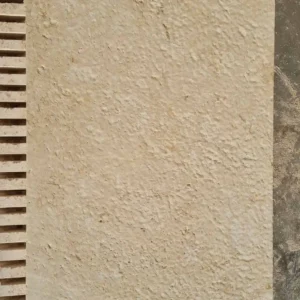
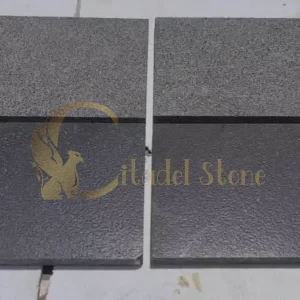
Black riven paving slabs — where the surface is split rather than sawn, creating a naturally irregular texture — typically achieve wet dynamic COF values between 0.65 and 0.85, which comfortably meets code requirements for outdoor applications. For black outdoor paving slabs that need both aesthetics and function, a bush-hammered or flamed finish on basalt or granite hits the right balance: it retains the deep color characteristic but creates a micro-textured surface that maintains friction even when saturated.
Drainage integration deserves as much design attention as material selection. On black garden paving around planted areas, you’ll want your joint width at 8mm to 10mm with a free-draining jointing sand rather than a polymeric compound — plants adjacent to paved areas benefit from the permeability, and the wider joint reduces the hydraulic head that can push standing water under the slabs during heavy monsoon rain events. Black rock pavers with a naturally textured cleft surface are particularly well-suited to poolside and garden path zones where both drainage and slip resistance must be addressed simultaneously.
Sealing and Long-Term Maintenance of Black Stone Paving Slabs
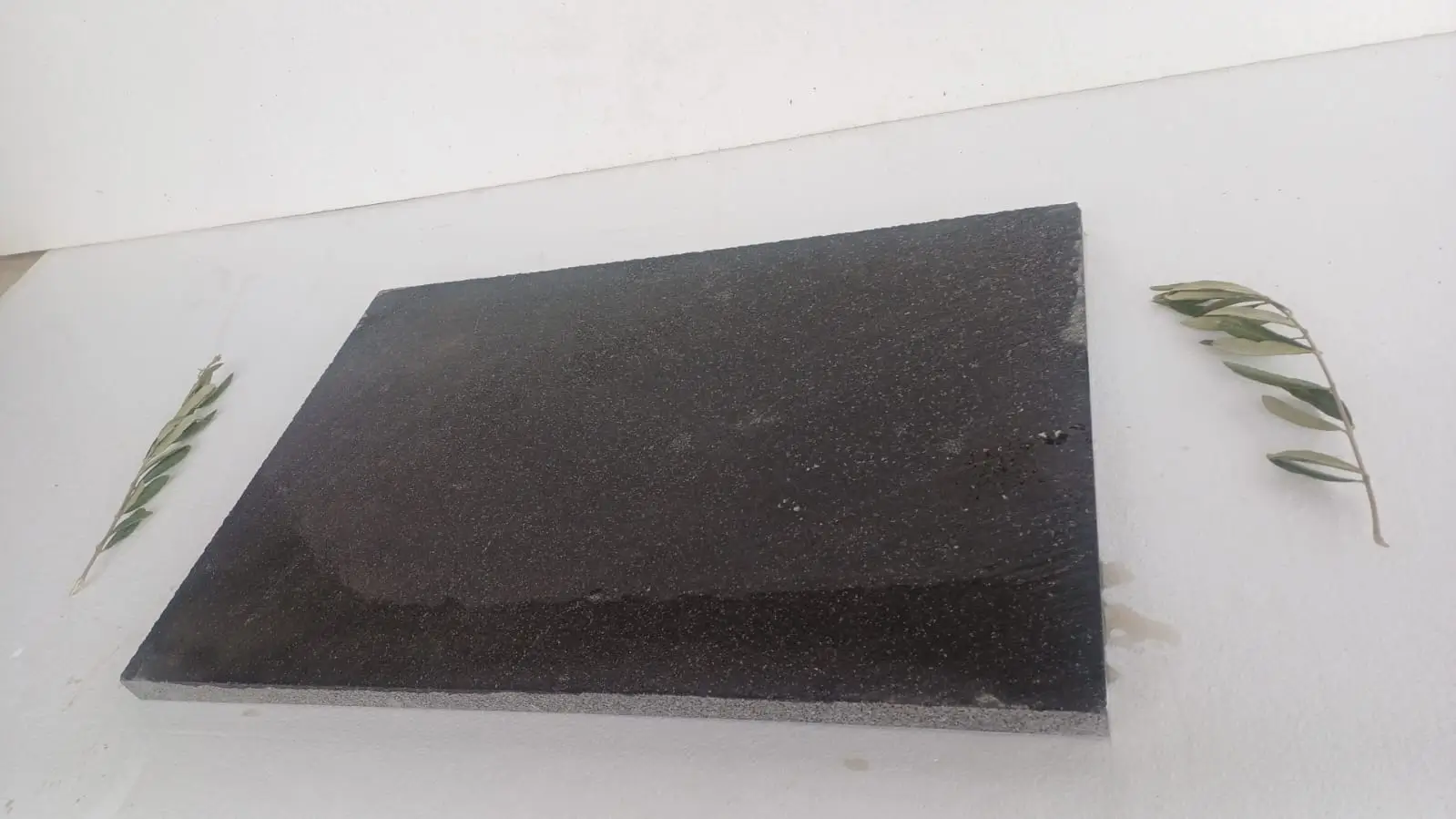
Sealing protocols for black stone paving slabs in Arizona differ from standard concrete maintenance schedules in two important respects: the UV exposure intensity accelerates sealant degradation significantly faster than in northern climates, and the temperature cycling between summer days and cool nights creates micro-movement at sealant-stone interfaces that breaks down film-forming products faster than penetrating sealers.
For basalt and granite black outdoor pavers, a penetrating impregnating sealer applied within the first 30 days of installation provides the baseline protection level. These sealers work by occupying the micro-pore structure of the stone rather than sitting on top as a film, which means they’re not subject to the peeling and blistering that affects film-forming products under Arizona’s UV load. Plan for reapplication on a 24-month cycle in Phoenix and Yuma, and a 36-month cycle at higher elevations where UV intensity is modestly lower.
For black stone paving slabs installed in Flagstaff, the sealing schedule needs to account for freeze-thaw cycles in addition to UV exposure — moisture that infiltrates an unsealed stone before a freeze event expands and can fracture the micro-structure of the stone over repeated cycles. Seal before the first frost season and inspect joint filler integrity annually; a joint that loses its filler creates a direct pathway for water to reach the aggregate base.
- Penetrating impregnating sealers outperform film-forming products for black garden paving in Arizona — no peeling, no blistering, and effective for 24–36 months in most climate zones
- Apply sealer only when surface temperature is between 50°F and 85°F — early morning application avoids the mid-day heat that causes solvent flash-off before adequate penetration
- For black slate paving slabs, use a sealer specifically formulated for foliated stone — standard granite sealers don’t fully penetrate the laminar planes where moisture damage originates
- Re-sand joints with polymeric jointing sand every 3–4 years in high-traffic areas — joint sand migration is the most common maintenance failure point for black block paving installations
- Efflorescence rarely affects dense basalt or granite black paving stones, but it can appear on calcium-rich joint mortars — treat with a dilute pH-neutral cleaner rather than acid-based products that etch stone surfaces
Order Black Pavers in Arizona — Delivery and Specification Support
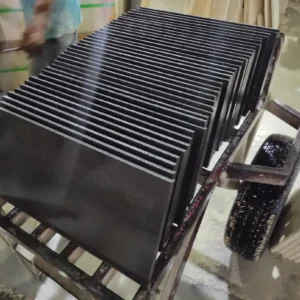
Citadel Stone stocks black paving slabs in Arizona in standard formats including 600mm × 300mm, 600mm × 600mm, 900mm × 600mm, and modular black block paving bricks in 200mm × 100mm and 210mm × 105mm dimensions. Thickness options span 30mm, 40mm, and 60mm across most material types, covering the full range from residential garden applications through commercial driveway specifications.
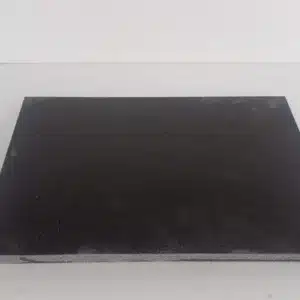
Sample tiles or full thickness specification sheets are available from Citadel Stone before committing to a project order — this is particularly useful when matching black paving stones against existing site materials or coordinating with landscape architects who need physical reference samples for client presentations. Availability across basalt, black granite, and slate variants is maintained in warehouse inventory, which typically allows order fulfillment within 1–2 weeks for standard formats without the extended lead times that come with direct import sourcing. A second warehouse stock check at the time of ordering confirms allocation for larger phased projects.
Trade and wholesale enquiries are handled through Citadel Stone’s project consultation team, who can advise on volume pricing, custom cut requirements, and phased delivery scheduling for larger Arizona projects. Truck delivery is available across the Phoenix metro, Tucson, and surrounding regions — for sites with restricted access, confirming truck dimensions at the time of ordering allows delivery logistics to be planned around your site constraints. For projects requiring non-standard dimensions, additional lead time of 3–4 weeks should be factored into your project schedule. A second truck delivery run can also be arranged for phased installations where the full material volume isn’t required on site at one time.
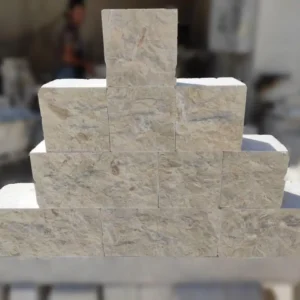
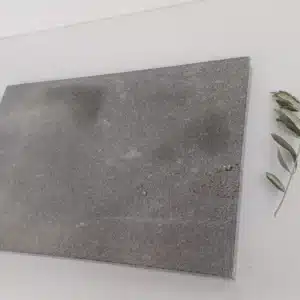
Beyond black pavers in Arizona, hardscape projects often incorporate coordinated stone in adjacent features — Phoenix landscape designers frequently specify contrasting pale and dark stone tones in the same project to manage solar reflectance across different zones. Black paving stones pair particularly well with lighter grey tones, and Citadel Stone supplies both product families from the same warehouse inventory, making coordinated specification straightforward. For a related material perspective on coordinating stone tones in Arizona hardscape, Grey Pavers in Arizona covers specification details for the complementary palette option used across many of the same terrain conditions. For Arizona projects requiring reliable black paving slabs, Citadel Stone offers knowledgeable guidance and a consistent product selection appropriate for the region’s conditions and specifications.