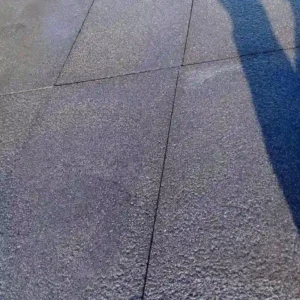
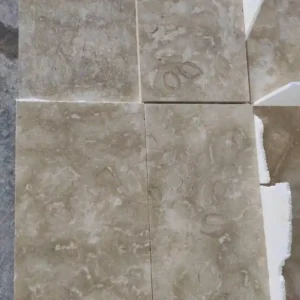

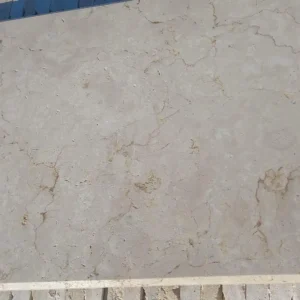
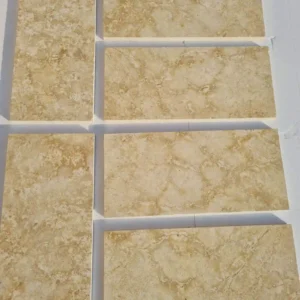




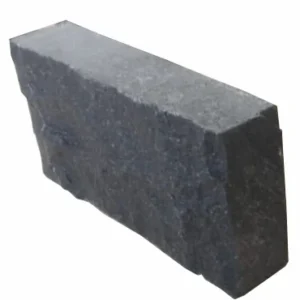
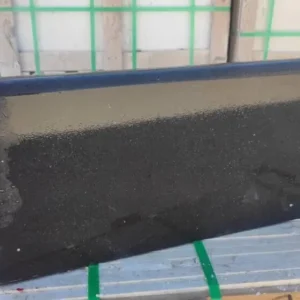
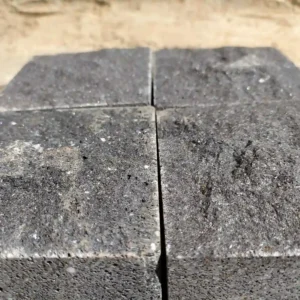
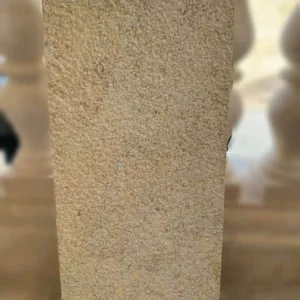

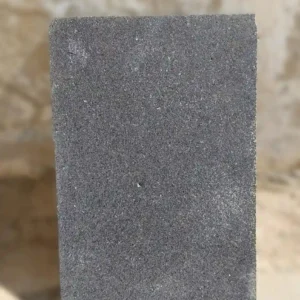
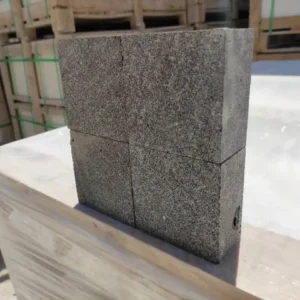
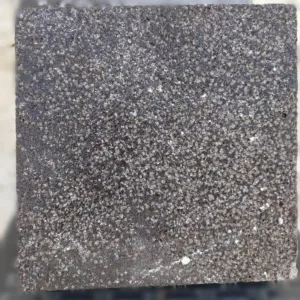

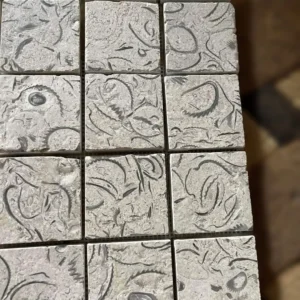
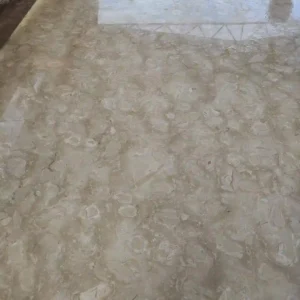
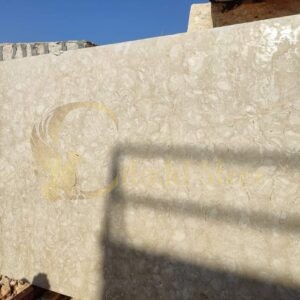
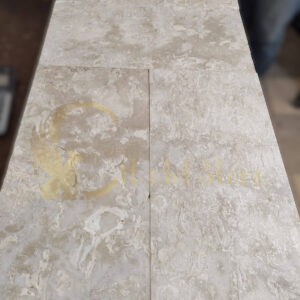
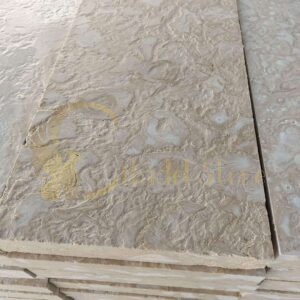

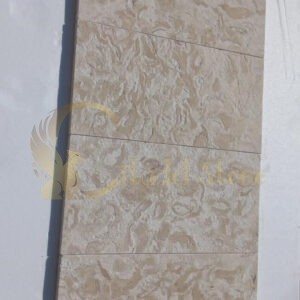

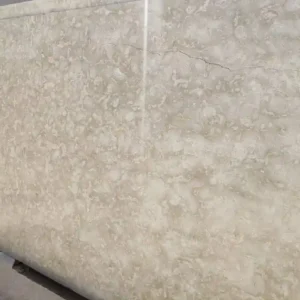
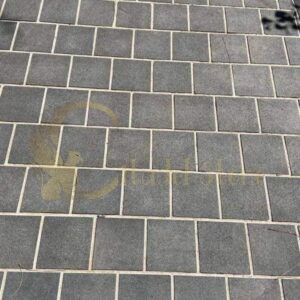

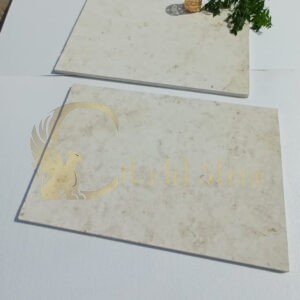
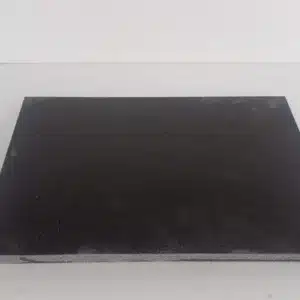
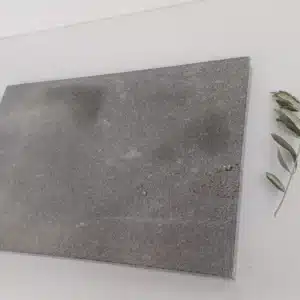
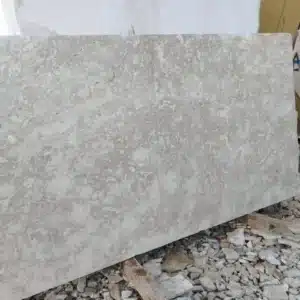

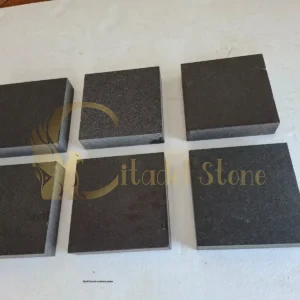



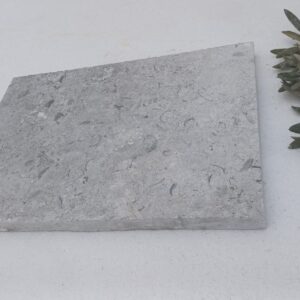
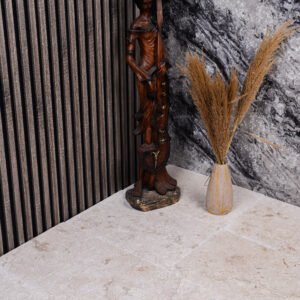
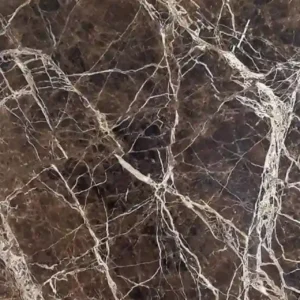
Code compliance shapes every successful grey pavers in Arizona installation long before a single stone gets set — and the structural engineering decisions you make in the planning stage determine whether your project sails through inspection or lands in expensive rework. Arizona’s building departments, particularly in municipalities with aggressive infill development, scrutinize paving projects more carefully than most specifiers anticipate. Load-bearing capacity, drainage geometry, and subbase engineering aren’t optional refinements; they’re the foundation of a compliant, durable installation.
Arizona Building Codes and What They Actually Require for Grey Pavers
Most specifiers approach an Arizona paving project expecting climate to dominate the conversation. The reality is that local building standards set the structural floor your specification must meet before aesthetics or heat performance even enter the picture. Maricopa County and Pima County both publish residential and commercial paving guidelines that address minimum base compaction, drainage slope, and surface load ratings — and these requirements differ between jurisdictions.
For grey paving slabs in Arizona used in driveway applications, the standard loading scenario assumes a minimum 40 PSI surface rating under passenger vehicle traffic, but commercial-grade projects in Scottsdale’s mixed-use corridors push that requirement to 80 PSI or higher. Your grey stone paving slabs need to meet or exceed these ratings, and natural stone products — particularly dense basalt and hard limestone — typically exceed those thresholds without special reinforcement when properly bedded.
- Minimum base compaction in Maricopa County residential zones: 95% Standard Proctor density
- Required drainage slope for hardscape surfaces: 1–2% minimum away from structures
- Commercial load zone specifications may require geotextile fabric between subgrade and aggregate base
- Permit thresholds vary — projects over 500 square feet in many Phoenix jurisdictions trigger a formal review
- Setback requirements from structures affect how close grey outdoor paving slabs can be installed to foundations
Citadel Stone provides specification documentation for each product line, so you can submit accurate material data sheets directly to your building department during the permit application process. Getting that paperwork right the first time prevents the 3–4 week delays that often hit projects mid-schedule.
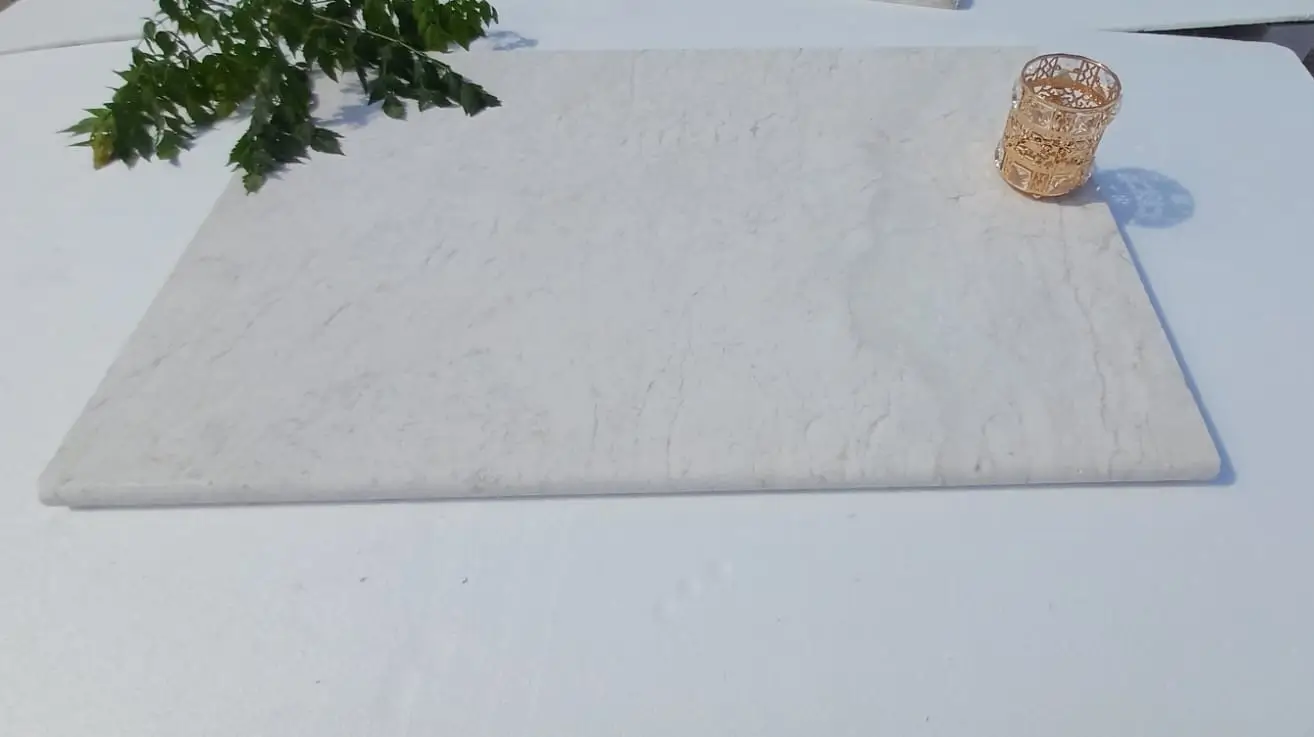
Structural Base Preparation for Grey Paving Slabs in Arizona
The base system under your grey paving slabs in Arizona carries more structural responsibility than the stone itself. Arizona’s expansive clay soils — common across the Phoenix metro and parts of the Tucson basin — generate vertical movement of 1–3 inches under seasonal moisture fluctuation. That movement, left unaddressed, translates directly into cracked joints, tilted slabs, and failed edge restraints within the first 5–7 years of an otherwise well-specified installation.
Your aggregate base depth should be engineered to the specific soil classification on your site, not defaulted from a generic spec sheet. In projects where geotechnical reports show PI (Plasticity Index) values above 15, increasing your compacted aggregate base from the standard 4-inch residential depth to 6–8 inches is a cost-effective trade-off against future repair cycles. This is especially relevant for grey block paving driveway installations, where vehicle loading compounds the uplift pressure from expansive soils below.
- Expansive soil zones require crushed aggregate base with angular particle gradation for interlocking stability
- Caliche hardpan layers, found frequently in Mesa at depths of 18–30 inches, need to be assessed for drainage permeability before base layering begins
- Edge restraints must be pinned at 24-inch intervals minimum for charcoal pavers in vehicle-accessible areas
- Compaction testing with a nuclear densometer — not just a plate compactor pass — is required on commercial sites
- Bedding sand depth should be maintained at 1 inch nominal across the entire field after compaction, not before
Here’s what most specifiers miss on clay-heavy sites: the interaction between compacted aggregate and regional soil expansion coefficients means your base transitions need to taper rather than terminate abruptly. A hard stop between a thick base zone and a thin one creates a differential settlement line that telegraphs through to your grey patio slabs in Arizona as a visible step crack within the first two wet seasons.
Seismic Considerations and Load Ratings for Grey Stone Paving
Arizona sits within USGS Seismic Zone 2B in several regions, which affects specification requirements for hardscape adjacent to structures. While paving itself doesn’t require seismic engineering in the same way a retaining wall does, the interface between your grey outdoor paving slabs and any attached structural element — steps, retaining edges, foundation-adjacent slabs — needs to account for differential movement during a seismic event.
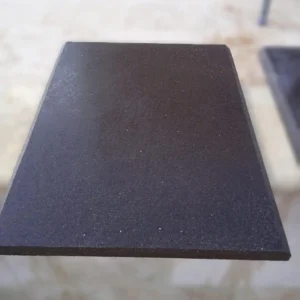
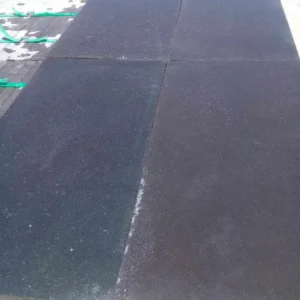
Graphite pavers and dark grey paving slabs in the 2-inch nominal thickness range provide the mass needed to resist lateral displacement without mechanical fastening, provided your base system uses a proper compacted bedding course rather than a rigid mortar bed. Rigid mortar installations adjacent to structures in seismic zones create stress concentration points that fail at the bond line. The semi-rigid sand-set system remains the preferred approach in most Arizona jurisdictions for residential and light commercial hardscape.
- Dark grey patio pavers installed on mortar beds within 3 feet of foundation walls should include an isolation joint
- Charcoal paving slabs in retaining wall cap applications require engineering review in seismic Zone 2B
- Flagstaff’s higher elevation and proximity to regional fault structures demand tighter joint tolerances than valley floor projects
- Load-bearing calculations for grey paving bricks in commercial pedestrian zones must account for crowd loading at 100 PSF minimum
Colour and Finish Options: From Light Grey to Graphite Paving Slabs
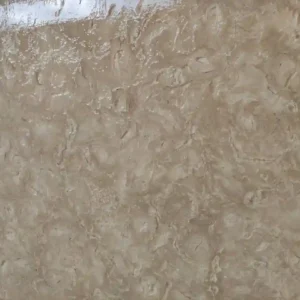
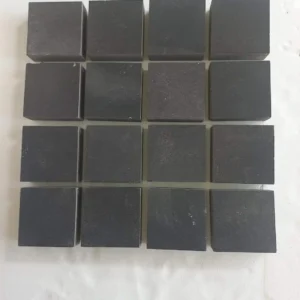
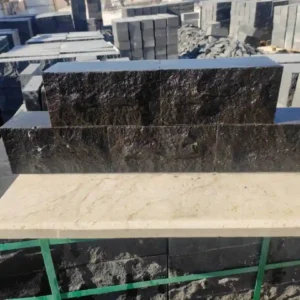
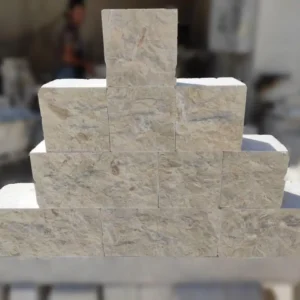
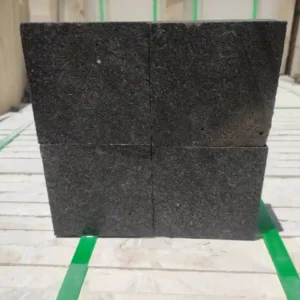
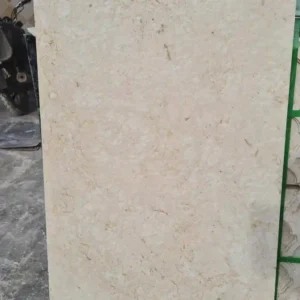
The grey colour family in natural stone covers a wider performance spectrum than most buyers expect. You’re not just choosing an aesthetic — the mineral composition that produces a pale silver-grey versus a deep charcoal affects porosity, thermal mass, and slip resistance in meaningful ways. Understanding the differences helps you match the right material to the right application from the outset.
Light to mid-grey natural stone — typically limestone or lighter basalt — reflects 55–65% of solar radiation, which contributes to cooler surface temperatures in high-sun exposures. Dark grey pavers in Arizona and graphite paving slabs made from denser basalt absorb more heat, which can be a deliberate design choice for spaces that benefit from retained warmth in the evening. The trade-off is surface temperature during peak afternoon hours, which can exceed 140°F on south-facing unshaded installations.
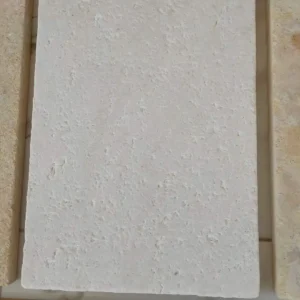
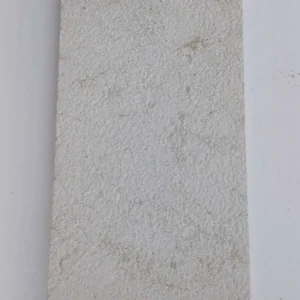
- Light grey: typically limestone-based, higher reflectivity, lower thermal mass, best for open sun patio applications
- Mid grey: mixed mineral composition, balanced heat absorption and reflectivity, versatile for patio and garden use
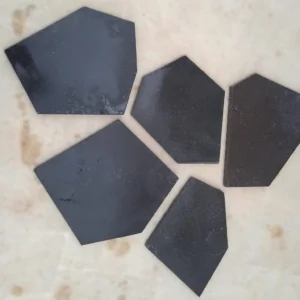
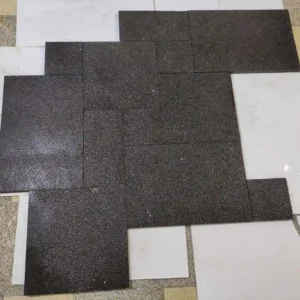
- Dark grey patio slabs: dense basalt or engineered stone, high thermal mass, suitable for evening-use spaces and shaded zones
- Charcoal garden slabs: very low reflectivity, premium aesthetic, requires anti-spalling sealant in freeze-thaw zones
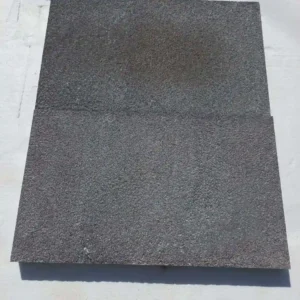
- Graphite pavers: the densest end of the range, excellent compressive strength, premium pricing
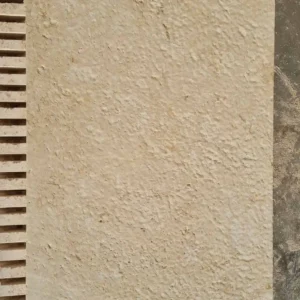
Finish selection matters as much as colour in Arizona conditions. Honed finishes read as cooler grey tones and provide predictable slip resistance when dry, but wet-weather grip drops significantly without a sealer containing an anti-slip additive. Textured or bush-hammered surfaces maintain traction better across the seasonal range — a detail worth discussing with your installer before the material ships from the warehouse.
Format Selection and Laying Patterns for Grey Garden Paving
Format decisions for grey garden paving in Arizona deserve more engineering attention than they typically receive in residential projects. The size and thickness of your slab directly affects both structural performance and the visual scale of the finished space — and the two sometimes pull in opposite directions.
For grey herringbone pavers in driveway applications, the interlocking pattern provides inherent structural redundancy — each unit transfers point loads laterally to adjacent pavers, distributing stress rather than concentrating it. This is why herringbone-laid grey paving bricks outperform straight-stack or running-bond patterns under vehicle loading, even when the individual units have identical compressive strength ratings. The pattern choice is a structural decision, not just an aesthetic one. For projects requiring complementary stone elements, grey patio slabs Arizona selection covers specification details that apply to similar site conditions, including maintenance protocols that extend material life well beyond the standard lifecycle.
- Grey herringbone pavers at 45 degrees provide maximum interlock for driveway and parking applications
- Large-format grey patio slabs (24×24 and above) require a minimum 2-inch thickness to resist point loading from furniture legs
- Grey block paving in 4×8 nominal format allows tight radius curves without custom cutting, useful for organic garden layouts
- Random coursed formats with grey garden slabs in mixed sizes visually enlarge smaller spaces
- Grey driveway blocks in tumbled finish soften the edge profile and reduce maintenance on driveways with tree canopy overhang
Getting format decisions documented in your specification before ordering prevents mid-project substitutions that compromise design intent.
Thermal Expansion and Joint Spacing Requirements for Grey Pavers in Arizona
Arizona’s temperature swing from winter overnight lows near 35°F in the Phoenix metro to summer highs above 115°F creates a thermal cycling range of approximately 80°F on an annual basis. For grey natural stone pavers in Arizona, this swing drives measurable dimensional change — roughly 0.3mm per linear meter for dense basalt, and slightly higher for limestone-based grey paving slabs. Over a 20-foot run, that accumulates to movement your joint system must absorb.
The common error in Arizona paving specs is using 20-foot expansion joint intervals copied from northern climate guidelines. In high desert conditions with direct sun exposure, reducing your expansion joint interval to 12–15 feet for large-format grey stone paving slabs is the right call. Scottsdale projects with south-facing dark grey patio slabs have shown compression cracking at 18-foot intervals within the first three summers — a pattern you can avoid entirely with tighter joint spacing from the outset.
- Expansion joint filler material must remain flexible at temperatures above 150°F — standard polyurethane sealant meets this requirement
- Dark grey pavers in Arizona absorb more heat than lighter tones, increasing the thermal expansion differential
- Perimeter isolation joints between charcoal patio slabs and any adjacent rigid structure are non-negotiable in this climate
- Joint sand should be polymeric with UV-stabilised binders for desert sun exposure
- Annual joint inspection and top-up prevents water infiltration that accelerates base degradation
Drainage and Slope Design for Grey Outdoor Paving Slabs in Arizona
Arizona’s monsoon season delivers intense short-duration rainfall — 1–2 inches in under an hour is common across the southern half of the state. Your grey outdoor paving slabs need a drainage strategy designed around that event profile, not the slow-draining conditions that northern climate specs assume. The drainage geometry you set during layout determines whether a monsoon event flows cleanly off your surface or pools and penetrates through joints into your base.
A 1.5% cross-slope on grey patio slabs in Arizona is the practical minimum in most exposed residential applications. For poolside installations, 2% is the appropriate starting point given the added water volume from splash and overflow. In Tucson, where monsoon rainfall intensity often exceeds Phoenix figures due to storm tracking patterns from the southeast, specifiers regularly step up to 2–2.5% slope on garden paving installations to handle peak flow rates without ponding.
- Surface drainage channels set at intervals across wide grey block paving driveway installations prevent cross-slope overload
- Permeable jointing compounds allow partial infiltration but should not be counted as primary drainage in expansive soil zones
- Low points must terminate at a collection point — not at a building foundation or adjacent planting area
- Check that slope continuity is maintained after edge restraint installation, which can inadvertently create low points
Maintenance and Sealing Protocols for Grey Pavers in Arizona’s Climate
Sealing grey natural stone pavers in Arizona isn’t optional in most applications — it’s a structural protection decision. Unprotected limestone-based grey paving slabs in the low desert absorb organic staining from soil runoff within the first monsoon season, and the sun-baked surface makes those stains permanent without chemical treatment. Dense basalt graphite pavers and charcoal paving slabs are more forgiving on staining but still benefit from a penetrating impregnator that blocks moisture cycling in the joint zones.
Your sealing schedule for dark grey patio slabs in a Phoenix-area installation should start with an initial application 28–30 days after installation, once residual alkalinity from the bedding course has stabilised. A biennial reapplication cycle suits most low-desert climates. For Flagstaff installations at elevation — where freeze-thaw cycles are a genuine factor unlike the valley floor — move to an annual sealing schedule with a silane-siloxane blend specifically rated for freeze-thaw resistance, not the standard penetrating sealers used in Phoenix.
- Penetrating impregnators protect without altering the natural grey colour tone
- Topical sealers enhance colour depth on dark grey paving slabs but require annual reapplication and can become slippery when wet
- Efflorescence on grey stone paving slabs in the first 6 months is normal — treat with a pH-neutral efflorescence remover, not acid cleaners
- Charcoal garden slabs in shaded locations accumulate organic growth faster — biannual cleaning prevents biological staining
- Verify warehouse stock of your preferred sealer type before starting large installations — some specialist formulations for natural stone have variable availability in Arizona
Source Grey Pavers in Arizona — Request a Consultation with Citadel Stone
Citadel Stone stocks grey pavers in Arizona in a range of formats, thicknesses, and finish options — from 12×12 up to 24×48 in both honed and textured surfaces, with standard thicknesses of 1.25 inch, 1.5 inch, and 2 inch available from warehouse inventory. Dark grey patio pavers, charcoal paving slabs, graphite pavers, and mid-tone grey stone paving slabs are held in regional inventory, which typically means 1–2 week lead times for standard orders rather than the 6–8 week import window. For non-standard formats, custom cuts, or oversized commercial quantities, our team can advise on production lead times and truck delivery scheduling directly to your site across Arizona.
You can request material samples and full specification data sheets — including compressive strength, water absorption, and slip resistance ratings — before committing to an order. Trade and wholesale enquiries receive dedicated account support, including project takeoff assistance and phased delivery scheduling for large installations. Sourced from established quarry partners, each batch of grey natural stone pavers arrives with documented origin and consistency checks, so the first pallet and the last one match in colour and thickness tolerance. Grey paving slabs for sale in Arizona through Citadel Stone are available in both standard and custom formats, with truck delivery coordinated directly to your site. To start a consultation or request pricing for your Arizona project, contact Citadel Stone directly through the website.
Your broader Arizona hardscape project may extend beyond pavers to water features and pool surrounds — Pool Pavers in Arizona covers how Citadel Stone materials perform in wet-zone applications, which is useful context when you’re coordinating stone selections across connected outdoor spaces. For grey patio slabs in Arizona that meet both aesthetic and performance standards, Citadel Stone offers experienced guidance and a dependable product range throughout the state.