













Drainage geometry — not surface aesthetics — is where pool pavers in Arizona succeed or fail at the specification stage. Arizona’s monsoon season delivers intense, concentrated rainfall events that can drop two inches of water in under an hour, and a pool deck that doesn’t manage that volume efficiently becomes a standing-water hazard within minutes. Your slope gradients, joint widths, and base construction method all need to be calibrated around how water moves across and beneath the surface, not just how the material looks in a product catalog.
Water Management Fundamentals for Arizona Pool Decks
Arizona’s rainfall pattern is deceptive. The low-desert cities get modest annual totals, but the delivery is violent and episodic — flash-flood conditions rather than steady percolation. Your pool deck sits at the junction of two water sources simultaneously: precipitation falling on the surface and splash water from the pool itself. Designing for one without accounting for the other creates predictable failure points, typically in the joint system and at the perimeter transition.
The slope specification that works in a climate with gentle, distributed rain doesn’t work here. You’ll want a minimum 1.5% cross-slope on the deck surface — not the 1% that’s common in other states. In Phoenix, where impervious surfaces dominate and urban runoff compounds the drainage load, getting that slope consistent across large deck areas is the difference between a deck that drains in minutes and one that sits wet for hours after a monsoon cell passes through.
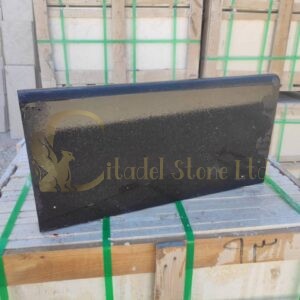
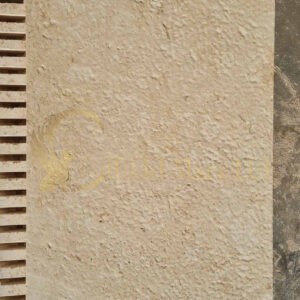
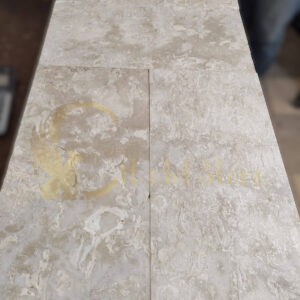
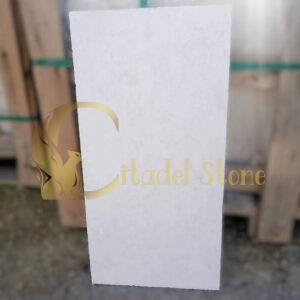
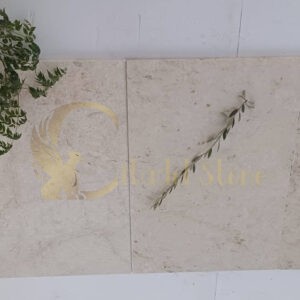
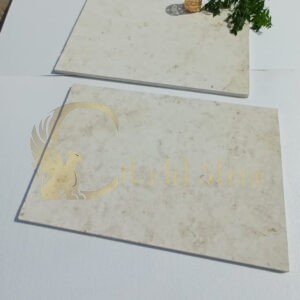
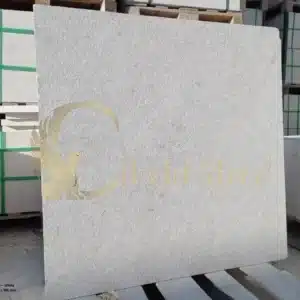
Citadel Stone stocks pool pavers in Arizona in standard format sizes including 12×24, 16×16, and 24×24 inches — formats specifically suited to achieving consistent cross-slopes when cut to perimeter geometry without excessive material waste.
Selecting Genuine Stone Types for Pool Deck Performance
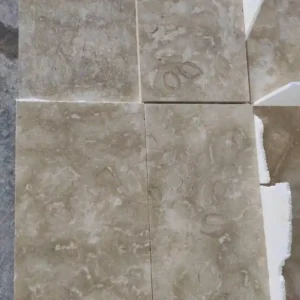
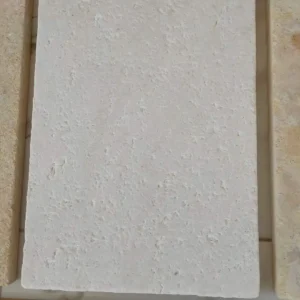
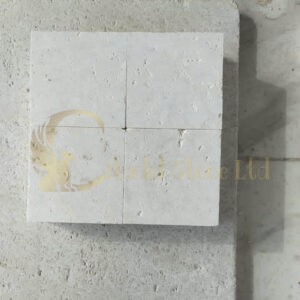
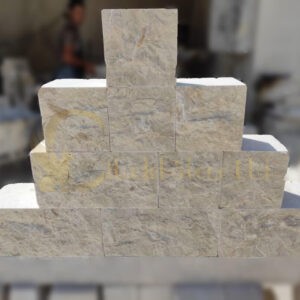
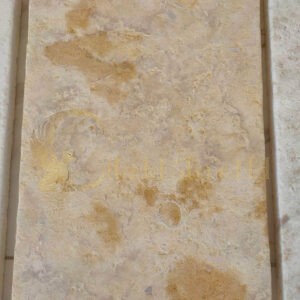
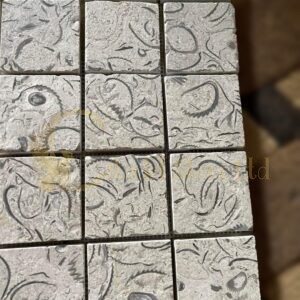
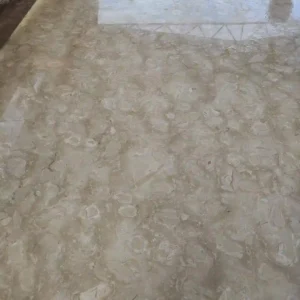
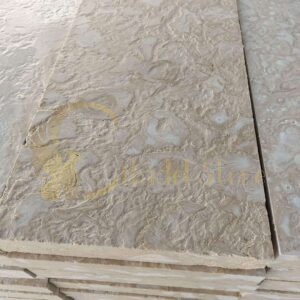
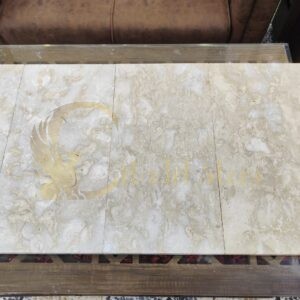
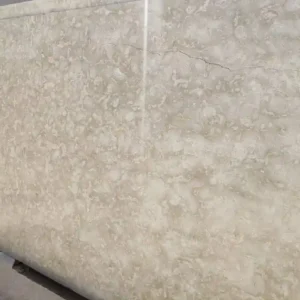
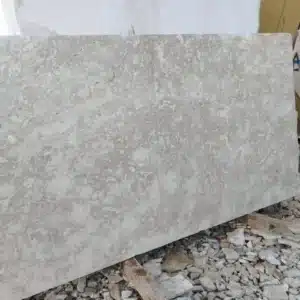
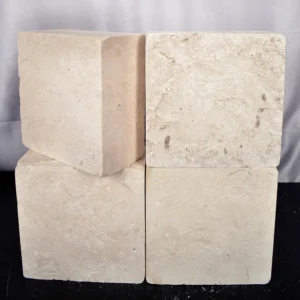
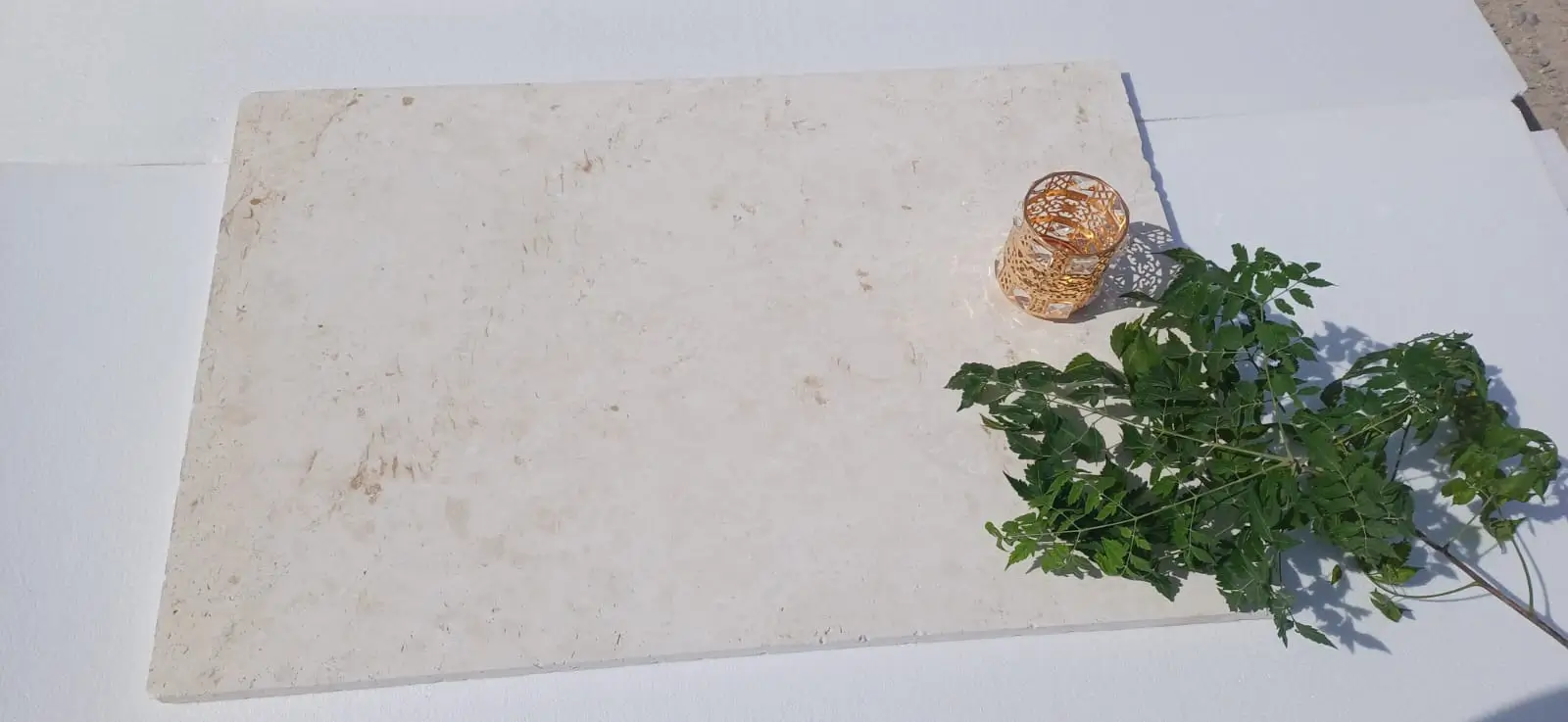
The material composition of your pool stone pavers in Arizona determines how water interacts with the surface under real-use conditions. Travertine’s naturally interconnected pore structure gives it a built-in drainage advantage — water moves into the material rather than pooling across it. That same porosity requires you to specify a penetrating sealer to prevent long-term staining from pool chemicals, but the drainage behavior is genuinely superior to dense, low-absorption alternatives in a splash-zone context.
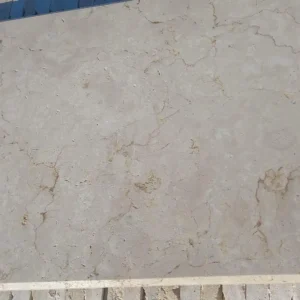
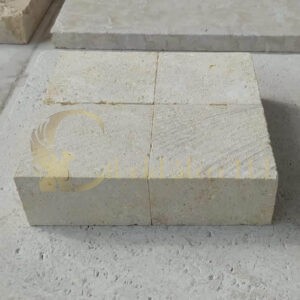
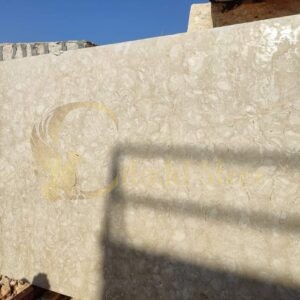
Limestone performs differently. Dense-grade limestone in the 0.5–1.5% absorption range behaves almost like a closed surface, meaning your drainage design carries more of the load. The trade-off is that denser limestone is more resistant to pool chemical degradation — chlorine and pH-adjusted water attack more porous materials over time if the sealing program lapses. For inground pool pavers in Arizona where the pool chemistry is consistently maintained, dense limestone is a legitimate long-term choice provided the slope geometry is executed correctly.
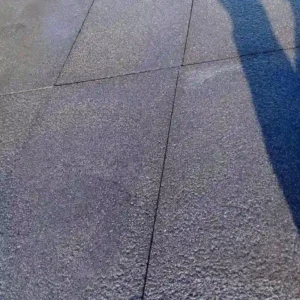
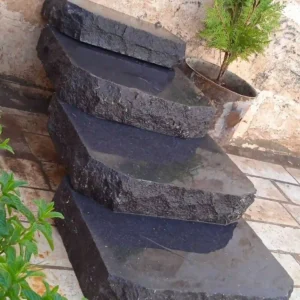
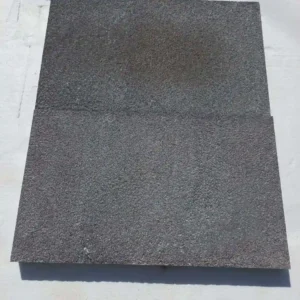
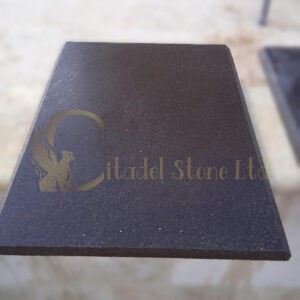
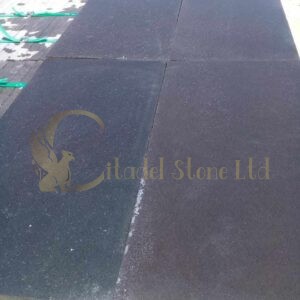
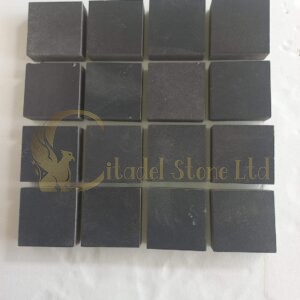
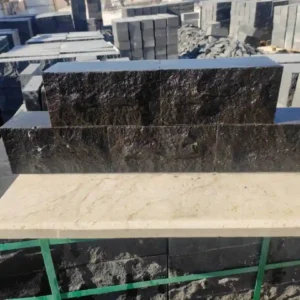
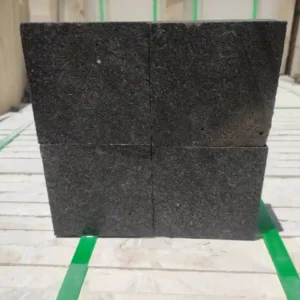
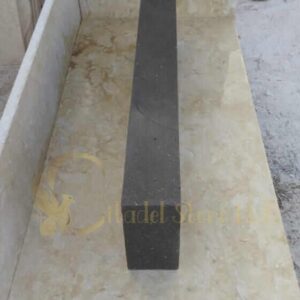
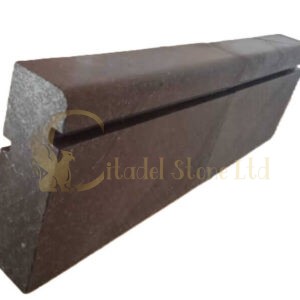
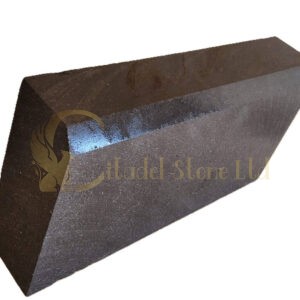
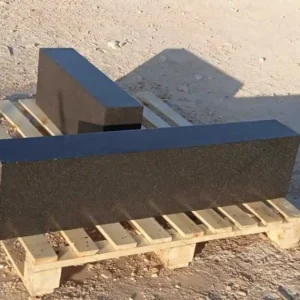
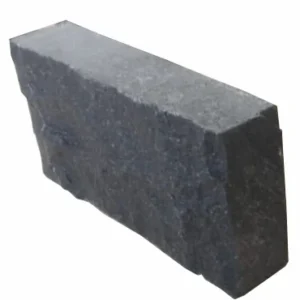
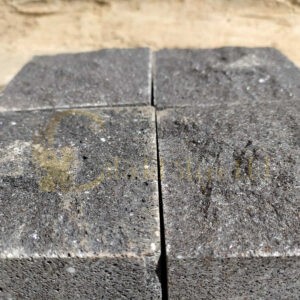
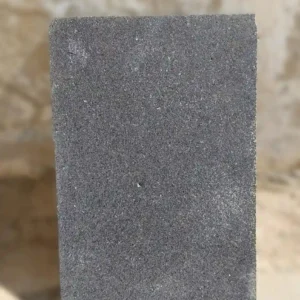
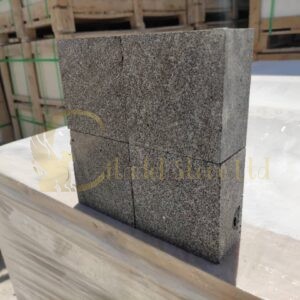
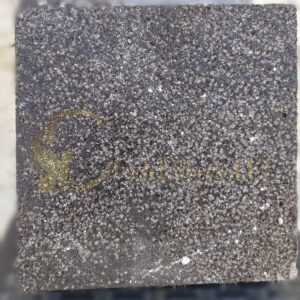
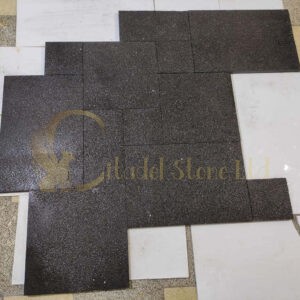
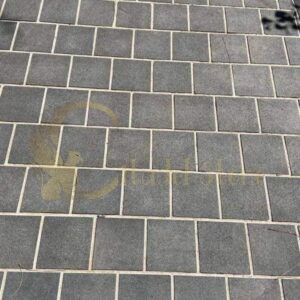
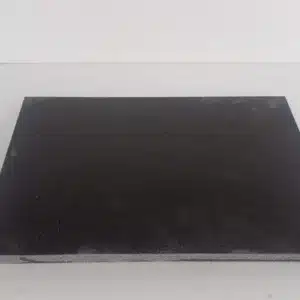
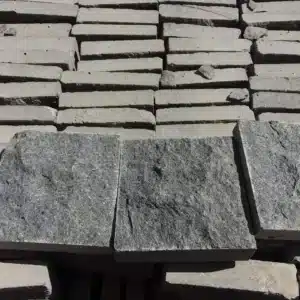
Basalt sits at the far end of the density spectrum with absorption rates typically below 0.5%. It’s the most chemically inert of the common natural stone options, which matters along pool edges where water sits in contact with the material for extended periods. The surface texture of honed or brushed basalt also delivers an ASTM C1028-compliant wet slip resistance coefficient above 0.60, making it a sound specification for outdoor pool deck tiles in Arizona where wet-surface safety is a non-negotiable requirement.
- Travertine: natural porosity assists drainage, but requires consistent sealing against pool chemical absorption
- Limestone: denser grades resist chemical degradation, placing more drainage responsibility on slope design
- Basalt: near-zero absorption, superior chemical resistance, excellent wet slip performance for poolside patio surfaces in Arizona
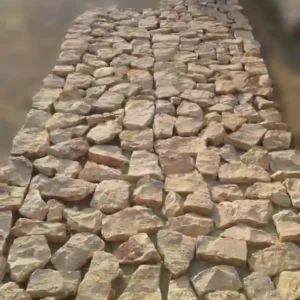
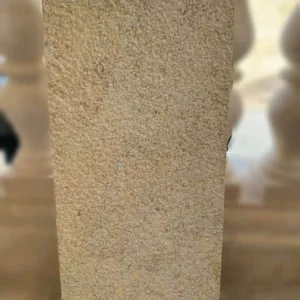
- Sandstone: available in warm tonal ranges but demands higher sealing frequency in pool environments — not recommended as a primary coping-adjacent material
Drainage Design and Base Preparation for Arizona Conditions
The base assembly beneath pool deck pavers in Arizona needs to be engineered for two failure modes simultaneously: surface water infiltration during monsoon events and subsurface moisture migration from the pool shell itself. A poorly drained base wicks moisture upward through capillary action, progressively saturating the bedding layer and destabilizing joint sand. You’ll see this most often as progressive joint erosion starting at the lowest point of the deck, typically near the pool coping transition.
For the compacted aggregate base, specify clean crushed granite in a 3/4-inch minus gradation to a compacted depth of 6 inches minimum. Arizona’s native soils — particularly the expansive clays and caliche-dominant profiles common in the central valley — require this depth to buffer against differential movement. In Tucson, where the soil profile transitions between caliche hardpan and loamy decomposed granite depending on lot elevation, you’ll often find that a 6-inch aggregate base performs better than 4 inches of concrete underlay because it accommodates minor differential movement without cracking the stone surface.
For projects requiring complementary stone elements, Arizona pool paver materials covers specification details that apply to similar site conditions and drainage base assemblies. A drainage mat product between the aggregate base and bedding sand — particularly in areas with documented high water tables — adds an additional layer of moisture management that pays dividends over a 20-year installation lifespan.
- Minimum 6-inch compacted crushed granite base at 95% Modified Proctor density
- 1-inch bedding sand layer, compacted after stone placement
- Drainage mat layer recommended in zones with seasonal high water tables or clay-dominant subgrades
- Perimeter edge restraints set below finished grade to prevent lateral displacement during saturation events
- Joint sand specification: polymeric sand with hydrophobic binder to resist washout during heavy rainfall
Monsoon Season Impact on Pool Patio Pavers
Arizona’s July-through-September monsoon season introduces a moisture cycle that most continental US specifications simply don’t account for. You’re dealing with thermal expansion and contraction from daytime temperatures that can exceed 115°F in Maricopa County, followed by rainfall events that drop surface temperatures 20–30°F within minutes. That thermal shock cycle, repeated across dozens of storm events per season, stresses both the stone and the joint system in ways that slow-and-steady rainfall climates never produce.
Expansion joint spacing for pool patio tiles in Arizona should be set at 12 feet maximum — not the 15–20 foot spacing you’ll see in manufacturer guidelines written for moderate climates. The thermal coefficient for natural stone runs between 3.3 × 10⁻⁶ and 5.5 × 10⁻⁶ per °F depending on mineral composition. Across a 30°F temperature drop in 30 minutes, a 15-foot travertine run moves approximately 3/32 of an inch. That sounds small until you’ve watched it force grout joints open at the perimeter four seasons in a row.
Polymeric joint sand is not optional when specifying pool patio pavers in Arizona — it’s a foundational specification decision. Standard dry sand washes out within two or three monsoon seasons regardless of how well the surface drains. The hydrophobic binders in quality polymeric sand products maintain joint integrity even when the surface carries sheet flow during peak storm events. Your maintenance schedule should include a joint sand inspection every two years minimum, with targeted reapplication before monsoon season starts.
Colour and Finish Options for Your Poolside Patio
Surface temperature management and slip resistance pull in opposite directions when you’re selecting pool deck stone pavers in Arizona. Lighter colours — cream limestone, ivory travertine, buff sandstone — reflect solar radiation effectively and stay 15–25°F cooler underfoot than dark materials at peak summer exposure. Dark basalt and charcoal slate can reach surface temperatures above 150°F on exposed deck sections in July, which creates a genuine barefoot-burn risk for the three or four hours around solar noon.
Finish texture matters as much as colour for slip resistance on outdoor pool deck tiles in Arizona. A brushed or tumbled finish on light-coloured travertine gives you both thermal performance and a surface coefficient above the 0.60 wet-static friction threshold that ASTM C1028 identifies as the minimum for pool surrounds. Honed finishes are acceptable on covered patio areas adjacent to the pool where direct splash is controlled, but honed travertine in an open splash zone will eventually become a liability in wet conditions.
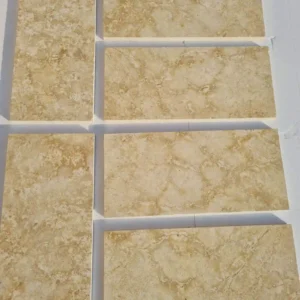
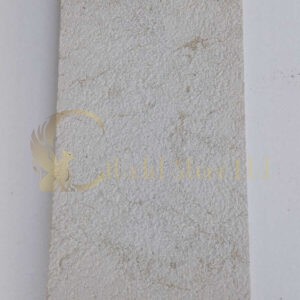
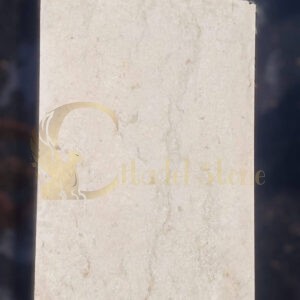
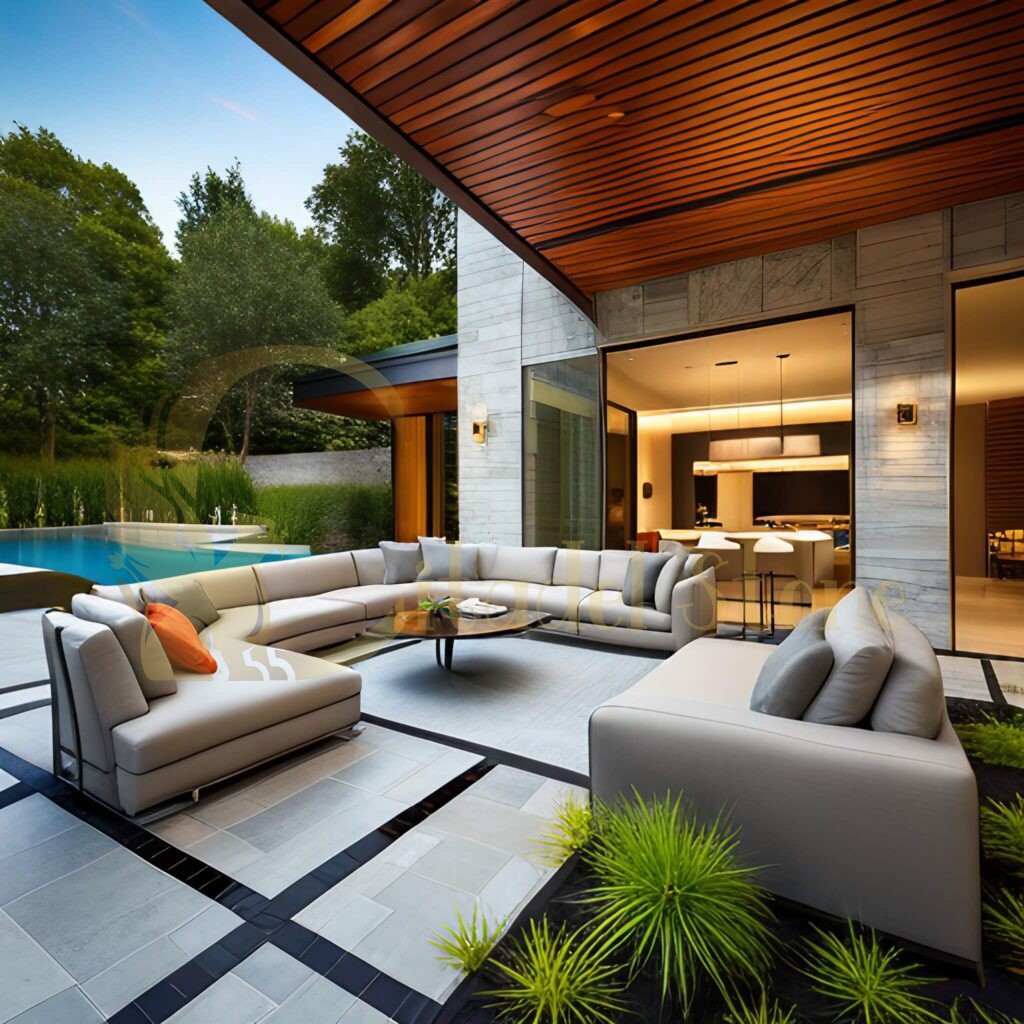
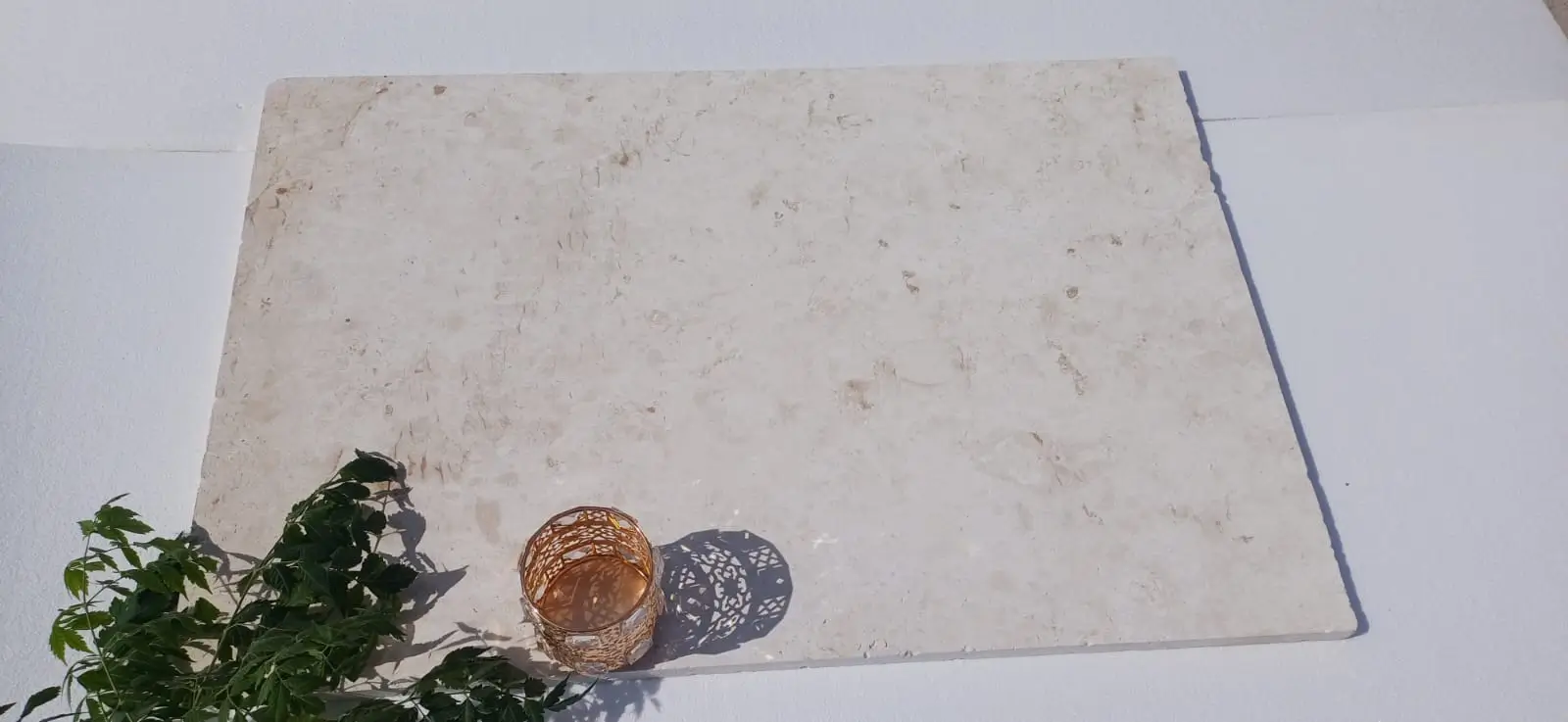
For pool patio pavers in Arizona, the practical colour hierarchy from a maintenance standpoint runs: cream and buff tones first (lowest heat, most forgiving of chemical staining), mid-grey limestone second (neutral appearance, moderate thermal load), charcoal and dark graphite last (highest thermal load, shows efflorescence prominently in hard-water areas like the Phoenix metro). You should also request sample tiles from Citadel Stone before committing to a full order — surface colour can shift noticeably between quarry batches, and reviewing physical samples under Arizona sunlight tells you far more than a product photo.
- Cream and ivory travertine: lowest surface temperature, excellent for barefoot comfort zones
- Buff limestone: neutral warmth, wide range of density grades, compatible with most pool chemical regimes
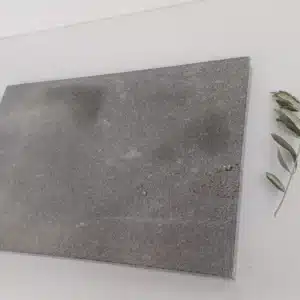
- Mid-grey basalt: superior chemical resistance, brushed finish recommended for wet zones
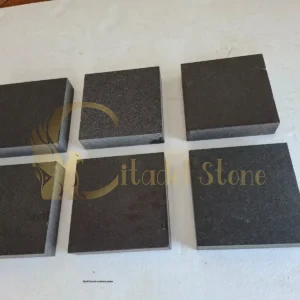
- Charcoal slate: avoid in high-sun exposure areas unless shade structures cover the majority of the deck
- Tumbled or brushed finishes consistently outperform honed and polished in poolside slip-resistance testing
Thickness and Format Selection for Pool Stone Pavers
Thickness specification for stone pavers pool decks in Arizona depends on whether you’re laying over a rigid concrete substrate or a flexible compacted aggregate base. Over concrete, 3/4-inch to 1-inch thickness is structurally sufficient — the substrate carries the load and the paver functions as a finish layer. Over compacted aggregate, you need a minimum 1.5-inch nominal thickness to handle point loads from furniture, pool equipment, and foot traffic without edge fracturing.
Format selection has a direct impact on drainage performance. Larger formats — 24×24 and above — reduce the total joint area per square foot, which means less joint sand to maintain but also less natural drainage path through the joint network. Smaller formats like 12×12 and 16×16 create more joint area, which assists drainage in the base layer but requires more diligent joint sand maintenance after monsoon events. For pools and patios in Arizona, a mixed-format layout using 16×24 as the primary module with 8×16 accent pieces often hits the right balance between aesthetic interest and maintainable joint geometry.
In Scottsdale, where high-end residential pool projects frequently specify large-format stone for a seamless visual effect, the standard approach is to supplement large formats with a linear channel drain at the pool coping transition rather than relying on joint drainage alone. That channel drain carries the concentrated water load from the pool edge, freeing the pool deck tiles in Arizona to prioritize aesthetics without compromising drainage function.
Sealing and Long-Term Maintenance for Arizona Pool Pavers
Sealing protocols for pool stone pavers in Arizona differ from standard exterior paver maintenance because you’re managing two chemical environments simultaneously — pool water chemistry and UV degradation from Arizona’s solar intensity. A penetrating impregnating sealer with a silane-siloxane base protects against both without creating a surface film that can delaminate under thermal cycling. Film-forming sealers are tempting because they deliver an immediate colour enhancement, but they peel within two to three seasons in Arizona’s UV environment and require full mechanical removal before reapplication.
Your sealing schedule should align with the monsoon season rather than a calendar date. Apply the first sealer coat before the first monsoon event — typically late June — and perform your biennial reapplication in May before peak pool season begins. This timing ensures maximum sealer performance when pool chemical splash and rainfall are at their highest combined levels. For the best pool pavers in Arizona lasting 20-plus years, biennial sealing on travertine and limestone, combined with triennial applications on dense basalt, is the maintenance cadence that field performance data consistently supports.
Pool chemical management adjacent to natural stone requires attention to pH balance. Aggressive acid-wash treatments that contractors sometimes apply to pool interiors can etch limestone and travertine surfaces if overspray reaches the deck. You should discuss stone-specific protection protocols with your pool maintenance contractor before any acid treatments occur. Citadel Stone’s technical team can advise on sealer compatibility with specific stone types — particularly for projects that need custom specification support across non-standard material combinations.
- Penetrating silane-siloxane sealers preferred over film-forming products in Arizona’s UV environment
- Biennial sealing schedule for travertine and limestone pool decks
- Apply before monsoon season (May-June) for maximum performance during peak moisture months
- Inspect joint sand condition during each sealing maintenance visit and top up polymeric sand as needed
- Coordinate with pool maintenance contractors to protect stone surfaces during pool acid treatments
Specification Details for Inground Pool Pavers
Inground pool pavers in Arizona face a structural loading consideration that above-ground pool surrounds don’t: the pool shell’s hydrostatic relief system creates pressure cycles in the surrounding soil that can affect base stability at the deck perimeter. During periods of heavy rainfall followed by rapid evaporation — exactly the pattern Arizona’s monsoon delivers — the soil moisture content adjacent to a pool shell fluctuates more dramatically than in stable-climate installations. Your base specification needs to account for this perimeter movement zone.
The best pavers for pool area in Arizona, particularly in the 18-inch zone adjacent to the pool shell, should be installed with a flexible setting system rather than rigid mortar. A 1-inch bedding sand layer over compacted aggregate allows the pavers to accommodate minor differential movement without transmitting crack propagation across the field. Using 1.5-inch thickness stone in this perimeter zone — even if the main field uses 1-inch over concrete — provides additional edge mass to resist the point forces that occur when the base layer undergoes moisture cycling.
Sourced from established quarry partners, each batch of Citadel Stone product is inspected for dimensional consistency and surface quality before it ships — because a paver that arrives with thickness variation beyond 3/32 of an inch creates bedding-layer problems that are difficult to correct after the truck delivers the material to your site. Consistent thickness tolerancing is something to verify with any supplier before committing to a large inground pool deck order.
- Flexible bedding sand installation in the 18-inch perimeter zone adjacent to pool shell
- Minimum 1.5-inch stone thickness at perimeter zone regardless of main field specification
- Verify thickness tolerances with supplier before order confirmation — target within 3/32-inch of nominal
- Allow 3/8-inch expansion gap between pool coping and first field paver course
- Use flexible polyurethane caulk — not grout — in the coping-to-field transition joint
Get Pool Pavers in Arizona Delivered Across Arizona
Citadel Stone maintains warehouse inventory of pool deck stone pavers across Arizona, with standard lead times of one to two weeks for stocked formats. For projects in the Mesa and Chandler metro area with specific truck access constraints — narrow gates, overhead clearance limits, or time-of-day delivery windows — you should communicate these site logistics at the order stage so the delivery can be scheduled appropriately. Coordinating truck delivery timing with your installation crew availability prevents material sitting on-site in summer heat longer than necessary before installation begins.
Available formats include 12×12, 12×24, 16×16, 16×24, and 24×24 inches in travertine, limestone, and basalt. Thickness options run from 3/4-inch to 2-inch nominal depending on material type and application. For projects requiring custom cuts, non-standard thicknesses, or mixed-material pool patio pavers specifications, the Citadel Stone team can advise on lead times and quarry batch availability before you lock in project timelines. Trade accounts and wholesale enquiries receive dedicated support, including sample tile requests and full technical specification sheets at no charge.
You can contact Citadel Stone directly to request a material quote, arrange sample delivery, or discuss project-specific drainage and specification questions. Delivery coverage extends across Arizona — from the low-desert metro areas to higher-elevation markets. Pool deck tiles for Arizona projects are available in both full-pallet and partial-pallet quantities depending on project scope. As you finalize your Arizona pool project, coping material selection connects directly to the paver specification — Pool Coping Pavers in Arizona covers the transition details that complete a fully integrated stone deck system. For pool paver options built to perform in Arizona’s demanding conditions, Citadel Stone offers a selection of materials designed to meet both functional and aesthetic requirements.