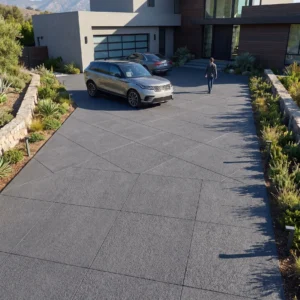
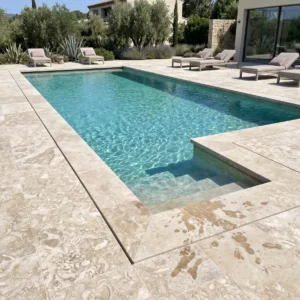

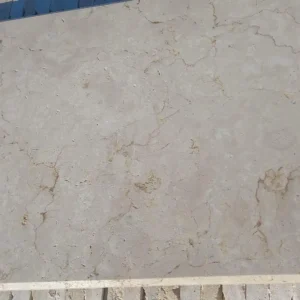
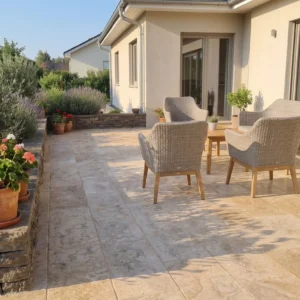

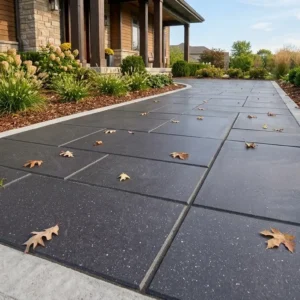

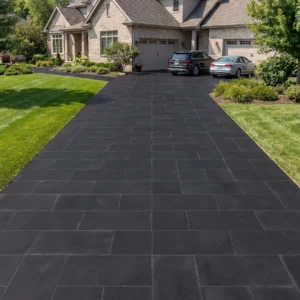
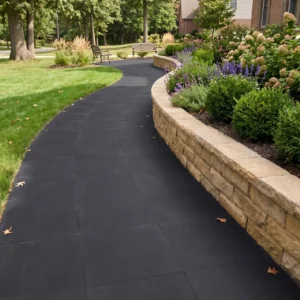





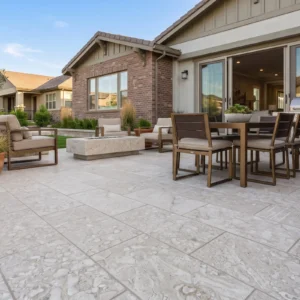
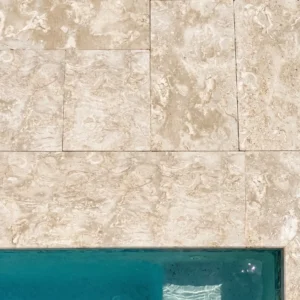
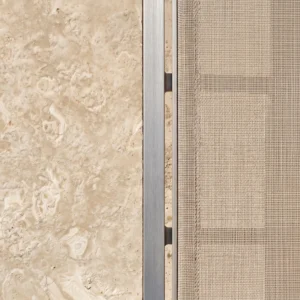
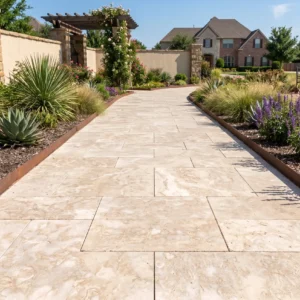



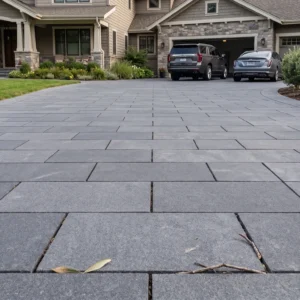
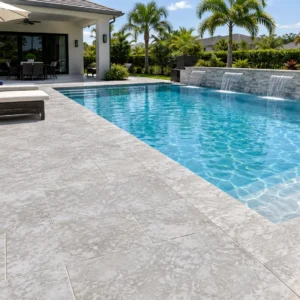



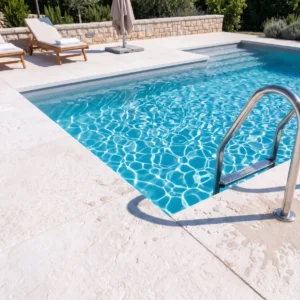
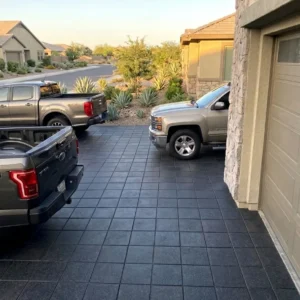



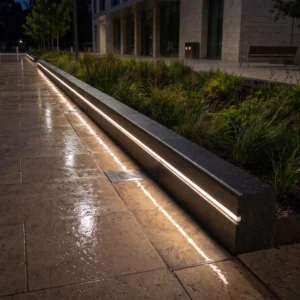
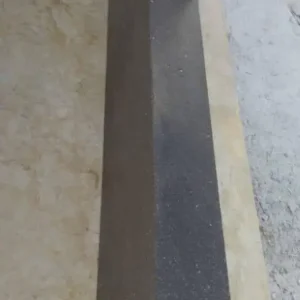
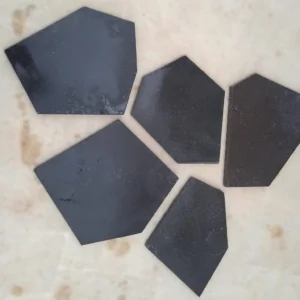
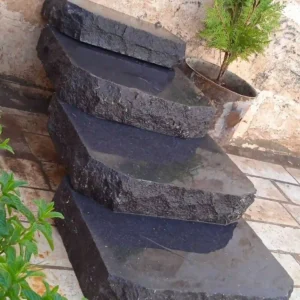


Scheduling your 24×24 pavers in Arizona installation around the state’s thermal calendar isn’t a minor logistics detail — it’s the single variable that most directly controls mortar cure integrity, joint stability, and long-term surface performance. Substrate temperatures above 95°F during placement accelerate moisture loss from setting beds faster than hydration chemistry can keep pace with, creating a brittle bond layer that shows its weakness within the first summer cycle. The good news is that Arizona’s seasonal rhythm, properly understood, actually offers more usable installation windows than most out-of-state specifiers expect.
Seasonal Installation Windows for 24×24 Pavers in Arizona
The two primary installation windows in Arizona run from mid-October through early December and from late February through mid-April. These periods deliver ambient temperatures between 55°F and 85°F across the Phoenix metro and most low-desert elevations — the range where Type S mortar and polymer-modified thin-set both achieve full cure strength before thermal cycling begins. Your substrate surface temperature during these windows typically tracks 10–15°F above ambient, which keeps you safely below the 100°F threshold where accelerated evaporation becomes problematic.
In Tucson, the seasonal windows shift roughly two weeks earlier in spring and two weeks later in fall due to the slightly moderated temperature profile at 2,400-foot elevation. That gives Tucson-area projects a meaningful scheduling advantage over Phoenix installations — a detail worth knowing if you’re coordinating multiple sites across the state simultaneously. Citadel Stone stocks 24×24 natural stone pavers and large-format stone slabs in standard thicknesses, and you can confirm current warehouse availability before locking in your installation schedule.
The summer monsoon season, running from late June through mid-September, creates a compounding installation challenge that goes beyond surface heat. Humidity spikes from 8–12% to 40–60% within hours during storm events, and rapid humidity swings during mortar cure produce inconsistent hydration gradients across large-format slabs. A 24×36 slab or 600 x 600 slab placed during this period can develop differential cure stress at the slab edges — visible as hairline surface crazing that telegraphs through sealer within 18 months.
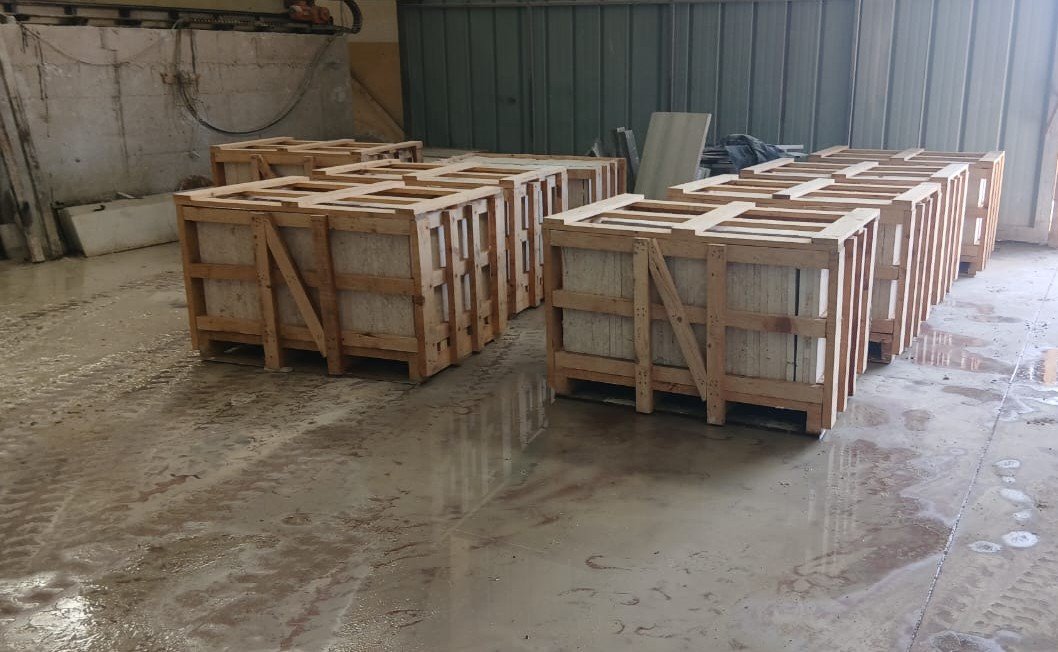
How Large-Format Stone Performs in Arizona’s Thermal Environment
The thermal expansion coefficient of natural stone is what drives most of the specification decisions you’ll make for Arizona projects. Dense limestone and basalt expand relatively little, while travertine expands slightly more. Across a 24-inch slab dimension cycling between 45°F overnight lows and 170°F summer surface highs — a realistic range for dark-toned pavers in Phoenix — you’re looking at real linear movement across every slab. That’s why expansion joints at 12-foot intervals, not the 15–20 foot spacing printed in generic installation guides, represent the correct specification for Arizona conditions.
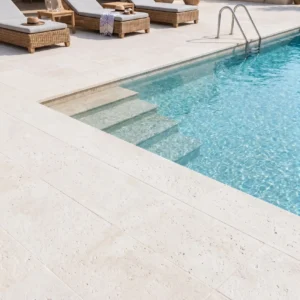
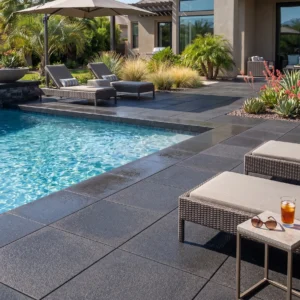
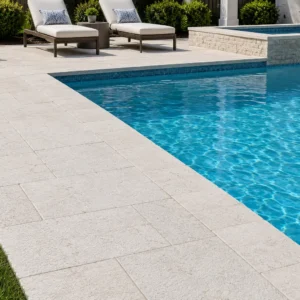
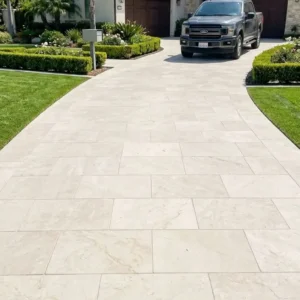
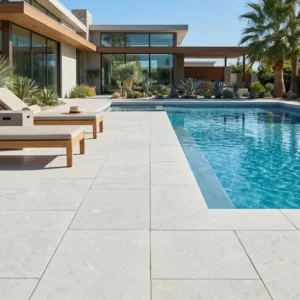
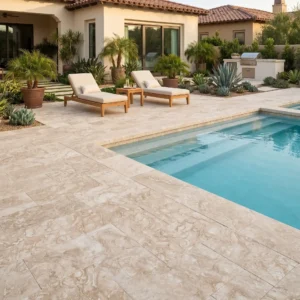
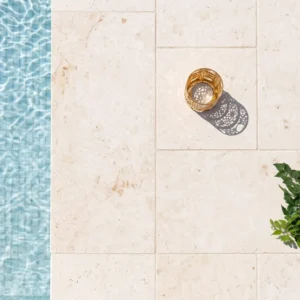
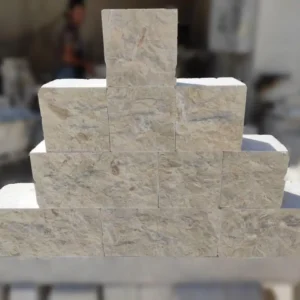
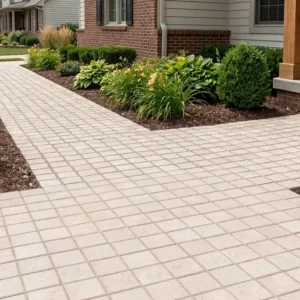
Material selection also determines how forgiving the installation timing needs to be. For 24×24 outdoor pavers in a light cream or ivory limestone, higher solar reflectance keeps surface temperatures below equivalent dark-toned materials under identical exposure. The practical consequence is that lighter-toned 24×24 stone pavers installed in early May — technically outside the optimal window — perform better through their first summer than dark basalt pavers placed in the ideal mid-October window. The interplay between color, finish, and seasonal timing is where experienced specification gets nuanced.
- Tumbled or brushed finishes reduce peak surface temperature compared to honed finishes at the same stone color
- Thermal mass absorption in 2-inch thick pavers creates a delayed heat release pattern that affects evening use comfort through late May and September
- Sandstone and softer limestone varieties above 8% porosity require sealer application within the first installation season before the Arizona UV index degrades the surface matrix
- 24×24 patio pavers in travertine with filled voids provide better thermal stability across joint lines than unfilled cross-cuts in extreme heat cycles
Choosing the Right Paver Format for Arizona Applications
Format selection for Arizona projects involves a direct trade-off between visual scale, installation precision requirements, and seasonal scheduling flexibility. Larger formats — 24×36, 36×36, and 900mm to 1000mm paving slabs — demand tighter substrate flatness tolerances because any base settlement translates into a longer visible trip edge. Your 36×36 paver installation requires a compacted aggregate base at 98% Proctor density, verified by nuclear gauge, before you commit stone to mortar. That level of base preparation is harder to achieve on compressed schedules driven by fall weather windows.
Smaller format options give you scheduling flexibility. A pattern mixing 12×12 pavers in Arizona residential patios with 24×24 accent bands allows phased installation — you can set the 12×12 field during the spring window and return to place the larger accent pieces in fall without visible joint inconsistency. Similarly, 16×16 pavers in Arizona outdoor applications offer a practical middle ground: large enough for visual impact, small enough that base irregularities under 3/16 inch don’t create lippage issues at the slab edge. The 18×18 pavers in Arizona market fills a similar niche, particularly popular in covered patio applications where thermal cycling is moderated by shade structure.
- 12×12 patio pavers in Arizona work well for tight-radius curves and irregular perimeter shapes where cutting larger formats creates excessive waste
- 16×16 patio pavers in Arizona are a practical choice for DIY-supervised installations where base flatness cannot be guaranteed to tight tolerances
- 18×18 patio pavers in Arizona handle the visual scale of larger patios without the full logistical burden of 24-inch slabs
- 20×20 pavers in Arizona offer a near-square format that reads larger than 18×18 while staying manageable for two-person placement crews
- 30×30 pavers in Arizona are best reserved for projects where a continuous stone look with minimal joint lines is the design priority and base preparation is contractor-controlled
The metric equivalents — 300mm paving slabs, 450 x 450 paving slabs, 500mm paving slabs, and 600mm x 600mm paving slabs — are worth understanding if you’re sourcing stone imported from European or Australian quarry suppliers, since those format designations correspond to nominal 12, 18, 20, and 24-inch sizes respectively. The 600 x 600 slabs in metric-format stone catalogs are your 24×24 equivalent, just specified in millimeters. Mixing metric and imperial format stones in the same installation requires careful joint planning since nominal dimensions rarely align precisely after cutting tolerance.
Thickness Selection: 1-Inch Through 2-Inch Pavers for Arizona Load Conditions
Thickness specification in Arizona has a direct relationship to seasonal temperature at the time of installation — not just structural load requirements. Your 1-inch thick paving stones in Arizona applications function well for pedestrian-only patios where the sub-base is stable and well-drained, but the reduced thermal mass means the slab surface temperature peaks higher and drops faster than 1.5-inch or 2-inch material. That increased thermal cycling amplitude accelerates any stress fractures that initiate at cutting edges or existing micro-cracks.
The 1.5-inch format is where most Arizona landscape architects land for residential patio applications. At this thickness, 24×24 pavers in natural stone deliver enough structural stiffness to bridge minor base irregularities without flexural cracking, while keeping individual slab weight manageable — typically 28–34 lbs for limestone and 32–38 lbs for basalt at this size. For reference, 1 inch pavers in Arizona weigh roughly 18–22 lbs at 24×24, making them viable for elevated deck installations where dead load is a structural constraint.
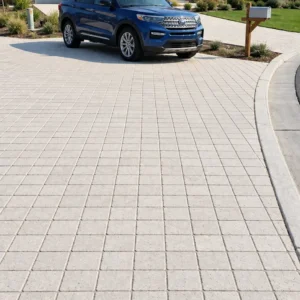
- 2 inch pavers in Arizona are the correct specification for vehicular-rated applications, including driveway aprons, motor court entry areas, and RV pad surfaces
- 1.5 inch pavers in Arizona cover the majority of residential and light commercial patio, pool deck, and garden path applications
- 1 inch pavers in Arizona work for interior-exterior transition zones, raised platforms, and roof terrace applications with structural load limits
- 400 x 400 pavers in the 1.5-inch and 2-inch thickness are available through Citadel Stone and represent a metric alternative to the 16×16 format at equivalent load ratings
For projects requiring custom cuts or non-standard thicknesses, Citadel Stone’s team can advise on lead times from selected quarries and help you assess whether standard warehouse stock covers your specification or whether a special-order allocation makes more sense for your timeline.
Base Preparation and Soil Conditions Across Arizona Regions
Arizona’s soil profile is more varied than the “desert equals dry stable soil” assumption that catches out-of-state contractors off guard. In Scottsdale and the northeast Phoenix valley, caliche hardpan layers at 18–30-inch depths provide exceptional sub-base stability — arguably better natural footing than most other U.S. climate zones. The challenge is that caliche also impedes drainage, and any perched water table above a caliche layer can destabilize your compacted base during monsoon events if you haven’t installed proper French drain infrastructure.
In the west valley around Peoria and the agricultural areas of the Chandler-Gilbert corridor, fine-grained alluvial soils with higher clay content require lime stabilization or mechanical over-excavation before your compacted aggregate base. Skipping this step and placing 24×24 stone pavers directly on native soil in those areas typically produces visible differential settlement within two to three irrigation seasons. Your base specification in clay-bearing soils should include a minimum 6-inch compacted class II base over a geotextile fabric, with the fabric selected for Arizona’s specific weed pressure rather than generic landscape fabric.
Selecting and sourcing quality 24×24 paver options and materials early in the project planning phase is worth the effort — understanding what’s available in the right thickness and format helps you design the base system to match. For detailed guidance on material selection and budget planning, 24×24 paver options and materials covers the specification details that directly affect base design and long-term performance outcomes across different soil conditions. Getting base depth and drainage right at this stage prevents the most expensive repairs you’ll encounter in Arizona hardscape.
Installation Timing Protocols: What the Temperature Data Actually Tells You
Surface temperature measurement is a non-negotiable pre-installation check in Arizona that most national installation guides don’t adequately emphasize. Your infrared thermometer reading of the substrate surface — not the air temperature shown on your phone’s weather app — is the number that determines whether you proceed or reschedule. Substrate surface temperatures above 95°F at the time of mortar or adhesive application effectively cut your open working time from 25–30 minutes to 8–12 minutes, making consistent back-buttering of 24×24 pavers in Arizona practically impossible for field crews.
The practical solution experienced Arizona contractors use is a two-phase day: early morning placement from 6:00 AM to 10:30 AM, a midday pause, and an optional late afternoon session from 4:30 PM onward once surface temperatures drop below 90°F. This approach extends your usable installation season into May and as late as mid-October without compromising mortar integrity. You’ll also want to wet the substrate surface with a mist of water — not a flood — in the 15 minutes before mortar application during spring and fall installations when low humidity accelerates surface drying.
- Avoid placement when overnight low temperatures are forecast below 40°F within 24 hours of installation — relevant for November and February installs in higher desert areas
- Monitor weather apps for monsoon storm probability above 30% before committing large format slab placement — a storm-interrupted cure cycle on 600mm x 600mm paving slabs creates edge delamination risk
- Use Portland cement-based mortar with a retarder additive for any placement that occurs after 9:00 AM in the April-May shoulder season
- Pre-shade the installation area with temporary shade cloth for at least two hours before morning placement if ambient temperatures exceeded 95°F the previous day
- Plan for a minimum 72-hour no-traffic cure window — not the 24 hours listed on many mortar packaging specifications, which assume cooler conditions than Arizona summer shoulder seasons deliver
Finish Options, Sealing Schedule, and Joint Maintenance in Arizona
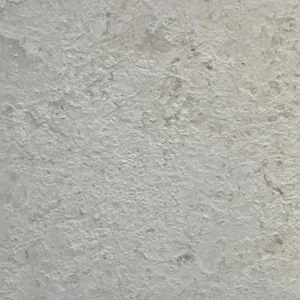
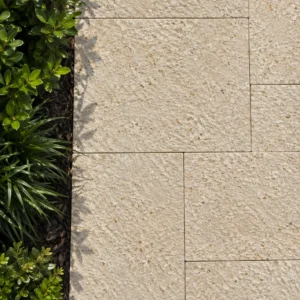
Finish selection for 24×24 natural stone pavers in Arizona directly affects both the sealing protocol and the re-application interval. Honed finishes on dense limestone and basalt are highly UV-stable and require sealing only every three to four years in shaded patio applications, or every two years in full southern exposure. Brushed finishes open the surface texture slightly, increasing penetrating sealer consumption by 15–20% per application; request the wet DCOF test report for the finish you specify to confirm slip performance.
The joint sand specification for Arizona projects deserves more attention than it typically receives on residential jobs. Polymeric sand formulated for high-temperature climates — specifically products tested to 130°F sustained surface temperature — performs dramatically better than standard polymeric sand in the Phoenix and Yuma low-desert environment. Standard formulations can soften and lose binding strength at sustained surface temperatures above 120°F, which is a routine summer condition for east-west-oriented joints in exposed locations. At Citadel Stone, we recommend specifying the joint sand product by temperature rating rather than brand when writing patio installation specs for Arizona clients.
Sealer application timing follows the same seasonal logic as initial installation. The most effective sealing window for 24×24 patio pavers in Arizona runs from October through April, with late-October and March being the optimal months. Sealer penetration and cure require substrate temperatures between 50°F and 80°F — conditions you simply cannot reliably achieve during Arizona summers without compromising cure chemistry. Applying penetrating sealer to hot stone causes flash evaporation of carrier solvents, leaving the active protective compounds at the surface rather than 3–5mm into the stone matrix where they provide abrasion and stain resistance.
Material Sourcing and Quality Consistency for Arizona Projects
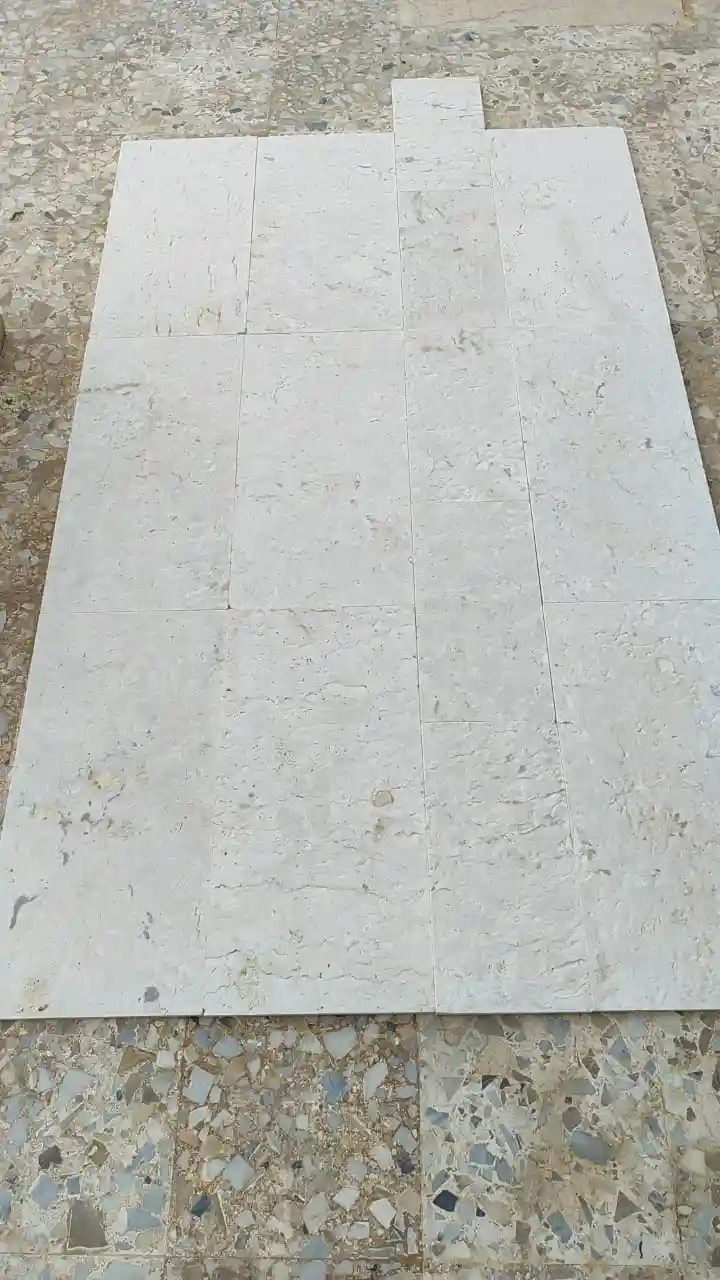
The consistency issue that causes the most field headaches with large-format natural stone isn’t color variation — most specifiers understand and accept that. The real consistency challenge is thickness tolerance across a batch. Nominal 24×24 pavers at 1.5 inches can come off a gang saw with individual piece variation of plus or minus 3/32 inch in poorly quality-controlled batches, and that variation compounds across a large patio installation into visible lippage that grinding cannot fully correct after the fact. Sourced from our selected premium quarries, each batch that moves through Citadel Stone’s supply chain is inspected for thickness tolerance before it reaches project sites.
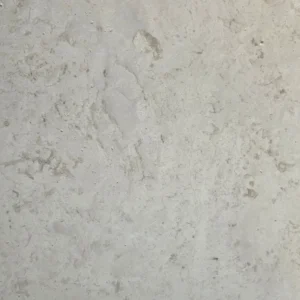
In Mesa and the east valley, the architectural trend toward larger-format neutral stone — 24×24 and 24×36 slabs in limestone buff and warm grey tones — has driven steady demand for consistent batch matching across sequential project phases. If your project involves phased construction or a client likely to add a second patio phase 12–18 months after the first, flagging that requirement at the material sourcing stage allows Citadel Stone to reserve matching batch material in warehouse inventory rather than sourcing from a new quarry pull that may read differently under Arizona light conditions.
- Request sample tiles before committing to a full project quantity — color photographs from supplier catalogs rarely capture the reflectance shift that occurs under direct Arizona sunlight versus studio lighting
- Confirm that the stone you specify is available in your required thickness — not all stone types are reliably available in both 1.5-inch and 2-inch nominal cuts from the same quarry batch
- Specify overage at 8–10% for 24×24 and larger formats, compared to 5–7% for smaller sizes, to account for cutting waste at irregular boundaries and perimeter angles
- Verify truck access at the delivery site before scheduling — a full-size delivery truck carrying 24×24 stone pavers on a pallet requires a minimum 12-foot clearance width and adequate turning radius, which some established residential neighborhoods in Scottsdale and Tempe do not accommodate
- For 36×36 and 1000mm paving slabs, consider the crane or mechanical lift requirements at both the truck offload point and the placement location — hand placement of slabs above 65 lbs per piece creates unacceptable installation error rates
Citadel Stone ships 24×24 pavers in Arizona and complementary large-format stone across the state from regional warehouse inventory, which typically reduces lead times to one to two weeks compared to the six to eight week cycle associated with direct import orders. You can request specifications, sample tiles, or thickness certification documentation before committing to a final material selection.
Request 24×24 Pavers Pricing — Citadel Stone Arizona
Citadel Stone supplies 24×24 pavers in Arizona in a range of natural stone materials including limestone, basalt, travertine, and sandstone, available in 1-inch, 1.5-inch, and 2-inch nominal thicknesses. Standard format options cover 12×12, 16×16, 18×18, 20×20, 24×24, 24×36, and 36×36, as well as metric equivalents including 300mm, 450 x 450, 500mm, 600mm x 600mm, 900mm, and 1000mm slab sizes. Finish options include honed, brushed, tumbled, and sandblasted surfaces across most stone types.
You can request sample tiles, thickness certification documents, or detailed product specifications directly from Citadel Stone before committing to a project quantity. Trade accounts and wholesale enquiries are handled through the same contact process, with pricing structured for landscape contractors, architects, and developers working on multi-site Arizona projects. Lead times for in-stock warehouse material run one to two weeks to most Arizona delivery locations, including Phoenix, Scottsdale, Tucson, Mesa, Chandler, Gilbert, Tempe, Peoria, Sedona, Flagstaff, and Yuma. Custom cuts, special-order thicknesses, or reserved batch matching for phased projects require additional lead time that Citadel Stone’s team can confirm at the enquiry stage. Contact Citadel Stone to request a project quote, schedule a material consultation, or confirm current warehouse inventory availability for your specification.
As you evaluate paving materials for your Arizona project, related large-format applications and complementary stone options are worth exploring alongside your primary specification — Large Pavers in Arizona covers additional format and material options that apply to the same Arizona climate and installation conditions. For Arizona projects requiring reliable large-format paving materials, Citadel Stone offers product knowledge and selection depth to support informed decisions from the start.