

Why Wind and Storm Loads Define Your Installation
The base preparation window for installing 24×24 pavers on Arizona patios is narrower than most contractors expect — and the margin for error isn’t heat-related, it’s structural. Arizona’s monsoon season delivers wind gusts exceeding 60 mph in the Phoenix metro, combined with wind-driven rain that penetrates joint sand and undercuts improperly compacted bases within a single storm event. You need to understand those mechanical forces before you lift the first paver.
What separates a 25-year installation from one that starts rocking and cracking within three seasons almost always comes down to edge restraint integrity and sub-base density — two factors that storm loading exposes mercilessly. Your specification decisions on those two elements matter more than anything else in this guide.
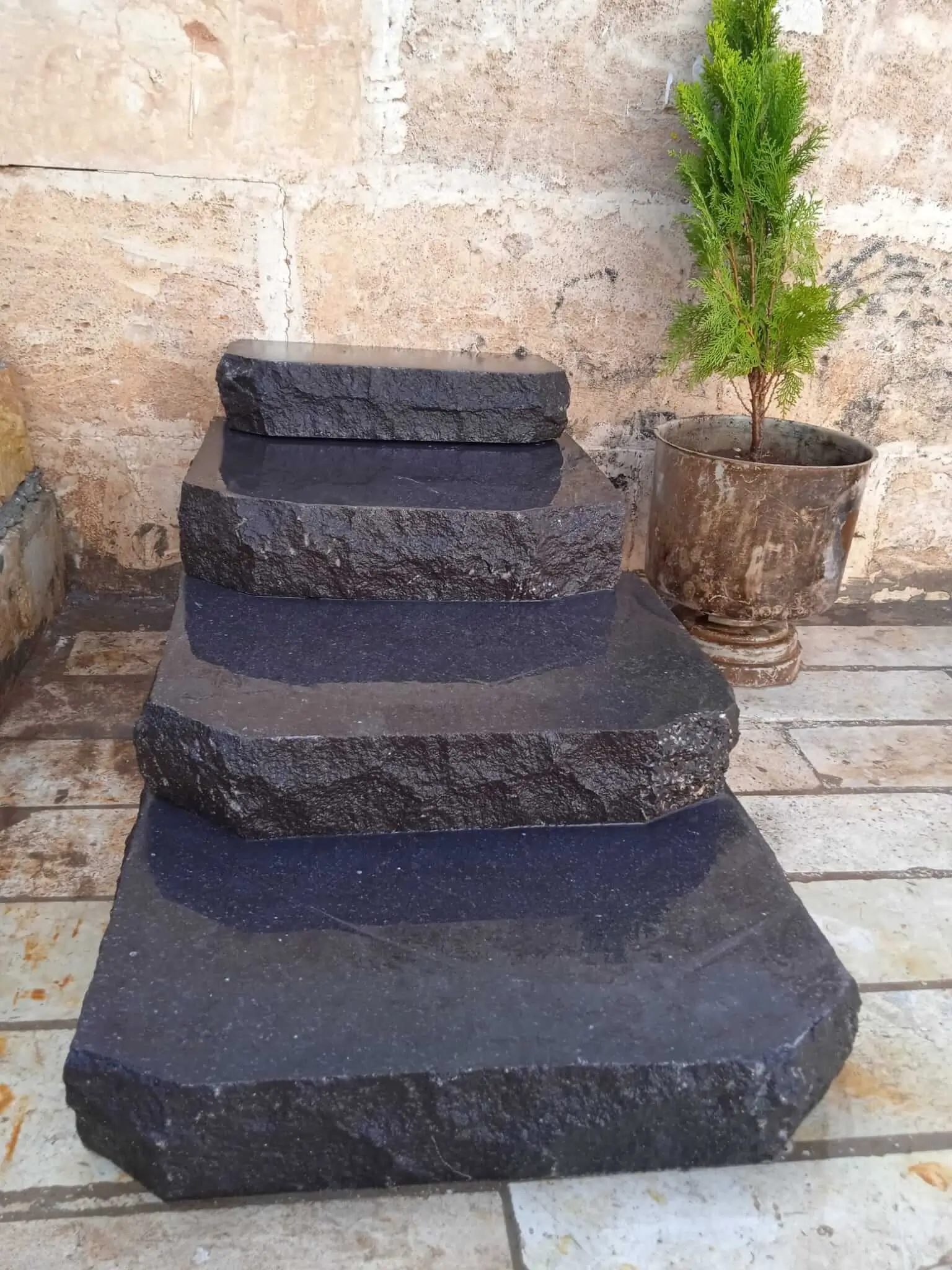
Understanding Arizona Storm Mechanics and Paver Stress
Arizona’s haboobs and monsoon microbursts create a loading scenario that’s genuinely different from the simple thermal cycling most paver specs focus on. Wind-driven rain hits horizontal surfaces at a low angle, forcing water laterally into joints rather than vertically through them. At 24×24 inches per stone, you have significantly less linear joint footage than smaller-format pavers — which sounds like an advantage until you realize that each joint carries a much higher cumulative water intrusion load per linear foot during a storm event.
Hail is also a real concern across Tucson and the surrounding elevations, where stone-sized hail during severe thunderstorms can fracture softer natural stones and chip inadequately supported paver edges. Material hardness and minimum thickness aren’t just structural checkboxes — they’re your impact resistance specification. You’ll want material with a Mohs hardness rating above 4 and a minimum thickness of 1.25 inches for exposed patio applications to handle impact loads from storm debris.
Site Assessment and Soil Preparation for Arizona
Before you order a single stone, your site assessment needs to account for the dominant soil conditions in your specific part of Arizona. The caliche hardpan common across the Phoenix Valley sits at varying depths — typically 12 to 30 inches below grade — and it creates a rigid sub-layer that can actually work in your favor if you prepare it correctly. Caliche won’t compress like sandy fill, which means your compacted aggregate base sits on something genuinely stable rather than shifting substrate.
- Excavate to a minimum of 8 inches below finished paver surface, deeper if you’re removing loose fill or disturbed soil
- Test for caliche presence by probing with a rebar stake — resistance at consistent depth indicates hardpan you can leverage
- Where caliche is absent, compact native soil to 95% Proctor density before adding aggregate
- In areas with known expansive clay content, increase excavation depth to 10–12 inches and add a geotextile separation fabric
- Verify drainage slope of 1/8 inch per foot minimum away from structures — storm runoff volume in Arizona makes this non-negotiable
Setting large stone pavers across Arizona desert sites means dealing with drainage geometry that shifts seasonally. Your grading plan needs to handle a 100-year storm event, not just typical rainfall, because monsoon episodes can drop 2–3 inches in under an hour. This Arizona patio paver base preparation guide prioritizes that storm-scale drainage capacity throughout every layer of the build.
Base Construction: The Foundation That Handles Storm Loads
The aggregate base for 24×24 paver installation steps in Arizona desert conditions isn’t a place to cut corners on material quality or compaction passes. You’re building the primary shock absorber for both traffic loads and storm-generated mechanical stress. Use 3/4-inch crushed angular aggregate — not round river gravel — because angular material interlocks under compaction and resists lateral displacement when wind-driven water saturates the sub-base perimeter.
Compaction should happen in two lifts: a 4-inch base lift compacted to 98% Proctor, followed by a 2-inch surface lift compacted to the same standard. Running a plate compactor in overlapping passes at 12-inch intervals gives you consistent density. A common field mistake is compacting a single 6-inch lift — the bottom of that lift never reaches adequate density, and you end up with a base that looks solid until the first significant rain event undermines it from the edges inward.
- Use 3/4-inch minus crushed angular aggregate (granite or limestone base rock performs well in Arizona)
- Two-lift compaction: 4-inch base lift, then 2-inch surface lift, each to 98% Proctor
- Check plate compactor coverage — overlap each pass by 6 inches minimum
- Install perimeter edge restraint before final compaction so it seats into the base, not just the bedding layer
- Verify base is 6 inches total depth for pedestrian patio applications, 8 inches for areas with vehicle overhang or heavy furniture loads
Edge Restraint: Your Storm Defense Perimeter
Here’s what most specifiers miss on large-format paver projects: edge restraint for 24×24 stones carries significantly higher lateral load than restraint for 12×12 or 16×16 formats. Each stone weighs 35–50 pounds depending on thickness and material density, and when wind-driven water saturates the bedding sand perimeter, that weight starts moving. Your restraint system has to be anchored into the compacted aggregate base, not just spiked through the bedding sand layer.
Specify heavy-duty plastic or aluminum restraint rated for commercial applications, with 12-inch spikes at 12-inch on-center spacing for straight runs and 6-inch spacing on curves or corners. The spike length matters — 10-inch spikes don’t reach into adequate base depth in most Arizona installations. Upgrade to 12-inch minimum. At Citadel Stone, we’ve seen installations where the restraint looked solid on day one but failed within the first monsoon season simply because installers used 6-inch spikes that pulled free once the base perimeter got saturated.
- Commercial-grade restraint rated for paver weights above 40 lbs per unit
- 12-inch galvanized or stainless spikes at 12-inch on-center for straight runs
- 6-inch spike spacing at corners, angles, and curve transitions
- Restraint must embed into compacted aggregate, not bedding sand
- For Scottsdale pool deck edges and elevated patio perimeters, consider concrete toe-in restraint for highest storm resilience
Pool deck perimeters in Scottsdale, where caliche depth varies and soil saturation during monsoons can be rapid, benefit most from concrete toe-in restraint at the exposed edges of any 24×24 paver installation on Arizona patios.
Bedding Sand and Joint Integrity Under Wind-Driven Rain
Your bedding layer is where the 24×24 paver installation steps in Arizona desert conditions get precise. Coarse concrete sand (ASTM C33 specification) at 1 inch of depth — screeded to a consistent plane — gives you adequate bedding for large format stones without excessive compressibility. Avoid fine masonry sand; it migrates under storm saturation and leaves voids that cause paver settlement along the most visible sight lines of your patio.
For joint sand, polymeric sand with a cured tensile strength above 45 psi is the baseline specification for Arizona monsoon exposure. Standard jointing sand washes out during wind-driven rain events in a single season. Polymeric compounds resist lateral water infiltration once they cure, but your curing window matters — you need 24–48 dry hours after installation before the joint material sets adequately. Check warehouse stock lead times before scheduling final installation, because polymeric sand quality varies significantly between suppliers and you want a consistent product through the full job.
You can explore our large format pavers Arizona inventory to match your material selection with the right joint width specification — stone density and surface finish both affect the optimal joint gap for storm drainage performance.
Laying Pattern and Mechanical Interlock for Large-Format Stone
How to lay large format pavers in Arizona starts with accepting that the standard running bond pattern you’d use for brick-sized units doesn’t provide adequate mechanical interlock for 24×24 stones under wind and storm loading. You have fewer joints per square foot, which means each joint carries more responsibility for distributing dynamic loads. A modified grid pattern with consistent 3/16-inch joints gives you both a clean aesthetic and adequate room for polymeric sand compaction without excessive edge-to-edge contact.
For patio areas over 200 square feet, consider breaking the field with a soldier course border. This does two things: it reinforces the perimeter against lateral movement and it gives you a natural expansion break without visible control joints cutting through the main field. Your installer needs to check for lippage — large format stones are less forgiving of bedding inconsistency than smaller units. A 1/16-inch lippage tolerance at any joint is the acceptable maximum; anything beyond that creates a trip hazard and concentrates impact stress at paver corners during hail events.
- Modified grid pattern with 3/16-inch consistent joints for 24×24 format
- Soldier course border for fields over 200 sq ft — perimeter reinforcement and natural expansion break
- Check lippage with a straightedge across every third joint row during installation
- Maximum 1/16-inch lippage at any joint — re-bed stones that exceed this before proceeding
- Stagger end joints by 1/3 stone length minimum to prevent linear crack propagation under storm loading
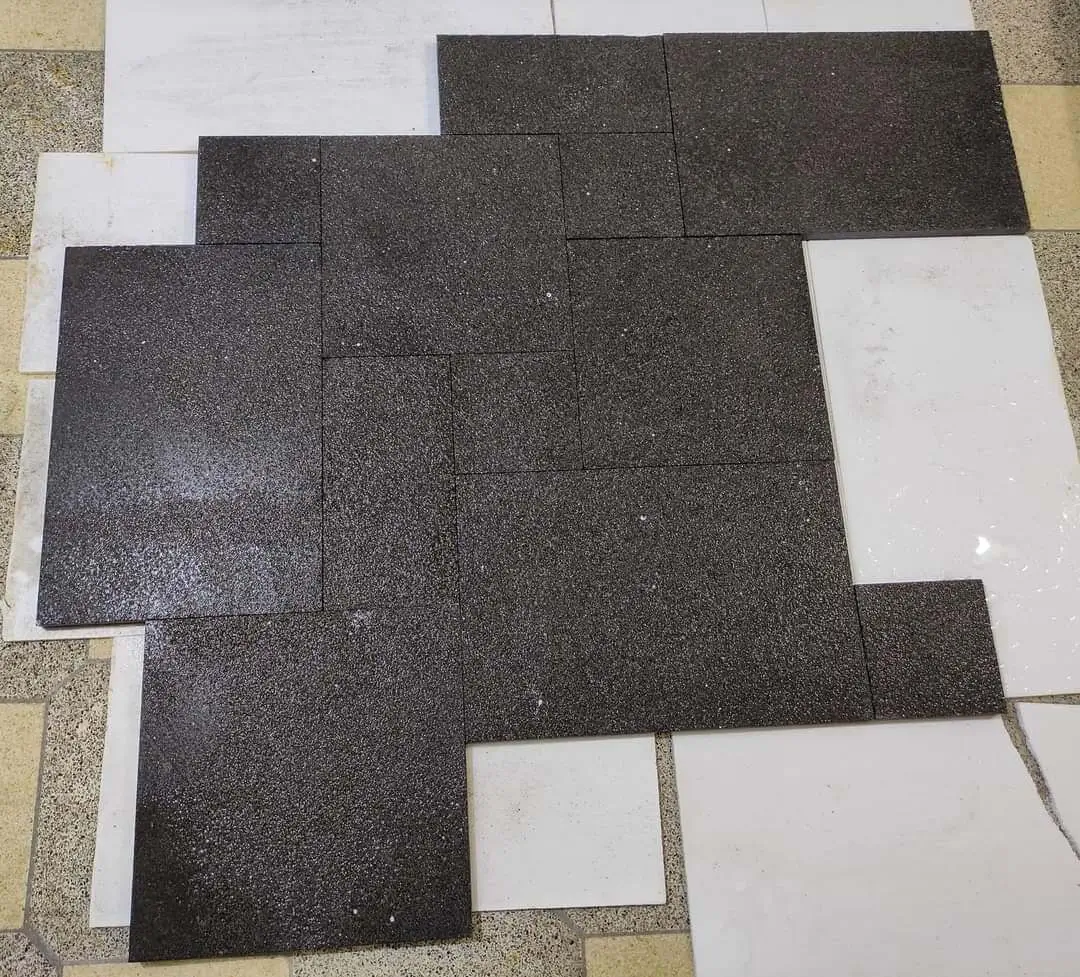
Material Selection for Storm and Impact Resistance
The question of which stone to specify for installing 24×24 pavers on Arizona patios comes down to compressive strength and surface durability under impact, not just aesthetics. Granite and basalt consistently outperform softer sedimentary stones in hail impact tests — granite’s average compressive strength of 19,000–25,000 psi makes it essentially immune to the surface spalling that affects lower-density stones after repeated hail strikes. If your project spec leans toward limestone or travertine for aesthetic reasons, confirm that the material meets a minimum 8,000 psi compressive strength and carries a minimum 1.25-inch thickness specification.
Our technical team advises against specifying any 24×24 paver in a polished or honed finish for primary Arizona patio exposure. Wind-driven sand acts as an abrasive over time, and polished surfaces show wear within 2–3 seasons that honed or natural-split surfaces simply don’t. A brushed or sawn finish gives you better slip resistance after storm saturation and maintains its appearance longer under Arizona’s abrasive wind conditions. Citadel Stone warehouse stock includes material in these finishes with verified thickness tolerances, which reduces field adjustment time during installation.
- Minimum 8,000 psi compressive strength for sedimentary stones (limestone, travertine)
- Granite or basalt for highest impact resistance in hail-prone elevations
- Minimum 1.25-inch thickness for pedestrian patio applications exposed to storm loads
- Brushed or sawn finish preferred over polished for abrasion resistance under wind-driven sand
- Verify dimensional tolerance — large format stones with more than 1/8-inch thickness variation create bedding complications at scale
Delivery Logistics and Project Timing
Timing your 24×24 paver installation steps in Arizona desert conditions around the monsoon season isn’t optional — it’s a project management requirement. The official monsoon season runs June 15 through September 30, and while that doesn’t mean you can’t install during those months, it does mean your curing windows for polymeric joint sand need to align with the daily forecast, not just the calendar. Scheduling final joint sand installation for a morning when afternoon storms are predicted is a common mistake that wastes a full day’s worth of bedding and jointing work.
Truck delivery logistics for 24×24 stone require advance planning because pallet weights for large format stone typically run 2,200–2,800 lbs depending on material density. You need confirmed truck access to the site — tight residential gates or overhead utility lines that restrict boom cranes will affect your unloading method. Confirm warehouse availability at least three weeks before your scheduled installation date; large format pavers move faster than standard sizes, and stock gaps can push your truck delivery out by 2–4 weeks if you haven’t reserved material.
Parting Guidance
Getting installing 24×24 pavers on Arizona patios right means building a system that’s engineered for storm resilience at every layer — from the depth of your excavation to the tensile strength of your joint sand. The mechanical forces from monsoon wind, wind-driven rain, and hail are the variables that test your specification decisions, and they show up on a timeline that most homeowners don’t anticipate. Build the base right, anchor the restraint into the compacted aggregate, and use polymeric joint sand rated for the lateral water pressure Arizona storms generate.
Once your installation is complete, the ongoing maintenance cycle matters as much as the initial specification. Joint sand recharge after significant storm events, perimeter restraint inspection each spring, and surface sealing on appropriate stone types are the disciplines that protect your investment over a 20-plus year service life. The same storm exposure that tests your paver installation also drives the maintenance requirements that follow — for practical guidance on what comes next, How to Maintain Block Paving in Arizona’s Climate covers the maintenance side of the equation in detail and is worth reviewing before your first monsoon season arrives.
Homeowners in Tucson, Mesa, and Chandler rely on Citadel Stone for 24×24 pavers chosen to withstand Arizona’s extreme thermal expansion and contraction across desert patio installations.