

Why Thermal Cycling Defines Your 24×24 Paver Decision in Arizona
Thermal cycling is the primary engineering constraint in any 24×24 paver cost guide Arizona evaluation — not material aesthetics, not upfront price per square foot. A paver surface in Yuma can expand and contract by as much as 3mm across a single 24-hour period during peak summer months, and that cumulative fatigue across hundreds of annual cycles is what separates a 25-year installation from one you’re replacing in 12. Your cost calculation has to factor this in before you finalize a material selection.
Arizona doesn’t just get hot — it cycles aggressively. That distinction matters more for 24×24 format pavers than for smaller units because the larger the paver face, the greater the absolute dimensional change per thermal event. You’re dealing with a geometry problem as much as a material problem, and understanding that shapes every specification decision downstream.
Large Format Paver Pricing in Arizona: What the Numbers Actually Mean
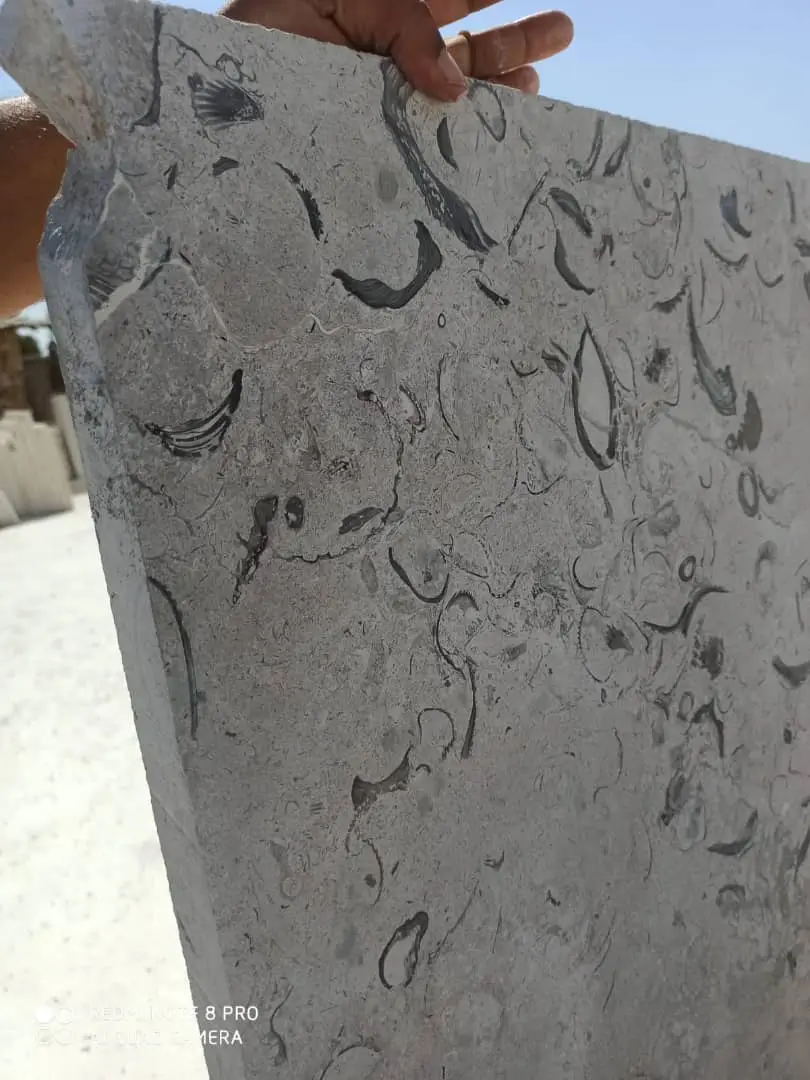
Budgeting for stone pavers across Arizona requires you to think in total installed cost, not material cost alone. The raw material price for 24×24 stone pavers in Arizona typically ranges from $4.50 to $18.00 per square foot depending on stone type, finish, and thickness — but that spread is almost meaningless without understanding what drives it. Natural limestone in a honed finish sits toward the lower end. Bluestone and premium travertine in thermal or sandblasted finishes push toward the upper range. Basalt, which performs exceptionally well under Arizona’s thermal cycling conditions, often runs $10 to $14 per square foot for 2-inch material.
The thickness question is where large format paver pricing in Arizona gets nuanced. You can often source 1.25-inch pavers at 20–30% less than 2-inch equivalents, but in residential applications with vehicular overhang or pool deck conditions, the thinner slab introduces flex risk that voids long-term cost savings. At Citadel Stone, we consistently advise clients to treat the thickness upgrade as insurance against re-installation costs, not an optional upgrade.
- Limestone (honed, 2-inch): $4.50–$7.00/sq ft material cost
- Travertine (filled and tumbled, 2-inch): $6.00–$10.00/sq ft material cost
- Basalt (thermal finish, 2-inch): $10.00–$14.00/sq ft material cost
- Bluestone (natural cleft, 2-inch): $12.00–$18.00/sq ft material cost
- Installation labor in Arizona: $8.00–$14.00/sq ft depending on base complexity
- Base preparation (4-inch compacted aggregate + sand setting bed): $3.00–$5.00/sq ft
How much do 24×24 pavers cost AZ when you total everything? For a standard 400 sq ft patio with travertine and professional installation, you’re realistically looking at $7,200–$12,000 fully installed. Premium materials with complex base work can push a similar project to $16,000. Those ranges reflect real project invoices, not theoretical estimates.
Thermal Expansion Calculations for 24×24 Stone
Here’s what most specifiers miss when working through the 24×24 paver cost guide Arizona framework — the expansion joint calculation is not the same for large format stone as it is for standard 12×12 units, and getting it wrong costs money in remediation.
Natural stone expands at roughly 3–7 × 10⁻⁶ inches per inch per °F depending on stone type. For a 24-inch paver, a 100°F temperature swing — which is entirely routine in Arizona between a January night and a July afternoon — produces approximately 0.007 to 0.017 inches of dimensional change per stone. That sounds small until you multiply it across a 40-foot patio run. You’re looking at potential cumulative movement of 0.14 to 0.34 inches if joints aren’t designed to absorb it.
- Specify expansion joints every 10–12 linear feet for 24×24 format stone (not the 15–20 feet typical for smaller units)
- Use flexible polyurethane sealant in expansion joints, not rigid grout — rigid infill cracks under cycling stress within 2–3 seasons
- Maintain joint width at minimum 3/16 inch for thermal material; 1/4 inch is preferable in high-elevation zones where freeze-thaw adds to the cycling load
- Sand-set installations need joint sand replacement every 2–3 years in Arizona because thermal pumping gradually displaces the fill
The interaction between thermal expansion and your base material also matters. A concrete slab substrate expands at a different coefficient than natural stone, which means you need an uncoupling membrane or compressible setting layer in bonded applications. Skipping that layer is the single most common remediation call we see on Arizona patios over 500 sq ft.
Freeze-Thaw Cycles: The Factor Arizona Buyers Underestimate
Most buyers focused on how much do 24×24 pavers cost AZ are thinking about the desert floor — Phoenix, Tucson, the low desert. But Arizona’s elevation range is extraordinary, and the performance spec that works at 1,100 feet in Yuma fails completely at 6,900 feet. Flagstaff averages over 100 freeze-thaw cycles annually — each one introducing water into paver pores, freezing, expanding by approximately 9% in volume, and creating micro-fracture stress in the stone matrix.
For Flagstaff and the Coconino Plateau, your stone selection needs an absorption rate below 0.75% per ASTM C97. Travertine in its unfilled, open-pore state fails this threshold — which is why filled-and-sealed travertine is mandatory in elevation applications, not optional. Limestone with high porosity similarly needs careful sourcing. Dense basalt and thermal-finish bluestone are the most reliable performers above 5,000 feet elevation because their low absorption coefficients give freeze-thaw water nowhere to lodge.
The cost implication here is direct: freeze-thaw-rated stone in 24×24 format typically costs 15–25% more than standard-rated equivalents. But re-laying a patio in Flagstaff after two bad winters costs three times what the material upgrade would have.
A Realistic Budget Framework for Arizona Stone Paver Projects
Effective budgeting for stone pavers across Arizona means building your budget in four distinct layers rather than using a single per-square-foot estimate. The layers are: material, base preparation, installation labor, and ongoing maintenance reserve. Most homeowners budget only the first two and end up underfunded at labor or surprised by maintenance costs in year three.
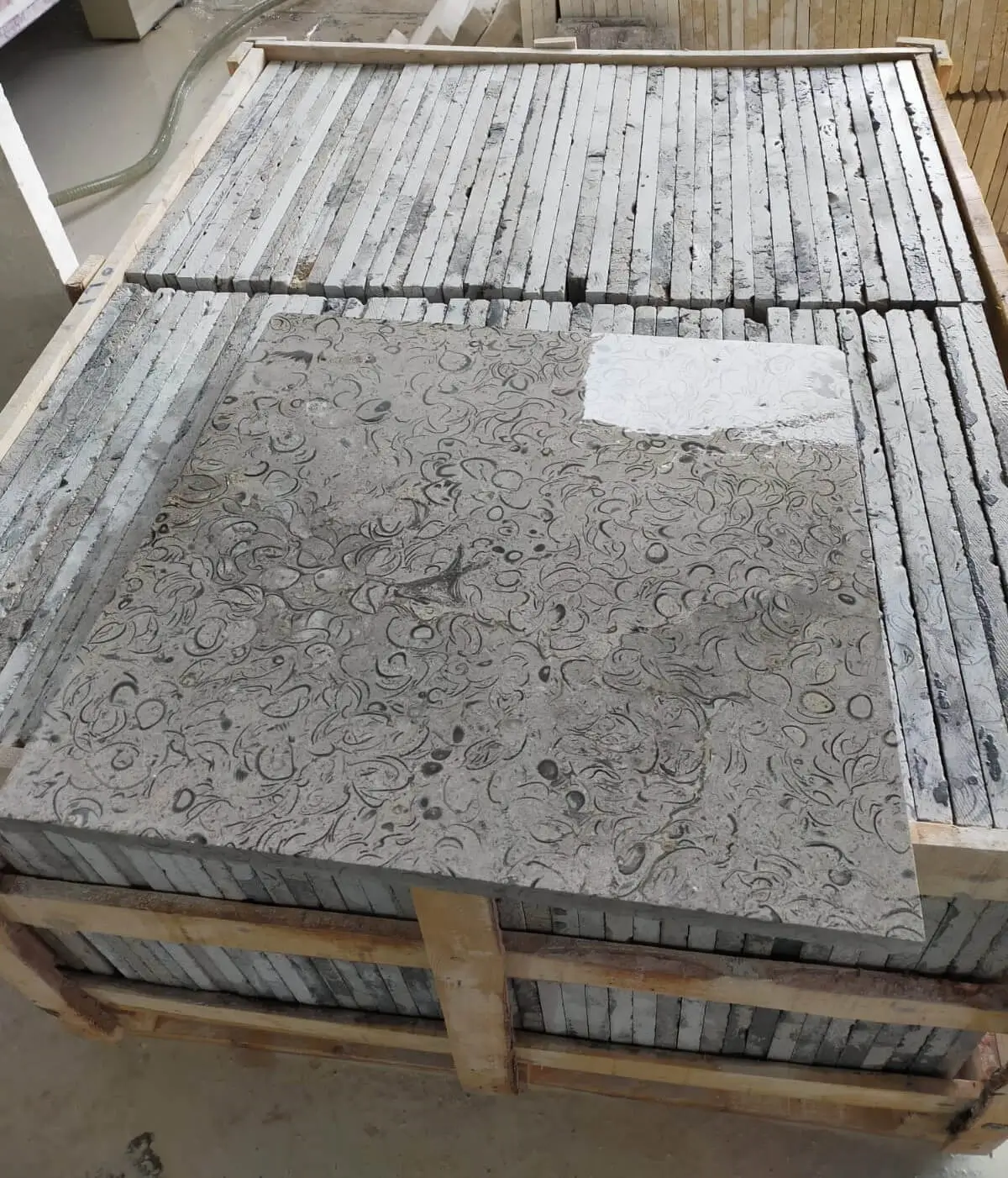
Your material budget should include a 10–15% overage for cuts, waste, and pattern matching — 24×24 format stone wastes more at perimeter cuts than smaller units because you can’t re-use the cut-off piece on the other side of the patio. For irregular shapes or diagonal patterns, push that overage to 18–20%. Verify warehouse stock levels before committing to project timelines, especially for premium materials. Warehouse availability for specific lot colors can vary, and a 4–6 week restock cycle on specialty stone can stall your project mid-installation if you didn’t order enough upfront.
- Material budget: 110–120% of calculated square footage (includes waste factor)
- Base preparation: $3.00–$5.00/sq ft for standard aggregate and sand; add $2.00–$3.00/sq ft if caliche removal or drainage correction is required
- Installation labor: $8.00–$14.00/sq ft for standard patterns; $12.00–$18.00/sq ft for herringbone, diagonal, or custom inlay work
- Initial sealing: $1.00–$2.00/sq ft depending on penetrating vs. topcoat sealer
- Maintenance reserve: Budget $0.25–$0.50/sq ft annually for joint sand replenishment and resealing on a 2-year cycle
For a project planning reference, visit our 24×24 paver pricing Arizona page where current material pricing is listed by stone type and finish — it’s updated to reflect real inventory, not catalog estimates.
Mid-Elevation Projects: Thermal Range in Arizona’s Transition Zone
The transition zone between Arizona’s low desert and high plateau creates some of the most demanding thermal cycling conditions in the state. Sedona, sitting at roughly 4,500 feet, sees summer highs above 100°F and winter lows that regularly drop to 20°F — a range of 80°F that cycles with enough frequency to stress both the stone and its mortar system repeatedly through the year. This is actually a more challenging environment for 24×24 stone pavers in Arizona than either the full low desert or the high plateau, because neither design philosophy fully applies.
In the transition zone, you need the absorption resistance of high-elevation stone combined with the thermal mass management strategies of low-desert installations. Dense travertine — filled, sealed, and with 2-inch thickness — performs well here. Expansion joints should be spaced at 10 feet rather than 12, and you should use a setting bed with some cushion capacity rather than a rigid mortar bond. Field performance data on 24×24 stone pavers in Arizona’s transition zone consistently shows that sand-set installations over a compacted aggregate base outperform mortar-set applications in this specific elevation band.
Matching Stone Type to Arizona’s Thermal Performance Demands
The Arizona desert patio paver material costs conversation often defaults to aesthetics — which stone looks right with the architecture. That’s a legitimate consideration, but in Arizona’s cycling climate, you’re selecting for performance first and appearance second. The good news is that the stones that perform best under thermal cycling also happen to be the ones most at home in desert and transitional landscapes.
Limestone in Arizona’s Temperature Range
Tumbled and honed limestone in 24×24 format handles Arizona’s low desert thermal cycling well because its crystalline structure distributes expansion stress across a large number of micro-grain boundaries rather than concentrating it. The practical result is that limestone rarely shows the corner chipping and edge delamination that plagues poorly specified concrete pavers under the same conditions. You’ll want density above 150 lb/cu ft and absorption below 3% for low-desert applications; tighten that to 1.5% for anything above 4,000 feet.
Travertine Specification for Thermal Cycling
Travertine’s vein-cut and cross-cut variations behave differently under thermal cycling, and this distinction almost never appears in standard product sheets. Cross-cut travertine exposes the horizontal banding to the surface, which aligns natural cleavage planes parallel to freeze-thaw stress — meaning water infiltration and expansion stress follow the path of least resistance straight through the paver face. Vein-cut orientation exposes that banding vertically, creating a much more structurally resistant face. For any Arizona application with freeze-thaw exposure, vein-cut filled travertine is the correct specification.
Basalt and Bluestone: Premium Thermal Performers
Basalt and bluestone carry a higher upfront cost in the large format paver pricing in Arizona calculation, but their thermal performance data justifies the premium for high-exposure applications. Basalt’s near-zero absorption rate (typically below 0.3%) makes it essentially immune to freeze-thaw damage, and its thermal expansion coefficient is among the lowest of any natural paving stone. Bluestone’s dense silica structure gives it similar characteristics. Both materials are truck-delivered in 2-inch slabs that handle point loads from patio furniture and foot traffic without flexing, which matters for sand-set applications over Arizona’s expansive soil conditions.
Base Requirements That Affect Your Total Project Cost
Your base preparation specification determines whether the 24×24 format works for or against you in Arizona’s thermal environment. The large paver face amplifies any base unevenness because there’s nowhere for the eye to hide a 3mm elevation difference across a 24-inch span — it’s immediately visible. Getting the base right upfront costs more but eliminates the callback scenario that makes patios expensive in hindsight.
Standard specification for Arizona residential patio applications calls for 4–6 inches of compacted Class II aggregate base at 95% Proctor density, topped with a 1-inch screeded sand setting bed. In expansive clay soil zones — which are prevalent across much of the Phoenix metro and Prescott Valley — increase the base depth to 6–8 inches and consider a geotextile separation layer between the native soil and aggregate. That fabric layer prevents clay migration into the base over time, which is one of the primary causes of paver settlement in Arizona’s monsoon season when saturated clay expands and pushes upward into the aggregate layer.
- Minimum base depth: 4 inches compacted aggregate for foot traffic; 6 inches for areas with vehicle overhang
- Compaction requirement: 95% Proctor density verified by plate compactor pass count or proofroll
- Sand setting bed: 1 inch screeded bedding sand — not concrete sand, which packs too tightly and loses its self-leveling capacity
- Slope: Minimum 1/8 inch per foot away from structures for drainage; 1/4 inch per foot recommended in high-rainfall elevation zones
- Caliche management: Where present, break and compact caliche rather than removing it — intact caliche provides excellent sub-base bearing capacity
Sealing, Maintenance, and the True Cost of Ownership
The full Arizona desert patio paver material costs picture isn’t complete without honest numbers on ongoing maintenance — and in Arizona, the sealing schedule is different from what most national product guides recommend. UV degradation at Arizona’s solar intensity breaks down penetrating sealers 30–40% faster than in Pacific Northwest or Midwest climates. The standard “reseal every 5 years” recommendation on product data sheets was not written for Yuma or Phoenix sun exposure.
Penetrating silane-siloxane sealers in low-desert Arizona realistically need reapplication every 2–3 years. Topcoat sealers may need annual inspection and spot reapplication in high-UV areas. Budget accordingly — sealing a 400 sq ft patio professionally runs $300–$600 depending on sealer grade, and cutting corners on sealer quality is one of the more expensive false economies in Arizona paver ownership. For travertine specifically, proper sealing is what keeps the open pore structure from accumulating caliche mineral deposits from Arizona’s hard irrigation water, which creates a maintenance burden that’s far more expensive to address than a proper sealing schedule.
- Penetrating sealer reapplication: Every 2–3 years in low desert; every 3–4 years above 5,000 feet elevation
- Joint sand replenishment: Every 2–3 years for sand-set installations; check annually after monsoon season
- Annual inspection points: Edge pavers for lifting, joint integrity after monsoon events, surface sealer condition
- Hard water mineral deposits: Address with diluted muriatic acid solution annually on travertine and limestone in high-mineral water areas
Getting Your 24×24 Paver Specification Right in Arizona
Pulling the right specification together for large format pavers in Arizona means holding thermal cycling as your primary engineering constraint, not your secondary one. The day-night temperature swings, the elevation-specific freeze-thaw exposure, and the UV intensity that accelerates sealer degradation are all forces acting simultaneously on your installation — and any serious 24×24 paver cost guide Arizona framework should account for each of them before a single stone is ordered. Getting the material spec right, sizing your expansion joints correctly, and building a realistic maintenance reserve into your budget are the three decisions that separate installations that age gracefully from ones that generate remediation costs five years in.
Citadel Stone sources 24×24 stone pavers in Arizona directly from quarries and performs density and absorption verification on incoming lots before they reach warehouse inventory — which means what you order has been vetted for Arizona’s actual performance demands, not just listed from a manufacturer spec sheet. Truck delivery is available across Arizona with lead times that reflect real in-stock inventory rather than optimistic estimates. For the practical execution side of your project, How to Install 24×24 Pavers in Arizona: Step-by-Step Guide walks through the base preparation and setting bed process in detail, which complements the cost and specification decisions covered here. For homeowners in Peoria, Gilbert, and Flagstaff, Citadel Stone offers 24×24 stone pavers at transparent price points, with direct-from-quarry sourcing that reduces unnecessary markup across Arizona projects.