


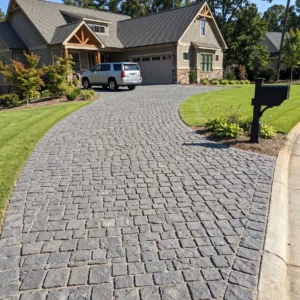
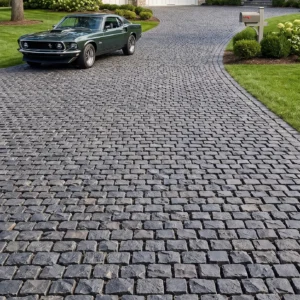
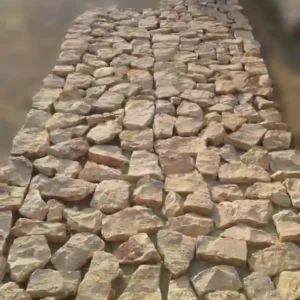
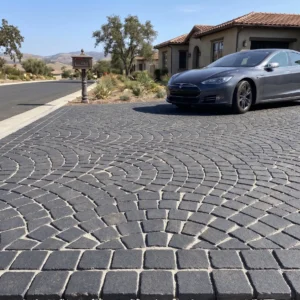
Structural load calculations for large pavers in Arizona don’t follow the same logic as standard residential paving specs, and that gap is where most installation failures originate. You’re working with units that can weigh between 80 and 200 pounds per slab — sometimes more — and the point load distribution across your subgrade changes fundamentally when you move from 12-inch squares to 24×48-inch formats. Getting the base engineering right before the first slab lands is the difference between a 25-year installation and a substrate that starts rocking within three seasons.
Code Compliance and Structural Requirements for Large Pavers in Arizona
Arizona’s building codes don’t always have dedicated sections for large format paving, but that doesn’t mean you’re operating without enforceable standards. The International Building Code as adopted by Arizona, combined with local amendments in jurisdictions like Phoenix, requires that exterior paving within 10 feet of a structure meet specific drainage slope and load-bearing thresholds that directly affect how you engineer the base for oversized patio pavers. The 2% minimum slope requirement for hardscape draining away from foundations is non-negotiable — and with large format slabs, getting that slope consistent across a 48-inch run requires more precise screeding than most standard paving projects.
Load-bearing requirements become especially relevant when you’re specifying big pavers for backyard installations that double as vehicle access points or when mechanical equipment sits on the surface. Arizona soil classifications range from expansive clay in the central valley to decomposed granite in desert elevation zones, and your geotechnical baseline determines whether a 6-inch compacted aggregate base is adequate or whether you need 8-10 inches with a compacted caliche undercut. Skipping the soils assessment on any project requiring large stone pavers is a specification risk you shouldn’t take.
- IBC Section 1804 governs soil investigation requirements for projects with hardscape adjacent to structures — request a soils report if any doubt exists about bearing capacity
- Local amendments in Maricopa and Pima Counties may require permits for paved areas exceeding a threshold square footage — verify before breaking ground
- ADA accessibility standards apply to commercial and multi-family applications, requiring surface cross slopes no greater than 2% and running slopes no greater than 5%
- Seismic zone classifications for Arizona place most of the state in Seismic Design Category B, which affects how close-to-structure paving is detailed at the interface
- Fire access pathways in HOA and commercial developments must meet minimum load ratings — typically 75,000 lbs for fire apparatus — which changes your base specification entirely
Citadel Stone works directly with project teams at the specification stage to confirm that the large natural stone pavers you select match the structural requirements your site conditions demand. That means reviewing thickness options — typically 1.25-inch, 2-inch, and 3-inch nominal formats — against your expected load scenario before material orders are placed.

Material Selection and Performance Factors for Arizona Conditions
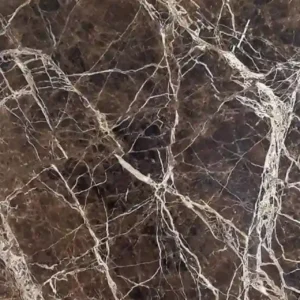
The right material for large outdoor pavers in Arizona depends on three converging factors: structural integrity under thermal cycling, surface performance under intense UV exposure, and compatibility with your base drainage design. Natural stone outperforms concrete pavers in thermal mass management, but the specific geology of the stone matters enormously. Travertine, limestone, basalt, and slate each respond differently to Arizona’s temperature swings, and your material choice needs to account for more than just aesthetics.
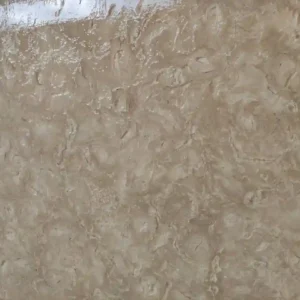
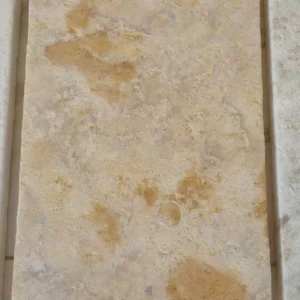
Travertine remains one of the most field-proven options for extra large pavers in Arizona because its interconnected pore structure manages thermal expansion predictably across the 50°F daily swing typical of desert summer nights and afternoons. The coefficient of thermal expansion for travertine sits at approximately 4.5 × 10⁻⁶ per °F, which means a 48-inch slab expands roughly 0.026 inches over a 120°F temperature range — manageable with correctly specified perimeter and field expansion joints at 10-foot intervals, not the 15-to-20-foot intervals some installers attempt in moderate climate zones.
- Travertine: compressive strength 8,000–12,000 PSI, thermal expansion coefficient 4.5 × 10⁻⁶/°F, excellent natural drainage in filled-and-honed variants
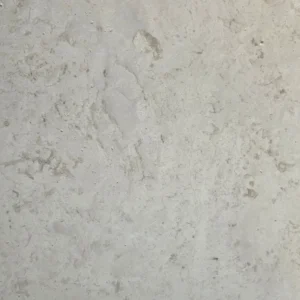
- Limestone: compressive strength 10,000–15,000 PSI, lower porosity than travertine, preferred for large format patio pavers where surface uniformity matters
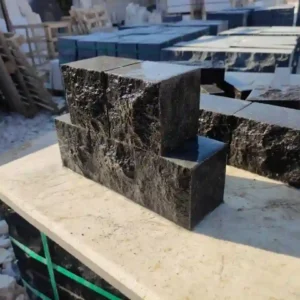
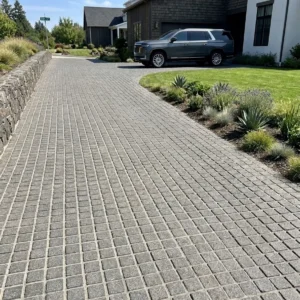
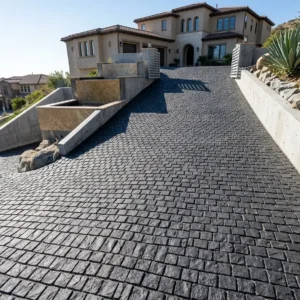
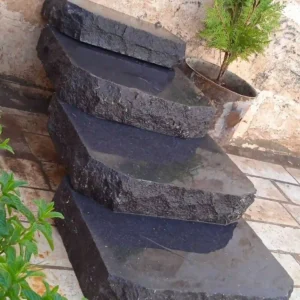
- Basalt: compressive strength 25,000–45,000 PSI, extremely low porosity, the first choice for large cobblestone pavers and high-traffic commercial applications
- Slate: high natural cleft texture, excellent slip resistance even when wet, compressive strength 15,000–20,000 PSI, works well in large flat stone paver configurations
- Quartzite: exceptional hardness and UV resistance, minimal color fade over decades, performs well in large square pavers where long-term appearance consistency is the priority
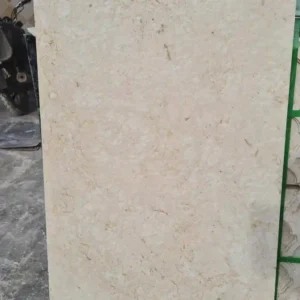
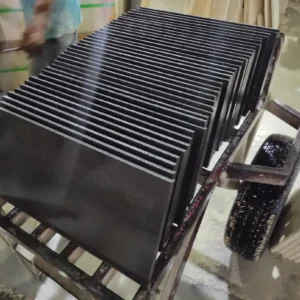
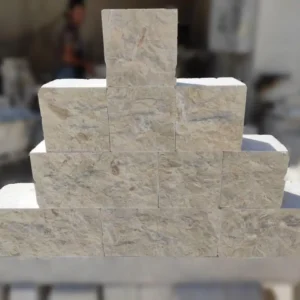
Sourced from established quarry partners, each batch that moves through Citadel Stone’s inventory is inspected for thickness consistency and surface quality before it reaches your project. That inspection step matters more than most buyers realize — variation of more than 3mm in nominal thickness across a pallet of large format outdoor pavers creates leveling problems that no amount of installation skill can fully correct.
Choosing the Right Format: Large Rectangle, Square, and Oversized Configurations
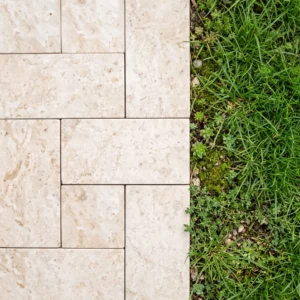
Format selection for large paver stones in Arizona projects isn’t purely aesthetic — it has direct structural and logistical consequences. Large rectangle pavers in an 18×36 or 24×48 configuration create long joint lines that require precise substrate preparation, because any deviation in subgrade flatness telegraphs directly to the surface in formats larger than 18 inches. Large square pavers in 24×24 and 36×36 configurations are more forgiving on slightly variable substrates because the equal-dimension geometry distributes minor unevenness more evenly.
Oversized patio pavers — anything in the 36×36 and above category — require a different installation rhythm. You can’t adjust a 90-pound slab the way you finesse a standard 12-inch unit. Your screed bed needs to be within 1/8 inch across a 10-foot run before the first large stone paver goes down, and you need a setting material with an extended open time of 30-45 minutes minimum to allow for the positioning adjustments that inevitably happen when working with oversized formats in direct Arizona sun.
- 24×24 large square pavers: most versatile format, manageable weight per unit (55–70 lbs in 2-inch thickness), compatible with both sand-set and mortar-set applications
- 24×48 large rectangle pavers: linear, modern aesthetic, requires stricter substrate tolerance — specify ±1/8 inch over 10 feet
- 36×36 XL pavers: significant weight per unit (90–120 lbs), typically requires two-person placement minimum, creates dramatic visual impact
- 18×36 and 12×24 large format options: excellent for mixed-format patterning, easier to handle individually without mechanical lifting equipment
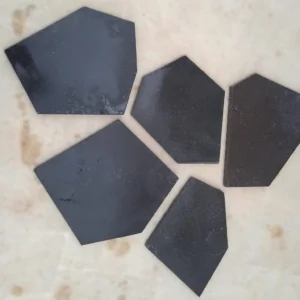
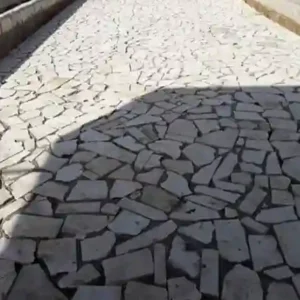
- Custom and irregular large flat stone pavers: beautiful for naturalistic designs but demand experienced installers with pattern-planning experience
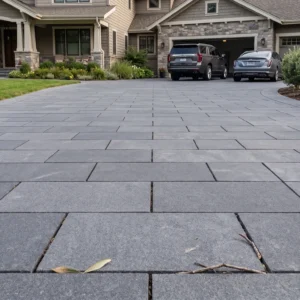
For most large paver stone patio projects in Arizona residential applications, the 24×24 and 24×48 formats strike the right balance between visual scale and practical installation manageability. If you’re working on a commercial project or a large estate property where mechanical equipment is available on-site, moving up to 36×36 or larger XL pavers in Arizona makes sense both aesthetically and economically — larger formats reduce joint line frequency, which lowers long-term maintenance demands.
Base Preparation and Soil Conditions Across Arizona Regions
Base preparation is where Arizona’s regional geology creates genuinely different requirements than you’d follow from a generic specification guide. The state has at least four distinct soil categories that affect paving base design: expansive Vertisol clay in the lower elevation zones, decomposed granite and sandy loams in the desert basin areas, hard caliche hardpan common across Maricopa County, and the rocky volcanic and sedimentary substrates common at higher elevations in the central and northern regions.
Projects in Scottsdale frequently sit on caliche hardpan at 12 to 24 inches of depth — a characteristic that sounds problematic but actually provides one of the best natural sub-bases available if you understand how to work with it. The critical error is leaving a smooth caliche surface without scarifying 2-3 inches before placing your aggregate base. An unscarified caliche surface creates a perched water table that saturates your base material during monsoon season, regardless of how well you’ve graded the surface above.
- Expansive clay soils: require minimum 8-inch compacted aggregate base with geotextile fabric separation — moisture fluctuation in clay can generate uplift forces exceeding 3,000 lbs per square foot
- Decomposed granite zones: excellent drainage base, typically require only 4-6 inches of compacted aggregate over a prepared DG layer, but surface stability of the DG layer itself must be verified before base placement
- Caliche hardpan: scarify 2-3 inches before base placement, verify drainage exits laterally since caliche is effectively impermeable
- Rocky volcanic substrate: exceptional bearing capacity, but uneven excavation requires variable base depth fills — don’t assume a consistent base across irregular bedrock
Your compaction standard for the aggregate base under large format patio pavers should target 95% Modified Proctor density — the same benchmark used for residential road base, not the 90% that some residential specs allow. The weight of large outdoor pavers in Arizona installations creates point loads that quickly expose under-compacted bases, particularly during the first two monsoon cycles when moisture introduces the first real-world test of your base performance.
Drainage Design and Expansion Joint Specifications for Large Format Pavers
Drainage engineering for a large paver stone patio in Arizona requires you to think about two separate water events simultaneously: the standard irrigation and foot traffic scenario, and the monsoon scenario where 1-2 inches of rain can fall in 30-60 minutes. Those are not the same drainage challenge, and a design that handles only the first scenario will fail visibly during the second.
For mortar-set large format outdoor pavers, your drainage system needs to be engineered into the base — not relying on surface slope alone. A 2% cross slope handles normal surface runoff adequately, but in monsoon conditions, the volume of water exceeds what surface drainage alone can manage on most residential patio footprints. Channel drains positioned at low points, feeding into French drain systems that exit the property, are standard practice for any large paver stone patio installation that takes performance seriously in Arizona’s climate context. Selecting the right large pavers in Arizona means accounting for these drainage variables from the outset, not retrofitting drainage solutions after problems appear. For deeper context on how format size affects joint spacing and base requirements, large outdoor pavers Arizona provides a detailed comparison of installation variables between extra-large and standard paver configurations that’s directly relevant to these engineering decisions.
Expansion joint design for extra large outdoor pavers in Arizona deserves more attention than it typically receives. Here’s the math that matters: a 48-inch travertine slab at a thermal expansion coefficient of 4.5 × 10⁻⁶/°F, subject to a 100°F seasonal temperature differential, expands approximately 0.022 inches. Multiply that across 20 feet of continuous paving with field joints at 10-foot intervals and perimeter joints at the structure edge, and you’re managing predictable movement within the capacity of a well-specified polyurethane joint sealant. Eliminate those joints, and the cumulative expansion loads have nowhere to go except into cracked slabs or lifted edges.
- Field expansion joints: every 10 feet in both directions for mortar-set large natural stone pavers, every 12-15 feet for sand-set applications
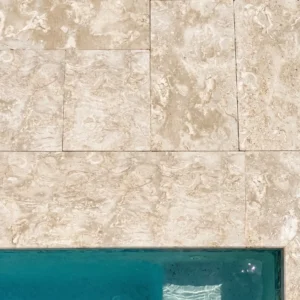
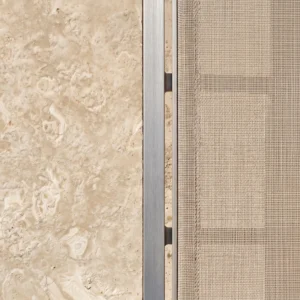
- Perimeter joints: minimum 3/8 inch at all fixed boundaries (walls, steps, pool coping, building foundations) — never fill these with grout
- Joint sealant specification: polyurethane sealant with minimum 25% elongation capacity for Arizona thermal cycling conditions
- Sand-set joint sand: polymeric jointing sand that cures to a semi-rigid state reduces weed infiltration and ant activity — both significant maintenance issues in Arizona climates
- Drainage fall verification: check final surface slope in two directions after installation is complete, before any furniture or equipment is placed
Base drainage and expansion joint design are the two specifications where getting the numbers right before installation prevents the most costly remediation work later.
Installation Methods and Setting Techniques for Large Stone Pavers
The choice between sand-set and mortar-set for large paver stones in Arizona is more consequential than it is for standard formats, and the decision should be driven by your application context rather than installer preference. Sand-set systems with a well-compacted aggregate base and polymeric joint sand perform excellently for residential large paver stone patio installations where occasional surface access for irrigation repairs or utility work is realistic. Mortar-set systems deliver superior stability and are mandatory for any application involving vehicular loads, pool deck areas with structural beam proximity, or elevated deck surfaces over structural slabs.
Setting large cobblestone pavers, large flat stone pavers, and XL pavers in Arizona’s summer heat introduces an installation window constraint most specification documents ignore. Above 95°F ambient temperature, standard thin-set mortars lose workable open time rapidly — in some cases dropping from the labeled 30 minutes to less than 15 minutes on a sun-exposed slab surface. Specify a heat-tolerant, extended-open-time mortar rated for high-temperature applications, adjust your batch sizes to match the actual available working time, and plan your installation start time to avoid the peak heat window of 10am to 3pm whenever possible.
- Sand-set method: 1-inch bedding sand over compacted aggregate base, suitable for large outdoor pavers in pedestrian applications on stable native soils
- Mortar-set method: 3/4-inch minimum mortar bed over concrete sub-slab or prepared base, required for vehicular zones and pool deck applications
- Adhesive-set on concrete slab: full-coverage large-format adhesive or large-format thin-set, requires 95%+ adhesive coverage verified by back-buttering each slab
- Installation ambient temperature range: 50°F to 90°F ideal — below 50°F requires heated enclosures or cold-weather mortar additives, above 90°F requires modified mortars and adjusted batch size
- Mechanical assistance: suction cup lifters rated for the slab weight are mandatory for 36×36 and larger formats to protect both installer and slab integrity
Verifying that your truck delivery logistics match your installation sequence is worth addressing before materials arrive on site. Large stone pavers for patio installations often arrive on full pallets weighing 2,000-3,000 lbs, and if your site access doesn’t accommodate a truck with a liftgate or crane service, you’ll need a plan for breaking down pallets at the curb and staging materials with a pallet jack. Confirm access routes and weight limits on any paved surfaces the delivery truck will cross.

Sealing and Long-Term Maintenance for Large Natural Stone Pavers in Arizona
Sealing protocols for large natural stone pavers differ from standard concrete maintenance because natural stone porosity varies within a single paver, between pavers on the same pallet, and certainly between material types. A penetrating impregnating sealer is the correct choice for virtually all exterior natural stone applications in Arizona — it doesn’t film on the surface, doesn’t change the slip resistance profile, and doesn’t trap moisture below a surface coating that then blisters under thermal cycling. Topical sealers have their place in interior applications, but on outdoor large stone pavers in Arizona’s UV environment, they typically require reapplication every 12-18 months and fail visibly when they start breaking down.
Projects at elevation in Flagstaff face a sealing consideration that lower desert projects don’t — freeze-thaw cycling. At 7,000 feet elevation, Flagstaff experiences approximately 100 freeze-thaw cycles per year, which means any moisture that penetrates an unsealed large flat stone paver and then freezes creates micro-fractures in the stone structure over time. Penetrating silane-siloxane sealers at a minimum water repellency rating of 90% are the specification for any large paver installation above 5,000 feet elevation in Arizona.
- Low desert applications (Phoenix, Scottsdale, Tucson zones): apply penetrating sealer at installation, reseal every 3-5 years depending on traffic and UV exposure intensity
- High elevation applications (above 5,000 feet): apply penetrating silane-siloxane sealer, reseal every 2-3 years to maintain freeze-thaw protection
- Travertine and limestone: require pH-neutral cleaners — acidic cleaners dissolve the calcium carbonate matrix and cause irreversible surface pitting
- Basalt and slate: lower porosity, longer seal intervals, but still benefit from water repellency treatment to prevent staining from landscaping iron and mineral deposits
- Joint sand maintenance: inspect polymeric joint sand annually and top off any areas showing erosion — exposed joints are the entry point for both weed growth and base water infiltration
You can request sample tiles and sealer compatibility information from Citadel Stone before committing to a full material order — testing the sealer on your actual project stone in actual site conditions eliminates the guesswork that leads to mismatched finishes across a large paver stone patio installation.
Modern Large Pavers in Arizona: Design Applications and Aesthetic Considerations
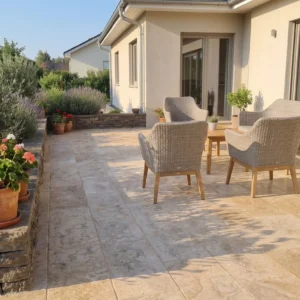
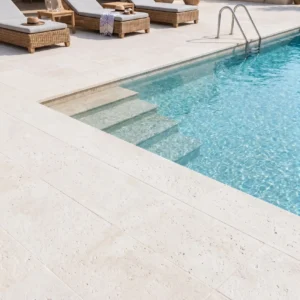
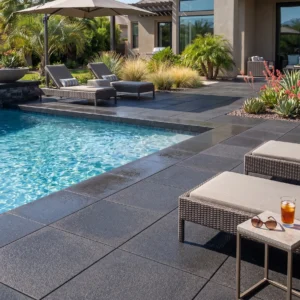
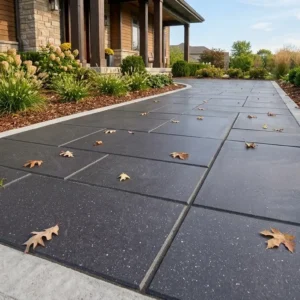
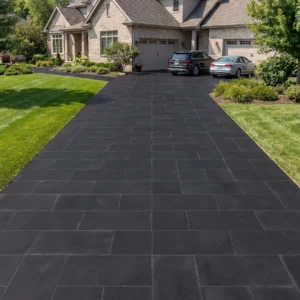
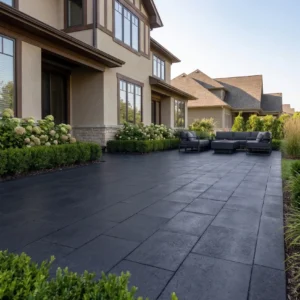
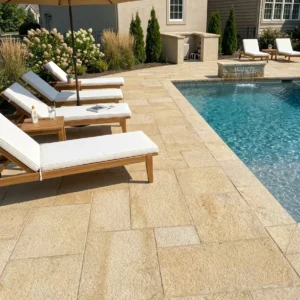
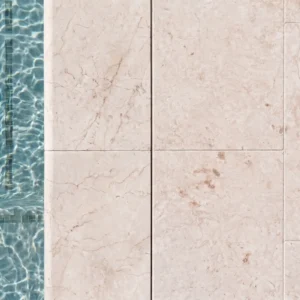
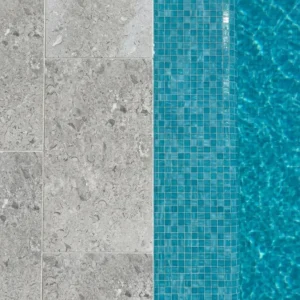
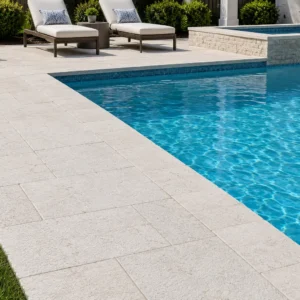
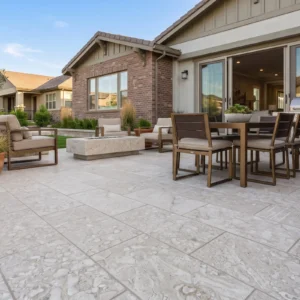
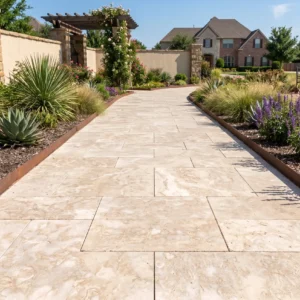
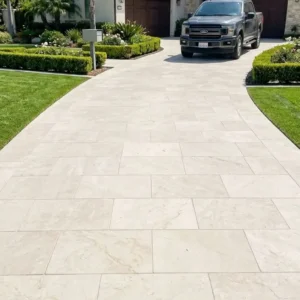
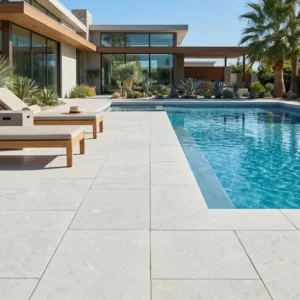
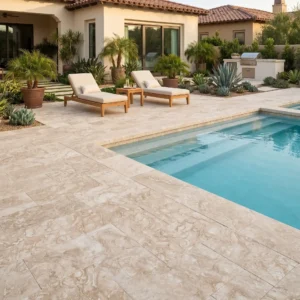
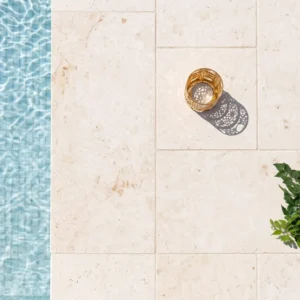
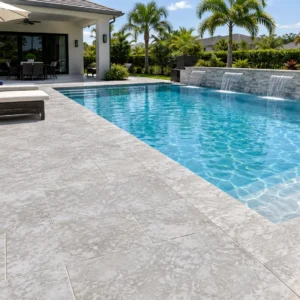
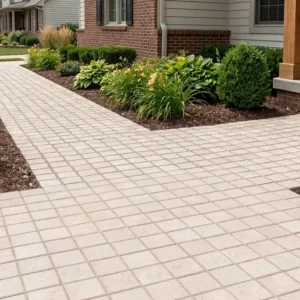
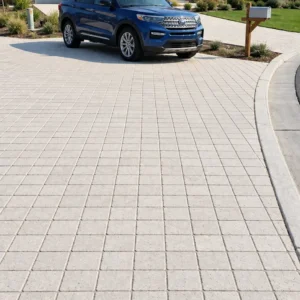
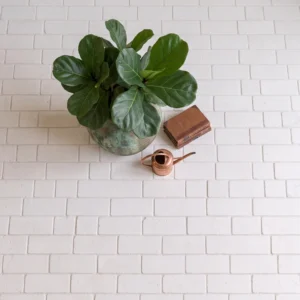
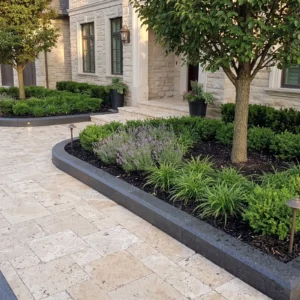
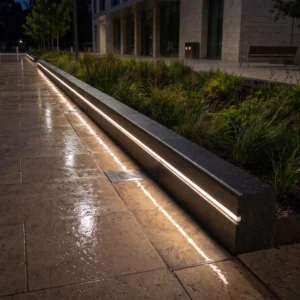
Modern large pavers in Arizona projects have moved decisively toward clean geometric formats — large rectangle pavers in horizontal stack patterns, large square pavers in grid layouts, and mixed-format combinations using two complementary sizes to break visual monotony without introducing the complexity of random-length patterns. The shift toward modern design has also driven demand for large format patio pavers in lighter colorways — ivory limestone, cream travertine, and light grey basalt — because these tones manage surface heat absorption better than darker materials in Arizona’s high-UV environment.
The practical thermal performance difference between a light-toned and dark-toned large natural stone paver in Arizona is measurable and significant. Light cream or ivory limestone reflects 60-70% of solar radiation, resulting in surface temperatures of 120-130°F under peak summer sun. Charcoal or dark basalt surfaces in the same conditions can reach 160-170°F — hot enough to cause discomfort in bare feet and to create a localized heat island effect that raises ambient temperature around outdoor seating areas. This is a genuine performance trade-off that affects how your clients actually use the space, and it’s worth including in any material selection conversation.
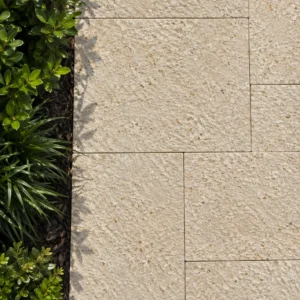
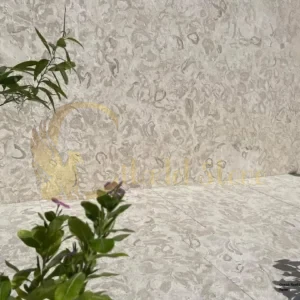
- Light travertine and limestone: best surface temperature management, wide natural color variation gives each installation a unique character, works with both traditional and contemporary architecture
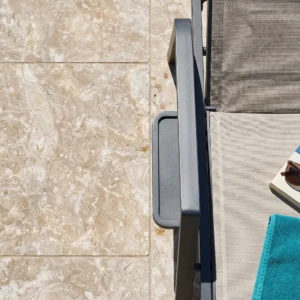
- Mid-tone sandstone and quartzite: excellent UV color stability, surface temperature in the middle range, strong visual texture that hides minor soiling between cleanings
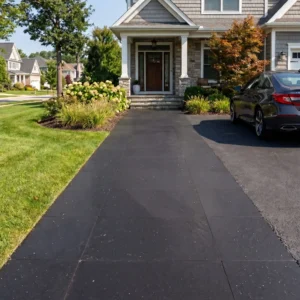
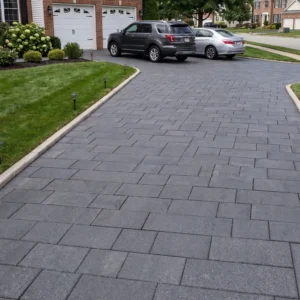
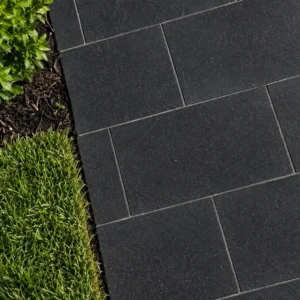
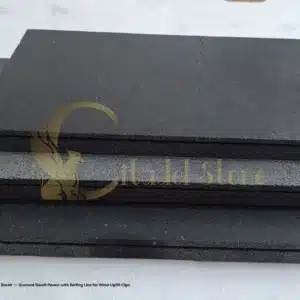
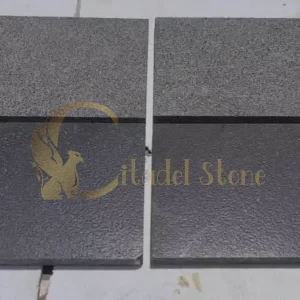
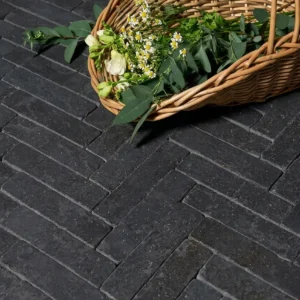
- Dark basalt and slate: dramatic visual impact, highest surface temperatures in direct sun, excellent for shaded applications and cooler climate elevations
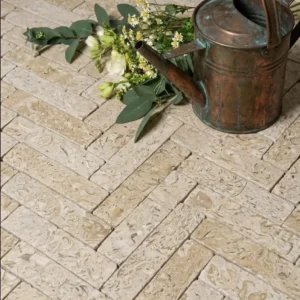
- Tumbled and antiqued finishes: add slip resistance through surface texture while maintaining the large format aesthetic — popular for oversized patio pavers in resort and estate applications
- Sawn and honed finishes: cleaner, more contemporary look, adequate slip resistance when dry but require evaluation in wet conditions — particularly around pool deck and water feature applications
Citadel Stone maintains warehouse inventory of the most requested large format natural stone lines, which typically reduces lead times to 1-2 weeks compared to the 6-8 week import cycle that special-order formats require. For projects requiring custom cuts or non-standard XL paving slabs in Arizona dimensions, reaching out to the team early in the design phase gives you the best window to align delivery with installation scheduling.
Source Large Pavers in Arizona — Wholesale Supply for Arizona Projects
Citadel Stone stocks large pavers in Arizona in standard formats including 24×24, 24×48, 18×36, and 36×36, across travertine, limestone, basalt, and slate material categories. Thickness options span 1.25-inch, 2-inch, and 3-inch nominal cuts, covering applications from residential large paver stone patio installations to commercial and municipal projects with structural load requirements. You can request sample tiles, full thickness specifications, and technical data sheets directly from Citadel Stone before committing to material quantities — a step that’s particularly valuable when your project involves matching existing stone on a renovation or expansion.
Trade and wholesale enquiries for large stone pavers for patio and commercial applications are handled through a direct consultation process that accounts for your project timeline, delivery site conditions, and any special format requirements. Lead times from warehouse stock run 1-2 weeks for standard formats across Arizona delivery zones including the greater Phoenix metro, Tucson region, and outlying project sites. Truck delivery is available to most accessible Arizona locations, with crane-assisted offload available for sites with restricted access or where pallet weights exceed standard liftgate capacity.
For large-volume projects requiring consistent color lots across multiple truck deliveries — a real concern with any natural stone order — Citadel Stone can reserve matched material from a single quarry production run. That reservation process requires a confirmed order and deposit, but it eliminates the color variation risk that affects multi-phase Arizona projects where material arrives in separate stages. Contact Citadel Stone to request a quote, schedule a material consultation, or confirm current warehouse availability for the large outdoor pavers your Arizona project requires. Slate is another proven large-format natural stone category that complements limestone and travertine selections, particularly in shaded or elevated-elevation contexts — Slate Pavers in Arizona covers the full range of installation and performance considerations for that material. For Arizona projects requiring large outdoor pavers, Citadel Stone offers reliable material selection and informed guidance to support installations that hold up over time.


