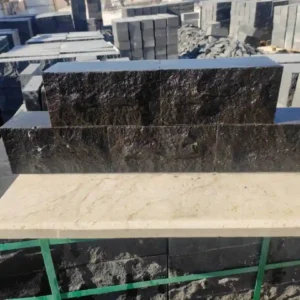
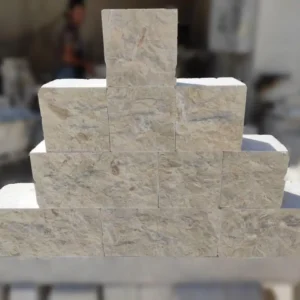
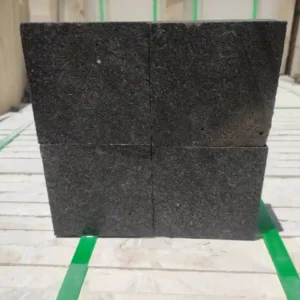
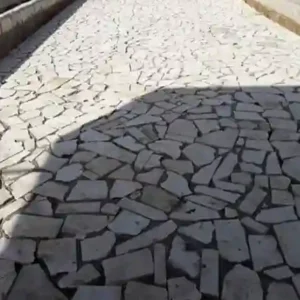

Budget accuracy for walking stone pavers in Arizona starts before you pick a material — it starts when you calculate freight distance from the nearest regional warehouse to your project site. That single variable can swing your installed cost by $3–$6 per square foot, which on a 500-square-foot walkway translates to $1,500–$3,000 before a single paver is set. Most contractors absorb that surprise late in the project when the truck delivery invoice arrives, and by then the budget conversation is uncomfortable. Understanding how Arizona’s geography affects your stone sourcing decision is the foundation of every accurate bid.
How Regional Pricing Shapes Your Walking Stone Paver Budget in Arizona
Arizona’s material market is more fragmented than most specifiers expect. The Phoenix metro corridor — Scottsdale, Mesa, Chandler, Tempe — has the highest concentration of regional stone distributors, which creates competitive pricing pressure and shorter lead times. Move your project 200 miles in any direction and the economics shift noticeably. Freight surcharges, fuel adjustments, and limited local carrier availability compound quickly when warehouse inventory isn’t close to the job site.
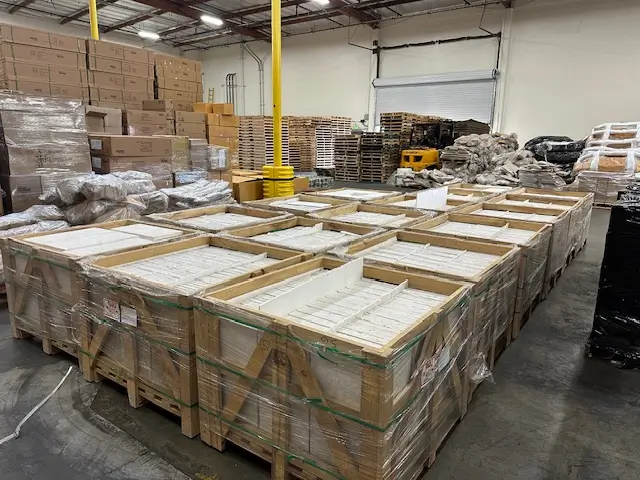
Citadel Stone maintains warehouse inventory across Arizona, which typically reduces lead times to one to two weeks compared to the six-to-eight week import cycle many projects face. For projects in Phoenix, that regional proximity means you can stage materials in phases rather than ordering everything upfront — a practical advantage when your project timeline has soft milestones.
- Freight distance from the nearest stocking warehouse adds $0.50–$1.20 per square foot per 100 miles for standard pallet shipments
- Truck access constraints at remote sites — narrow lanes, low overhangs, unpaved access roads — may require smaller loads and multiple deliveries, increasing total freight cost
- Regional availability of specific stone formats (large-format slabs vs. modular units) varies by market; Phoenix carries broader inventory than rural distribution points
- Seasonal demand spikes in Q1 and Q4 — Arizona’s peak installation windows — compress lead times from standard stock and can trigger surcharges on expedited orders
Selecting the Right Walking Stone Pavers for Arizona Conditions
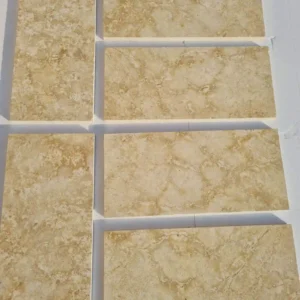
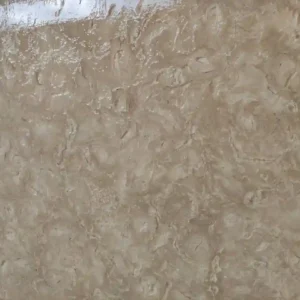
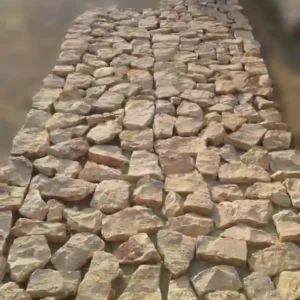
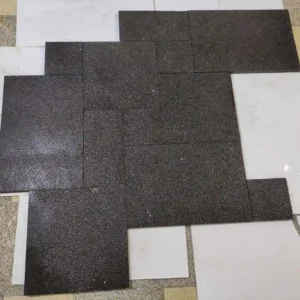
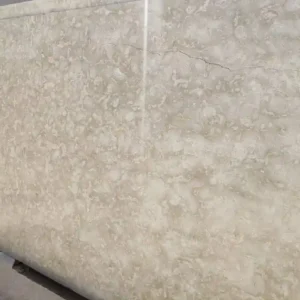
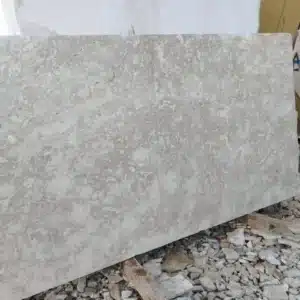
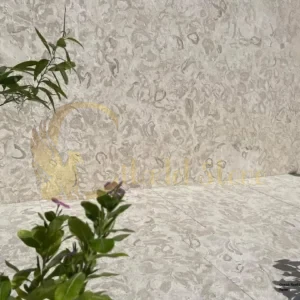
Material selection and budget planning are inseparable decisions on Arizona projects. Natural stone options for walkway applications — travertine, limestone, basalt, and sandstone — carry different base costs, but the delivered price and long-term maintenance cost are what determine real value. Travertine has dominated the Phoenix market for years because regional supply chains are well-established, keeping unit costs competitive. Basalt commands a premium but delivers surface temperature performance that travertine can’t match under direct afternoon exposure.
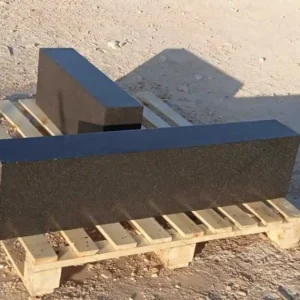
For walkway border pavers in Arizona, the thickness specification carries more cost consequence than most clients anticipate. A 1.25-inch nominal paver runs 20–30% less material cost than a 2-inch paver, but the thinner unit requires a more precisely prepared base to avoid flex cracking under point loads. Cutting corners on base preparation to offset material savings is a trade-off that typically fails within three to five years in clay-heavy desert soils.
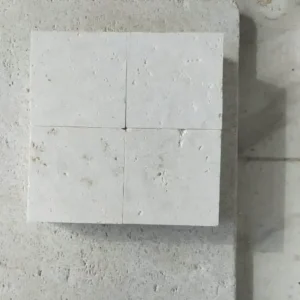
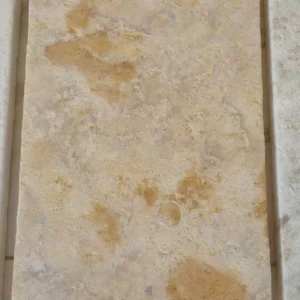
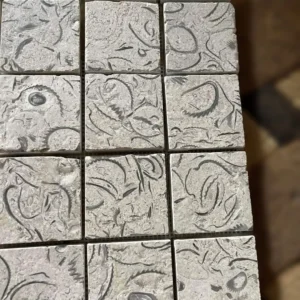
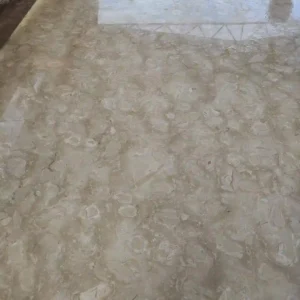
- Travertine pavers: competitive unit pricing in Arizona, broad format availability, requires sealing every 18–24 months in high-UV zones
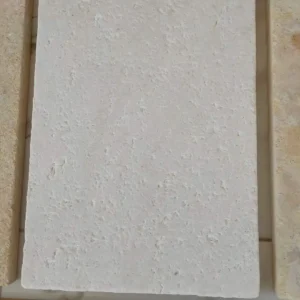
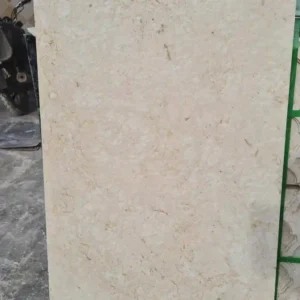
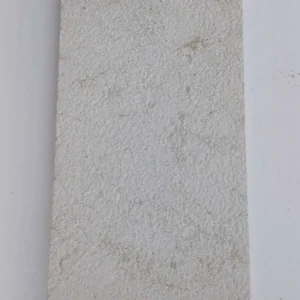
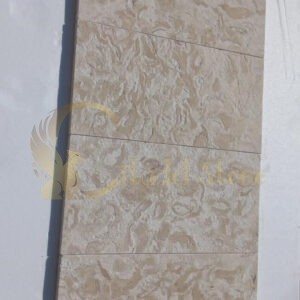
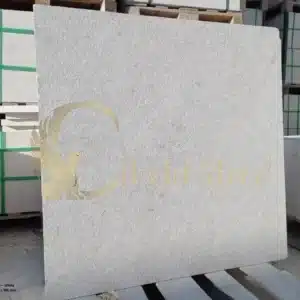
- Limestone pavers: excellent compressive strength (typically 8,000–12,000 PSI), cooler surface temperatures than concrete, available in large-format slabs suitable for walkway patio pavers configurations
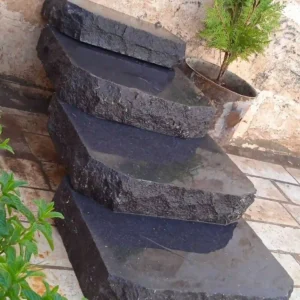
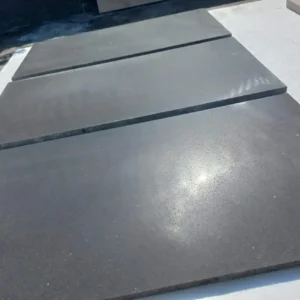
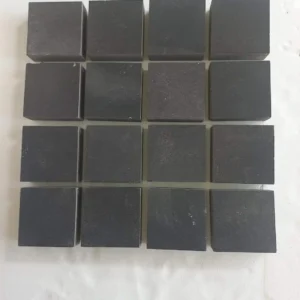
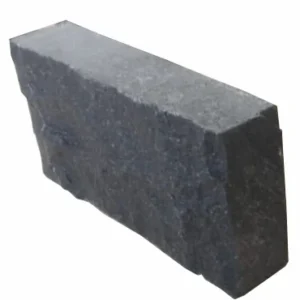
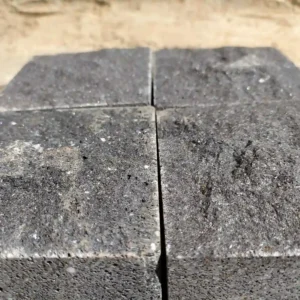
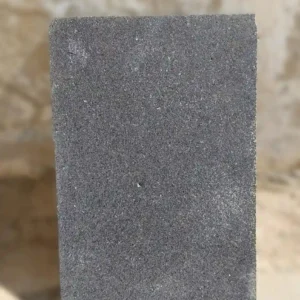
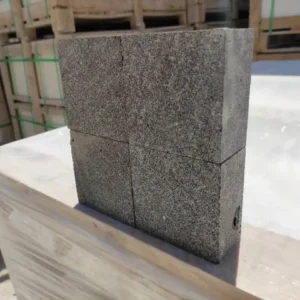
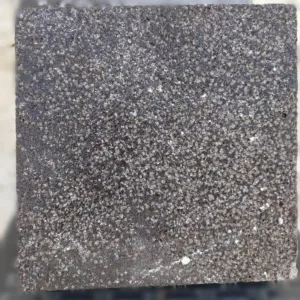
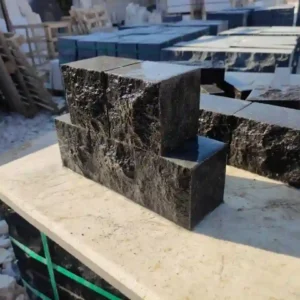
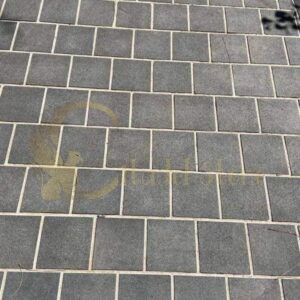
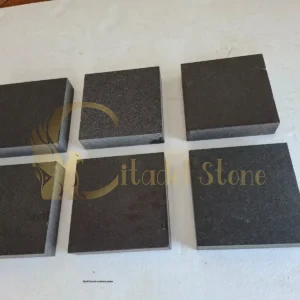
- Basalt pavers: highest thermal resistance, dense grain structure resists staining, premium unit cost offset by lower maintenance frequency
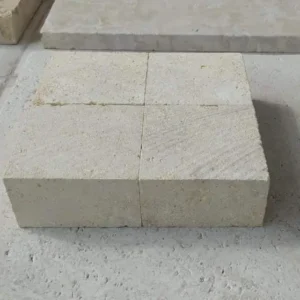
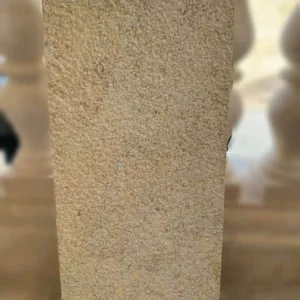
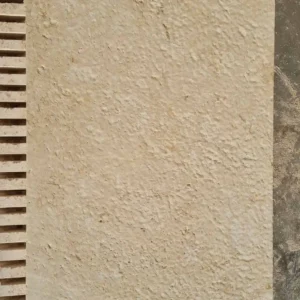
- Sandstone: natural slip resistance in tumbled or brushed finishes, color variation requires careful batch matching across large projects
You can request sample tiles or thickness specifications from Citadel Stone before committing to a full material order — a step that’s worth building into your pre-construction timeline, particularly for large-format walkway patio paver specifications where color consistency across multiple pallets matters.
Walkway Border and Edging Pavers: Design Decisions That Affect Cost
The border detail is where most walkway projects either gain or lose visual coherence — and it’s also where material waste and labor costs accumulate if the design isn’t thought through before procurement. A walkway border in Arizona using a contrasting stone species requires you to source two separate materials, which means two freight lines, two lead times, and two potential batch-matching challenges.
Walkway edging pavers in Arizona that use the same base material as the field paver — just in a different finish or format — simplify procurement significantly while still delivering visual definition. A tumbled-edge unit as the border against a honed-field paver creates contrast without adding a second material to the supply chain. For projects in Scottsdale, where design expectations are high and project timelines are tight, that consolidated sourcing approach reduces coordination risk on the contractor side.
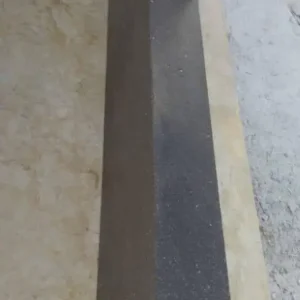
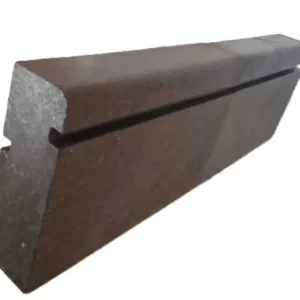
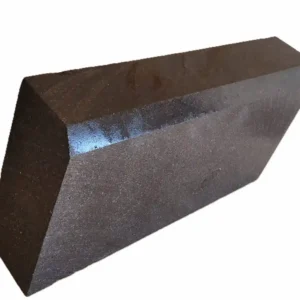
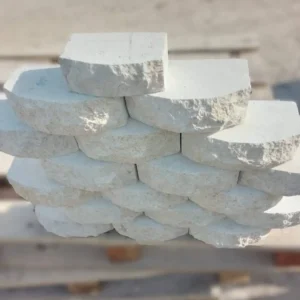
- Walkway paver edging in Arizona typically runs 6–8 inches wide; narrower profiles require precision cutting that adds labor cost
- Soldier-course borders (pavers set perpendicular to the field direction) increase material yield loss by 8–12% compared to running-bond borders
- Walkway border pavers specified in a contrasting color require strict batch documentation — ordering from the same production run prevents shade variation between the border and field
- Mechanical edging restraints behind the border paver are non-negotiable in sandy desert soils; without lateral support, border units migrate outward within two to three seasons
For projects requiring custom cuts on walkway paver edging or non-standard border widths, Citadel Stone’s team can advise on lead times and cutting tolerances before you commit the design to the installation drawings.
Walkway Large Pavers and Paver Steps: Structural Considerations
Specifying walkway large pavers in Arizona introduces a structural variable that smaller-format pavers don’t present to the same degree — differential settlement. A 24×24-inch or 36×24-inch slab has four times the surface area of a 12×12 unit, which means any inconsistency in the base compaction shows up as visible rocking or lippage at the joint. In Arizona’s expansive soils, that base inconsistency is common, particularly in the first two to three years after a project is installed as the soil stabilizes around the new load distribution.
Walkway paver steps in Arizona carry a specific risk that flat field pavers don’t: the nosing overhang. Most step designs specify a 1-inch to 1.5-inch overhang at the tread edge, which creates a cantilevered stress point. In natural stone, that overhang needs to be supported by solid mortar bed rather than a packed gravel base — an installation detail that surprises contractors accustomed to standard field paver techniques.
For walkway large pavers, base preparation should include a minimum 6-inch compacted aggregate base in standard soil conditions, increasing to 8–10 inches in expansive clay zones common across the Tucson basin. The aggregate gradation matters too — a well-graded crushed stone base (not decomposed granite) provides the point-load distribution that large-format slabs require to stay stable under foot traffic and occasional vehicle overhang. Base preparation standards vary depending on soil composition and expected traffic loads. For projects requiring complementary stone elements or detailed border specifications, Walking Stone Pavers from Citadel Stone covers specification details that apply to similar site conditions across Arizona’s diverse climate zones. Getting the subgrade right at this stage prevents the most common long-term failures.
Integrating Walkway and Patio Pavers Across Your Arizona Project
Walkway patio pavers in Arizona work best when the transition between the walking surface and the adjacent patio is specified as a single material system from the start — not two separately sourced products that get reconciled during installation. The field paver, the walkway border, and the patio field should all come from the same quarry batch where possible. Shade variation between warehouse shipments is the most common source of visible material inconsistency on completed projects, and it’s almost always a procurement decision that caused it.
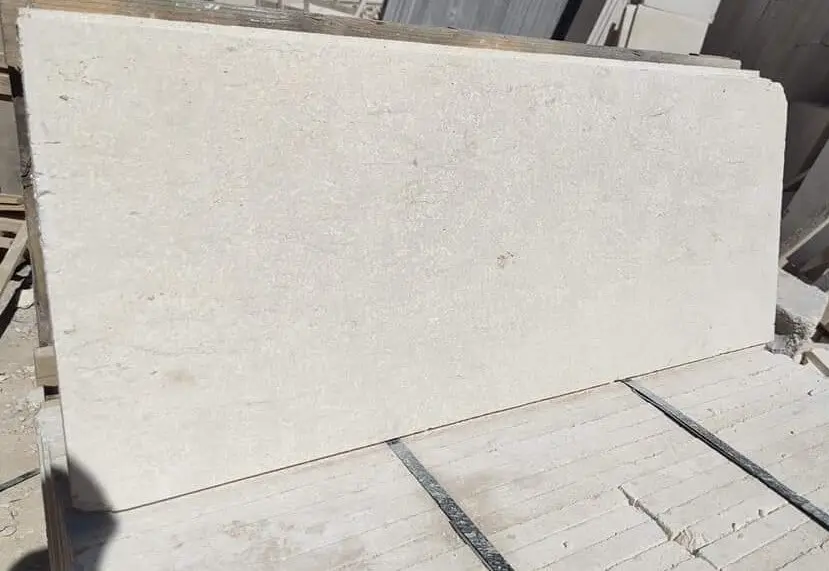
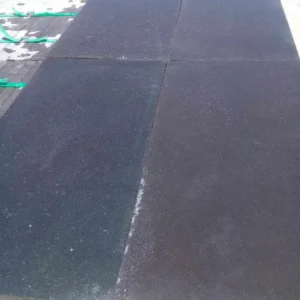
Projects in Tucson frequently involve multi-zone outdoor designs where a primary walkway connects a front courtyard to a rear patio — sometimes spanning 60 to 100 linear feet of continuous stone surface. At that scale, batch consistency becomes a logistical challenge. Document the pallet lot numbers at delivery and inspect for color range before the crew begins setting — pulling from mixed lots without checking is the fastest way to create a patchwork result on a project that deserved better.
- Order 10–12% overage on all natural stone projects to account for cuts, breakage, and future repair matching
- Request a single-quarry-run lot number on orders exceeding 300 square feet to ensure color consistency
- Specify the same finish on walkway and patio field pavers unless a deliberate texture transition is part of the design intent
- Seal walkway and patio surfaces in a single application after installation is complete — spot sealing sections creates visible sheen variation under raking light
Installation, Drainage, and Long-Term Performance in Arizona’s Climate
Arizona’s desert climate creates a drainage paradox that catches out-of-state designers regularly. The low average annual rainfall makes drainage seem like a minor concern — until a 2.5-inch monsoon event drops in 45 minutes and saturates a base that was designed for light intermittent rain. Your walkway paver installation needs a cross-slope of at least 1.5% (ideally 2%) toward a defined drainage outlet, with joint sand rated for polymeric stability rather than standard kiln-dried fill.
Polymeric joint sand matters more in Arizona than in cooler climates because thermal expansion cycling — daily temperature swings of 30–40°F between morning and afternoon in summer — continuously works the joints. Standard joint sand migrates out of the joints within one to two seasons in these conditions. Polymeric sand, properly activated and cured at installation, maintains joint fill integrity through Arizona’s thermal cycling and prevents ant and weed infiltration, both persistent issues in desert installations.
- Install expansion joints every 12–15 feet in natural stone walkways — not the 20-foot spacing common in concrete applications
- Isolation joints are required where the walkway meets a structure foundation to prevent differential movement transfer
- Slope all surface grades away from building foundations at minimum 2% over the first 6 feet
- In caliche-heavy soils, scarify the native subgrade before placing base aggregate — caliche creates a perched water table that undermines bases installed directly on top
Buy Walking Stone Pavers Wholesale — Arizona Delivery
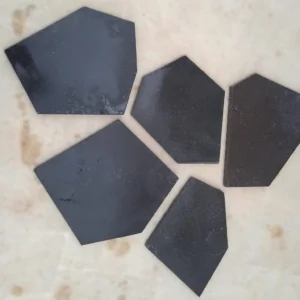
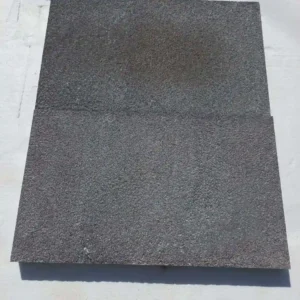
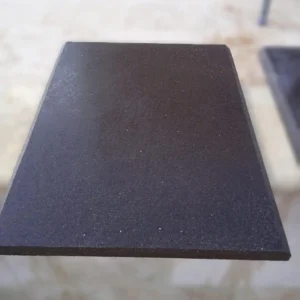
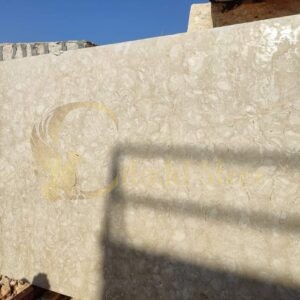
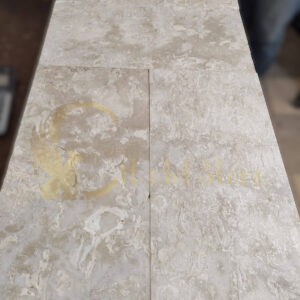
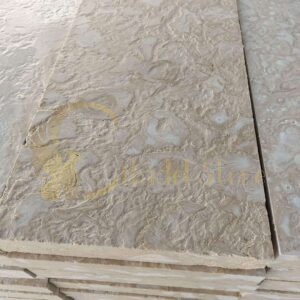
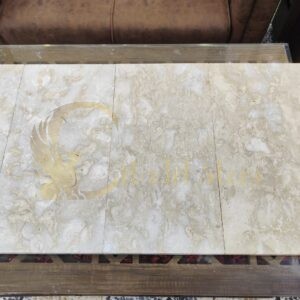
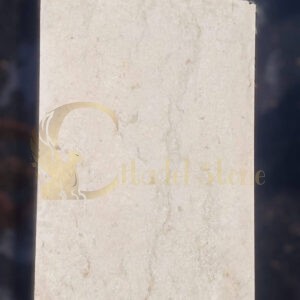
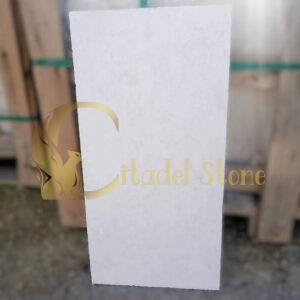
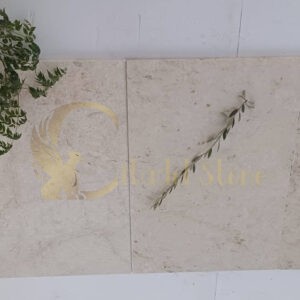
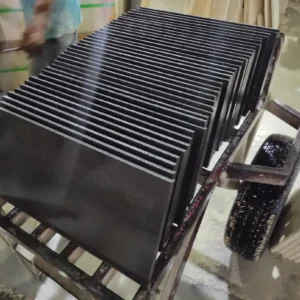
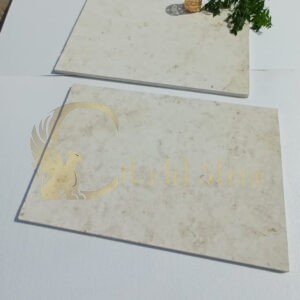
Citadel Stone stocks walking stone pavers in standard formats ranging from 12×12 to 24×36 inches, in thicknesses from 1.25 to 2 inches, across travertine, limestone, and basalt product lines. Sourced from established quarry partners, each batch is inspected for dimensional consistency and surface quality before it leaves the warehouse — a step that reduces field sorting time and material waste on your site. For trade accounts and wholesale inquiries, Citadel Stone’s team provides project-specific pricing, lot documentation, and delivery scheduling across Arizona, including rural delivery coordination where standard truck access is limited.
Lead times from warehouse stock typically run one to two weeks for standard formats. Custom sizes, specialty finishes, and large-volume orders — over 1,000 square feet — may require four to six weeks depending on quarry scheduling. You can request sample tiles, material specifications, and freight estimates directly through Citadel Stone’s project consultation process before finalizing your material budget. For complementary hardscape decisions, your Arizona property may also benefit from exploring related stone surfaces — Tumbled Stone Pavers in Arizona covers another dimension of Arizona hardscape specification worth reviewing alongside your walkway design. Homeowners in Flagstaff, Sedona, and Yuma source Walking Stone Pavers through Citadel Stone for Arizona residential and commercial installations.