What Makes Travertine Tile Mosaic Work So Well
Travertine tile mosaic succeeds where other decorative formats struggle because the material’s natural veining and tonal variation do the compositional work for you. Each sheet carries warm ivory, walnut, and gold tones that shift subtly from piece to piece — so even a simple running-bond mosaic sheet reads as visually rich without requiring complex pattern logic. That tonal depth is something you simply can’t replicate with porcelain, regardless of how refined the printing technology gets.
You’ll want to understand a few core characteristics before committing to a layout. Travertine is a sedimentary calcium carbonate stone formed by mineral-rich spring deposits, and its open pore structure gives it that distinctive matte warmth. According to NSI travertine properties and suitability, this pore structure also influences finish selection and sealing requirements — details that matter for both indoor and outdoor mosaic applications.
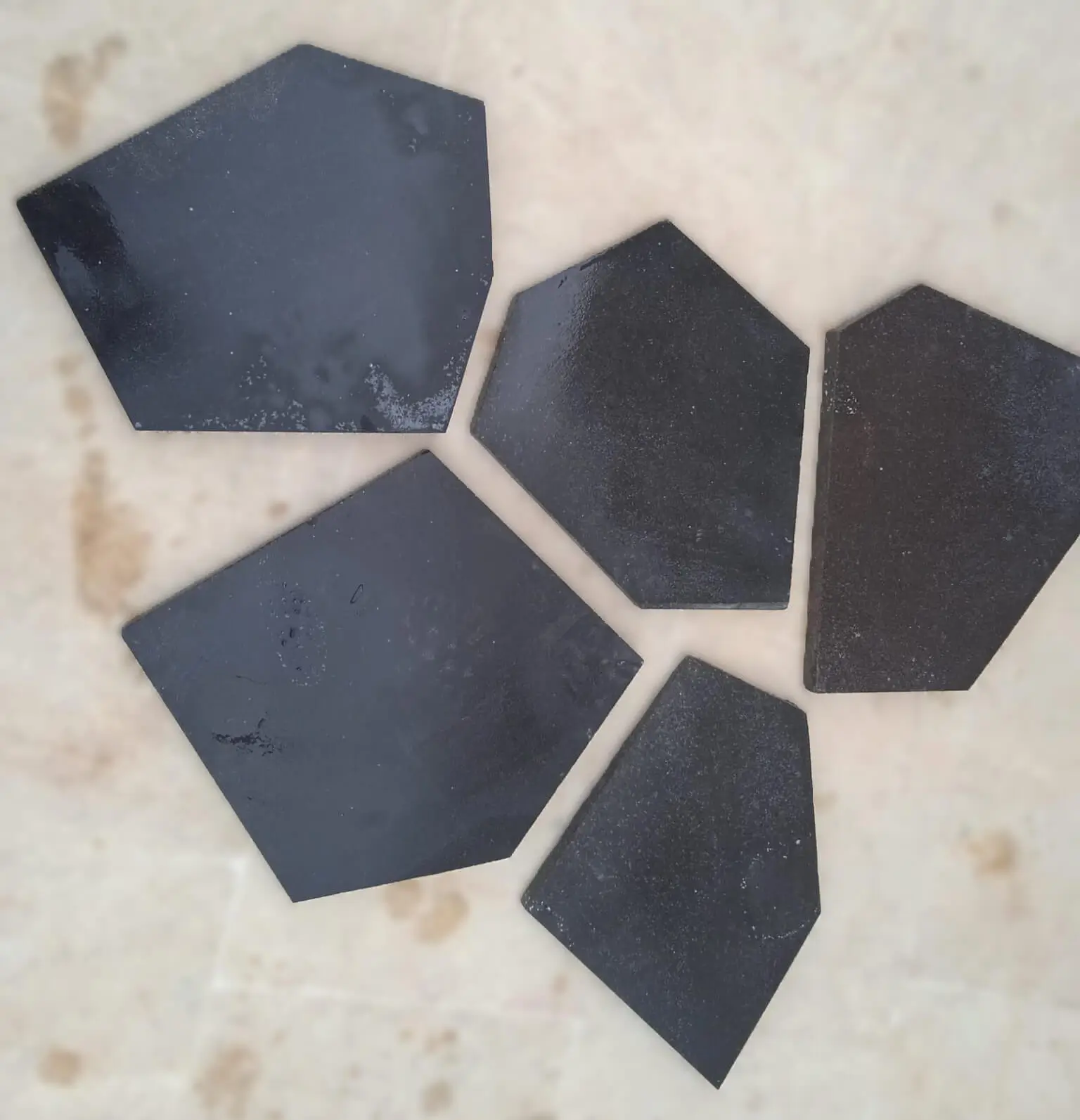
What Is a Travertine Tile and How Does It Differ from Other Stone
Understanding what is a travertine tile starts with its geological origin. Unlike granite (igneous) or slate (metamorphic), travertine forms when groundwater rich in dissolved calcium carbonate surfaces through hot springs or geothermal vents and rapidly precipitates into layered stone. That rapid formation creates the characteristic voids and banding you see in every slab — and no two tiles are identical because of it.
- Travertine absorbs water at a higher rate than dense igneous stones — typically 1.5–3% by weight, which directly informs your sealer schedule
- Its Mohs hardness ranges from 3 to 4, meaning it cuts cleanly for mosaic fabrication but requires a penetrating sealer before grouting to prevent staining
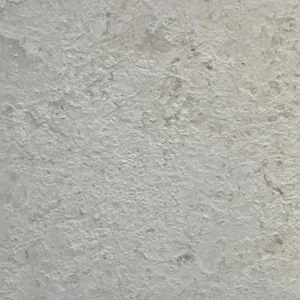
- Filled-and-honed travertine presents a smooth, consistent face suited to wall mosaics; unfilled and tumbled formats carry more rustic texture, better suited to floors and wet areas where grip matters
- The calcium carbonate base makes travertine reactive to acidic cleaners — pH-neutral maintenance products are non-negotiable for long-term colour retention
This geological character is precisely what makes travertine tile mosaic installations feel hand-crafted rather than manufactured. The variation isn’t a flaw — it’s the feature.
Indoor Travertine Tile Mosaic Applications by Room
The versatility of travertine tile mosaic across interior spaces comes down to finish and format selection, not just aesthetics. Each room presents specific moisture, foot-traffic, and lighting conditions that should drive your specification decisions.
Bathroom Feature Walls and Shower Niches
Your bathroom is the highest-impact location for a travertine tile mosaic installation. A filled-and-honed mosaic sheet on a shower feature wall or behind a freestanding tub delivers immediate visual depth without competing with surrounding fixtures. Keep the mosaic to one accent wall — travertine’s natural variation is stronger when concentrated.
- Use a filled mosaic format in wet zones to eliminate unfilled voids that trap moisture and soap residue
- Seal with a penetrating impregnator rated for wet environments before grouting, and reseal annually in high-use showers
- Pair with a rectified travertine field tile in the same tonal family for a seamless, grout-joint-consistent surround
- Specify a non-sanded grout for mosaic joints under 1/8 inch to avoid scratching the honed face during installation
Kitchen Backsplash Ideas
A travertine mosaic backsplash works best in kitchens where the cabinetry is warm-toned — cream, off-white, walnut, or sage. The stone’s ivory and gold registers read cooler against stark white cabinetry, so you’ll want to mock up a sample against your actual cabinet finish before ordering full quantities.
For the cooking zone specifically, a filled format is essential. Cooking splatter penetrates unfilled voids rapidly, and even a penetrating sealer won’t fully compensate. Consider a polished mosaic for the section directly behind the range — the smoother face wipes clean more reliably than a honed finish in high-grease areas.
Entryway and Foyer Inlays
Here’s where travertine mosaic earns its most architectural role. A bordered mosaic medallion or compass-rose inlay set into a larger field tile floor creates a formal arrival moment that natural stone executes better than any engineered alternative. You’ll need a skilled tile setter for this work — the geometry demands precise layout strings and often custom-cut field pieces to terminate cleanly against the mosaic border.
- Specify 3/8-inch thickness minimum for floor mosaic inlays to handle point-load traffic at the entry
- Use a latex-modified thinset with an open time of at least 20 minutes to allow positioning adjustments during the mosaic sheet placement
- Plan your layout from the center of the medallion outward, not from a wall, to keep the pattern visually centered under natural light from the entry door
Outdoor Travertine Tile Mosaic: Patios, Pools, and Feature Walls
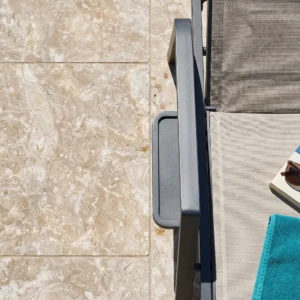
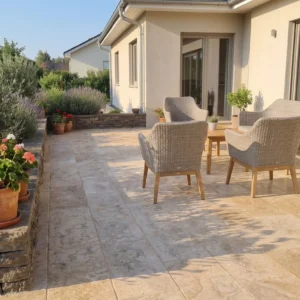
Outdoor travertine tile mosaic applications introduce performance variables that indoor installs don’t face — UV exposure, freeze-thaw cycling in colder climates, and continuous moisture contact. Your material specification needs to account for all three before you commit to a layout.
For pool surrounds and outdoor feature walls, tumbled travertine mosaic is the preferred format. The tumbled finish naturally disguises minor surface wear over years of UV exposure, and its textured face provides meaningful slip resistance at wet pool edges. ASTM C1527 travertine dimension stone standards outline minimum absorption and modulus-of-rupture thresholds that your specified mosaic sheets should meet for outdoor use — ask your supplier for conformance data before finalising the order.
In freeze-thaw climates, avoid unfilled travertine outdoors entirely. Water that penetrates open voids and freezes creates hydraulic pressure that fractures the stone from within over multiple seasonal cycles. A properly filled, sealed, and installed tumbled travertine mosaic is highly resistant to this mechanism — but the sealing schedule needs to be maintained every two to three years in regions with hard winters.
Travertine Mosaic Pattern Options That Actually Work
Choosing your pattern is where the design conversation usually starts — but it’s more productive to start with your grout joint width and mosaic mesh size, then work backwards to the pattern. Smaller mosaic pieces on a 1-by-1 or 2-by-2 format give you pattern flexibility; larger formats like 4-by-4 work best in simple running bonds or stacked layouts.
- Herringbone mosaic sheets: high visual movement, excellent for narrow feature zones like shower niches or kitchen backsplash columns — less successful over large, unbroken wall areas where the diagonal can feel restless
- Basketweave: a classic pairing with travertine’s organic veining; the interlocking rectangular and square pieces settle the eye and read as formal without being rigid
- Linear stacked mosaic: the most contemporary option, particularly effective in long horizontal runs like behind a bathroom vanity or along a pool water line
- Hexagon mosaic: growing in specification frequency for bathroom floors — travertine’s warm tones make hexagon formats feel less geometric and more natural than the same pattern in porcelain
- Opus pattern sheets: irregular-sized pieces arranged in a random mosaic layout; the least predictable and the most organic, suited to Mediterranean or rustic design directions
Explore our travertine mosaic selection to see how these formats translate across different tonal ranges and mesh sizes before making a final specification decision.
Budgeting and Sourcing Considerations for Travertine Mosaic Projects
Material cost for travertine tile mosaic typically runs $8–$18 per square foot depending on format, finish, and mesh backing quality — but that number only tells part of the story. Your total installed cost is shaped significantly by sourcing decisions and freight logistics, and these variables deserve as much attention as the per-square-foot rate.
Travertine is primarily quarried in Turkey, Italy, Iran, and selected quarries from the Middle East. Freight distance from origin to your project location affects both lead time and delivered cost. Sourcing through a national supplier with established warehouse inventory eliminates most of the import-cycle uncertainty — Citadel Stone maintains national stock of key mosaic formats, which typically compresses lead times from the 8–12 week import window down to 1–2 weeks from warehouse dispatch.
- Labor-to-material cost ratio for mosaic tile runs roughly 2:1 to 3:1 on complex pattern work — your installer’s time is the dominant cost variable, not the stone itself
- Ordering 10–15% overage on mosaic sheets accounts for pattern cuts, breakage during mesh handling, and future repair stock
- Truck delivery scheduling should be confirmed before finalising your installation start date — mosaic shipments are palletised and require a flat, accessible drop zone
- Value-engineering options include using mosaic as an accent band rather than a full-coverage surface, paired with larger-format travertine field tile for the remaining area — this approach reduces both material cost and installation complexity without compromising the design intent
Regional labor market conditions also affect your budget in ways that material pricing doesn’t capture. In markets with high tile-setter demand, a complex mosaic medallion or custom inlay commands a meaningful premium. If your schedule allows, planning the mosaic scope during the design phase — rather than adding it as a change order — gives your contractor the lead time to price it properly.
Installation Technical Details You Need to Know
The substrate preparation underneath travertine tile mosaic is where most installation failures originate. Mosaic sheets are flexible enough to conform slightly to minor surface irregularities, but anything beyond ANSI A108.02’s 1/8-inch-in-10-feet flatness tolerance will telegraph through the finished surface as lippage or cracking at the mesh joints.
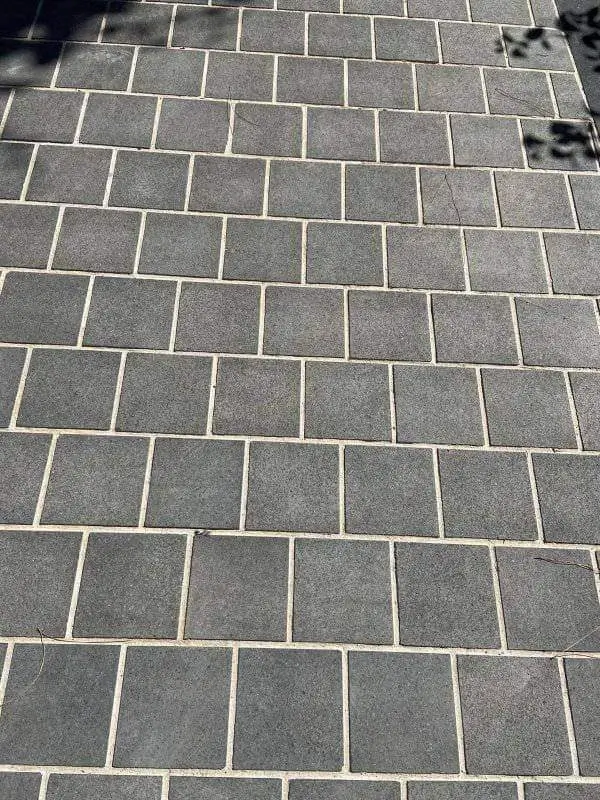
- Use a white polymer-modified thinset for light-coloured travertine mosaic — grey thinset can bleed through the stone’s pores and shift the colour tone permanently
- Back-butter individual mosaic sheets in addition to combing the substrate when working on walls — gravity will pull insufficiently bonded sheets during the open time before the adhesive sets
- Expansion joints are required every 8–10 feet in floor applications and at all changes of plane — travertine’s thermal expansion coefficient means the mosaic field will move seasonally, and hard perimeter constraints crack grout within the first year
- Allow a minimum 24-hour cure before grouting; in high-humidity conditions (above 70% RH), extend this to 36–48 hours to prevent moisture migration that weakens the bond
According to TCNA natural stone tile installation standards, wet-area mosaic installations require an uncoupling or waterproofing membrane behind the mosaic sheet in shower and steam applications — not just waterproof grout. This is a detail that separates a professionally specified installation from a DIY approach, and it’s worth building into your scope of work from the start.
Sealing, Maintenance, and Long-Term Performance
A well-maintained travertine tile mosaic delivers decades of service life, but the maintenance schedule is more active than most homeowners expect. The penetrating impregnator you apply before grouting is the first line of defence — it’s not the last.
- Reapply a penetrating sealer every 1–2 years for indoor mosaic in high-traffic or wet areas; every 2–3 years for dry interior accent installations
- Test sealer effectiveness annually with the water-bead test — if water soaks in within 4 minutes rather than beading, it’s time to reseal
- Use pH-neutral stone cleaner exclusively — acidic products (vinegar, citrus-based cleaners, grout haze removers) etch the calcium carbonate surface and dull the finish permanently
- For outdoor mosaic, inspect grout joints each spring for micro-cracking; repoint any compromised joints before moisture has a seasonal cycle to exploit the gap
- Polished travertine mosaic shows scratching more visibly than honed or tumbled finishes — specify polished only where foot traffic is genuinely light
At Citadel Stone, our technical team recommends a two-coat sealer application on all travertine mosaic before grouting — the first coat primes the pore structure, and the second coat provides the working protective layer. This approach, which we’ve refined across numerous project specifications, measurably improves stain resistance compared to a single-coat application.
Getting Travertine Tile Mosaic Specifications Right
Travertine tile mosaic rewards careful specification decisions more than almost any other natural stone format. Get the substrate preparation, finish selection, and sealer schedule right, and you’re looking at an installation with exceptional durability and a visual character that only deepens over time. Shortcut any of those three elements and you’ll be troubleshooting within a few years. As you plan your next project — whether it’s a bathroom feature wall, a kitchen backsplash, or an outdoor pool surround — your indoor material selections deserve the same level of specification rigour as the exterior work. For a closer look at how travertine performs across different interior applications, indoor travertine tile options and selection provides useful guidance on finish, format, and room-specific considerations worth reviewing alongside this piece. Mosaic travertine from Citadel Stone pairs with 12-inch field tile for accent bands with matching tonal blends.
Related reading: travertine tile installation cost breakdown · 12 x 12 Travertine Tile: A Full Buyer’s Guide · travertine look porcelain tile comparison.