


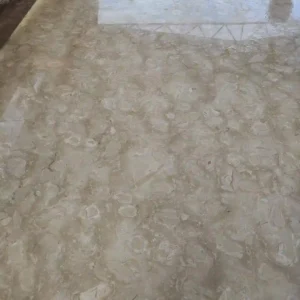
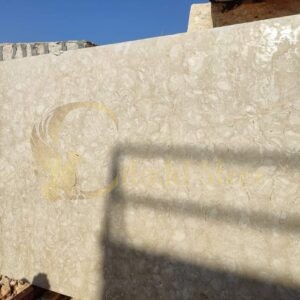
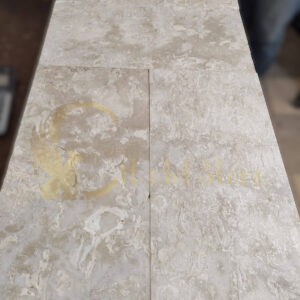
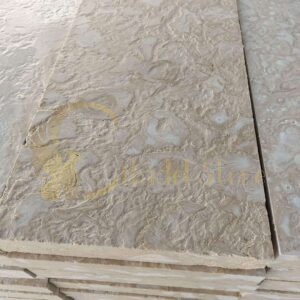

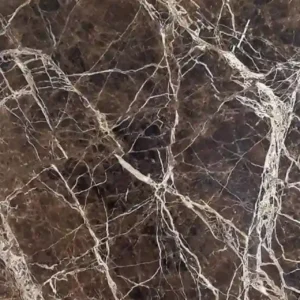
Square outdoor pavers in Arizona fail at a predictable point — not from heat alone, but from the stress accumulated across thousands of thermal cycles where daytime surfaces climb past 140°F and pre-dawn ground temperatures drop below 40°F in a single 24-hour window. That daily swing, repeated across seasons, is what separates a correctly specified installation from one that begins cracking at the joints within three to five years. Understanding the mechanics of that cycling — and specifying your square outdoor pavers in Arizona around it — is the foundation of every long-performing project in this state.
How Thermal Cycling Shapes Square Outdoor Paver Performance in Arizona
The thermal expansion coefficient of natural stone typically ranges from 4.5 to 6.8 × 10⁻⁶ per °F, depending on mineralogy and density. For a 24-inch square paver installed in Phoenix, that translates to cumulative dimensional movement across a joint that can reach 0.06 to 0.09 inches over a full seasonal range. Multiply that across dozens of pavers in a continuous field and you quickly see why joint sand specification matters as much as the stone itself.
Your joint filler selection needs to accommodate both compression during peak afternoon heat and slight expansion during cold desert nights. Polymeric sand with a minimum elongation rating of 20% handles this range reliably. Standard non-polymer sand will migrate and hollow out within two to three seasons under Arizona’s cycling conditions, leaving joints that collect debris and allow lateral movement under foot traffic.
Stone Square Pavers in Arizona: Choosing the Right Material for the Climate Range
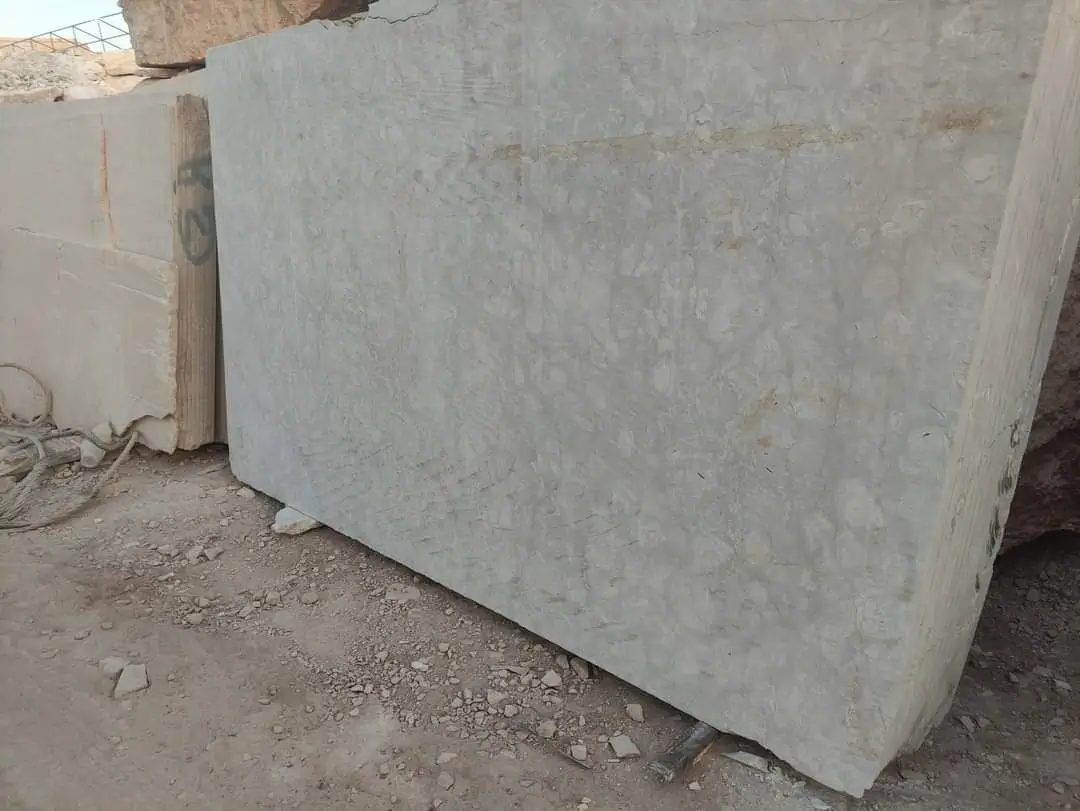
Stone square pavers in Arizona aren’t a single-specification decision — the right material depends heavily on your project’s elevation, orientation, and expected traffic. At lower desert elevations like Yuma or the Phoenix metro, the primary stress is the daily amplitude of temperature swing rather than freeze-thaw cycles. At elevations above 5,000 feet, you’re dealing with genuine freeze-thaw mechanics that demand an entirely different porosity threshold.
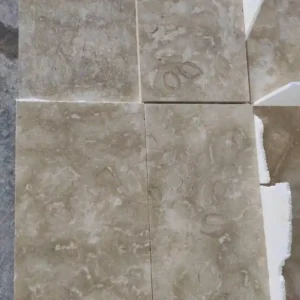
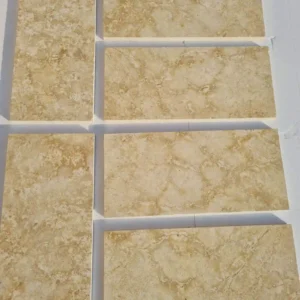
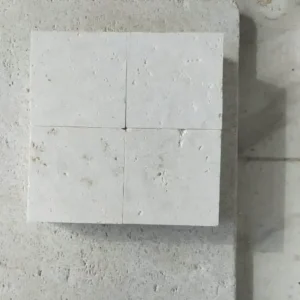
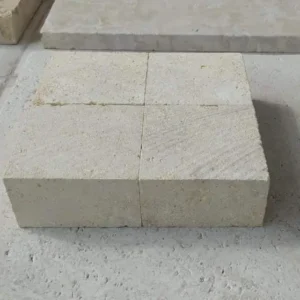
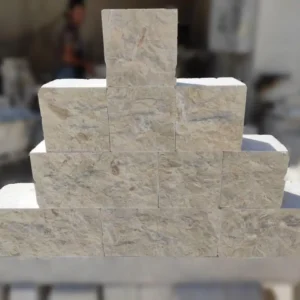
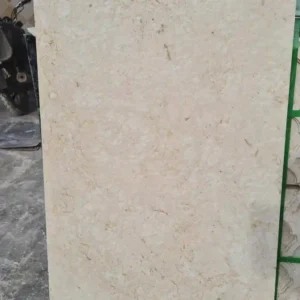
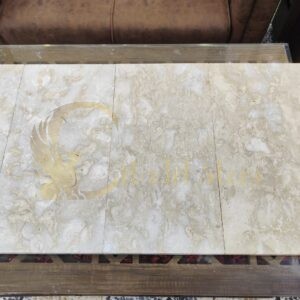
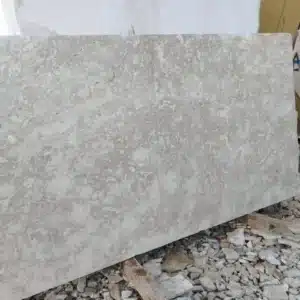
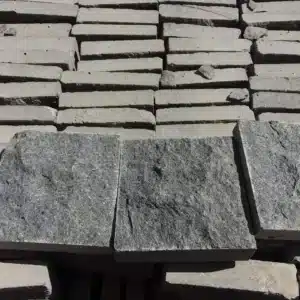
For low desert applications, travertine and limestone both perform well because their thermal mass moderates surface temperature peaks. In higher elevation zones, you’ll want stone with water absorption rates below 3% per ASTM C97 — this keeps water from entering the stone structure before a freeze event. Basalt and dense limestone satisfy this threshold reliably. Stone square pavers in Arizona sourced with verified absorption data give you a defensible specification from the outset.
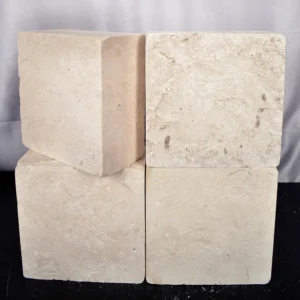
- Travertine: thermal mass moderates surface temperature swings; absorption typically 2–6% depending on fill treatment
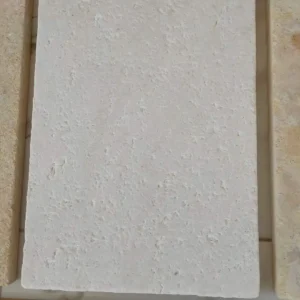
- Limestone: excellent compressive strength above 8,000 PSI; select closed-pore varieties for higher elevation projects
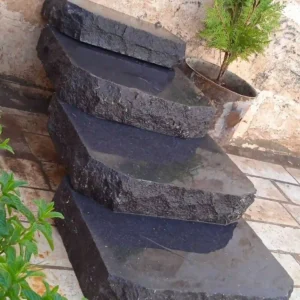
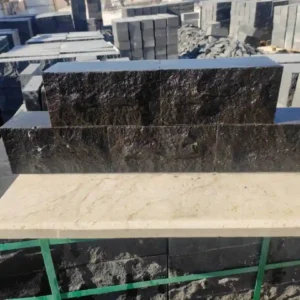
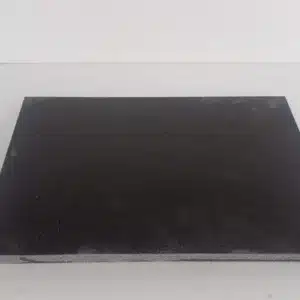
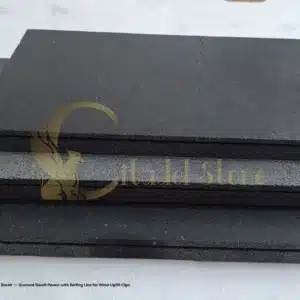
- Basalt: absorption below 1% makes it the most freeze-thaw resistant option across all Arizona elevation zones
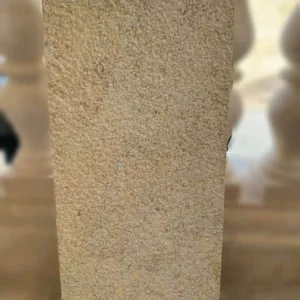
- Sandstone: higher porosity (often 8–15%) limits its suitability above 4,500 feet elevation without penetrating sealer
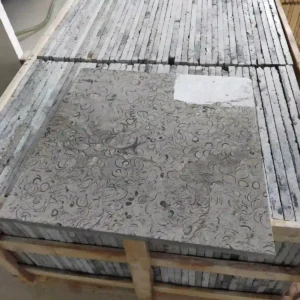
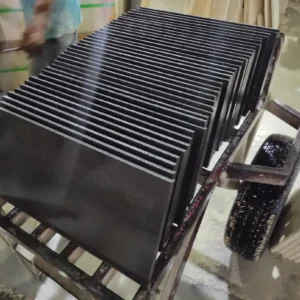
Citadel Stone sources square paver stone from quarry partners whose material is batch-tested for absorption and compressive strength before shipment, which gives you reliable specification data rather than estimated ranges. You can request test certificates alongside sample tiles before committing your full order.
Square Gray Pavers and Shade Selection for Arizona’s Light Conditions
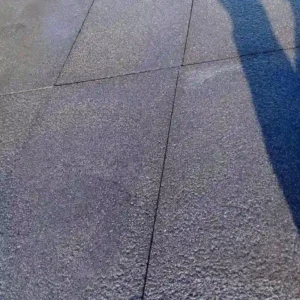
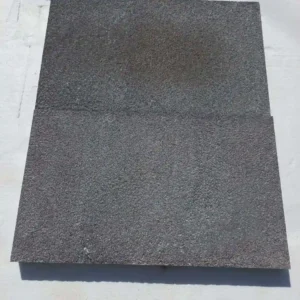
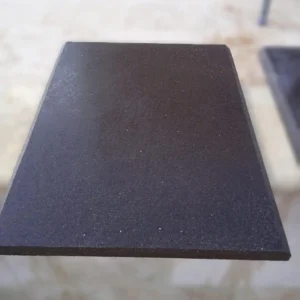
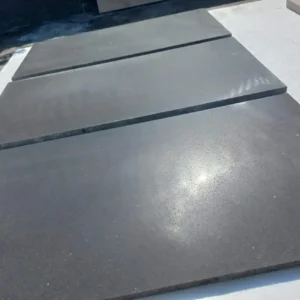
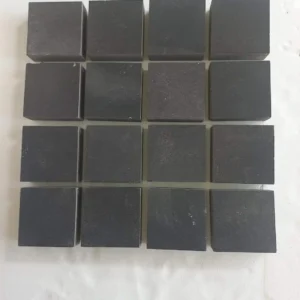
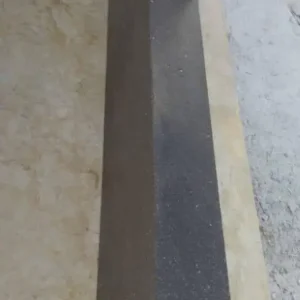
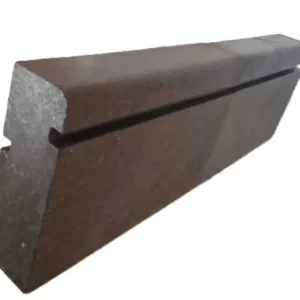
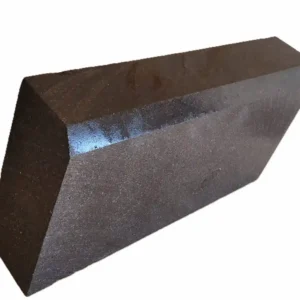
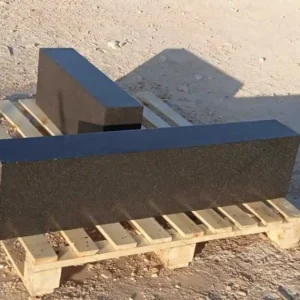
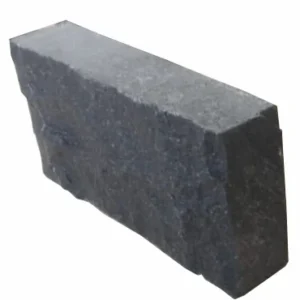
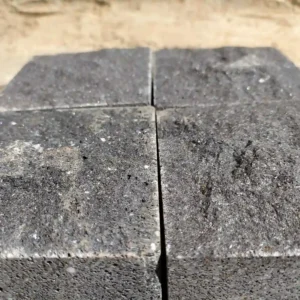
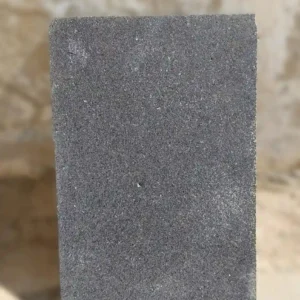
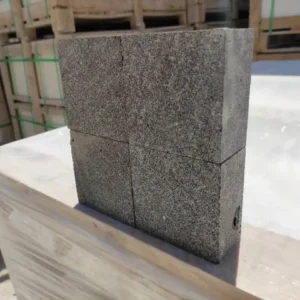
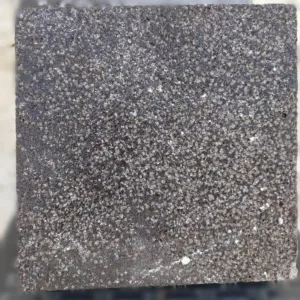
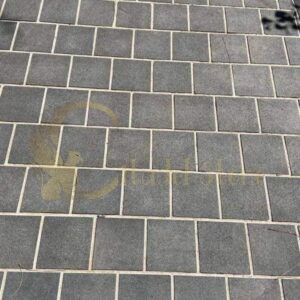
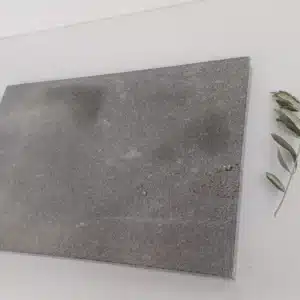
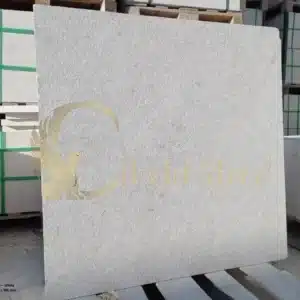
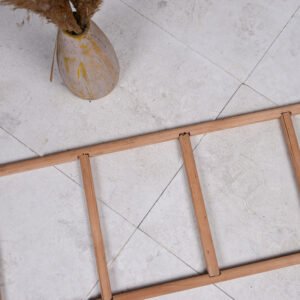
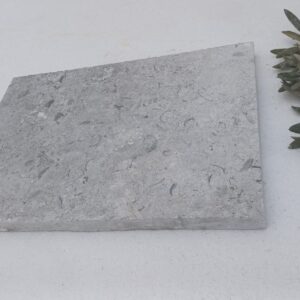
Colour selection in Arizona’s climate isn’t purely aesthetic — it directly affects surface temperature and glare management. Square gray pavers and square grey patio slabs have gained significant traction in Arizona projects precisely because mid-range grey tones reflect enough solar radiation to reduce surface temperature while maintaining visual neutrality against adobe and stucco architecture.
The difference between a light grey and a charcoal paver under Arizona sun is measurable: surface temperature differentials of 15–22°F have been recorded between light and dark stone of identical material under equivalent exposure. In a Scottsdale patio project, that temperature gap translates directly into barefoot comfort during the months when outdoor spaces see peak use.
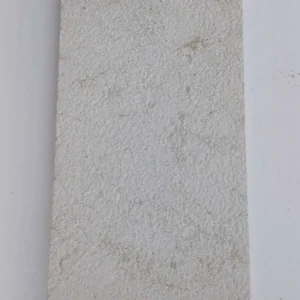
- Light grey and silver-toned stone: reflects 55–65% of solar radiation; cooler underfoot but can create glare issues near pool water
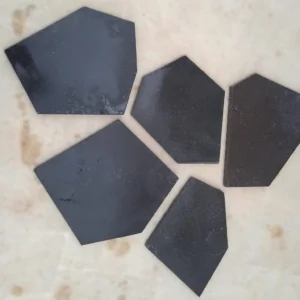
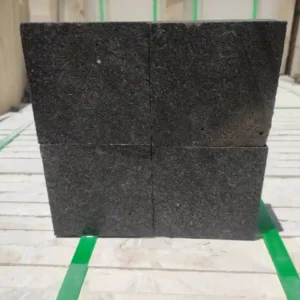
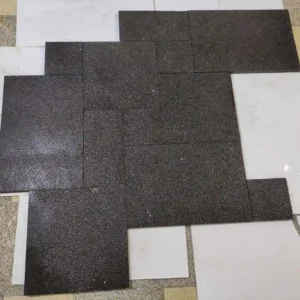
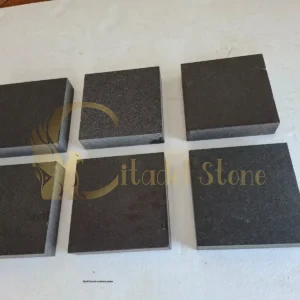
- Mid-tone charcoal and graphite: absorbs more heat during the day but releases it slowly into the evening — useful where radiant warmth is desired after sunset
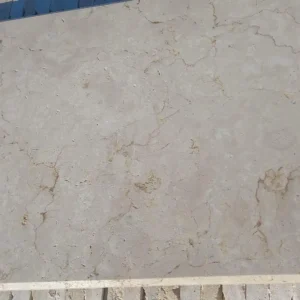
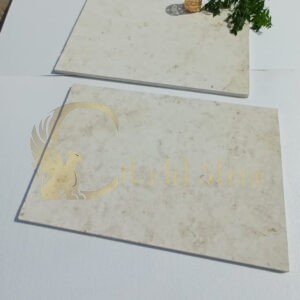
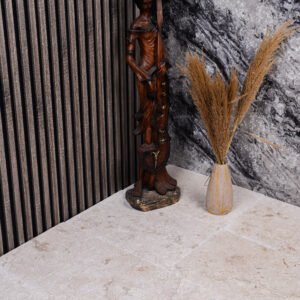
- Cream and ivory tones: highest reflectivity at 60–70%; ideal for south-facing applications but shows soiling more readily in dusty desert conditions
- Blended multi-tone finishes: break up the uniformity that intensifies visual heat shimmer across large paved fields
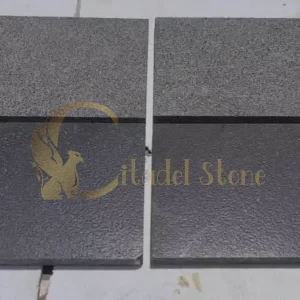
Square landscape pavers in Arizona often use a honed or brushed finish rather than polished, which scatters rather than reflects direct light and reduces slip risk near water features — a specification detail worth including in your project documents. Square gray pavers in these finishes are among the most consistently specified options across Phoenix metro installations.
Format and Size Selection for Square Garden Pavers and Patio Applications
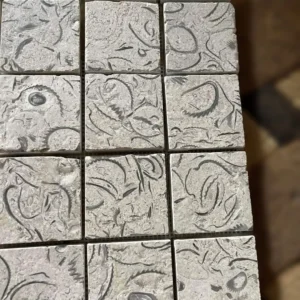
The square format itself offers a structural advantage in high-thermal-cycling environments: equal dimensions in both axes distribute thermal stress evenly, avoiding the differential movement that causes rectangular flags to rock at their long edges. Square garden pavers in the 16×16, 18×18, and 24×24-inch formats dominate Arizona installations for this reason — they provide visual scale without introducing the stress concentration points that longer formats create.
Thickness selection is equally important. The standard 1.25-inch nominal thickness works for pedestrian garden applications on well-compacted bases. For vehicular or semi-vehicular areas, you’ll need 2-inch nominal or thicker. The interaction between thermal expansion and load-bearing deflection at thin sections is what causes snap-failure — a clean transverse crack that typically appears in the second or third year after installation.
Square garden paving slabs in the 24×24-inch format require a minimum 4-inch compacted aggregate base in low desert zones, stepping up to 6 inches in areas with expansive clay soils. Square garden slabs under 18 inches can often be set on a 3-inch base in stable sandy soils, but confirming soil classification before finalizing your spec is always worth the modest cost of a geotechnical evaluation. Square garden paving slabs sourced with consistent thickness tolerances simplify screeding and reduce lippage risk across large-format fields.
Base Preparation and Joint Spacing for Arizona’s Temperature Swings
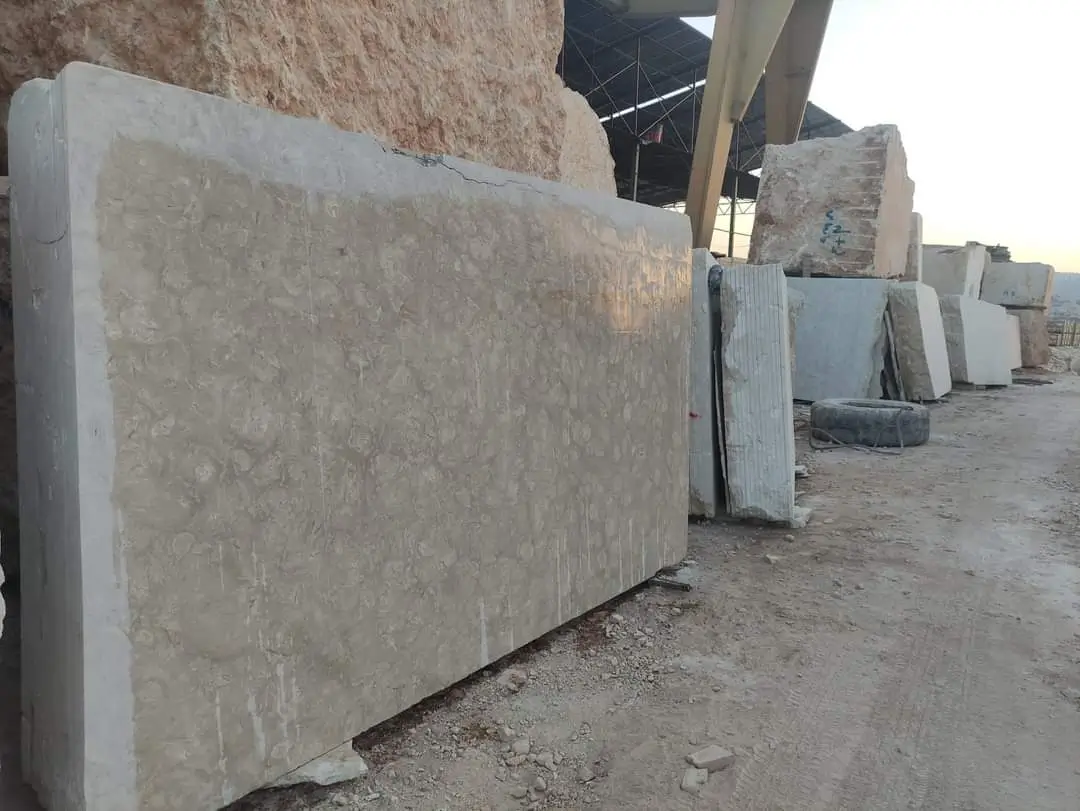
Base preparation is where thermal cycling failures are either prevented or made inevitable. The compacted aggregate layer beneath your square paver stones in Arizona serves two functions simultaneously: it provides structural support under load, and it provides the drainage pathway that keeps water from pooling beneath the stone during monsoon events. Failure to address drainage at the base level means hydrostatic pressure builds beneath the pavers during rain, then freezes in elevation zones where overnight temperatures drop below freezing — a combination that dislodges pavers from even well-set beds.
In Flagstaff and surrounding high-elevation communities, freeze-thaw cycles are a genuine specification requirement rather than a theoretical concern. Frost depth in Flagstaff reaches 12–18 inches in severe winters, which means your compacted base must extend below that depth or be designed with drainage so thorough that water cannot accumulate in the frost zone at all. This is a fundamentally different design problem from the low desert, and conflating the two specifications is a common source of field failures.
Joint spacing recommendations for thermally cycling environments differ meaningfully from the printed defaults on most installation guides — plan on 3/16-inch minimum joints for 16-inch pavers and 1/4-inch minimum for 24-inch formats to provide adequate thermal relief. For projects requiring complementary stone elements and detailed maintenance protocols, stone square pavers for outdoors provides guidance on long-term care that applies directly to these installation conditions and covers the seasonal upkeep routines that extend service life across Arizona’s elevation zones.
- Minimum aggregate base depth: 4 inches in low desert sandy soils; 6 inches in clay-bearing soils; 8+ inches in freeze zones
- Bedding layer: 1-inch compacted coarse sand, screeded flat to within 1/8-inch tolerance across 10 feet
- Joint width: 3/16-inch for pavers up to 18 inches; 1/4-inch for 24-inch and larger formats
- Slope: minimum 1% grade away from structures to prevent water accumulation
- Edge restraint: required on all four sides of the field to prevent thermal creep migration
Sealing Protocols That Account for Arizona’s Seasonal Temperature Range
Sealing square outdoor pavers in Arizona is not optional maintenance — it’s part of your performance specification from day one. The right sealer applied at the right time sets the baseline for how your stone handles the 100°F+ surface temperatures of summer and the sub-freezing nights that occur in roughly two-thirds of Arizona’s populated elevation zones.
Penetrating silane-siloxane sealers outperform topical film sealers in thermally cycling conditions because they bond within the stone’s pore structure rather than sitting on the surface. Film sealers can trap vapor beneath the surface during extreme heat events, which creates pressure that eventually causes delamination — you’ll see it as a whitish haze or bubbling on the stone face. In Tucson, where summer daytime highs regularly exceed 105°F and monsoon humidity spikes sharply in July and August, this failure mode is particularly common with improperly specified topical coatings.
Your sealing schedule should account for Arizona’s UV intensity as a degradation factor. Even high-quality penetrating sealers in this region require reapplication every 18 to 24 months — not the 3-to-5-year intervals printed on labels calibrated for milder climates. Plan for that cycle in your maintenance budget from the start rather than treating sealing as a reactive repair measure.
- Initial sealing: apply after 28-day cure period on mortar-set installations; immediately after joint sand compaction on sand-set installations
- Sealer type: penetrating silane-siloxane for high desert; enhanced impregnating sealer with UV inhibitors for low desert sun exposure
- Application temperature: 50–90°F surface temperature only — avoid application when stone surface exceeds 90°F, which happens before 9 a.m. on summer mornings
- Reapplication interval: every 18–24 months in Arizona conditions regardless of product label claims
- Test first: apply sealer to a 12×12-inch sample area and verify no color shift or sheen before treating the full field
Square Paver Stones in Arizona Landscape and Garden Design
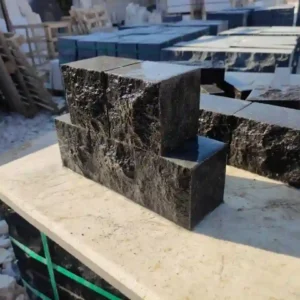
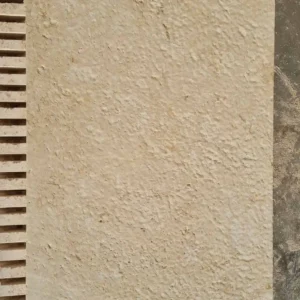
Square paver stones in Arizona landscape applications work across a wide range of design contexts — from formal entry courts with rectilinear geometry to naturalistic garden paths where the clean square format provides visual order against planted borders. The material choice should inform the design intent: a tumbled limestone square paver reads as informal and garden-appropriate, while a honed basalt square paver reads as architectural and contemporary.
Square garden paving slabs used in planting-adjacent applications need one additional specification consideration: root intrusion potential. Desert landscaping in Arizona frequently combines hardscape with deep-rooted desert trees like mesquite and palo verde, whose root systems exert lateral pressure that can lift pavers installed on shallow bases. A geotextile fabric layer between the aggregate base and the bedding sand provides a barrier that redirects roots laterally rather than vertically through your base.
Square landscape pavers in Arizona are available in standard formats from 12×12 through 24×24 inches from Citadel Stone warehouse inventory, with thicknesses from 1.25 to 2 inches ready for immediate fulfillment. Square paver stones in Arizona used for planting-border applications benefit from the same absorption and compressive strength data that high-traffic projects require — the specification process is identical regardless of the design context. For non-standard cut sizes or custom project formats, lead times run 3–4 weeks from the point of confirmed order — factoring that into your project schedule avoids the delays that come from treating custom dimensions as standard stock items.
Order Square Outdoor Pavers in Arizona — Request a Consultation with Citadel Stone
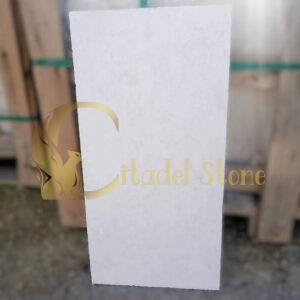
Citadel Stone offers square outdoor pavers across Arizona’s full format and material range — limestone, basalt, travertine, and multi-tone blended options in sizes from 12×12 through 24×24 inches. You can request physical sample tiles along with thickness specifications, absorption test data, and compressive strength certificates before committing to your full material order. This is the specification process that high-value projects deserve, and it prevents the substitution surprises that arrive when the delivery truck shows up with material that doesn’t match your approved sample.
Trade accounts and wholesale enquiries receive dedicated project support, including quantity take-offs from your plans and delivery scheduling coordinated with your installation timeline. Citadel Stone ships square outdoor pavers across Arizona from regional warehouse inventory, with standard lead times of one to two weeks for in-stock formats — significantly shorter than the six-to-eight week import cycle that affects most competitors. A second warehouse location ensures that high-elevation projects in Flagstaff and Prescott receive the same reliable lead times as Phoenix metro orders. For projects requiring freeze-thaw rated stone, technical consultation on material selection is available before you finalize your specification.
Your project deserves material that will still be performing in twenty years without emergency repairs at the five-year mark. Reach out to Citadel Stone to request samples, confirm current stock availability, or discuss custom format requirements — the earlier you bring sourcing into the specification conversation, the fewer surprises appear during installation. Exterior pedestrian paving across the state covers related material decisions that often arise alongside patio projects; Sidewalk Pavers for Sale in Arizona covers additional paving material options for those applications and is sourced through the same Citadel Stone specification process. For outdoor paving projects across Arizona, Citadel Stone offers stone square pavers selected to perform reliably in demanding desert conditions.