
Budget Reality for Arizona Stone Paver Projects
Maintaining stone square pavers in Arizona starts with understanding why your upfront sourcing decisions directly determine your long-term maintenance costs — and that relationship is tighter here than in most other states. The freight economics alone can swing a mid-size patio project by several thousand dollars depending on whether material is pulled from local warehouse inventory or shipped cross-country. Arizona sits at a genuine geographic crossroads for natural stone supply, and how you navigate that affects not just what you spend today but how much you’ll spend every two to three years keeping the installation performing well.
Phoenix and its surrounding metros sit far enough from major stone ports that trucking costs add meaningful weight to per-square-foot pricing. You’ll typically see a $0.80 to $1.40 per square foot freight premium on material shipped from southeastern distribution hubs compared to product sourced from regional Arizona warehouses. That delta compounds when you factor in the volume needed for a typical residential installation — 400 to 800 square feet is common for outdoor living areas in this market — and it changes how you should think about material-to-labor cost ratios before finalizing a spec.
Material-to-Labor Ratios in the Arizona Market
Labor in the Phoenix metro has tightened considerably, and that shift changes the calculation on value engineering your stone paver project. In competitive markets like Tempe, skilled hardscape labor now runs $12 to $18 per square foot installed, which means the material cost — even for premium natural stone — represents a smaller percentage of total project cost than it did five years ago. Skimping on stone quality to save $1.50 per square foot on material while locking in $14 per square foot of labor makes almost no financial sense over a 20-year horizon.
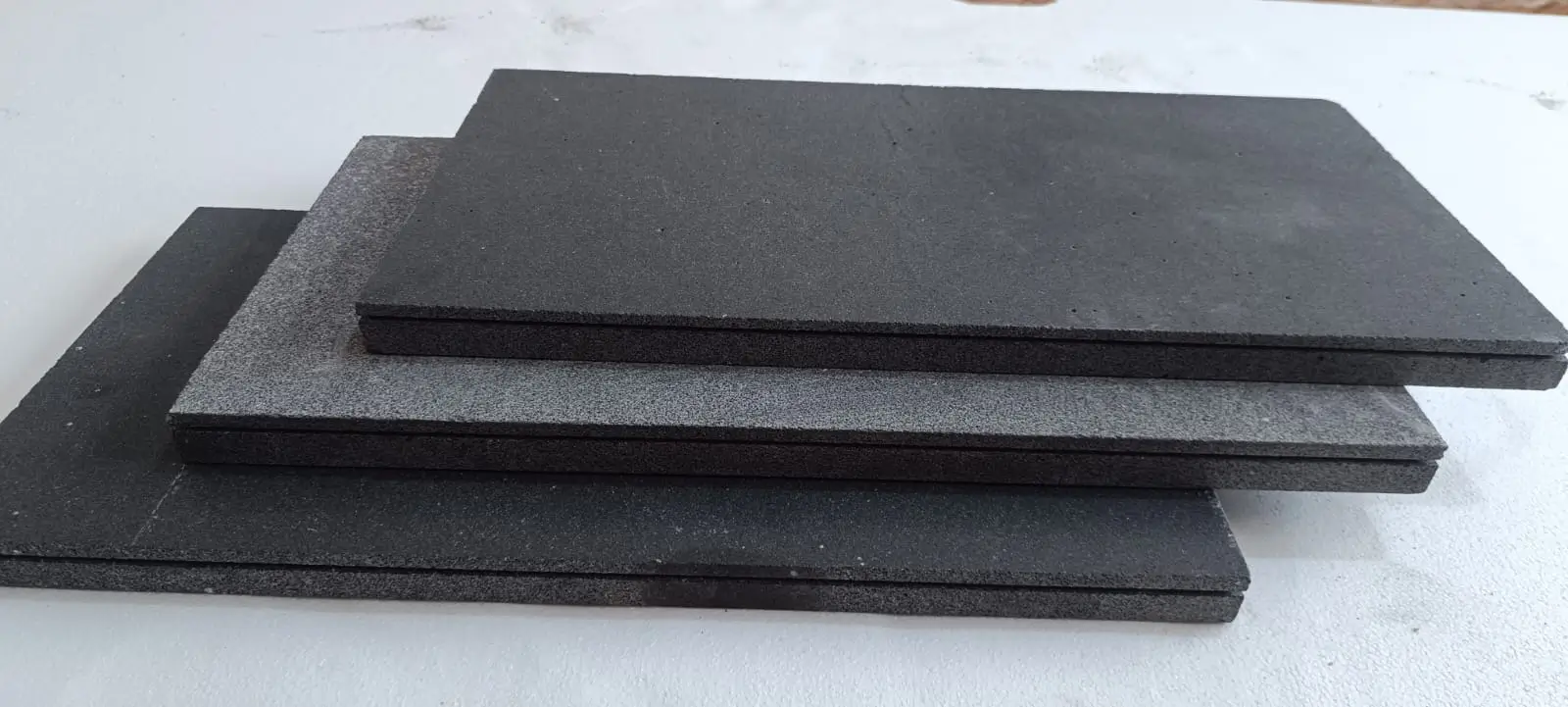
The smarter approach is to invest in stone density and finish quality upfront, because those two factors directly reduce your recurring maintenance spend. Denser stone resists staining from mineral-laden Arizona groundwater, holds joint sand longer under thermal cycling, and requires less frequent resealing. The stone square pavers Arizona market has become more price-transparent in recent years, so you can get genuinely accurate comparisons — but material cost per square foot only tells part of the story without understanding lifecycle maintenance frequency.
- Labor represents 55–65% of total installed cost in most Arizona metro projects — material upgrades rarely move the budget needle as much as contractors suggest
- Dense, honed stone surfaces extend resealing intervals from 18 months to 3 years in Phoenix-area conditions, reducing maintenance labor costs across the installation’s life
- Regional material availability directly affects lead times — locally stocked product typically ships within 5–7 business days versus 4–6 week import cycles
- Value engineering on base aggregate is where most Arizona projects lose money — cutting the compacted base from 6 to 4 inches to save on gravel costs frequently leads to joint failure within 3–5 years
Building a Cleaning Routine That Actually Holds Up
A consistent stone square paver cleaning routine in Arizona doesn’t need to be complicated, but it does need to account for what the desert actually throws at the stone. Iron oxide deposits from monsoon runoff, silica-laden dust that packs into joints, and UV-driven sealer breakdown are your three main adversaries — and each requires a slightly different response in your maintenance calendar.
For most residential installations in the Phoenix metro, a twice-annual thorough cleaning paired with quarterly visual inspections covers the fundamentals. The spring cleaning — ideally in late February or early March before temperatures climb past 90°F regularly — addresses the mineral deposits that accumulated during the fall and winter monsoon tail. The fall cleaning, after the monsoon season wraps in September, clears iron staining and organic debris before they bond more permanently to the stone surface. Refining your stone square paver cleaning routine in Arizona to align with these two seasonal windows rather than a generic calendar produces measurably better results. In Peoria and the northwest Valley, dust accumulation from nearby desert corridors tends to run heavier than in denser urban zones, so the spring clean often requires a second pass with diluted stone-safe cleaner.
- pH-neutral stone cleaner is non-negotiable — anything acidic will etch calcium-rich stone and accelerate surface roughening that traps future staining
- Pressure washing above 1,200 PSI removes joint sand and weakens mortar beds — stay at 800–1,000 PSI with a wide fan tip
- Dry brushing before any wet clean removes abrasive silica particles that scratch the surface when dragged with water across the stone face
- Post-clean inspection of joint sand levels should happen every cleaning cycle, not just annually
Seasonal Care Considerations for Outdoor Areas
Seasonal care for square pavers in AZ outdoor areas requires thinking in terms of two distinct stress cycles rather than four traditional seasons. From April through September, thermal expansion and UV degradation dominate your concerns. From October through March, mineral deposition and joint sand displacement from occasional rain and wind are the primary issues. Aligning your maintenance tasks to these two cycles — rather than following a generic quarterly schedule — keeps your labor and product spend concentrated where it actually matters.
The practical implication for your maintenance calendar is straightforward: schedule sealer application in October, after monsoon season ends and before the stone has to endure another 200+ days of intense UV exposure. Applying sealer in May — when many homeowners notice the surface looking worn — means the product cures under peak UV load and often degrades faster than the label suggests. At Citadel Stone, we consistently advise customers to time sealer application to the fall window, and the performance difference over a 5-year period is measurable.
For the Phoenix urban core, heat island effects push pavement surface temperatures 30–45°F above ambient air temperature on peak summer days. That thermal stress accelerates sealer breakdown on any exposed surface — which is why shaded patio installations typically hold their sealer coat 40–60% longer than fully exposed ones under otherwise identical maintenance schedules. Your sealing interval should account for the shade coverage of your specific installation, not just the general climate zone. Seasonal care for square pavers in AZ outdoor areas is most effective when the sealing schedule reflects actual sun exposure rather than a blanket annual recommendation.
Joint Sand: The Maintenance Variable Most Owners Miss
Joint sand maintenance for stone square pavers across Arizona is arguably the most undervalued element of a long-term care routine. The joints do real structural work — they distribute point loads laterally across the installation, prevent individual pavers from rocking under foot traffic, and limit moisture infiltration to the base aggregate. When joint sand drops below 80% fill capacity, all three of those functions degrade simultaneously, and you start seeing edge chipping, surface rocking, and accelerated base erosion.
Polymeric sand is the right choice for most Arizona installations, but the product selection matters more than most people realize. Standard polymeric formulations designed for northern climates soften in sustained 110°F+ surface temperatures, which creates a gummy residue that traps dust and darkens joint lines. Specifying a high-temperature polymeric sand product — several manufacturers offer formulations rated to 130°F surface contact — is a direct outcome of taking joint sand maintenance for stone square pavers across Arizona seriously, rather than defaulting to whatever the big-box store stocks. Verify that your supplier carries the right product before your truck delivery is scheduled.
- Inspect joint sand depth every 6 months — use a small probe or toothpick to check that sand sits within ¼ inch of the paver surface edge
- Top-fill joints before the monsoon season begins in late June, not after — wet joints compact better and the season’s rain helps activate polymeric binders
- Avoid standard play sand as a joint fill — it lacks the angular particle profile needed to interlock under load and will migrate out of joints within one monsoon season
- Joint width matters for sand retention — pavers set with joints narrower than ⅛ inch provide less sand volume and require more frequent top-filling
For hands-on guidance on keeping your installation in top condition year-round, Citadel Stone Arizona stone paver care covers the specific maintenance protocols we recommend for Arizona’s climate conditions.
Stain Removal in Desert Conditions
Stain removal tips for stone pavers in Arizona desert conditions start with identifying the stain source correctly, because the wrong treatment can permanently etch or discolor natural stone. Arizona’s staining profile is distinct from humid-climate markets — you’re dealing primarily with iron oxide from monsoon runoff, calcium carbonate deposits from hard water irrigation, and occasional organic staining from desert plant material rather than moss, algae, or mold.
Iron staining is the trickiest to address without causing secondary damage. The reddish-brown deposits that appear after monsoon season on lighter-colored stone come from dissolved iron in the runoff reacting with oxygen as it dries on the surface. Oxalic acid-based stone cleaners applied at 5–8% concentration handle fresh iron staining effectively, but you need to neutralize the treated area thoroughly with clean water and check pH before sealing. Leaving residual acid on the surface before resealing creates a bond failure zone that causes the sealer to peel within months. Following proven stain removal tips for stone pavers in Arizona desert conditions — particularly the neutralization step — prevents this common and costly mistake.
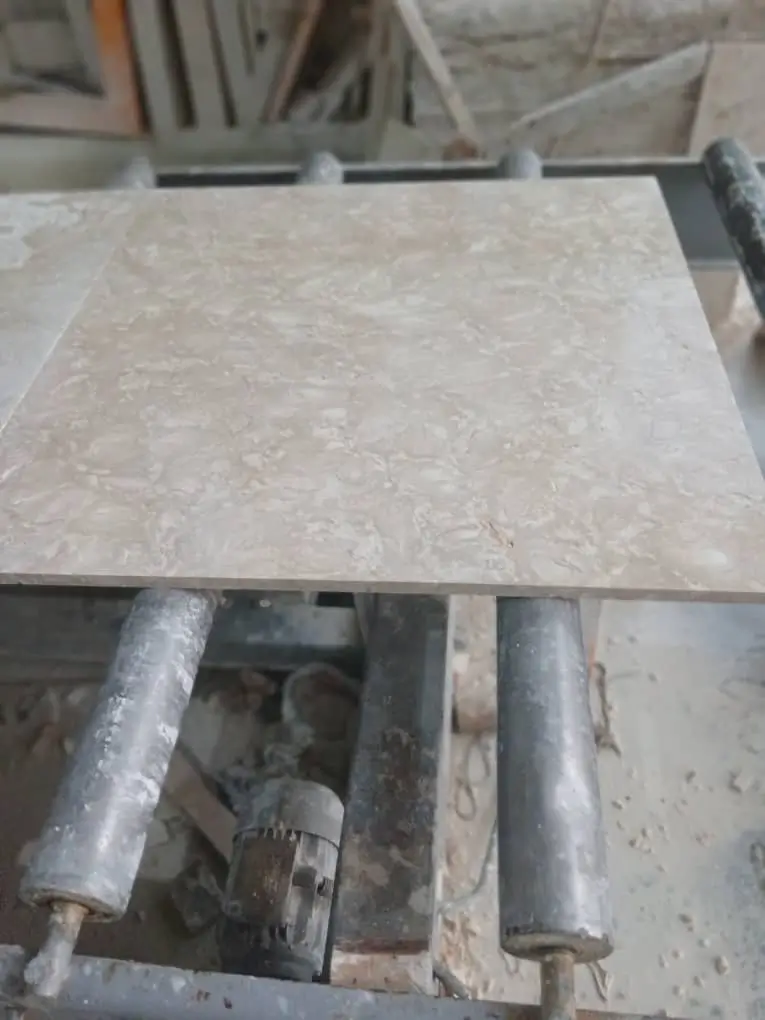
- Calcium carbonate deposits (white haze from irrigation water) respond to diluted white vinegar at 10% concentration — but test on an inconspicuous area first on any calcium-rich stone like limestone or travertine
- Oil-based staining from outdoor cooking areas needs a poultice treatment — a diatomaceous earth and acetone mix applied for 24–48 hours pulls oil out of porous stone surfaces more effectively than surface cleaners alone
- Tannin stains from desert plant material (palo verde sap, citrus) respond to hydrogen peroxide at 12% concentration, applied cold and rinsed within 20 minutes
- Never mix stain treatment chemicals on the stone surface — neutralize and dry between any product applications
Sourcing and Logistics That Affect Your Maintenance Supply Chain
Your ability to execute a consistent maintenance routine is only as good as your access to the right products at the right time. Arizona’s physical size creates meaningful variation in supply chain logistics — a project in the west Valley near Peoria has very different material access than a project in rural eastern Arizona, and those logistics affect your ability to source replacement pavers, joint sand, and sealer on short notice when maintenance reveals a problem.
Citadel Stone maintains warehouse inventory in Arizona, which cuts the lead time gap significantly for customers who need matched replacement pavers or specific maintenance materials without waiting on a truck delivery from out-of-state distribution. Matching stone color and finish for repairs is genuinely difficult when the original batch has aged 5–7 years — having a supplier with regional warehouse continuity means you can sometimes access material from the same quarry run. That’s not a guarantee, but it’s considerably more likely when you’re sourcing from a regional stock rather than a drop-ship model.
- Order 10–15% overage on your original installation quantity and store it properly — this reserve eliminates the matching problem when repairs are needed years later
- Sealer product continuity matters — switching sealer brands mid-lifecycle can create adhesion conflicts; document what product was used originally and stick with it
- Regional stone suppliers can often tell you the quarry batch range for material in stock, which helps with color-match decisions on repairs
Maintaining Stone Square Pavers in Arizona: Final Perspective
Maintaining stone square pavers in Arizona is fundamentally a budget and logistics exercise as much as it is a technical maintenance task. The decisions you make at the procurement stage — where you source material, what freight model you accept, whether you build in spare stock — determine how straightforward or expensive your ongoing care will be. Getting the joint sand and sealing schedule right adds years to the installation’s performance life, and those years represent real savings against the installed cost of a replacement project in a market where labor rates continue to climb.
The total cost of ownership math for stone square pavers in Arizona favors quality material with a disciplined low-frequency maintenance routine over cheaper product that demands more frequent intervention. For projects evaluating which stone format best suits their outdoor design, How to Choose Square Landscape Pavers in Arizona covers material selection considerations that directly influence long-term maintenance requirements. Citadel Stone stone square pavers installed in Chandler, Yuma, and Gilbert benefit from a low-frequency cleaning routine, as the stone’s dense surface finish resists the iron-based staining common after Arizona’s monsoon season runoff events.