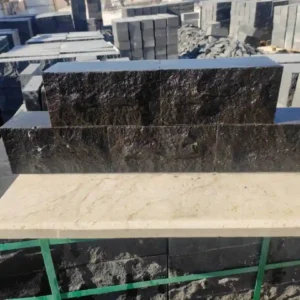
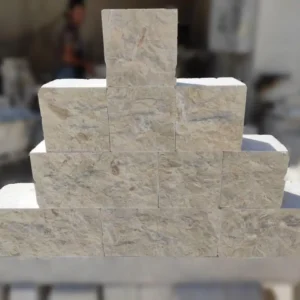
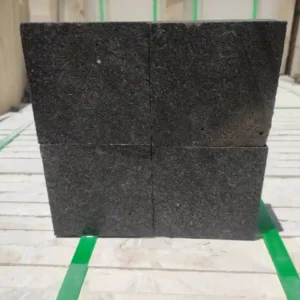
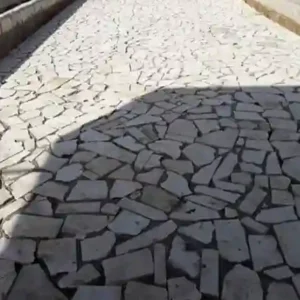
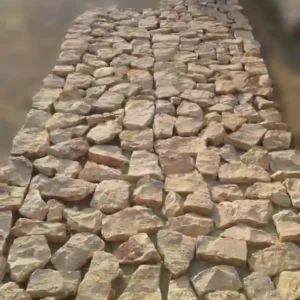
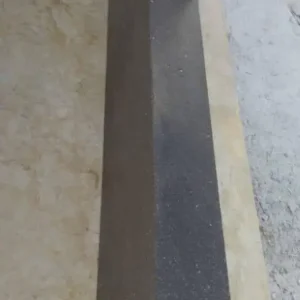
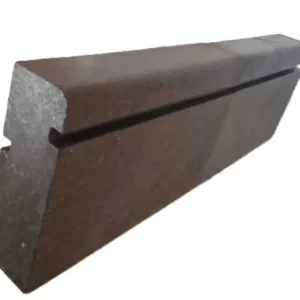
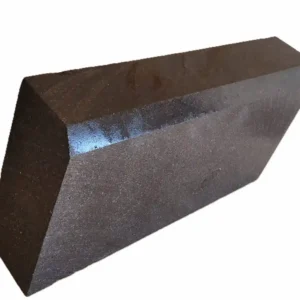
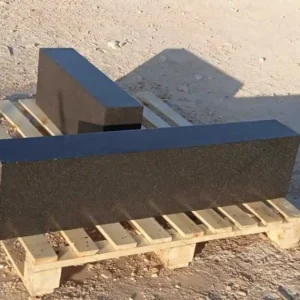
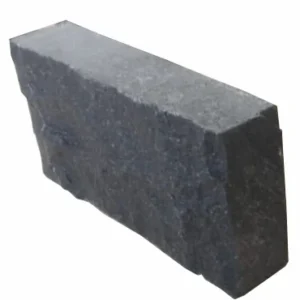
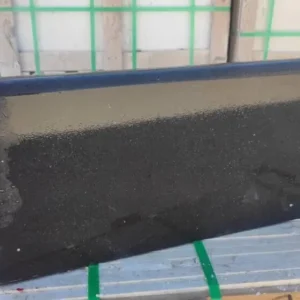
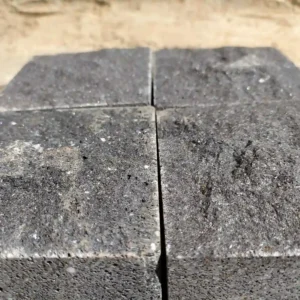
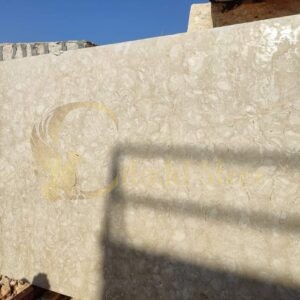
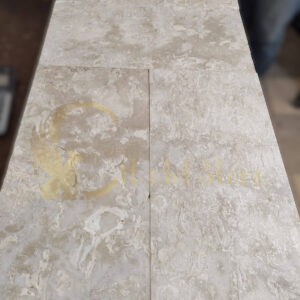
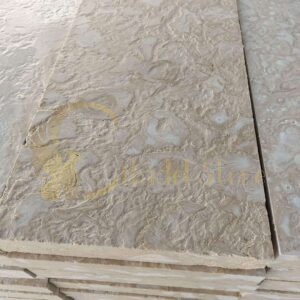
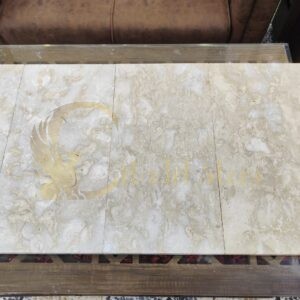

Specifying a paver block and tiles manufacturer in Arizona demands more than matching aesthetics to architecture — your material choices carry mechanical consequences that most project timelines underestimate. Arizona’s severe storm events, including haboobs that generate sustained winds above 60 mph, hail impacts in monsoon corridors, and the kind of cyclical pressure loading that separates adequately installed pavers from properly engineered ones, make structural performance the defining selection criterion. The difference between a 10-year installation and a 25-year one often traces back to decisions made before the first paver is set.
How Storm Loads and Wind Events Shape Paver Selection in Arizona
Arizona’s monsoon season delivers mechanical stress that most paving specifications aren’t written to address. Wind-driven debris during haboob events exerts impact loads on exposed paver surfaces — particularly on tile formats with thinner cross-sections. Your specification needs to account for abrasion resistance alongside compressive strength, because repeated debris impact gradually degrades surface texture and compromises joint integrity over time. Paver block stone in Arizona with a minimum compressive strength of 8,000 PSI provides meaningful resistance to this kind of cyclical mechanical abuse.
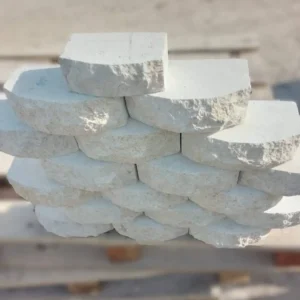
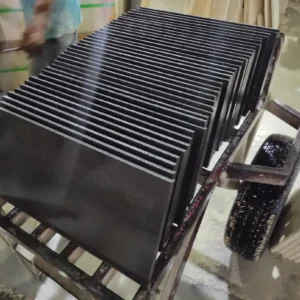
Hail introduces a different failure mode. Golf-ball-sized hail, which Phoenix and Tucson receive several times per decade, concentrates point loads at roughly 1,200–1,800 psi on contact zones measuring less than a square inch. Natural stone pavers thicker than 1.5 inches distribute these loads through their mass — thinner formats fracture at the edges or develop micro-cracking that allows moisture infiltration at the worst possible time of year. Citadel Stone stocks paver blocks in 2-inch and 2.5-inch nominal thicknesses specifically because field feedback from Arizona contractors confirmed that thinner formats were generating callbacks after storm events.
Material Performance Under Arizona’s Severe Weather Conditions
The paver block company in Arizona conversation often centers on aesthetics — colour, texture, finish. That discussion belongs in a showroom. On the specification sheet, what matters first is freeze-thaw behavior, flexural strength, and water absorption rate, because storm events saturate joint sand and temporarily elevate subsurface moisture levels. A paver with a water absorption rate above 6% is vulnerable in elevated areas like Flagstaff, where freeze-thaw cycles following monsoon saturation create internal spalling pressure that no sealant layer fully prevents.
- Target water absorption below 4% for installations above 5,000 feet elevation
- Flexural strength minimums of 600 PSI provide adequate resistance to wind uplift on open patio formats
- Surface texture depth of at least 0.5mm reduces wind-driven sand abrasion loss over multi-decade service life
- Dense paver block stone in Arizona with low interconnected porosity resists moisture infiltration during sustained rain events
- Edge geometry matters — chamfered edges on block formats distribute impact loads better than sharp-edge tiles during hail events
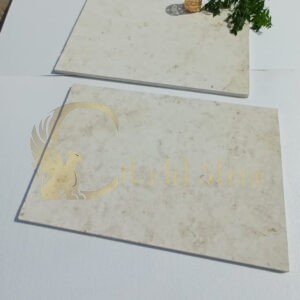
Paver block colour manufacturer in Arizona selections also interact with storm performance in ways that aren’t obvious. Darker pigmented blocks absorb more radiant energy and experience greater thermal mass cycling, which accelerates joint sand degradation at the surface level. Lighter cream and ivory tones run cooler at the surface, which reduces the differential expansion stress at mortar joints during the temperature swings that follow afternoon monsoon rain events — a 40°F surface temperature drop in under 30 minutes is not unusual across the Phoenix metro.
Base Preparation and Drainage Design for Storm Resilience
Your base system is where storm resilience actually lives. The paver surface gets the attention, but a 4-inch compacted aggregate base that doesn’t drain within 24 hours of a storm event will undermine even the most carefully specified surface material. Arizona’s caliche layers — particularly prevalent in the Chandler and Gilbert corridors — create a perched water table effect during heavy monsoon events. Confirm whether caliche exists within 36 inches of finish grade and plan your drainage accordingly before committing to any layout.
- Minimum 4-inch compacted crushed aggregate base for residential patio applications
- 6-inch base depth recommended for driveway installations subject to vehicle loads post-storm saturation
- Geotextile separation fabric prevents aggregate migration into native soil during storm infiltration events
- 1% minimum cross-slope gradient ensures surface drainage clears within 2 hours of storm cessation
- Edge restraint systems must be staked at 12-inch intervals in sandy soils — wind and water infiltration both undermine restraint integrity faster than clay-based native soil
For projects requiring complementary stone elements, paver blocks and tiles Arizona covers specification details that apply directly to base and drainage design for similar site conditions in the region. Getting the subgrade geometry right during initial construction is the single highest-leverage decision in the entire project — it cannot be corrected without full removal.
Paver Block Colour and Format Selection for Arizona Projects
The range of formats available from a paver block colour manufacturer in Arizona has expanded considerably — and that’s created some specification confusion in the field. Rectangular block formats in 4×8 and 6×9 inch dimensions provide the best storm-load distribution because the interlocking geometry transfers lateral forces between units. Larger tile formats — 12×24 and 24×24 — are architecturally popular in Scottsdale’s contemporary residential market, but they require a mortar-set installation over a concrete substrate if wind uplift is a real concern, because the larger format provides more surface area for pressure differential to act on.
Colour selection for paver stone retailers in Arizona projects should account for UV stability of any pigmentation used in manufactured blocks. Natural stone requires no pigment stability consideration — the colour is mineralogical, not applied. Manufactured concrete blocks with integral colour perform adequately for 15–20 years before fade becomes noticeable, but the gap between light and dark tones widens faster in Arizona’s UV index range of 10–11 during summer months. If you’re specifying a paver block company in Arizona’s manufactured product line, ask specifically for samples tested to ASTM C979 colour stability standards under accelerated UV exposure.
Installation Methods That Withstand Arizona’s Severe Weather
Sand-set installations remain the standard for residential paver work across Arizona, but storm performance demands tighter joint tolerances than the generic 3mm spacing most crews default to. In high-wind corridors — the open desert zones west of Phoenix and the exposed plateau areas near Flagstaff — joint sand loss from wind scour is a real maintenance driver. Polymeric joint sand with a cured tensile strength above 150 psi resists this erosion mode far better than conventional silica sand, and the 5–8% premium in material cost is recovered within two maintenance cycles.
- Apply polymeric sand in dry conditions — storm-season installation windows must account for humidity levels below 75% for proper cure
- Compact paver surfaces at 90% of final joint fill, not 100%, to allow thermal expansion accommodation
- Seal paver stone retailers in Arizona product lines with a penetrating impregnator, not a topical coating, to avoid surface delamination under hail impact
- Install edge restraints before bedding sand placement — retroactive restraint installation disturbs the bedding plane and creates settlement vulnerability
- Check manufacturer joint width specifications against ASTM C936 test data, not just product literature
Mortar-set tile installations over concrete substrates require control joint planning that accounts for wind-induced slab movement in long runs. Standard concrete slabs in Arizona experience seasonal movement of 1/8 to 3/16 inch per 20 linear feet due to thermal cycling. Your tile format and joint width need to accommodate this range — 1/4-inch minimum joints with flexible sealant at control joint locations prevent the tile fracturing that commonly appears 18–24 months after installation when this detail is missed.
Sourcing Paver Blocks and Tiles Across Arizona’s Supply Chain
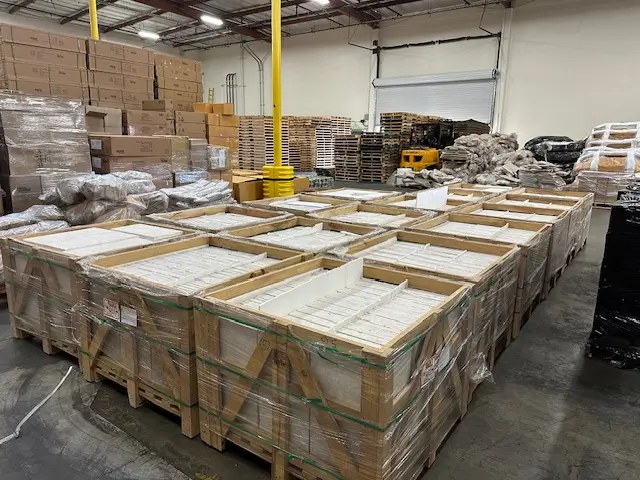
Lead times from manufacturer warehouse to project site vary significantly depending on whether you’re sourcing domestic manufactured block or imported natural stone tile. Domestic concrete block typically ships within 5–7 business days from regional warehouse inventory. Natural stone tile formats — particularly the larger 24×24 and 16×24 sizes popular in Tucson‘s residential renovation market — often require 4–6 week lead times from import inventory, with additional quality inspection time if you’re requesting specific shade matching across multiple production lots.
Projects requiring large-format tile in consistent colour runs should request a shade sample hold from warehouse inventory before finalizing project schedules — colour variation between production batches is a real issue with natural stone, and it’s far easier to select a compatible batch upfront than to manage a blend correction mid-installation. At Citadel Stone, we inspect incoming shipments against reference samples specifically to flag this issue before materials reach your project site. Truck delivery scheduling should account for site access constraints — standard 48-foot flatbed trucks require a 14-foot clearance width and 60-foot turning radius that many urban infill sites in the Phoenix metro can’t accommodate without pre-planning.
- Confirm warehouse stock availability before committing to project start dates
- Request a minimum 10% overage in your order to cover cuts, breakage, and future repairs from storm damage
- Specify truck delivery access requirements to your supplier at time of order — not at time of scheduling
- Natural stone paver orders should include a written shade certification against a retained sample
- Paver stone retailers in Arizona serving residential clients typically carry 6–8 standard formats in stock; custom sizes require factory lead time
Get a Quote on Paver Block and Tiles Manufacturer in Arizona from Citadel Stone
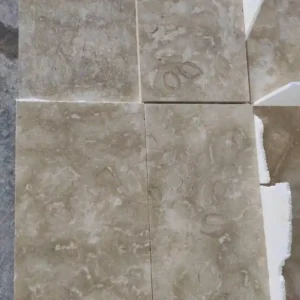
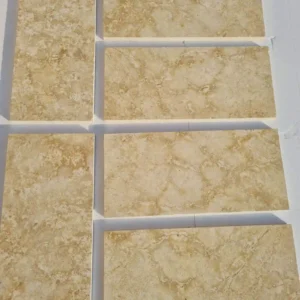
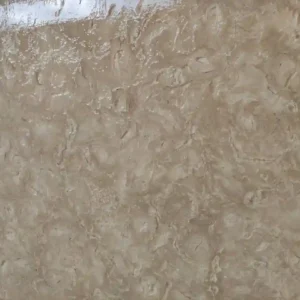
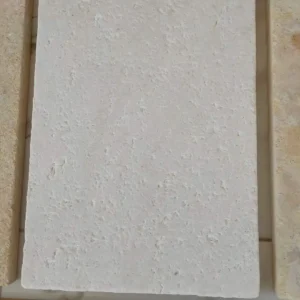
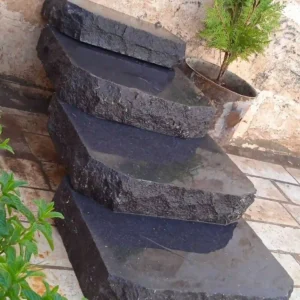
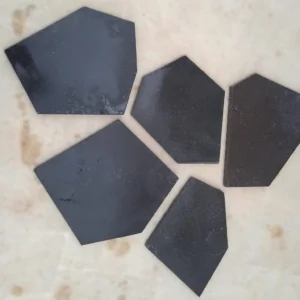
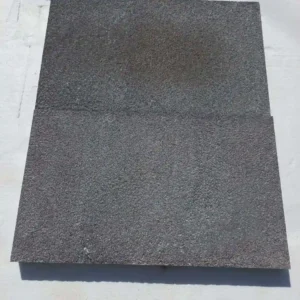
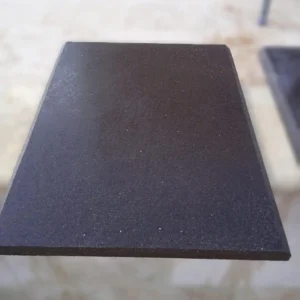
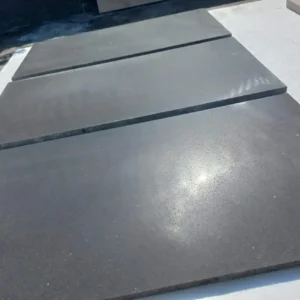
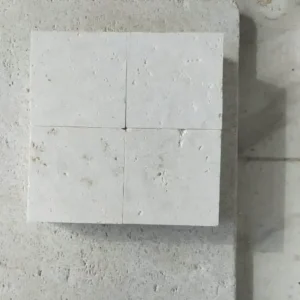
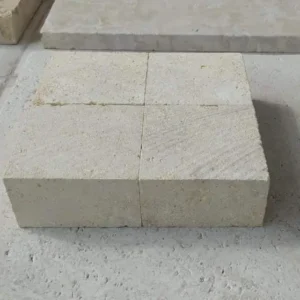
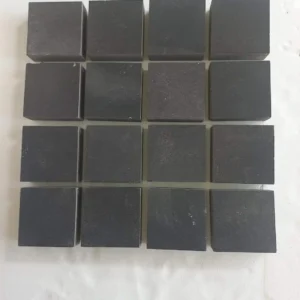
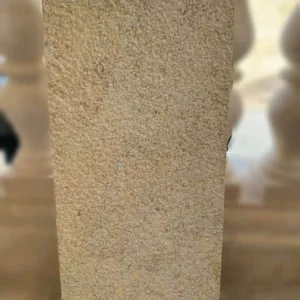
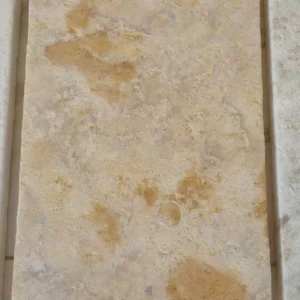
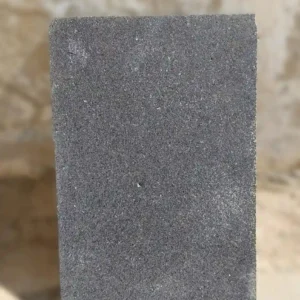
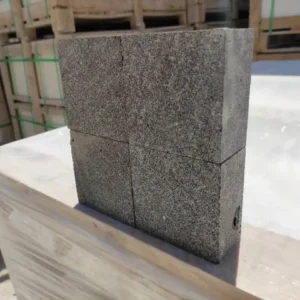
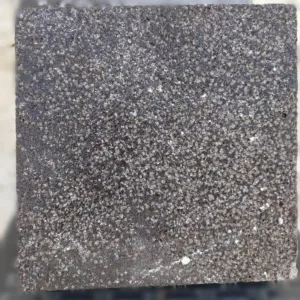
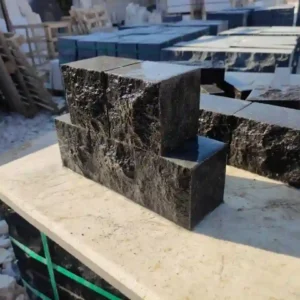
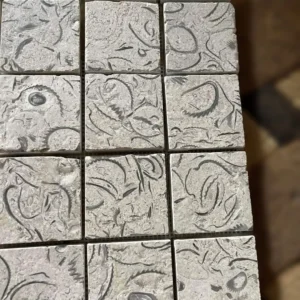
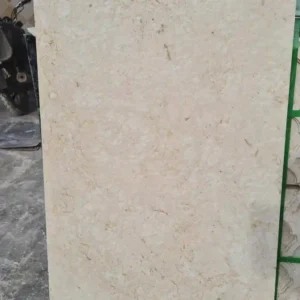
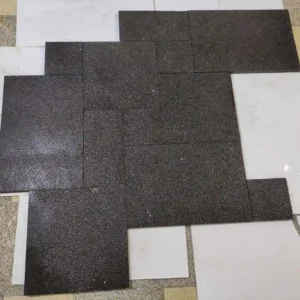
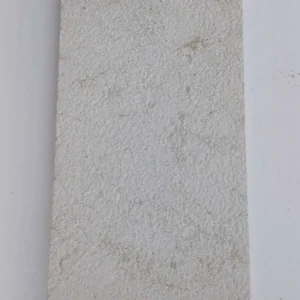
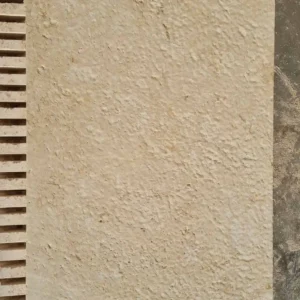
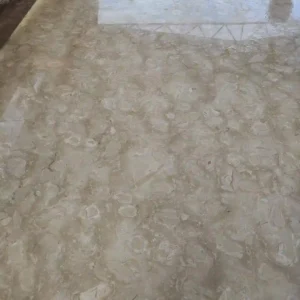
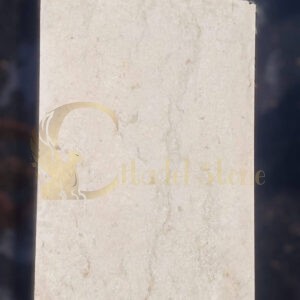
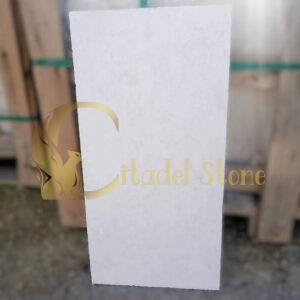
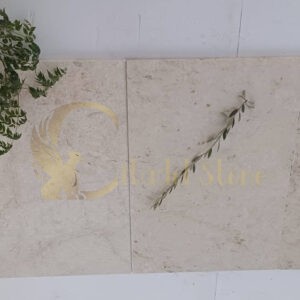
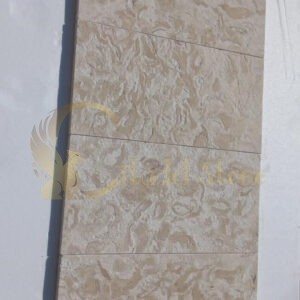
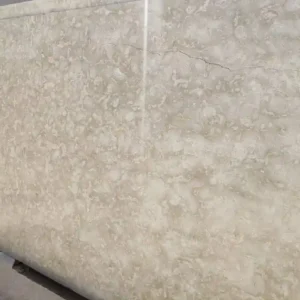
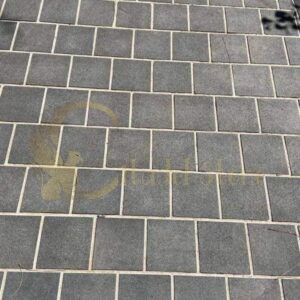
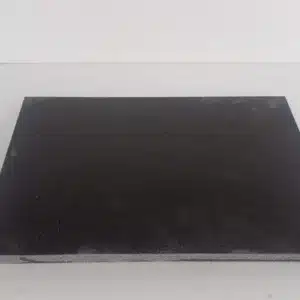
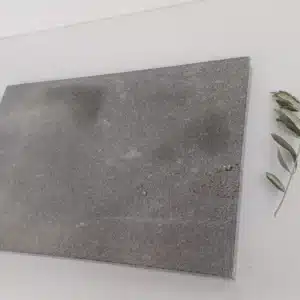
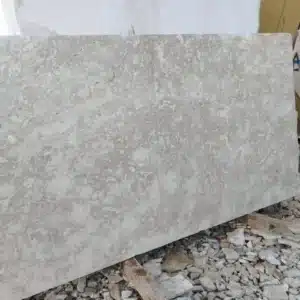
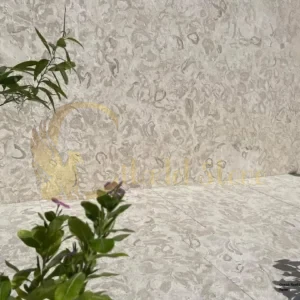
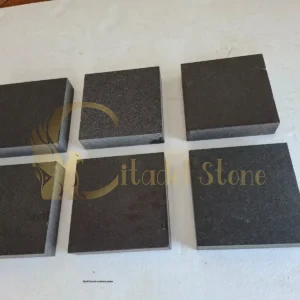
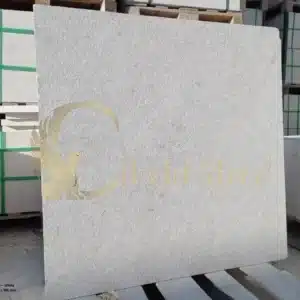
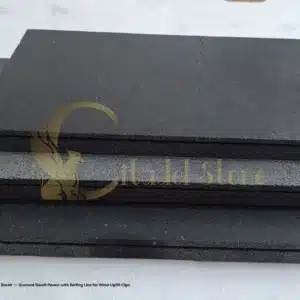
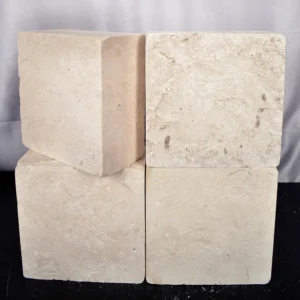
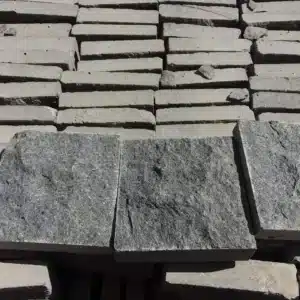
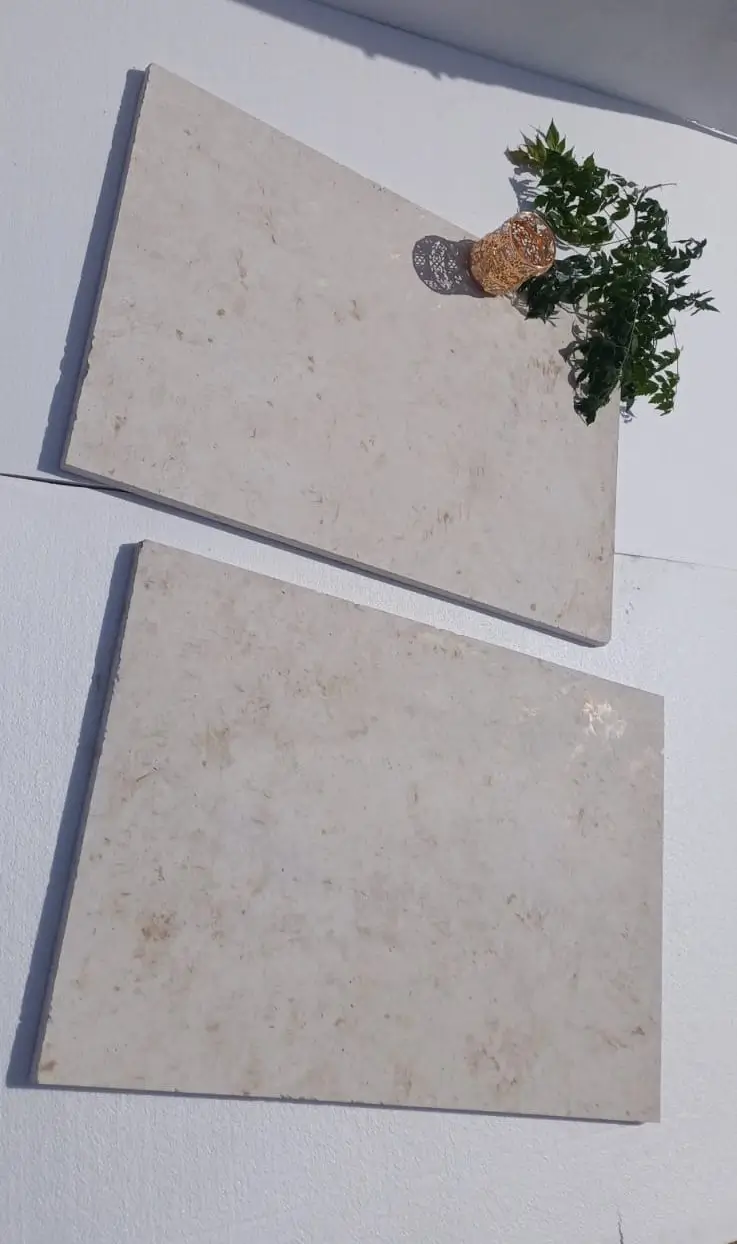
Citadel Stone supplies paver blocks and tiles across Arizona in standard formats including 4×8, 6×9, 12×12, 12×24, and 24×24 inch sizes, with thickness options from 1.5 inch to 2.5 inch nominal. Available materials include natural limestone, basalt, travertine, and manufactured concrete block in a full paver block colour range from cream and ivory through charcoal and graphite. You can request sample tiles or full thickness specification sheets before committing to a product selection — this is standard practice for commercial projects and available for residential specifications as well.
For trade and wholesale enquiries, Citadel Stone’s team can advise on lead times, truck delivery scheduling, and lot consistency requirements for large-format orders. Regional warehouse inventory typically supports 1–2 week delivery timelines across the Phoenix metro, Tucson, Scottsdale, and surrounding areas. Custom cuts and non-standard formats are available with extended lead times — contact the team early in your design phase to confirm feasibility. You can reach Citadel Stone directly to request a material quote, schedule a consultation, or confirm current warehouse stock levels before finalizing your project timeline. As you consider the full scope of your Arizona stone project, related hardscape applications can inform your material decisions — Natural Stone Pavers Wholesale in Arizona explores wholesale sourcing options that complement paver block and tile specifications across the state. For consistent quality and local expertise, Citadel Stone remains a trusted manufacturing resource for paver blocks and tiles throughout Arizona.