
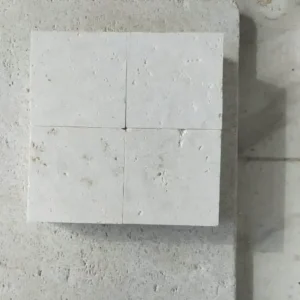
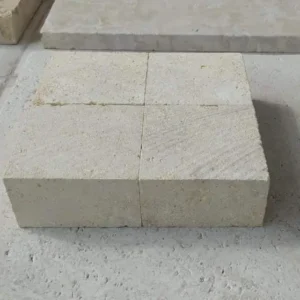
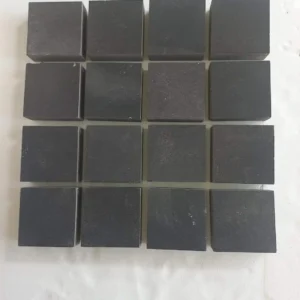
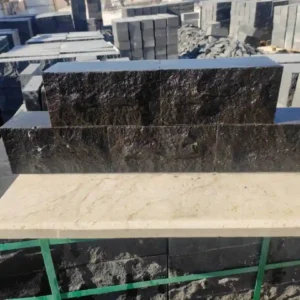


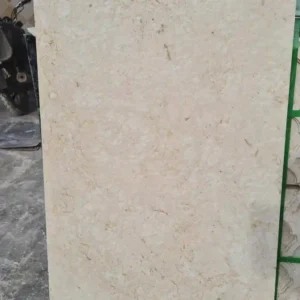
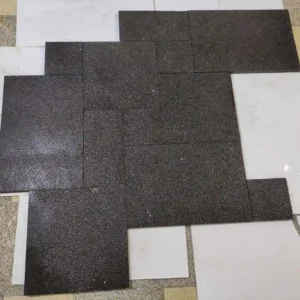
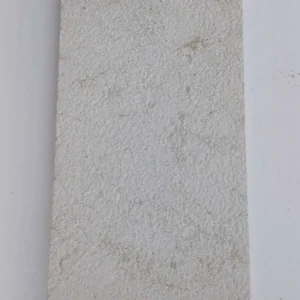
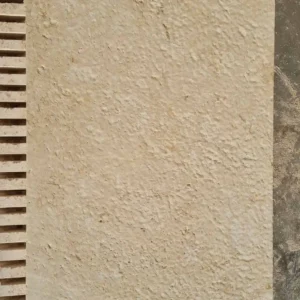
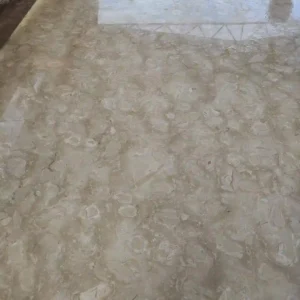
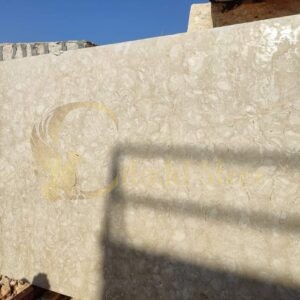
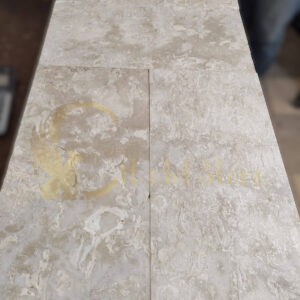
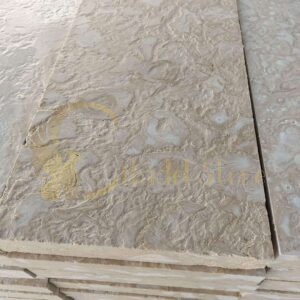

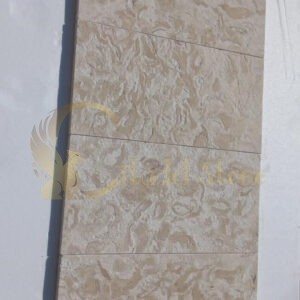
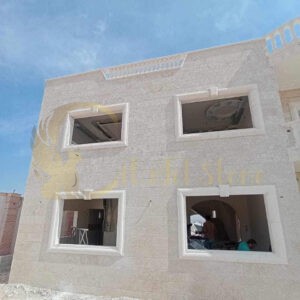
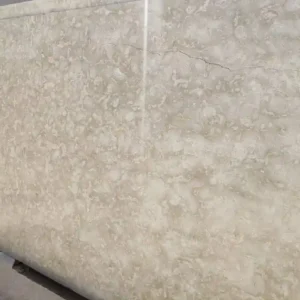
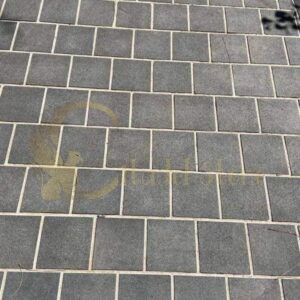



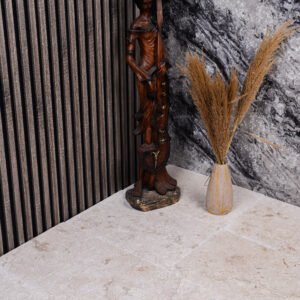
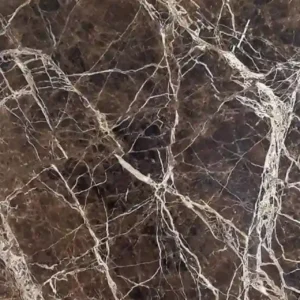
Specifying natural stone pavers wholesale in Arizona for storm-exposed installations means your material selection carries mechanical consequences that most project documents never address directly. Arizona’s haboob events and monsoon-driven debris loads apply lateral and point-load stress to paving surfaces that exceeds what standard concrete pavers tolerate at their mortar joints — natural stone’s mass and density are what absorb that energy without surface fracturing. The question isn’t whether natural stone performs under these conditions; it’s whether your specification accounts for the base, joint, and bedding layer design that lets the stone do its job.
How Wind, Hail, and Storm Events Load Your Paving Surface
Arizona’s monsoon season generates more than rain — it delivers high-velocity particulate impact, sudden hydrostatic pressure changes, and lateral wind loads that test the entire paving assembly, not just the surface unit. Hail events in the high-desert corridors around Flagstaff routinely reach 1-inch diameter, and at terminal velocity, that impact energy concentrates on a surface area smaller than a quarter. Natural stone with a compressive strength above 8,000 PSI — which includes most commercially available basalt, granite, and dense limestone — absorbs that load without the micro-fracturing you see in lower-density cast products.
The layered nature of natural stone matters here too. Unlike concrete pavers, which can delaminate along the aggregate-paste interface under repeated impact, natural stone carries its structural integrity through the full unit depth. Your specification should require a minimum 40mm thickness for any surface exposed to debris-laden wind events — 30mm units are adequate for sheltered patios but not for open driveway or street-fronting applications in storm-prone zones.
- Minimum 40mm thickness for exposed driveway and entry applications
- Compressive strength of 8,000 PSI or above resists hail impact without surface spalling
- Dense stone varieties — basalt, granite, hard limestone — outperform softer travertine under debris loading
- Natural cleft or textured finishes maintain slip resistance after storm surface wetness better than polished formats
- Joint sand should be polymer-stabilized to resist wash-out during intense monsoon rainfall events
Choosing the Right Material: Granite, Basalt, and Limestone Performance Under Storm Loads
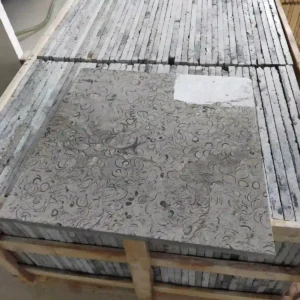
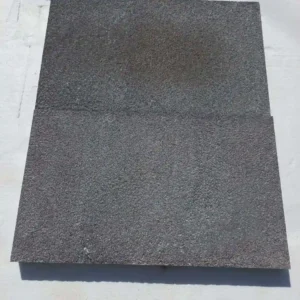
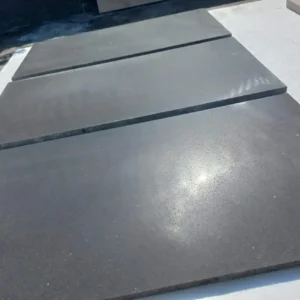
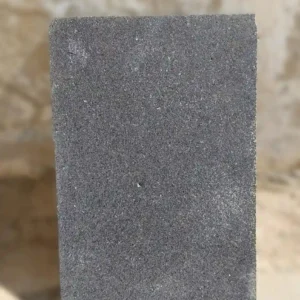
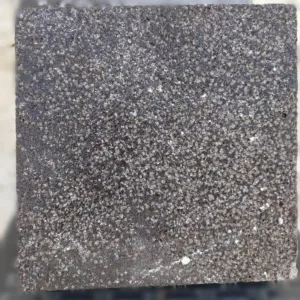
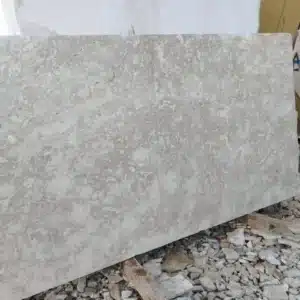
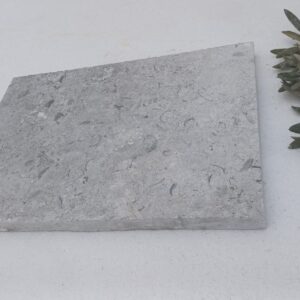
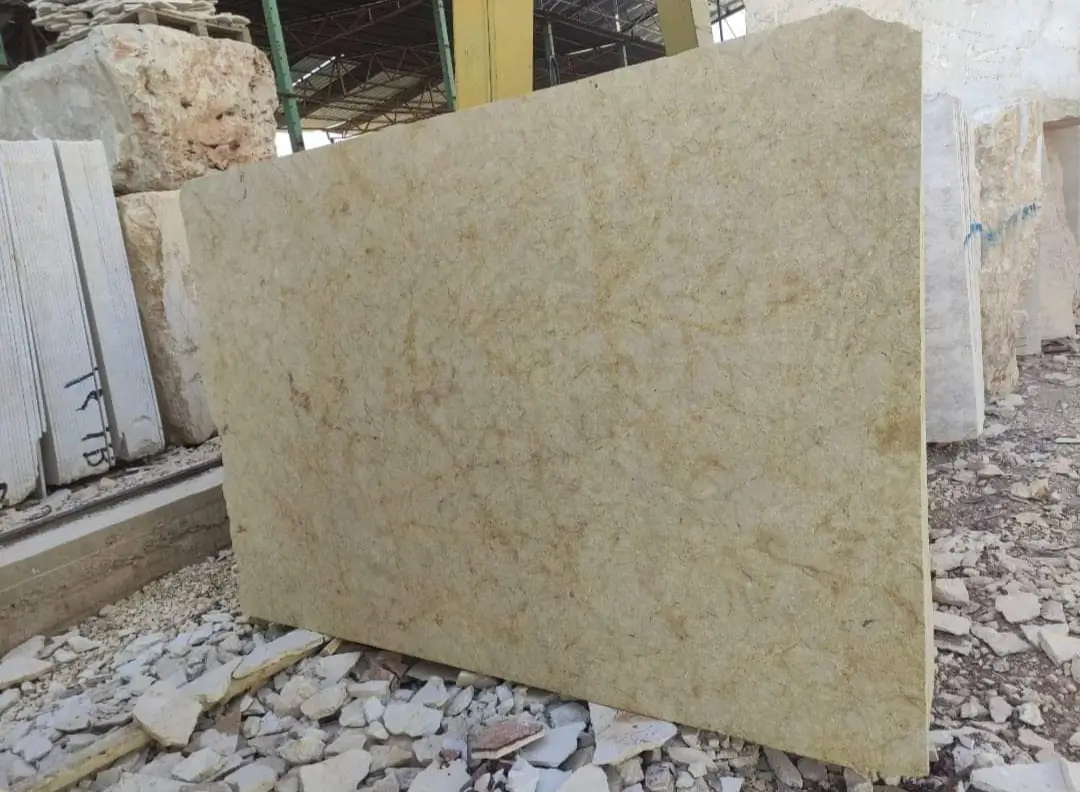
Natural granite slabs in Arizona remain the benchmark for storm-resilience in high-exposure applications. Granite’s interlocking crystalline structure gives it a tensile strength that other natural stones don’t match — critical when lateral wind pressure acts against an unsupported edge, such as a step nosing or a raised terrace border. Granite’s lower absorption rate (typically 0.1–0.4%) also means storm-driven moisture ingress is minimal, reducing the freeze-thaw spalling risk that higher-elevation sites face.
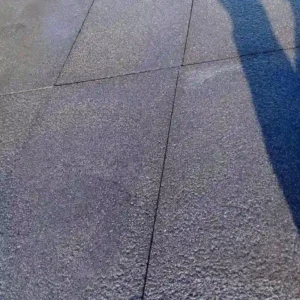
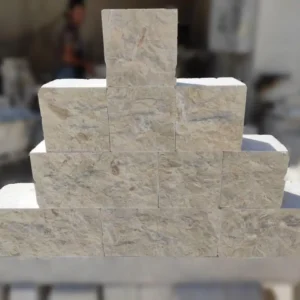
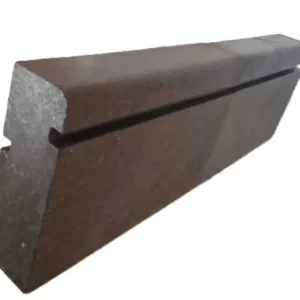
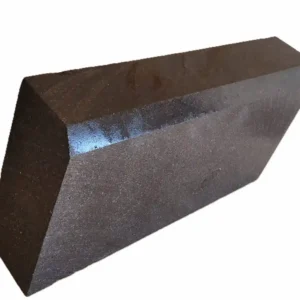
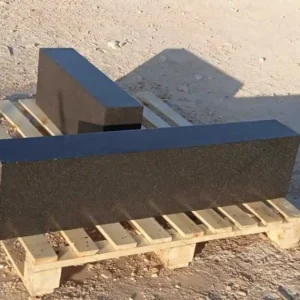
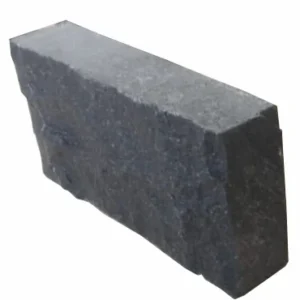
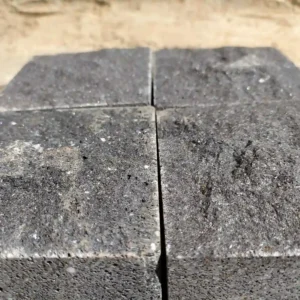
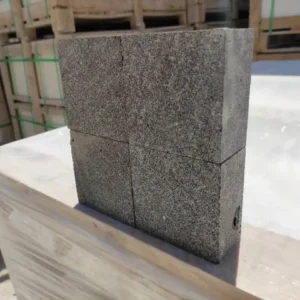
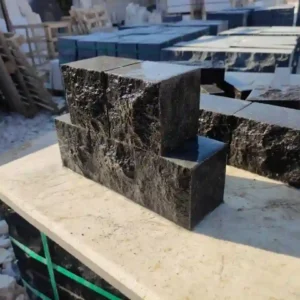
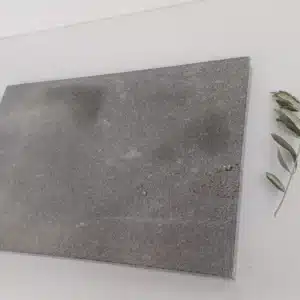
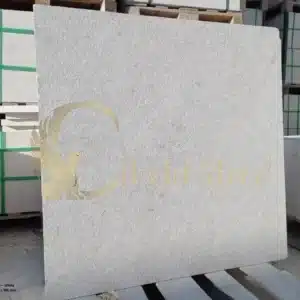
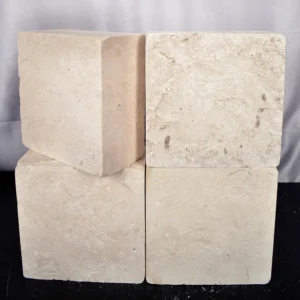
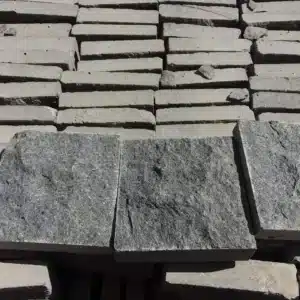
Natural grey block paving in Arizona has become a preferred format for driveway and high-traffic forecourt applications precisely because the segmental format allows the assembly to flex slightly under dynamic loading — a haboob-driven pressure wave that would crack a large-format slab often passes through a segmental block installation without consequence because the individual units redistribute stress through the joint system. Citadel Stone sources its grey block formats from established quarry partners who batch by density consistency, which matters more than colour consistency when specifying for mechanical performance.
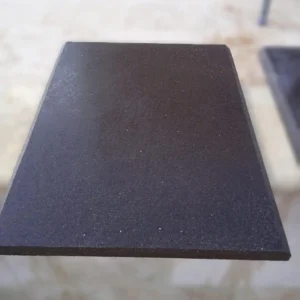
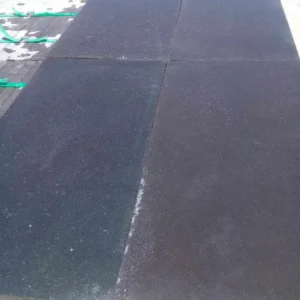
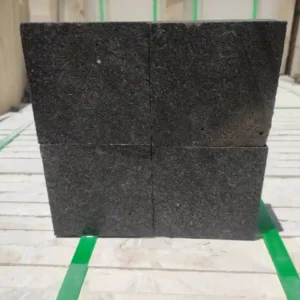
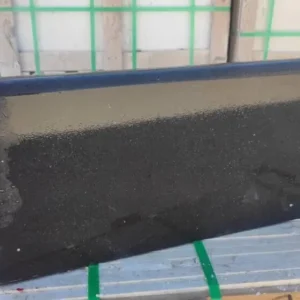
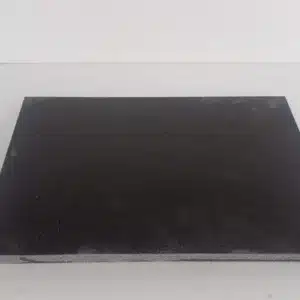
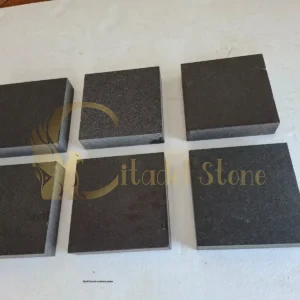
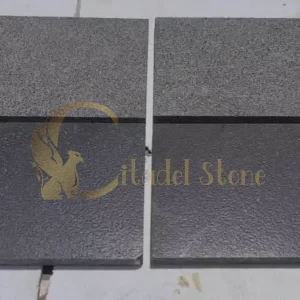
Basalt deserves more attention than it typically gets in Arizona specifications. Its volcanic origin produces a fine-grained matrix with near-zero porosity and a flexural strength that rivals granite at a more accessible price point. For natural stone paving for driveways in Arizona subject to runoff-carrying debris, basalt’s surface hardness (Mohs 6–7) resists scoring from gravel and windblown aggregate far better than softer limestone alternatives. Natural rock pavers in Arizona made from basalt also carry lower lifecycle maintenance costs than porous alternatives, making them strong candidates for commercial forecourt and entry specifications.
- Granite: lowest absorption, highest tensile strength, best for exposed step edges and terrace perimeters
- Basalt: near-zero porosity, excellent flexural strength, resistant to debris scoring — strong value for driveways
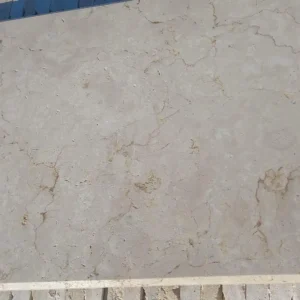
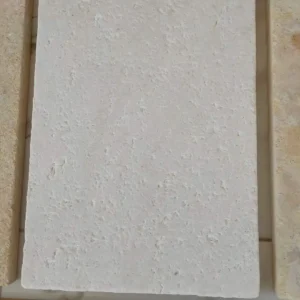
- Dense limestone: performs well in sheltered garden and patio applications, requires sealing in exposed positions
- Natural grey block paving: segmental format provides stress redistribution under dynamic loads — specify for driveways and entry courts
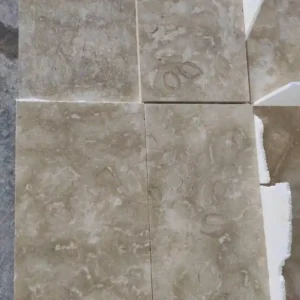
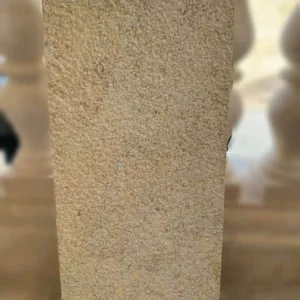
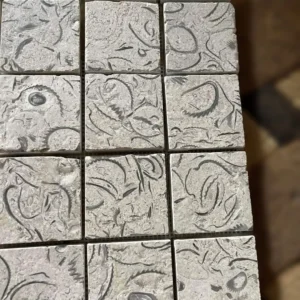
- Travertine: reserve for covered or sheltered natural stone patio stone applications — surface voids require filling before storm-exposed use
Base Preparation for Wind-Driven Rain and Rapid Drainage Demands
The base layer failure mode that storm events accelerate is sub-base saturation followed by differential settlement. Arizona’s monsoon delivers 1–2 inches of rain in under 30 minutes in documented events — a compacted aggregate base that would perform adequately under standard rainfall is overwhelmed by that volume, and the paving surface above it moves. Your base specification for natural stone garden slabs or driveway formats should incorporate a minimum 150mm compacted Class II road base aggregate, with a perimeter drainage channel or French drain directing storm overflow away from the installation footprint.
Projects in Phoenix and its surrounding basin areas encounter caliche layers at variable depths — sometimes as shallow as 6 inches, sometimes not until 3 feet down. Caliche presents a drainage paradox: it’s structurally excellent for load-bearing but nearly impermeable, meaning storm water pools above it and saturates your bedding layer from beneath. Breaking through or boring through caliche to connect with draining subsoil below is worth the extra excavation cost in any application that will see concentrated storm runoff. For projects requiring base preparation detail alongside stone specification, natural stone driveway blocks Arizona covers the full subgrade and bedding sequence for Arizona conditions. Getting that drainage geometry correct before the stone goes down is the single highest-value decision in storm-zone installations.
- Minimum 150mm Class II road base, compacted to 95% modified Proctor density
- Perimeter drainage channels or French drains mandatory in basin-area and low-lying sites
- Caliche layers require breakthrough boring or perforated collector pipes to prevent sub-base saturation
- Bedding layer: 25–40mm washed angular sand — avoid rounded river sand which migrates under hydrostatic pressure
- Slope specification: minimum 1.5% fall away from structures, 2% preferred for storm-volume drainage
Format Selection: Steps, Garden Slabs, Paving Tiles, and Block Paving
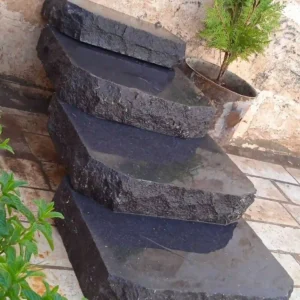
Natural stone steps in Arizona take disproportionate storm loading because their exposed nosings act as deflection surfaces for wind-driven debris and carry the full hydraulic energy of surface runoff. Spec step treads at 50mm minimum thickness — not 40mm — and specify a natural cleft or sawn-and-brushed finish that maintains grip even when wet. A smooth-honed finish on an outdoor step tread is a liability in monsoon season regardless of how good it looks in the showroom sample.
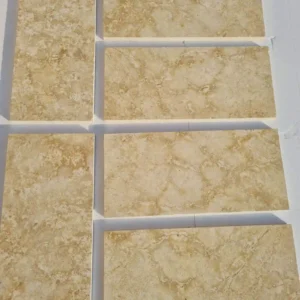
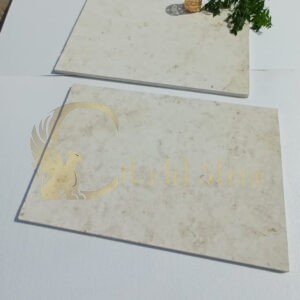
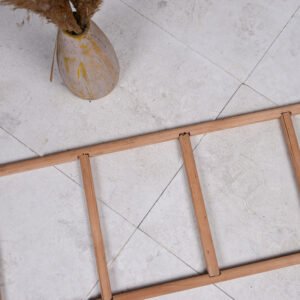
Natural stone paving tiles in Arizona work well for covered patio and courtyard applications where storm exposure is partially managed by overhead structure. In those contexts, a 20–30mm format in travertine or limestone delivers a refined aesthetic without the mechanical overspecification cost of granite or basalt. The important distinction is that “covered” doesn’t mean “protected” — patios with open sides in wind-corridor orientations still receive lateral rain and debris load, and your tile thickness should reflect actual exposure geometry, not just overhead coverage.
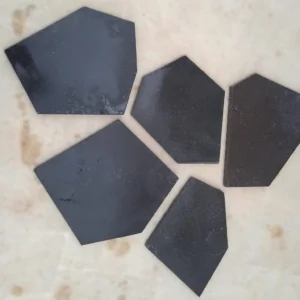
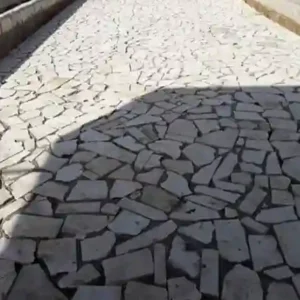
Natural rock paving stones in random-size irregular formats — the kind used in natural garden paving in Arizona to create organic pathways and planting borders — need particular attention to joint stability under storm conditions. Irregular formats have longer total joint length per square meter than regular formats, which means more polymer sand volume is required and more potential wash-out points exist. Specify a kiln-dried polymer jointing compound rated for hydrostatic pressure, not the standard pedestrian-grade product. Natural stone garden slabs used in border and planting-edge contexts follow the same joint-stability logic — polymer sand is non-negotiable where storm runoff channels through planted areas.
- Steps: 50mm minimum thickness, cleft or brushed finish, granite or dense basalt preferred
- Covered patio tiles: 20–30mm formats acceptable in travertine or limestone where overhead protection is genuine
- Natural rock paving stones in irregular formats: require kiln-dried polymer jointing sand rated for hydrostatic conditions
- Driveway and forecourt formats: 60mm for vehicle-rated applications, 40mm for pedestrian-only surfaces
- Garden path formats: 40mm minimum if exposed to storm runoff channeling from adjacent planted areas
Wholesale Sourcing, Specification Support, and Sample Evaluation
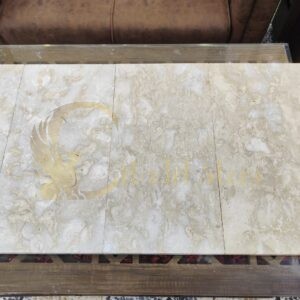
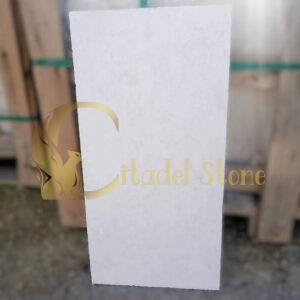
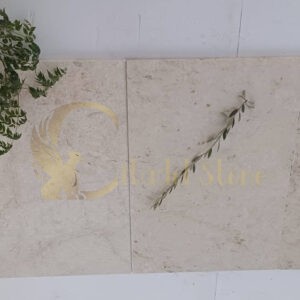
Sourcing natural stone pavers wholesale in Arizona at project scale requires more than a price-per-square-foot comparison. Batch consistency across a full delivery is the specification variable that causes the most field problems — colour variation within a single quarry run is manageable and expected, but density variation is not. Request batch test data for compressive strength and water absorption alongside your sample tiles when specifying for storm-exposed applications. Citadel Stone provides material specifications and sample sets on request, which lets you verify density and finish before committing to a full truck delivery.
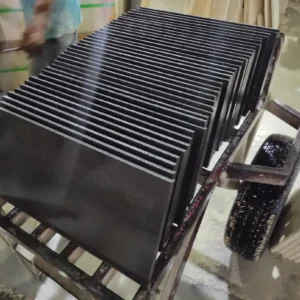
Natural pavers for sale through wholesale channels typically ship in full-pallet units on standard truck formats — a 20mm tile pallet runs approximately 800–1,000 kg, and a 40mm driveway pallet can reach 1,500 kg. Natural rock pavers in Arizona sourced through wholesale channels often require early reservation during peak season, as popular granite and basalt formats can carry 4–6 week lead times from warehouse allocation to job site delivery when demand is high. Your site access planning should confirm truck delivery dimensions early: articulated trucks accessing residential driveways in established neighborhoods, particularly in Scottsdale’s older grid sections, often require crane-off or boom-lift delivery as an alternative to standard fork-off. Verify warehouse stock levels with your supplier before locking project timelines, because Arizona’s construction activity peaks in the spring window.
- Request batch compressive strength and water absorption data before finalizing material selection
- Sample tiles confirm finish and density — not just colour — for storm-exposure specifications
- Confirm truck access dimensions and site delivery method before scheduling delivery windows
- Spring construction season creates warehouse demand peaks — early material reservation reduces schedule risk
- Wholesale pricing tiers typically begin at full-pallet quantities — confirm minimum order thresholds with your supplier
Sealing, Maintenance, and Preparing Natural Stone for Arizona Storm Season
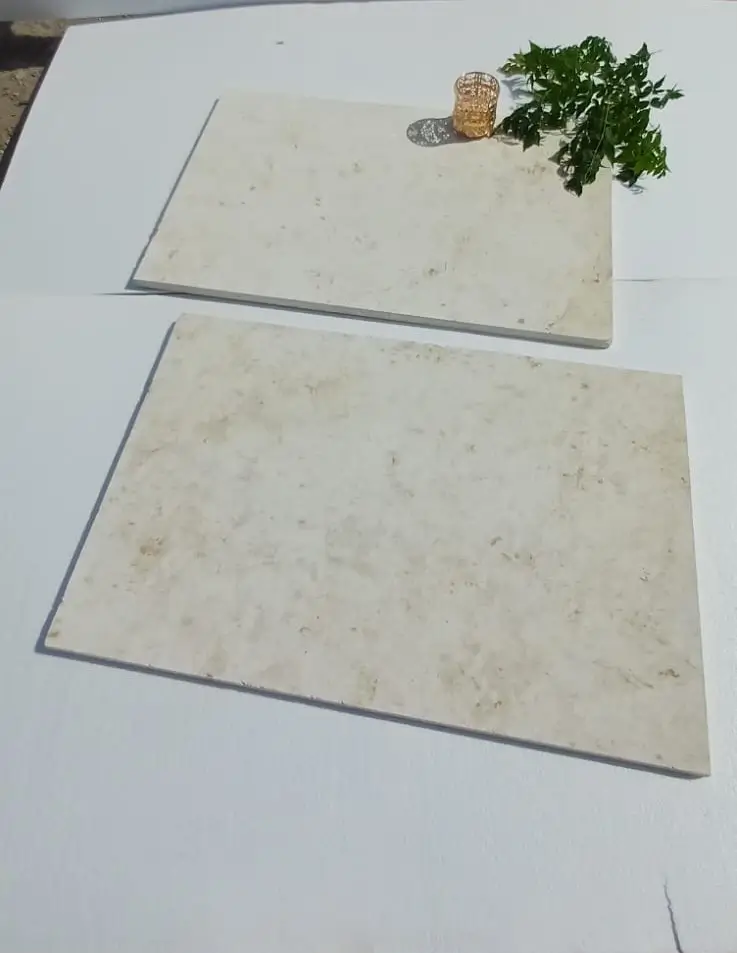
Natural rock paving stones and slab formats need sealing that targets two distinct threats in Arizona: UV degradation of the surface mineral matrix and storm-driven moisture penetration at joint interfaces. A penetrating impregnator sealer — silane-siloxane based, not surface film — is the correct product for outdoor applications. Film sealers trap moisture if applied over incompletely dried stone, and Arizona’s monsoon events can introduce moisture faster than a film sealer’s vapor permeability can manage, causing trapped-moisture blister failure at the surface.
In Tucson, where monsoon intensity is statistically higher than northern Arizona locations, a biennial resealing cycle is appropriate for natural stone garden slabs and patio stone installed in full sun exposure. Partially shaded or covered installations can extend that to every three years without meaningful performance loss. The indicator that resealing is due is water absorption rate on the surface — if water no longer beads and instead darkens the stone within 30 seconds, the sealer has depleted and moisture is entering the material matrix.
- Penetrating silane-siloxane impregnator sealers: correct product class for all outdoor natural stone in Arizona
- Film sealers: avoid on outdoor applications — moisture entrapment risk during monsoon events causes blister failure
- Biennial resealing cycle recommended for full-exposure applications in high-monsoon zones
- Water absorption test: if stone darkens within 30 seconds, resealing is overdue
- Joint sand inspection post-storm: polymer sand washout at joints is a maintenance indicator requiring topping up
- Post-storm surface cleaning: flush debris before grit becomes embedded in softer stone surfaces under subsequent foot traffic
Order Natural Stone Pavers Wholesale in Arizona — Arizona Delivery Available
Citadel Stone stocks natural stone pavers wholesale in Arizona in a range of formats suited to the storm-exposure and application demands covered in this article. Available materials include natural granite slabs, basalt block paving, dense limestone garden and patio formats, and natural grey block paving in standard 100×200mm and 200×200mm segmental sizes. Thickness options run from 20mm for covered patio tile applications through to 60mm vehicle-rated driveway formats. Request sample tiles, batch specification sheets, and thickness confirmation directly from the Citadel Stone team before committing to project quantities — a step that’s particularly valuable for specifiers sourcing material for the first time or for storm-exposed applications where density verification matters.
Trade and wholesale enquiries are handled directly, with pricing structured around full-pallet and multi-pallet volumes. Lead times from warehouse to Arizona job sites typically run 1–2 weeks for stock formats, with custom-cut or non-standard thickness orders carrying 4–6 week lead times from quarry allocation. Delivery coverage extends across the state, including metropolitan Phoenix, Tucson, Scottsdale, and regional projects in Flagstaff, Sedona, and Yuma corridors. Contact Citadel Stone to schedule a material consultation, request a project quote, or confirm stock availability against your project timeline. As you finalize your Arizona hardscape specification, complementary surface performance considerations are worth reviewing — Non Slip Outdoor Paving Slabs in Arizona addresses the slip-resistance dimension that storm-wetted surfaces demand. For Arizona projects requiring natural stone driveway blocks at wholesale volume, Citadel Stone provides the material expertise and regional supply chain to keep your work on schedule.