

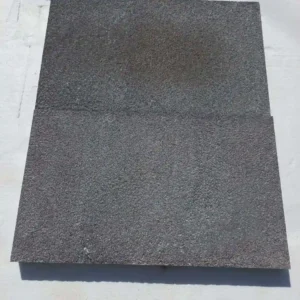
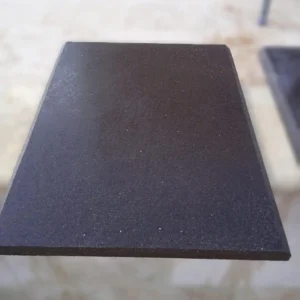
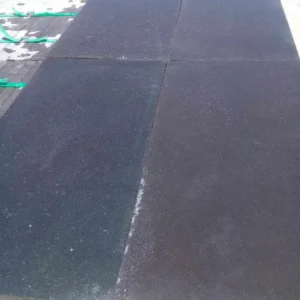
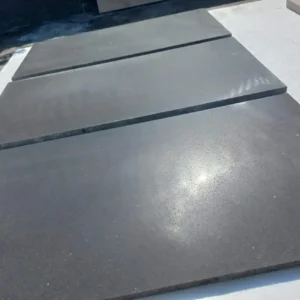

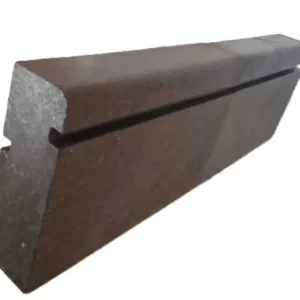
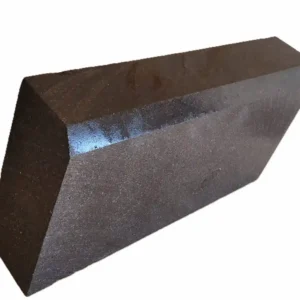
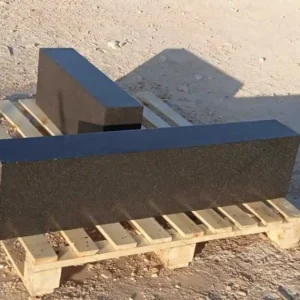
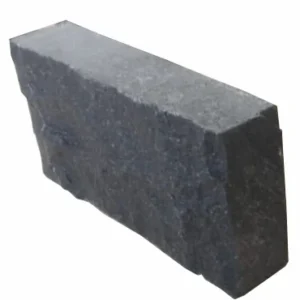

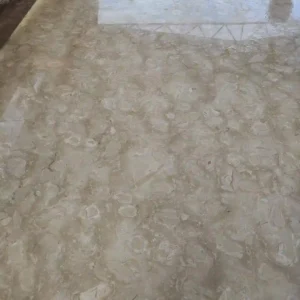
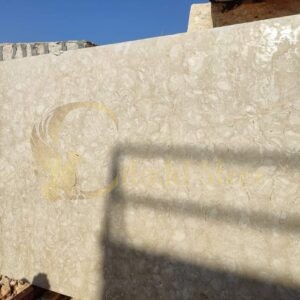
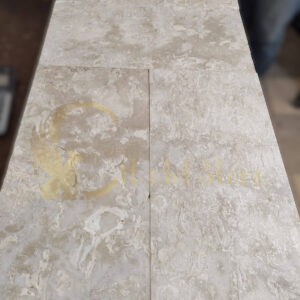
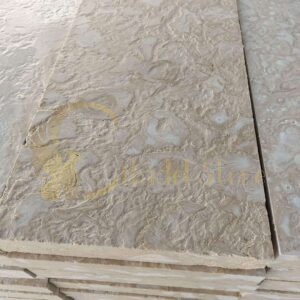
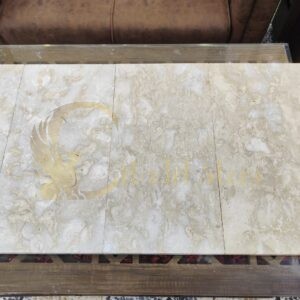
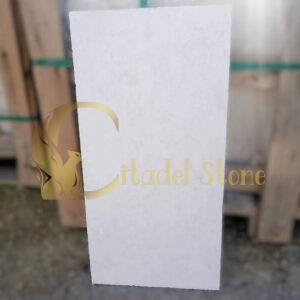

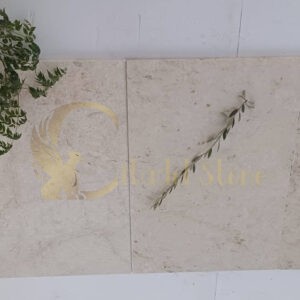
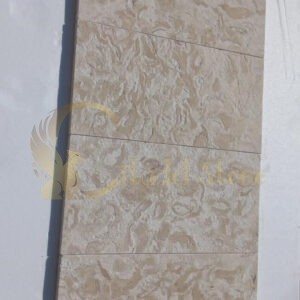
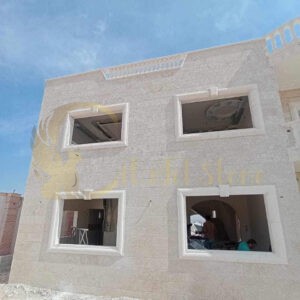
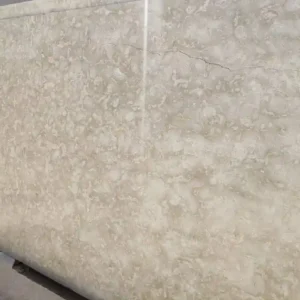
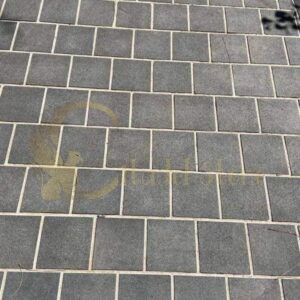
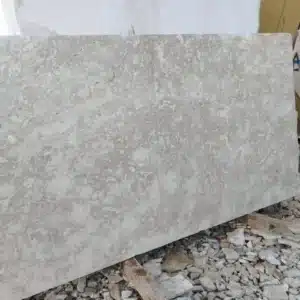

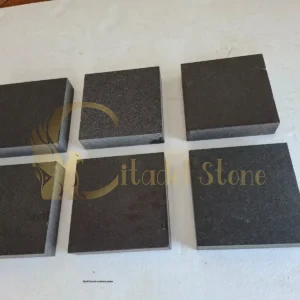
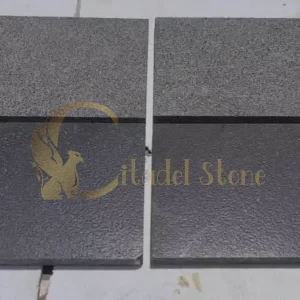
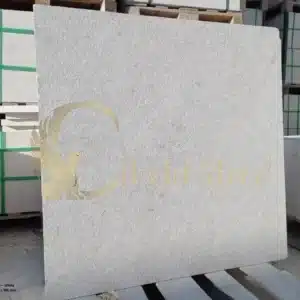


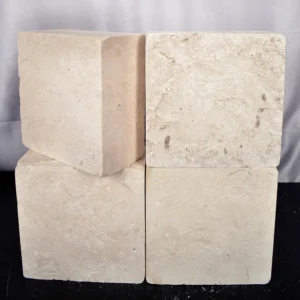
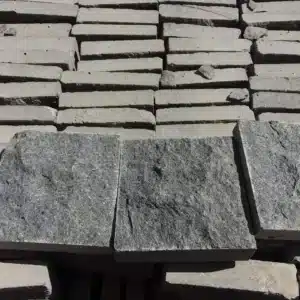
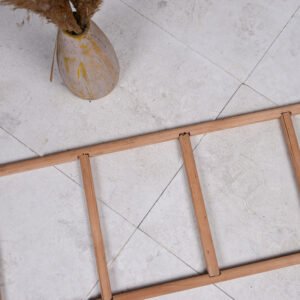
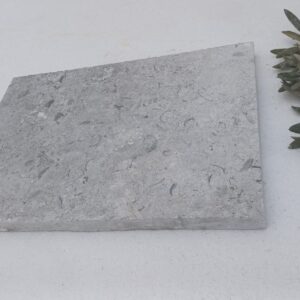
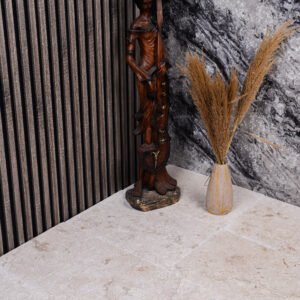
Specifying patio natural stone pavers in Arizona without accounting for UV degradation is the single fastest way to guarantee a callback — surface oxidation and color shift begin within the first season, not the fifth. The interaction between Arizona’s ultraviolet index, which regularly exceeds 11 during peak summer months, and the mineral binders within natural stone creates a weathering profile that’s fundamentally different from what you’d encounter in a Pacific Northwest or Mid-Atlantic project. Understanding how specific stone types respond to that UV load — not just heat — determines whether your patio installation holds its character for two decades or looks washed out within three years.
How UV Exposure Affects Natural Stone Pavers in Arizona
The damage mechanism most specifiers underestimate isn’t thermal expansion — it’s photochemical oxidation. Arizona’s UV index drives a photo-oxidation cycle in iron-rich minerals present in many natural stones, causing the characteristic orange and brown surface bleed you’ve probably seen on lighter-toned limestone or sandstone installations around Phoenix. The iron compounds sitting near the surface plane oxidize faster than the subsurface material, creating a visual color differential that sealing alone won’t reverse once it’s set in.
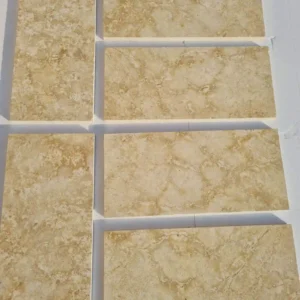
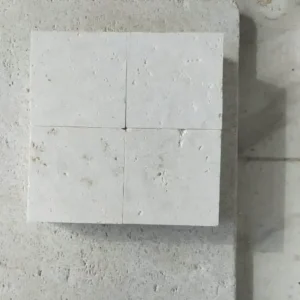
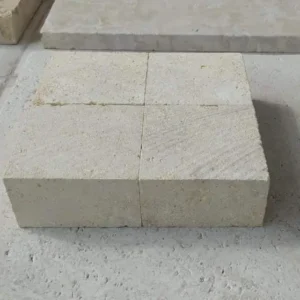
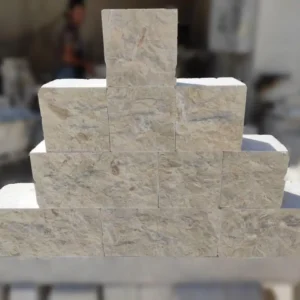
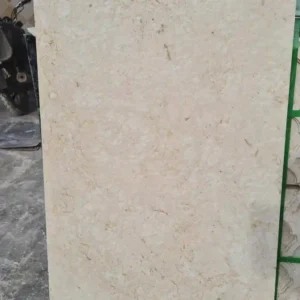
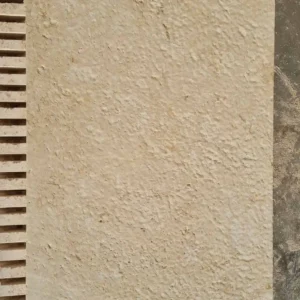
Natural stone varieties differ dramatically in their UV resistance based on mineral composition. Dense, low-porosity stones — particularly basalt and harder limestone — exhibit far less photochemical change than more porous sedimentary options. Travertine’s open-pore structure, while thermally advantageous for barefoot comfort, also allows UV penetration deeper into the stone face, accelerating the color shift in unfilled or lightly filled installations. According to Natural Stone Institute outdoor stone selection guidance, understanding mineral composition before specifying for high-UV climates directly affects long-term appearance retention.
For patio applications, your finish selection compounds the UV effect significantly. Polished surfaces reflect UV radiation more efficiently than honed or tumbled finishes, but they also show UV-induced color shift with more contrast against the reflective background. Honed finishes in the 400–600 grit range typically balance UV reflectance with the micro-texture needed for outdoor slip resistance — a trade-off you’ll want to nail down before the stone leaves the warehouse.

Stone Types and UV Performance for Arizona Patios
Choosing patio natural stone pavers in Arizona requires you to rank UV stability as the primary selection criterion — not aesthetics, not price, not even compressive strength. Here’s how the main categories actually perform under Arizona’s radiation load:
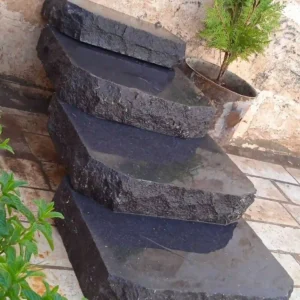
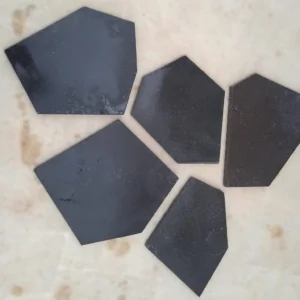
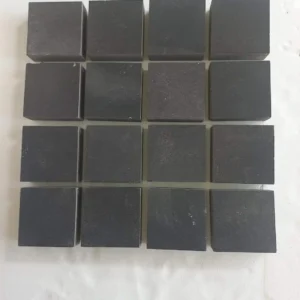
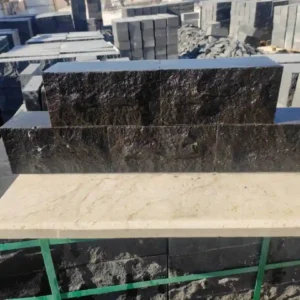
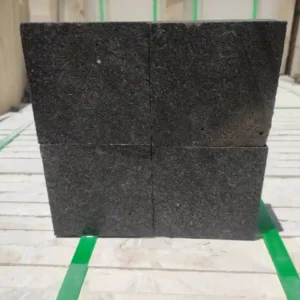
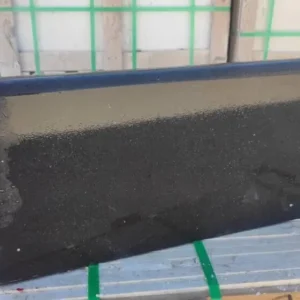
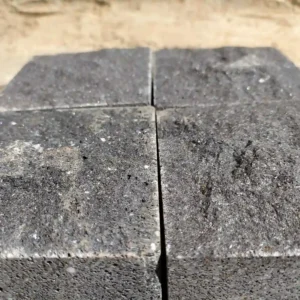
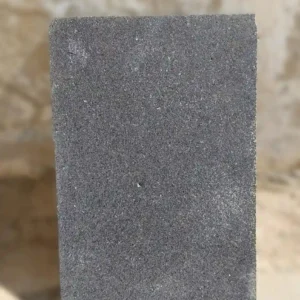
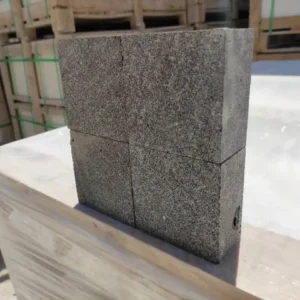
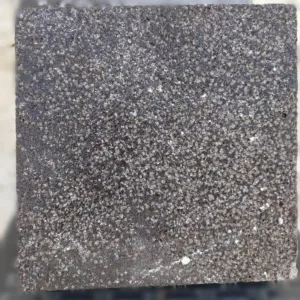
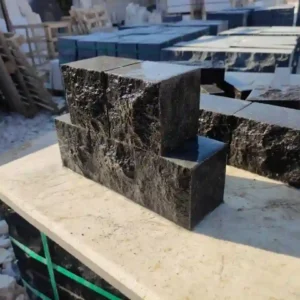
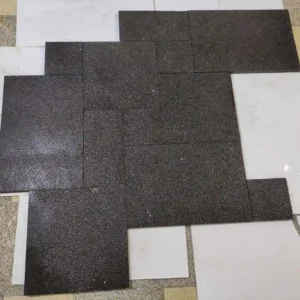
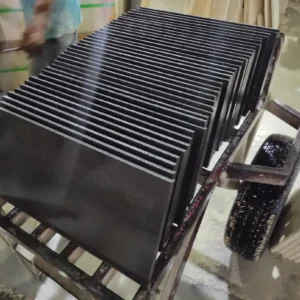
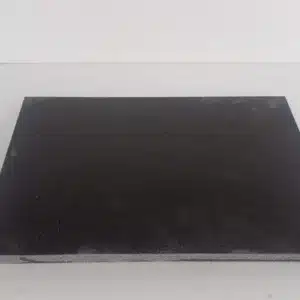
- Basalt and dark igneous stones exhibit minimal UV color shift because their iron-rich minerals are already fully oxidized during volcanic formation — what you see on day one is effectively what you’ll see in year fifteen
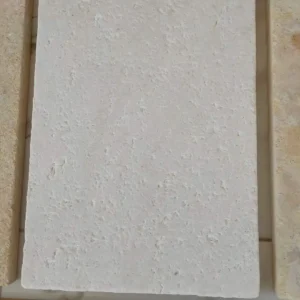
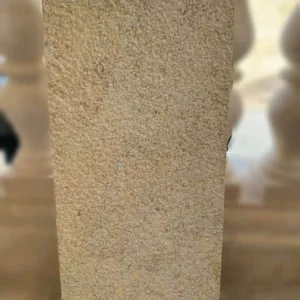
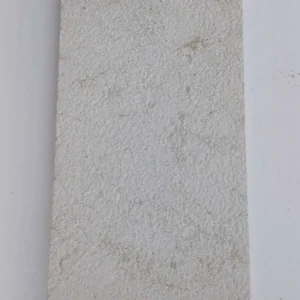
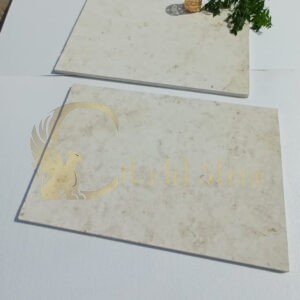
- Limestone in the buff, cream, and ivory tonal ranges fades toward a chalky white under sustained UV exposure, particularly in western-facing installations where afternoon radiation angles are most direct
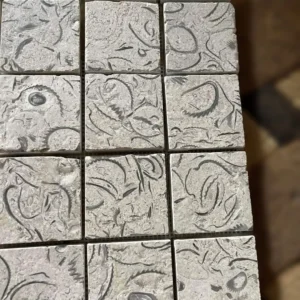
- Travertine’s calcium carbonate matrix is chemically stable under UV, but the fill material in filled-and-honed products can discolor at a different rate than the parent stone, creating a patchwork appearance by year three to five
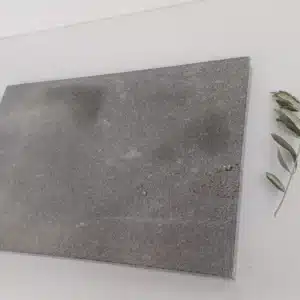
- Granite pavers for back patio installations in Arizona are among the most UV-stable options available — the crystalline silicate structure resists both photo-oxidation and surface spalling under thermal cycling
- Slate’s laminar structure makes it vulnerable to surface delamination when UV exposure combines with moisture cycling, particularly in Scottsdale installations where monsoon humidity follows extended dry periods
The USGS dimension stone production and use data confirms granite’s dominance in high-performance outdoor paving precisely because of its crystalline density and resistance to surface degradation across extreme climate conditions. For most Arizona patio projects, specifying granite or dense limestone as your primary stone gives you the most predictable UV performance over a 20-year horizon.
Citadel Stone sources each patio stone batch through established quarry partners and conducts warehouse quality checks for color consistency and surface integrity before materials ship — a step that matters more than most buyers realize when UV-induced color variation can differ between quarry pulls from the same deposit.
Size and Format Selection for Arizona Patio Projects
Format decisions interact with UV performance in ways that aren’t immediately obvious. Larger-format stones — 24 x 24 natural stone pavers and 24 x 36 patio stone formats — create wider joint spans, which means more of the installation’s total area is actual stone face rather than joint material. That’s relevant for UV stability because quality joint compounds often degrade faster under UV exposure than the parent stone, and a 24 x 36 patio stone layout with 3/16-inch joints shows joint degradation far less visually than a smaller-format cobblestone grid with proportionally more joint area.
- 24 x 24 patio stone formats are the most commonly specified for residential Arizona patios — the format balances visual scale with manageable installation weight and provides consistent UV exposure across the full face
- Large rectangular stepping stones in 24 x 36 or 24×30 patio stone dimensions work well for pool surround and garden pathway applications where you need visual continuity without small-format grout lines collecting UV-degraded debris
- 12×24 outdoor pavers in Arizona offer better workability on curved layouts and irregular perimeters — you’ll sacrifice some of the monolithic visual weight of larger formats but gain layout flexibility on complex site geometries
- Square stone pavers in 16×16 formats remain popular for traditional-style Arizona gardens where a human-scaled grid pattern is the design intent
- 30×30 patio stone and square patio stone 24×24 formats dominate commercial patio specifications in the Phoenix metro area where durability and low maintenance cost over the life cycle matter more than initial material cost
Thickness is equally non-negotiable for Arizona conditions. You’ll want a minimum 1.25-inch nominal thickness for any pedestrian patio application, and 1.5-inch to 2-inch for situations where vehicle overhang or occasional cart traffic is realistic. Thinner formats — the 3/4-inch stone tile products that look attractive in warehouse samples — flex under thermal cycling and fail at joint interfaces within two to three seasons in Arizona’s temperature range.
Base Preparation and Drainage for Arizona Patio Stone
The base system underneath your patio natural stone pavers does more UV-protection work than most installers credit it with. Here’s the logic: thermal cycling at the base-to-stone interface drives micro-movement that opens surface cracks, and those cracks become UV entry points that accelerate oxidation at the fracture face. A properly compacted 6-inch aggregate base using 3/4-inch crushed stone eliminates the differential settlement that causes those hairline cracks.
Soil conditions in Arizona vary enough between regions that a single base specification won’t serve every project. In Tucson, you’re frequently dealing with expansive clay soils in the lower elevations that require geotextile fabric between native soil and compacted aggregate to prevent clay migration into the base layer. In Phoenix’s Valley floor, the decomposed granite subgrade is typically more stable and compacts predictably, but it still requires 90–95% Proctor density verification before you set bedding sand.
- Bedding sand layer should be 1 inch nominal, screeded flat with a 1.5% minimum cross-slope for drainage — Arizona’s monsoon events deliver enough water volume to overwhelm a flat installation within minutes
- Expansion joints every 12 to 15 linear feet are non-negotiable for large-format stone patio outdoor flooring in Arizona — the coefficient of thermal expansion for most natural stone runs between 3 × 10⁻⁶ and 7 × 10⁻⁶ per °F, and the temperature differential between a summer surface at 140°F and a winter night at 28°F is enough to crack rigid full-mortar installations without relief joints
- Edge restraint systems for outdoor landscaping stones should be staked at 12-inch intervals maximum in loose sandy soils — standard 18-inch spacing from manufacturer specs assumes cohesive soil conditions most Arizona sites don’t provide
- Drainage slope across the full patio surface should target 1/8 inch per linear foot minimum — steeper than standard concrete patio specs because natural stone joints hold moisture longer than sealed concrete surfaces
For projects requiring assistance with non-standard base conditions or custom cuts on irregular perimeters, Citadel Stone’s technical team can advise on thickness tolerances and format availability before your project reaches the installation phase. Confirming warehouse stock on your specified stone format early in the planning process also prevents the mid-project substitution problem that derails more Arizona patio timelines than any other single factor.
Sealing and UV Protection for Natural Stone Patios
Sealing patio natural stone pavers in Arizona isn’t optional maintenance — it’s the primary UV mitigation strategy you have available after installation. The sealant layer acts as a sacrificial UV absorber that slows photo-oxidation of the mineral surface beneath. The key variable most homeowners and even some contractors get wrong is the type of sealant chemistry relative to stone porosity.
Penetrating silane-siloxane sealers work into the stone matrix rather than forming a surface film, which means UV radiation hits the sealer within the stone rather than a glossy surface coat. For patio stone backyard applications in Arizona, penetrating sealers deliver superior UV protection because they don’t yellow or chalk under UV the way acrylic topcoat sealers do. Topcoat sealers on outdoor stone in Arizona typically fail within 18–24 months under direct sun exposure, creating a peeling surface that’s more problematic than unsealed stone.
- Apply penetrating sealer to dry stone at temperatures between 50°F and 85°F — Arizona’s summer heat means morning application windows before 9 AM are your practical target during June through September
- Reapply every 2–3 years for most natural stone patio tiles — travertine and more porous limestone formats may need annual reapplication in high-UV western exposures
- Test sealer absorption by placing a few water drops on the stone surface — if they absorb within 3–4 minutes, the stone needs sealing; if they bead immediately, existing sealer is still performing
- UV-stable sealers with titanium dioxide additives provide enhanced UV blocking chemistry — this is a premium specification worth the additional cost for south and west-facing patio installations in Yuma or the western Phoenix suburbs where daily UV load is highest
According to ASLA outdoor patio material selection guidance, climate-appropriate sealing and surface treatment protocols are among the most impactful factors in long-term natural stone patio performance — particularly in arid, high-UV regions where solar degradation outpaces mechanical wear as the primary failure mode.
Finish Options and Slip Resistance for Outdoor Stone in Arizona
Finish selection for Arizona patio projects involves a three-way trade-off that doesn’t resolve the same way in every climate. You’re balancing UV reflectance, barefoot comfort during summer heat, and wet slip resistance during monsoon season — and none of these three priorities point to the same finish.
Tumbled finishes on square outdoor stone tiles and patio cobblestone applications create natural micro-texture that delivers excellent COF (coefficient of friction) values in wet conditions without requiring saw-cut anti-slip grooving. The rounded edges from tumbling also reduce the sharp corner chipping that’s common on full-square-cut pavers when thermal cycling creates micro-movement at joint interfaces. For patio walkway stones and patio walking stones in residential applications, tumbled limestone or tumbled travertine is frequently the finish that performs best across all three criteria simultaneously.
- Honed finishes at 400 grit provide a matte surface with moderate UV reflectance and adequate slip resistance for dry conditions — specify a brushed texture on top of honed for wet-area applications like pool patio surrounds
- Flamed finishes on granite paver stone tile produce excellent slip resistance through thermal micro-fracturing of the surface — this is the correct specification for stone walkway floor sections that will be consistently wet or shaded
- Sandblasted finishes work well on stone patio backyard applications where a matte natural look is the design intent, but they increase porosity slightly, requiring more frequent sealer application under Arizona UV conditions
- Polished finishes are appropriate for covered patio areas only in Arizona — direct UV on polished natural stone in open patio applications creates surface glare that exceeds comfortable visual threshold and accelerates color shift visibility
The ADA’s walkway surface firmness and accessibility standards specify minimum slip resistance thresholds that your finish selection must meet for any commercial or publicly accessible patio space — a detail worth confirming with your stone supplier before locking in a finish specification on large-format paving stone tiles.

Application Contexts: Patios, Walkways, and Stepping Stones in Arizona
Different patio applications within the same Arizona property can justify entirely different stone specifications — and understanding those distinctions separates installations that age well from those that require piecemeal replacement within a decade. Your back patio dining area, your garden stepping stone path, and your driveway approach all experience different UV exposure angles, traffic loads, and moisture cycling patterns.
For main patio areas, large square stepping stones in 24 x 24 or large outdoor stone tiles in 24 x 36 format create the visual scale and stone-face dominance that reads well in Arizona’s open landscape. The critical specification detail here is joint width — 3/16-inch joints with UV-stable polymeric sand rather than standard jointing sand. Standard sand joint material breaks down under UV and thermal cycling within two years in Arizona conditions, whereas polymeric jointing products with UV inhibitors maintain joint integrity for five to eight years between replacements.
For stepping stones for yard applications and patio block walkway layouts, the spacing and bedding detail matters more than stone format selection. Stepping stone tiles set in decomposed granite or compacted gravel should be bedded on a 2-inch sand-cement dry-pack layer rather than loose sand — loose sand bedding allows rocking under point load, which creates UV-entry cracks at the stone underside that eventually propagate to the face. For 24 in stepping stones and large rectangular stepping stones in pathway applications, you’ll also want a minimum 3-inch overhang beyond the stone edge if you’re using metal edging — Arizona’s soil conditions cause edging to shift seasonally, and an edging system that undercuts the stone edge creates a hidden failure point.
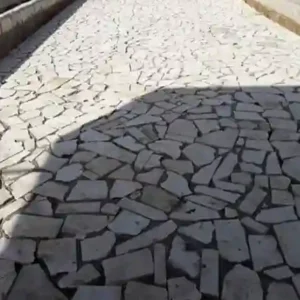
Round cobblestone patio sections and patio cobblestone border details deserve special attention in Arizona UV conditions because the multiple faces and angles of cobblestone create uneven UV exposure across the installation — some faces receive direct radiation while others are in permanent shadow, creating color differential that becomes increasingly visible as the installation ages. For projects where patio and stone design calls for cobblestone accents, specifying a darker-toned stone — dark basalt or charcoal-range granite — minimizes the visible contrast between UV-exposed and shaded faces. Base preparation standards vary depending on soil composition and expected traffic loads. For projects requiring complementary small-format stone elements, Patio natural stone pavers from Citadel Stone covers specification details that apply to similar site conditions. Getting the subgrade right at this stage prevents the most common long-term failures.
Maintenance and Long-Term Performance for Arizona Patio Stone
Your maintenance schedule for outdoor paving stone in Arizona needs to account for the cumulative UV load that builds across seasons, not just seasonal cleaning. The visual performance of patio natural stone pavers degrades through two distinct pathways: surface oxidation driven by UV photo-chemistry, and surface abrasion from wind-transported quartz sand particles that are endemic to Arizona’s desert environment. Managing both requires separate maintenance protocols.
For UV oxidation management, your resealing schedule is the primary tool. Every two to three years for most stone types, annually for high-porosity travertine in direct-sun applications. Before resealing, clean the surface with a pH-neutral stone cleaner — not acid-based products, which accelerate the iron oxidation you’re trying to prevent. An oxalic acid treatment can address existing iron stain deposits before resealing, but it should be followed immediately by neutralization and sealer application to prevent fresh oxidation in the cleaned surface.
- Wind-abrasion maintenance requires periodic inspection of the stone surface for micro-pitting — a problem that’s especially common on honed limestone and travertine patio slabs 24×24 and larger where the broad face offers more exposure to sand-carrying winds
- Joint sand replenishment is needed every two to three years regardless of the jointing compound used — Arizona’s thermal cycling gradually works jointing material out of deeper joints through expansion and contraction cycles
- Moss and algae growth is less common in Arizona than in humid climates, but north-facing and shaded patio sections adjacent to irrigation zones can develop biological growth — address with a diluted bleach solution followed by pH-neutral rinse and reseal
- Efflorescence — the white mineral salt deposits that migrate from below through stone joints — appears most frequently on new installations during the first monsoon season; a diluted white vinegar wash removes fresh efflorescence, while persistent deposits require a specialized efflorescence remover formulated for natural stone
Citadel Stone ships natural stone patio materials across Arizona from regional inventory, which typically means your truck delivery arrives within one to two weeks rather than the six-to-eight-week import cycle that disrupts project schedules when you’re sourcing direct from overseas. Confirming your format and quantity against current warehouse stock before your installation date prevents the last-minute material shortage that forces costly substitutions mid-project.
Order Patio Natural Stone Pavers — Direct Supply from Citadel Stone
Citadel Stone stocks patio natural stone pavers in Arizona across the full range of formats your project may require — including 24 x 24 natural stone pavers, 12×24 outdoor pavers, 24 x 36 patio stone, and 16×16 square paver stones, in limestone, travertine, basalt, and granite options across multiple finishes. Available finishes include honed, tumbled, flamed, brushed, and sandblasted to match both residential and commercial project specifications.
You can request sample tiles or thickness specifications from Citadel Stone before committing to a full order — a step that’s particularly valuable when specifying for UV-sensitive applications where visual color approval on the actual stone batch matters. For trade and wholesale inquiries, the process is straightforward: contact Citadel Stone with your square footage, format preference, and finish requirement, and the team will confirm current warehouse availability along with lead times for your delivery location across Arizona.
Delivery coverage extends statewide — from the Phoenix and Mesa metro area through Scottsdale commercial projects to more remote residential sites in Flagstaff, where elevation and freeze-thaw cycles add an additional specification layer beyond UV resistance alone. For projects requiring custom cuts, radius work on curved patio edges, or non-standard thicknesses, Citadel Stone can advise on fabrication lead times and the most suitable stone varieties for your cut geometry. For a broader look at complementary Arizona stone products, stone tile options for Arizona projects covers additional surface applications that pair well with exterior patio specifications. Citadel Stone supplies Patio natural stone pavers to Arizona contractors working across Flagstaff, Sedona, and Yuma on residential and commercial sites.


