













50 Years Of Manufacturing & Delivering The Highest-Quality Natural Stone. Sourced & Hand-Picked From The Middle East.

Escrow Payment & Independent Verifying Agent For New Clients

Contact Me Personally For The Absolute Best Wholesale & Trade Prices:

USA & Worldwide Hassle-Free Delivery Options – Guaranteed.

Outdoor Natural Stone in Arizona

Budgeting for outdoor natural stone in Arizona starts with understanding where your material is actually coming from — and Citadel Stone supplies outdoor natural stone direct to Arizona buyers, eliminating the import broker layer that inflates costs and extends lead times on many competing supply channels. For contractors and homeowners in Phoenix, Tucson, and Scottsdale, that direct-supply model translates into more predictable unit pricing and tighter project scheduling. Citadel Stone Outdoor Natural Stone in Arizona is available across a range of finishes and thickness profiles — from honed surfaces suited to covered outdoor living areas to textured, slip-resistant options appropriate for pool surrounds and open patios. Wholesale and trade pricing is accessible to contractors and architects specifying at project scale, with specification support available to help narrow format and finish selection before orders are placed. How freight distance and regional inventory levels affect your final per-square-foot cost is a key budgeting variable worth understanding before committing to a material. Citadel Stone stocks Outdoor Natural Stone in varied finishes and thicknesses for Arizona projects across Phoenix, Tucson, and Scottsdale.

See & Feel the Quality – Free Arizona Stone Samples

Our stones are made for the Arizona sun. See how the colors hold up in your specific light.

Design Your Arizona Home with a Local Stone Expert

Get personalized advice on the best stone for Arizona's climate and your design style.

Premium Natural Stone — All Sizes & Thicknesses Available

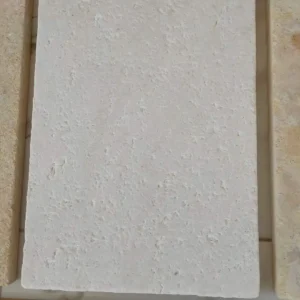
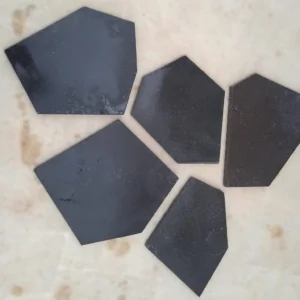
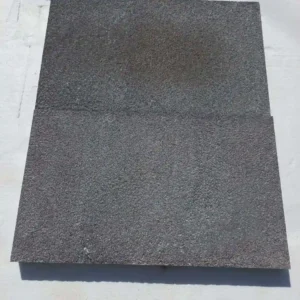
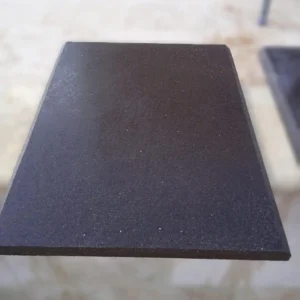
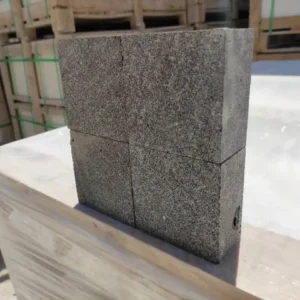
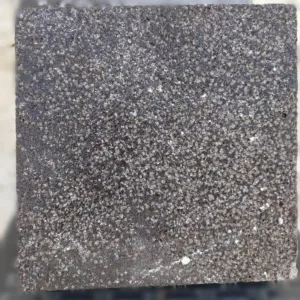
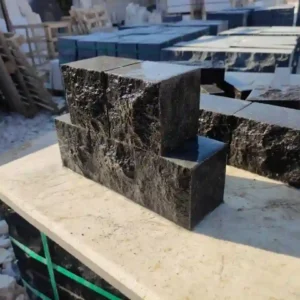
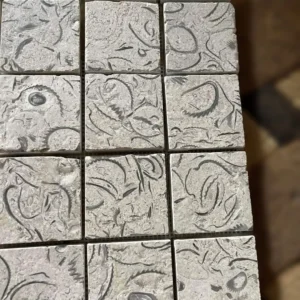
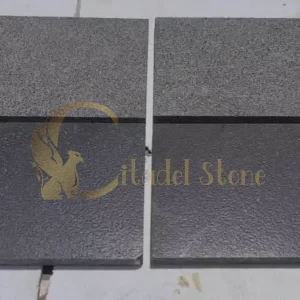
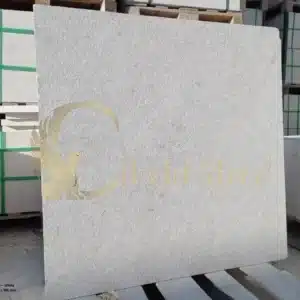
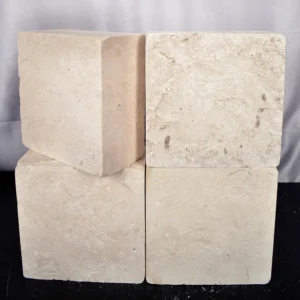
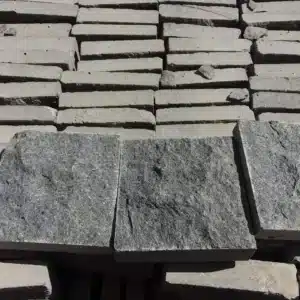
From standard cuts to fully custom dimensions — our limestone, granite, basalt & shellstone
are cut to your exact specifications. Residential or commercial, we’ve got you covered.

Showing all 69 resultsSorted by popularity

Get Your Free Arizona Stone Quote

Transparent Pricing for Your Arizona Project

Elevate Your Arizona Property with Premium Stone, Priced for Value.

Unlock $10,000 Worth of Deals on Beautiful Paver, Tiles & Cobble Setts—For Free!

Invest in Arizona’s Landscape: Stone That Lasts a Lifetime.

100% Happiness Guarantee

Trust 50 Years of Expertise. Invest in Quality Limestone Tiles

Custom-Cut for Your Arizona Project: Any Size, Any Finish.

No-Obligation Consultation: Get Expert Advice for Your Arizona Home.

The Stone Supplier Trusted by Arizona's Leading Architects & Designers.

Arizona's Most Diverse Selection of Natural Stone.

Elevate Your AZ Property with Natural Stone Built for the Desert. Our expansive collection of Natural Stone brings timeless beauty and proven durability to both residential and commercial spaces across Arizona. As the state’s leading supplier, we offer a diverse palette of colors and finishes—from cool, light tones that reflect the sun to rich, earthy textures that complement the Southwest landscape. Transform your environment with limestone that stands up to the Arizona heat while providing the sophisticated aesthetic you desire.

Incredible Prices for Top-Quality Stone—Shop Citadel Stone Today!

Table of Contents

Budgeting for outdoor natural stone in Arizona catches a lot of project managers off guard — not because the material itself is expensive, but because freight distance and regional sourcing dynamics can add 15–30% to your initial cost estimate before a single paver hits the ground. Understanding how the Arizona market prices natural stone outdoor tile, where material actually comes from, and what drives lead times is the foundation of a realistic project budget. The difference between a well-specified installation and an overrun comes down to sourcing decisions made weeks before installation begins.

Cost Factors for Natural Stone in the Arizona Market

Arizona sits far from the major stone processing corridors on the East Coast and Southeast, which means freight adds real dollars to every order. A pallet of natural stone patio flooring in Arizona that costs $4.50 per square foot at the quarry distributor can realistically land at your Phoenix jobsite at $6.00–$7.50 per square foot once you account for trucking from regional warehouses, fuel surcharges, and liftgate fees. You need to build that freight delta into your initial specifications — not your contingency budget.

Material availability locally also shapes pricing. Arizona has limited domestic quarry production, so most natural stone products are sourced from imports or Eastern U.S. quarries, then staged through distribution warehouses before final truck delivery to your site. That two-step logistics chain means price volatility follows shipping rates more closely than raw material costs. Verify warehouse stock levels before committing to project timelines, because a product listed as available can show a 4–6 week restocking delay if the regional warehouse has been cleaned out by competing commercial projects.

  • Freight from regional warehouse to Phoenix typically adds $0.80–$1.50 per square foot on full pallet orders
  • Less-than-truckload (LTL) shipments carry disproportionate per-unit freight costs — consolidate orders where possible
  • Seasonal demand spikes in late winter and early spring push lead times out as contractors front-load project schedules
  • Custom cuts and non-standard formats require fabrication lead time that adds 2–4 weeks beyond standard warehouse stock
  • Import stone (particularly from Portugal, Turkey, and India) often prices competitively but carries longer restocking cycles of 8–12 weeks

Citadel Stone maintains regional inventory across Arizona, which typically compresses lead times to 1–2 weeks compared to the 6–8 week import cycle that catches many project schedules. You can request sample tiles and thickness specifications before committing to an order — a step that prevents the costly scenario of receiving material that doesn’t match your approved submittal.

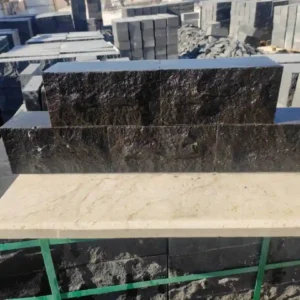
Citadel Stone distribution facility stores outdoor natural stone in Arizona within reinforced wooden crates.

Natural Stone Types for Outdoor Applications in Arizona

The Arizona outdoor environment demands materials that handle UV radiation, thermal cycling, and occasional freeze-thaw at elevation — but material selection also has to make economic sense given regional freight realities. Limestone, travertine, basalt, and granite each occupy a different price-performance tier once freight is factored in.

Travertine remains the most common choice for natural stone patio flooring in Arizona because it’s widely stocked regionally, arrives in consistent thickness tolerances, and its open-pore structure moderates surface temperatures better than denser alternatives. According to Natural Stone Institute travertine properties and outdoor suitability, travertine’s absorption characteristics actively moderate surface heat in high-UV climates — a meaningful performance factor for barefoot pool surround and patio applications. Filled and honed finishes in 18×18 and 24×24 formats are the regional workhorses for residential patios.

Basalt and granite command a price premium in Arizona because they’re denser, heavier per square foot, and therefore more expensive to freight. They’re the right specification for high-traffic applications like natural stone parking tiles in Arizona and commercial plazas where compressive strength above 20,000 PSI is a real performance requirement, not just a marketing claim. For garden flooring and residential patio work, the additional cost rarely translates into proportional performance benefit.

  • Travertine: most cost-effective for patios and pool surrounds — widely stocked in Arizona
  • Limestone: competitive pricing in cream and grey tones; natural stone garden flooring in Arizona spec commonly uses 2-inch nominal thickness
  • Basalt: premium freight cost, justified for commercial and high-traffic applications
  • Granite: highest abrasion resistance, highest freight cost — specify for driveways and heavy-load zones
  • Sandstone and flagstone formats: variable regional availability; confirm warehouse stock before specifying

Format Selection for Natural Stone Outdoor Flooring

Format decisions directly affect your per-square-foot installed cost — more so in Arizona than in states with denser supplier networks. Large-format slabs (24×24 and larger) require more careful freight handling, generate more breakage risk during truck delivery to remote sites like those common around Flagstaff, and demand a flatter, more precisely prepared subbase. Factor those downstream installation costs into your format decision early.

Natural stone garden tiles in Arizona most commonly land in the 12×12 through 16×16 range for garden paths and informal outdoor spaces — easier to handle, lower installation labor cost, and more forgiving of minor base irregularities. Natural stone pattern flooring uses mixed sizes from a single material lot, which can be efficient when specifying versailles or random ashlar layouts because you minimize cut waste and reduce the number of individual SKUs you need to track through the supply chain.

  • 12×12 and 16×16: lowest freight damage rate, most labor-efficient, highest regional stock availability
  • 18×18 and 24×24: standard for patio and pool deck applications — stock levels vary by season
  • Versailles/pattern sets: order as a complete set from a single batch to ensure color consistency
  • Large format (24×48 and above): premium freight cost, longer lead times, requires 1.25-inch minimum thickness for outdoor use
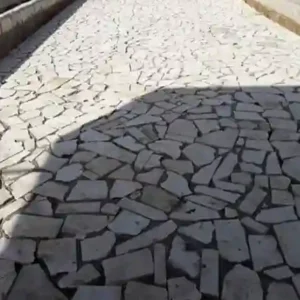
  • Irregular flagstone: priced by the ton rather than square foot — factor 15–20% waste into your quantity estimate

For projects requiring custom cuts or non-standard formats, Citadel Stone’s team can advise on fabrication lead times so you can build accurate delivery windows into your project schedule before breaking ground.

Base Preparation and Drainage for Arizona Outdoor Stone

Base preparation is where most Arizona natural stone outdoor tile installations succeed or fail — and where the real cost variables hide. The caliche layer common throughout the Sonoran Desert basin creates a drainage barrier that traps water above the subgrade, accelerating joint deterioration and causing heaving in areas with seasonal moisture swings. You need to assess caliche depth before you budget your base preparation, because breaking through it adds excavation cost that doesn’t show up in any standard spec sheet.

In the Tucson basin, caliche layers typically sit 18–36 inches below grade and vary in hardness from soft chalk to near-concrete consistency. A proper base for natural stone outdoor stone flooring in Arizona should include a compacted aggregate base of 4–6 inches for residential applications and 6–8 inches for areas subject to vehicle loads like natural stone parking tiles. Perforated drain pipe at the perimeter of large patio installations is worth budgeting separately — it prevents the edge lifting that’s common in monsoon season when water migrates laterally under impermeable stone surfaces.

Setting bed material also carries regional nuance. Dry-lay applications on compacted aggregate are common and cost-effective for garden paths and informal patio areas. Mortar-set installations over concrete slabs are standard for pool surrounds and formal patios. Mortar-set applications require you to account for thermal expansion at joint interfaces — Arizona’s temperature swing from winter night to summer midday can exceed 80°F, and joints set at 3/16 inch will close to near-zero at peak summer expansion without adequate accommodation. Per TCNA installation standards, exterior stone over concrete requires movement joints at a maximum of 8–10 feet on center in high-thermal-cycling environments.

Natural Stone Pool Tile and Wet Area Specifications

Natural stone pool tile in Arizona carries a specific set of performance requirements that differ from standard patio applications — and the pricing implications are worth flagging early. Pool-grade stone needs to meet slip resistance standards, handle repeated wet-dry cycling without surface delamination, and resist chemical exposure from pool treatment systems. Not all stone formats stocked for general outdoor use are appropriate for pool surrounds without finish verification.

Honed and brushed finishes on travertine and limestone are the standard specification for natural stone pool tile in Arizona residential and commercial projects. Polished finishes are inappropriate for wet surround areas — a point that seems obvious but still generates field conflicts when architects specify polished finishes on material they’ve seen in showroom samples. The slip resistance coefficient of friction for pool surrounds should meet a minimum 0.60 COF wet per ASTM C1028 slip resistance testing standards. Verify the finish specification against the actual product data sheet, not just the product description.

In Scottsdale, where resort-style pool environments push aesthetic expectations higher, specifiers frequently combine natural stone pool tile in waterline trim positions with complementary patio stone in the surround — creating a unified material palette at a blended cost that’s lower than using premium stone throughout. This approach also reduces freight complexity by consolidating material from a single supplier batch, keeping color consistency tight across formats that might otherwise vary between production runs.

  • Honed travertine (minimum 3/4-inch thickness): standard residential pool surround specification
  • Brushed limestone: appropriate for pool coping and step nosings where texture aids traction
  • Filled travertine: preferred over unfilled for pool areas — open pores trap pool chemicals and discolor over time
  • Avoid polished finishes entirely in wet zones regardless of material type
  • Waterline tile applications require frost-resistant stone if the pool is in an elevation zone above 4,000 feet

Natural Stone Garden Flooring, Walkways, and Pattern Layouts

Garden applications in Arizona benefit from natural stone’s thermal mass properties, but the design decisions around layout pattern and joint spacing have real cost implications that go beyond aesthetics. Natural stone garden flooring in Arizona performs best when the layout accommodates the site’s specific drainage gradient — water needs somewhere to go, and pattern layouts that create low points without drain access accelerate joint degradation and surface staining.

Stepping stone formats for garden paths require you to think about traffic patterns realistically. A 24×24 stepping stone on 6-inch centers looks elegant in a design drawing but creates a frustrating walking pace in practice. Closer centers (2–4 inch gap) are more functional and use more material — build that quantity premium into your budget. Natural stone tiles for garden in Arizona in irregular flagstone and tumbled travertine random patterns tend to read more naturally in desert landscape settings than rigid grid formats, and they’re more forgiving of the base settlement that’s common in sandy desert soils.

The ASLA outdoor patio stone material selection guidance highlights permeable joint approaches as particularly relevant in arid climates where water harvesting around planting areas can offset irrigation needs. Decomposed granite joints between natural stone panels in garden settings support this approach while also reducing installation cost compared to mortared joints. At Citadel Stone, we recommend verifying that your stone thickness is adequate for the joint width you’re specifying — thin tile formats (3/8-inch) in wide-joint applications tend to show edge chipping at the corners over time in pedestrian traffic zones. Base preparation standards vary depending on soil composition and expected traffic loads. For projects requiring complementary stone elements across multiple application zones, Outdoor Natural Stone from Citadel Stone covers specification details that apply to similar Arizona site conditions and helps you compare material performance side by side. Getting the subgrade right at this stage prevents the most common long-term failures in desert garden installations.

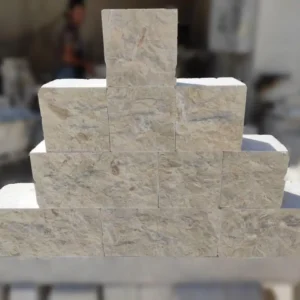
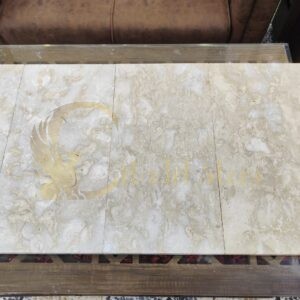
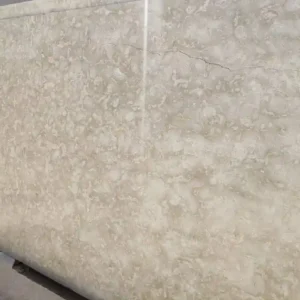
A close-up texture of travertine pavers showcases warm beige tones and natural veining.

Sealing and Long-Term Maintenance for Arizona Outdoor Stone

Arizona’s UV intensity degrades penetrating sealers faster than in most other U.S. climates — plan for an 18-month resealing cycle rather than the 3-year cycle that many product data sheets recommend for temperate climates. A sealer that tests well in a Chicago or Atlanta climate study loses effective protection in Phoenix conditions in roughly half that time. Budget the maintenance cycle into your lifecycle cost comparison when you’re evaluating natural stone outdoor stone flooring in Arizona against concrete alternatives.

Solvent-based penetrating sealers outperform water-based formulations in high-UV environments. They penetrate deeper into the stone matrix and resist UV degradation longer. The trade-off is VOC management during application — schedule sealer application in early morning hours during cooler months when evaporation rates are lower and ambient temperature doesn’t accelerate solvent flash-off before the sealer has penetrated adequately.

  • First sealer application: within 30 days of installation, after grout or joint material has fully cured
  • Resealing interval: 18 months in Phoenix-area and low-elevation installations
  • Resealing interval: 24–30 months at elevation (above 5,000 feet) where UV intensity remains high but thermal cycling also assists surface cleaning
  • Test sealer efficacy annually with a water bead test — when water soaks in rather than beading, reseal is overdue
  • Use pH-neutral cleaners only — acidic cleaners etch calcium-based stones like limestone and travertine permanently
  • Remove monsoon debris promptly — wet organic material trapped on stone surfaces causes tannin staining that’s difficult to reverse without professional chemical treatment

Mesa and Gilbert projects near agricultural zones encounter higher airborne mineral dust loads that accelerate surface soiling. In these locations, increase your cleaning frequency to quarterly rather than biannual — it’s far cheaper than dealing with the mineral scale buildup that bonds to porous stone surfaces over a full Arizona summer.

Natural Stone Parking Tiles and Commercial Heavy-Use Applications

Commercial applications for natural stone in Arizona — parking areas, plaza paving, entry courts — require thickness and material specifications that differ substantially from residential patio work. Natural stone parking tiles need to handle point loads from vehicle tires without flexing, which means minimum 2-inch nominal thickness in granite or basalt, set on a concrete or compacted aggregate base designed to the expected axle load. A residential-grade travertine paver in a parking application will fail within two to three monsoon seasons regardless of how good the base is.

Granite is the dominant specification for natural stone parking tiles in Arizona commercial projects because its compressive strength (typically 18,000–25,000 PSI) and abrasion resistance handle tire scuffing and edge loading without surface degradation. According to USGS dimension stone production data, granite accounts for the largest share of dimension stone used in U.S. commercial paving — a reflection of its proven load-bearing performance across climate zones. The freight premium for granite to Arizona sites is real, but it’s justified by the performance differential in high-load applications.

Truck access at the delivery site is a logistics variable that affects commercial project costs significantly. Many commercial sites in developing areas of Chandler and Peoria have restricted access for full-size flatbed trucks during active construction phases. Coordinate delivery scheduling with your site superintendent early — a re-delivery charge on a multi-pallet granite order adds up quickly, and warehouse re-stocking fees apply if material needs to be returned due to failed site access.

Get a Quote on Outdoor Natural Stone in Arizona from Citadel Stone

Citadel Stone stocks outdoor natural stone in Arizona in a range of formats suitable for patios, pool surrounds, garden paths, commercial plazas, and parking applications. Available materials include travertine in filled and honed finishes, limestone in cream and grey tones, basalt tiles in honed and brushed surface options, and granite in standard slab and tile formats. Standard in-stock sizes run from 12×12 through 24×24, with 24×48 large-format slabs available on request with fabrication lead times of 2–3 weeks. You can request sample tiles and full thickness specifications from Citadel Stone before committing to your project order — samples are available for residential, trade, and commercial accounts.

For trade and wholesale enquiries, Citadel Stone’s team works with landscape architects, general contractors, and stone installers on project-specific pricing, volume discounts, and delivery scheduling across Arizona. Lead times from regional warehouse stock typically run 1–2 weeks for standard formats. Custom cuts, specialty finishes, or non-standard quantities may extend lead times — contact the team early in your project design phase to confirm availability. Delivery coverage extends across the full state, from metro Phoenix and Tucson markets to regional projects in Flagstaff and Sedona. To discuss your project requirements, request a quote, or schedule a material consultation, reach out to Citadel Stone directly with your project scope and delivery address.

As you finalize your Arizona stone specification, related hardscape applications can inform your broader material decisions — natural stone patio pavers in Arizona covers complementary product options and installation guidance for patio-specific applications from Citadel Stone. Architects and builders in Flagstaff, Sedona, and Yuma specify Citadel Stone Outdoor Natural Stone for Arizona outdoor installations.

Why Arizona’s Builders Choose Citadel Stone?

Free AZ Comparison: Citadel Stone vs. Other Suppliers—Find the Best Value!

FeaturesCitadel StoneOther Stone Suppliers
Exclusive ProductsOffers exclusive natural stones sourced from selected quarriesTypically offers more generic or widely available stone options
Quality and AuthenticityProvides high-grade, authentic natural stones with unique featuresQuality varies; may include synthetic or mixed-origin stone materials
Product VarietyWide range of premium productsProduct selection is usually more limited or generic
Global DistributionDistributes stones internationally, with a focus on providing consistent qualityOften limited to local or regional distribution
Sustainability CommitmentCommitted to eco-friendly sourcing and sustainable production processesSustainability efforts vary and may not prioritize eco-friendly sourcing
Customization OptionsOffers tailored stone solutions based on client needs and project specificationsCustomization may be limited, with fewer personalized options
Experience and ExpertiseHighly experienced in natural stone sourcing and distribution globallyExpertise varies significantly; some suppliers may lack specialized knowledge
Direct Sourcing – No MiddlemenWorks directly with quarries, cutting unnecessary costs and ensuring transparencyOften involves multiple intermediaries, leading to higher costs
Handpicked SelectionHandpicks blocks from quarries and hand select paver and tile post manufacture for quality and consistency. Ensuring only the best materials are chosenSelection standards vary, often relying on non-customized stock
Durability of ProductsStones are carefully selected for maximum durability and longevityDurability can be inconsistent depending on supplier quality control
Vigorous Packing ProcessesUtilizes durable packing methods for secure, damage-free transportPacking may be less rigorous, increasing the risk of damage during shipping
Citadel Stone OriginsKnown as the original source for unique limestone tiles from the Middle East, recognized for authenticityOrigin not always guaranteed, and unique limestone options are less common
Customer SupportDedicated to providing expert advice, assistance, and after-sales supportSupport quality varies, often limited to basic customer service
Competitive PricingOffers high-quality stones at competitive prices with a focus on valuePrice may be higher for similar quality or lower for lower-grade stones
Escrow ServiceOffers escrow services for secure transactions and peace of mindTypically does not provide escrow services, increasing payment risk
Fast Manufacturing and DeliveryDelivers orders up to 3x faster than typical industry timelines, ensuring swift serviceDelivery times often slower and less predictable, delaying project timelines

Extra Benefits

Choosing Citadel Stone offers unique advantages beyond premium stone quality:

Exclusive Access to Durable Stones

Citadel Stone specializes in unique, regionally exclusive stones, sourced directly from the Middle East.

Transparent Pricing – No Hidden Costs

With no middlemen, Citadel Stone provides direct, transparent pricing that reduces unnecessary costs.

Flexible Customization for Bespoke Projects

Tailor your order to precise specifications, from sizes to finishes, ensuring your project aligns perfectly with your vision.

Streamlined Delivery & Reliable Stock Availability

Benefit from fast production and delivery timelines, designed to minimize delays and ensure reliable availability.

The Preferred Stone Supplier for Luxury AZ Developments.

Scale Your Vision: We Support Arizona's Largest Projects with Reliable, Fast Delivery.

With unlimited tiles, pavers, cobble setts, curbstones, and the fastest delivery options, What’s not to love? Say goodbye to unnecessary hassles!

Leading AZ Stone Suppliers are Loving Citadel Stone!

Don’t Settle for Less. Source the Best Stone for Your Local Stone Expert.

DanielOwner
Thank you, Kareem. We received the order. The stones look great!
FrankOwner
You are a good businessman and I believe a good person. I admire your honesty, this is why I call you a good businessman.
Gemma C
Gemma CPrivate Project
Undoubtedly the price was the reason that we chose Citadel stone, in addition to the fact that you offer a white limestone that is hard to source. Your products are very good value for money by comparison with other companies. You have helped at every stage of the process and have been quick and reliable in your responses. It was a big risk for us to pay everything up front including shipping and not know the quality. You did make me feel that I could trust you and your company however and we are very happy with the tiles. They appear to have been finished to a very high quality of smoothness and I can't wait to see them once they have been laid. We need to see now how easy they are to fit and maintain, yet you also sealed them before shipment so we think that they will be very durable. Our building project has been delayed for a few months now so it may be sometime before we see them laid, but I promise that I will send photos as soon as we have them down. Thank you so much Kareem and your team, you have done a great job. I am hoping that we can pay for, and receive our second shipment in the not too far future, so that we can finish everything off. Wishing you well. Gemma
Molly McK
Molly McKPrivate Project
I appreciate the quality of product and care for the custom order in packaging each crate to minimize breakage as well as the flexibility with the order to help us make the most of shipping. The timely communications are impressive from the beginning and throughout the process. It's reassuring to have gone through one order to know what the process will be like in the future. I am glad to have had some guidance through the importing process and recommendations for shipping partners to assist. It's incredible to think about the journey the stone traveled to get to our site and I'm grateful to have made it to the next stage of the project relatively smoothly and with from what I can tell

Frequently Asked Questions

If your question is not listed, please email us at [email protected]

How does freight distance affect the cost of outdoor natural stone for Arizona projects?

Freight distance is one of the most significant and frequently underestimated cost variables in Arizona stone sourcing. Material shipped from distant ports or out-of-state distribution hubs carries compounding freight charges that can add a meaningful margin on top of the base material cost. Working with a supplier that holds regional inventory — rather than fulfilling orders through long-haul freight on demand — is one of the most effective ways to keep delivered cost predictable across project phases.

For pedestrian applications such as patios and garden paths, a minimum thickness of 20mm is a broadly accepted standard, though high-traffic or vehicular areas may require 30mm or greater depending on the base specification and stone type. Thinner gauged formats are sometimes used in overlay installations where an existing concrete substrate provides structural support. The correct choice depends on load expectations, base preparation quality, and the specific stone selected — factors worth confirming with your supplier before finalising your order.

Yes — regional inventory levels directly affect which finishes and formats can be sourced at competitive pricing without extended lead times. Finishes that require special-order imports or are not held in local distribution tend to carry premium pricing and longer fulfilment windows, both of which affect project budgets. Specifying from a supplier with established Arizona stock reduces the risk of cost escalation caused by supply delays or container-minimum order requirements.

Outdoor natural stone in desert environments benefits from periodic sealing to protect against dust infiltration into the stone’s surface and to simplify cleaning in areas prone to fine particulate settlement. The sealing interval varies by stone type and surface finish — polished surfaces generally require more frequent attention than textured or honed alternatives. Reapplication every two to three years is a reasonable baseline for most residential applications, though heavily used areas may warrant more regular maintenance assessments.

Arizona’s caliche and clay-bearing soils can shift seasonally, which places additional stress on rigid stone installations if the base is not properly engineered. A compacted granular sub-base — typically crushed aggregate at a minimum depth of 100–150mm — helps distribute load and manage minor ground movement beneath the stone layer. In areas with confirmed expansive soil, a structural concrete substrate may be required to prevent long-term joint cracking and surface displacement. Consulting a local installer familiar with site-specific soil conditions is advisable before finalising the base specification.

Arizona buyers access Citadel Stone’s outdoor natural stone range directly from warehouse stock — without import brokers, container minimums, or middlemen adding cost and delay to the ordering process. Citadel Stone’s technical team provides specification support to help contractors, architects, and homeowners confirm the right thickness, finish, and format for their application before an order is placed. From initial selection through to fulfilment, Citadel Stone maintains active supply coverage across Arizona, giving professionals a reliable, single-source pathway from specification to site delivery.