










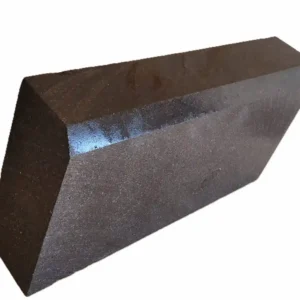
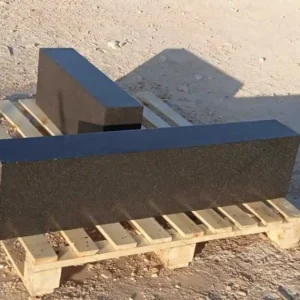
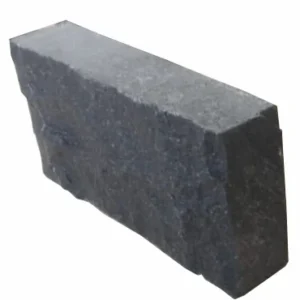

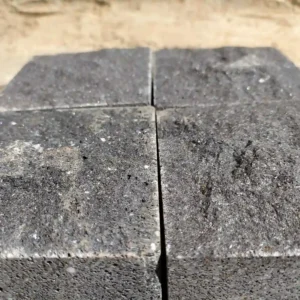













Subgrade instability is the silent killer of cobblestone installations across Arizona — and it shows up long before the first paver is set. Natural cobblestone pavers in Arizona fail not because the stone is wrong for the climate, but because the ground beneath them never got the attention it deserved. Understanding how Arizona’s soil composition interacts with the mass and rigidity of real cobblestone is what separates a 30-year installation from one that’s rocking and heaving within five years.
The compressive strength of natural cobble typically exceeds 15,000 PSI, which means the stone itself is rarely the structural weak point. Your subgrade is. Arizona’s geology delivers a complicated mix of expansive clays, caliche hardpan, decomposed granite, and loose alluvial deposits — sometimes all within the same project footprint. Each of these behaves differently under load, and each demands a specific base preparation response before you even think about setting stone.
How Arizona Soil Conditions Affect Natural Cobblestone Performance
The dominant soil challenge across most of Arizona’s lower elevations is expansive clay. This material swells predictably when it absorbs moisture and contracts as it dries — a cycle that repeats with every monsoon season. For antique cobblestone in Arizona, that movement translates directly into differential settlement if your base preparation doesn’t interrupt the cycle. A properly designed base acts as a mechanical buffer, but only if the compaction depth and aggregate gradation are matched to the specific clay content of your site.
Caliche is the other variable that catches most installers off guard. In Mesa, caliche hardpan commonly appears at 18 to 24 inches below grade, and it’s often dense enough to function as a natural sub-base — but only after mechanical scarification and re-compaction. Leaving an intact caliche layer without verifying its continuity is a gamble. A fractured or inconsistent caliche shelf creates point-load stress concentrations directly under your cobble joints.
- Expansive clay soils require a minimum 6-inch compacted aggregate base plus a geotextile separation layer to prevent clay migration into the drainage course
- Caliche formations should be tested for continuity before being relied upon as sub-base — isolated lenses create differential settlement
- Decomposed granite, common across Scottsdale and the Sonoran desert fringe, compacts well but needs moisture conditioning before final compaction to achieve 95% Proctor density
- Alluvial zones near washes require deeper base preparation — typically 8 to 10 inches of compacted aggregate — because deposit consolidation is unpredictable
- Sandy loam soils in Yuma and the southwestern corridor drain quickly but offer low bearing capacity, making aggregate base depth critical for loaded applications like driveways
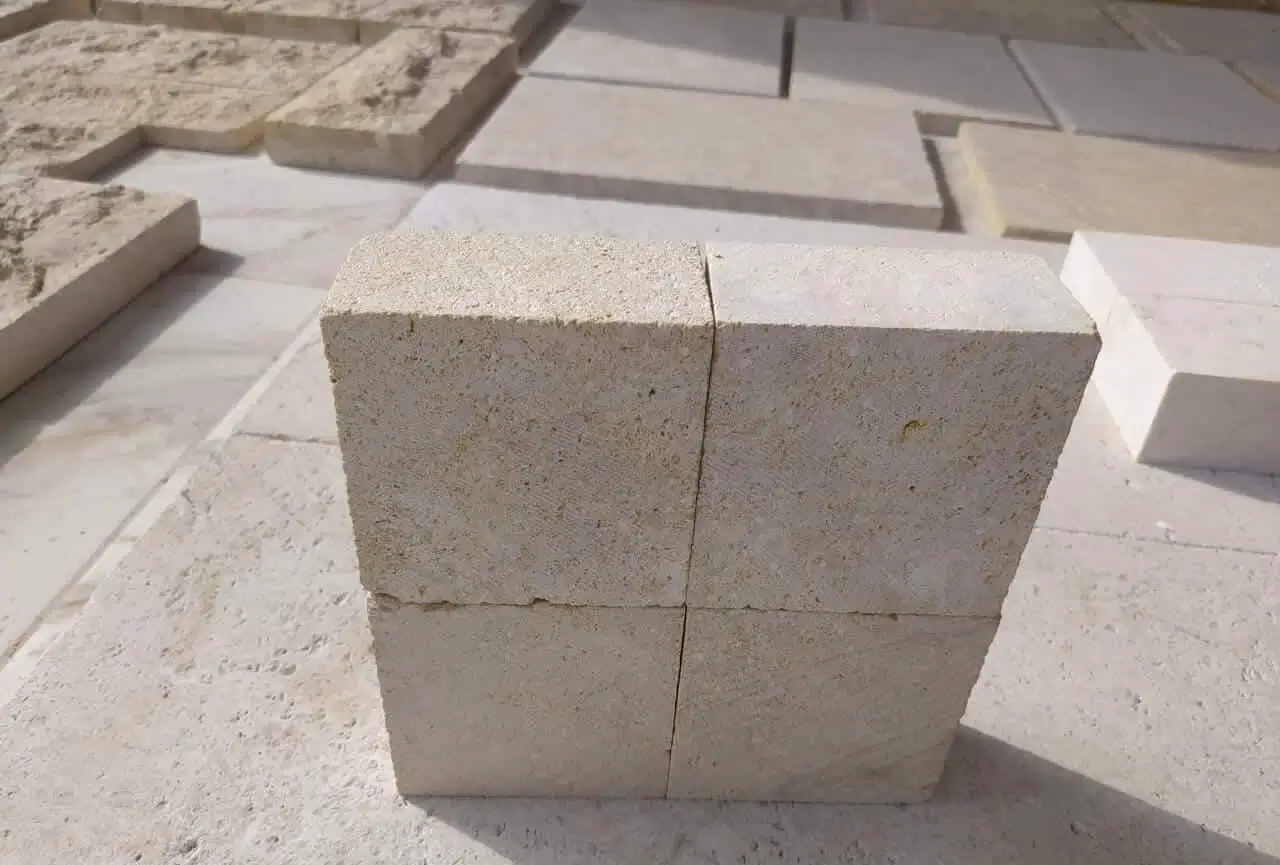
Base Preparation Standards for Antique Cobble Pavers in Arizona
The base system under antique cobble pavers in Arizona should be engineered to the specific soil report, not to a generic regional standard. That said, there are practical minimums that field experience across Arizona projects consistently supports. For pedestrian applications on stable native soils, a 4-inch compacted crushed aggregate base over a geotextile fabric is the floor. For vehicular applications — driveways, parking courts, commercial entries — that minimum steps up to 8 inches, with a compaction target of 95% standard Proctor.
Setting bed depth for natural stone cobbles in Arizona sits between 1 and 1.5 inches of coarse concrete sand or grit. Going thinner risks point-load bridging across the cobble’s natural irregularities. Going thicker creates a setting bed that can migrate under dynamic loading, which is why some installers mistakenly blame the stone when the real problem is a setting bed that was never consolidated before traffic was applied.
Citadel Stone’s technical team regularly advises on base specifications during the project consultation phase — particularly for sites with mixed soil profiles where a single base depth won’t cover the full footprint. You can request a pre-project specification review before committing to material quantities, which helps avoid the common mistake of under-ordering crushed aggregate for zones that need deeper preparation.
- Pedestrian paths on stable native soil: 4-inch compacted aggregate base, 1-inch sand setting bed
- Residential driveways: 6 to 8-inch compacted aggregate, 1 to 1.5-inch setting bed, 2-inch nominal cobble minimum
- Commercial entries and loaded surfaces: 8 to 10-inch aggregate base, lean concrete setting bed for rigid installation
- Slope applications above 2%: add edge restraints and consider a mortar-set system to prevent creep under wet conditions
- Areas near irrigation or drainage outlets: geotextile fabric is non-negotiable to prevent fines migration from compromising the base
Material Properties of Natural Stone Cobbles Worth Knowing
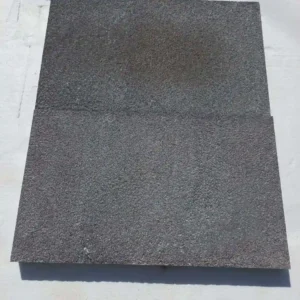
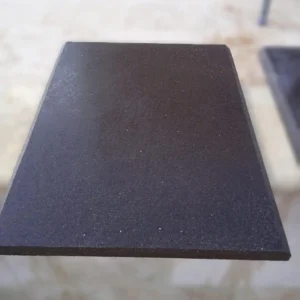
Real cobblestone pavers in Arizona projects are typically sourced from basalt, granite, or quartzite — each with different density and thermal characteristics that matter more in a desert environment than most specs acknowledge. Basalt cobbles run between 160 and 175 lbs per cubic foot and absorb solar radiation efficiently, which is a legitimate trade-off consideration for high-pedestrian areas. Granite cobbles in the 165 to 180 lbs per cubic foot range offer superior abrasion resistance, making them the preferred choice for driveway and commercial loading zones.
The surface texture of rustic paving stones in Arizona directly affects both slip resistance and maintenance requirements. A natural cleft or split face provides inherent slip resistance well above the ANSI A137.1 minimum dynamic coefficient of friction of 0.42 for exterior applications — most natural cobbles in their native split state test between 0.55 and 0.75 wet. That changes if you apply a topical sealer that fills the surface texture, so sealer selection matters more for cobble than for most other stone formats.
Antique cobble in Arizona installations benefits from the material’s thermal mass, but that same mass means the setting bed beneath it experiences more consistent load cycling than a lightweight paver system. This is precisely why the base preparation discussion matters so much — the density that makes natural cobblestone pavers durable also means any subgrade movement transfers directly into the finished surface without the flex relief that thinner concrete pavers offer.
- Basalt cobble: excellent durability, dark coloration increases surface temperature in full sun — factor this into pedestrian comfort assessments
- Granite cobble: highest abrasion resistance, ideal for driveways and heavy-use entries, available in grey, pink, and multi-tone variations
- Quartzite cobble: good hardness rating, attractive natural variation, slightly higher water absorption than granite — verify absorption rate for freeze-thaw zones above 4,500 feet elevation
- All natural cobble formats require edge restraints to prevent lateral migration — the rounded profile that gives cobblestone its character also makes it more susceptible to spreading without proper restraint
Drainage Design and Joint Management for Arizona Projects
Arizona’s monsoon rainfall arrives fast and intense — 1 to 2 inches per hour is common in the Phoenix basin during peak season. Your natural cobblestone pavers in Arizona need to shed that water efficiently or the base preparation work you invested in becomes meaningless as hydrostatic pressure builds beneath the setting bed. For antique cobble pavers in Arizona, the joint system is your primary drainage mechanism, and it needs to be maintained to function correctly.
Polymeric sand is the standard joint fill for natural stone cobbles in non-mortared applications. In Arizona’s UV intensity, standard polymeric sand formulations can haze or chalk within two to three seasons if the product wasn’t specified for high-UV environments. There are UV-stabilized polymeric formulations designed specifically for desert climates — the difference in performance over a five-year period is significant enough that specifying the wrong product in Scottsdale or Phoenix amounts to a maintenance liability you’ll be managing repeatedly.
Joint width for natural cobble should be held between 0.5 and 1.5 inches depending on the cobble size and edge regularity. Antique cobble formats with more irregular profiles naturally run toward the wider end of that range, which actually improves drainage capacity — a functional advantage that’s often overlooked when comparing antique cobble to more dimensionally precise formats. For projects where you want the rustic paving stones aesthetic without sacrificing drainage performance, the irregular joint pattern delivers both.
Selecting the Right Cobble Thickness for Arizona Applications
Thickness selection for antique cobble in Arizona is a function of load class and base system, not just aesthetic preference. The commonly available thickness range for natural cobblestone runs from 2 inches to 4 inches nominal, with most residential and light commercial applications falling comfortably in the 2.5 to 3-inch range. Going lighter than 2 inches on a vehicular surface with an aggregate base introduces fracture risk under point loading — particularly from vehicle jacking points and tight turning maneuvers.
For pedestrian-only applications like garden paths, courtyard installations, and pool surrounds, 2-inch nominal cobble is structurally adequate when the base preparation meets minimum standards. The decision between 2-inch and 3-inch in these contexts usually comes down to visual weight — thicker cobbles create a more substantial, traditional appearance that many Arizona contemporary-rustic projects are specifically targeting.
Citadel Stone stocks natural cobblestone in Arizona in standard thickness ranges with consistent sizing across batches — something that matters more than it sounds when you’re working with antique or tumbled formats where quarry consistency can vary significantly between shipments. Sourced from established quarry partners, each batch goes through dimensional and visual inspection before warehouse storage to ensure the cobble you specify matches what arrives on your project truck.
- 2-inch nominal: pedestrian paths, garden borders, decorative applications with proper base
- 2.5 to 3-inch nominal: residential driveways, pool decks, light commercial entries
- 3 to 4-inch nominal: commercial loading areas, heavy vehicle access, historically accurate restorations
- Mixed thickness antique sets: work well aesthetically but require a slightly deeper and more carefully leveled setting bed to manage the height variation
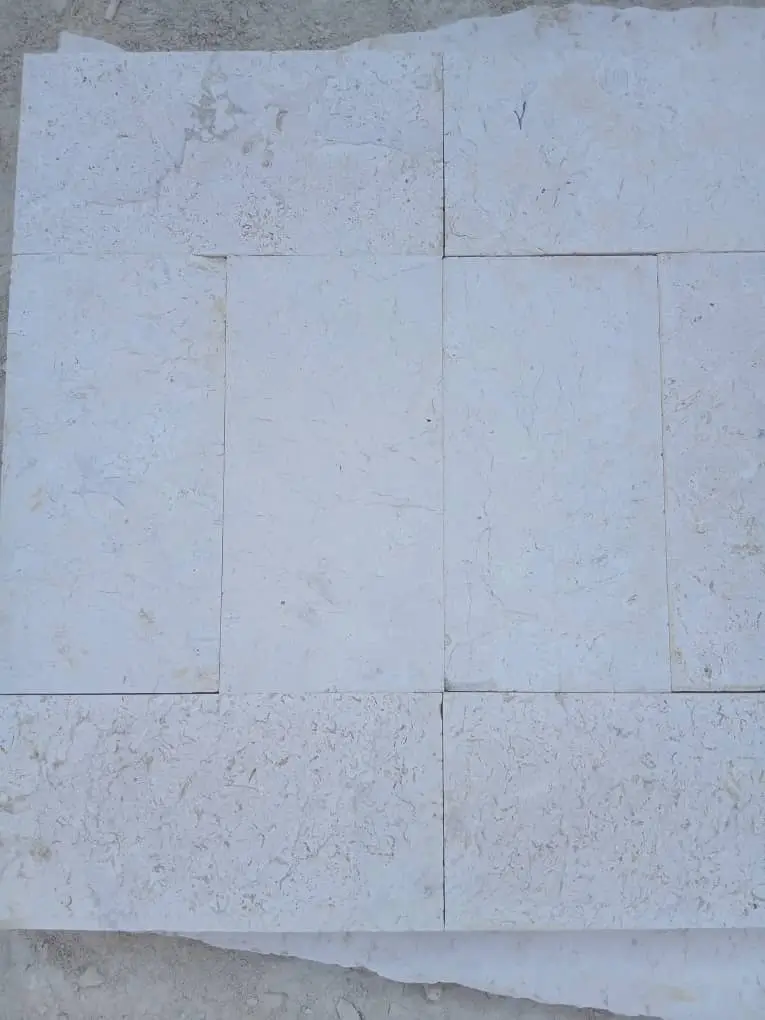
Elevation and Climate Zone Considerations for Arizona Cobblestone
Arizona’s elevation range spans from below sea level near Yuma to over 7,000 feet in the White Mountains, and that elevation spread creates meaningfully different performance requirements for natural stone cobbles in Arizona. At low desert elevations — Phoenix, Tucson, Yuma — freeze-thaw cycling is essentially a non-factor, and your primary concerns are thermal expansion, UV sealer degradation, and monsoon drainage management. At higher elevations, the specification calculus changes significantly.
In Flagstaff, which sits at approximately 6,900 feet, freeze-thaw cycles are a genuine structural consideration. Natural cobble with water absorption above 3% becomes vulnerable to spalling over multiple freeze-thaw seasons if moisture infiltrates the stone body. For Flagstaff and similarly elevated projects, you should specify cobble with absorption rates below 2.5% and verify the quarry’s freeze-thaw testing data — typically reported as ASTM C1262 or equivalent. This is the specification detail that gets missed most often when designers apply low-desert specifications to high-elevation Arizona projects.
For a project covering mixed-soil terrain or a blended elevation profile, reviewing specification details against Citadel Stone’s antique cobble range is worth the time before finalizing the order. Base preparation requirements for antique cobble pavers in Arizona at elevation differ enough from valley floor installations that a single specification shouldn’t cover both without adjustment. Detailed guidance on elevation-adjusted specifications alongside the standard low-desert guidance is available on the Natural Cobblestone Pavers from Citadel Stone selection page.
Maintenance and Sealing Protocols for Natural Stone Cobbles in Arizona
The maintenance reality for natural cobblestone in Arizona is more manageable than most homeowners expect — provided the initial installation was done correctly. The primary maintenance tasks are joint sand replenishment, periodic resealing, and spot cleaning for efflorescence, which is more common in Arizona’s alkaline soil environments than in coastal or humid climates.
Sealing natural cobblestone in Arizona deserves specific attention because the sealer you choose determines how the stone performs over 5 to 10 years, not just how it looks at installation. For antique cobble formats with a split or tumbled face, a penetrating impregnator sealer that doesn’t alter the surface texture is the correct specification. Topical film-forming sealers can look attractive immediately after application but degrade quickly under Arizona’s UV load and create a maintenance cycle of stripping and reapplication that penetrating sealers avoid entirely.
- Apply penetrating impregnator sealer within 30 days of installation completion after joints have fully cured
- Reapplication schedule for low-desert Arizona: every 3 to 4 years for pedestrian surfaces, every 2 to 3 years for vehicular surfaces
- Reapplication for high-elevation sites with freeze-thaw exposure: every 2 years minimum
- Efflorescence from alkaline soils responds well to diluted white vinegar or a purpose-formulated efflorescence cleaner — avoid muriatic acid on natural stone
- Joint sand replenishment is typically needed every 4 to 6 years in Arizona’s climate; check joint depth annually after monsoon season
- Avoid pressure washing above 1,200 PSI on antique or tumbled cobble surfaces — the textured faces are more susceptible to surface erosion than honed formats
Natural Cobblestone Pavers in Arizona — Schedule a Consultation with Citadel Stone
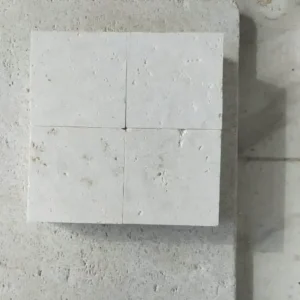
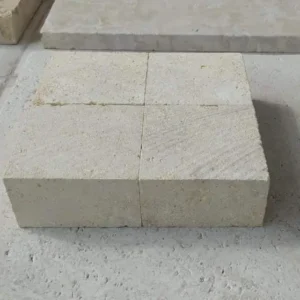
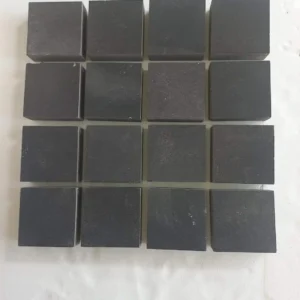
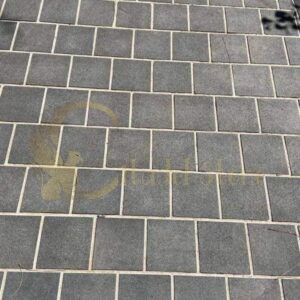
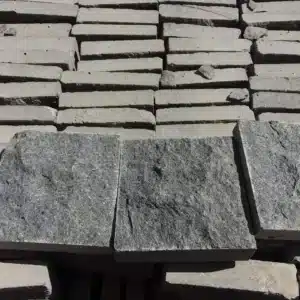
Citadel Stone’s cobblestone range includes antique cobble, tumbled granite sets, split-face basalt cobbles, and mixed antique formats in standard sizes from 3×3 inches to 6×9 inches nominal, with thickness options from 2 inches to 4 inches. Availability across these formats is maintained in warehouse inventory specifically for Arizona project timelines, which typically means delivery lead times of 1 to 2 weeks for standard orders rather than the 6 to 8-week import cycle that affects non-stocked materials.
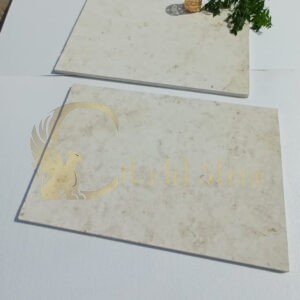
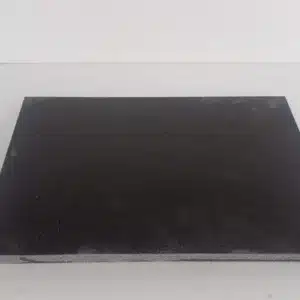
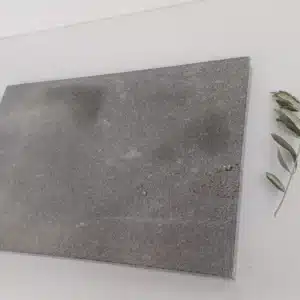
You can request sample tiles, full thickness specifications, and batch consistency photos before committing to a full project order — a practical step that experienced specifiers take as a matter of course when working with antique and natural cobble formats where visual variation matters. For trade accounts, wholesale enquiries, and projects requiring custom cut sizes or non-standard pallet configurations, Citadel Stone’s team can advise on lead times and minimum order quantities specific to your project scope.
Delivery coverage extends across Arizona including the Phoenix metro, Tucson, Scottsdale, Flagstaff, Sedona, Yuma, Mesa, Gilbert, Chandler, Peoria, and Tempe. Contact Citadel Stone to schedule a consultation, request a project quote, or discuss specification requirements for your specific site conditions — particularly if your project involves mixed soil profiles, elevated terrain, or the kind of detailed base preparation that benefits from material supplier input early in the planning process. For those exploring complementary stone options across Arizona hardscape projects, Black Granite Cobbles in Arizona covers another strong performer in the Citadel Stone range worth reviewing alongside your cobblestone specification. Natural Cobblestone Pavers from Citadel Stone reaches project sites across Flagstaff, Sedona, and Yuma and throughout Arizona.