

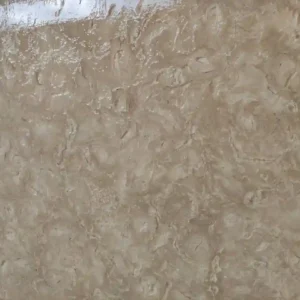
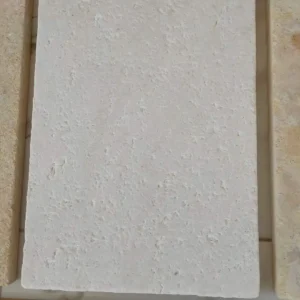
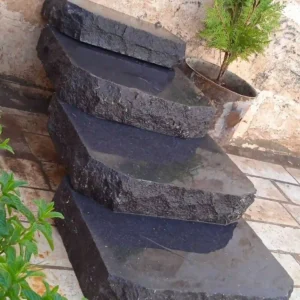
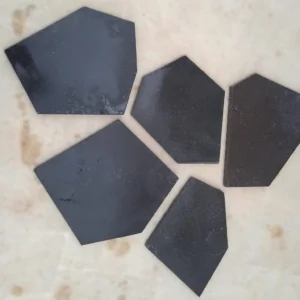

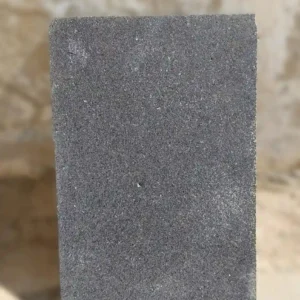
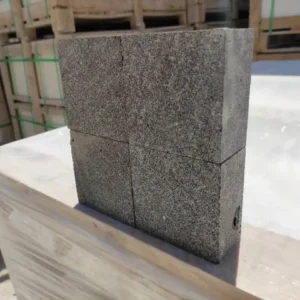
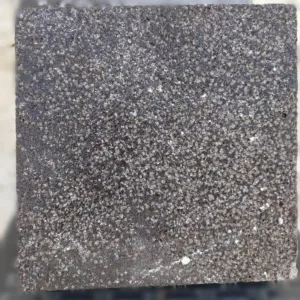
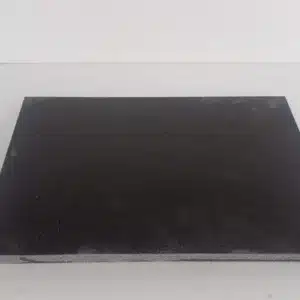
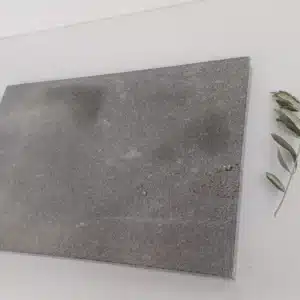
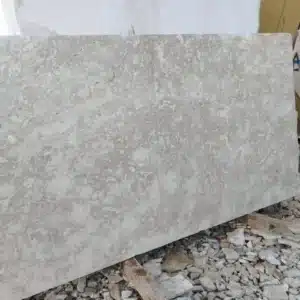
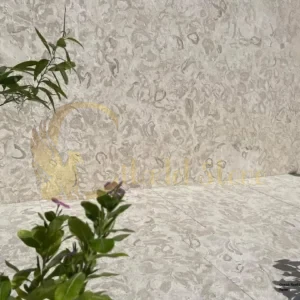
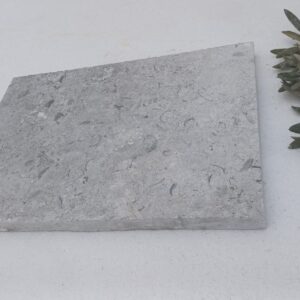
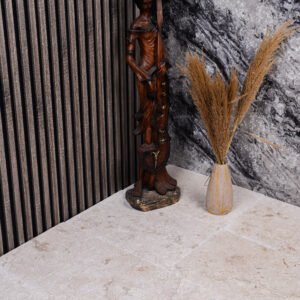
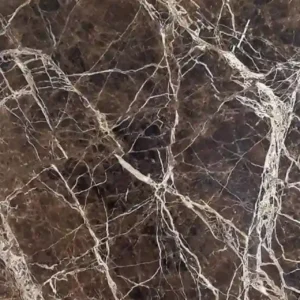
Limestone wall tiles in Arizona face a stress test that most suppliers never mention — not heat cycling, but the mechanical assault of monsoon-season wind loads, hail impacts, and the pressure differentials that hit exterior cladding when storm cells move through at speed. Getting the specification right for limestone wall tiles in Arizona means understanding how wall-mounted stone absorbs and distributes those forces, and that starts with thickness, mortar bond strength, and substrate rigidity before you ever think about finish or color.
How Wind Loads and Storm Events Affect Limestone Wall Tile Performance
Arizona’s monsoon season generates sustained winds between 35 and 60 mph across the Valley floor, with gusts recorded above 80 mph during haboob events. Limestone tiles for wall in Arizona installations need to resist both positive and negative pressure — the outward suction force on the leeward face of a building is often more destructive than the direct wind impact. You’ll want tiles bonded with a full-coverage polymer-modified thinset, not the 65% spot-coverage that residential installers sometimes default to under time pressure.
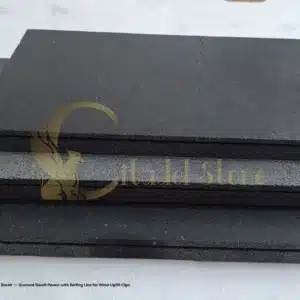
- Minimum tile thickness for exterior wall applications should be 3/4 inch nominal — thinner formats flex under negative pressure loading and develop hairline cracks at mortar joints within two to three storm seasons
- Full back-buttering with polymer-modified thinset is non-negotiable for any elevation above 4 feet — partial coverage leaves voids that act as pressure chambers during high-wind events
- Expansion joints every 8 to 10 linear feet on exterior walls accommodate both thermal movement and the racking stress transmitted through the substrate during wind loading
- Hail impact resistance correlates directly with compressive strength — specify limestone with a minimum 8,000 PSI compressive strength for exterior elevations exposed to open sky
- Weep screeds and drainage channels behind the cladding layer prevent hydrostatic buildup after monsoon rain events, which can otherwise delaminate the mortar bond over time
The substrate rigidity question often gets underestimated. A CMU block wall provides the ideal backing for limestone cladding tiles in Arizona because it doesn’t flex under wind load. Wood-framed substrates require a minimum 3/4-inch cement board with staggered joints before any stone goes up — otherwise the flex in the stud cavity transfers directly into the mortar bed and initiates cracking at grout lines within the first heavy storm season.

Elite Style Options: Splitface, Tumbled, and White Limestone Wall Tiles
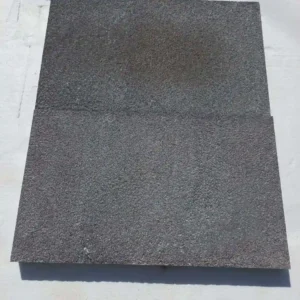
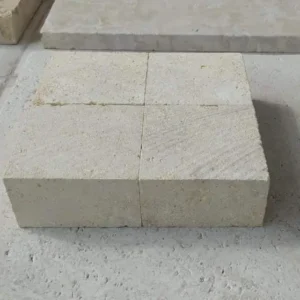
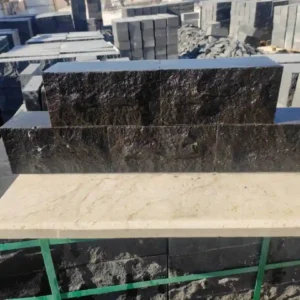
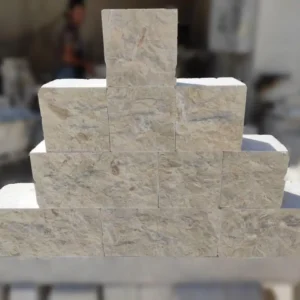
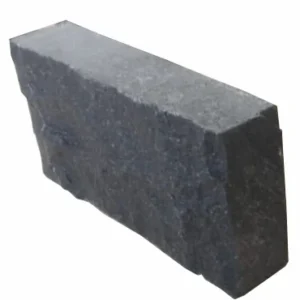
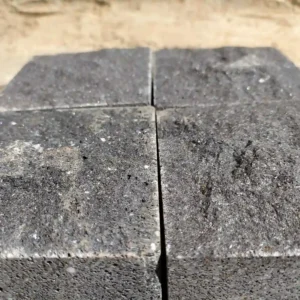
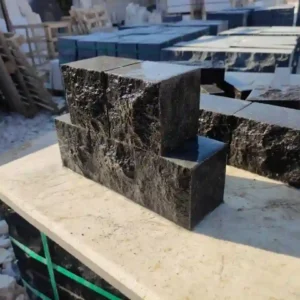
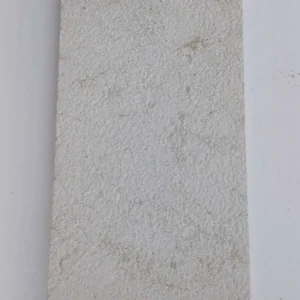
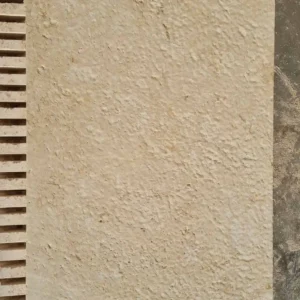
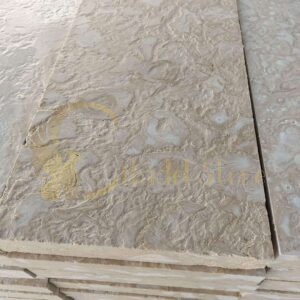
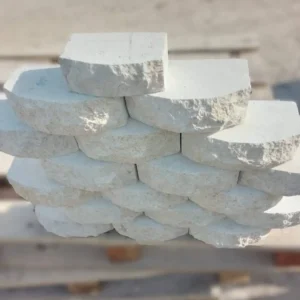
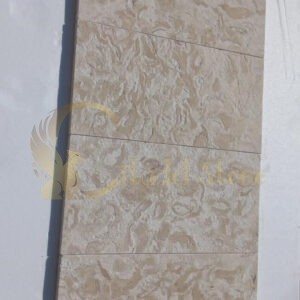
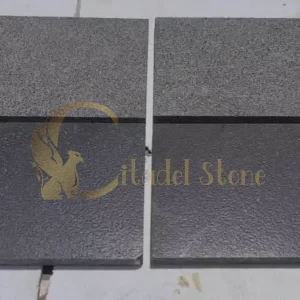
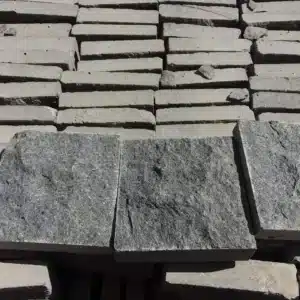
The finish profile of your wall tile directly influences how it handles storm debris impact and long-term weathering in Arizona conditions. Splitface limestone in Arizona projects delivers a naturally irregular face with built-in depth variation — the texture diffuses impact energy across a broader surface area rather than concentrating stress at a single point, which is one reason it performs well on exposed elevations in storm corridors from Phoenix to Tucson.
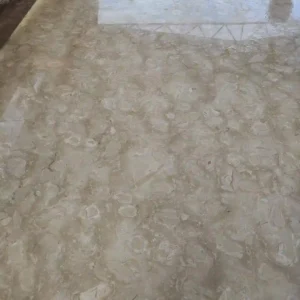
Tumbled limestone wall tiles in Arizona offer a different performance profile. The tumbling process rounds off sharp edges and closes surface micro-fractures that can become water infiltration points under pressure. In practice, tumbled finishes also show storm wear more gracefully — minor abrasion from windborne debris blends into the existing texture rather than showing as visible scratch lines the way honed or polished faces do.
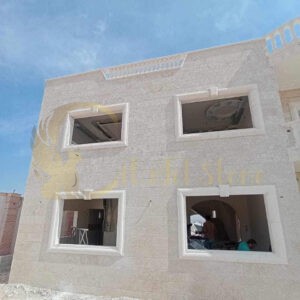
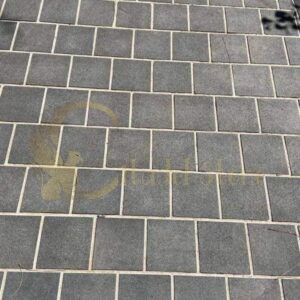
- Splitface profiles: best suited for feature walls, exterior facades, and retaining structures where texture adds visual weight and diffuses mechanical stress
- Tumbled finishes: ideal for residential accent walls, courtyard cladding, and covered outdoor spaces where the softened aesthetic suits the architecture
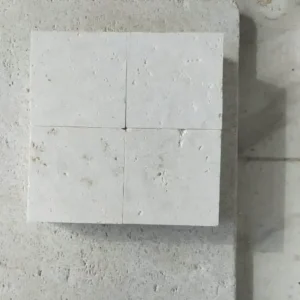
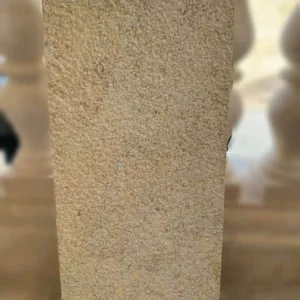
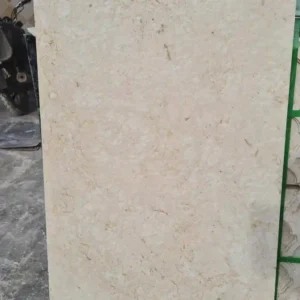
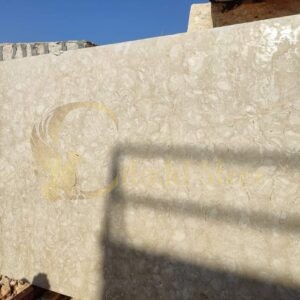
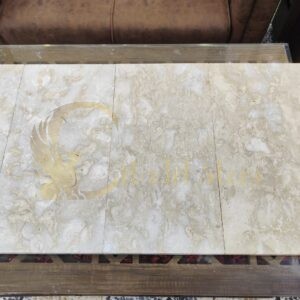
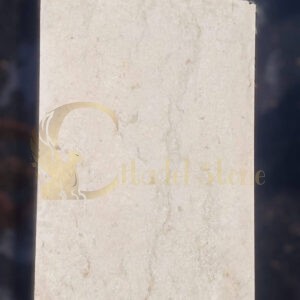
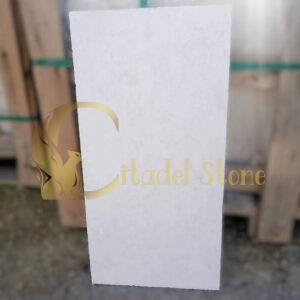
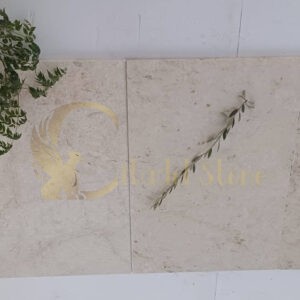
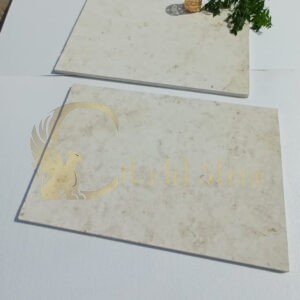
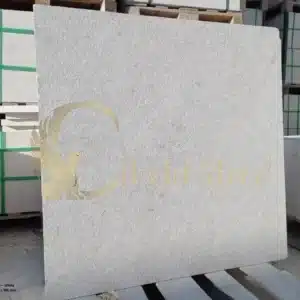
- White limestone wall in Arizona installations adds reflectivity that reduces surface temperature differential — relevant because thermal gradient stress across a tile face accelerates mortar joint fatigue
- Brushed and chiseled edge profiles complement both splitface and tumbled formats and simplify the layout process on irregular wall geometries
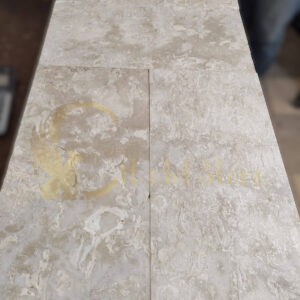
- Limestone cladding tiles in Arizona are available in formats ranging from 6×12-inch field tiles to large-format 12×24-inch panels depending on the wall scale and structural backing
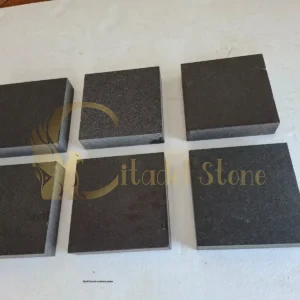
Citadel Stone stocks limestone wall tiles in Arizona in multiple finish profiles and nominal thicknesses, so you can request sample tiles before committing to a full project order. Reviewing physical samples under Arizona’s intense natural light is the only reliable way to evaluate how white limestone wall in Arizona or splitface profiles will read on your specific elevation — monitor lighting shifts the color perception considerably.
Matching Material Properties to Arizona’s Mechanical Stress Profile
Most material selection conversations for limestone tile exterior wall in Arizona default immediately to heat performance, but the storm-season mechanical stress profile is where specification failures actually originate. In Phoenix, the combination of high wind events, windborne sand abrasion, and rapid pressure changes during monsoon storm cells creates a mechanical loading cycle that repeats dozens of times each summer — and those cycles accumulate fatigue in improperly bonded installations faster than thermal cycling does.
The porosity of the limestone you specify affects more than moisture absorption — it directly relates to the material’s ability to absorb impact energy without fracturing. A medium-density limestone with 5 to 8 percent porosity has better impact resistance than a very dense, low-porosity stone because the interconnected pore structure allows micro-deformation without crack propagation. That said, you need to balance impact resilience against the need for low water absorption in an exterior wall application.
- Target absorption rate below 6 percent for limestone tile exterior wall in Arizona applications — stone above that threshold absorbs driving rain during storm events and risks freeze-thaw damage in higher elevations
- Compressive strength above 8,000 PSI handles the concentrated point loads from hail impact without surface spalling
- Flexural strength matters for large-format tiles — specify panels above 12×24 inches only when the substrate provides rigid, continuous backing without voids
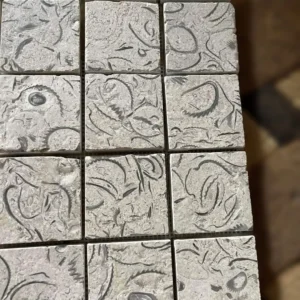
- Limestone with visible shell fossil structures or pronounced bedding planes can develop preferential crack lines under impact — inspect batch samples for structural consistency before accepting a delivery
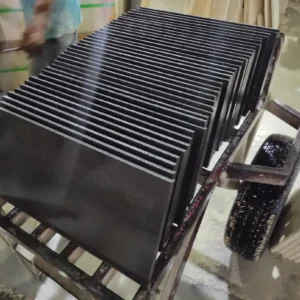
Sourced from established quarry partners, each batch arriving at the Citadel Stone warehouse undergoes inspection for consistency in thickness tolerance and surface integrity before it ships to Arizona project sites. That quality gate matters because thickness variation above 1/16 inch across a pallet creates lippage problems in the field and complicates the mortar bed adjustment during installation.
Installation Methods That Hold Up Through Arizona Storm Seasons
Your installation approach for limestone cladding tiles in Arizona has to account for the full stress envelope — not just the static dead load of the tile weight, but the dynamic wind-induced forces that flex wall assemblies during storm events. The difference between a 15-year installation and a 25-year one usually comes down to two things: full-coverage mortar contact and correctly sized movement joints.
In Scottsdale, where high-end residential and commercial projects frequently specify large-format limestone panels on multi-story elevations, structural engineers are increasingly requiring mechanical anchors at upper courses in addition to mortar bonding. That dual-attachment approach is worth adopting on any exterior wall application above two stories — mortar alone provides adequate resistance for standard wind loads, but the dynamic suction forces during severe storm events exceed the design parameters of mortar bond in isolation. For a practical breakdown of how material choices affect project budgets, Limestone Wall Tiles from Citadel Stone provides a cost breakdown that helps you structure the budget before finalizing your material and finish selections.
- Use ANSI A118.4 or higher polymer-modified thinset for all exterior wall tile installations — standard thinset mortar doesn’t provide adequate bond strength under the wet-dry cycling that Arizona monsoon season delivers
- Back-butter each tile fully before pressing to the wall — the notched trowel application on the substrate alone rarely achieves the 95 percent minimum contact area that exterior applications require
- Install movement joints at all changes in plane, substrate transitions, and every 8 to 10 linear feet on continuous wall runs
- Fill movement joints with ASTM C920 sealant, not grout — grout doesn’t compress and will crack within one storm season if used in movement joint locations
- Allow thinset to cure for a minimum of 72 hours before grouting exterior wall applications — rush curing in Arizona’s low humidity can cause premature bond failure
Truck delivery scheduling to your site should factor in the Arizona summer installation window — crews working on exposed west and south elevations during July and August need early-morning start times to complete mortar application before ambient temperatures exceed 95°F, which accelerates thinset open time and compromises bond development. Plan your material delivery from the warehouse to arrive the evening before installation so tiles are at ambient temperature when work begins.
Base Preparation and Substrate Requirements for Wall Tile Durability
The substrate behind your limestone tile exterior wall in Arizona installation carries as much responsibility for long-term performance as the tile itself. Rigid, flat, and correctly waterproofed — those three conditions determine whether your mortar bond survives the mechanical stress that Arizona storm seasons impose year after year.
For stucco over wood-frame construction, the existing stucco surface needs to be structurally sound, free of delamination, and scratch-coated to a surface flatness within 1/8 inch over 10 feet before tile installation begins. Don’t assume existing stucco is a suitable direct bonding surface without testing adhesion — tap-test the entire substrate and mark any hollow sections for repair before you commit tile to those areas. Hollow spots become failure points the first time a significant wind load hits the wall.
- CMU block substrates: clean, dampened, and scarified if the surface is too smooth for mechanical thinset adhesion
- Poured concrete walls: verify flatness and check for form release agent residue that prevents thinset adhesion — acid wash if necessary
- Wood-frame walls: minimum 3/4-inch cement board over moisture barrier, with fasteners at 6-inch centers in the field and 4-inch centers at edges
- Metal stud framing: requires 1-inch cement board minimum to provide adequate rigidity for limestone tiles heavier than 4 pounds per square foot
- Waterproofing membrane at all penetrations, window sills, and horizontal ledger surfaces before tile installation begins
For projects in higher elevation sites like Flagstaff, the substrate waterproofing detail becomes even more critical because freeze-thaw cycles compound the water infiltration damage that storm events initiate. A single storm season with inadequate waterproofing behind limestone wall tiles can push enough moisture into the assembly to cause progressive delamination as temperatures drop through the following winter. For projects requiring custom cuts or non-standard wall tile formats in those higher-elevation zones, Citadel Stone’s team can advise on lead times and substrate preparation requirements specific to freeze-thaw exposure.

Sealing and Maintenance for Storm-Exposed Limestone Wall Tiles
Sealing limestone tiles for wall in Arizona applications serves a different primary purpose than the heat or UV protection conversation might suggest — the real function is resisting the driven moisture that storm events force laterally into the stone face. Horizontal surfaces drain; vertical faces collect. When 60 mph winds push monsoon rain directly into an unsealed limestone surface at pressure, absorption rates that seem acceptable under normal conditions become a problem.
Penetrating silane-siloxane sealers work well for most limestone wall tile applications because they allow vapor transmission while dramatically reducing liquid water absorption. Apply to clean, dry stone and allow full cure before the installation sees its first rain event — in Arizona’s low-humidity environment, cure times are shorter than in coastal climates, but rushing the process on fresh grout joints compromises sealer penetration depth.
- Reapply penetrating sealers every 3 to 5 years on south and west elevations — UV and abrasion from windborne particles degrade sealer performance faster on exposed faces than on protected walls
- Inspect grout joints annually after monsoon season for hairline cracks, which can be addressed with a color-matched grout repair before water infiltration causes mortar bond deterioration beneath the tile
- Clean storm debris from wall surfaces within 48 hours of a major event — caliche-rich dust from haboobs is mildly alkaline and can etch limestone surfaces if left wet against the stone for extended periods
- Test sealer effectiveness with the water bead test each spring — if water absorbs rather than beads, reseal before the monsoon season starts
- For splitface limestone in Arizona, use a sprayer application rather than a roller to ensure sealer reaches into the recessed texture pockets that a roller would skip over
Buy Limestone Wall Tiles Wholesale — Arizona Delivery
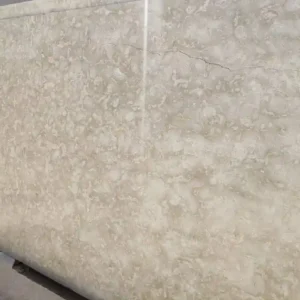
Citadel Stone supplies limestone wall tiles in Arizona across standard field tile formats, large-format cladding panels, and splitface profiles in multiple color ranges including cream, ivory, buff, and white limestone options suited to both residential and commercial elevations. Available thicknesses run from 3/4 inch nominal field tiles through 1.5-inch thick splitface panels, with cut-to-size capability for non-standard dimensions on projects requiring custom coursing heights or accent band work.
Sample tiles and full thickness specification sheets are available from Citadel Stone before you commit to a project quantity — reviewing physical samples on your actual substrate in Arizona’s natural light is the reliable way to confirm color match and finish compatibility with adjacent materials. Trade and wholesale enquiries are handled directly through the Citadel Stone team, with pricing structured for contractors, architects, and commercial developers working at volume.
- Warehouse inventory across Arizona supports lead times of 1 to 2 weeks for standard format tiles in stock sizes
- Custom or non-standard formats carry a 4 to 6 week lead time depending on quarry production scheduling
- Truck delivery is available across Arizona including metro Phoenix, Tucson, and regional commercial centers — confirm site access dimensions when scheduling delivery of large-format pallet orders
- Samples available on request for material approval and specification confirmation before bulk ordering
- Contact Citadel Stone for current pricing, trade account setup, or to schedule a technical consultation on format and specification selection for your specific project conditions
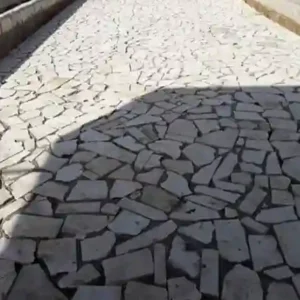
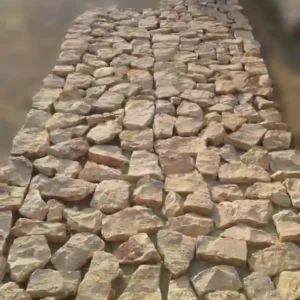
As you finalize your Arizona stone specification, complementary horizontal applications can inform your overall material palette and project budget. The same limestone family that performs on exterior wall cladding translates directly into ground-level paving and landscape applications — Limestone Flagstones in Arizona covers how these materials perform in those adjacent contexts, which is useful reference if your project includes both wall cladding and paving or landscape elements. Citadel Stone supplies Limestone Wall Tiles to Arizona contractors working across Flagstaff, Sedona, and Yuma on residential and commercial sites.


