
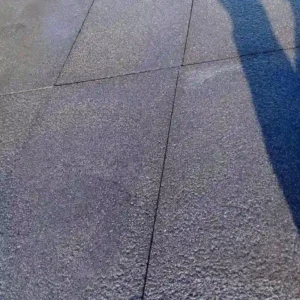
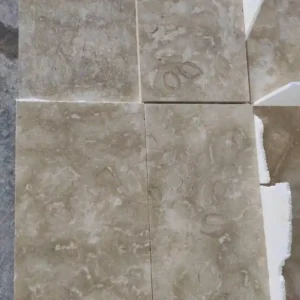
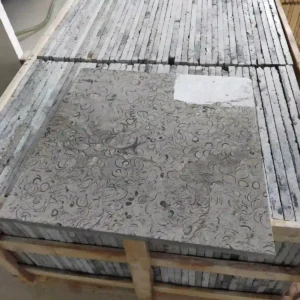
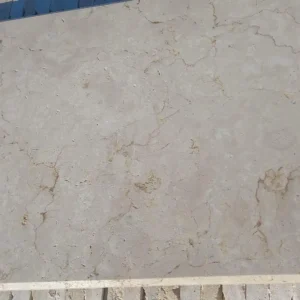

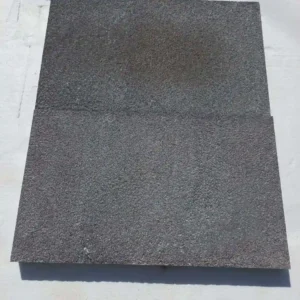
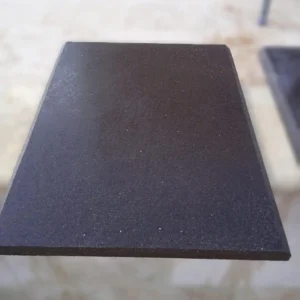
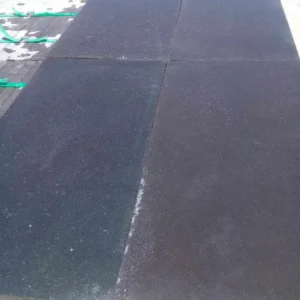
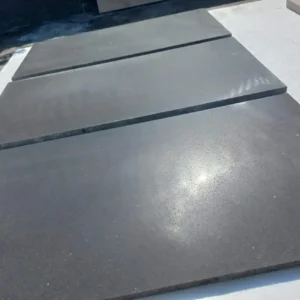

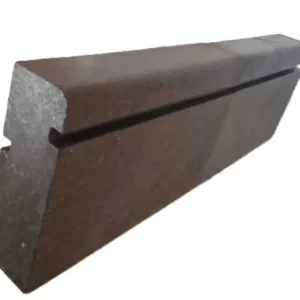
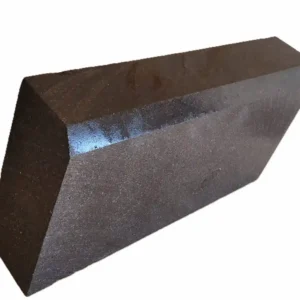
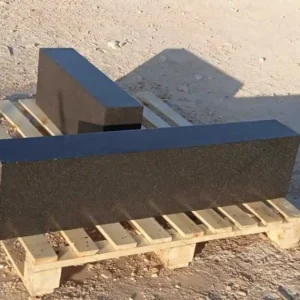
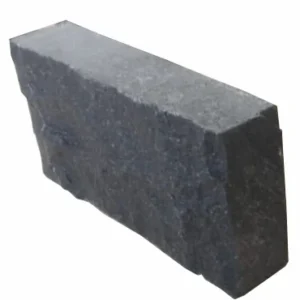
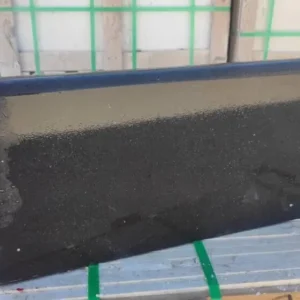
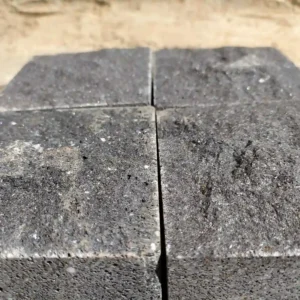
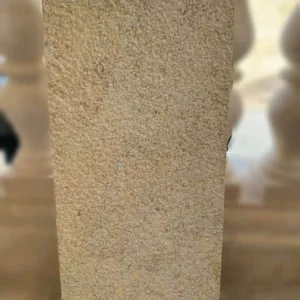

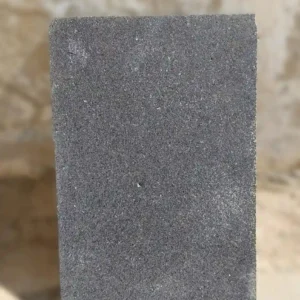
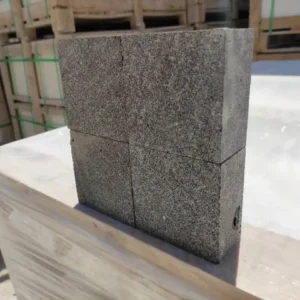
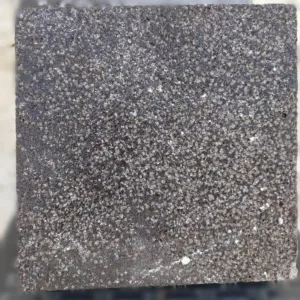
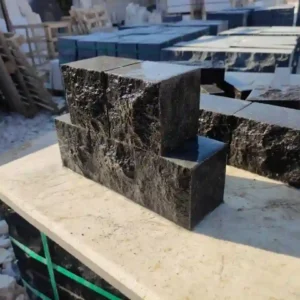
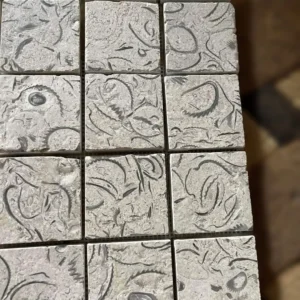
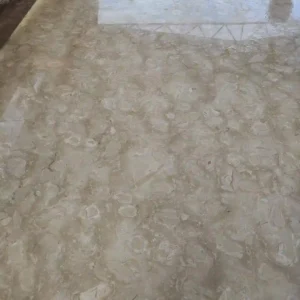
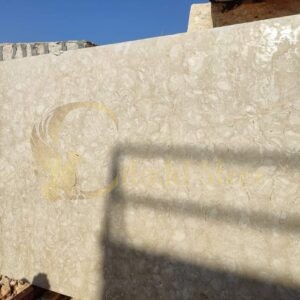
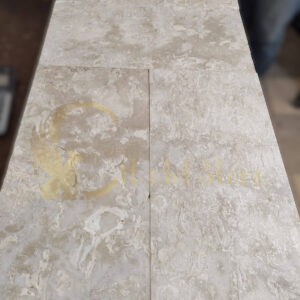
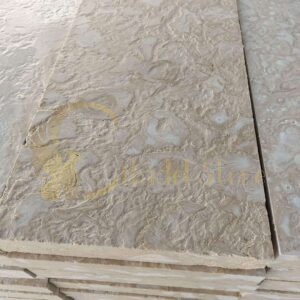
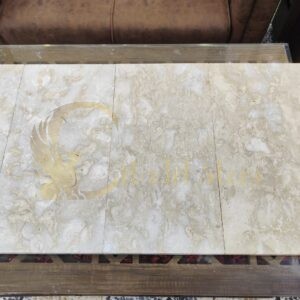
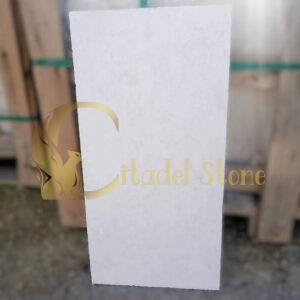

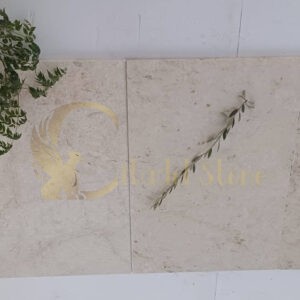
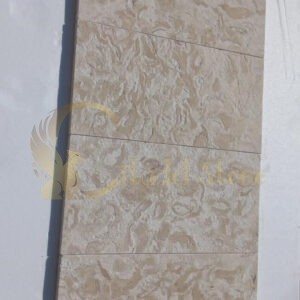
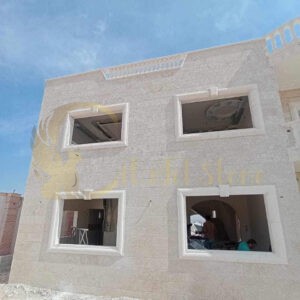
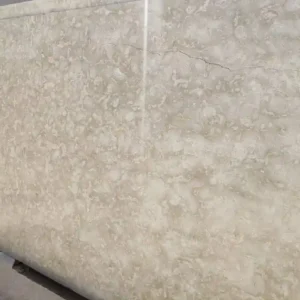
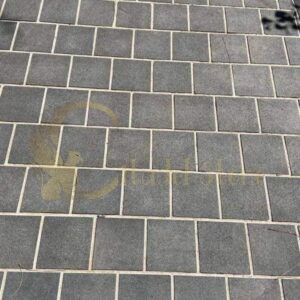
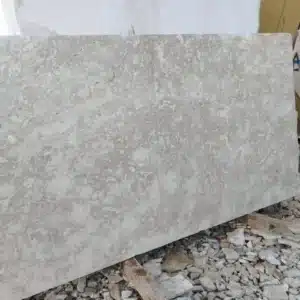

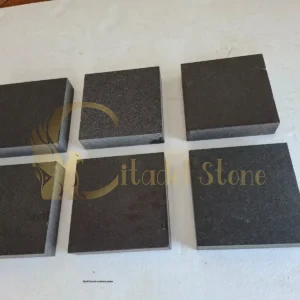
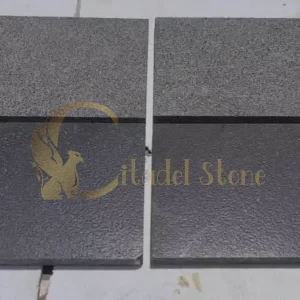
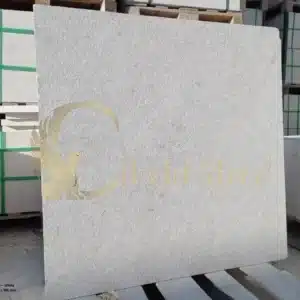


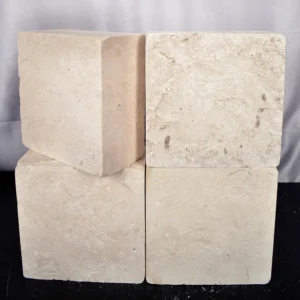
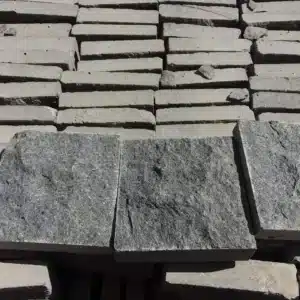
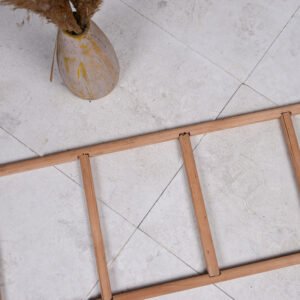
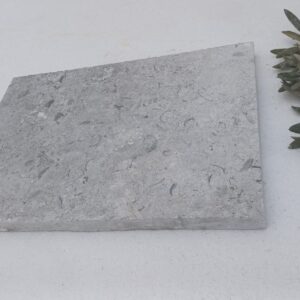
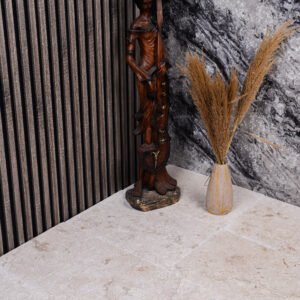
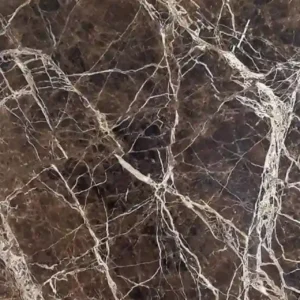
Flagstone pavers earn their reputation not from marketing copy but from compressive strength numbers and split-face texture that concrete simply cannot replicate. Natural flagstone typically tests between 8,000 and 15,000 PSI depending on stone type, which means your installed surface resists point loads, frost heave cycles, and heavy foot traffic simultaneously — without the surface crazing that plagues concrete alternatives after five winters. The variable you need to nail from day one isn’t the stone itself; it’s the relationship between slab thickness, base depth, and joint width, because those three factors interact in ways that determine whether you’re relooking at the project in year eight or year twenty-eight.
What Makes Flagstone a Performance Material
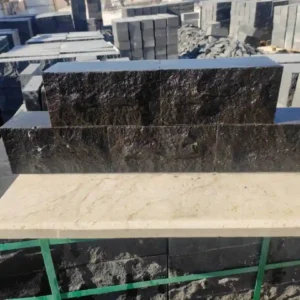
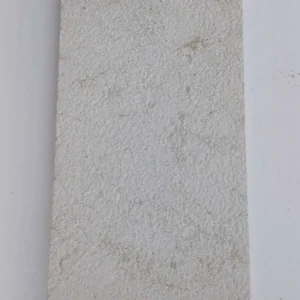
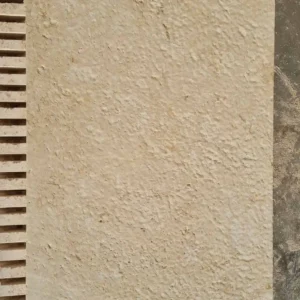
The sedimentary layering that gives flagstone its characteristic cleavage planes is also responsible for its structural geometry. Those naturally occurring laminations mean the stone splits into usable slabs along pre-existing mineral planes, producing surfaces with micro-texture built into the face — texture that contributes directly to slip resistance without the need for tooled finishes. According to Britannica’s overview of flagstone sedimentary characteristics, this cleavage-based formation is what distinguishes true flagstone from sawn dimensional stone, and it’s the reason flagstone pavers maintain traction even when wet.
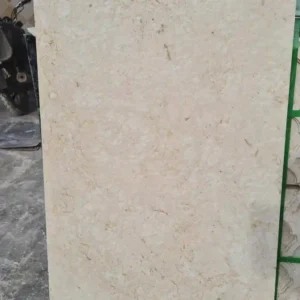
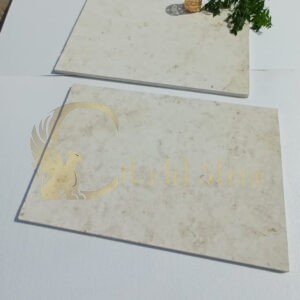
You’ll encounter flagstone sourced from several geological families: sandstone-based flagging, quartzite, limestone, and schist-type stones all appear under the flagstone umbrella. Each behaves differently under UV exposure over time. Lighter sandstone and buff limestone variants can experience gradual iron oxide migration to the surface in high-sunlight environments — a process that shifts creamy base tones toward amber or rust over three to five years. This isn’t damage; it’s mineral chemistry responding to UV catalysis. Your specification should account for this when matching flagstone to adjacent architectural finishes that won’t patina the same way.
Density matters more than most buyers realize at the selection stage. Denser flagstone — quartzite varieties typically testing at 2.65 g/cm³ or above — absorbs less water, cycles better through freeze-thaw events, and resists staining more effectively than lower-density sandstone options. Citadel Stone sources flagstone pavers from quarry partners whose density and absorption data are verified before the material ships, which means you’re not guessing about long-term behavior based on visual inspection alone.
Flagstone Thickness and Format Selection
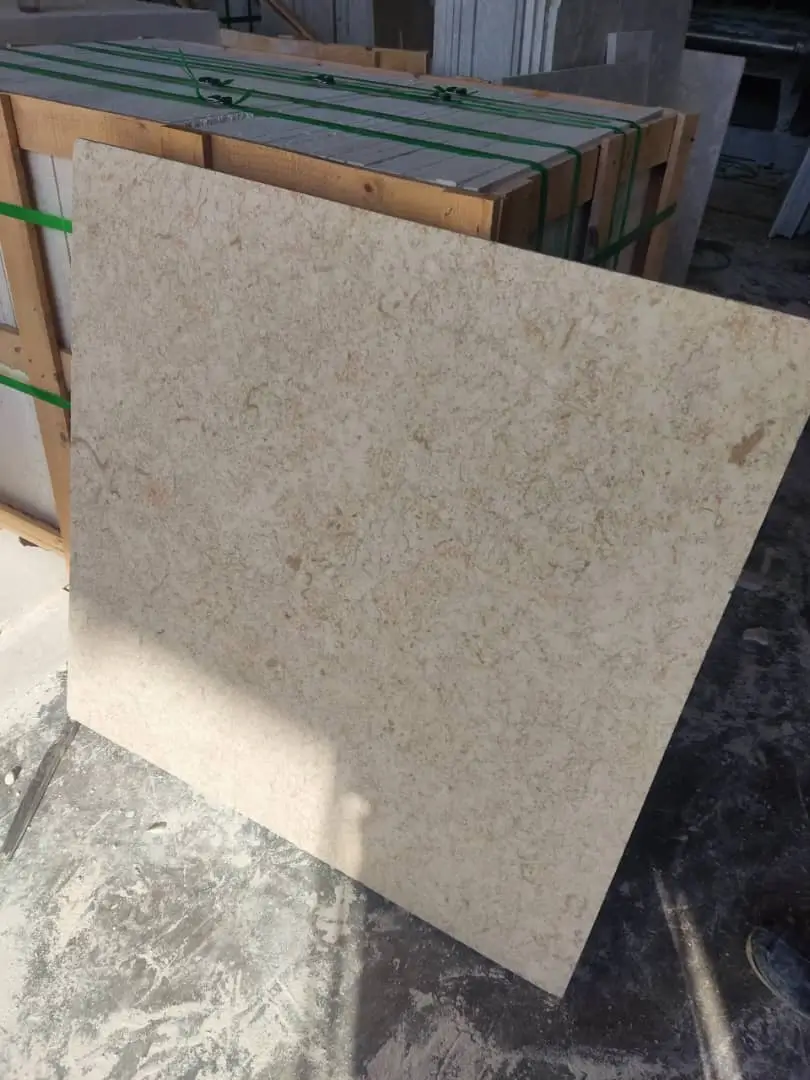
Thickness selection is where projects either get the structural equation right or build in a future failure point. For residential patio flagstone pavers set on a compacted aggregate base, 1.5-inch nominal thickness is the practical minimum — but you should step up to 2 inches for any area where vehicles will cross, even occasionally. Outdoor flagstone pavers in pedestrian-only applications can run thinner, but only when your sub-base is engineered correctly with a minimum 4-inch compacted gravel layer over stable soil.
Format choices break into three functional categories:
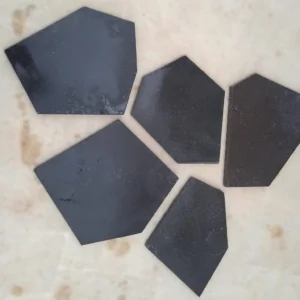
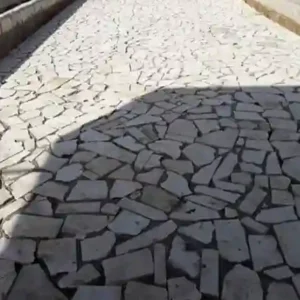
- Irregular or random shapes: these create the most naturalistic aesthetic and allow you to work with the stone’s natural cleavage geometry, but they demand skilled installation to achieve tight joints and level planes
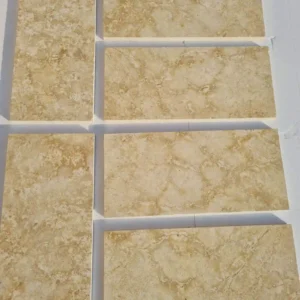
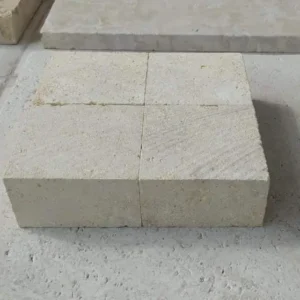
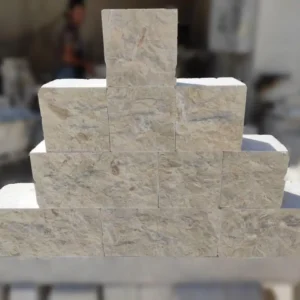
- Cut-to-size flagstone paving stones: consistent rectangular formats that simplify installation geometry and reduce on-site cutting waste by 20–30% compared to irregular stock
- Large-format flagstone: slabs over 24 inches in any dimension that create a modern, minimal joint look — these require a reinforced base and careful attention to slab-to-base contact area, since voids under large panels create flexural failure risk
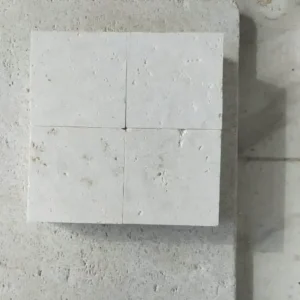
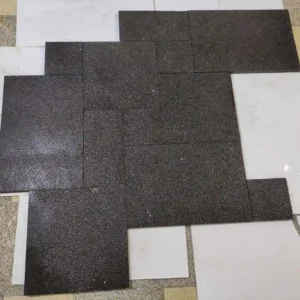
Paving flagstone in the 12×24-inch or 16×24-inch cut format has become the specification default on contemporary residential projects because it bridges the gap between installation efficiency and the organic aesthetic buyers want. Your choice of irregular versus cut format should be driven by the project’s design language, not budget alone — the material cost differential is relatively minor compared to the labor hours saved or added.
Base Preparation: The Variable That Determines Longevity
Here’s what separates a 12-year flagstone installation from a 25-year one: base preparation quality, not stone quality. The most common failure pattern field teams encounter is differential settlement — sections of the flagstone surface that drop unevenly because the aggregate sub-base wasn’t compacted to a consistent density across the full installation footprint. You can spec the most durable flagstone stone pavers available and still watch them crack at the edges if the base transitions abruptly from compacted fill to undisturbed native soil without a transition zone.
Standard residential sub-base protocol for landscape flagstone pavers runs as follows:
- Excavate to a minimum depth of 8 inches below finished surface grade
- Install geotextile fabric over the excavated base to prevent sub-grade migration into aggregate layers
- Compact a 4-inch crushed aggregate base (3/4-inch minus) in two 2-inch lifts — don’t compact the full 4 inches in a single pass
- Top with a 1-inch bedding layer of coarse sand or crusher dust, screeded to level
- Set flagstone into the bedding layer and check for full contact — voids under the stone are the primary cracking initiation point
In freeze-thaw regions, extend the aggregate base to 6 inches minimum. The deeper base acts as a thermal buffer that moderates ground movement cycles — in areas where soil frost depth exceeds 12 inches, you’ll need to verify local frost penetration data and potentially go deeper still. According to USGS dimension stone paving production data, flagstone and dimension stone paving represents one of the most technically demanding segments of the natural stone market precisely because sub-base variability is the primary field failure driver. For projects requiring complementary material specifications, Flagstone Pavers from Citadel Stone covers cost-per-square-foot breakdowns that help you align your base preparation budget with total installed cost from the start.
Joint Specification and Drainage Design
Joint width in flagstone paver installations isn’t just an aesthetic decision — it’s a drainage engineering variable. Joints that are too narrow trap debris and trap water at the surface level, where freeze-thaw cycling attacks the joint material and works the edges of adjacent slabs. Joints that are too wide create trip hazards and undermine slab edge support. The practical sweet spot for cut-format outdoor flagstone pavers sits between 3/8 inch and 3/4 inch, filled with either polymeric sand or a dry mortar mix depending on your drainage goals.
Polymeric sand joints activate with water and create a semi-flexible bond that accommodates minor thermal movement without cracking — a significant advantage over rigid mortar in climates where surface temperatures swing more than 40°F between seasons. The UV angle matters here too: in south-facing installations where the stone surface absorbs direct sun for six or more hours daily, thermal expansion at the slab surface creates micro-movement at joints that rigid mortar handles poorly. You’ll see hairline cracks at joint edges within three years in those conditions when rigid mortar is used without expansion joints.
Drainage slope is non-negotiable regardless of joint type. Your installed flagstone surface needs a consistent 1/8-inch-per-foot fall away from structures — steeper than that creates a slip-hazard geometry, shallower creates ponding that accelerates both joint degradation and biological growth. The ASLA guidance on permeable natural stone paving surfaces reinforces this principle, noting that proper surface drainage geometry is as important as material selection for long-term outdoor paving performance.
UV Exposure and Surface Weathering in Flagstone
UV exposure affects different flagstone types in meaningfully different ways, and your material selection should account for long-term surface behavior under sustained sunlight. Sandstone-derived flagstone with significant iron content undergoes the most visible transformation: UV catalyzes oxidation of iron compounds in the stone matrix, which progressively darkens and reddens the surface tone over three to seven years of outdoor exposure. For some buyers, this patination is part of the appeal — the stone reads as more integrated with its landscape over time. For projects where consistent color matching to adjacent facade materials is critical, this factor matters at the specification stage.
Lighter-colored paving flagstone — particularly pale buff, cream, and grey varieties — reflects more UV radiation than it absorbs, which has the practical benefit of keeping surface temperatures lower in direct sun. This thermal reflection characteristic is relevant for any installation where barefoot use is anticipated. Dense quartzite flagstone pavers tend to hold their original color longest under UV exposure because their crystalline mineral structure is less reactive to light-catalyzed oxidation than sedimentary sandstone varieties.
Flag pavers in shaded courtyard applications experience essentially no UV-driven color shift, which means the material specification calculus changes — you can lean toward more reactive stone types without the long-term patination concern. Sealing with a UV-stabilized impregnating sealer doesn’t eliminate oxidation-driven color shift entirely, but it measurably slows the process and simplifies the cleaning regimen for all outdoor flagstone pavers regardless of exposure level.
Sealing, Maintenance, and Long-Term Care
Sealing protocols for flagstone pavers differ from standard concrete maintenance because the stone’s pore structure is mineral-specific and irregular in depth. A quality impregnating sealer penetrates 3–5mm into the stone matrix and deposits a hydrophobic resin in the pore network — this prevents water, oil, and biological material from entering the stone without trapping existing moisture inside. The critical mistake that shortens flagstone life is sealing before the stone has fully cured and dried after installation, which traps residual moisture from the bedding layer and creates sub-surface efflorescence or spalling.
Practical sealing schedule recommendations:
- Wait a minimum of 28 days after installation before applying the first sealer coat
- Apply a penetrating impregnating sealer — not a topical coating — in two thin coats rather than one heavy application
- Reapply every two to three years for outdoor flagstone pavers in direct sun; every four to five years for shaded or covered installations
- Clean the surface with a pH-neutral stone cleaner before each resealing — acidic cleaners etch the stone surface and open pores in ways that accelerate future staining
- Inspect joints annually and top up with polymeric sand where wash-out or compaction has reduced joint fill below 85% depth
Biological growth — moss, lichen, and algae — colonizes flagstone pavers faster in shaded, damp conditions. This isn’t just an aesthetic issue; lichen in particular produces organic acids that etch stone surfaces over years of contact. You can address active colonization with a diluted sodium hypochlorite solution applied carefully and rinsed thoroughly, but the more effective long-term strategy is ensuring your drainage slope eliminates standing water that creates the moisture conditions biological growth needs.
Comparing Flagstone Types for Specific Applications
Choosing between flagstone varieties for your specific application comes down to four functional variables: density, surface texture, thermal mass behavior, and color stability under UV. Understanding how different stone types score across those variables prevents the costly experience of selecting a visually appealing stone that underperforms in the installation context.
Here’s how the main categories compare across those variables:
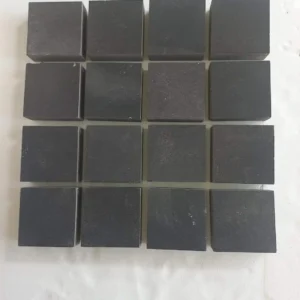
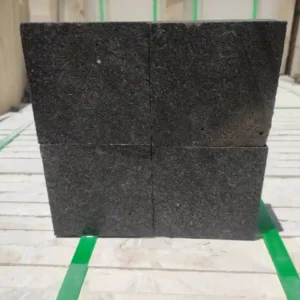
- Quartzite flagstone: highest density and UV color stability; harder to cut on site; ideal for high-traffic driveways and areas with significant thermal cycling
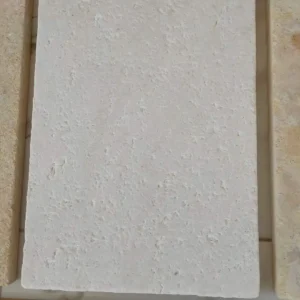
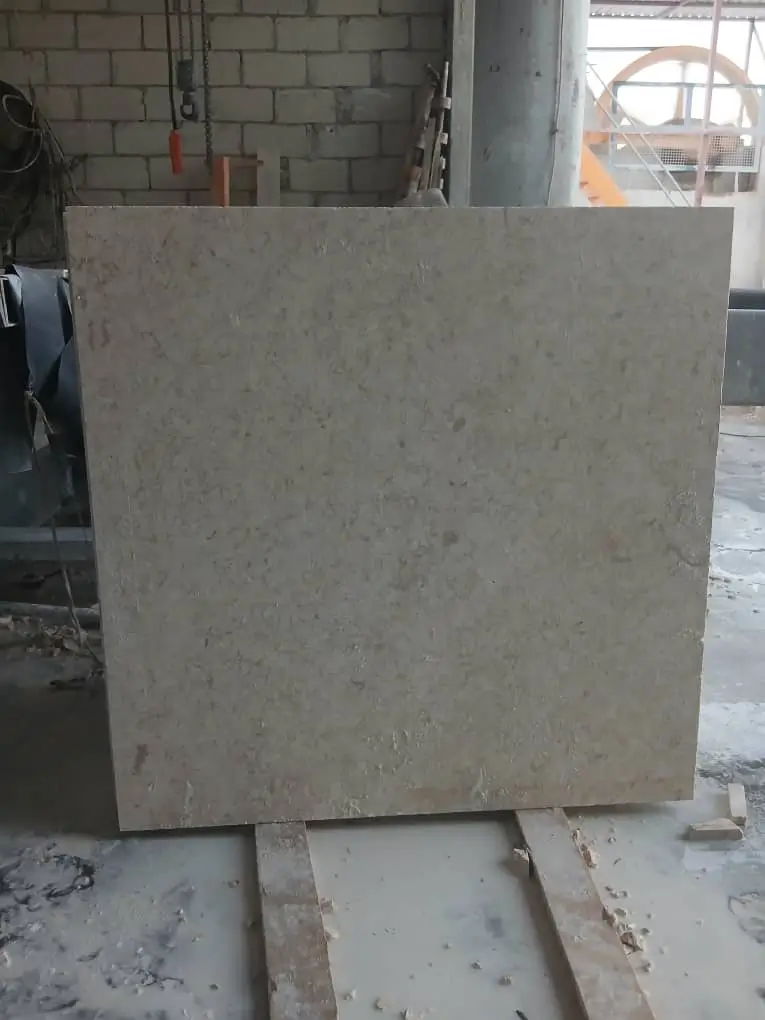
- Limestone flagstone paving stones: moderate density; excellent workability for irregular shapes; color can shift with prolonged UV and acid rain exposure; performs best when sealed regularly
- Sandstone flagstone: warmest aesthetic tones; most variable in density depending on source geology; higher absorption rates require more diligent sealing; the iron-oxide color shift under UV is most pronounced in this category
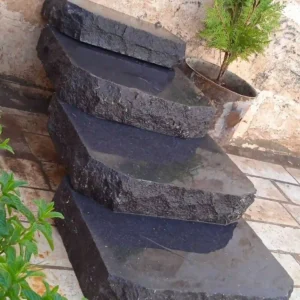
- Schist and slate-type flagstone: naturally laminated with excellent slip resistance on cleavage faces; vulnerable to delamination if moisture penetrates parallel to the lamination planes — a critical consideration in freeze-thaw regions
For landscape flagstone pavers in naturalistic garden settings where the aesthetic priority is organic integration, sandstone and limestone variants are the practical choice. For structural applications — driveways, commercial pedestrian plazas, heavily trafficked pool surrounds — quartzite or dense limestone gives you the performance numbers that hold up under load cycles and professional property maintenance schedules.
Buyers looking to buy flagstone pavers in volume should request material samples before committing, particularly for projects where color matching across a large area is a design requirement. Natural stone exhibits batch-to-batch variation that you need to evaluate under your project’s actual lighting conditions — Citadel Stone can coordinate samples from current warehouse inventory to match exactly what will ship on your order.
Flagstone Pavers — Order Direct from Citadel Stone
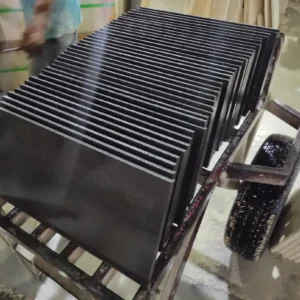
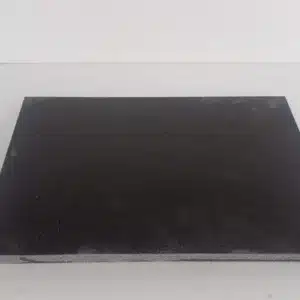
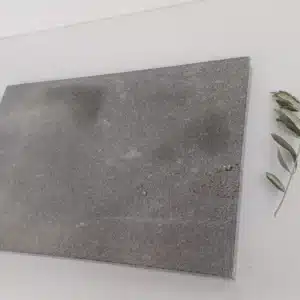
Citadel Stone stocks flagstone pavers in multiple formats including irregular natural-split stock, cut rectangular formats in 12×12, 12×24, and 16×24-inch sizes, and large-format slabs. Thickness options run from 1.25-inch nominal for light-duty pedestrian use through 2-inch and 2.5-inch for vehicular or heavy commercial applications. Sourced from established quarry partners, each batch is inspected for density consistency, surface integrity, and color uniformity before it reaches warehouse inventory, which means the material arriving on your project site reflects what you approved at the sample stage.
Nationwide delivery is available from regional inventory, with standard lead times of one to two weeks for in-stock formats. For projects requiring custom cuts, non-standard dimensions, or volume orders above 500 square feet, Citadel Stone’s technical team can advise on lead times and coordinate phased deliveries to match your installation schedule. Trade and wholesale accounts receive dedicated pricing and specification support — contact Citadel Stone directly to establish a project account and request a detailed quote. Cheap flagstone pavers that cut corners on density grading and pre-shipment inspection create long-term performance problems that cost far more to correct than the initial savings; verified material specs from a single national supplier eliminate that risk entirely. As you consider your broader hardscape material program, other natural stone applications may complement your flagstone installation — White limestone paver options represent a related specification pathway worth reviewing if warm-toned limestone is part of your project palette. Citadel Stone supplies Flagstone Pavers to contractors working on residential and commercial sites.