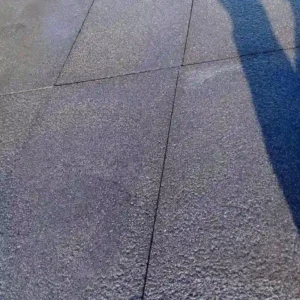
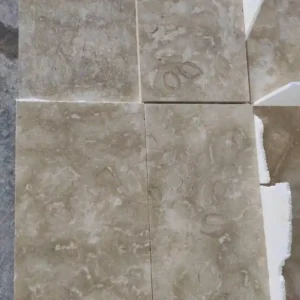
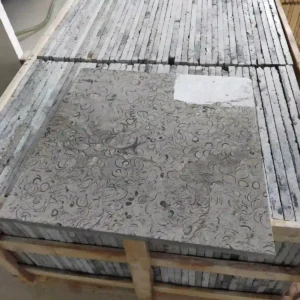
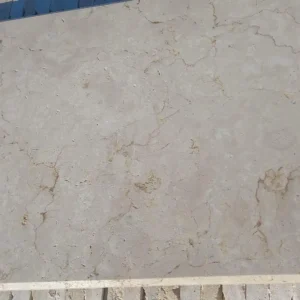
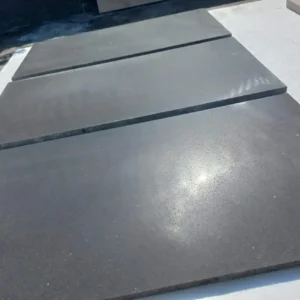
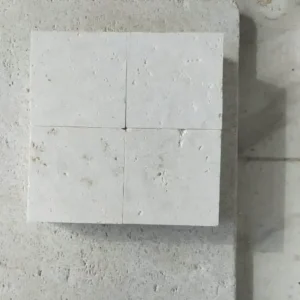
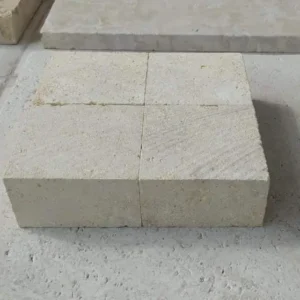
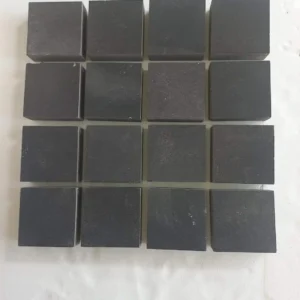
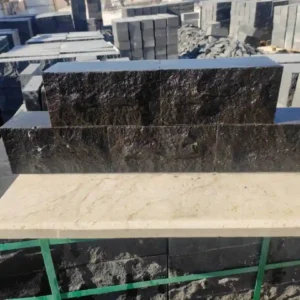
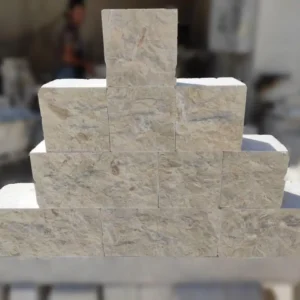
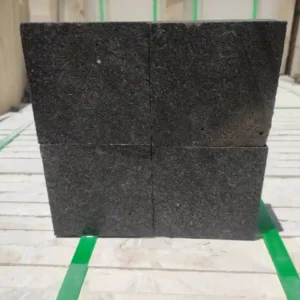
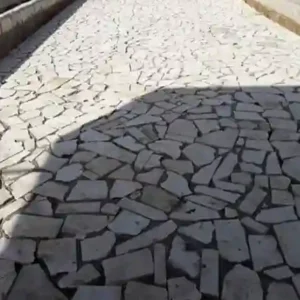
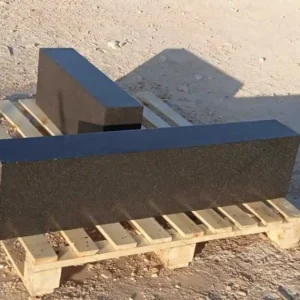
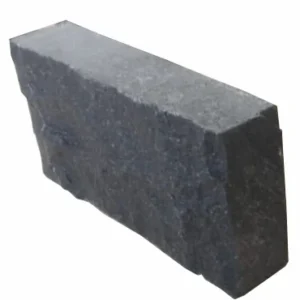
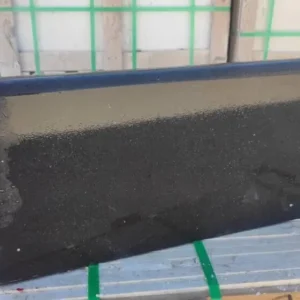
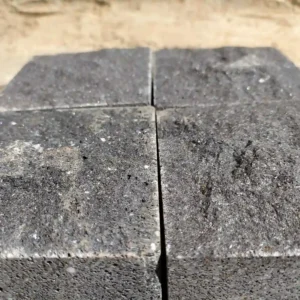
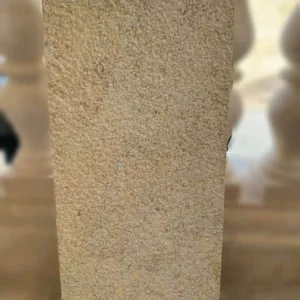
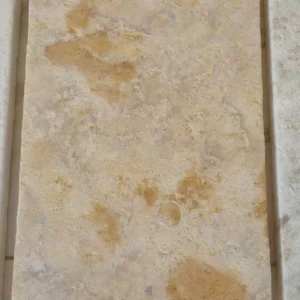
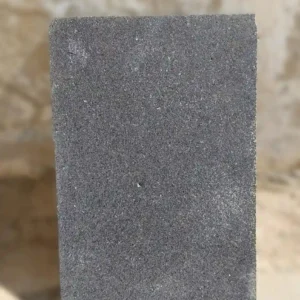
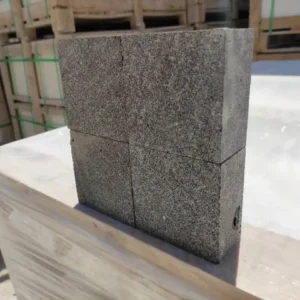
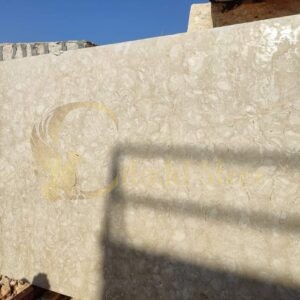
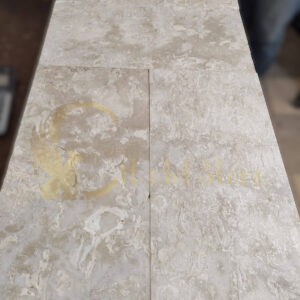
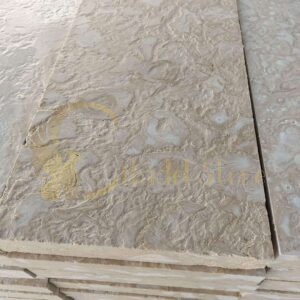
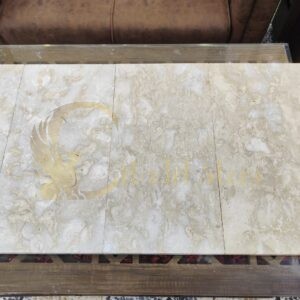
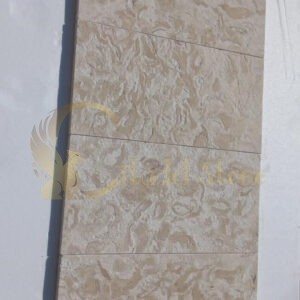
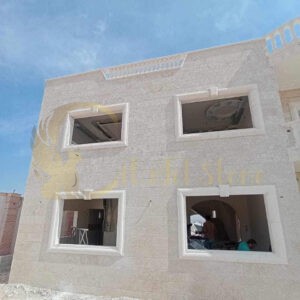
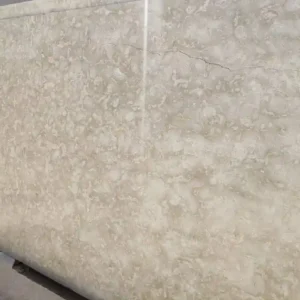
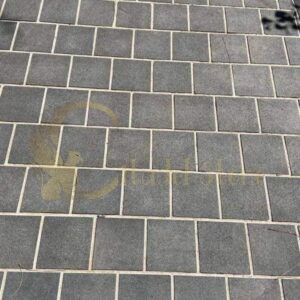
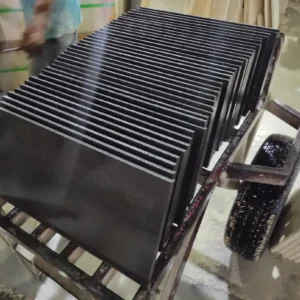
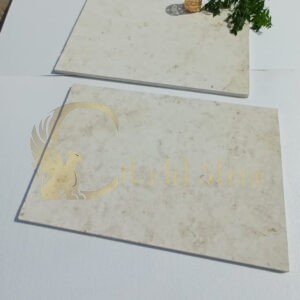
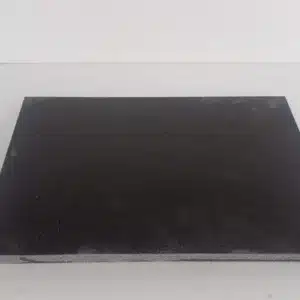
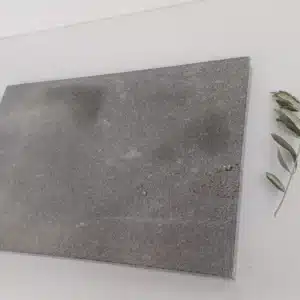
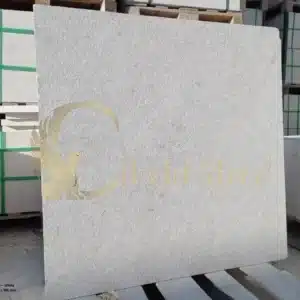
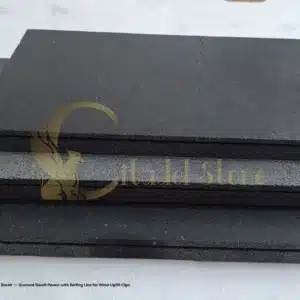
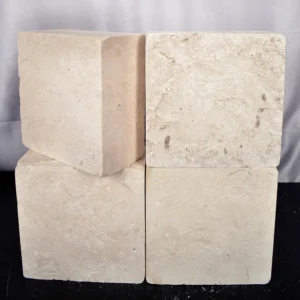
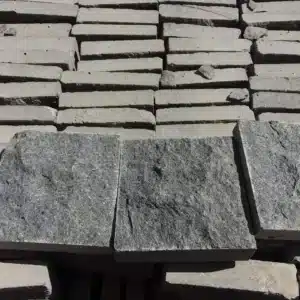
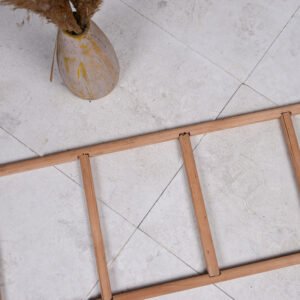
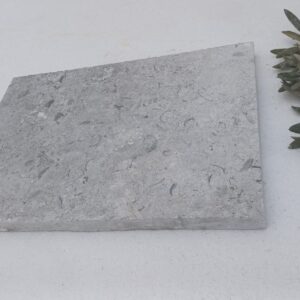
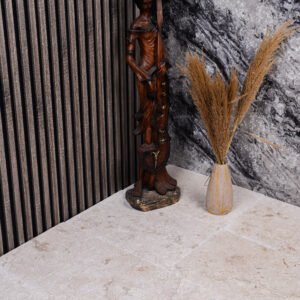
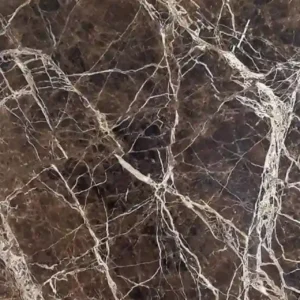
Specifying bluestone flagstone in Arizona for storm-exposed applications means accounting for mechanical stress loads that most material guides never address — specifically, the combined effect of hail impact, wind-driven debris, and cyclic freeze-thaw pressure that Flagstaff projects experience at elevations above 6,900 feet. The compressive strength of quality bluestone flagstone in Arizona typically exceeds 15,000 PSI, but that number alone doesn’t tell you whether a 1.5-inch slab will survive a direct hail strike without fracturing along natural bedding planes. What matters is the stone’s flexural strength relative to slab span, and that’s the specification variable that separates installations lasting 25 years from those needing panel replacement after the third monsoon season.
Why Storm Resistance Defines Bluestone Flagstone Selection in Arizona
Arizona’s weather profile is more mechanically aggressive than most suppliers acknowledge. The state’s monsoon season delivers sustained wind gusts exceeding 60 mph across the Phoenix metro, with haboobs generating particulate impact that abrades softer stone surfaces and compromises sealed finishes within a single storm event. Your material choice needs to withstand those conditions structurally, not just aesthetically. According to bluestone geological classification and properties, the dense sedimentary structure of bluestone gives it a natural resistance to surface abrasion that softer flagging alternatives simply can’t match under repeated mechanical stress.
The blue-gray flagstone in Arizona projects that perform best over time share a consistent characteristic — they’re specified at minimum 1.5-inch thickness for patio applications and 2 inches where wind-driven debris or vehicle overhang creates point-load risk. Thinner panels look attractive in warehouse samples but reveal their limitations when a monsoon-season windstorm sends gravel across your terrace at speed. Citadel Stone’s team evaluates slab thickness relative to project exposure during the consultation phase, which is why contractor specifications from us typically include a thickness-to-span ratio recommendation rather than just a nominal size.
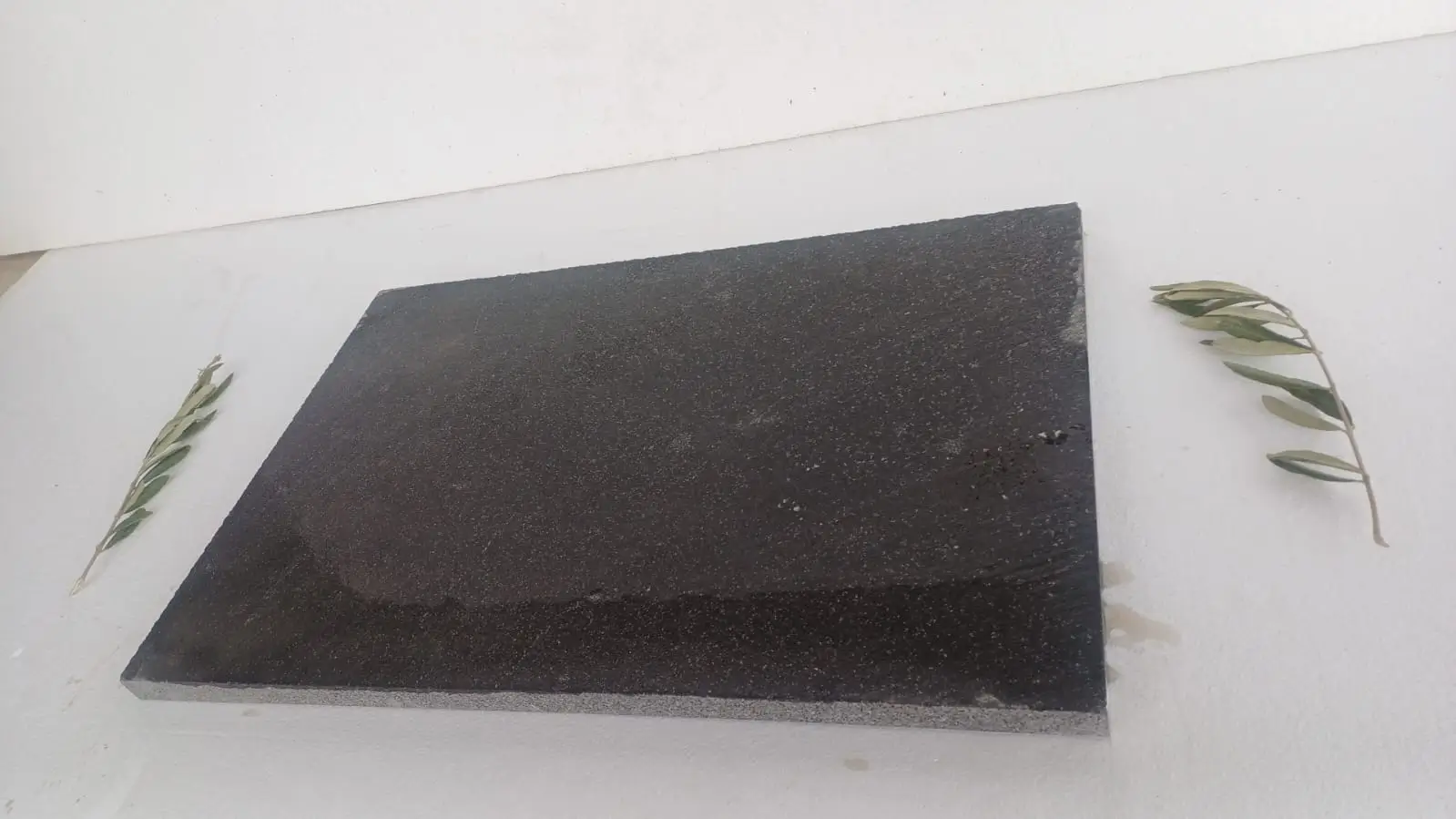
Understanding Blue Gray Flagstone Performance Under Wind Loads
Wind load calculations matter more on elevated decks and rooftop terraces than at grade level, but even ground-level patio installations in exposed Scottsdale desert lots experience meaningful uplift pressure beneath large slab formats during storm events. The physics here are straightforward — a 24-by-24-inch panel with any edge lifting from a deteriorated mortar bed becomes a wind sail. Your specification should address both the setting bed adhesion and the joint fill integrity as storm-resistance factors, not just aesthetic choices.
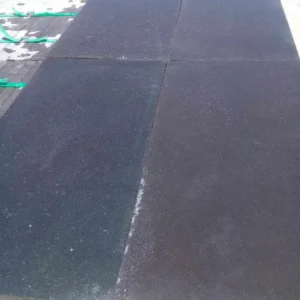
Bluestone flagging in Arizona performs well under these conditions when it’s set on a properly reinforced concrete substrate with a full-coverage thinset bond. Partial-coverage beds — the kind that result from back-buttering shortcuts — leave air voids that allow hydraulic pressure to build during driving rain, progressively loosening the panel from below. The detail that matters most here isn’t the stone itself but the bond coat coverage: aim for 95% or better contact on any slab larger than 16 inches in either dimension.
- Full mortar bed coverage reduces hydraulic uplift pressure during monsoon rain events
- Expansion joints every 12 to 15 feet prevent buckling from thermal cycling between storm cool-down and post-storm solar reheating
- Edge restraints on perimeter courses prevent panel migration during sustained lateral wind loads
- Joint sand or grout selection should be rated for 0.3-inch deflection without cracking under point impact
The USGS tracks dimension stone performance data nationally, and USGS flagstone and dimension stone paving data confirms that dense-grained sedimentary flagstones consistently outperform softer alternatives in high-abrasion outdoor applications — exactly the conditions Arizona’s wind-driven storm events create.
Blue Flagstone Patio Base Preparation for Arizona Conditions
Base preparation for a blue flagstone patio in Arizona has to account for two competing demands that don’t exist in milder climates — the need for drainage speed during monsoon downpours and the need for structural rigidity under the mechanical shock of hail and wind-driven impact. A purely permeable gravel base drains beautifully but allows micro-movement under impact loads. A purely rigid concrete base handles impact perfectly but requires precise drainage slope engineering to prevent ponding that undermines the setting bed over time.
The practical solution most experienced specifiers use is a 4-inch compacted crushed aggregate base topped by a 3-to-4-inch concrete slab, with the flagstone set in a modified thinset rated for exterior wet-dry cycling. In Tucson, where expansive clay soils in certain neighborhoods add a third variable — soil heave — extending the aggregate base to 6 inches minimum and adding a geotextile fabric layer at the subgrade interface limits fine-particle migration into the base course over time.
- Minimum 2% drainage slope away from structures prevents ponding that weakens the setting bed during repeated wet-dry cycles
- Crushed aggregate base compacted to 95% Proctor density prevents settlement under impact and traffic loads
- Modified thinset with polymer additives maintains adhesion flexibility across Arizona’s wide temperature swing range
- Control joints cut to full slab depth every 10 to 12 feet prevent random cracking from thermal shock after storm cooling events
Blue Flagstone Walkway Design and Storm Durability
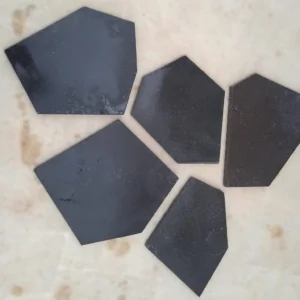
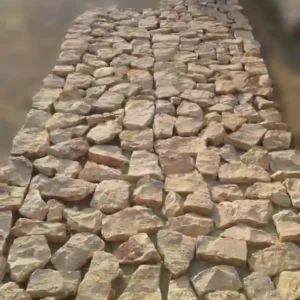
Designing a blue flagstone walkway in Arizona for storm resilience requires thinking about surface geometry differently than you would in a stable climate. Irregular flagstone layouts with tight joints perform better under hail impact than large-format slabs because the smaller panel size reduces the unsupported span that determines flexural failure point. The trade-off is that irregular formats require more precise base leveling — a 3-inch thickness variation across an irregular panel on a poorly prepared base creates a lever-arm effect under impact that can crack even structurally strong stone.
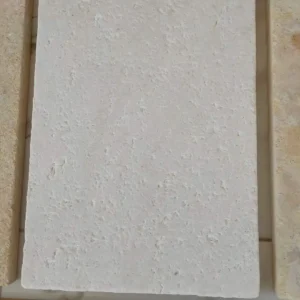
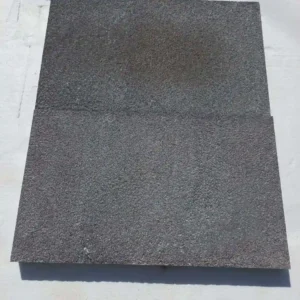
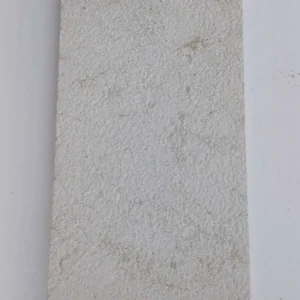
For walkway applications specifically, the finish texture choice also becomes a storm-safety factor. Honed surfaces accumulate fine particulate during haboobs, creating a slip hazard when wet. A sawn-and-sandblasted finish in the medium-coarse range gives you the aesthetic clarity of honed stone with enough surface relief to maintain traction after storm events — you’re looking for a static coefficient of friction above 0.6 measured wet, which sandblasted blue stone flagging typically achieves without additional treatment.
For projects requiring layout guidance or thickness confirmation before ordering, you can request sample tiles and specification sheets from Citadel Stone — having physical samples on-site during base preparation helps contractors verify thickness tolerances before the truck delivery arrives and installation begins.
Bluestone Flagstone Patio Finish Options and Hail Resistance
Hail damage to natural stone is underreported in specification literature, but anyone who has managed projects across northern Arizona understands the risk. Sedona projects at 4,400-foot elevation sit in the hail corridor that runs north from Phoenix during summer convective storms, and golf-ball-size hail events that occur several times per decade can leave visible impact marks on softer stone finishes. Bluestone flagstone in Arizona holds up substantially better than limestone or sandstone alternatives under hail impact because of its higher density and lower absorption rate — water infiltration into micro-fractures during freeze events is the failure mechanism that hail initiates, not the impact itself.
Sealed finishes add a protection layer, but sealer selection matters enormously here. Penetrating silane-siloxane sealers applied to clean, dry stone reduce the water absorption that drives freeze-thaw cycle damage after hail micro-fracturing. Film-forming sealers look impressive in warehouse lighting but can trap moisture beneath the film on installation surfaces that experience driving rain, leading to spalling and delamination within two to three seasons. The ASLA natural stone and flagstone outdoor paving guidance addresses surface permeability considerations that directly inform sealer selection for storm-exposed installations.
- Penetrating silane-siloxane sealers reduce water absorption to below 0.5% without affecting breathability
- Reapplication every 3 to 5 years maintains storm protection without requiring stripping or surface preparation
- Avoid film-forming acrylics in high-rainfall zones — they trap moisture and accelerate spalling in freeze-thaw conditions
- Blue stone flagging with a natural cleft finish maintains better sealer adhesion than polished surfaces in outdoor applications
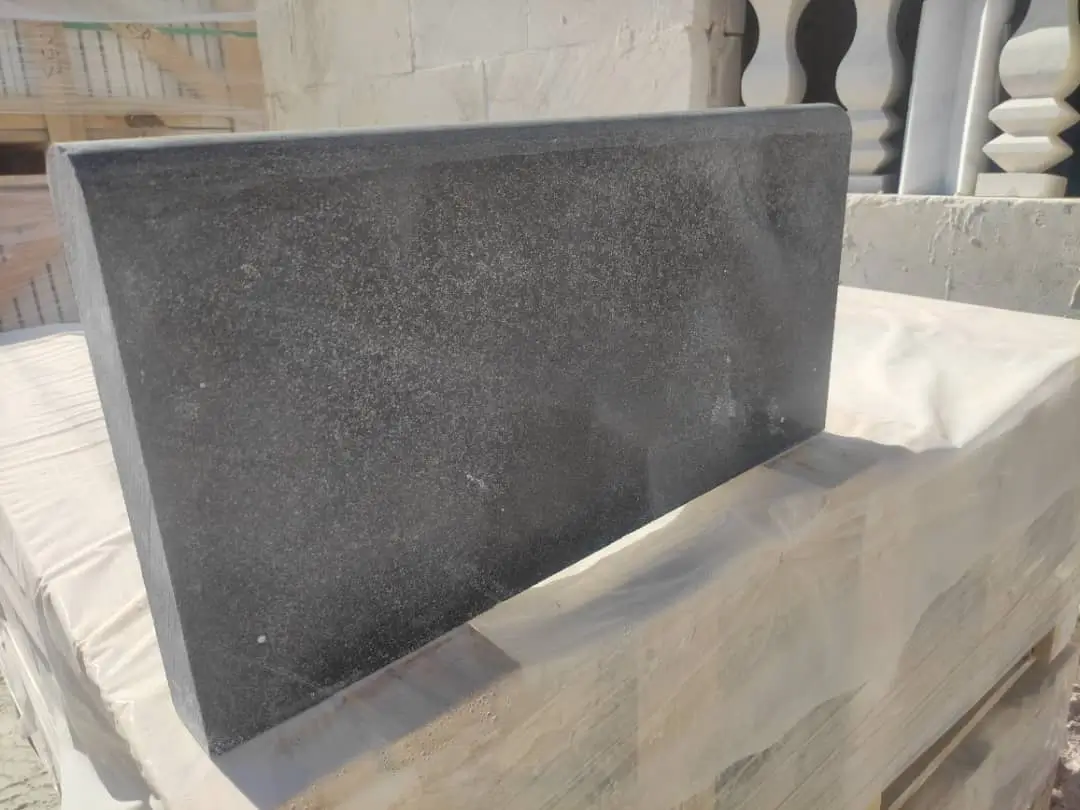
Colour Variation and Blue Gray Tone Consistency in Flagstone Selection
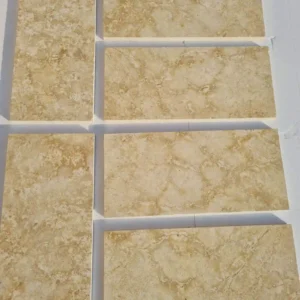
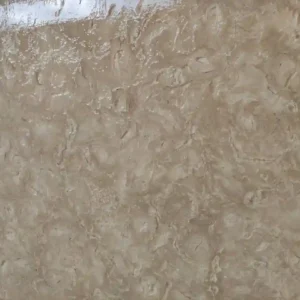
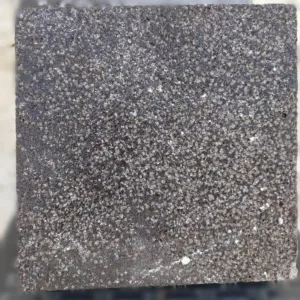
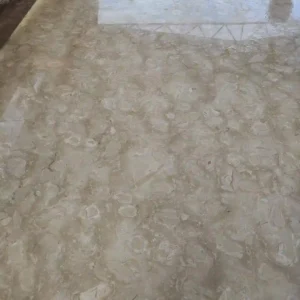
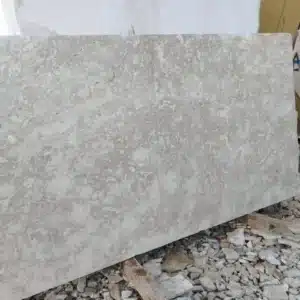
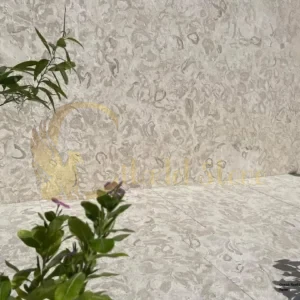
The blue-gray flagstone palette that Arizona designers specify varies more significantly between quarry batches than most product pages suggest. True bluestone flagstone in Arizona projects carries a base tone ranging from steel blue-gray to a warmer blue-green-gray depending on mineral composition — specifically the ratio of quartz, feldspar, and chlorite in the parent rock. This variation is natural and expected, but it creates real project challenges when sourcing across multiple truck deliveries for a large installation area.
Specifying colour-matched batches from a single warehouse pull is the most reliable way to maintain tone consistency across a project. For bluestone flagging projects above 2,000 square feet, verify warehouse stock availability before committing your installation schedule — a mid-project supply gap that forces a second quarry batch can introduce tone variation visible enough to require layout adjustments. Each batch Citadel Stone supplies is visually inspected for colour band consistency before dispatch, which reduces the risk of mismatched deliveries on larger contracts.
The base preparation section of your project is also where the mid-article link fits naturally into your research sequence. For complementary specification details on site-specific conditions in Phoenix, Tucson, and across the state, Bluestone Flagstone from Citadel Stone covers the most common field problems encountered on Arizona installations and how to address them before they become warranty conversations.
Blue Stone Flagging Maintenance After Arizona Storm Season
Post-storm maintenance on a bluestone flagstone patio installation is a short-window opportunity that most homeowners miss. The 48 hours after a major monsoon or hail event are the optimal time to inspect joint integrity, clear debris from drainage channels, and identify any micro-cracking at slab edges before the next thermal cycling event widens those fractures further. What you’re looking for isn’t visible cracking — it’s the subtle edge lifting that indicates bond coat failure beneath the surface.
Run a rubber mallet lightly across each panel surface and listen for the hollow resonance that indicates a de-bonded panel. A properly bonded panel returns a dense, flat sound. A hollow sound means the thinset bond has failed beneath that section — it’s not a surface crack, but it’s the failure mechanism that becomes a surface crack after the next hail event or hard freeze. Catching de-bonded panels at this stage allows spot injection of epoxy grout through edge joints before moisture infiltration accelerates the damage cycle.
- Check perimeter joints for sand loss after each major storm — joint sand loss of more than 25% requires refilling before the next weather event
- Inspect drainage slopes for sediment blockage — storm debris accumulation at low points creates ponding that undermines the base over repeated cycles
- Re-seal any panels showing increased water absorption — storm micro-fracturing can compromise the existing sealer film before the scheduled reapplication date
- Document panel conditions after major events — a photographic record helps distinguish storm damage from installation defects when assessing warranty coverage
Bluestone Flagstone Patio Sizing, Formats, and Project Planning
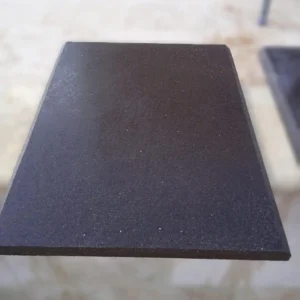
Format selection for a bluestone flagstone patio installation in Arizona involves balancing aesthetic preferences against the practical realities of storm load distribution and installation logistics. Large-format slabs in the 24-by-36-inch range create a clean, contemporary look that photographs well in Mesa and Chandler outdoor living spaces, but they require a more precisely prepared substrate and a higher bond coat specification than smaller irregular formats. The per-square-foot material cost is often similar, but the installation labor cost for large-format work is meaningfully higher.
Irregular bluestone flagging in random sizes from 12 inches to 24 inches on the long dimension gives you more installation flexibility on slightly irregular substrates and distributes storm impact loads across more joint lines — which actually improves hail resistance for ground-level applications. For elevated decks or areas with significant wind exposure, rectangular sawn formats with consistent thickness tolerances give you better control over bond coverage and structural performance under load. According to the Natural Stone Institute natural stone paving durability standards, consistent thickness tolerances are a primary factor in bond coat performance for exterior stone applications.
- Irregular formats: best for ground-level patios, naturalistic settings, and moderate storm exposure zones
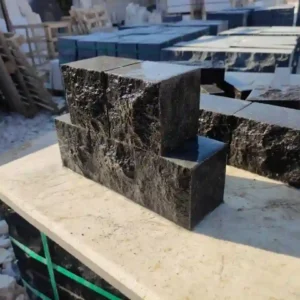
- Sawn rectangular formats: best for elevated decks, high wind exposure areas, and contemporary design aesthetics
- Random rectangular formats: a middle option that combines layout flexibility with more consistent thickness tolerances than fully irregular cuts
- Thickness range of 1.5 to 2 inches covers most residential and light commercial Arizona applications
Get Bluestone Flagstone Delivered Across Arizona
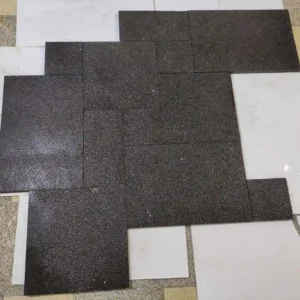
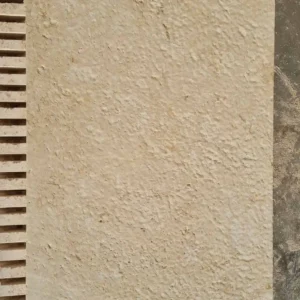
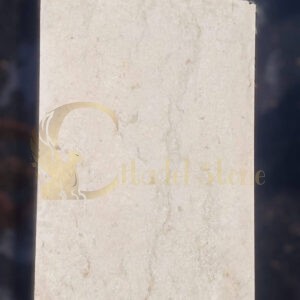
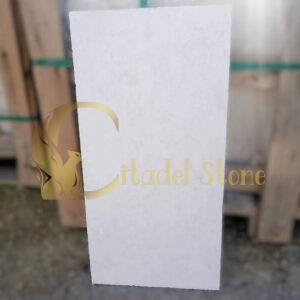
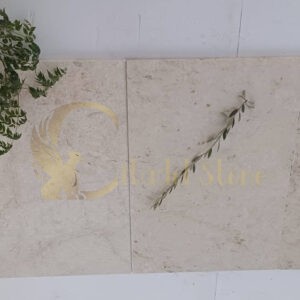
Citadel Stone stocks bluestone flagstone in Arizona in standard formats including irregular random, random rectangular, and sawn square configurations across the 1.5-inch and 2-inch thickness ranges. Available finishes include natural cleft, sandblasted, and sawn-face options suited to the full range of Arizona climate exposure zones from Phoenix valley to high-elevation Flagstaff installations. You can request sample tiles and a project specification sheet before committing to a full order — particularly useful when matching an existing installation or verifying colour tone across a large project area.
Trade and wholesale enquiries are handled directly through Citadel Stone’s project team, which can provide volume pricing, batch reservation for large-format projects, and custom cut coordination for non-standard dimensions. Delivery covers the full Arizona market, with truck logistics coordinated from regional warehouse inventory that typically supports 1-to-2-week lead times on stocked formats — significantly faster than the 6-to-8-week import cycle that affects contractors sourcing from overseas suppliers. For projects with specific scheduling windows around contractor availability or permit timelines, contact Citadel Stone early to confirm stock levels and lock in a delivery date that aligns with your installation sequence.
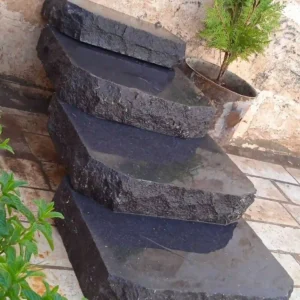
Your project’s outdoor material palette may extend beyond flagstone as your Arizona hardscape design develops — if you’re considering contrast elements or border materials, black flagstone options in Arizona covers a complementary material that pairs well with blue-gray tones in contemporary desert landscape design. Contractors in Flagstaff, Sedona, and Yuma select Citadel Stone Bluestone Flagstone for Arizona residential and commercial projects.