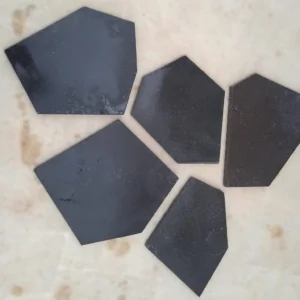
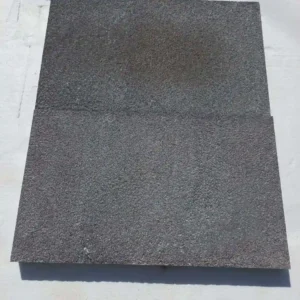
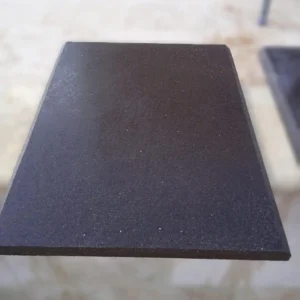
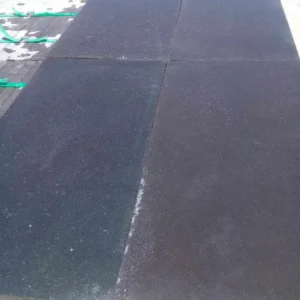





UV degradation is the silent spec killer in Arizona block paving projects — and it strikes faster than most designers anticipate. The high-altitude solar radiation across the Sonoran Desert delivers UV index readings that regularly exceed 11, and at those levels, surface mineralogy begins shifting within the first two seasons of exposure. Selecting the right block paving in Arizona means understanding not just which stone looks right on day one, but which materials maintain structural integrity and color fidelity under sustained ultraviolet bombardment across decades.
How UV Exposure Affects Block Paving Materials in Arizona
Arizona’s UV environment is genuinely different from coastal or northern states — it’s not just about heat. The combination of elevation, low humidity, and intense solar angle means photon energy penetrates deeper into stone surfaces than in high-moisture climates where water absorption partially deflects radiation. Natural stone’s crystalline structure responds to sustained UV exposure through a process called photooxidation, where mineral bonds at the surface layer gradually weaken. You’ll notice this first as a subtle shift in color saturation, then as micro-surface scaling if the stone wasn’t quarried from a dense, low-porosity formation.
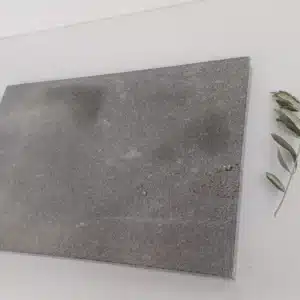
Block paving bricks in Arizona that use naturally dense basalt or hard limestone perform significantly better against photooxidation than softer sedimentary options. The key metric to evaluate is water absorption rate — stones testing below 0.5% per ASTM C97 show measurably lower UV-driven spalling rates in desert environments. Citadel Stone sources each material batch with documented absorption test data, so you can verify these specifications before committing to a full installation quantity.
Surface finish also determines UV vulnerability in ways most specifiers underestimate:
- Honed finishes expose fresh crystalline surfaces that initially read brighter but oxidize unevenly within 18–24 months under direct Arizona sun
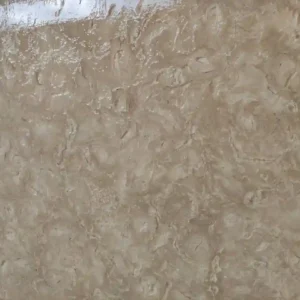
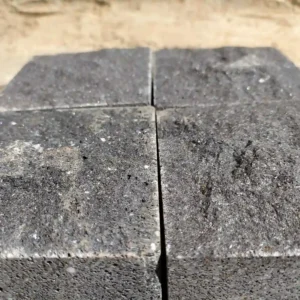
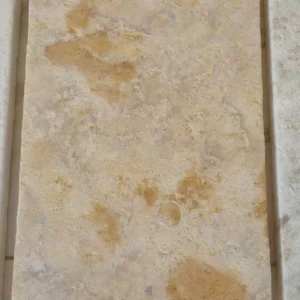
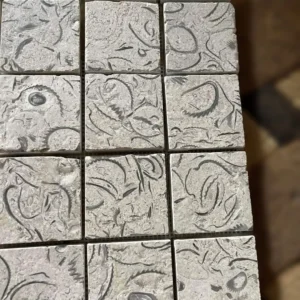
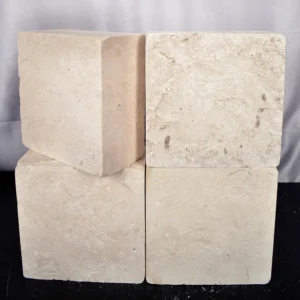
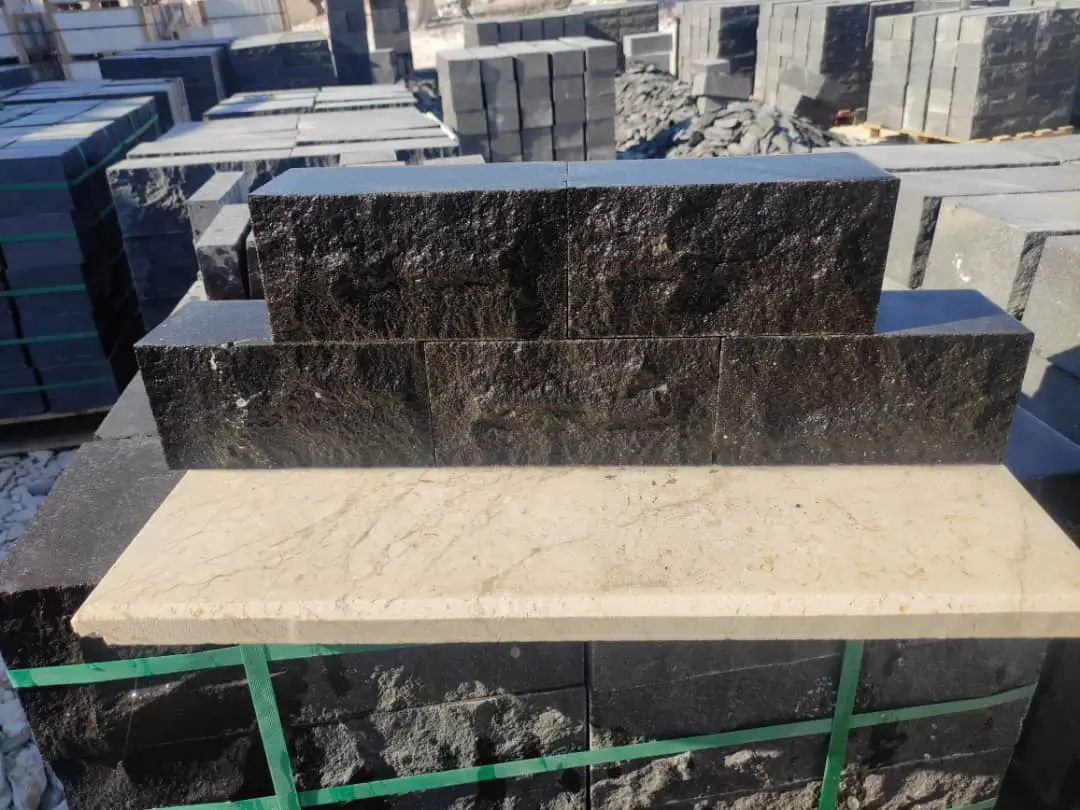
- Tumbled block paving finishes, by contrast, arrive with pre-aged surface texture that masks subsequent UV weathering and maintains a consistent patina far longer
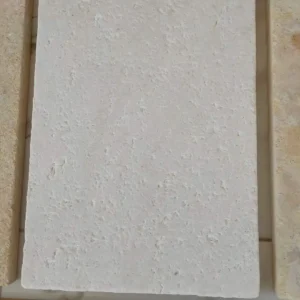
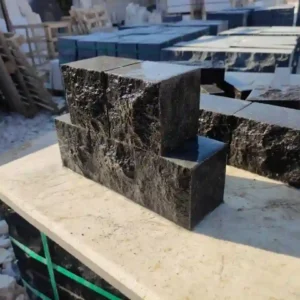
- Sawn-face block paving slabs hold color better than split-face variants because the cutting process seals micro-fissures that would otherwise funnel UV-degraded mineral particles outward
- Thermal-finished surfaces create a dense, carbonized outer layer that reflects UV at a higher rate than standard honing — a detail worth specifying in maximum-exposure zones like south-facing driveways
Block Paving Patterns in Arizona: Which Layouts Hold Up Best
Pattern selection in Arizona isn’t purely aesthetic — joint geometry directly influences how UV-heated surfaces manage thermal expansion and drainage simultaneously. Grey herringbone block paving remains the most structurally stable layout for high-traffic applications because the 45-degree or 90-degree offset distributes point loads across multiple units rather than along continuous grout lines. In expansive soil zones common to the Phoenix metro, this load distribution prevents the differential heaving that straight-stack patterns amplify.
In Scottsdale, where residential projects often prioritize clean modern aesthetics alongside technical performance, modern block paving in running-bond or basket-weave arrangements has gained traction for garden patio applications. The key for these designs is specifying a minimum 60mm unit thickness — thinner blocks flex under Arizona’s thermal mass cycling and can generate hairline fractures within 3–5 years on inadequately prepared sub-bases.
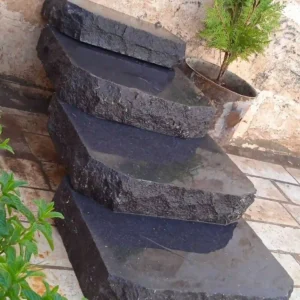
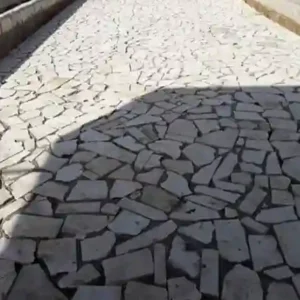
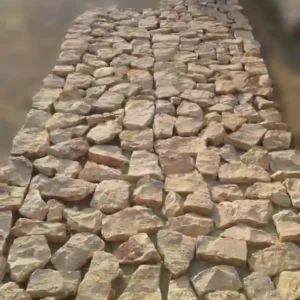
Cobble block paving patterns work particularly well for lower-traffic applications like garden paths and courtyard accents because the varied unit sizes naturally accommodate minor differential movement without creating visible disruption. For block paving steps specifically, maintain a consistent unit height across all risers — thermal expansion differences between riser and tread materials become visible gaps over time if you mix stone types within a single staircase run.
Color Selection and UV Fading: What Actually Happens to Your Block Paving
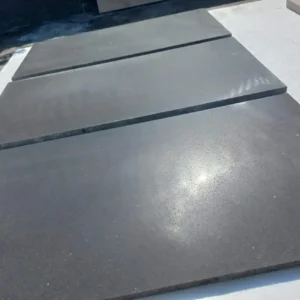
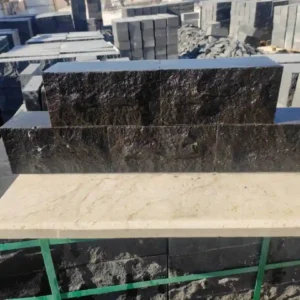
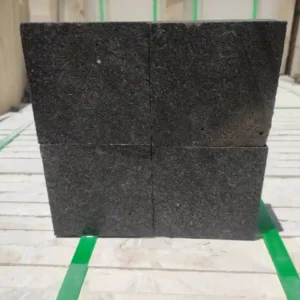
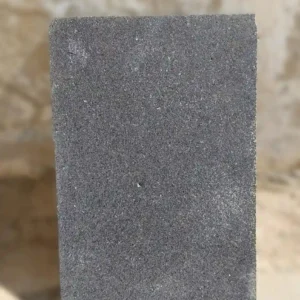
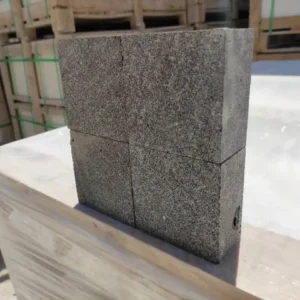
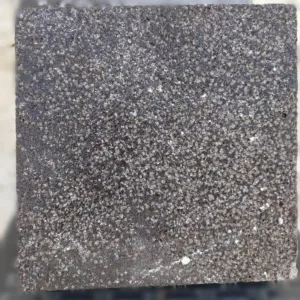
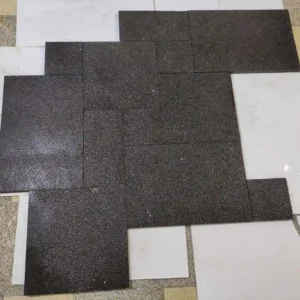
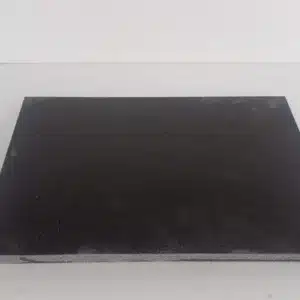
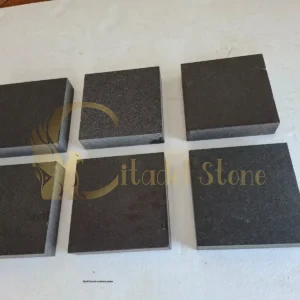
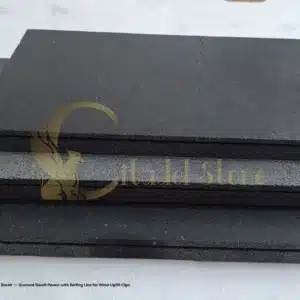
The color science of block paving in Arizona under intense UV deserves a dedicated discussion because standard supplier guidance rarely covers what actually happens at the mineral level. Charcoal block paving contains iron sulfide compounds that, under sustained UV exposure above UV Index 10, undergo gradual photooxidation toward a grey-brown undertone. This isn’t a defect — it’s a predictable mineral response. Your specification should account for this shift by selecting a darker base tone than your target finished color.
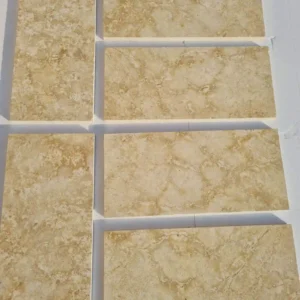
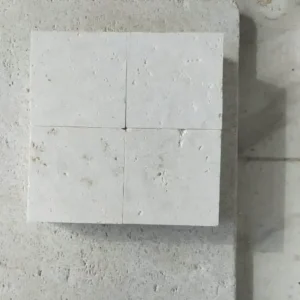
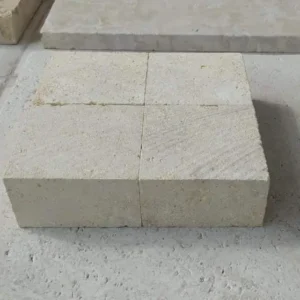
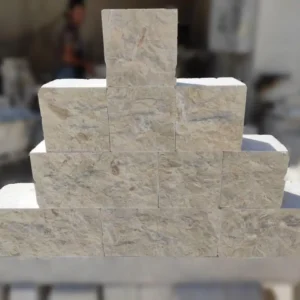
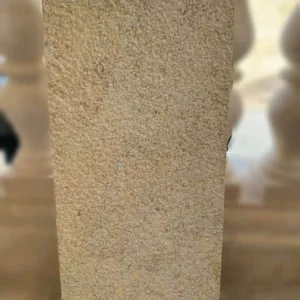
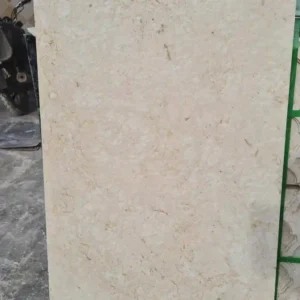
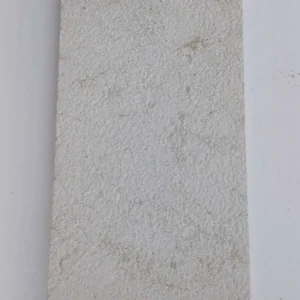
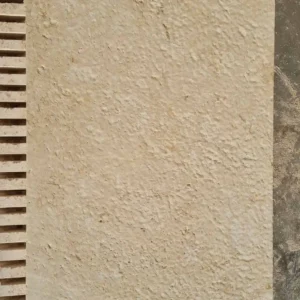
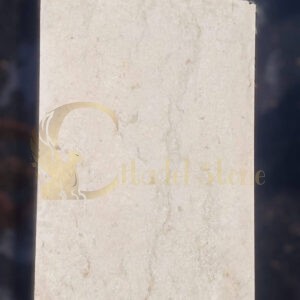
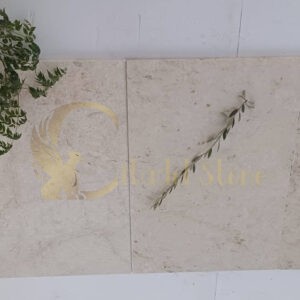
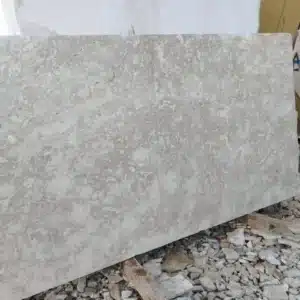
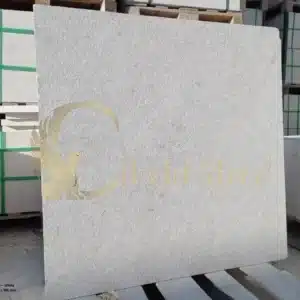
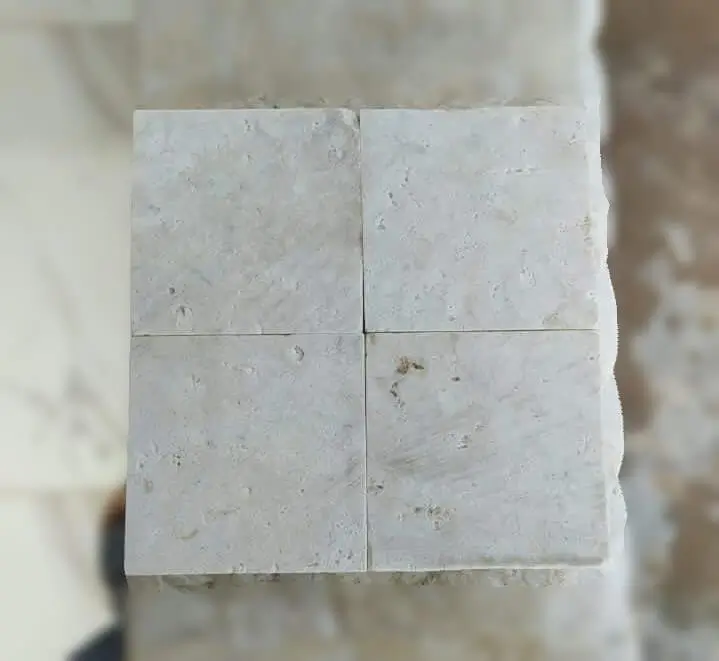
Lighter tones present a different challenge. Cream and buff block paving slabs in Arizona typically show UV-driven efflorescence more visibly than in northern climates because the rapid evaporation cycle pulls soluble salts to the surface faster. Applying a penetrating silane-siloxane sealer within 30 days of installation — before the first full summer UV cycle — dramatically reduces visible efflorescence by blocking the capillary pathways salts travel.
For projects where color consistency over time is a primary specification criterion, these are the honest trade-offs to communicate to clients:
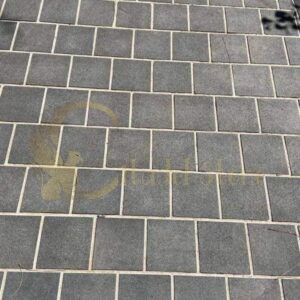
- Charcoal block paving will lighten approximately 15–20% in tone over the first five years under Arizona UV — plan accordingly when selecting grout colors
- Grey herringbone block paving maintains better apparent color consistency than same-color running bond because the angular shadow pattern visually masks surface oxidation
- Natural iron-oxide pigmentation in stone performs better long-term than synthetic dyes, which break down under UV at a molecular level faster than mineral pigments
- Tumbled block paving already shows a weathered surface, so ongoing UV exposure reads as patina rather than degradation — a significant practical advantage in Arizona conditions
- Sealing with UV-resistant topical sealers adds protection but requires reapplication every 2–3 years in desert climates, compared to 4–5 year cycles in cooler states
Citadel Stone maintains detailed shade samples for each block paving product line, and we recommend ordering physical samples for side-by-side UV comparison before finalizing color specifications on large-format projects.
Base Preparation for Block Paving in Arizona Soils
The surface UV performance of your block paving installation is only as reliable as the base beneath it — and Arizona presents some genuinely challenging sub-base conditions. Expansive clay soils, caliche hardpan, and sandy alluvial deposits all require different base engineering approaches, and confusing them is the most common reason block paving fails prematurely in this state.
In Tucson, expansive clay soils dominate many residential districts, and these soils can generate vertical movement of 1.5–2.5 inches through seasonal moisture cycling. For block paving over expansive clay, your aggregate base depth should reach a minimum of 8 inches of compacted Class II road base, with a geotextile separation layer between native soil and aggregate to prevent clay migration upward. Skipping the geotextile saves approximately $0.30 per square foot on installation day and typically costs 3–5 times that amount in remediation within a decade.
Caliche hardpan, common in the Phoenix metropolitan area, presents the opposite challenge — it’s exceptionally dense but fractures unpredictably under dynamic loading. Scarifying and recompacting caliche layers is essential rather than treating them as a ready-made sub-base. Unfractured caliche creates isolated rigid zones that concentrate differential stress in the overlying block paving slabs. For projects reviewing complementary stone elements and similar base requirements, block paving bricks Arizona options provides additional specification context for site conditions that mirror the soil dynamics described here.
Standard base depth recommendations by traffic load category for Arizona conditions include the following:
- Pedestrian-only garden patio and block paving garden patio applications: minimum 4 inches compacted aggregate base over prepared native soil
- Residential driveway and light vehicle areas: minimum 6 inches compacted Class II aggregate with proof-roll testing before setting bed placement
- Block paving steps and transition zones: minimum 6-inch monolithic concrete footing beneath step base units to prevent differential settlement
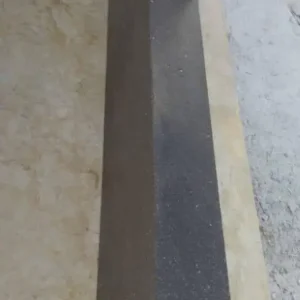
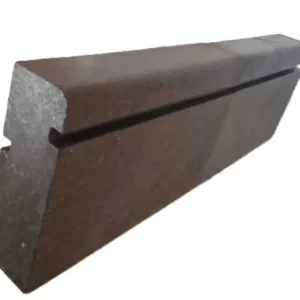
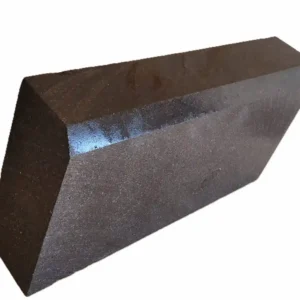
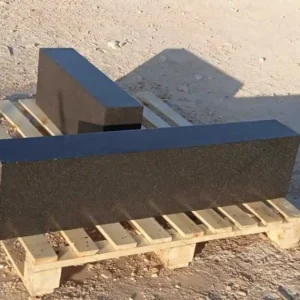
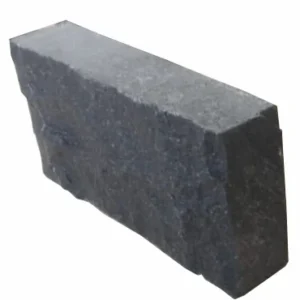
- Block paving kerbs: concrete haunch on both sides minimum 6 inches wide, placed before field units to establish rigid edge restraint
Selecting Block Paving Slabs and Stones for Arizona Applications
Format selection — the physical dimensions and thickness of your block paving units — has a direct relationship with UV performance that isn’t intuitive until you’ve seen failures in the field. Larger format block paving slabs have more surface area exposed to UV per unit, which means surface temperature differentials between shaded and unshaded areas of a single slab can exceed 40°F during peak Arizona summer afternoons. This temperature gradient creates tensile stress within the unit itself, and thinner slabs in large formats crack along hidden micro-fissures that UV exposure eventually reveals.
The practical thickness minimum for block paving slabs in Arizona outdoor applications is 30mm for pedestrian-only zones and 60mm for any surface that sees vehicle loads. Below these thresholds, the thermal cycling between Arizona days and cooler desert nights — which can swing 35–45°F in a single 24-hour period — generates cumulative fatigue stress that shortens service life measurably.
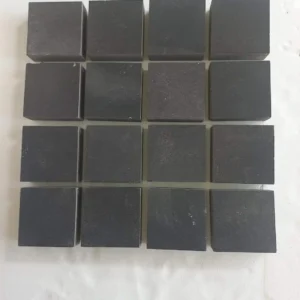
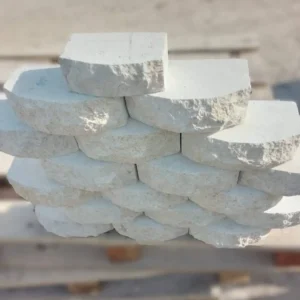
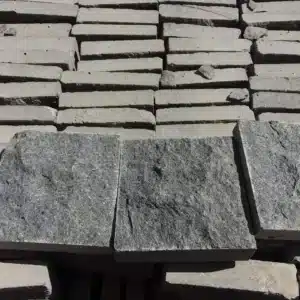
Block paving stones in cobble and sett formats offer an inherently more UV-resilient geometry because their compact size limits the internal temperature gradient per unit. Thermal stress is distributed across thousands of small joints rather than concentrated within large slabs. The trade-off is installation labor — cobble block paving requires more time per square foot to set correctly, and joint filling in Arizona’s sandy environment demands reapplication of polymeric sand every 2–3 years as wind erosion affects surface joints.
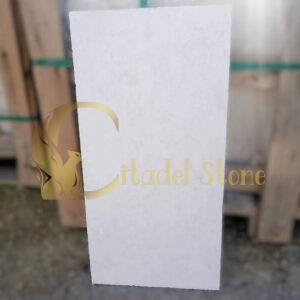
Citadel Stone stocks block paving slabs in standard formats ranging from 200×100mm through 400×200mm in thicknesses from 30mm to 80mm, with availability across both tumbled and sawn-face finishes. Specification sheets with dimensional tolerances and absorption test data are available on request before placing orders, which streamlines the submittal process on commercial projects.
Designing a Block Paved Patio That Performs in Arizona’s UV Environment
A block patio in Arizona serves as both a functional outdoor living space and a long-term test of your material and design decisions under some of the most demanding UV conditions in North America. The design variables that matter most — beyond material selection — are surface slope, shade integration, and joint width management.
Surface slope on a block paved patio should be a minimum 1.5% (approximately 3/16 inch per foot) away from structures. Arizona’s monsoon season delivers intense precipitation events that can deposit 1–2 inches of rain within 30 minutes, and inadequate slope creates standing water that, when it evaporates rapidly under UV-driven heat, leaves mineral deposits that etch stone surfaces over time. This cycle — monsoon saturation followed by UV-driven evaporation — is the leading cause of surface pitting on improperly sloped Arizona patios.
Shade integration fundamentally changes your maintenance requirements. Block paving under covered patios and pergolas receives less UV exposure, which slows photooxidation but also reduces the natural cleaning effect that direct sun provides. Shaded sections retain organic material differently and may require more frequent cleaning to prevent biological growth. Designing the patio so shaded and unshaded zones use the same stone eliminates the visual color-match problem that develops when you mix materials with different UV response rates.
For block paving garden patio applications where plant integration is part of the design, allow minimum 20mm joint widths to accommodate root pressure from adjacent plantings. Arizona native plants develop extensive lateral root systems, and narrow joints in garden patio contexts create root-driven unit displacement within 5–8 years of establishment.
What to Look for in Block Paving Suppliers in Arizona
Choosing among block paving suppliers in Arizona requires evaluating more than price per square foot. The critical supply chain variables that affect your project outcome are material traceability, warehouse stock consistency, and regional delivery capability — factors that don’t appear in a price quote but determine whether your installation matches expectations at completion.
Material traceability means being able to confirm that the stone specified in the sample matches what arrives on the truck. Natural stone varies by quarry lot, and without documented batch tracking, material from two different quarry cuts with visible tone differences can arrive within a single order. Reputable block paving suppliers in Arizona should provide quarry origin documentation and batch reference numbers with each delivery so you can cross-check against your approved samples.
In Phoenix, project timelines are often compressed by the summer construction window — contractors want to complete base and setting work before temperatures push concrete setting times beyond practical limits. Having confirmed warehouse stock before finalizing your schedule is essential. A supplier whose warehouse inventory is depleted mid-project forces a material substitution or delay, neither of which is acceptable on a high-value installation.
At Citadel Stone, we maintain regional warehouse inventory specifically to support Arizona project timelines, with standard lead times of 1–2 weeks for stocked products versus the 6–8 week import cycle that affects suppliers without domestic inventory. For projects requiring non-standard formats, custom cuts, or matched lot reservations for phased construction, our team can confirm availability and schedule truck delivery windows that align with your installation sequence.
Block Paving Maintenance in Arizona: Staying Ahead of UV Damage
Maintenance planning for block paving in Arizona should start at specification, not after installation. The UV environment here demands a more aggressive maintenance schedule than standard manufacturer guidance — guidance that’s typically written for temperate European or northeastern US climates where UV index averages are 40–50% lower than Arizona’s peak summer readings.
Sealer selection is the single most important maintenance decision for Arizona block paving. Penetrating silane-siloxane sealers remain the professional standard for natural stone because they bond within the stone’s pore structure without forming a surface film that UV can degrade and peel. Topical acrylic sealers may provide a richer initial appearance, but they typically fail within 18–24 months under Arizona UV, leaving a patchy surface that’s more difficult to restore than unsealed stone.
Your maintenance schedule for best block paving performance in Arizona should follow this framework:
- Initial sealer application: within 30 days of installation completion, before the first full summer UV cycle
- Joint sand inspection: annually before monsoon season — polymeric sand degrades under UV and requires top-up every 2–3 years in desert conditions
- Sealer reapplication: every 2–3 years for penetrating sealers, every 12–18 months for topical sealers if you choose that option
- Efflorescence treatment: spring cleaning with a pH-neutral stone cleaner removes mineral deposits accumulated through the winter-monsoon cycle before UV locks them into the surface
- Block paving kerbs and edge restraint inspection: annually for mortar haunch integrity — UV-driven thermal cycling stresses the mortar joint between kerb and haunch faster than field units experience
For tumbled block paving specifically, the pre-aged surface requires less aggressive maintenance intervention because the textured finish masks surface changes that would be visible on honed material. This makes tumbled formats a genuinely practical choice for Arizona projects where maintenance access is limited or where long intervals between service visits are expected.
Order Block Paving in Arizona — Direct Supply from Citadel Stone
Citadel Stone supplies block paving across Arizona in a full range of formats, finishes, and stone types suited to the state’s UV and thermal demands. Available options include tumbled block paving, charcoal block paving, grey herringbone block paving, cobble block paving, and modern block paving in sawn-face finishes — all stocked in standard 60mm and 80mm thicknesses for immediate availability, with 30mm pedestrian formats available on confirmed order.
Physical samples, dimensional specification sheets, and absorption test data are available on request before committing to material quantities. For trade and wholesale enquiries, Citadel Stone’s team handles volume pricing, reserved lot matching for phased projects, and scheduled truck delivery across the Phoenix metro, Tucson, Scottsdale, and surrounding Arizona regions. Lead times for stocked formats run 1–2 weeks from confirmed order; custom sizes or non-standard thicknesses require 3–4 weeks depending on current production schedules.
To request a quote, confirm stock availability, or schedule a technical consultation on your project specifications, contact Citadel Stone directly through the website. As you finalize your Arizona hardscape specifications, related large-format stone options are worth reviewing alongside your block paving selection — 24×24 Pavers in Arizona covers how larger slab formats perform under similar UV and thermal conditions and may inform your overall material palette for multi-zone outdoor projects. For Arizona projects requiring reliable block paving bricks, Citadel Stone offers materials and guidance tailored to local soil, heat, and long-term performance requirements.