
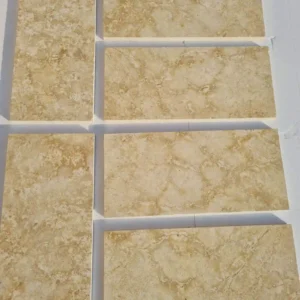

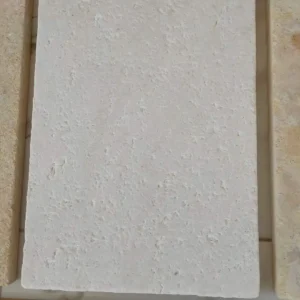
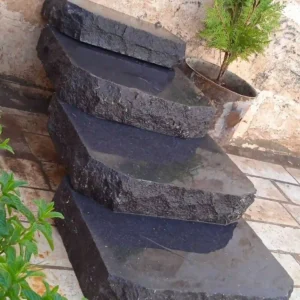
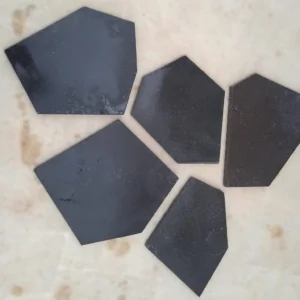
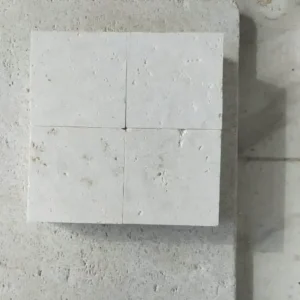
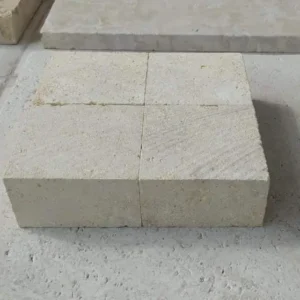
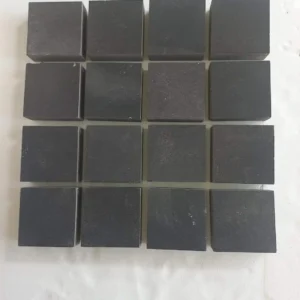
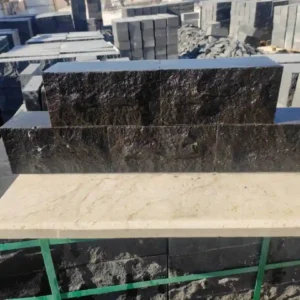
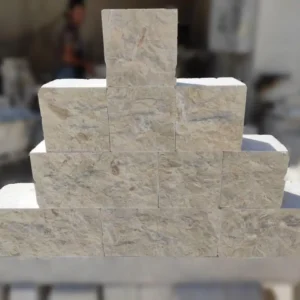
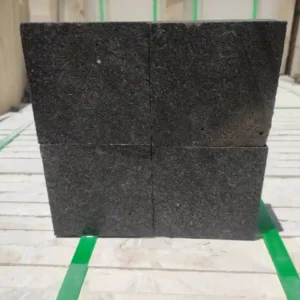
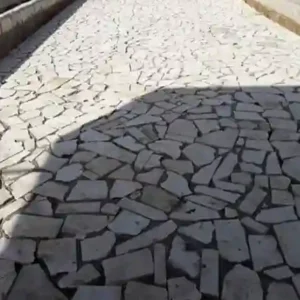

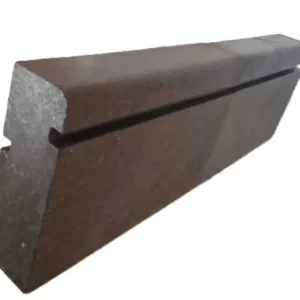
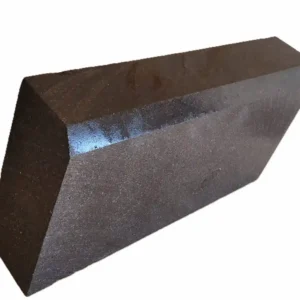
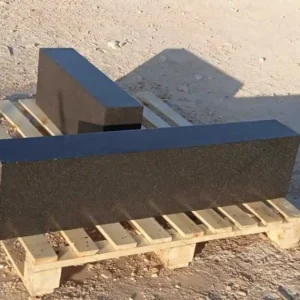
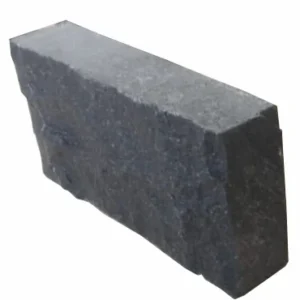
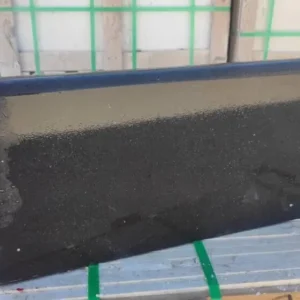
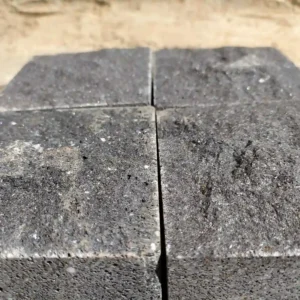
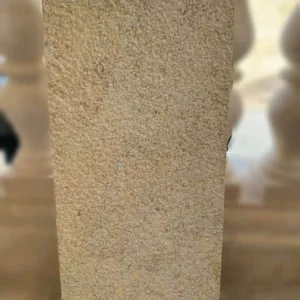

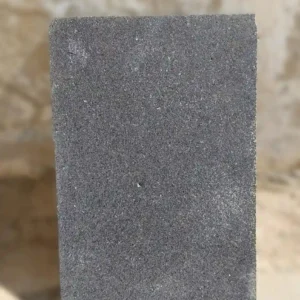
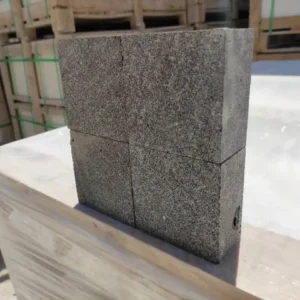
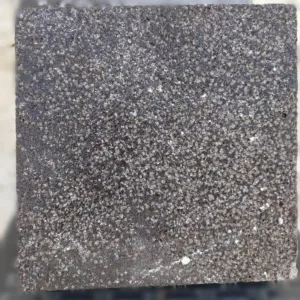
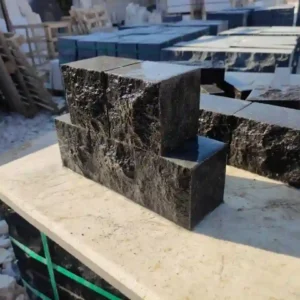
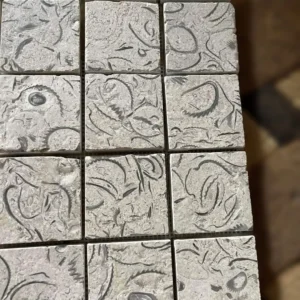
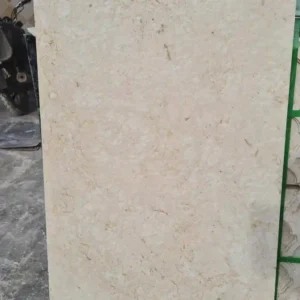
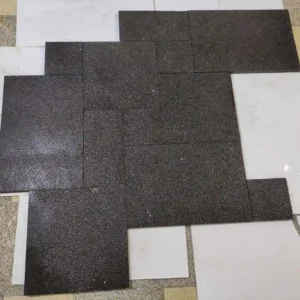
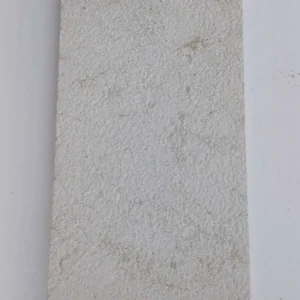
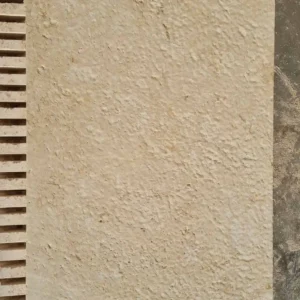

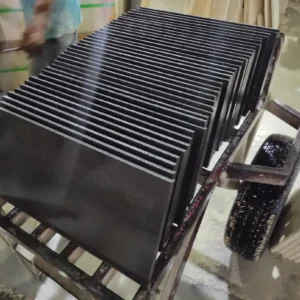
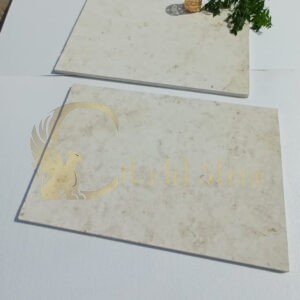
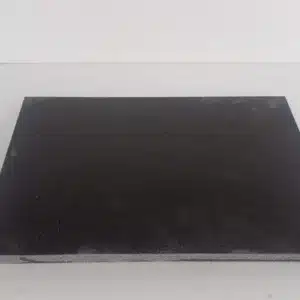
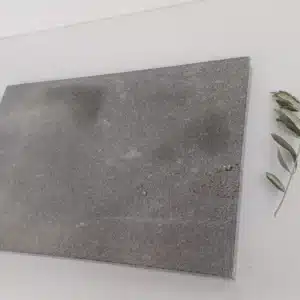



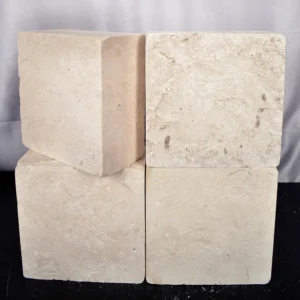
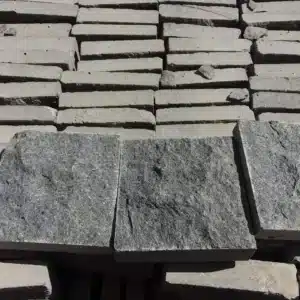
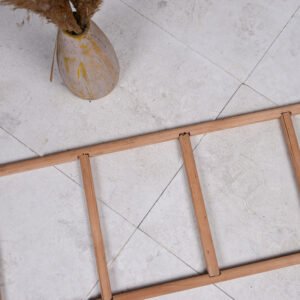
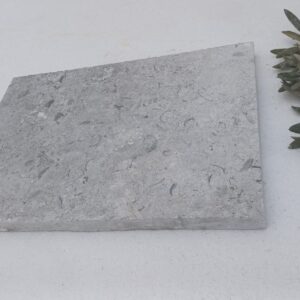
50 Years Of Manufacturing & Delivering The Highest-Quality Limestone & Black Basalt. Sourced & Hand-Picked From The Middle East.

Escrow Payment & Independent Verifying Agent For New Clients

Contact Me Personally For The Absolute Best Wholesale & Trade Prices:

USA & Worldwide Hassle-Free Delivery Options – Guaranteed.

How to Choose Block Paving in Arizona: The Complete Buyer’s Guide

Budgeting for block paving in Arizona involves more than just material costs — freight distances, regional labor rates, and sourcing decisions all shape what a project actually costs on the ground. Arizona's position relative to major stone supply chains means shipping costs from out-of-state quarries or distribution centers can add meaningfully to per-square-foot pricing, particularly for larger residential or commercial installs. Understanding where materials originate and how they reach your site is as important as comparing unit prices. For a detailed breakdown of what drives costs up or down in this market, see our Arizona block paving cost guide. Citadel Stone offers block paving sourced from select natural stone quarries worldwide, giving homeowners in Tucson, Mesa, and Chandler access to graded materials across multiple price points.

Table of Contents

Budgeting accurately for a block paving cost guide Arizona project means understanding that the sticker price on material is rarely the number that matters most — freight distance, regional labor rates, and local material availability routinely swing total project costs by 25 to 40 percent before a single paver hits the ground. Most homeowners focus on per-unit pricing and get surprised at the invoice. Your planning needs to start with the full cost picture, not just the material quote. The sections below break down every variable that shapes real-world pricing across the state so your budget reflects what you’ll actually spend.

Why Arizona Block Paving Pricing Differs From National Averages

National averages for paving projects are notoriously misleading when applied to Arizona. The state’s geography creates supply chain dynamics that don’t exist in markets closer to major manufacturing corridors. Material hauled from quarries in the Midwest or from port destinations on the East Coast accumulates freight costs quickly — and in a state that stretches 400 miles from the Mexican border to the Utah line, where your project sits within Arizona matters enormously.

Sourcing decisions alone can shift your material-to-labor cost ratio significantly. In markets with strong regional availability, material typically represents 40 to 55 percent of total project cost. In freight-heavy scenarios common to rural Arizona, that split can invert, with transportation and handling pushing total expenditure toward a 60/40 material-to-labor ratio before installation begins. Understanding this ratio is your first value engineering lever — choosing materials stocked closer to your project site directly compresses the budget.

  • Freight from distant quarries adds $0.80 to $2.50 per square foot depending on haul distance and load size
  • Regional distributors with warehouse stock reduce lead times from 6–8 weeks to as little as 1–2 weeks
  • Smaller loads — anything under a full truck — trigger LTL (less-than-truckload) surcharges that can add $300 to $800 per order
  • Elevation differences between Phoenix metro and higher-elevation markets affect both delivery logistics and material selection
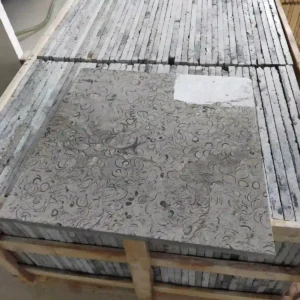
Distribution facility stores block paving cost guide Arizona materials in protective wooden crates for systematic inventory management.

Block Paving Material Types and Cost Ranges in Arizona

The material category you choose sets the floor on your project budget — and in Arizona, the options available at reasonable lead times differ from what’s readily accessible in coastal markets. Concrete pavers remain the most price-competitive entry point, typically running $2.50 to $5.00 per square foot for the material alone before installation. Natural stone options, including limestone, travertine, and basalt, range from $6.00 to $18.00 per square foot depending on finish, thickness, and sourcing distance. Reviewing block paving pricing options in Arizona across these categories before committing to a specification is essential to building a realistic budget.

Block paving in Arizona increasingly leans toward thicker formats — 2.375-inch and 3.125-inch nominal thicknesses — because the combination of high traffic loads and thermal cycling demands more structural mass than the 1.5-inch profiles common in milder climates. Specifying the correct thickness upfront prevents costly failures; undersized pavers in Arizona heat conditions develop edge spalling within three to five years when bedding sand isn’t maintained at the correct depth of 1 inch compacted.

  • Concrete interlocking pavers: $2.50–$5.00/sq ft material cost, widely available through regional distributors
  • Limestone block paving: $7.00–$14.00/sq ft, excellent thermal mass performance above 1.75-inch thickness
  • Travertine: $9.00–$18.00/sq ft, natural porosity aids drainage but requires sealing every 2–3 years in UV-intense zones
  • Basalt: $8.00–$15.00/sq ft, extremely dense with low porosity — ideal for high-traffic driveways and commercial entries
  • Tumbled cobblestone: $6.00–$12.00/sq ft, high aesthetic value with good joint flexibility for expansive soils

Block paving pricing options in Arizona shift meaningfully when you compare materials that are quarried domestically versus imported. Domestically sourced options typically carry a 15 to 20 percent price advantage over comparable imports once you account for the full landed cost including freight, port handling, and customs brokerage fees.

Labor Market Dynamics and Installation Cost in Arizona

Arizona’s construction labor market has tightened considerably in recent years, particularly in the Phoenix metro and the corridor connecting Scottsdale to the East Valley. Skilled paving contractors who understand interlocking system installation — as distinct from slab-and-mortar work — are in high demand, and that demand is reflected in prevailing rates. Expect to budget $8.00 to $14.00 per square foot for quality installation in competitive urban markets, with the higher end of that range applying to projects requiring complex pattern cuts or curved layout work.

The material-to-labor cost ratio shifts further in your favor on larger projects because installation efficiency improves with scale. A 500-square-foot driveway and a 2,000-square-foot driveway don’t require proportionally scaled labor hours — the setup costs, equipment mobilization, and edge work represent roughly the same fixed overhead regardless of project size. Negotiating on a per-square-foot basis for larger scope projects is reasonable, and most experienced contractors will accommodate it.

  • Base preparation: $1.50–$3.50/sq ft depending on excavation depth and equipment requirements
  • Aggregate supply and compaction: $1.00–$2.50/sq ft for 6–8 inch compacted base
  • Bedding sand layer: $0.50–$1.00/sq ft for 1-inch compacted screeded layer
  • Paver installation (field work): $4.00–$8.00/sq ft for standard patterns
  • Edge restraint and joint sand compaction: $1.00–$2.50 linear foot for perimeter edges

Here’s what often gets overlooked in labor estimates: haul-off costs for excavated material. A standard 6-inch excavation on a 1,000-square-foot project generates roughly 15 to 18 cubic yards of spoil. At $75 to $120 per load for disposal, this alone can add $600 to $1,200 to your project budget — a line item many initial quotes omit deliberately or accidentally.

Base Preparation Costs and Arizona’s Regional Soil Conditions

Your base preparation budget in Arizona varies more dramatically by location than most buyers expect. The soil conditions across the state span a remarkable range — from the expansive clay-rich profiles common in parts of the Phoenix basin to the caliche hardpan prevalent throughout the Sonoran Desert floor to the decomposed granite that defines much of the terrain around Tucson. Outdoor paving budget planning across Arizona must account for these soil variables before a material quote is finalized.

Caliche is a mixed blessing. It requires mechanical breaking — sometimes pneumatic tools or even light excavator work — which adds to base preparation cost. But once properly scarified and recompacted, caliche provides an extremely stable sub-base that actually outperforms imported aggregate in long-term load distribution. Projects in caliche-heavy zones may pay $0.75 to $1.50 more per square foot in preparation labor but frequently save money on aggregate import volume because the native material can partially substitute for crushed stone in the lower base layers.

  • Expansive clay soils: require geotextile fabric separation layer at $0.35–$0.60/sq ft to prevent base contamination
  • Decomposed granite profiles: excellent drainage, often require minimal aggregate import — cost savings of $0.50–$1.20/sq ft versus clay sites
  • Caliche hardpan: add $0.75–$1.50/sq ft for mechanical breaking but reduce aggregate import costs
  • Sandy wash-zone soils: highest risk for differential settlement — specify 8-inch minimum compacted base regardless of project scope

For outdoor paving budget planning across Arizona, soil testing isn’t a luxury on projects over 1,000 square feet — it’s insurance. A $200 to $400 soil test can prevent a $3,000 to $6,000 remediation when differential settlement appears two years after installation because the base wasn’t matched to actual soil conditions.

Freight Distance and Sourcing Decisions That Control Your Budget

The single most controllable variable in your block paving cost guide Arizona calculation is sourcing strategy. Materials sourced from warehouse inventory within the state move faster, cost less to transport, and arrive without the damage risk that long-haul freight introduces for natural stone products. A pallet of limestone that survives a 300-mile truck run from a regional warehouse encounters far less vibration stress than the same material bouncing across 1,800 miles from a Midwest distribution center.

Full-truck ordering is your primary lever for compressing freight costs on larger projects. A standard flatbed carries 20 to 24 pallets, and filling that capacity cuts per-pallet freight cost by 30 to 45 percent compared to partial loads. Coordinate your material order to maximize truck utilization — if your project needs 14 pallets, consider whether adding base material, edge restraints, or joint sand to reach a full truck load makes financial sense. It usually does. You can explore the full product range for your project through Citadel Stone paving materials Arizona, where regional availability and current warehouse stock can be confirmed before you commit to delivery scheduling.

Affordable paving materials AZ homeowners choose most frequently aren’t always the cheapest per-unit — they’re the materials that balance upfront cost against long-term performance and minimize total cost of ownership over a 20-year horizon. A concrete paver at $3.50 per square foot that requires replacement at year 12 costs more than a basalt paver at $10.00 per square foot that performs for 35 years without intervention. The affordable paving materials AZ contractors recommend most consistently reflect this long-term cost logic rather than lowest unit price.

Value Engineering Strategies for Arizona Paving Projects

Value engineering on block paving projects isn’t about choosing cheaper materials — it’s about eliminating cost without eliminating performance. The distinction matters because Arizona’s climate is genuinely unforgiving toward undersized specifications. Cutting corners on base depth or material thickness to save $1.50 per square foot upfront routinely costs $8.00 to $12.00 per square foot in remediation within five years.

The most effective value engineering moves on Arizona projects happen before material selection, not during it. Phasing a large project — completing the driveway in year one and the rear patio in year two — lets you spread material costs while benefiting from bulk freight pricing if you order both phases simultaneously and store the patio material. Most residential projects have adequate covered storage for palletized stone for 6 to 12 months without quality degradation, provided pallets are kept off grade on a level surface.

  • Order both project phases together to hit full-truck thresholds — store phase two material on-site
  • Specify standard sizes over custom cuts to reduce waste and cutting labor
  • Use a premium material for high-visibility areas (entry, primary walkway) and a cost-effective option for secondary areas (side access, utility zones)
  • Negotiate material delivery timing to align with contractor availability — rushed deliveries on contractor schedules carry premium charges
  • Request saw-cut edge restraints quoted separately — many contractors include unnecessary plastic edging costs that add $0.40 to $0.80 per linear foot for work your existing landscape border can replace

Elevation and Climate Zone Pricing Differences Across Arizona

Arizona’s 3,000-foot elevation range between Phoenix metro and Flagstaff creates meaningfully different material and installation cost profiles. At elevation, freeze-thaw cycling becomes a real design consideration — a factor that simply doesn’t exist in the low desert. Pavers specified for Flagstaff need an absorption rate below 6 percent (ASTM C373) to resist freeze-induced spalling, and natural stones that meet this threshold typically carry a $2.00 to $4.00 per square foot premium over their lower-performing counterparts.

Installation costs at elevation also differ because contractor density decreases with distance from Phoenix and Tucson metro markets. In Flagstaff and the surrounding high country, you’re often drawing from a smaller qualified contractor pool, which maintains labor rates at the higher end of the state’s range even for standard-complexity projects. Budget $10.00 to $14.00 per square foot for total installation in northern Arizona markets versus $8.00 to $11.00 in the Phoenix basin.

  • Low desert (Phoenix basin, below 1,500 ft): heat performance dominates spec decisions, absorption rate secondary
  • Transition zone (1,500–4,500 ft): both heat and occasional freeze events must be accommodated in spec
  • High plateau (above 4,500 ft): freeze-thaw resistance becomes the primary specification driver, contractor availability tighter
Freight truck transporting secured block paving cost guide Arizona stone material crates.

Building Your Total Project Cost Estimate

A realistic Arizona block paving budget needs to account for seven distinct cost categories, not just material and labor. Most online calculators omit three or four of these, which is why homeowner estimates routinely run 20 to 35 percent below actual invoice totals. The Arizona block paving material cost breakdown below reflects field-verified ranges across project types completed in Phoenix metro, Tucson, Scottsdale, and surrounding areas.

Your total cost per square foot — materials, labor, base, and ancillaries combined — typically falls between $18.00 and $38.00 for residential projects using quality natural stone, and $12.00 to $22.00 for concrete interlocking paver systems. Commercial and HOA projects with engineered base specifications and higher-grade materials can reach $45.00 to $60.00 per square foot fully installed. At Citadel Stone, we recommend building a 10 to 15 percent contingency into any Arizona project budget to cover soil surprises, freight adjustments, and pattern cut waste that your initial estimate may not capture accurately.

  • Material cost: 38–55% of total project budget
  • Base preparation and aggregate: 12–18% of total
  • Installation labor: 22–32% of total
  • Freight and delivery: 4–10% of total depending on sourcing distance
  • Edge restraints and joint materials: 2–4% of total
  • Sealing (initial application): 3–6% of total
  • Disposal and site cleanup: 2–5% of total

The Arizona block paving material cost breakdown for your specific project also depends on truck access. Tight access — rear yards, hillside lots, or properties with narrow side gates — requires smaller delivery vehicles with lower load capacities, which increases the number of deliveries needed and compounds freight costs. Flag access constraints to your supplier before pricing is confirmed, not after.

What Matters Most When Planning Your Arizona Block Paving Budget

Getting your block paving cost guide Arizona numbers right comes down to understanding that this is a supply chain and logistics problem as much as a material selection problem. Your final budget is shaped by where you are in the state, what’s stocked in regional warehouses, how efficiently you can load a truck, and whether your soil conditions require standard or enhanced base preparation. These variables are all knowable before you commit to a project scope — which means you can control them rather than react to them.

Prioritize sourcing materials with confirmed warehouse availability before locking in your contractor start date. Misalignment between material lead times and contractor scheduling is one of the most common and expensive mistakes on Arizona paving projects — contractors who show up before material arrives still bill for mobilization. Your planning sequence should run: soil assessment, material selection with lead time confirmation, contractor bidding with fixed start date, and then delivery scheduling to land material 3 to 5 business days before installation begins. For long-term performance in Arizona’s climate, your maintenance planning should also begin before installation ends — once your project is complete, How to Maintain Garden Paving in Arizona’s Climate provides the ongoing care guidance your investment requires to reach its full service life. For buyers in Phoenix, Peoria, and Scottsdale, Citadel Stone provides detailed material cost breakdowns so outdoor paving budgets align with actual project scope before a single slab is ordered.

Arizona's Direct Source for Affordable Luxury Stone.

Need a Tailored Arizona Stone Quote

Receive a Detailed Arizona Estimate

Special AZ Savings on Stone This Season

Grab 15% Off & Enjoy Exclusive Arizona Rates

A Favorite Among Arizona Stone Industry Leaders

Invest in Stone That Adds Lasting Value to Your Arizona Property

100% Full Customer Approval

Our Legacy is Your Assurance.

Experience the Quality That Has Served Arizona for 50 Years.

When Industry Leaders Build for Legacy, They Source Their Stone with Us

Arrange a zero-cost consultation at your leisure, with no obligations.

Achieve your ambitious vision through budget-conscious execution and scalable solutions

An effortless process, a comprehensive selection, and a timeline you can trust. Let the materials impress you, not the logistics.

The Brands Builders Trust Are Also Our Most Loyal Partners.

Secure the foundation of your project with the right materials—source with confidence today

One Supplier, Vast Choices for Limestone Tiles Tailored to AZ!

Frequently Asked Questions

If your question is not listed, please email us at [email protected]

What is the average cost of block paving per square foot in Arizona?

In Arizona, block paving typically ranges from $12 to $30 per square foot installed, depending on material type, project complexity, and site conditions. Natural stone commands higher per-unit costs than concrete pavers, but the material-to-labor ratio also shifts based on block size and pattern complexity. In practice, larger format pavers reduce installation time and can bring total project costs down even when the material price per unit is higher.

Arizona lacks significant local quarry production for dimensional paving stone, meaning most natural stone block paving is transported from out-of-state or international sources. Flatbed freight, pallet weight, and haul distance from distribution hubs all add to landed cost. What people often overlook is that suppliers with established regional distribution networks can substantially reduce these freight premiums compared to sourcing directly from distant quarries without logistics infrastructure.

Labor typically accounts for 40 to 60 percent of total installed cost for block paving in Arizona, influenced by local trade rates, project access, and base preparation requirements. The Tucson and Phoenix metro areas tend to reflect higher contractor demand pricing than rural areas. From a professional standpoint, the base preparation — grading, compaction, and edging — often drives labor cost more than the paving installation itself, particularly on uneven or sloped sites.

Yes, material selection is one of the most direct levers for controlling project budget. Concrete block pavers sit at the lower end of the cost range, while natural stone such as granite, bluestone, or travertine carries a higher unit price but different long-term performance characteristics. The trade-off worth understanding is that more durable, denser materials often require less maintenance expenditure over time, which affects the true cost of ownership rather than just the upfront install figure.

Expansive soil conditions — common across much of Arizona — often require deeper base compaction or sub-base stabilization to prevent paver movement over time. Caliche layers, which occur frequently in the region, can significantly increase excavation time and equipment costs. Sloped driveways, restricted access points, and existing hardscape removal are additional site-specific factors that contractors price individually and that buyers should account for when comparing initial quotes.

Contractors working through detailed block paving specifications consistently cite reliable delivery scheduling as a deciding factor when choosing a supplier. Citadel Stone supports Arizona projects with flatbed scheduling, pallet-level tracking, and site access coordination — reducing the planning burden on contractors and keeping job timelines intact. From quote through delivery, Arizona specifiers receive responsive logistics coordination rather than a transactional hand-off. Citadel Stone’s distribution reach across Arizona ensures material availability and consistent lead times for projects of all scales.