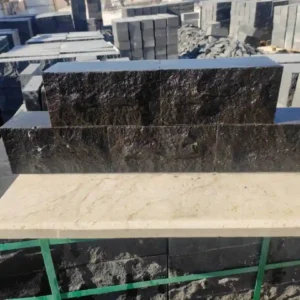
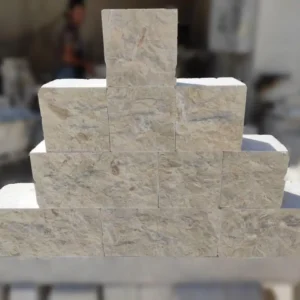
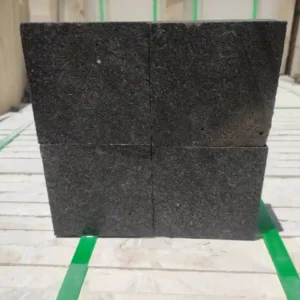
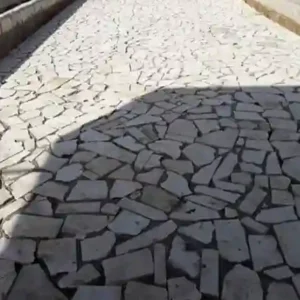
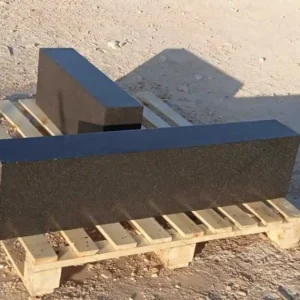
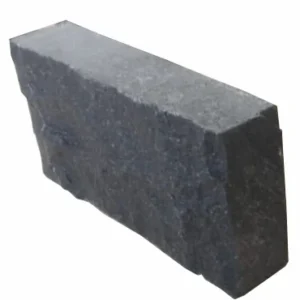
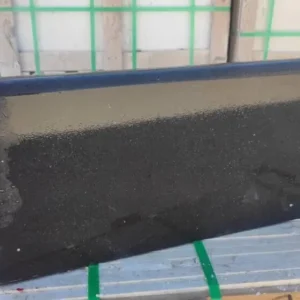
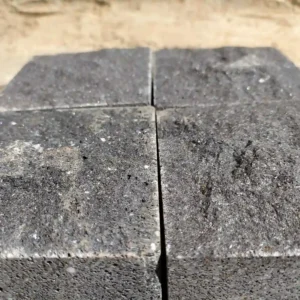
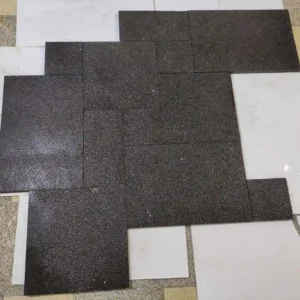
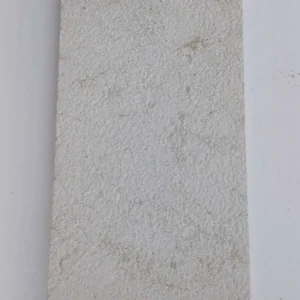
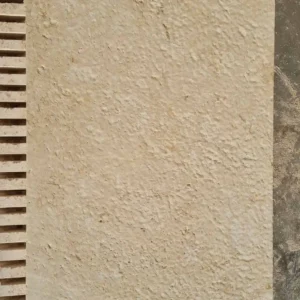
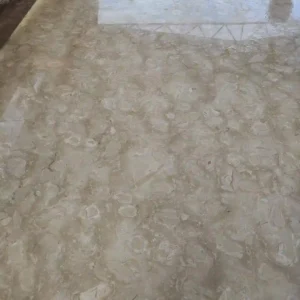

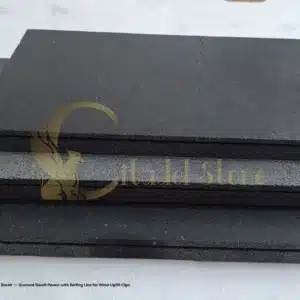
Specifying a black limestone driveway in Arizona forces you to reconcile something that catches a lot of project teams off guard — Arizona’s Maricopa and Pima County building departments don’t treat residential driveways as decorative surfaces. They treat them as structural elements, and that distinction drives every material and thickness decision you’ll make.
Structural Requirements for a Black Limestone Driveway in Arizona
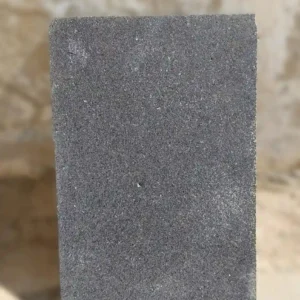
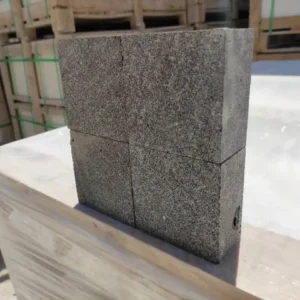
Most of Arizona’s municipalities require driveway slabs or paver systems to meet minimum load-bearing thresholds based on anticipated vehicle weight and traffic frequency. For standard passenger vehicles in Phoenix, that typically means a compacted aggregate base of at least 4 inches beneath your stone layer — but if you’re in a hillside zone with engineered grading, local plan review can push that to 6 or even 8 inches depending on soil bearing capacity. Your permit drawings need to reflect actual sub-base depth, not the minimum default. Black limestone patio slabs in Arizona specified for driveway use should carry a minimum nominal thickness of 1.25 inches for pedestrian-weight applications, but 1.5 to 2 inches is the defensible specification when you’re accommodating SUVs and light trucks. The compressive strength of quality black limestone typically runs 8,000 to 14,000 PSI depending on formation density — more than adequate for residential loads when the base is properly engineered.
Seismic and Soil Movement Considerations in Arizona
Arizona sits in a seismically active corridor, particularly in the central and southern portions of the state. While not California-scale seismicity, the region around Tucson and Sedona experiences measurable ground movement that affects rigid paving systems differently than flexible ones. A mortared black limestone driveway in Arizona needs control joints specified at intervals no greater than 10 to 12 feet in both directions — tighter than the 15-foot standard you’ll find in generic masonry specs. These joints need to be filled with a polyurethane sealant rated for cyclic movement, not standard grout.
Soil expansion is the more common structural concern across most Arizona valleys. Expansive clay soils — prevalent across the central Phoenix metro and parts of the Tucson basin — can generate uplift pressures that exceed 2,000 pounds per square foot. Your geotechnical report, required for permitted work in many jurisdictions, will classify the soil’s Potential Vertical Rise (PVR). A PVR above 1 inch demands either a stabilized sub-base or a thicker aggregate cushion layer. Skipping this step is the single most common reason a black limestone driveway in Arizona develops cracking within the first three years.
Black Limestone Performance: Heat Absorption and Surface Temperature
Here’s a detail that matters enormously in Arizona and gets underweighted in most specifications: black limestone absorbs more solar radiation than lighter stone, which elevates surface temperatures significantly in the low desert. Surface readings on honed black limestone under direct summer sun in the Phoenix metro can reach 150°F or higher — roughly 30 to 40°F above an equivalent travertine surface. That thermal load transfers into the sub-base, which affects both the setting bed performance and long-term joint integrity.
- Select a joint sand rated for high-temperature stability — standard polymeric sand can soften and migrate above 130°F
- Specify a sub-base aggregate with low thermal conductivity where the base depth allows for it
- Orient the driveway layout to maximize early-morning shade where site constraints allow
- Factor thermal expansion into your control joint spacing — black limestone’s coefficient runs approximately 4.6 to 5.2 × 10⁻⁶ per °F
Citadel Stone sources its black limestone from established quarry partners where each batch is inspected for density consistency and surface finish uniformity before it ships — variance in stone density directly affects thermal performance, so this isn’t a procedural formality.
Frost Line Depth and Elevation Considerations
Most of the Phoenix metro and low-desert zones carry a frost penetration depth of effectively zero — the International Residential Code frost line map places them in the no-freeze zone. However, that changes quickly with elevation. Projects in Flagstaff sit at 6,900 feet, where the frost line reaches 18 to 24 inches, and code requires base preparation that accounts for freeze-thaw cycling. A black limestone patio in Arizona at that elevation needs a base that drains freely so water doesn’t accumulate and expand beneath the stone. In Flagstaff specifically, use a crushed granite base with a minimum 6-inch depth, and avoid any setting mortar that traps moisture — a dry-set or semi-dry-set approach with open joints is the correct call at high elevation.
Between the low desert and Flagstaff elevations, you’ll encounter a transitional zone around Sedona and Prescott where frost penetration is shallow but not zero. Those projects often get under-engineered because designers apply Phoenix-grade assumptions to sites that actually experience 15 to 25 freeze-thaw cycles per year. A black limestone driveway in Arizona’s transitional zone should be specified with a 4-inch compacted base minimum and full perimeter edge restraint to prevent lateral creep.
Black Limestone Patio Slabs: Format and Thickness Selection
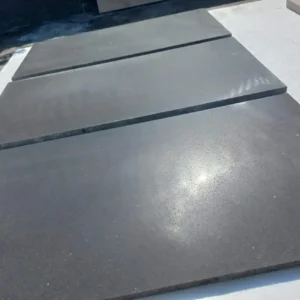
Driveway applications in Arizona call for specific slab formats that balance structural performance with visual continuity. For projects requiring complementary stone elements such as edging, step treads, or patio transitions, black limestone paving options covers specification details relevant to similar site conditions and load scenarios. The most functional formats for black limestone patio slabs in Arizona driveway use are:
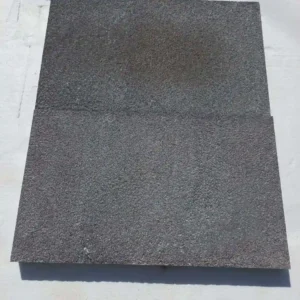
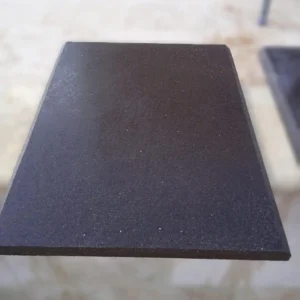
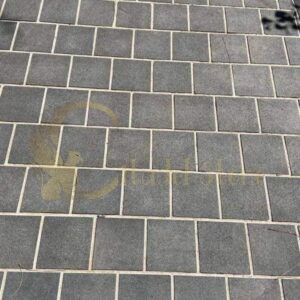
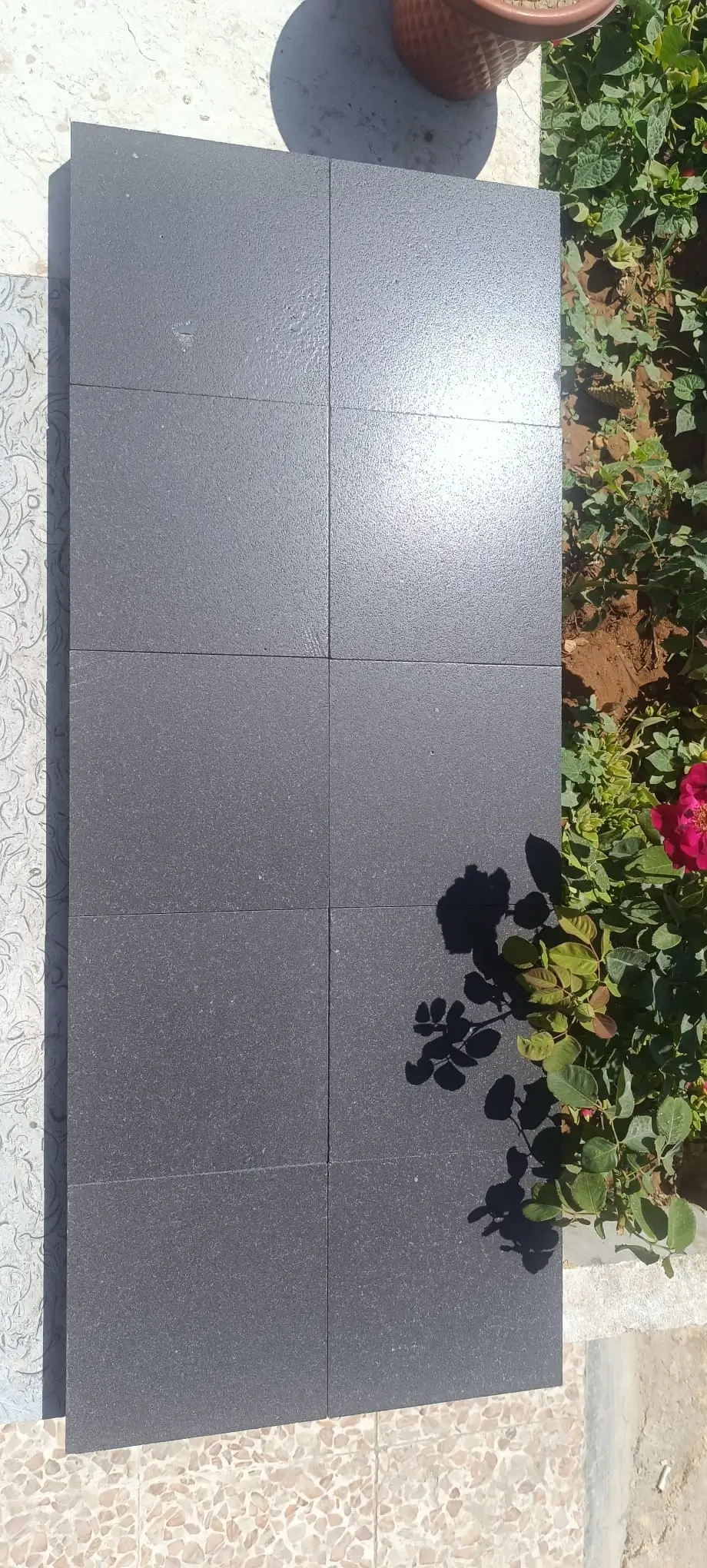
- 600mm × 600mm (24″ × 24″) in 30mm (1.25″) or 40mm (1.5″) thickness for standard residential driveways
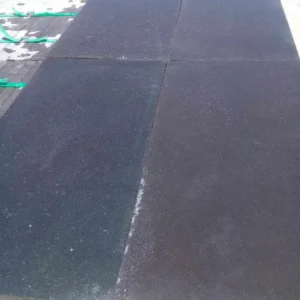
- 900mm × 600mm (36″ × 24″) rectangles for wider bay driveways where fewer joints are preferred
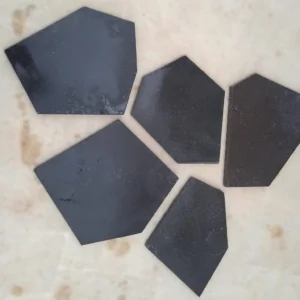
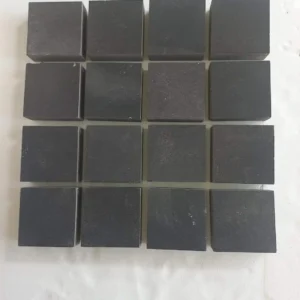
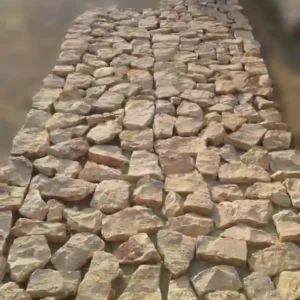
- Random ashlar patterns using mixed 300mm, 600mm, and 900mm lengths in a consistent 600mm width module — provides natural variation without sacrificing structural integrity
- Sawn-edge formats for clean, contemporary installations with tight 3mm to 5mm joints
Getting the format and thickness specified correctly at the drawing stage prevents costly field substitutions when material arrives from the warehouse.
Black Limestone Patio in Arizona: Base Preparation and Drainage
Base preparation is where most driveway failures originate — not in the stone selection. For a black limestone patio in Arizona used as a driveway surface, your base preparation sequence should follow this order of operations:
- Excavate to a minimum of 8 inches below finished surface grade (6-inch base + 2-inch setting bed)
- Proof-roll the exposed sub-grade with a loaded truck or plate compactor — any deflection greater than 0.5 inch indicates unsuitable bearing capacity that needs stabilization
- Install a non-woven geotextile fabric over the sub-grade to prevent base migration into expansive soils
- Compact crushed aggregate base in maximum 3-inch lifts to 95% Modified Proctor density
- Maintain a minimum 1% cross-slope on the compacted base for drainage — 1.5% is better practice in areas with monsoon-intensity rainfall
- Apply a 1-inch to 1.5-inch compacted sharp-sand setting bed, not screeded over wet conditions
Drainage geometry is a structural consideration, not an aesthetic one. Standing water beneath a black limestone patio in Arizona accelerates sub-base failure and undermines joint stability. Your drainage plan should include edge relief — either a concrete channel drain or a gravel-filled French drain trench along the low side of the driveway. On projects in Scottsdale where lot grading often directs sheet flow toward the street, verify that your driveway cross-slope doesn’t create a low point that concentrates runoff against the foundation or adjacent landscaping.
Sealing and Long-Term Maintenance for Black Limestone
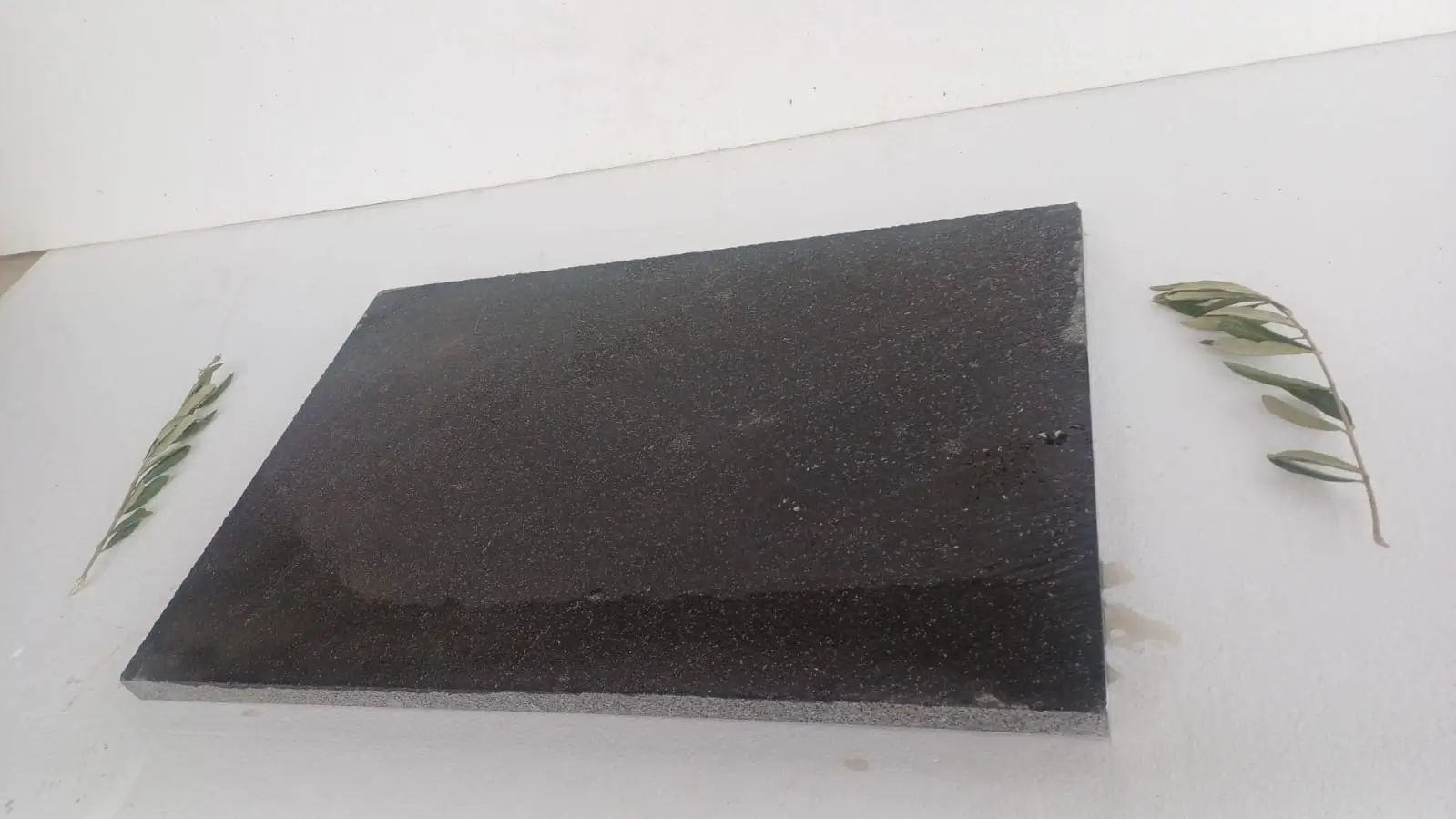
Black limestone is a moderately dense material with interconnected pore structures that benefit significantly from penetrating impregnator sealers. In Arizona’s UV-intense environment, an untreated black limestone driveway will begin to show surface oxidation and color fade within 18 to 24 months — the iron content in the stone oxidizes under prolonged solar exposure, shifting the surface tone toward a gray-brown cast. A quality solvent-based impregnator sealer applied within 30 days of installation locks the natural color and reduces water absorption from the ambient range of 0.8% to 1.4% down to below 0.3%.
Resealing intervals in Arizona’s low desert should be every 2 to 3 years for driveway surfaces subject to vehicle tire loading and UV. High-elevation projects with freeze-thaw exposure need annual inspection and resealing every 18 months. At Citadel Stone, we recommend testing the reseal interval on a small inconspicuous area — if water no longer beads after a 10-second contact time, you’ve passed the reseal threshold. Joint sand top-up should occur at the same intervals; driveway joints typically lose 15% to 25% of their fill depth over the first two years due to traffic vibration and wash-out from Arizona’s monsoon rains.
Black Limestone Patio Pack: Code Compliance and Documentation
Arizona’s building departments increasingly require product documentation for natural stone installations, particularly in permitted work. A complete black limestone patio pack in Arizona should be assembled before permit submission and typically includes the following:
- ASTM C1028 or ASTM C1679 slip resistance test data — particularly important where the driveway transitions to a pedestrian path or entry
- Manufacturer or quarry certification of compressive strength (minimum 8,000 PSI recommended for driveway applications)
- Water absorption test results per ASTM C97 — values below 1.5% indicate adequate density for Arizona’s climate cycling
- A black limestone patio pack specification sheet covering joint widths, base depth, setting method, and sealer type
- Signed subcontractor certification confirming base compaction testing was performed
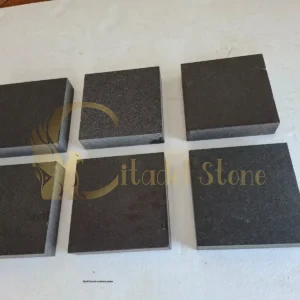
You can request sample tiles, thickness specifications, and ASTM test documentation from Citadel Stone before committing to a full order. Having that documentation in hand before permit submission prevents the most common review-cycle delays on permitted driveway projects. Supplying a thorough black limestone patio pack in Arizona at the start of plan review also reduces the likelihood of conditional approvals requiring additional engineering sign-off.
Source Premium Black Limestone Driveway — Citadel Stone Supply
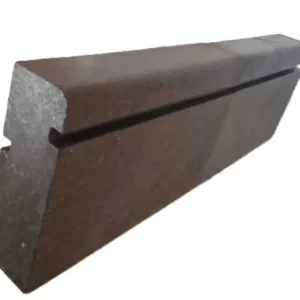
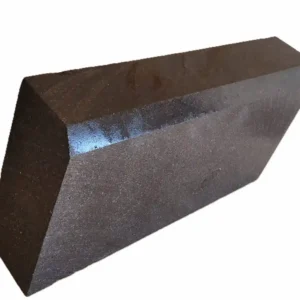
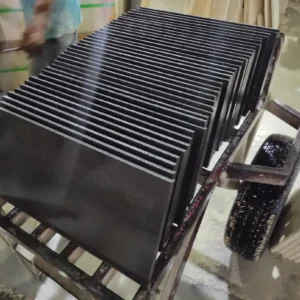
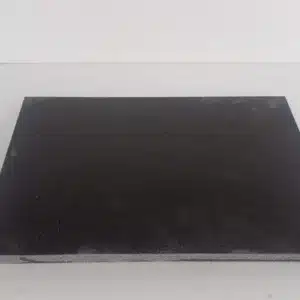
Citadel Stone stocks black limestone driveway formats across a range of standard sizes, including 600mm × 600mm, 900mm × 600mm, and custom-cut options for non-standard bay widths. Standard thicknesses available are 30mm and 40mm, with 50mm heavy-duty slabs available for projects with engineering-specified load requirements. Finishes include honed, sawn, and lightly brushed — all suitable for driveway applications with the appropriate slip-resistance sealer system applied. For trade and wholesale enquiries, Citadel Stone’s team handles volume pricing, project scheduling, and specification support directly. Lead times from warehouse inventory typically run 1 to 2 weeks for stocked formats across Arizona — significantly shorter than the 6 to 8 week import timeline most projects face when sourcing offshore. Truck delivery is available statewide, and your project coordinator can confirm pallet quantities and truck access requirements during the order process. Contact Citadel Stone to request samples, confirm current stock levels, or schedule a specification consultation before your permit drawings are finalized.
As you finalize material decisions for your Arizona property, related stone applications are worth reviewing alongside your driveway specification — Black Outdoor Paving in Arizona covers additional context on how black stone materials perform across different outdoor applications in the region. For Arizona properties requiring dependable natural stone, Citadel Stone offers black limestone selections suited to the region’s demanding conditions and design standards.