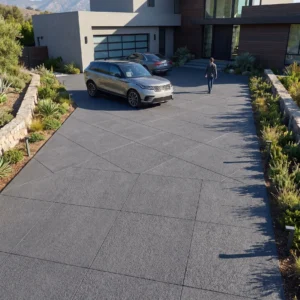
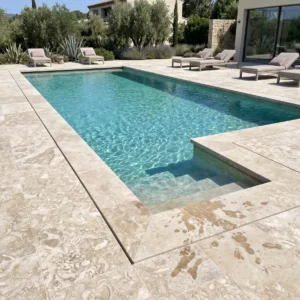

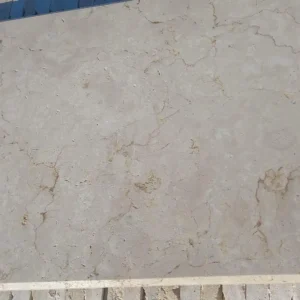
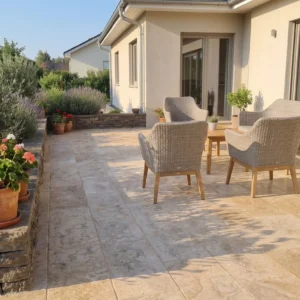
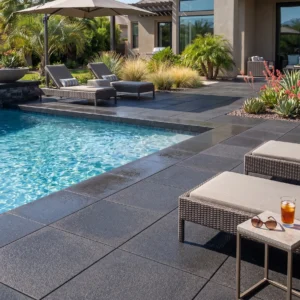
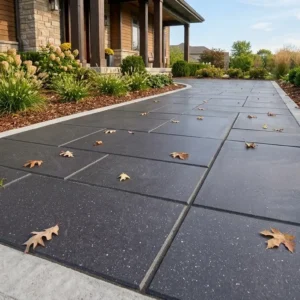
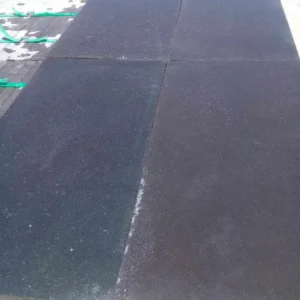
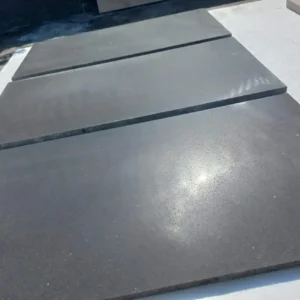
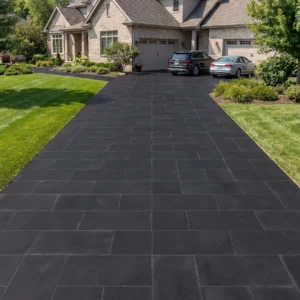
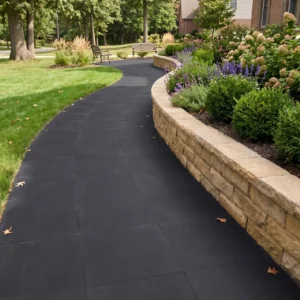
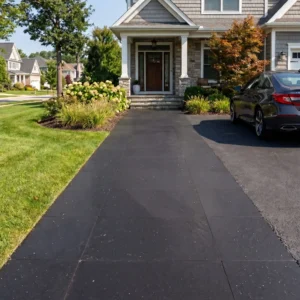
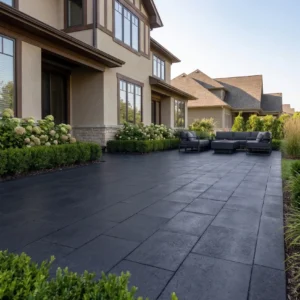



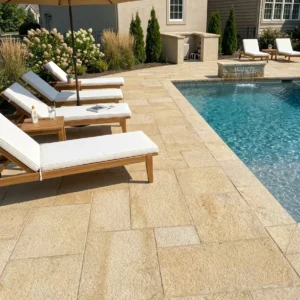

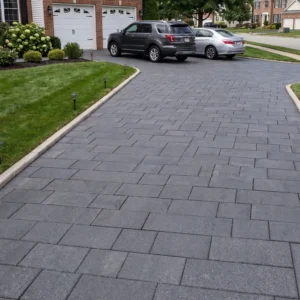
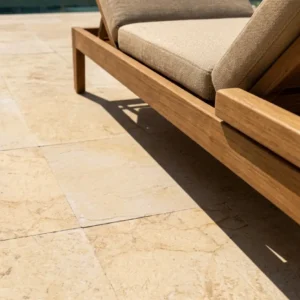
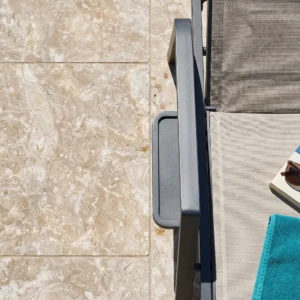
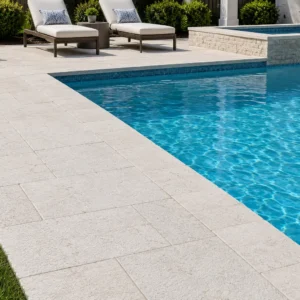
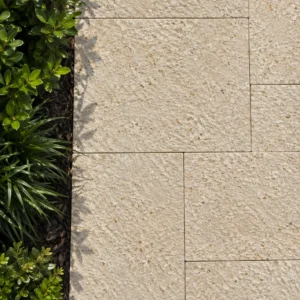
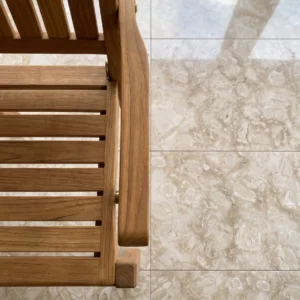
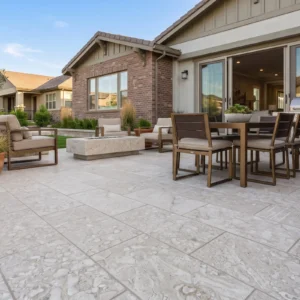
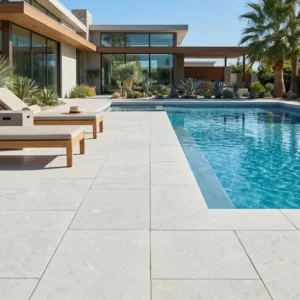
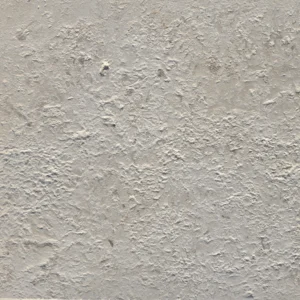
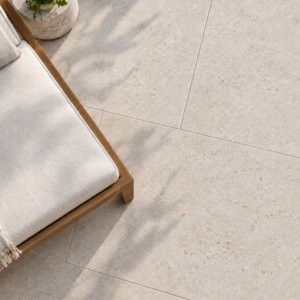
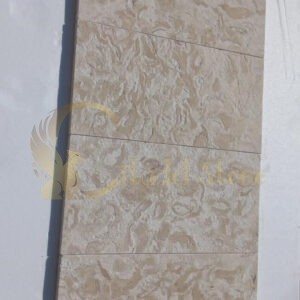
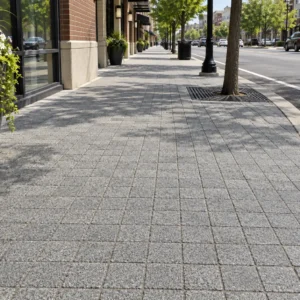
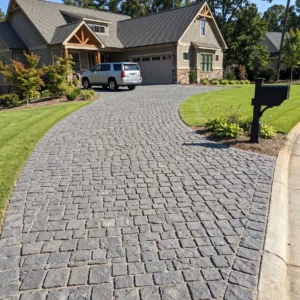
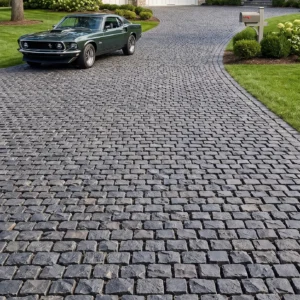
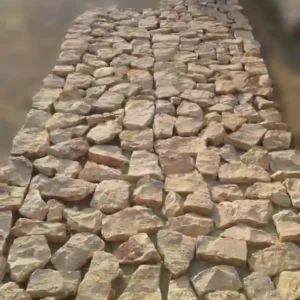
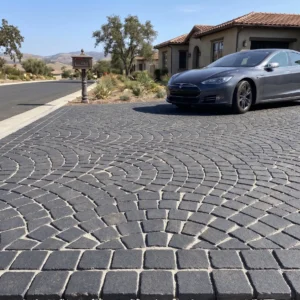
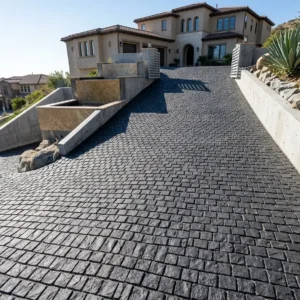
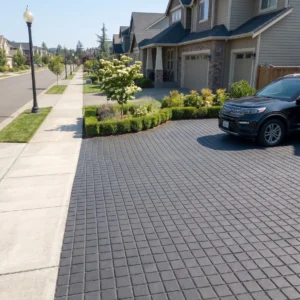
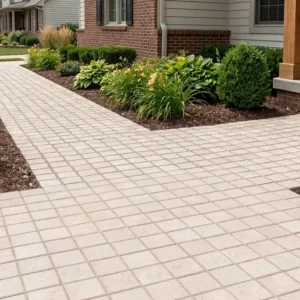
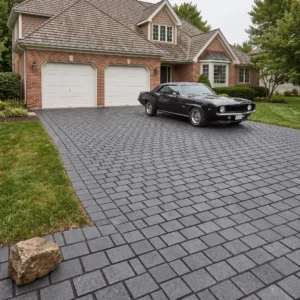
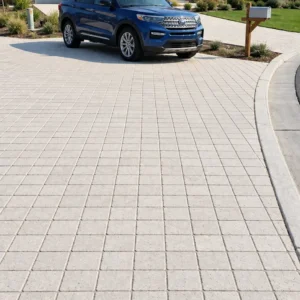
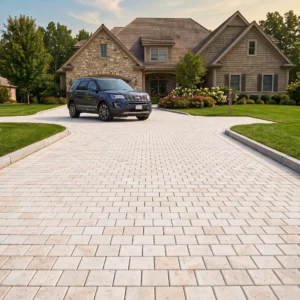
Base stability and compressive strength get plenty of attention in driveway specs, but the variable that actually separates long-lasting installations from premature failures in Arizona is mechanical stress tolerance — specifically how the best pavers for driveway in Arizona hold up under the punishing combination of monsoon-season storm loads, hail impact, and wind-driven debris cycles that Arizona homeowners experience annually. Choosing the wrong material density or thickness means you’re replacing pavers years before the material’s rated lifespan.
Why Storm Loads Drive Material Selection for Arizona Driveways
Arizona’s monsoon season isn’t a gentle rain event — it delivers wind gusts reaching 60–80 mph in the Phoenix metro and surrounding lowlands, often carrying debris that impacts driveway surfaces with enough kinetic energy to chip or fracture softer stone. Your material selection needs to account for this dynamic load, not just static vehicle weight. Softer stone tends to show micro-fracturing at exposed edges after repeated monsoon seasons, particularly at cut faces where quarry tensile strength is already reduced — specify a minimum compressive strength for your load case and request the test report.
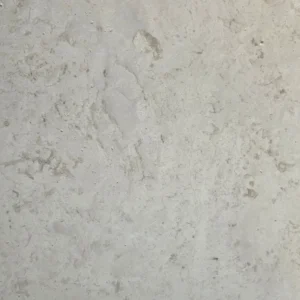
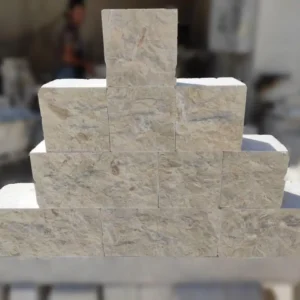
Dense natural stone pavers — basalt, dense limestone, and certain quartzite varieties — handle these impact cycles better than softer stone; request the compressive strength test report for the batch you are buying. The best paving slabs for driveways in Arizona combine that compressive rating with low water absorption (under 3%) so that storm moisture doesn’t penetrate joint planes and cause hydraulic spalling during rapid temperature swings that follow heavy rain events. Citadel Stone sources each batch from our established selected quarries and conducts warehouse-level quality checks specifically for absorption rate and surface integrity before material ships to Arizona projects.
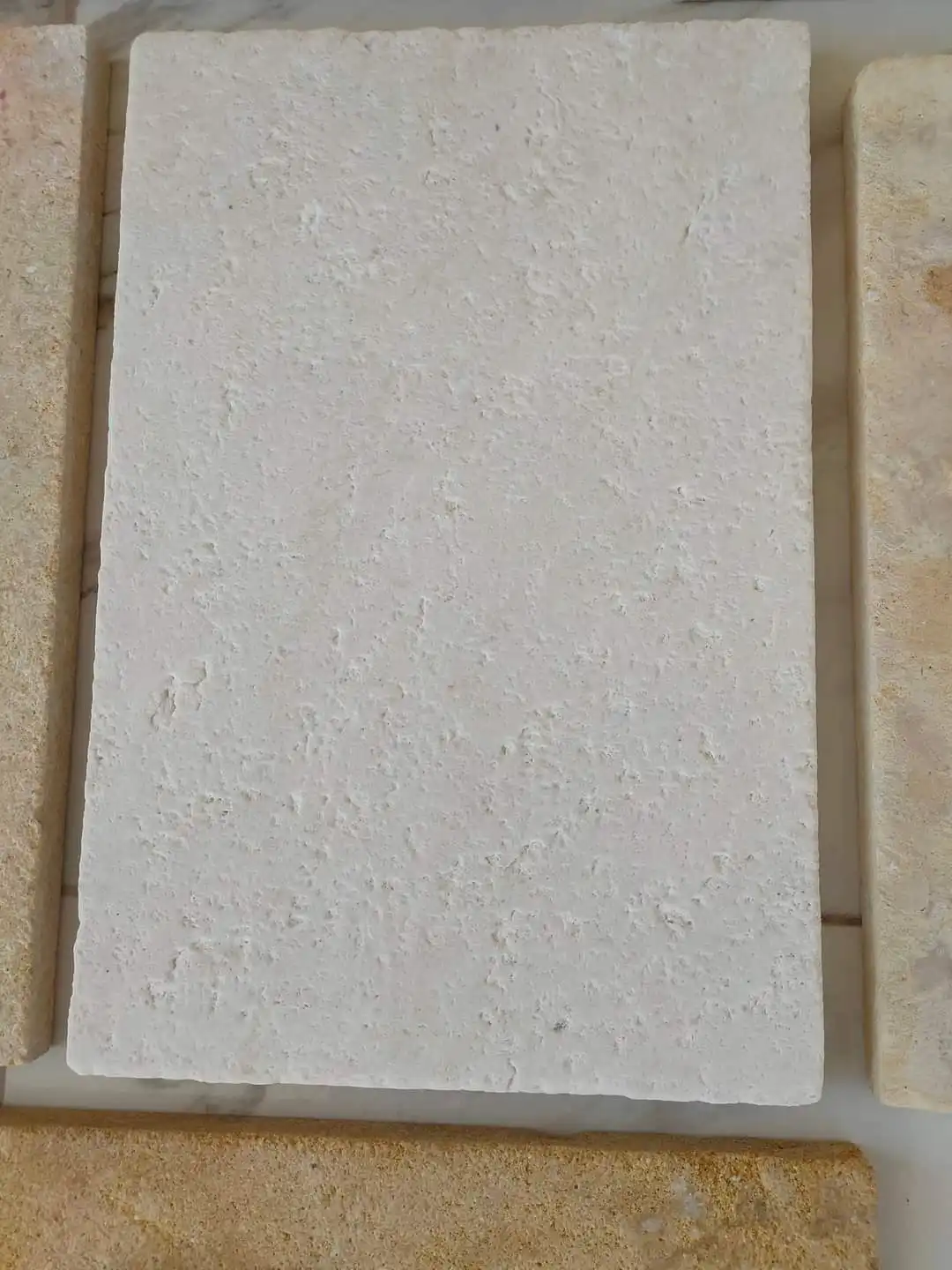
Best Stone Types for Arizona Driveway Pavers
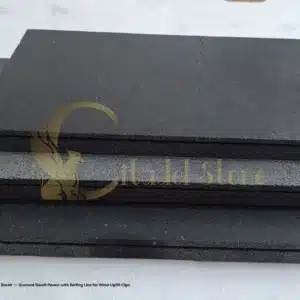
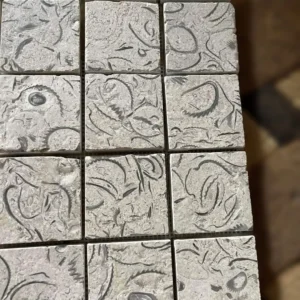
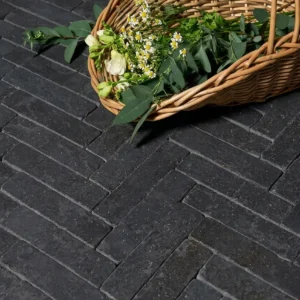
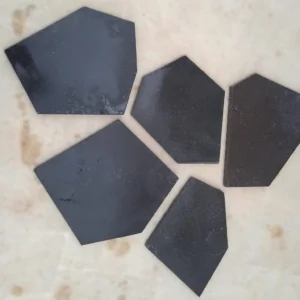
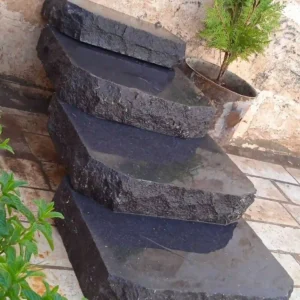
The best stone pavers for driveways in Arizona break down into a clear hierarchy once you evaluate them against storm-resistance criteria rather than just aesthetics. Basalt sits at the top of this list — its interlocking crystalline structure gives it exceptional resistance to hail impact and edge chipping, and its dense, low-porosity surface sheds storm water rather than absorbing it.
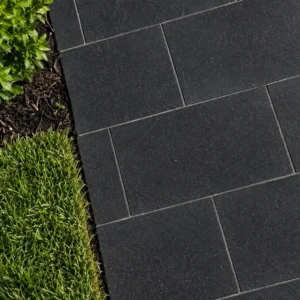
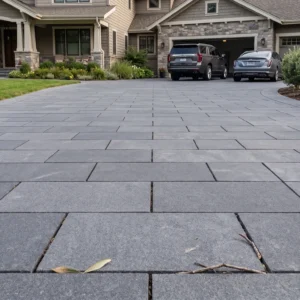
- Basalt pavers: high compressive strength and low water absorption — request the test report for the batch you are buying — ideal for high-traffic storm-exposed driveways
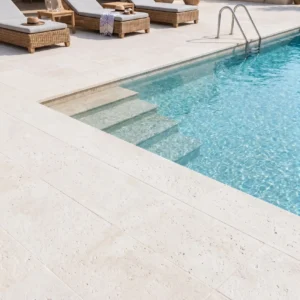
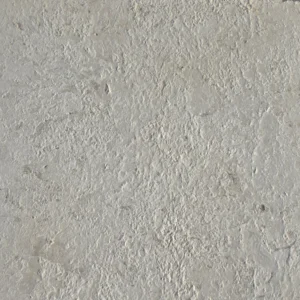
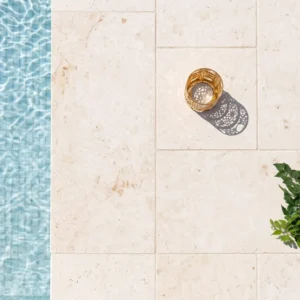
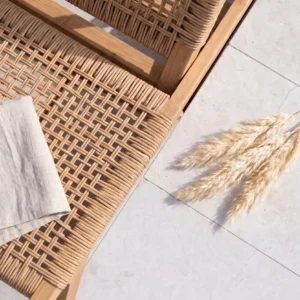
- Dense limestone: strong enough for most driveway load cases, available in cream, ivory, and grey tones, performs well when sealed prior to monsoon season
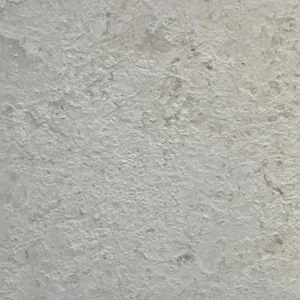
- Quartzite: excellent hail resistance due to silica-rich composition, but requires precision cutting equipment for consistent slab geometry
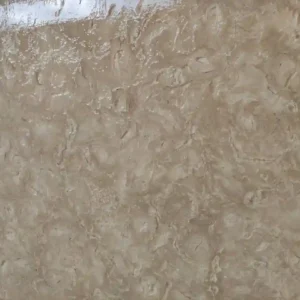
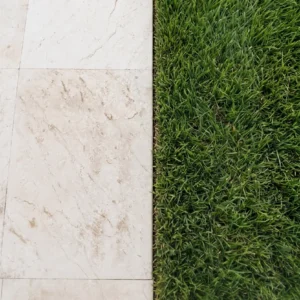
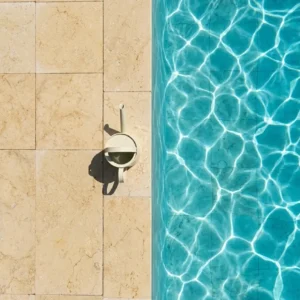
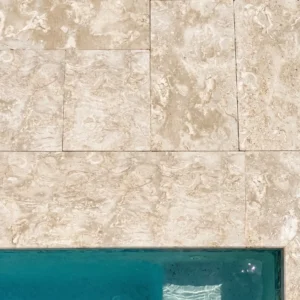
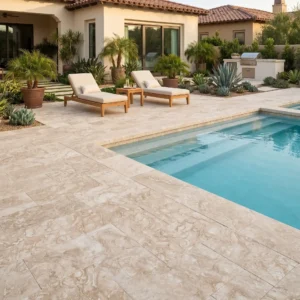
- Travertine: suitable for lower-traffic areas and covered driveways but requires careful joint filling to prevent water infiltration under storm conditions
- Sandstone: lower compressive ratings make it a marginal choice for primary Arizona driveways exposed to monsoon debris impact
For the best outdoor pavers in Arizona with genuine storm durability, your specification should prioritize the first three material categories. Travertine remains popular for aesthetic reasons and performs adequately in covered or semi-sheltered installations, but open driveway exposure to monsoon conditions will shorten its service life compared to basalt or dense limestone.
Thickness and Format Requirements for Storm Resilience
Thickness specification is where many residential driveway projects make a costly compromise. Standard 1-inch nominal pavers marketed for patios get repurposed into driveways regularly, and they fracture under the combination of vehicle point loads and storm-induced hydrostatic pressure in the base layer. For a primary vehicle driveway in Arizona, your minimum thickness should be 1.5 inches for natural stone — 2 inches if you’re routing heavy trucks or service vehicles across the surface.
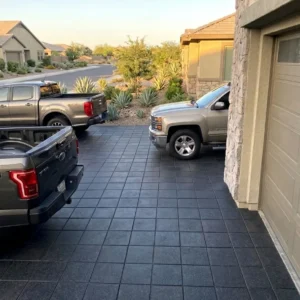
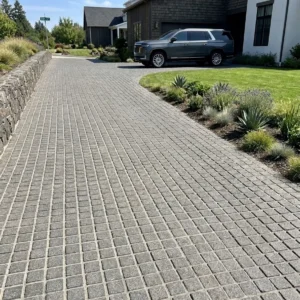
Format matters too. Larger slab formats (24×24 inches or greater) distribute vehicle loads effectively but create larger unsupported spans between base contact points. In Phoenix, where expansive clay soils beneath sandy surface layers can shift measurably during monsoon saturation events, smaller modular formats (12×12 or 16×16) with tight joints give the installation flexibility to accommodate minor subgrade movement without cracking. The best pavers to use for a driveway in Arizona on reactive soil sites are modular formats in these smaller dimensions — you get better long-term performance than with large-slab installations that look impressive initially but crack at the first significant base movement.
- Minimum thickness for residential driveway: 1.5 inches natural stone
- Heavy vehicle access: specify 2-inch minimum, basalt or dense limestone preferred
- Modular 12×12 or 16×16 formats recommended for expansive soil zones
- Large slab formats suitable only where subgrade is engineered fill or compacted caliche hardpan
- Edge units require 15% additional thickness allowance where they’re unsupported by border restraints
Base Preparation for Arizona Storm Drainage
The base layer is where Arizona driveway installations succeed or fail under storm conditions — and the detail that separates a 25-year installation from a 10-year replacement is drainage geometry, not just aggregate depth. Arizona monsoons deliver rainfall intensity that can exceed 3 inches per hour during peak events. Your base needs to move that volume laterally and vertically without allowing hydrostatic pressure to build under the stone layer.
A properly engineered base for the best pavers to use for a driveway in Arizona starts with a minimum 6-inch compacted Class II aggregate base, graded at 1.5–2% cross slope toward drainage channels. In Tucson, where monsoon intensity is particularly concentrated in the summer months, experienced contractors add a geotextile separation layer between native soil and aggregate base to prevent clay migration into the drainage matrix — a step that’s often skipped but makes a significant difference in drainage performance after five or more monsoon seasons. For projects requiring in-depth guidance on material pairings and drainage geometry, durable paver materials for driveways provides technical specification details that complement this base-preparation framework.
- Minimum aggregate base depth: 6 inches compacted Class II (8 inches for heavy vehicle driveways)
- Cross-slope gradient: 1.5–2% minimum toward perimeter drainage
- Geotextile separation layer: strongly recommended in clay-bearing soils
- Edge restraints must extend 2 inches below base surface to prevent lateral migration during storm saturation
- Compaction target: 95% Standard Proctor density before setting bed installation
Hail Resistance and Surface Finish Considerations
Hail events in central Arizona — particularly in the Phoenix and Scottsdale corridors — produce ice stones ranging from pea-sized to golf ball diameter, with golf ball hail delivering impact energy sufficient to pit polished stone surfaces and fracture thin slab edges. The surface finish you specify directly affects how the material weathers these events over time.
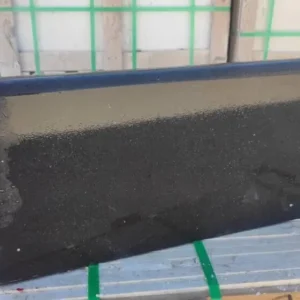
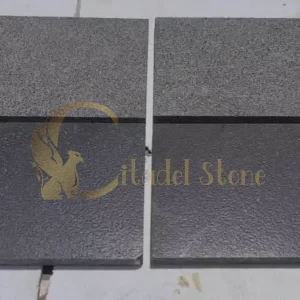
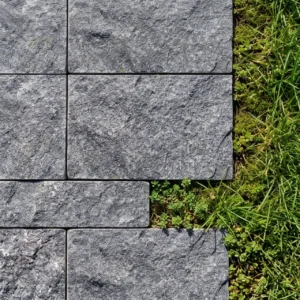
Flamed or bush-hammered finishes on basalt and dense limestone perform consistently better under hail impact than honed or polished surfaces. The mechanical texturing process actually closes micro-surface porosity and creates a more uniform stress distribution across the face of the stone when impacted. Polished surfaces, while visually premium, develop visible impact marks after moderate hail events and require grinding and refinishing to restore appearance — an expensive maintenance cycle for a driveway surface exposed to Arizona storm seasons. In Scottsdale, where premium residential driveways often specify high-gloss natural stone for curb appeal, specifying a satin finish rather than full polish gives you 80% of the aesthetic value with dramatically better storm durability.
- Flamed finish: best hail impact resistance, slight anti-slip benefit, suits basalt and limestone
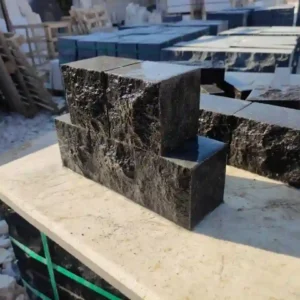
- Bush-hammered: excellent durability, more textured appearance, preferred for high-exposure driveways
- Satin/honed: acceptable for partially sheltered driveways, inspect annually after hail events
- Polished: reserve for protected or covered applications only in storm-exposed Arizona climates
- Sandblasted finish: moderate durability, acceptable for low-traffic secondary driveways
Wind Load, Joint Sand, and Installation Stability
Wind loads above 50 mph don’t just deposit debris on your driveway — they create negative pressure differentials across unsupported paver edges and at joint interfaces that can gradually extract polymeric joint sand if the installation isn’t sealed correctly. The joint sand specification is one of the most underappreciated storm-resistance factors in the best outdoor pavers in Arizona installations.
Polymer-modified joint sand rated for dynamic loading is your baseline specification for any exposed Arizona driveway. Standard non-polymer sand washes out progressively during monsoon rain events — typically 15–20% loss per season in high-rainfall zones — and once joint sand falls below 85% of joint depth, the lateral stability of the installation begins to degrade. You’ll see surface rocking under vehicle loads first, then progressive edge chipping as adjacent units no longer provide mutual lateral support. Citadel Stone can advise on compatible joint sand specifications for each stone type during the technical consultation phase, so your installation contractor has a complete material package before work begins.
Sealing Protocols for Monsoon Season Protection
Sealing natural stone driveway pavers in Arizona isn’t optional — it’s a performance specification, particularly for the best paving slabs for driveways in Arizona that will experience repeated storm-saturation cycles. The timing and product selection matter as much as the act of sealing itself.
Penetrating sealers with siloxane or silane chemistry are the correct choice for dense natural stone driveways. They don’t build a surface film that can delaminate under UV or thermal cycling — they penetrate 3–5mm into the stone matrix and create hydrophobic conditions within the pore structure. Apply your first seal coat before the first monsoon season (typically late May or early June in the Phoenix metro), allow full cure (72 hours minimum at ambient temperature above 55°F), and plan for reapplication every two to three years. Topical acrylic sealers delaminate under Arizona’s combined UV intensity and storm moisture cycling and are not appropriate for exterior driveway applications regardless of their price point.
- Sealer type: penetrating siloxane or silane chemistry only
- First application: before monsoon season, 72-hour cure minimum
- Reapplication schedule: every 2–3 years for dense stone, annually for travertine
- Application temperature window: 55–90°F ambient, no rain forecast within 48 hours
- Surface must be fully dry — minimum 5 days after any rain event or irrigation contact
Order Best Pavers for Driveway in Arizona — Direct Supply from Citadel Stone
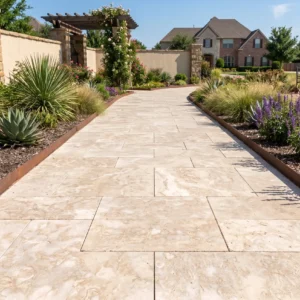
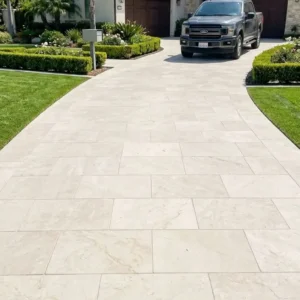
Citadel Stone stocks natural stone driveway pavers in standard formats including 12×12, 16×16, 24×24, and 24×36 inch slabs, with thickness options from 1.25 to 2 inches depending on material type and application. Available materials include basalt, dense cream and grey limestone, quartzite, and travertine in flamed, bush-hammered, and satin finishes. You can request sample tiles and full thickness specification sheets before committing to your project order — contact Citadel Stone’s technical team directly to confirm availability of specific formats and finishes from current warehouse inventory.
Trade accounts and wholesale enquiries are handled through Citadel Stone’s project consultation process. For contractors and landscape architects working on multiple Arizona properties, the team can provide volume pricing, coordinate phased truck deliveries to match your installation schedule, and advise on lead times for non-standard formats or custom cuts. Citadel Stone ships the best pavers for driveway in Arizona from regional warehouse inventory, with standard lead times of one to two weeks for in-stock formats — significantly faster than the six-to-eight week import cycle that affects projects sourcing directly from overseas suppliers. For a complementary look at another proven Citadel Stone hardscape option, Driveway Cobblestone Pavers in Arizona explores how cobblestone formats deliver additional storm-resistance characteristics worth considering for border and transition zones in your Arizona driveway design. For Arizona properties that demand both durability and design, Citadel Stone provides knowledgeable guidance in choosing the right driveway pavers suited to local conditions.