

Why Choose Cobble Setts for Your Project?
Cobble setts are more than just paving materials—they are a versatile solution that blends form and function, and the cut, squared alternative to rounded cobblestones. Offering an array of textures, colors, and finishes, cobble setts elevate the beauty of any outdoor space. When considering materials for your project, cobble setts stand out for their long-lasting nature and aesthetic flexibility.
What Are Cobble Setts?
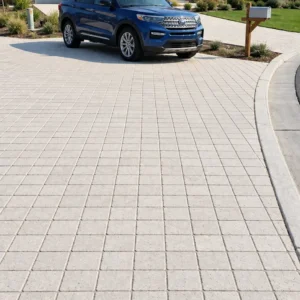
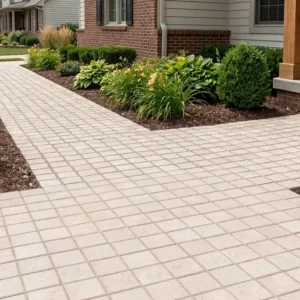
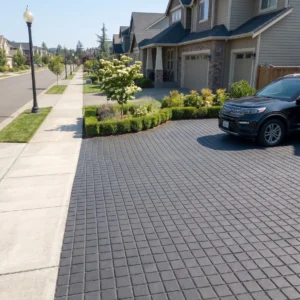
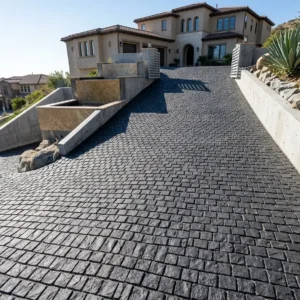
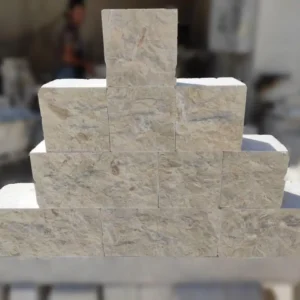
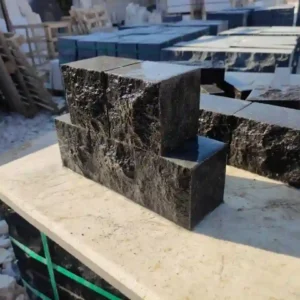
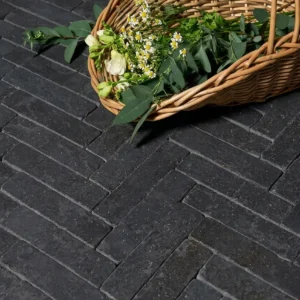
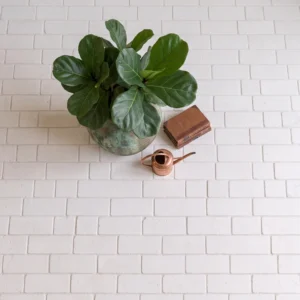
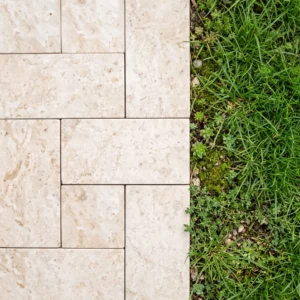
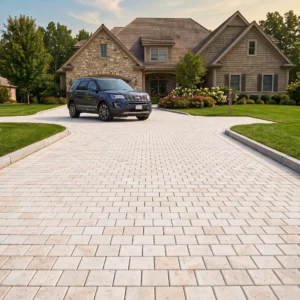
Cobble setts, usually just called setts, are small rectangular or square paving stones cut and dressed from quarried stone, traditionally used for roads, driveways, and walkways. That is the difference between cobbles and setts: strictly, a cobblestone is a naturally rounded stone, while a sett is cut and squared, so it beds level and can be laid tightly in patterns that stand up to traffic and the elements. In the trade, and in our own catalog, “cobblestone” is often used for both. You can see the cut form in our black basalt chiseled cobblestones.
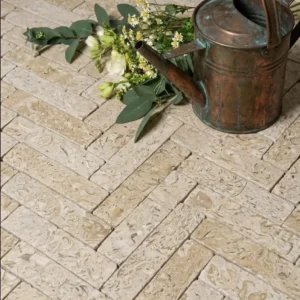
Unlike standard paving stones, cobble setts typically have a slightly irregular surface, which adds character and texture to the finished pavement. These qualities make cobble setts particularly desirable for creating old-world charm, rustic appeal, or contemporary designs in any setting.
Citadel Stone Cobble Setts Collection: Basalt, Limestone and Shellstone
At Citadel Stone, we pride ourselves on supplying natural stone quarry-direct for your landscaping and construction needs. Our cobble setts are cut from black and graphite grey basalt, white, yellow and blue fossil limestone, and Ocean Reef shellstone, all of which are hand-selected for their quality, durability, and beauty. Each set of cobble setts we provide offers:
- Quarry-Direct Supply: Our cobble setts come from our selected quarries in the Middle East and are hand-selected before they ship.
- Long-Term Durability: Correctly bedded and jointed, natural stone setts stay in service for decades, as the historic sett streets of Europe show.
- Wide Range of Sizes: Standard sizes run from 3 × 3 in cubes and 8 × 2 in plank setts up to 8 × 10 in and 12 × 6 in blocks, 2 in (50 mm) thick for paths and patios and 4 in (100 mm) for driveways. Other sizes and thicknesses are cut to order.
Why Choose Cobblestone Driveways and Walkways for Your U.S. Project?
- Durability: Dense basalt and limestone setts carry foot traffic and, at driveway thickness on a compacted base, vehicle traffic, in both private and commercial spaces across the U.S.
- Aesthetic Appeal: Available in black and graphite grey basalt, white, yellow and blue fossil limestone, and Ocean Reef shellstone, cobble setts bring a unique and timeless look to any project. The natural variation in colors and textures enhances their beauty, allowing them to blend seamlessly with any design theme.
- Low Maintenance: Upkeep is sweeping, an occasional rinse or pH-neutral stone cleaner, and topping up the joint sand. Sealing is optional, and natural stone has no surface dye to fade.
Cobble Setts for Driveways: Thickness and Base
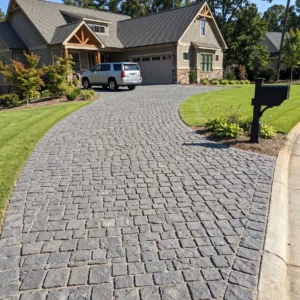
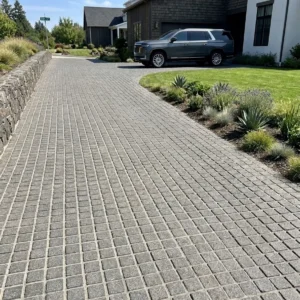
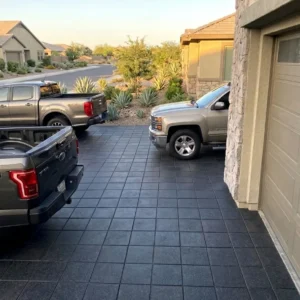
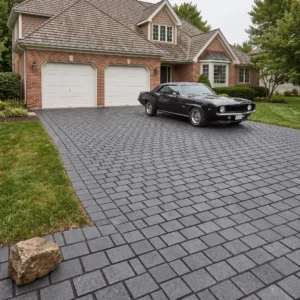
For driveways, choose setts at least 3.5 in (90 mm) thick. Our Black Basalt Natural Cobblestones, White Limestone Belgian Block and Yellow Limestone Belgian Block come 4 in (100 mm) deep as standard. Setts 2 in (50 mm) thick are for paths, patios and other foot-traffic areas. Lay driveway setts on a compacted crushed-stone base sized to your soil, at least 12 in on sandy ground and deeper on clay, with a 1 in screeded bed of coarse sand, then fill the joints with polymeric or kiln-dried sand. Commercial and heavy-vehicle areas need a base designed for the load. Our guide to cobblestone for driveways sets out base depths for different soils.
Learn How to Install Cobble Setts on a Slope for Proper Drainage and Stability!
Citadel Stone’s Durable Paving Stones for Outdoor Spaces: The Perfect Fit for U.S. Projects
Our cobble setts are available for projects across the U.S., ideal for areas that experience heavy foot traffic and frequent use. Whether you’re planning a stylish walkway, driveway, or outdoor plaza, Cobble Setts from Citadel Stone provide exceptional strength and aesthetic appeal. Their natural stone texture enhances the overall appearance of any outdoor area while remaining functional under pressure.
Benefits of Choosing Cobble Setts:
- Durability: Black basalt, limestone and Ocean Reef shellstone setts all work across the whole project: driveways (setts at least 3.5 in thick on a compacted base), plazas, patios, paths and courtyards, with basalt our first choice for cold-climate paving. All are natural stone, not concrete or synthetic look-alikes.
- Versatility: Available in sawn, split-face, chiseled, bush-hammered, brushed and antique finishes, cobble setts offer multiple aesthetic options. No matter the design, cobble setts can suit both traditional and contemporary styles.
- Cost-Effectiveness: Although cobble setts may have a higher initial cost than some alternatives, their durability and longevity make them a cost-effective choice in the long run. Repairs stay local, because single setts can be lifted and relaid.
The Ideal Material for U.S. Landscaping
Cobble setts have been used for centuries for their strength and aesthetic appeal. From the historic cobbled streets of Europe to modern commercial projects, these stones are trusted worldwide. In the U.S., they are a popular choice for creating both functional and beautiful spaces.
Whether you’re creating a driveway, outdoor patio, or urban streetscape, cobble setts add elegance and durability to your designs. At Citadel Stone, we offer a variety of colors and finishes, making it easy to find the perfect cobble sett for your project.
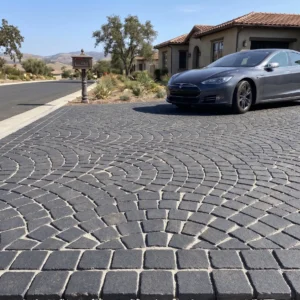
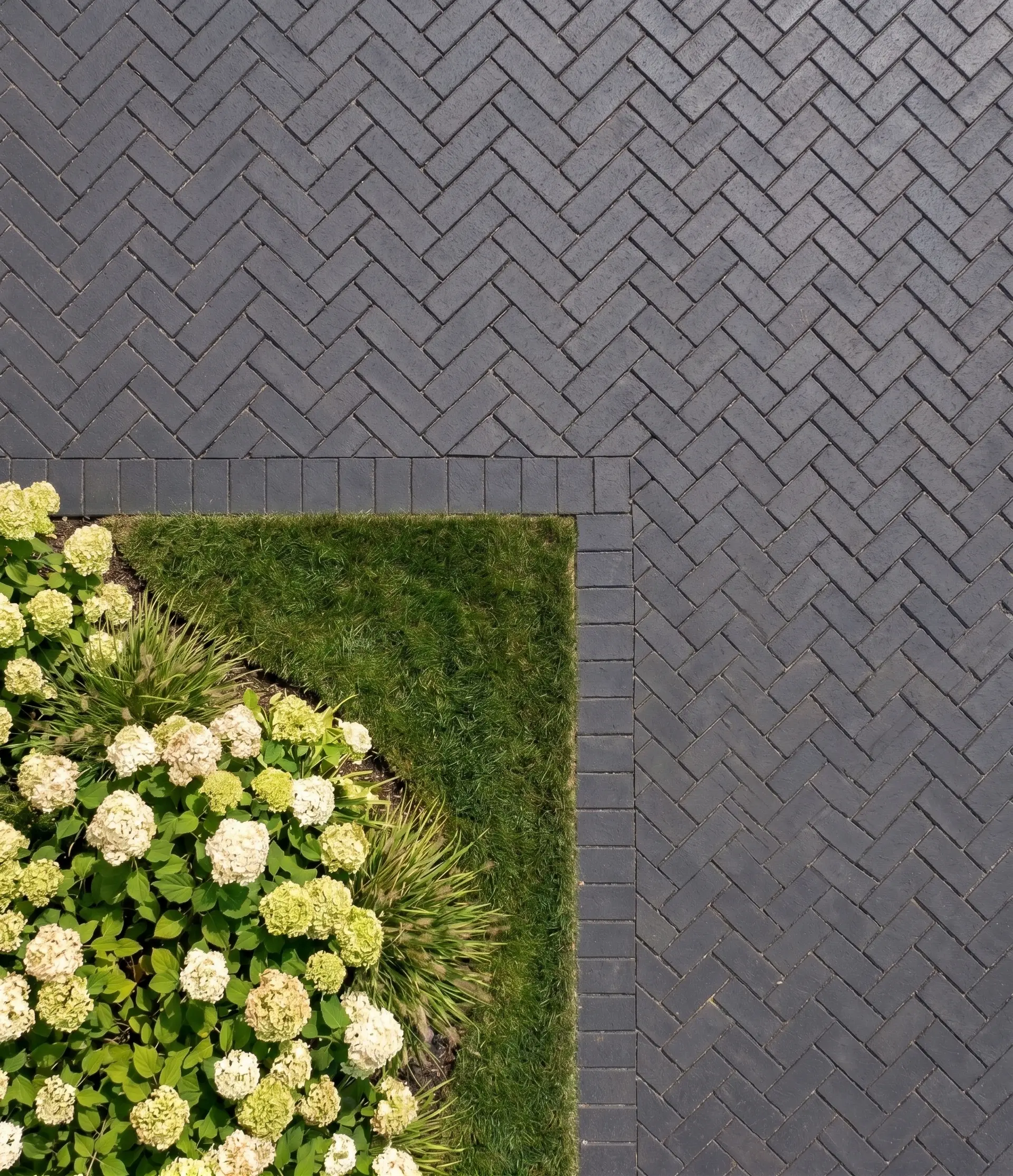
Choose Your Design: Learn About Cobble Sett Patterns (Herringbone, Basketweave, and Circular)!
Our Range of Cobble Setts
Citadel Stone offers a carefully curated range of cobble setts, including:
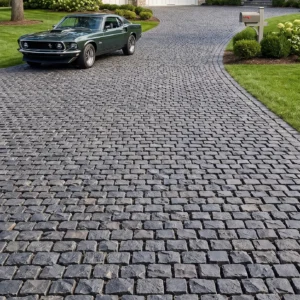
- Black Basalt: A dark, dense, and highly durable stone, perfect for high-traffic areas.
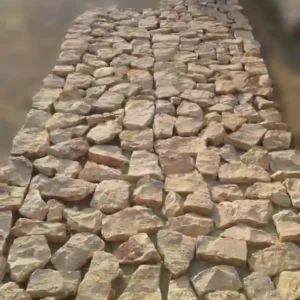
- Yellow Limestone: A golden stone with a warm, inviting look, ideal for residential and commercial landscaping.
- White Limestone: A sleek, elegant option that works well in modern designs.
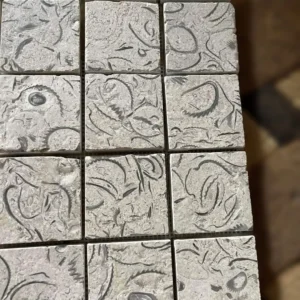
- Ocean Reef Shellstone: A versatile, light-colored stone that complements any design style.
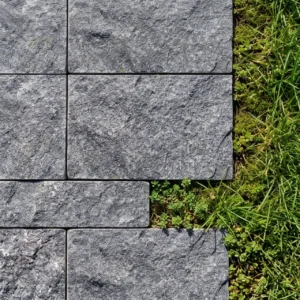
- Graphite Grey Basalt: A grey basalt sett with a naturally split top for a textured surface.
- Blue Fossil Limestone: A blue-toned limestone cobble with visible fossil detail.
- Edging: Finish a sett field with basalt curbstones or black basalt landscape curbing.
Why Citadel Stone Stands Out
- Hand-Selected Cobble Setts: We take the time to carefully select each cobble sett for its quality and appearance, for consistent color and finish across the whole order.
- Custom Sizes and Finishes: We cut cobble setts to your size and thickness, in sawn, split-face, chiseled, bush-hammered, brushed or antique finishes, to suit your project.
- Delivery to All 50 States: We ship by pallet or full container to all 50 states, and delivery is quoted with your order.
Check the 20-Year Analysis: Cobble Setts vs. Concrete Pavers for Durability and Cost!
Cobble Setts — Serving All 50 States
Citadel Stone supplies Cobble Setts nationwide, supporting streetscape, heritage and commercial projects with specification help, samples and delivery quoted per order. Below are eight of the most populous U.S. states and a detailed look at how Cobble Setts perform in local conditions and typical project types.
California — Coastal, urban and heritage-ready cobbles
California’s long coastline, dense urban centers and historic towns create a wide range of paving needs. In cities such as Los Angeles and San Francisco, cobble setts are often used for character-driven streetscapes, low-speed traffic calming zones and boutique driveway entrances where texture and visual depth matter. For California we recommend harder, low-absorption setts with tight dimensional tolerances and finishes that resist salt spray near the shore and abrasion in busier urban lanes. Proper anchoring and permeable jointing options help the paving drain well and stay firmly in place. Citadel Stone provides samples for approval, specification advice, and delivery quoted to coastal and inland sites.
Texas — Heavy-load tolerant setts for big-city boulevards and plazas
Texas combines sprawling metros and heavy commercial routes where durability is king. Cities such as Houston and Dallas see frequent events, vehicle access and hot, humid summers. Our recommendation for Texas driveways and plazas is basalt, limestone or Ocean Reef shellstone setts at least 4 in (100 mm) thick, brushed with a coarse grit or bush-hammered. For public plazas and mixed-traffic streets we advise an engineered subbase designed for the load and jointing that accommodates expansion. Citadel Stone supplies specification assistance, samples and delivery quoted per order.
Florida — Coastal-ready, textured setts for waterfront and tourism areas
Florida’s coastal resorts and pedestrianized waterfronts demand pavers that withstand salt exposure, intense sun and frequent cleaning. In Miami, Tampa and Orlando, cobble setts are popular for promenades, hotel forecourts and themed retail streets where texture adds visual interest and character. We specify dense, low-absorption stone with textured faces, brushed with a coarse grit or bush-hammered; natural stone carries no surface pigment to fade. Jointing options that shed water quickly and resist biological growth are also important. Citadel Stone provides samples, guidance on sealers and finishes, and delivery quoted per order.
New York — Urban resilience for historic corridors and high-traffic plazas
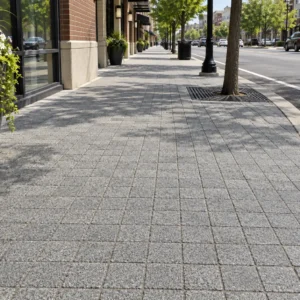
New York State—and especially New York City—places exacting demands on paving: heavy footfall, periodic freeze-thaw cycles and exacting aesthetic expectations in historic districts. Cobble setts here commonly appear in pedestrian-only lanes, townhouse forecourts and adaptive-reuse courtyards. For New York applications we recommend hard-wearing black basalt setts, our first choice for cold-climate paving, with consistent color and controlled finishes. Citadel Stone provides samples for approval rounds, specification advice, and delivery quoted per order.
Find Out Why Cobble Setts Are Used in High-Traffic Public Spaces!
Pennsylvania — Heritage streets and institutional landscapes
From Philadelphia’s historic streets to expanding university campuses, Pennsylvania uses cobble setts to marry longevity with period character. Typical uses include ceremonial entries, heritage pedestrian lanes and institutional driveways. Where winters freeze and roads are salted, we favor black basalt setts, plus finishes that balance wear with traditional aesthetics. For large campus or public works in Pennsylvania, Citadel Stone can provide specification guidance and samples for tendering and mock-up reviews. See 15 Cobble Sett Driveway Ideas for Timeless Curb Appeal!
Illinois — Robust setts for river-edge promenades and commercial districts
Illinois—anchored by Chicago’s lakeshore and busy commercial corridors—requires cobbles that manage both pedestrian and light-vehicle loadings, plus seasonal changes. Setts specified for Illinois benefit from high compressive strength, low water uptake and surface textures that resist polishing under heavy foot traffic. For riverfront promenades and retail streets we recommend basalt or similarly dense stone, at least 4 in (100 mm) thick where vehicles cross. Citadel Stone supplies samples, specification advice and delivery quoted per order.
Ohio — Lasting durability for civic and streetscape upgrades
Ohio cities often combine cold winters and busy civic programs, so cobble setts are chosen for long-term durability and easy maintenance. Typical projects include pedestrian streets, market squares and municipal forecourts. In Ohio we recommend black basalt setts with tight fitting to reduce water ingress and freeze-related movement, plus jointing solutions designed for winter maintenance regimes. Citadel Stone provides samples for contractor evaluation and delivery quoted per order.
Georgia — Heat-resilient and low-maintenance setts for southern urbanism
Georgia’s warm, humid climate—seen most vividly in Atlanta—favors cobble setts that resist staining, tolerate regular pressure washing and hold up under festival or event traffic. For Southern applications we recommend stones with low porosity and textured faces, brushed with a coarse grit, that stay easy to clean after high-use events. Citadel Stone supports Georgia projects with samples, advice on jointing for heavy-cleaning cycles, and delivery quoted per order.
Citadel Stone: Your Natural Stone Cobble Setts Supplier in the U.S.
At Citadel Stone, we’re committed to supplying quarry-direct, hand-selected natural stone for your landscaping and hardscaping needs. Our cobble setts provide not only aesthetic beauty but also durability and functionality that will last for decades.
If you are looking for cobble setts for your next U.S. project, talk to Citadel Stone for samples, specification advice and a quote.