

Most driveway paver cost Arizona homeowners encounter during project planning gets anchored around material price per square foot — but that single number hides the variables that actually determine your total budget. The base preparation requirement, drainage engineering, and finish selection shift that number dramatically depending on where your project sits and how water moves across your property. Understanding those layers before you commit to a material type is what separates a well-executed installation from one that requires costly remediation inside five years.
Why Arizona’s Drainage Patterns Shape Your Paver Budget
Arizona’s monsoon season delivers intense, short-duration rainfall events that can exceed 1 inch per hour — a hydrological condition that most driveway surfaces aren’t designed to handle without deliberate drainage engineering. Your driveway doesn’t just need to look good; it needs to move water away from your foundation rapidly and consistently, every storm season, for decades. That performance requirement drives material selection, base specification, and ultimately your cost structure more than almost any other factor in Arizona.
The state’s precipitation pattern creates a specific challenge: prolonged dry periods followed by extreme saturation events. Pavers that can’t accommodate rapid sub-surface moisture transition will develop settlement issues within three to four monsoon cycles. You need a system — not just a product — and that system has real cost implications at every layer.
- Impermeable concrete pavers require engineered perimeter drains, adding $8–$14 per linear foot to your scope
- Permeable interlocking pavers reduce surface runoff by routing water through the joint system, often eliminating the need for surface drains in well-graded applications
- Natural stone pavers require sealed joints in flood-prone zones to prevent hydraulic displacement during high-volume events
- Base aggregate depth for drainage-critical driveways in Arizona typically runs 8–12 inches versus the 4–6 inches sufficient in low-rainfall states
Paver Pricing for Arizona Driveways: Material Cost Breakdown
Material pricing for Arizona driveway pavers follows predictable tiers, but the range within each tier depends heavily on regional sourcing, thickness, and finish type. Understanding paver pricing for Arizona driveways means looking at the full cost stack — not just the slab price per square foot listed on a product page.
Here’s a realistic material cost framework for the most common driveway paver categories installed in Arizona:
- Concrete pavers: $3–$7 per square foot for material; manufactured domestically and widely available through local distributors
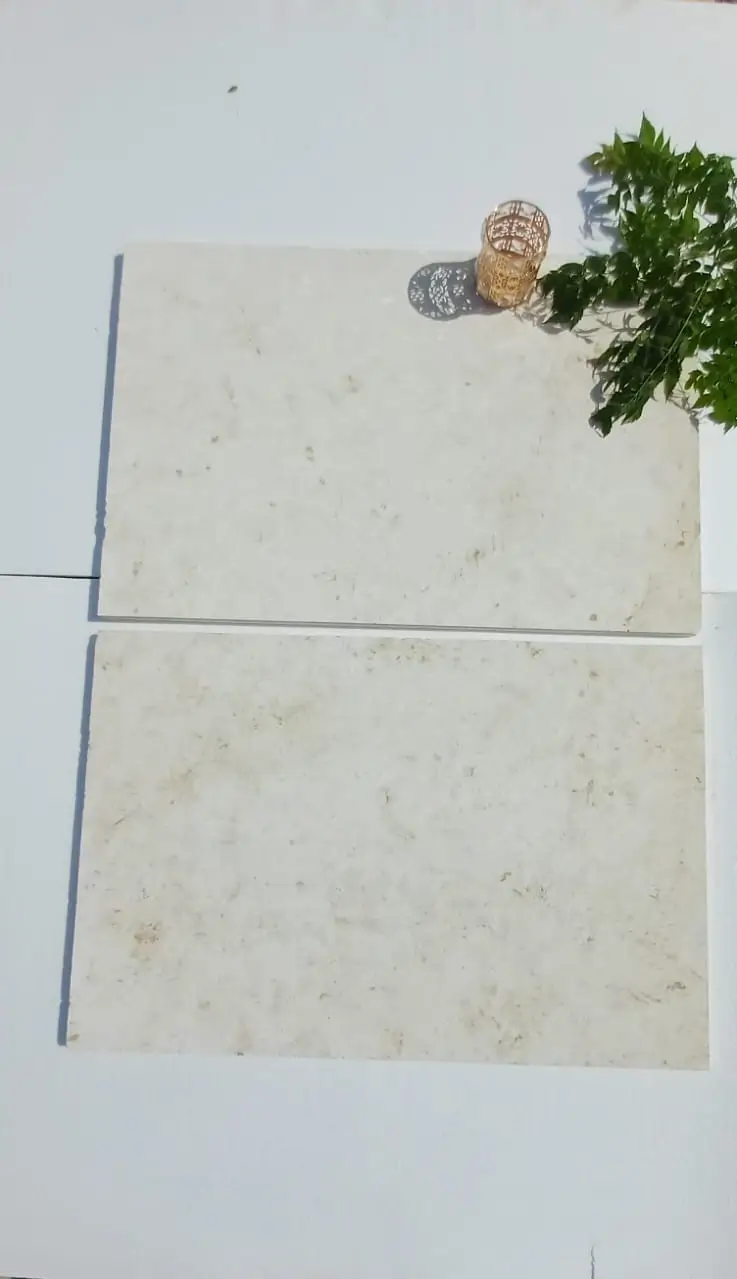
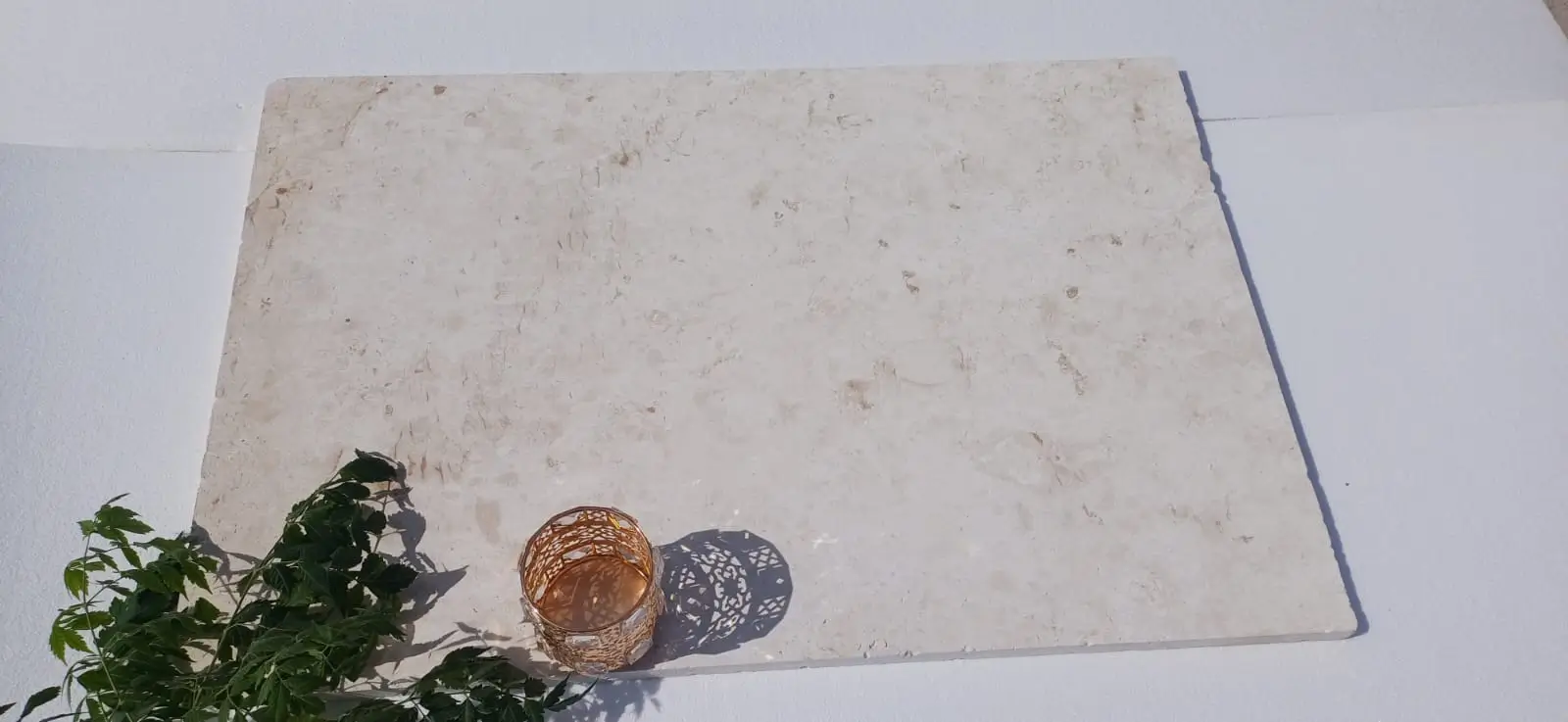
- Travertine pavers: $6–$14 per square foot depending on fill type and finish; tumbled finishes on the lower end, honed or brushed finishes on the higher end
- Limestone pavers: $7–$16 per square foot; dense, close-grained limestone appropriate for driveways runs toward the upper range
- Basalt pavers: $9–$18 per square foot; exceptional compressive strength makes basalt a premium choice for heavy vehicle applications
- Porcelain pavers: $8–$15 per square foot; zero porosity is advantageous in flood-prone zones but requires precise installation on compacted bases
These material costs are separate from your installation labor, base preparation, edge restraints, and drainage components — all of which add to your total project spend. At Citadel Stone, we recommend building your budget model with a complete line-item breakdown rather than multiplying material cost by square footage and calling it a project estimate.
Base Preparation Costs in Arizona Drainage Zones
The base preparation is where driveway paver cost Arizona homeowners consistently underestimate. A properly engineered base for an Arizona driveway in a monsoon-zone property can represent 35–45% of the total project cost — a proportion that surprises most homeowners who focus on the surface material selection.
For properties in Scottsdale, where desert hardpan and caliche formations are common below 18 inches, your excavation scope depends significantly on what the soil profile looks like at depth. Caliche acts as an impermeable layer that traps water above it, creating hydraulic pressure beneath your paver system if drainage isn’t engineered through it rather than just around it. Excavating through caliche adds $2–$4 per square foot to your base preparation cost, but skipping that step creates a moisture trap that will undermine your installation.
- Standard crushed aggregate base (4–6 inches): $1.50–$2.50 per square foot installed
- Deep aggregate base for drainage (8–12 inches): $3.00–$5.50 per square foot installed
- Caliche excavation surcharge: $2.00–$4.00 per square foot depending on depth and hardness
- Perforated drain pipe installation: $12–$22 per linear foot including aggregate surround
- Geotextile fabric liner: $0.25–$0.60 per square foot — inexpensive but often omitted, leading to aggregate migration
Finding Affordable Driveway Pavers Across Arizona Without Cutting Corners
Affordability in Arizona driveway paver specification isn’t about choosing the cheapest material — it’s about choosing the right material for your specific site conditions so you avoid early replacement costs. Affordable driveway pavers across Arizona means selecting a product that performs reliably given your drainage demands, traffic loads, and maintenance capacity, rather than defaulting to the lowest cost-per-square-foot option on the shelf.
Concrete interlocking pavers represent the most accessible entry point for budget-conscious Arizona homeowners. At $3–$7 per square foot for materials, they offer dimensional consistency that simplifies installation and reduces labor costs. The trade-off is thermal mass accumulation — concrete pavers absorb and retain heat at rates that can create surface temperatures exceeding 160°F during peak summer. For driveways where foot traffic occurs regularly, that thermal loading matters.
Travertine sits in the mid-range and delivers genuine performance advantages in Arizona’s climate. Its open pore structure allows for slight water absorption that moderates surface temperature, and tumbled travertine’s textured surface provides slip resistance even when wet — a meaningful safety consideration during monsoon events. You’ll find travertine typically offers better long-term value than concrete at comparable price points when you factor in the reduced surface maintenance requirement over a 15-year horizon.
How Elevation and Freeze-Thaw Cycles Affect Your Cost in Northern Arizona
The cost structure for driveway pavers in Flagstaff differs materially from low-desert installations, and that difference runs through every line item in your budget. At 6,900 feet elevation, Flagstaff experiences genuine freeze-thaw cycles — averaging over 100 freeze-thaw events per year — which eliminates several material options that perform adequately in Phoenix but fail progressively in cold conditions.
Porous natural stone pavers require testing to ASTM C880 and ASTM C99 standards before specification in freeze-thaw climates. Limestone and travertine with absorption rates above 3% will experience spalling within two to three winters in Flagstaff’s conditions. Dense limestone with less than 1.5% water absorption and basalt — which typically tests below 0.5% absorption — are the appropriate material selections at elevation. Stone driveway material cost in AZ at these elevations reflects the premium for higher-density stone that meets freeze-thaw durability requirements.
- Material specification for freeze-thaw zones adds $2–$5 per square foot versus low-desert selections due to density requirements
- Sand-set joints in Flagstaff require polymeric sand with freeze-thaw stability ratings; standard joint sand will heave and crack under frost cycling
- Sealing schedules in freeze-thaw zones should run annually, versus every two to three years in low-desert applications
- Edge restraint systems in freeze-thaw climates require staked plastic or aluminum restraints driven deeper — typically 12 inches versus 8 inches — to prevent frost heave displacement
What to Budget for Installation Labor in Arizona
Labor costs for driveway paver installation in Arizona range from $8–$18 per square foot, and that range reflects genuine variation in site complexity rather than contractor markup variance. Your stone driveway material cost in AZ needs to be modeled alongside labor — the cheapest material paired with the most complex installation can produce a higher total cost than a premium material installed on a straightforward site.
Factors that push labor costs toward the higher end of the range include slope grading requirements, perimeter drain installation, non-rectangular driveway geometry requiring cut work, and access limitations that prevent standard paver delivery equipment from reaching the installation zone. Your truck access conditions directly affect the delivery logistics and set-up time your installer will factor into their bid. Narrow gates, steep approaches, and overhead clearance constraints can add $500–$1,500 in logistics costs that often appear as labor line items.
A second truck-related consideration arises when specialty stone requires coordinated delivery from a regional warehouse to your site on the same timeline as your crew mobilization. Misaligned delivery windows add idle labor costs that inflate your total installed price beyond what the per-square-foot estimate suggests.
For pricing transparency, a realistic total installed cost — material plus labor plus base preparation — for Arizona driveway pavers breaks down approximately as follows:
- Entry-level concrete pavers, standard site: $18–$28 per square foot installed
- Mid-range travertine or limestone, standard site: $28–$45 per square foot installed
- Premium basalt or dense limestone, complex site: $42–$65 per square foot installed
- Permeable paver system with engineered sub-base: add $8–$14 per square foot to base material cost
Performance Specifications for Driveway Pavers in Arizona
Selecting the best pavers to use for a driveway in Arizona means evaluating performance metrics alongside cost — because a paver that fails early is never the economical choice regardless of its initial price point. The performance criteria that matter most in Arizona are compressive strength under vehicle loading, water absorption rate in a monsoon climate, and slip resistance when wet.
You can use Citadel Stone paver costs for Arizona as a reference when comparing material options and understanding how density, thickness, and finish type interact with your total cost model.
Compressive strength requirements for residential driveways start at 8,000 PSI — sufficient for standard passenger vehicles. For driveways that accommodate heavier loads (service vehicles, RVs, delivery trucks), spec toward 12,000 PSI minimum. Basalt consistently exceeds 20,000 PSI compressive strength and represents the highest-performance natural stone option for demanding load applications. Dense limestone in the 12,000–16,000 PSI range is appropriate for the majority of Arizona residential driveways and offers better cost efficiency than basalt for standard applications.
- Compressive strength: 8,000 PSI minimum for residential, 12,000 PSI for commercial-grade residential
- Water absorption: below 3% for low-desert zones; below 1.5% for freeze-thaw elevation zones
- Wet DCOF: 0.42 minimum per ANSI A326.3 (ADA references accessible routes without prescribing a DCOF value)
- Thickness: 1.25 inches minimum for pedestrian; 2 inches minimum for vehicular; 3 inches for heavy vehicular
- Flexural strength: ASTM C880 minimum 1,500 PSI for Arizona driveway applications
Sloped Sites and Terrain-Specific Costs
Driveway paver projects on sloped terrain introduce hydraulic engineering complexity that flat-site budgets simply don’t require. In Sedona, where driveways frequently follow grade changes of 8–15% and natural rock formations intersect the sub-base zone, drainage engineering becomes inseparable from the structural design. Water moving at velocity across a sloped driveway creates hydraulic shear forces on pavers that a standard compacted aggregate base won’t adequately resist without channel drains positioned at grade transitions.
For sloped driveways, your specification should address the hydraulic gradient at every terrace point where grade changes by more than 3%. Channel drains set flush with the paver surface capture sheet flow before it accelerates — typically positioned every 15–20 linear feet on grades above 8%. Missing this detail creates erosion channels under the paver joints that progressively undermine your base, leading to settlement and cracking within three to five monsoon seasons.
- Channel drain installation on sloped driveways: $45–$90 per linear foot including grate, body, and connection to discharge point
- Grade transition sub-base reinforcement: 6-inch compacted aggregate minimum at every grade break
- Textured paver finish is mandatory on slopes above 5% for wet-weather slip resistance — tumbled or bush-hammered finishes preferred over honed or polished surfaces
- Mortar-set pavers on slopes above 12% prevent gravitational creep; sand-set systems are inappropriate for high-gradient applications
Arizona Driveway Paver Budget Planning Guide
A complete Arizona driveway paver budget planning guide needs to work as a decision matrix, not just a price list. Your project budget has five cost layers, and understanding how each layer interacts with your site conditions is what allows you to build a realistic number before you start soliciting contractor bids.
Layer 1 is your material cost — the per-square-foot cost of the paver itself, including freight from the warehouse to your site. Warehouse lead times from regional Arizona stone distributors typically run one to two weeks for standard material profiles, but specialty formats or less common stone types may require four to six weeks. Factor that timeline into your project schedule before committing to a material. Layer 2 is base preparation, which as discussed can represent 35–45% of total cost on drainage-critical sites. Layer 3 is installation labor. Layer 4 is drainage engineering — drains, pipes, outlets, and grading. Layer 5 is ongoing maintenance, which includes sealing, joint sand replenishment, and periodic inspection.
- Total project budget for 1,000 sq ft standard Arizona driveway: $18,000–$45,000 depending on material tier and site complexity
- Drainage engineering adds $2,000–$8,000 to projects with significant grade changes or monsoon flood risk
- Annual sealing for natural stone driveways: $400–$900 depending on square footage and product used
- Joint sand replenishment every 3–5 years: $300–$600 for a standard residential driveway
- Reserve 10–15% of your total budget for site-specific surprises — caliche, buried utilities, and unexpected soil conditions are common in Arizona excavation
Citadel Stone maintains regional warehouse inventory across Arizona, which reduces material lead times to one to two weeks for most standard profiles — a meaningful advantage when your project timeline is tight and you can’t absorb a six-week import delay from overseas stone suppliers.
Final Considerations for Driveway Paver Cost in Arizona
The driveway paver cost Arizona homeowners ultimately pay is a direct function of how well their specification accounts for the state’s unique hydrological demands. Get the drainage engineering right and your material performs as specified for 20-plus years. Underspecify the base or ignore the hydraulic implications of Arizona’s monsoon intensity, and even premium stone will require remediation within a decade. Your material selection, base depth, drainage design, and finish type all compound each other — they’re not independent variables you can optimize in isolation.
As you finalize your specification, the surface material you choose for your driveway may also inform decisions about adjacent hardscape elements on your property. For guidance on complementary stone applications in Arizona, How to Choose Big Paving Slabs for Sale in Arizona covers related material performance considerations that apply across multiple outdoor hardscape contexts.
Residents in Sedona, Yuma, and Tempe working through driveway paver budget planning can consult Citadel Stone’s material specifications to understand how slab density and finish type influence both upfront cost and maintenance frequency.