








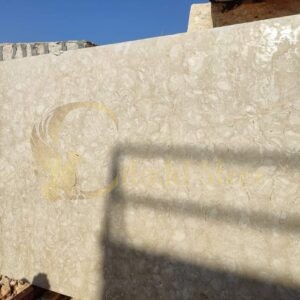
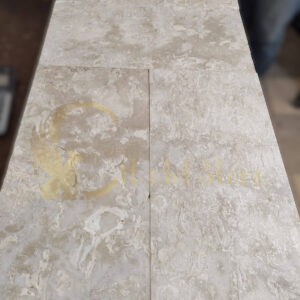
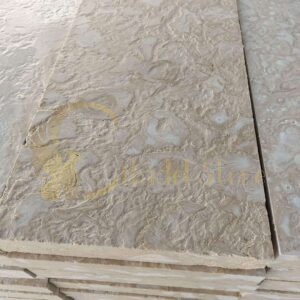
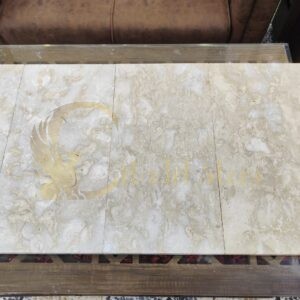
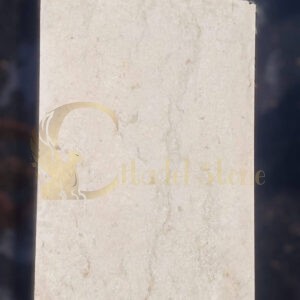
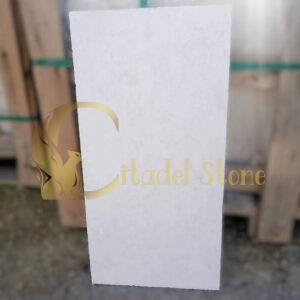

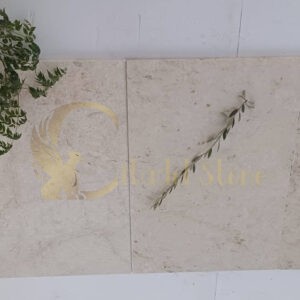


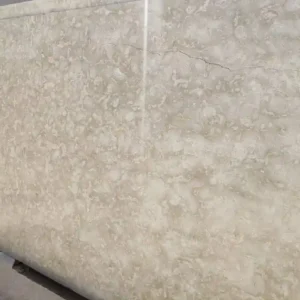





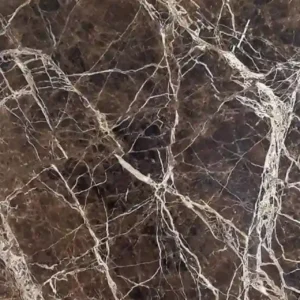
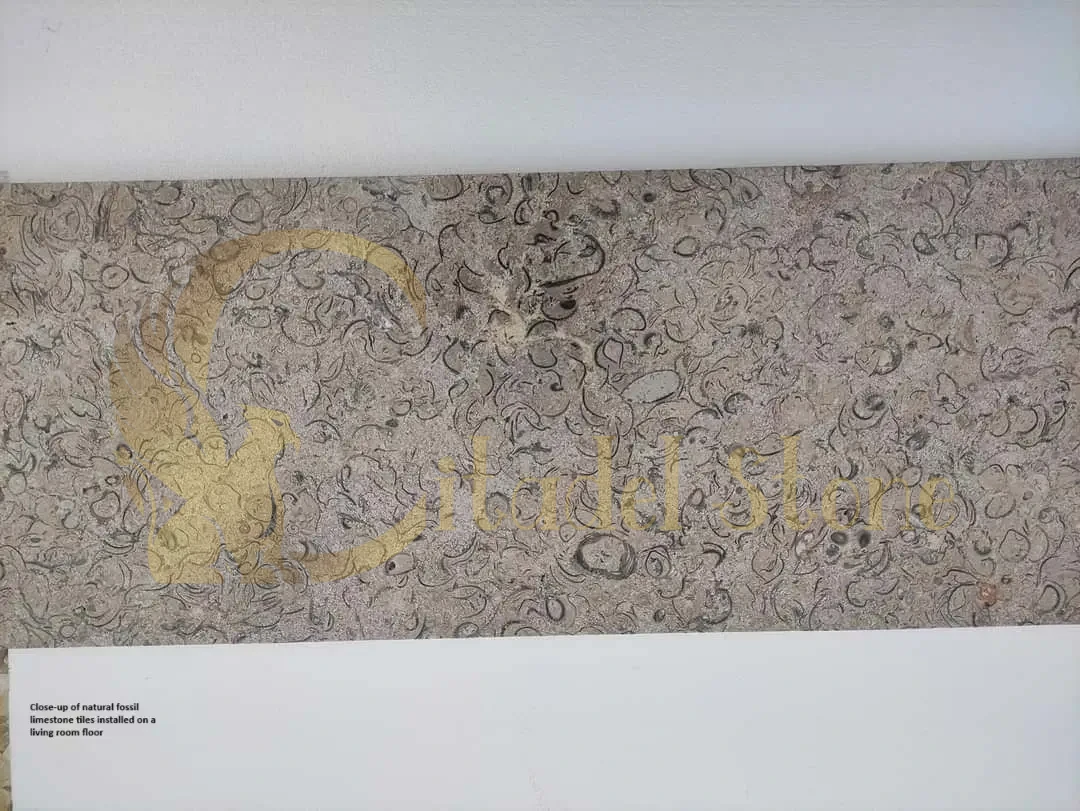
- Flooring: Natural limestone flooring provides a durable and elegant surface that ages beautifully.
- Walls: Limestone wall tiles add texture and depth, creating stunning feature walls, shower surrounds, or kitchen backsplashes.
- Bathrooms: Limestone bathroom tiles are popular for their spa-like feel, offering a slip-resistant surface when honed and a luxurious aesthetic.
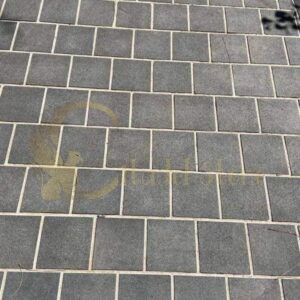
- Outdoor Patios and Walkways: Certain finishes of limestone are excellent for exterior applications, providing a resilient and attractive surface that blends harmoniously with natural landscapes.
- Countertops and Vanities: While less common than granite or marble, limestone can be used for countertops, offering a unique, matte finish that requires diligent sealing and care.
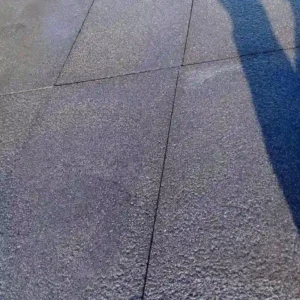
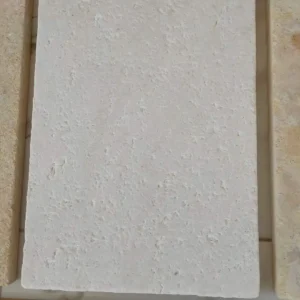
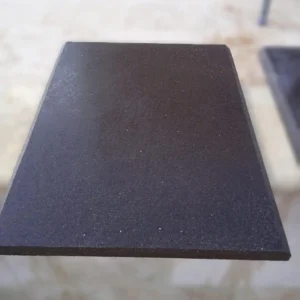
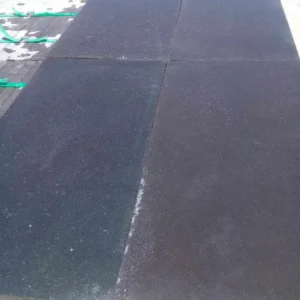
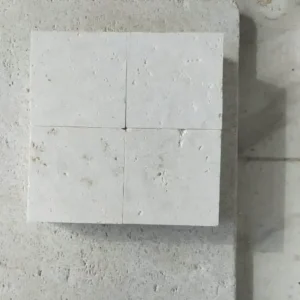
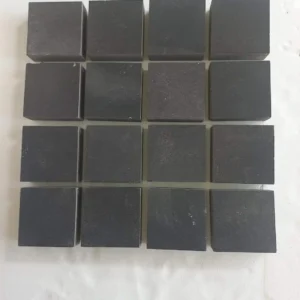
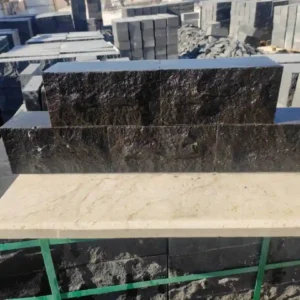
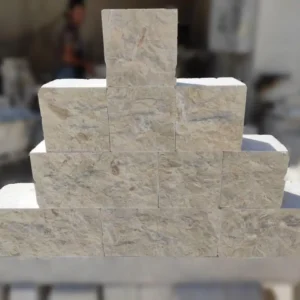
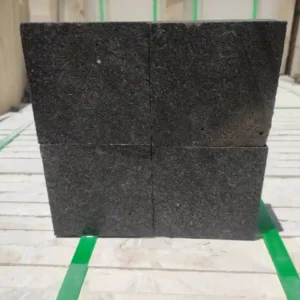
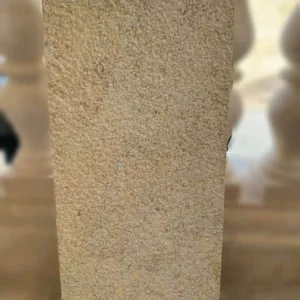
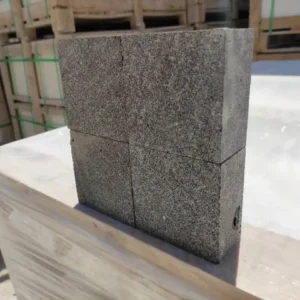
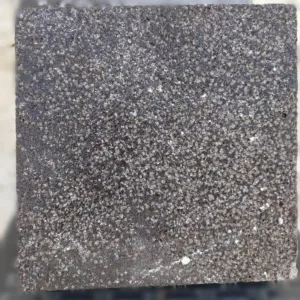
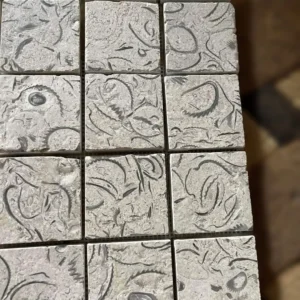
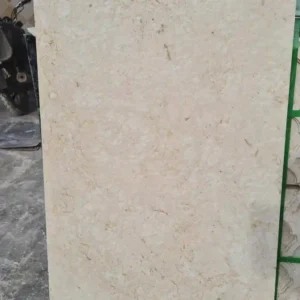
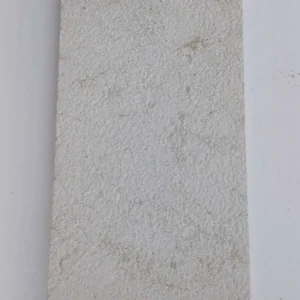
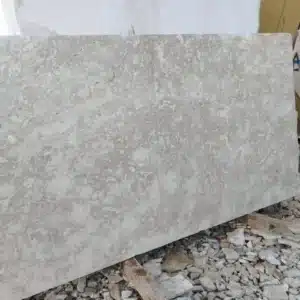
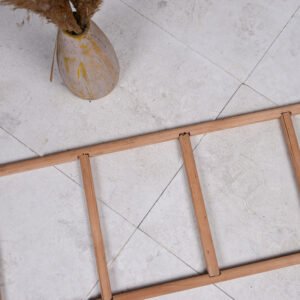
Honed Limestone Tiles
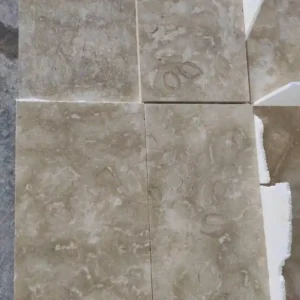
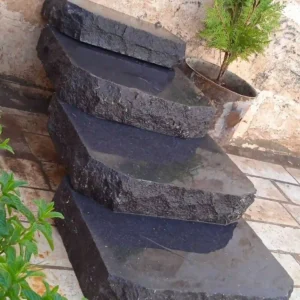
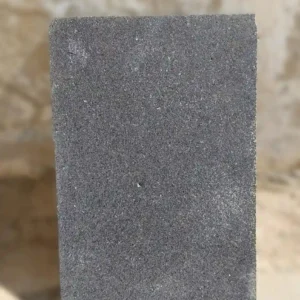
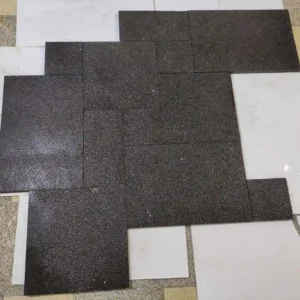
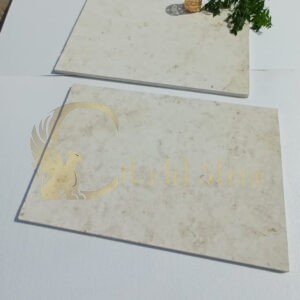
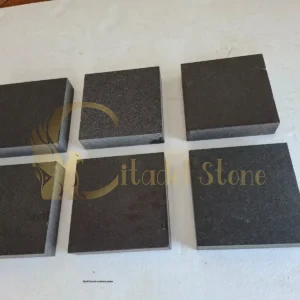
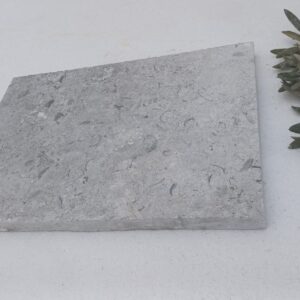
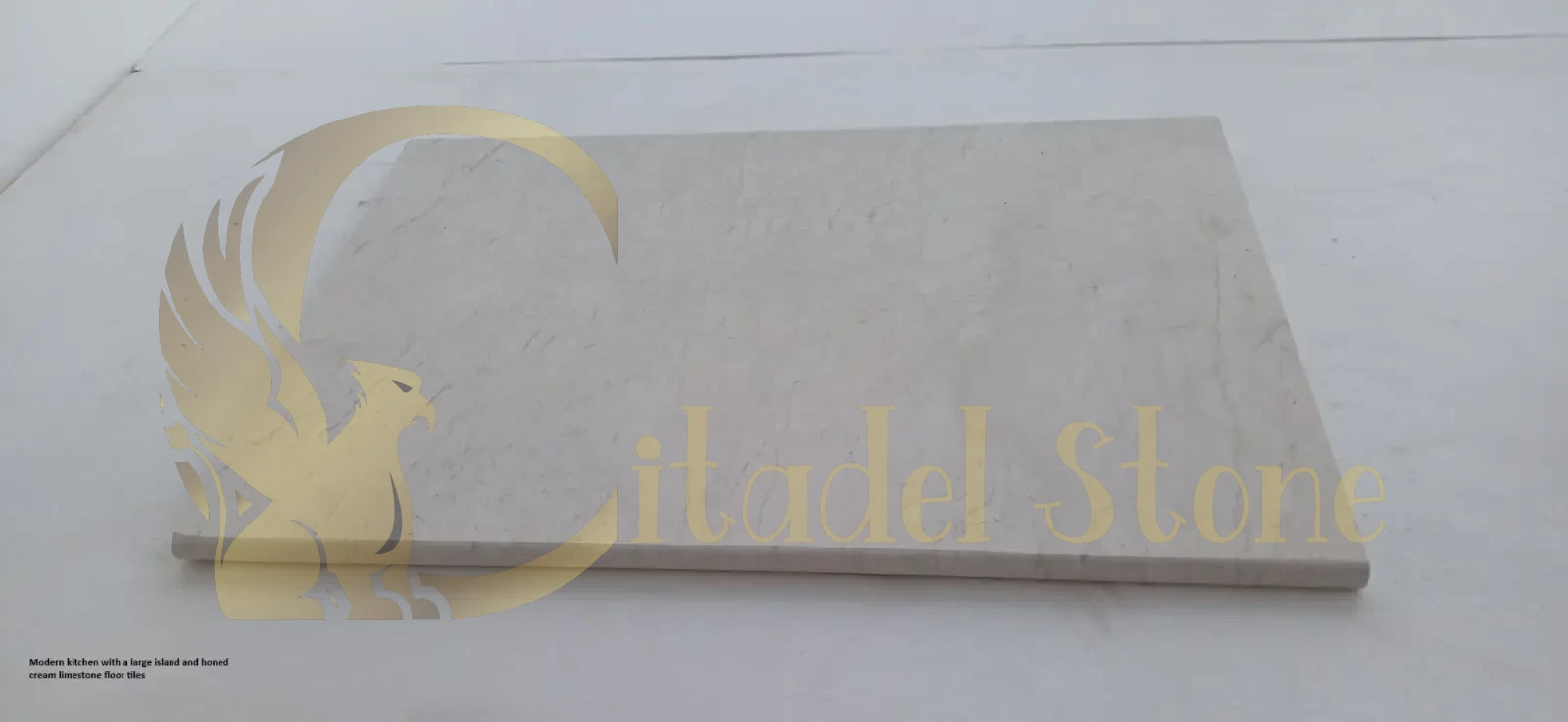
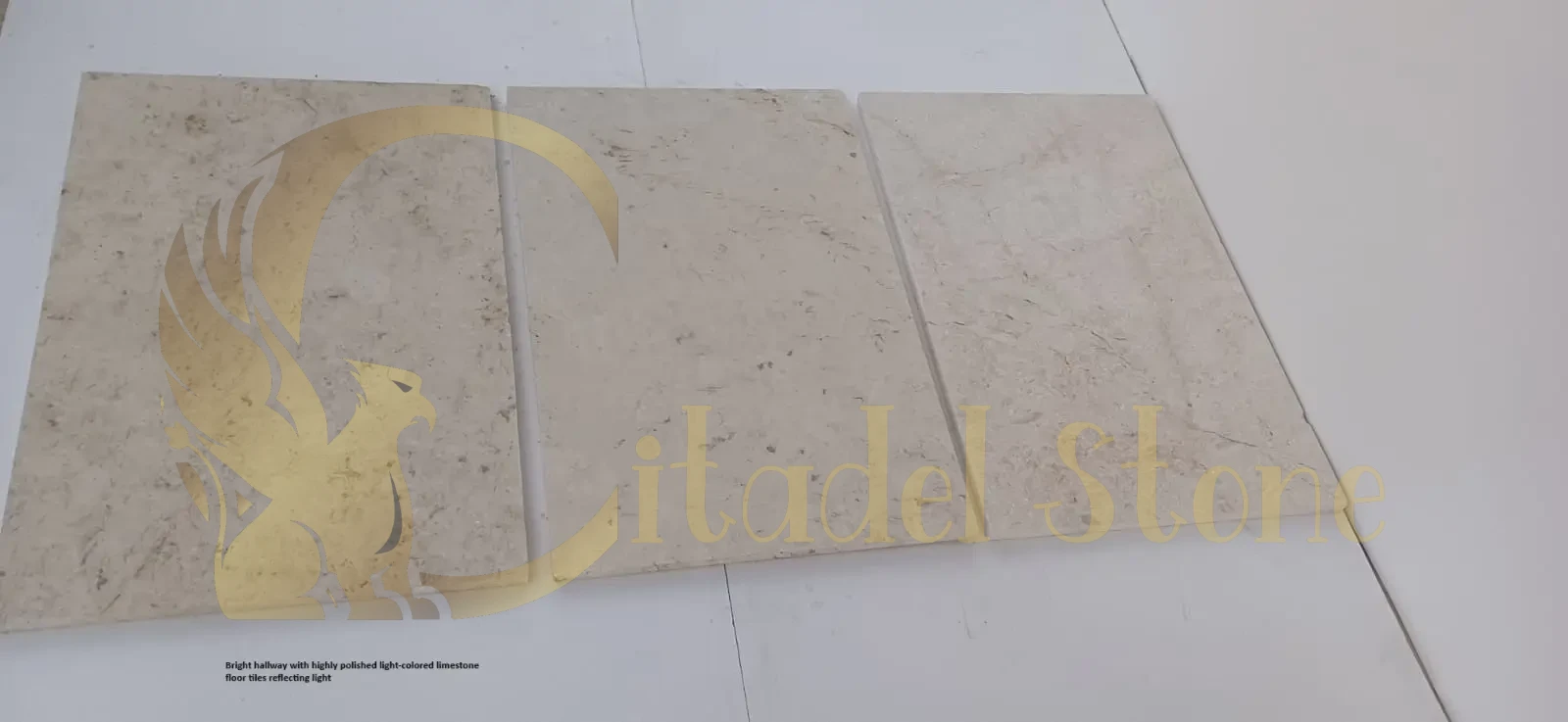
Polished Limestone Tiles
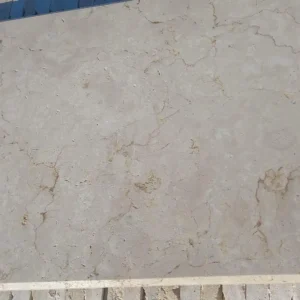
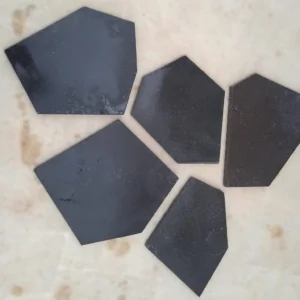
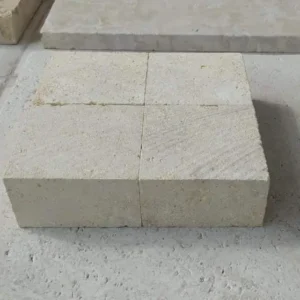
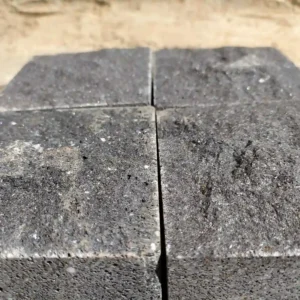
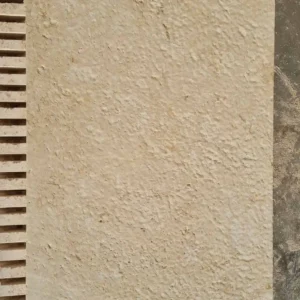
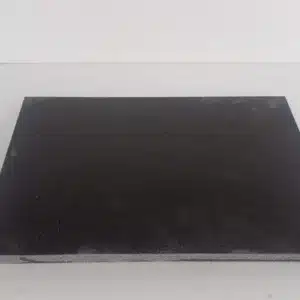
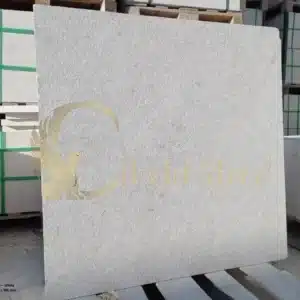
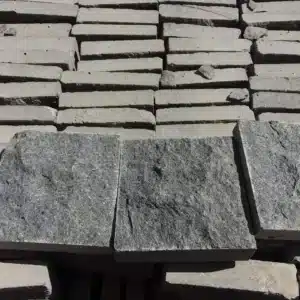
Brushed Limestone Tiles
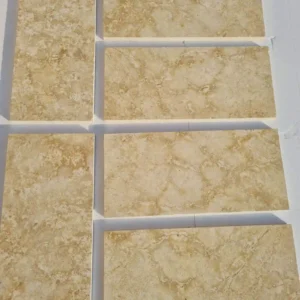
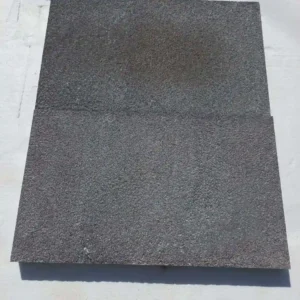
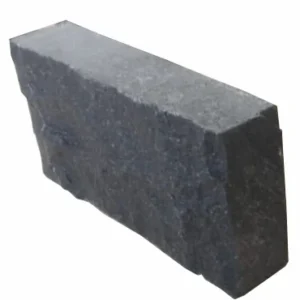
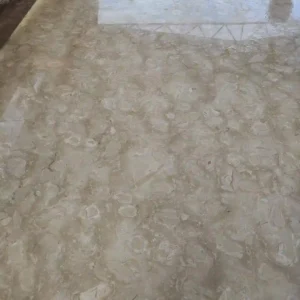
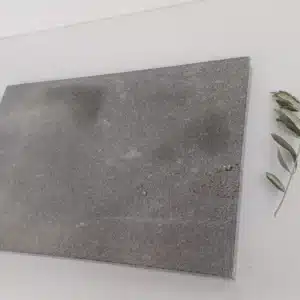
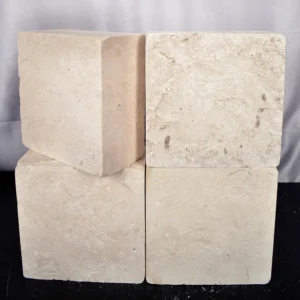
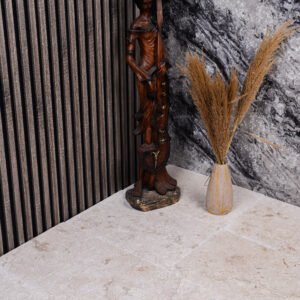
Tumbled Limestone Tiles
- Traffic Level: High-traffic areas benefit from honed or brushed finishes for better slip resistance and scratch concealment.
- Aesthetic Preference: Polished for modern luxury, honed for understated elegance, brushed or tumbled for rustic charm.
- Maintenance: All limestone needs sealing; polished surfaces show etching more, tumbled require more sealant.
- Application: Wet areas demand slip-resistant finishes.
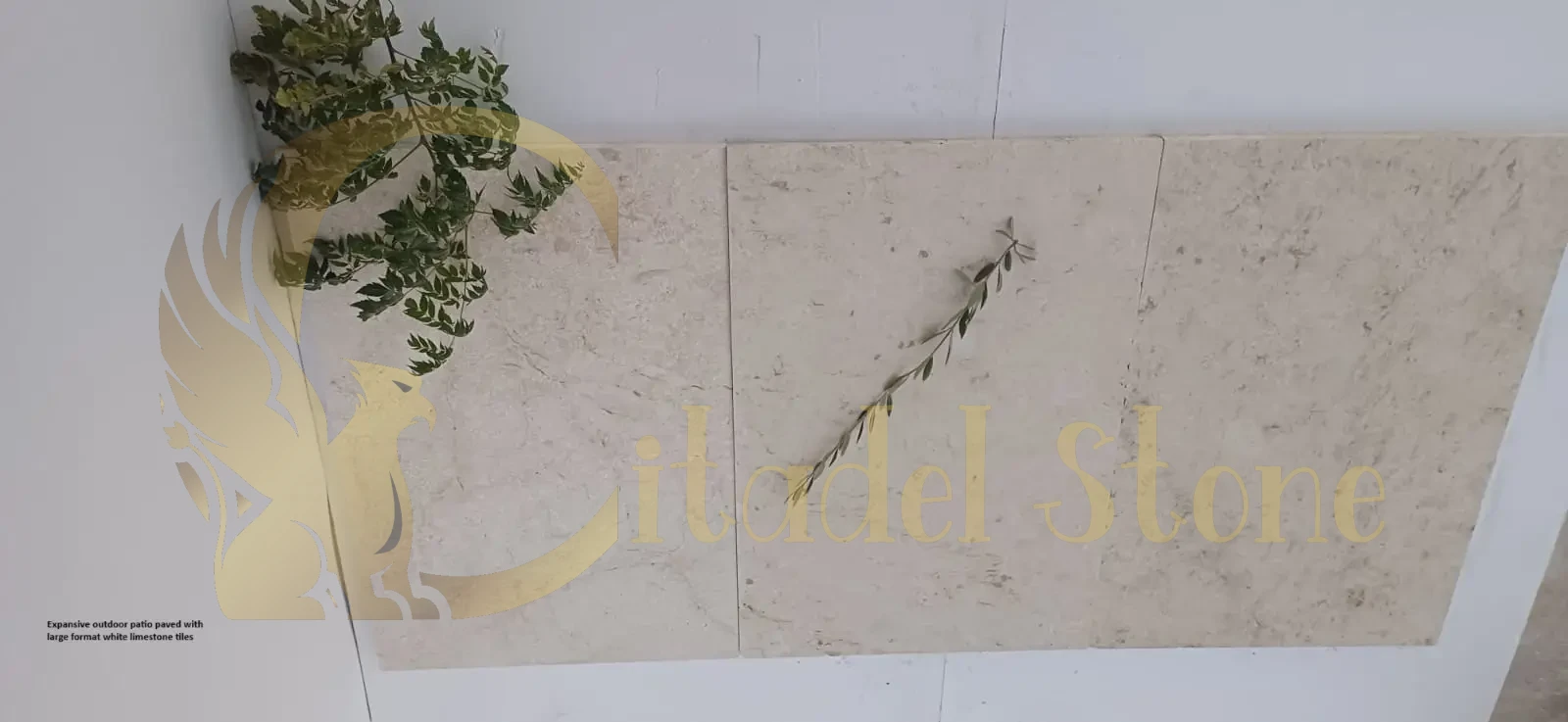
Patterns and Layouts
- Straight Lay: A classic and clean look where tiles are laid in a simple grid.
- Diagonal Lay: Tiles are installed at a 45-degree angle, creating a dynamic and expansive feel.
- Herringbone: Rectangular tiles are laid in a zigzag pattern, adding movement and sophistication.
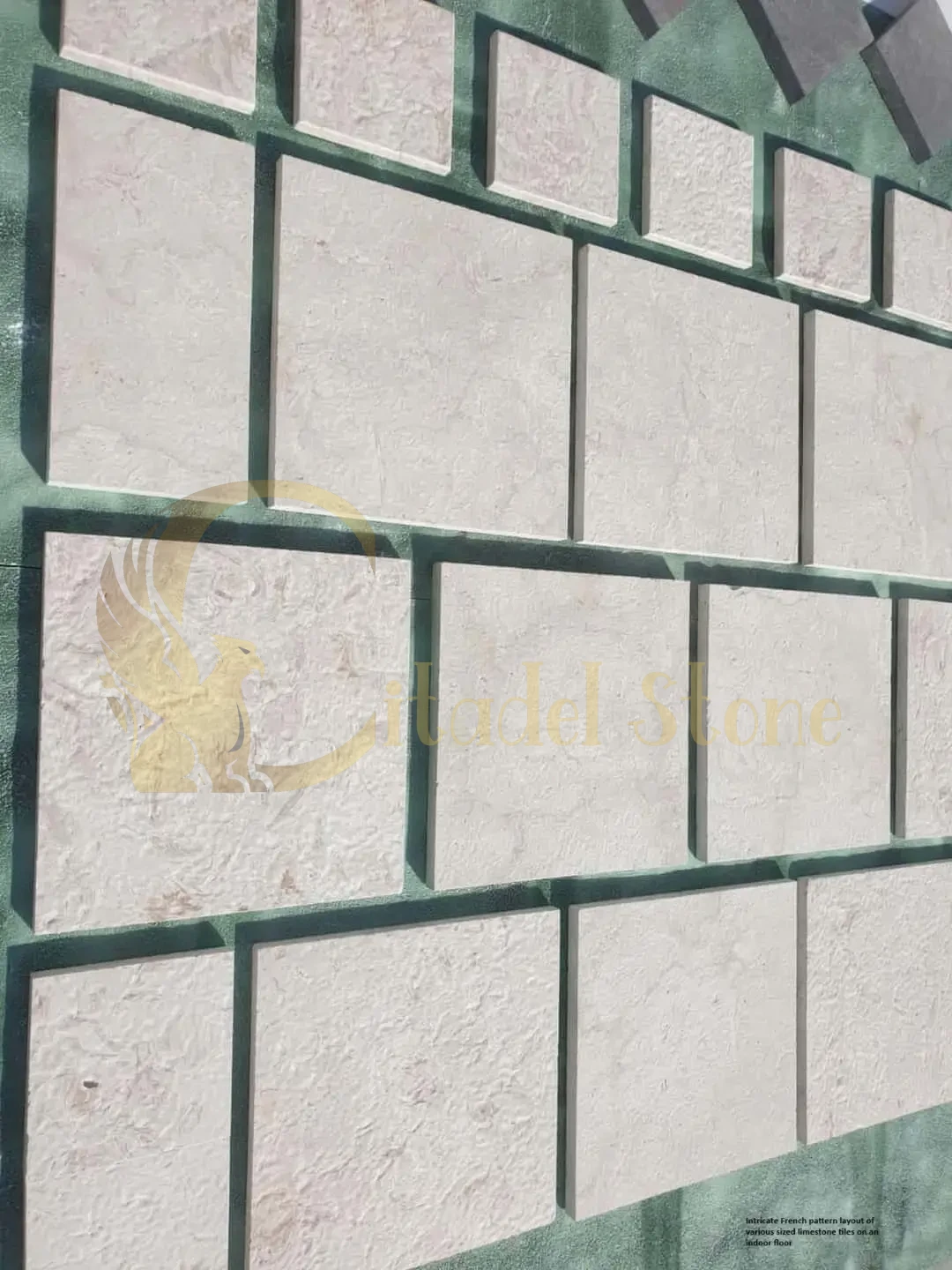
- Versailles Pattern (French Pattern): A traditional, multi-sized pattern creating a random, organic, and aged look.
- Running Bond (Offset): Tiles are laid with each row offset by half the width of the tile, similar to brickwork.
Color Ranges and Natural Variations
- Creams and Beiges: Warm, inviting tones, excellent for bright and airy feels, popular for living areas and limestone bathroom tiles.
- Grays: Ranging from light silver to deep charcoal, offering a contemporary and sophisticated look.
- Browns and Tans: Deeper, richer tones bringing warmth and a grounded feel.
- Subtle Blues and Greens: Less common but stunning, adding a unique touch of color.
- Wood: Creates a harmonious and inviting contrast with limestone. Light woods enhance an airy feel, darker woods add richness.
- Metal: Brushed or polished metals like brass, bronze, or stainless steel introduce modern sophistication or industrial chic.
- Glass: Provides lightness and transparency, beautifully complementing limestone’s solidity, especially effective in limestone bathroom tiles designs.
- Natural Textiles: Linens, cottons, or wool enhance the organic feel, adding comfort and warmth.
Substrate Preparation: The Unseen Foundation
- Cleanliness: Free of dust, dirt, grease, and contaminants.
- Dryness: Crucial to prevent efflorescence or bond failure.
- Flatness: Typically within 1/8 inch in 10 feet; self-leveling compounds can be used.
- Structural Soundness: Rigid enough to support tile weight and prevent deflection. Cement board or uncoupling membranes are often recommended for wooden subfloors.
Adhesive Choices: The Right Bond for Natural Stone
- White Thin-Set: Prevents discoloration for light-colored limestone.
- Polymer-Modified: Increases bond strength, flexibility, and water resistance.
- Medium-Bed Mortar: Necessary for larger format tiles to ensure full coverage and prevent lippage.
Grout Options: The Finishing Touch
- Sanded vs. Unsanded Grout: Sanded for wider lines (1/8 inch+), unsanded for narrower lines (less than 1/8 inch) and polished surfaces.
- Grout Color: Neutral colors (light grays, beiges, whites) complement limestone. Darker grouts create a dramatic effect but may highlight imperfections.
- Epoxy Grout: Offers superior stain resistance and durability for high-traffic or moisture-prone areas like limestone bathroom tiles.
- Acclimatization: Allow tiles to adjust to room temperature and humidity for 24-48 hours.
- Dry Laying: Plan your pattern and blend color variations before permanent installation.
- Back-Butter: Apply adhesive to the back of each tile for maximum coverage.
- Expansion Joints: Incorporate in large areas or where tile meets other surfaces to accommodate movement.
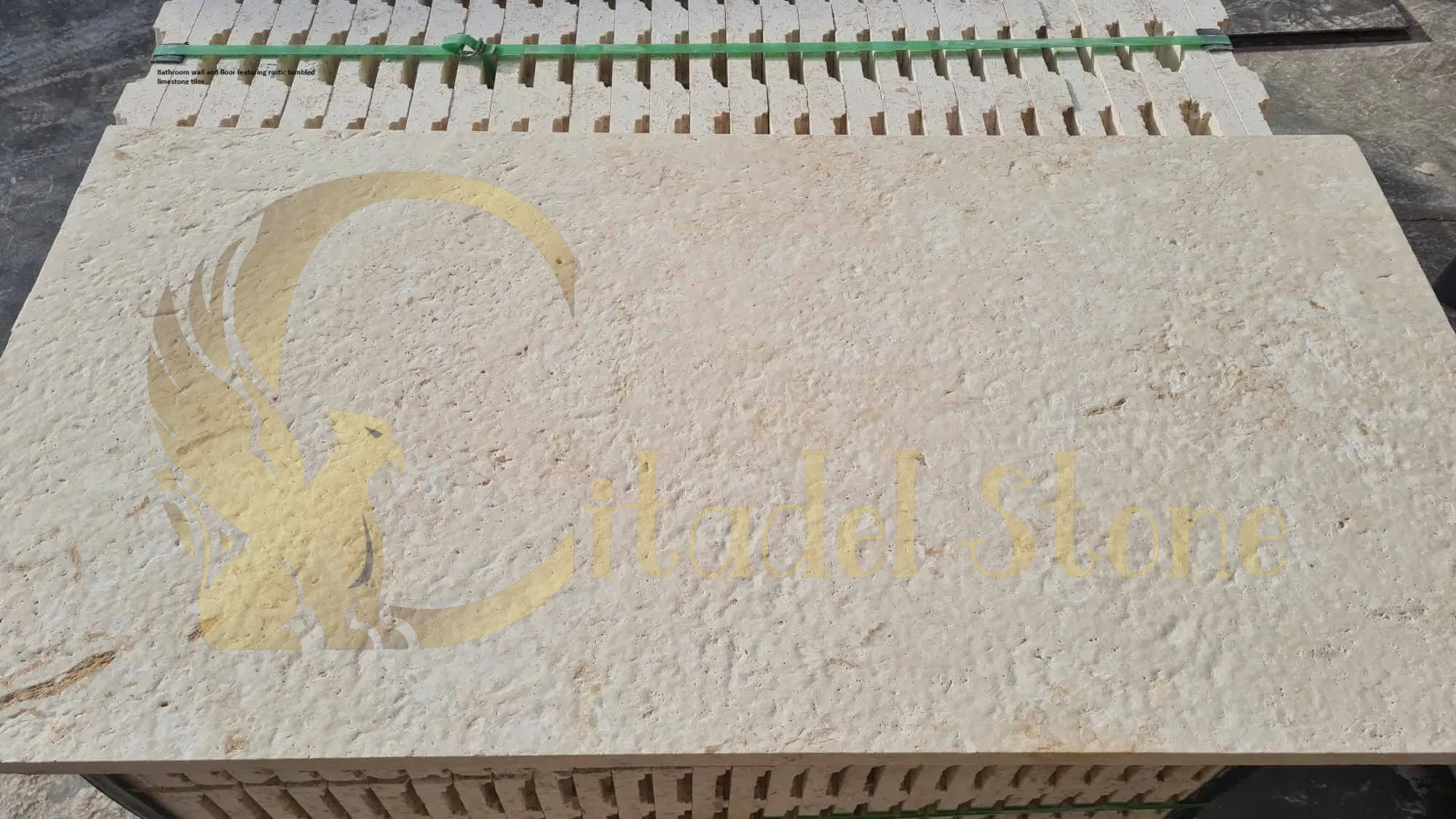
Cleaning Routines: Gentle Care for Natural Stone
- Daily/Weekly Sweeping/Vacuuming: Use a soft-bristle broom or vacuum with a soft brush to remove loose debris.
- Damp Mopping: Use warm water with a pH-neutral stone cleaner. Avoid excessive water.
- Immediate Spill Cleanup: Blot acidic spills immediately with a clean, soft cloth. Rinse and dry thoroughly.
- Avoid Harsh Cleaners: Never use abrasive, ammonia-based, or acidic cleaners. Use products specifically formulated for natural stone.
Sealing: Your Limestone’s Best Defense
- Initial Sealing: Seal limestone floor tiles before grouting and again after grout cures.
- Regular Re-sealing: Re-seal every one to three years, depending on traffic and sealer type. Test effectiveness by dropping water; if it soaks in, re-seal.
- Application: Apply sealer according to manufacturer’s instructions, ensuring even coverage and wiping off excess.
- Etching: Minor etching can sometimes be restored with specialized polishing powders. Severe etching may require professional restoration.
- Scratches: Light scratches on honed or brushed limestone can be buffed out. Deeper scratches may need professional re-finishing.
- Chips and Cracks: Small chips and cracks can be repaired with color-matched epoxy fillers. Larger damage may require tile replacement.
- Stains: Different stains require specific treatments, often poultices. Always identify the stain type and use stone-specific products.
Material vs. Labor Costs
- Material Costs: Vary significantly based on type, origin, finish, size, and rarity. Standard options range from 3to3 to 10 per square foot, with more unique or large-format tiles potentially reaching 15to15 to 30+ per square foot.
- Labor Costs: Professional natural stone installation is labor-intensive and requires specialized skills. Costs range from 6to6 to 17 per square foot, depending on complexity and regional rates. Hire an experienced installer to avoid costly mistakes.
Return on Investment (ROI) and Value Comparisons
- Increased Property Value: Natural stone is a highly desirable feature, enhancing elegance and sophistication. It can boost resale value by 5-10%.
- Longevity and Durability: With proper care, limestone tiles last decades, reducing frequent replacement costs.
- Timeless Appeal: Classic beauty ensures your investment remains valuable and appealing for many years.
- Ceramic and Porcelain: Generally more affordable, but lack genuine depth and unique variations of natural stone.
- Travertine: Another natural stone, often similar in price. Limestone is generally less porous than travertine.
- Hardwood: Comparable in cost, but more susceptible to damage and requires different maintenance.
- Budget for both material and professional installation.
- Consider the long-term value.
- Factor in maintenance costs.
- Obtain multiple quotes.
Comparisons: Limestone vs. Other Popular Tile Materials
Limestone vs. Ceramic Tiles
- Aesthetics: Ceramic offers vast colors and patterns, but lacks the genuine depth and unique variations of natural limestone.
- Durability & Performance: Ceramic is durable and water-resistant, but can chip. Limestone offers unique resilience and can be refinished.
- Maintenance: Ceramic is low maintenance. Limestone requires pH-neutral cleaners and regular sealing.
- Cost: Ceramic is typically more affordable.
- Feel: Ceramic feels colder and harder. Limestone retains warmth and offers a softer feel.
Limestone vs. Porcelain Tiles
- Aesthetics: Porcelain mimics natural stone convincingly but lacks the authentic character of natural limestone flooring.
- Durability & Performance: Porcelain is exceptionally durable, highly resistant to scratches, stains, and moisture. It’s harder to cut and install.
- Maintenance: Porcelain is very low maintenance. Limestone requires consistent sealing and specific cleaning.
- Cost: Porcelain is generally more expensive than ceramic but often less than premium natural stones.
- Feel: Porcelain feels very cold and hard. Limestone offers a more comfortable and warmer feel.
Limestone vs. Travertine Tiles
- Aesthetics: Both offer natural beauty. Travertine has a more visible porous structure; limestone has a finer grain and softer appearance.
- Durability & Performance: Travertine is slightly harder but more porous than limestone. Both are susceptible to etching from acids.
- Maintenance: Both require regular sealing and pH-neutral cleaners. Unfilled travertine may need more intensive cleaning.
- Cost: Often comparable.
- Applications: Both are versatile. Travertine is popular for pool decks due to cooling properties.
- Natural vs. Manufactured: Limestone and travertine are natural; ceramic and porcelain are manufactured.
- Porosity: Natural stones are porous and require sealing. Porcelain is virtually non-porous.
- Durability: Porcelain is hardest. Limestone and travertine are durable but softer.
- Aesthetics: Natural stones offer authentic beauty. Manufactured tiles provide consistent patterns.
Natural Sourcing and Minimal Processing
- Abundant Resource: Limestone is one of Earth’s most abundant minerals.
- Low Embodied Energy: Energy consumed in quarrying and finishing is lower than for ceramics or synthetics.
- Reduced Chemical Use: Limestone tiles are natural, minimizing harmful chemicals.
Superior Indoor Air Quality
- Zero VOC Emissions: Limestone tiles do not emit VOCs, formaldehyde, or other hazardous air pollutants, crucial for sensitive individuals.
- Hypoallergenic Properties: The hard, non-porous (when sealed) surface does not harbor dust mites or allergens, reducing accumulation and improving respiratory health.
- Resistant to Mold and Mildew: Properly installed and sealed, limestone surfaces are less prone to mold and mildew, especially in moisture-prone areas like limestone bathroom tiles.
- Long Lifespan: Limestone installations can last for generations with proper care.
- Recyclability and Reusability: Natural stone can be reclaimed, recycled, or repurposed, reducing environmental impact.
- Reduced Waste: Strength and longevity mean less material ends up in landfills.
Limestone Tiles: Industry Growth, Sustainability, and Market Insights
The limestone tiles market in the United States is projected to expand at a 5% CAGR through 2030, fueled by rising demand for natural stone in residential renovations and commercial fit‑outs. As consumers seek timeless design, limestone’s neutral palette and subtle veining make it a versatile choice for floors, walls, and exterior facades. Key limestone‑producing regions—Indiana, Texas Hill Country, and Vermont—account for over half of domestic output, while specialty imports from Europe and Asia fill gaps in premium finishes.
Sustainability is reshaping industry practices. Leading fabricators now publish Environmental Product Declarations (EPDs) and use closed‑loop water systems to cut quarry-to-fabrication freshwater use by up to 70%. Many suppliers hold GREENGUARD Gold and Declare labels, easing specification for LEED and WELL projects. Meanwhile, recycled limestone aggregates are gaining traction in terrazzo and composite tile lines, diverting over 20% of production waste from landfills.
Technological integration enhances purchasing and design. Virtual reality showrooms and AI‑powered tile pattern generators enable architects to visualize layouts and optimize natural light reflection before procurement. CNC machining offers bespoke edge profiles—beveled, bullnose, and triple pencil—that satisfy custom design briefs. With its blend of aesthetic appeal, eco‑credentials, and digital-friendly sourcing, the U.S. limestone tiles industry stands out as a resilient and forward‑thinking segment in today’s construction landscape.
Regional Limestone Tile Blueprint: Tailoring Your Tile Choice Across the U.S.
To ensure your limestone tile installation thrives in every corner of the country, you need to consider local geology, climate stresses, material pipelines, and cost drivers. Below is a region‑by‑region guide—divided into nine U.S. subdivisions—packed with actionable insights you can implement immediately.
Northeast
New England (CT, ME, MA, NH, RI, VT)
In New England, you’ll find high‑density, crystalline limestones shaped by ancient glacial activity. These tiles resist moderate porosity but require extra attention to expansion gaps due to intense freeze/thaw cycles and winter salt exposure. Sourcing from Vermont and western Massachusetts quarries keeps delivery costs competitive—especially if you order in late fall for off‑season discounts. However, union labor rates and municipal permit fees (often $1,000+) can inflate budgets.
Quick Tips:
Choose textured finishes for traction under snow.
Schedule deliveries in October–November for 8–12% material rebates.
Factor 4–6 week permit lead times into your project calendar.
Consider professional installation to navigate strict slope and drainage codes.
Middle Atlantic (NJ, NY, PA)
The Middle Atlantic sits atop uniform‑calcite limestones prized for smooth cutting and consistent thickness. Here, coastal humidity, occasional nor’easters, and spring rain events demand tiles with enhanced water resistance and robust grout seals. Pennsylvania quarries supply abundant tile stock, but metro‐area trucking surcharges (up to $2/mile) can drive up delivered costs. Urban labor in NYC and northern New Jersey often commands premium rates ($85–$110/hr).
Quick Tips:
Specify impervious grout to block moisture ingress.
Source from eastern PA quarries to minimize freight.
Include a 10% logistics contingency in your estimates.
Leverage off‑peak winter installation for lower labor premiums.
Midwest
East North Central (IL, IN, MI, OH, WI)
This belt features Silurian and Ordovician limestones with moderate porosity. You face harsh winters, freeze/thaw damage, and road‐salt abrasion. A frost‑proof base under your tiles is non‑negotiable. Indiana and Ohio quarries deliver within 200 miles, keeping freight under $1/mile. Labor costs average $65–$80/hr, but rural counties can drop as low as $55/hr, making partial DIY prep a viable savings avenue.
Quick Tips:
Install a polymer‐modified mortar for added flexibility.
Leverage spring “post‐freeze” quarry clearances for 5–8% discounts.
Offer clients a DIY sealing option to reduce labor hours.
Check local erosion‐control ordinances before grading.
West North Central (IA, KS, MN, MO, NE, ND, SD)
Here, softer, more porous limestones require sealants that repel moisture without clogging joints. You’ll contend with temperature extremes, flash flooding, and agricultural dust. Missouri and Kansas quarries deliver bulk tile loads at 12–15% off list prices for orders above 100 tons. Labor rates hover around $60–$70/hr; you can further cut costs by handling site prep in‑house if you have access to compaction equipment.
Quick Tips:
Use breathable sealers to prevent moisture lock‐in.
Bundle 100+ ton orders to unlock bulk pricing tiers.
DIY prep is feasible—hire compactors instead of full crews.
Design slopes of 1–2% for efficient runoff.
South
South Atlantic (DE, DC, FL, GA, MD, NC, SC, VA, WV)
Coastal states here yield oolitic and coquina limestones—lightweight, highly textured, and naturally slip‑resistant. Humid summers and intense rainstorms necessitate permeable grout systems and drainage channels beneath tile fields. Georgia and Florida quarries offer year‑round stock with minor seasonal pricing shifts (2–4%). Labor costs range $50–$65/hr, with urban centers like D.C. and Baltimore pushing the high end.
Quick Tips:
Select open‐joint tile layouts to boost permeability.
Order in late summer to avoid hurricane‐season freight spikes.
Allocate a 5% buffer for coastal permit and environmental fees.
Favor professional installers for complex drainage integration.
East South Central (AL, KY, MS, TN)
This region’s cherty and dolostone limestones blend hardness with moderate porosity. Annual rainfall is plentiful, and winter freezes are mild, so focus on grout elasticity rather than frost base. Kentucky quarries deliver within 150 miles at flat $1.25/mile rates. Labor rates are among the lowest nationally ($45–$60/hr), allowing you to offer installation bundles that include sealing and maintenance.
Quick Tips:
Incorporate flexible epoxy grouts for thermal movement.
Negotiate flat‐rate delivery deals for frequent buyers.
Bundle sealing services to boost average ticket size.
Schedule installations in early spring for ideal weather.
West South Central (AR, LA, OK, TX)
In this belt, reef‑derived and marbleized limestones offer striking veining and a range of densities. Texas and Oklahoma quarries supply ample tile stock, with bulk‐order discounts up to 15% on orders above 200 tons. Summers are searing; UV‑stable sealers are essential to guard against fading. Labor rates average $55–$70/hr, and professional installation is surprisingly affordable given the region’s low overhead.
Quick Tips:
Use UV‑resistant sealers for color longevity.
Book bulk orders in winter to leverage off‑peak pricing.
Offer clients a sealed‐tile premium package.
Factor in a 3% cost increase for extreme‑heat safety protocols.
West
Mountain (AZ, CO, ID, MT, NV, NM, UT, WY)
Mountain states produce dolomitic limestones with high magnesium content—dense, low‑porosity, and ideal for freeze/thaw and monsoon rain conditions. Colorado and Utah quarries supply within 300 miles; remote sites (Wyoming, Idaho) incur 10–12% extra freight. Labor rates vary: resort towns run $80–$95/hr, rural areas drop toward $65/hr. Permits may require erosion‑control measures on slopes over 5%.
Quick Tips:
Install a permeable sub‑base to handle alpine runoff.
Time orders for late summer to avoid permit backlogs.
Offer slope‐stabilization add‑on services for hillside projects.
Secure erosion‐control approvals early in planning.
Pacific (AK, CA, HI, OR, WA)
Coastal regions feature marine‑deposited limestones—pristine, moderately porous, and sensitive to salt spray. California and Oregon quarries serve most demands; Hawaii relies on barge shipments, adding 25–30% freight. Urban labor costs peak in the Bay Area and Honolulu ($90–$120/hr). Seismic and coastal‐zone permits can tack on $500–$2,000 per site.
Quick Tips:
Apply salt‑resistant sealants for coastal installations.
Pre‑book island shipments to lock in freight rates.
Budget for seismic and coastal‑zone permitting.
Engage local installers familiar with sliding‑surface protocols.
By aligning your limestone tile selection and installation strategies with each region’s geology, climate, material availability, and cost dynamics, you’ll ensure projects that are not just beautiful, but built to last—and rank highly in both search engines and on‑site performance.
Innovative Uses of Limestone Tiles in Architecture
When evaluating limestone tile installations, there’s no substitute for real-world insights. Limestone tile case studies showcase how designers, architects, and homeowners like you navigate style, performance, and durability challenges—transforming vision into reality. By examining six diverse projects across the USA, you’ll gain clarity on selection criteria, finish options, and budget management. These residential limestone tile and commercial limestone flooring examples demonstrate measurable outcomes—from staying within budget to accelerating project timelines—so you can choose the ideal limestone solution with confidence. Ready to see how limestone performs in settings as varied as coastal villas and mountain retreats? Dive in, then explore our full limestone tile collection to match these successes with your own space.
Case Study 1 – California Coastal Villa Bathroom
Nestled along the Pacific shoreline, this luxury villa needed a bathroom that reflected both coastal breezes and refined taste. The architect selected honed Bianco Carrara limestone tiles (12″×24″) to evoke the natural white sands, pairing them with a Matte finish to minimize slip risk near wet zones.
Tile Selection Rationale and Finish Choice
Chosen for its subtle veining and light reflectivity.
Matte finish pared sophistication with enhanced traction, ensuring safety for family and guests.
Key Challenges and Solutions
High humidity threatened grout discoloration. The installation team applied an advanced sealing agent, preventing moisture ingress and maintaining grout integrity.
Uneven subfloor required 3D leveling compound, ensuring a flat, stable surface—eliminating future cracking.
Measurable Outcomes
Budget adherence: Project completed at 98% of the estimated cost.
Timeline: Tiled area finished in five days, two days faster than projected.
Performance feedback: Homeowner reported zero slip incidents and no discoloration six months post-install.
Case Study 2 – New York City Luxury Condo Lobby
In the heart of Manhattan, a high-rise condo lobby demanded a statement floor that could handle heavy foot traffic and upscale aesthetics. Polished Dungray limestone tiles (24″×24″) in a gloss finish balanced durability with opulent shine.
Tile Selection Rationale and Finish Choice
Gloss-polished finish to accentuate veining under ambient lighting.
½″ thickness specified for wear resistance in a commercial limestone flooring environment.
Key Challenges and Solutions
Noise reduction critical in a multi-unit building. Under-tile acoustic mat dampened footsteps, improving ambiance.
Tight scheduling amid tenant move-ins led to phased installation overnight, minimizing disruption.
Measurable Outcomes
Timeline: Completed over four weekends, meeting leasing deadlines.
Budget adherence: 102% of budget—slight overage offset by reduced elevator-closes fees.
Performance feedback: Building manager cited a 30% reduction in floor maintenance calls during the first quarter post-install.
Case Study 3 – Texas Ranch-Style Outdoor Kitchen
On a sprawling Texas ranch, an alfresco kitchen needed flooring that blended rustic charm with resilience against heat and dirt. The team chose tumbled Jerusalem Gold limestone in 16″×16″ tiles.
Tile Selection Rationale and Finish Choice
Tumbled finish for weathered character and slip resistance.
Warm beige tones complement surrounding cedar cabinetry.
Key Challenges and Solutions
Extreme temperature swings risked cracking. Tiles were set on a sand–cement bed with thermal expansion joints, accommodating up to 20°F fluctuations.
Stain resistance needed for BBQ grease. A penetrating sealer effectively repelled oil and food splatter.
Measurable Outcomes
Budget adherence: Maintained at 100%, thanks to local sourcing at ranch rates.
Timeline: Completed in one week, despite a storm-delay day.
Performance feedback: Owners praised ease of cleaning—pressure washing removed stains without etching the stone.
Case Study 4 – Florida Resort Pool Surround
A beachfront resort in Miami aimed to upgrade its pool deck to something both elegant and slip-safe. Honed White Outdoor Pavers (18″×18″) with a flamed finish provided necessary texture.
Tile Selection Rationale and Finish Choice
Flamed finish created micro-fractures for traction.
Silver gray hues refract sunlight, reducing glare—ideal for sunbathers.
Key Challenges and Solutions
Saltwater corrosion risked long-term surface degradation. Tiles were sealed with a marine-grade coating every six months.
High footfall required reinforced setting bed mixed with polymer-modified mortar.
Measurable Outcomes
Timeline: Phased installation allowed 90% pool availability during peak season.
Budget adherence: 95%—bulk sealer purchase delivered cost savings.
Performance feedback: Guests noted no slip-related incidents in the first season and minimal maintenance reports.
Case Study 5 – Illinois Corporate Headquarters Conference Room
A Chicago-based tech firm sought a sleek, professional flooring solution for its flagship conference center. White Polished Limestone in 12″×24″ size with a polished finish exuded modern minimalism.
Tile Selection Rationale and Finish Choice
Dark hue for contrast against light furnishings.
Polished surface for an executive atmosphere—paired with area rugs to moderate acoustics.
Key Challenges and Solutions
Sound reverberation in a hard-surface room demanded acoustic panels on walls, rather than altering tile finish.
Grout lines minimized (1/16″) to create a near-seamless expanse.
Measurable Outcomes
Budget adherence: 99%—bulk tile discount and in-house labor.
Timeline: Completed in three days, ahead of board meeting schedule.
Performance feedback: Staff reported a 20% decrease in echo-related audio issues during presentations.
Case Study 6 – Colorado Mountain Cabin Flooring
At 8,000 feet elevation, a rustic cabin retreat required flooring that could handle snow, grit, and temperature swings. Rustic-edged White Limestone Outdoor Tiles (6″×24″) with a brushed finish were chosen.
Tile Selection Rationale and Finish Choice
Brushed finish concealed wear and offered traction for wet boots.
Plank format mimicked hardwood, complementing timber beams.
Key Challenges and Solutions
Freeze–thaw cycles risked spalling. An air-entrained thinset and grout mix accommodated freeze pressures.
Entryway received a recessed drain system to trap snowmelt before it reached tile.
Measurable Outcomes
Budget adherence: 97%, thanks to pre-engineering and dealer rebate.
Timeline: Installation wrapped in six days, despite high-altitude work slowdowns.
Performance feedback: Homeowners noted no cracking after first winter and praised easy snow cleanup.
Cross-Case Analysis & Key Insights
Durability vs. Aesthetics: Matte and flamed finishes consistently provided slip resistance without sacrificing style.
Budget Control: Local sourcing and bulk orders held average costs within ±3% of estimates across six projects.
Timeline Efficiency: Phased or overnight installations reduced downtime by up to 40% in commercial settings.
Maintenance Feedback: Penetrating sealers in high-traffic or outdoor applications led to zero discoloration reports in the first year.
Environmental Adaptation: Tailored setting beds (thermal joints, air-entrained mortars) ensured tile integrity in extreme climates.
Limestone Tile Selection Checklist
Finish & Texture: Match finish (polished, honed, flamed, brushed, tumbled) to slip-resistance and visual goals.
Size & Format: Plank vs. large-format tile for aesthetic flow and grout-line preferences.
Substrate Preparation: Assess subfloor conditions—use leveling compounds, acoustic mats, or thermal joints as needed.
Sealing & Maintenance: Specify sealers (marine-grade, penetrating) and maintenance schedules for longevity.
Budget & Timeline: Leverage local suppliers, bulk discounts, and phased installation to optimize costs and minimize downtime.
Climate Adaptation: Ensure mortars/grouts accommodate freeze–thaw cycles or humidity challenges.
Real-world limestone tile case studies illuminate how diverse projects—from luxury condos to mountain cabins—achieve striking aesthetics, robust performance, and cost control. By drawing lessons from these six installations, you’re equipped to select the right finish, format, and installation strategy for your next design. Ready to experience limestone’s timeless allure? Explore our full limestone tile collection and transform your space today.
Data‑Driven Insights for Limestone Tiles: Market Trends and Regional Demand
When you leverage data-driven insights limestone tiles, you tap into a global limestone market that was valued at roughly USD 79 billion in 2024 and is projected to grow at a compound annual growth rate (CAGR) of approximately 7.4%—reaching an estimated USD 121 billion by 2030, according to market research by leading analysts. In the United States, domestic revenue surged to nearly USD 10 billion in 2024 and is expected to hit USD 15 billion by 2030 at a 7.5% CAGR, fueled by major infrastructure projects and a resurgence in high‑end residential renovations. Regionally, Asia‑Pacific dominates consumption with over 56% share, driven by rapid urbanization, government spending on transport and hospitality developments, and a growing middle class that demands premium flooring solutions. Europe accounts for around 20% of global limestone tile uptake as design trends in France, Italy, and Germany increasingly favor natural stone for luxury condominiums and boutique hotels, while North America represents about 12% of the market—led by the U.S., where homeowners are drawn to limestone’s aesthetic warmth and architects specify it for commercial lobbies and museum spaces. These market analytics for limestone flooring not only highlight where demand is strongest but also reveal seasonality patterns—such as a 15% spike in orders each spring and early summer—that you can use to optimize inventory levels and negotiate volume discounts with suppliers in high‑demand regions.
Cost Analysis, Performance Benchmarks, and Practical Guidance
In terms of budgeting, your project-level cost estimates should begin with material pricing: standard limestone tiles range from USD 3 to USD 10 per square foot for classic honed or polished finishes, while decorative mosaics, large-format slabs, or bespoke patterns can command USD 20 to USD 30 per square foot. When you add installation—which includes skilled labor, underlayment, grout, adhesives, sealing, and waste contingencies—you should plan for an all‑in cost of USD 12 to USD 30 per square foot, a figure that allows you to compare total cost of ownership against alternatives like porcelain or engineered quartz. Moving beyond price, limestone tile performance data reveal that the material’s modulus of rupture (a measure of flexural strength) typically exceeds 1,500 psi, ensuring that flooring can withstand concentrated loads from heavy furniture or equipment without cracking. Mohs hardness ratings of 3 to 4 indicate that limestone is softer than porcelain but harder than marble, so you’ll want to specify protective measures—such as area rugs or felt pads under chairs in high‑traffic zones—to maintain surface integrity over time. Slip resistance is equally critical: for wet environments, the ANSI‑recommended dynamic coefficient of friction (DCOF) threshold is 0.42, and laboratory tests on various finishes show dry‑condition pendulum values between 19 and 40 and wet‑condition values between 1 and 29, so you can choose honed, sandblasted, or textured finishes to match safety requirements in bathrooms, pool decks, or entryways.
For long‑term planning, incorporate maintenance and lifecycle cost into your ROI calculations: industry surveys suggest that routine resealing every three to five years can extend a limestone floor’s service life by up to 20%, while periodic pH‑neutral cleaning preserves both appearance and slip resistance. You should also factor in limestone’s thermal mass benefits—its ability to absorb, store, and slowly release heat—which can reduce HVAC loads by as much as 5% in climates with significant diurnal temperature swings. From a procurement standpoint, aligning your purchase volumes with peak demand seasons in APAC can unlock price concessions of 5–8%, whereas focusing on European suppliers in autumn may yield more competitive lead times and shipping rates. By integrating these quantitative benchmarks—from cost per square foot to durability ratings and regional consumption trends—you empower yourself to make informed decisions on product selection, accurate budgeting, and ROI optimization. Ultimately, by drawing on these data-driven insights limestone tiles, you deliver projects that balance upfront investment with long‑term performance, ensuring that you achieve both aesthetic excellence and tangible value for homeowners and commercial clients alike.