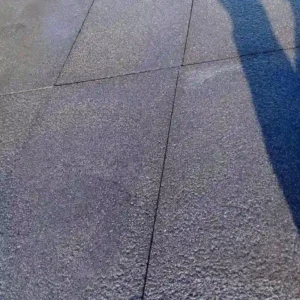
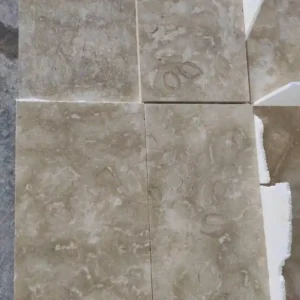
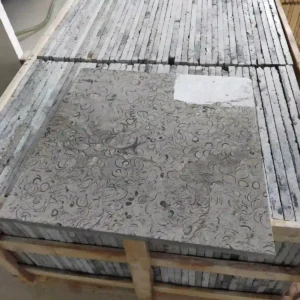
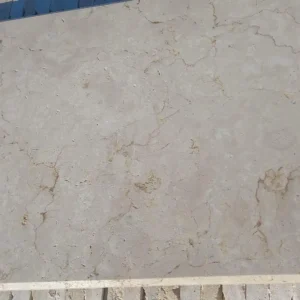
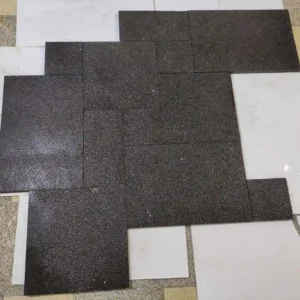
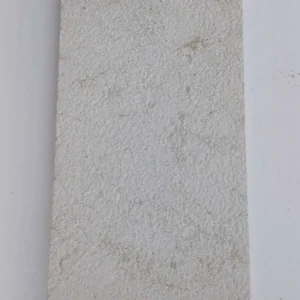
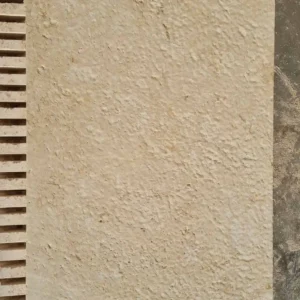
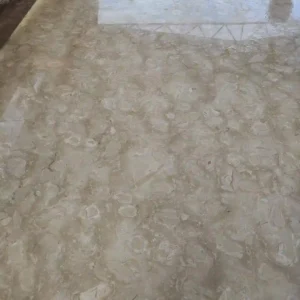
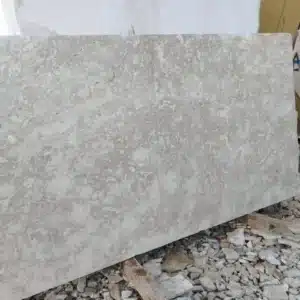
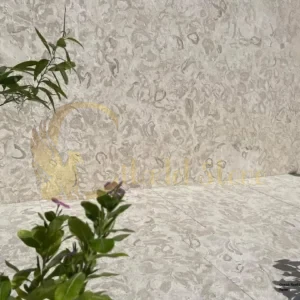
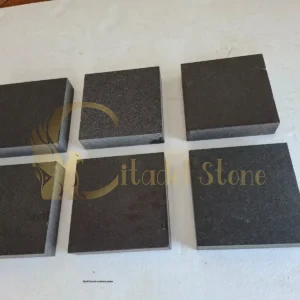
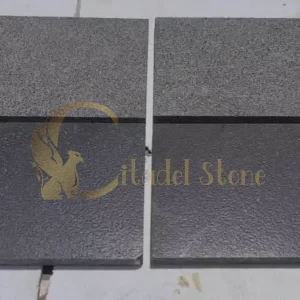
Thermal expansion cycles in Arizona push flagstone installations harder than most specifiers anticipate — and black flagstone in Arizona absorbs and releases heat at rates that directly affect your mortar bond, joint integrity, and long-term surface stability. The material’s dark pigmentation means surface temperatures can reach 160°F–180°F on exposed south-facing installations during peak summer months, which changes your adhesive selection, joint width targets, and critically, your installation calendar. Getting the timing right isn’t about avoiding summer out of habit — it’s about understanding exactly which weeks create conditions your setting materials can actually handle.
Seasonal Installation Windows for Black Flagstone in Arizona
The optimal installation window for black flagstone in Arizona runs from mid-October through late March. Substrate temperatures in that range — typically 55°F to 85°F — allow thinset and polymer-modified mortars to cure at the rates they were formulated for. You’ll get full bond strength development, predictable open times, and joint sealants that cure without blistering or skinning over before they penetrate.
The spring transition period — roughly April through mid-May — is workable but requires you to shift your schedule to early morning installations. Starting your lay at 6:00 AM and stopping by 11:00 AM gives you a narrow but usable window before slab surface temperatures exceed 95°F. Most experienced crews in Scottsdale and the Phoenix metro have learned this rhythm; they’ll arrive before dawn, stage their materials in the shade, and wrap up mortaring before midday heat shuts them down.
- Mid-October to late March: full-day installation windows with predictable cure rates
- April to mid-May: early-morning-only work, stopping before 11:00 AM
- Mid-May through September: avoid mortared installations during this period entirely
- September to mid-October: transitional period — monitor substrate temperatures, not just air temperature
Here’s what often gets missed in the mid-summer window discussion: the problem isn’t just air temperature. In Yuma, where summer ambient temperatures routinely exceed 110°F, a black flagstone slab sitting in direct sun for two hours before installation begins will have a substrate surface temperature approaching 145°F. Thinset applied to a surface that hot loses moisture almost instantly — you’re essentially flash-curing the adhesive before the stone even touches it. No amount of shade cloth overhead compensates for a substrate that has been baking since sunrise.
Black Basalt Flagstone Performance in Arizona’s Heat Cycles
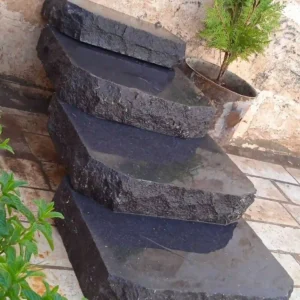
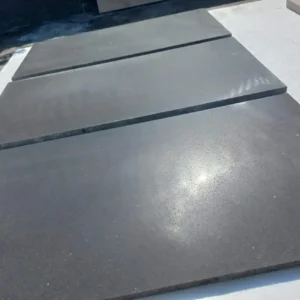
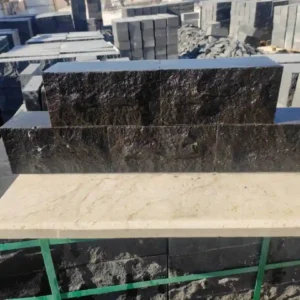
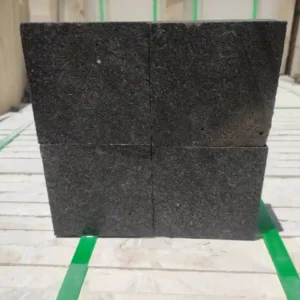
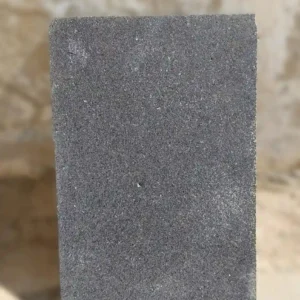
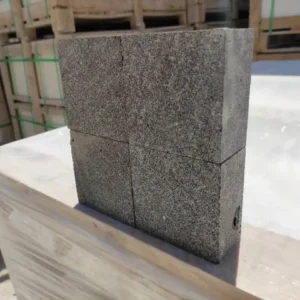
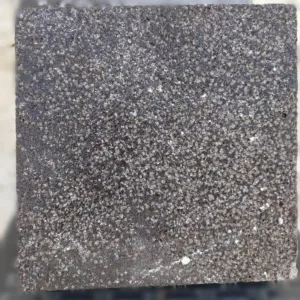
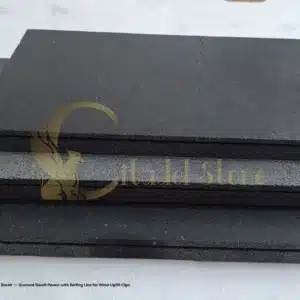
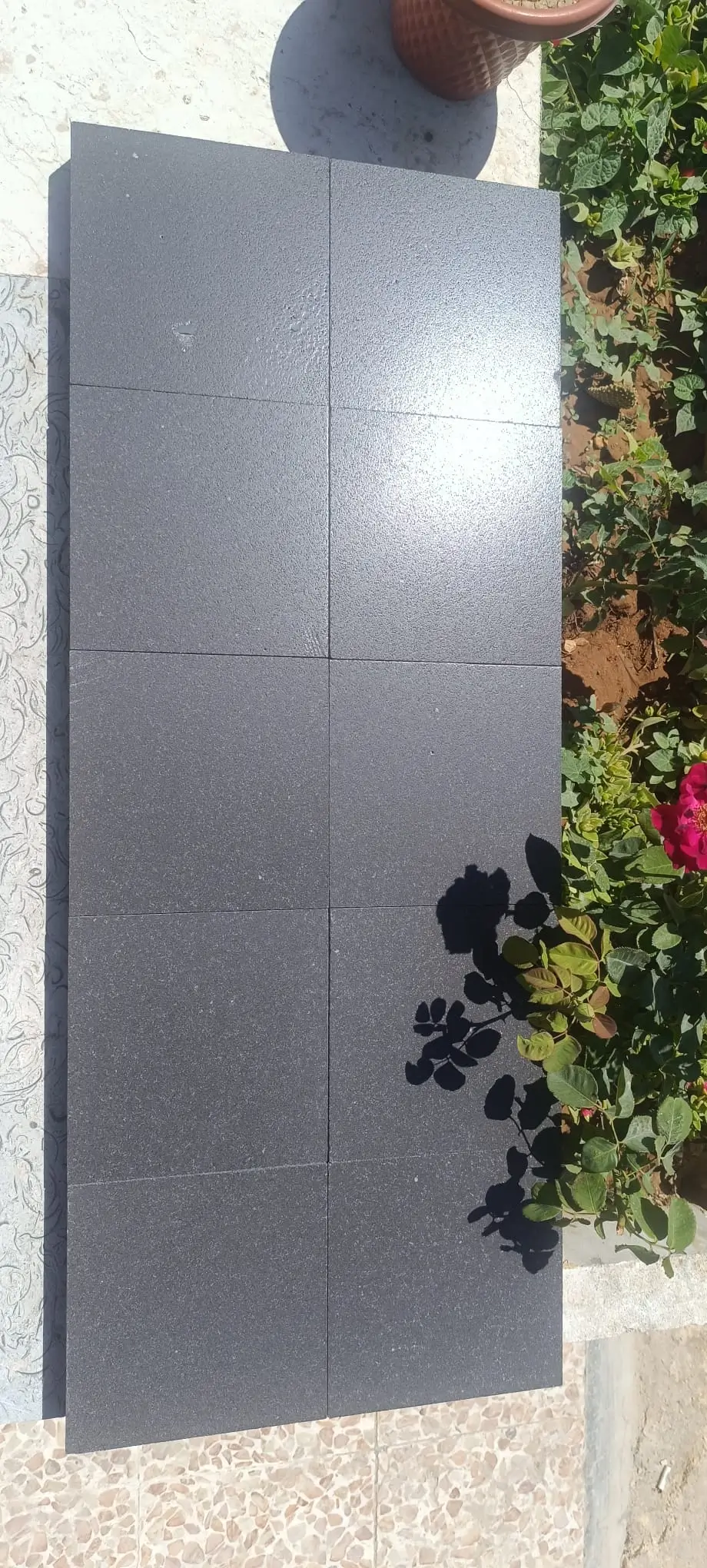
Black basalt flagstone in Arizona deserves specific attention because it behaves differently from sedimentary options like slate or limestone under the same thermal load. Basalt’s igneous formation gives it a compressive strength typically ranging from 20,000 to 28,000 PSI — well above what most residential applications demand — but its dense, low-porosity structure also means it retains heat longer than more porous alternatives. The surface cools slowly after sunset, which is a practical consideration for evening use in Tucson’s residential courtyards and covered patios.
According to USGS basalt volcanic rock properties, basalt’s crystalline structure results from rapid cooling of volcanic lava, producing a fine-grained matrix that resists water absorption at rates below 0.5% by weight in most commercial-grade material. That low absorption is a genuine advantage in Arizona’s brief but intense monsoon season — you’re not dealing with saturation-driven spalling or freeze-thaw damage at lower elevations. For high-elevation installs above 5,000 feet, that figure still matters, but the dominant stress is thermal cycling, not freeze-thaw.
- Compressive strength 20,000–28,000 PSI — suitable for vehicular load paths and heavy foot traffic
- Water absorption below 0.5% — resists monsoon saturation spalling at lower elevations
- Thermal mass retention — surface cools slowly, affecting early-evening barefoot comfort
- Low porosity reduces sealing frequency compared to sandstone or soft limestone
Black Flagstone Flooring: Thickness, Format, and Base Requirements
Your thickness selection for black flagstone flooring in Arizona determines both the structural performance and the installation method. For covered interior-to-exterior transitions — a common feature in Scottsdale residential projects — 1.25-inch nominal thickness on a properly prepared concrete substrate is the standard starting point. Outdoor-only applications exposed to direct vehicle loads need 2-inch nominal minimum, with some installers in high-traffic commercial zones specifying 2.5-inch for heavy load paths.
The base preparation requirements for black flagstone flooring in Arizona differ from what most general specifications call for because of expansive clay soils. Caliche layers — the calcium carbonate hardpan common across much of the Sonoran Desert — can be deceptively stable at the surface but shift with moisture variations deeper in the profile. Your compacted aggregate base should extend a minimum of 6 inches below finished subgrade, with a separation geotextile between native soil and your aggregate layer to prevent migration. Skipping that fabric in clay-heavy subgrades is the single most common cause of premature flagstone movement in Arizona installations.
- Residential covered patio or interior application: 1.25-inch nominal minimum
- Exposed outdoor heavy-use: 2-inch nominal minimum
- Vehicular or commercial load paths: 2.5-inch minimum, mortar-set on reinforced concrete
- Aggregate base depth: 6 inches minimum, 8 inches in expansive clay zones
- Geotextile separation: mandatory in caliche and clay-dominant soil profiles
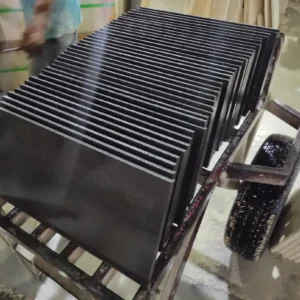
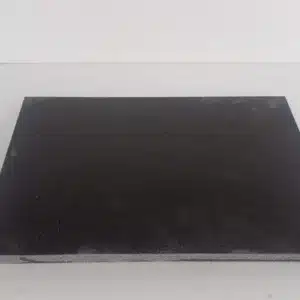
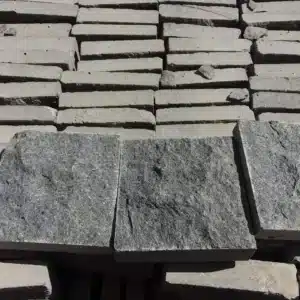
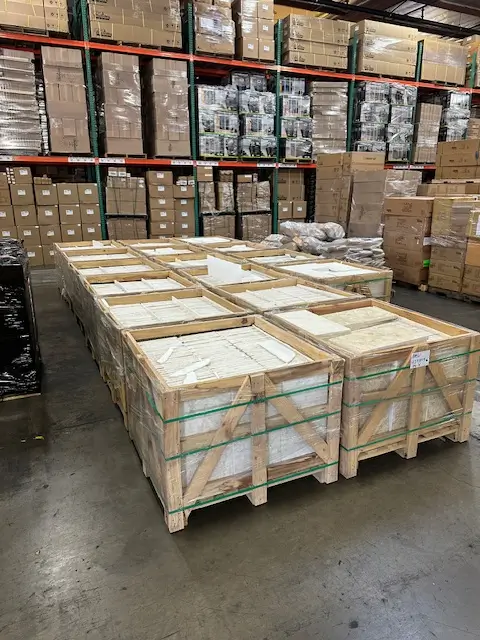
Citadel Stone stocks black basalt flagstone in Arizona in standard 1.25-inch and 2-inch thicknesses, with irregular random formats and calibrated square cuts available from regional warehouse inventory. You can request thickness samples or a specification sheet before finalizing your project order — particularly useful when you’re matching existing stone on renovation work.
Black Flagstone Patio Design: Layout Timing and Seasonal Curing
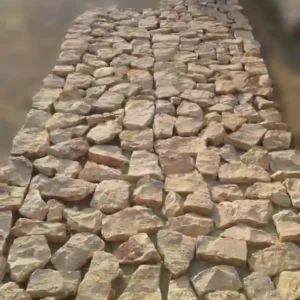
The layout planning phase for a black flagstone patio in Arizona matters as much as the physical installation window. For dry-lay applications — stone set on compacted decomposed granite or crusher fines — your timing constraints are less critical because you’re not managing mortar cure windows. The challenge shifts to joint sand stability and the settlement period. Dry-lay installations benefit from the mild-season rain events that occur between November and March in the Phoenix metro; that moisture helps fine-fill materials consolidate and lock the installation’s geometry before it sees its first summer heat cycle.
For mortar-set black flagstone patio work, the curing timeline changes based on ambient conditions. A standard polymer-modified thinset rated for exterior use will achieve approximately 70% of its design strength within 24 hours at 70°F. At 95°F ambient — which is a realistic early-morning temperature on a Phoenix patio slab in May — the same product achieves initial set faster but long-term strength development can be compromised by moisture loss before full hydration completes. Your grouting phase needs its own scheduling logic alongside this: polymer-modified grouts for outdoor flagstone applications need ambient temperatures between 50°F and 90°F during placement and for at least 72 hours after. That window aligns closely with your October-to-March installation season.
If you’re pushing into late April for a grout application, check the 10-day forecast before mixing — a single 95°F day during the cure window can create surface shrinkage cracks that don’t reflect a structural failure but will generate maintenance callbacks. Antique black flagstone in Arizona is particularly sensitive to grout cure conditions because the textured surface holds more grout contact area than a honed face, making incomplete cure visible faster.
Antique Black Flagstone in Arizona: Design Context and Performance Trade-offs
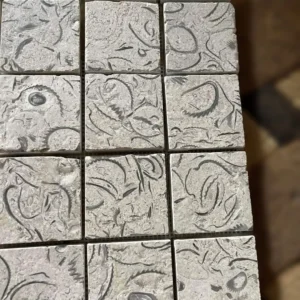
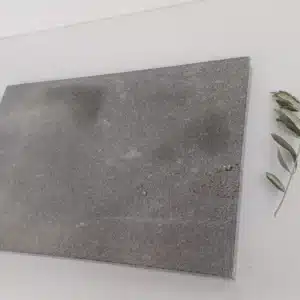
Antique black flagstone in Arizona carries a specific performance profile that standard honed material doesn’t. The tumbling and weathering process that produces antique finishes creates micro-surface texture — COF values for tumbled finishes typically range from 0.55 to 0.70 wet, compared to 0.40 to 0.55 for some honed surfaces. That’s a meaningful difference when you’re specifying pool surrounds or covered patios that stay damp during monsoon season. Textured natural stone surfaces outperform smooth finishes in wet outdoor environments, which is consistent with field performance data on tumbled black flagstone installations across Arizona.
Design-wise, antique finishes also reduce the visual contrast of scratches and wear patterns — practically useful in high-traffic residential applications where the pristine honed surface would show abrasion within a season. For projects where you’re integrating antique black flagstone in Arizona with contemporary architecture, the irregular edges and worn face profiles work best in informal irregular-joint layouts rather than tight-jointed geometric patterns. The two aesthetics conflict when forced together. For project teams specifying mixed-finish installations, Black Flagstone from Citadel Stone covers specific design pairings and finish combinations that work in Arizona’s architectural context, including guidance on integrating antique and contemporary finishes in the same hardscape. Keeping finish transitions to defined zones — separated by a landscape element or a change in level — is usually the most successful approach in the field.
Flagstone Black Sealing and Maintenance in Arizona Conditions
Sealing protocols for flagstone black finishes are driven more by Arizona’s UV load than by moisture exposure. The ultraviolet intensity at elevations above 2,000 feet — common across the Flagstaff region and the higher elevation areas of the state — degrades silane-siloxane sealers noticeably faster than the same product performs in coastal climates. Expect to reseal every 18–24 months in high-UV exposures, rather than the 3-year cycles that manufacturer datasheets typically reference for temperate climates.
Penetrating sealers perform better than topical film-forming products on outdoor black flagstone installations in Arizona. Film-forming sealers trap moisture that penetrates through substrate joints during monsoon saturation events, and in dark-toned materials, that trapped moisture creates visible efflorescence patterns and can drive subsurface delamination in laminar stone types. Penetrating sealers allow the substrate to breathe while reducing absorption-driven staining — the right trade-off for this climate.
- Reseal frequency in high-UV Arizona exposure: every 18–24 months
- Sealer type recommendation: penetrating silane-siloxane, not topical film-forming
- Application timing: early morning in mild-season months — never apply sealer to a sun-heated surface
- First seal application: wait minimum 28 days after mortar installation for full cure before sealing
- Monsoon-period consideration: avoid sealing within two weeks of a significant rain event
Joint Spacing and Expansion Requirements for Black Flagstone
Expansion joint placement for mortar-set black flagstone in Arizona should follow a 10-foot maximum grid pattern — tighter than the 15-foot intervals that generic specifications recommend for moderate climates. The thermal differential between a shaded joint and a sun-exposed black flagstone surface can exceed 80°F within the same installation on a summer afternoon. That gradient creates differential expansion stress that accumulates through repeated daily cycling over the first two or three seasons, and without adequate relief joints, you’ll see cracking initiate at the corners of slabs rather than at the joints where you want movement absorbed.
According to ASLA natural stone paving guidance, permeable surface configurations are directly relevant when your flagstone layout includes irregular joints filled with decomposed granite or gravel. Permeable joint systems in Arizona actually reduce hydrostatic stress during monsoon events, but they require your base to be engineered for the volume of water that will pass through the joint system. Getting that drainage path right under the slab prevents washout of base material — the most common failure mode in informal-joint installations after a heavy monsoon event.
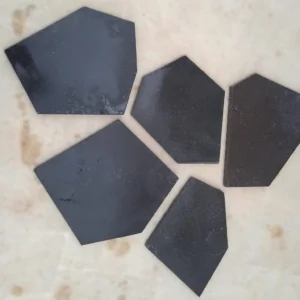
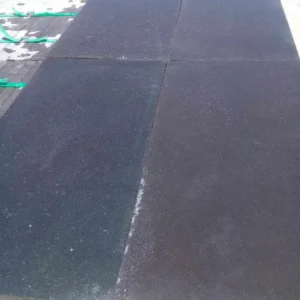
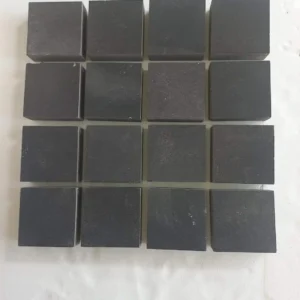
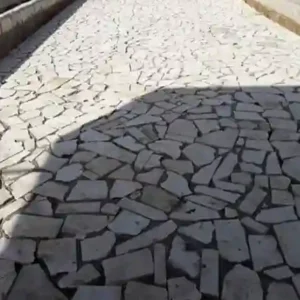
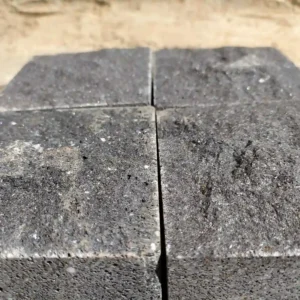
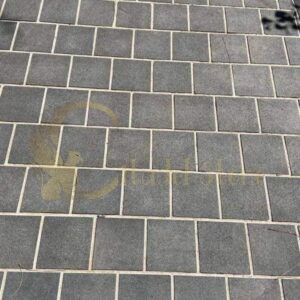
For calibrated square flagstone black layouts with tight mortar joints, spec a minimum 3/16-inch joint width. Anything tighter makes future joint repair nearly impossible without disturbing adjacent stone, and Arizona’s thermal cycling will work open any joint that starts below that threshold within a few years. For irregular flagstone black patio work, 0.5-inch to 1-inch joints filled with polymer sand deliver both visual character and functional flexibility.
Order Black Flagstone in Arizona — Direct Supply from Citadel Stone
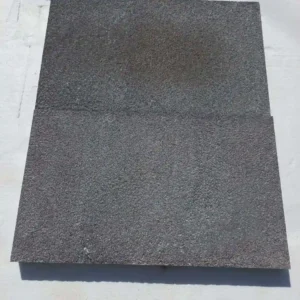
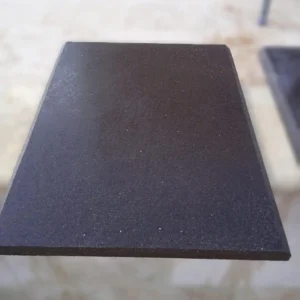
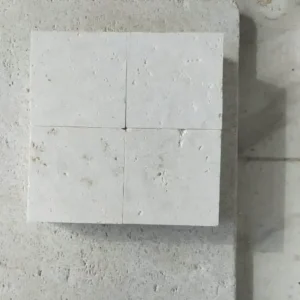
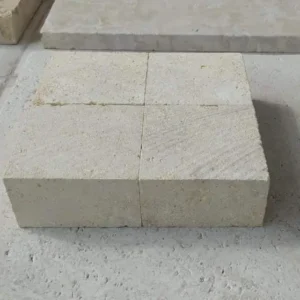
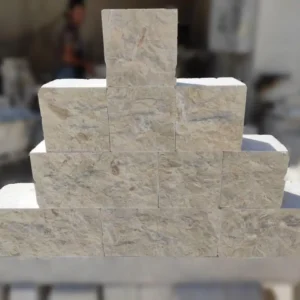
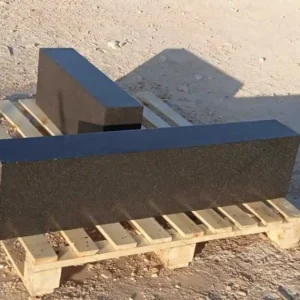
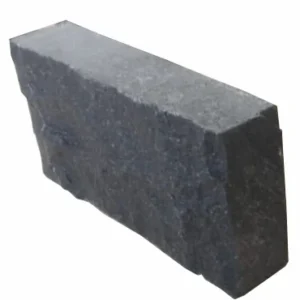
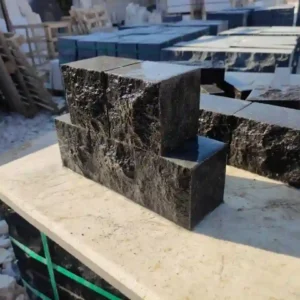
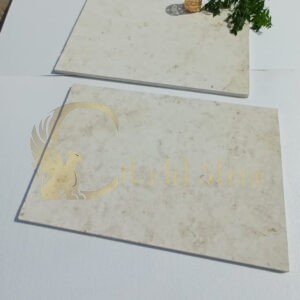
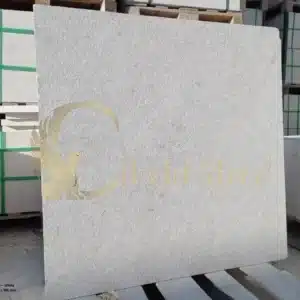
Citadel Stone supplies black flagstone across Arizona in a range of formats including irregular random flagstone, calibrated square cuts in 12×12, 18×18, and 24×24 configurations, and larger slab formats for feature applications. Black basalt flagstone in Arizona is available in 1.25-inch and 2-inch nominal thicknesses from regional warehouse inventory, which supports lead times of 7–14 days for standard orders — significantly faster than the 6–8 week import cycle that applies to non-stocked items. Sourced from established quarry partners, each batch undergoes consistency checks for thickness tolerance, surface finish uniformity, and edge quality before it leaves the warehouse.
You can request material samples, specification sheets, or thickness confirmation before committing to your project order — particularly useful when matching existing stone on renovation projects or when your architect needs finish confirmation ahead of document issue. Trade accounts, wholesale enquiries, and contractor pricing are available through Citadel Stone’s direct ordering process. For projects requiring custom cuts, non-standard thicknesses, or specific format combinations, the team can provide lead time guidance based on current warehouse stock and incoming shipment schedules. Delivery coverage extends across Arizona including metropolitan Phoenix, Tucson, and regional destinations.
Your black flagstone patio or flooring project benefits from getting material on-site before the installation season closes — October through March represents the most reliable window, and warehouse stock for premium formats moves faster as that window approaches. Contact Citadel Stone to schedule a consultation, request a quote, or confirm current stock availability for your specific project format. For projects involving larger format stone selections, 24 x 24 Flagstone in Arizona covers specification details and format options relevant to large-slab installations — a complementary resource for Arizona projects where Citadel Stone supplies both standard and oversized formats from the same regional warehouse inventory. Stone selections for Arizona projects in Flagstaff, Sedona, and Yuma include Black Flagstone supplied direct from Citadel Stone.