
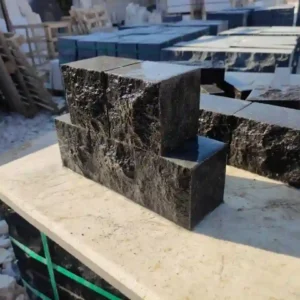
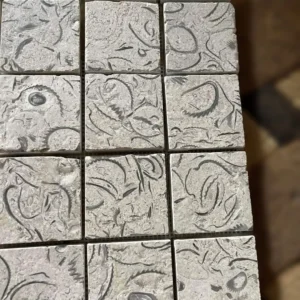
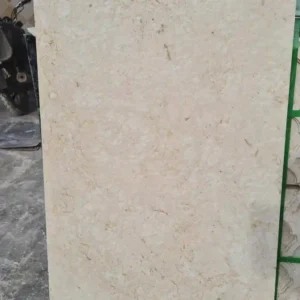
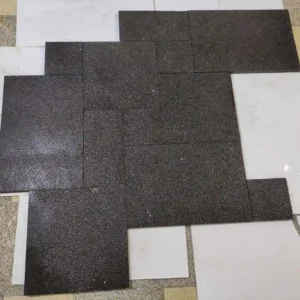
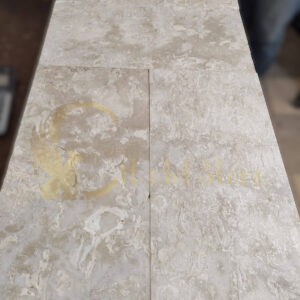
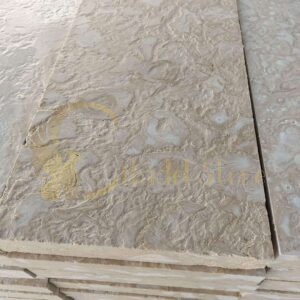
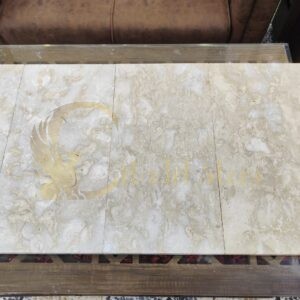





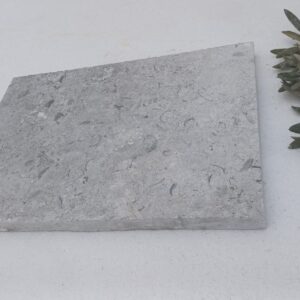
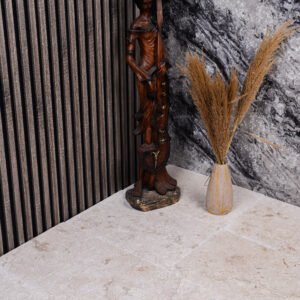
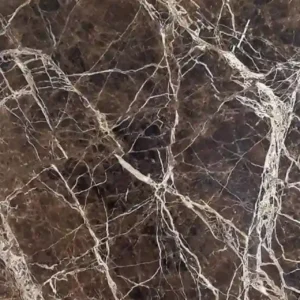
Freight cost is the line item that quietly blows flagstone budgets in Arizona — not the material itself. Most project managers pricing a flagstone supplier in Arizona quote at the quarry gate and forget to add the trucking multiplier that turns a competitive per-ton figure into a number that reshapes the entire scope. Understanding how a Phoenix project’s freight math differs from a rural Yuma installation gives you the leverage to source smarter and protect your contingency budget before the first pallet hits the ground.
Regional Cost Dynamics for Flagstone in Arizona
Arizona’s geography creates a surprisingly wide cost spread for flagstone natural stone in Arizona even before you factor in material grade. The state spans multiple freight zones, and the distance between a supplier’s warehouse and your project site can shift delivered cost by 15 to 40 percent compared to the base material price. That range isn’t theoretical — it’s what you see in actual bid comparisons across the state’s major markets.
Quarry proximity matters enormously here. Arizona sits adjacent to productive natural stone belts in northern New Mexico and southern Utah, which means some flagstone types travel only 200 to 300 miles from extraction to your job site. Others, particularly premium slate and certain quartzite formats popular in high-end Scottsdale residential work, originate from quarries in the Mid-Atlantic or Pacific Northwest, adding 1,500 to 2,000 miles to the freight calculation. You’re essentially paying for geography every time you spec a non-regional stone.
- Regional sandstone and flagstone from Arizona-adjacent quarries typically carries freight costs of $0.08 to $0.14 per pound per 100 miles
- Long-haul flagstone from eastern US sources adds $0.18 to $0.28 per pound per 100 miles in current fuel-adjusted rates
- Truck minimums usually run 20 to 24 tons per full load — splitting loads between flagstone and dimensional stone can reduce your per-unit freight cost significantly
- Seasonal demand spikes — October through April in Arizona’s low desert — compress available truck capacity and push spot rates higher
Citadel Stone maintains regional warehouse stock specifically to decouple your project timeline from long-haul freight cycles. As a local flagstone supplier in Arizona, we can provide current inventory availability and delivered pricing before you commit to final quantities — the single most effective way to lock in your material budget early.
What Local Material Availability Actually Means for Your Flagstone Project
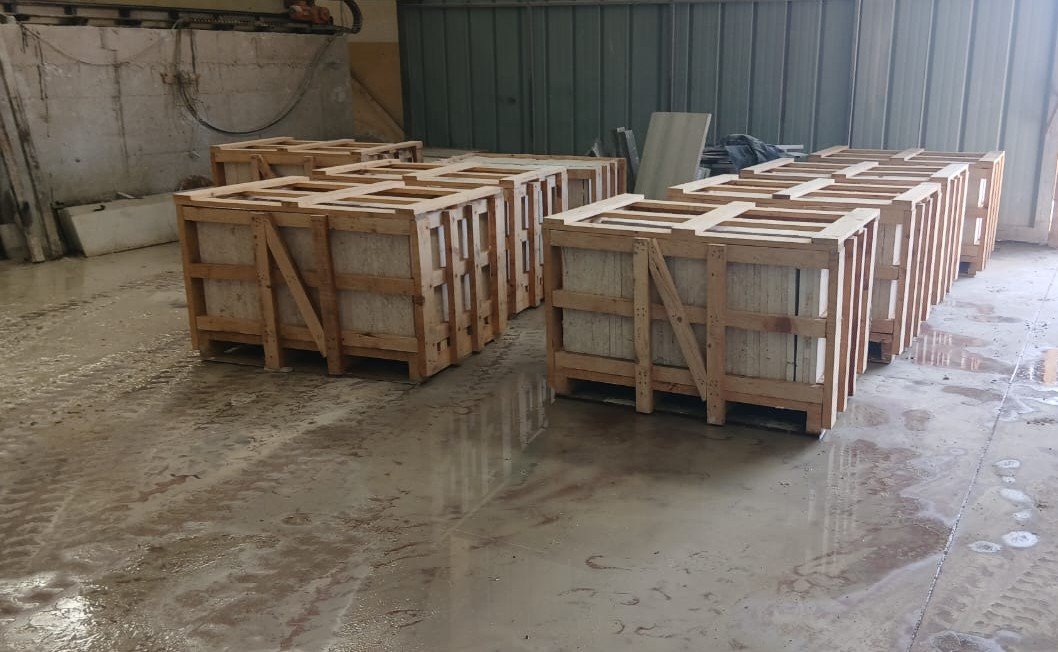
“Locally available” is one of the most abused phrases in the stone trade. For a flagstone supplier in Arizona, local availability means the material is warehoused within the state — not that it was quarried here. The distinction changes your lead time calculus completely. Stone sitting in a Phoenix or Tucson distribution facility ships in days; stone that needs to be pulled from a distant quarry on order takes six to ten weeks in normal market conditions and longer during high-demand periods.
For flagstone paving in Arizona, the practical question isn’t where the stone was born — it’s where it lives right now. Projects that rely on warehouse stock avoid the schedule compression that kills so many mid-construction timelines. Local flagstone dealers who maintain genuine on-hand inventory give you the flexibility to phase material deliveries to match your installation sequence, which reduces the cost and risk of on-site storage.
- Warehouse-stocked flagstone allows partial deliveries matched to installation phases rather than forced full-pallet acceptance
- Stock inventory lets you inspect a physical sample before committing to full quantity — critical for color-consistent flagstone hardscape applications
- Non-stocked special orders typically require 30 to 50 percent deposit and carry non-returnable status — understand this before specifying rare formats
- At Citadel Stone, we inspect each incoming batch at the warehouse for thickness consistency, surface defects, and shade grouping before stock is made available to project orders
The practical upside of working with a flagstone distributor in Arizona who holds physical inventory: you can coordinate truck deliveries to align with your site’s access windows, your installation crew’s schedule, and your base preparation timeline — not with a distant quarry’s production calendar. For large-volume projects, a local flagstone dealer relationship also gives you visibility into incoming stock before it’s formally available, which can mean the difference between securing a matched shade run and waiting weeks for a second pull.
Flagstone Types and How They Perform in Arizona Conditions
Material selection for flagstone paving and building supplies in Arizona starts with understanding which stone families handle the desert’s dual demands — extreme radiant heat and occasional intense monsoon moisture — without accelerated deterioration. The performance gap between a well-matched flagstone and a poorly specified one becomes visible around year four or five, which is exactly when a warranty conversation gets uncomfortable.
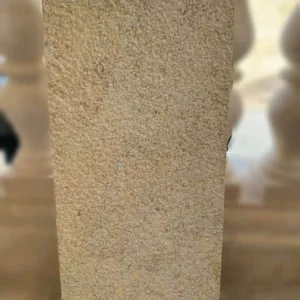
Quartzite flagstone is the workhorse of Arizona hardscape. Its silica-rich matrix resists thermal cycling better than most sedimentary alternatives, and its relatively low absorption rate — typically 0.4 to 1.2 percent by weight — means monsoon saturation events don’t compromise the stone’s structural integrity. Sandstone flagstone performs well in moderate-traffic applications but requires more attention to absorption rates; anything above 3.5 percent absorption is a liability in a climate where surface temperatures regularly exceed 160°F on exposed horizontal planes.
- Quartzite flagstone: absorption rate 0.4–1.2%, compressive strength typically 15,000–25,000 PSI, excellent for flagstone driveway and high-traffic patio applications
- Sandstone flagstone: absorption rate 1.8–6.0% depending on formation, suitable for covered patios and low-traffic walkways when properly sealed
- Limestone flagstone: moderate absorption 2.0–4.5%, requires penetrating sealer in Arizona’s alkaline soil environments to prevent efflorescence migration
- Slate flagstone: excellent UV resistance, cleft surfaces provide natural slip resistance meeting ASTM C1028 wet static coefficient requirements above 0.60
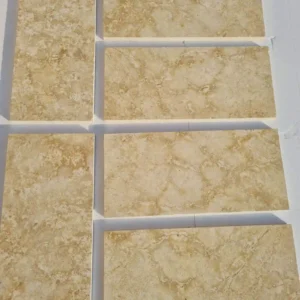
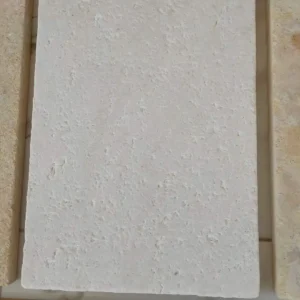
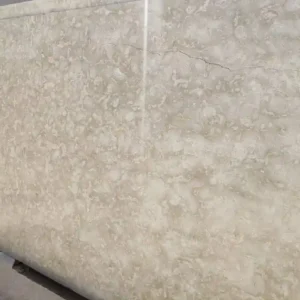
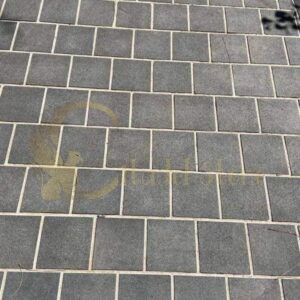
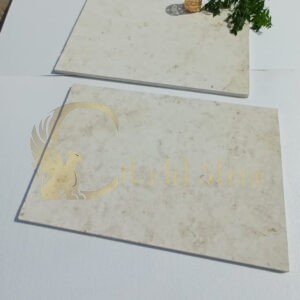
Natural flagstone for sale in Arizona spans all four of these families, but the local market tends to stock quartzite and sandstone most heavily because they match the regional architectural vernacular and perform predictably in the desert environment. When you’re reviewing samples from a natural flagstone supplier, check the absorption spec sheet rather than relying on visual density as a proxy — some dense-looking sandstones absorb aggressively once cut. Flagstone retailers in Arizona who carry spec sheets for every product family save you significant time during the material selection phase.
Thickness, Sizing, and Format Selection for Arizona Applications
Flagstone comes in a broader range of thickness and format options than most buyers realize, and the wrong combination for your application creates structural problems that no amount of good base preparation can fix. Thickness specification drives your base depth calculation, your setting bed approach, and your long-term performance expectation — getting this right before you order saves both money and rework.
For flagstone paving builders merchants in Arizona, the standard commercial thickness runs are 1.25-inch nominal (frequently labeled as 1 to 1.5 inch) for pedestrian paving, 1.75 to 2.0 inch for mixed pedestrian and light vehicle access, and 2.5 to 3.0 inch for flagstone driveway installations that carry passenger vehicle loads. These aren’t arbitrary ranges — they correspond to the flexural strength performance needed to bridge the aggregate base under dynamic loading. A 1.25-inch quartzite flagstone on a proper 6-inch compacted base handles pedestrian traffic reliably; put it in a driveway and you’re looking at cracking within two to three seasons.
Projects in Tucson frequently encounter expansive clay soils beneath the caliche layer, which means your base preparation must account for seasonal moisture-driven movement. The standard 4-inch compacted base that works fine on stable sandy desert soils needs to become 6 to 8 inches when expansive clay is present — and your flagstone thickness spec should move up by half an inch to compensate for the increased flexural demand.
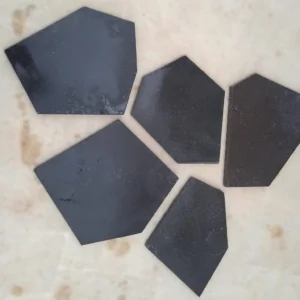
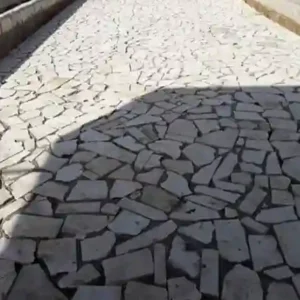
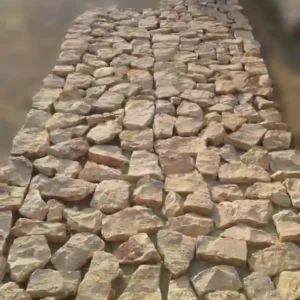
- Random irregular flagstone (also called broken or natural-edge): most economical format, requires skilled setter to minimize waste and achieve consistent joint widths
- Cut-to-size flagstone: consistent rectangular or square formats, faster installation, higher material cost offset by reduced labor time
- Semi-dressed flagstone: straight edges on two sides, natural edges on remaining sides — good middle ground for flag stone landscaping projects with moderate budget constraints
- Stepping stone formats: typically 18×18 to 24×24 inch pre-sized pieces, designed for spaced flagstone landscaping with planted joints
Base Preparation and Installation Standards for Arizona Flagstone
Base failure accounts for roughly 70 percent of flagstone installation problems that surface in the first five years. The stone itself rarely fails — what fails is the substrate under it, and in Arizona’s conditions, the failure modes are specific enough that generic installation guides miss the critical details. Approaching base preparation for Arizona’s desert environment requires different thinking than moderate climates demand.
Caliche — the calcium carbonate hardpan found across much of Arizona’s desert floor — is both an asset and a liability. Left intact at the right depth, it provides an excellent natural sub-base with load-bearing capacity that rivals compacted aggregate. Cut through it during excavation and you expose softer alluvial material below that compresses unpredictably under load. The right approach is to probe for caliche depth before excavating and design your base section around what’s there rather than removing it reflexively.
For projects where irrigation or drainage is part of the landscape design, flagstone hardscape requires careful attention to drainage geometry. Arizona’s monsoon events deliver 1 to 3 inches of rain in under an hour, and a flagstone patio without adequate cross-slope — minimum 1.5 percent, ideally 2.0 percent — becomes a pooling problem that accelerates joint sand loss and eventually undermines the base. That drainage slope should be engineered into your base, not corrected at the surface after setting. For detailed pricing context specific to Arizona projects, Flagstone Supplier from Citadel Stone covers the cost variables and quantity estimation methods that help you build accurate material budgets before the bidding stage.
- Minimum compacted base depth: 4 inches for pedestrian flagstone, 6 inches for mixed light vehicle and foot traffic, 8–10 inches for flagstone driveway installations
- Base material: 3/4-inch minus crushed aggregate compacted to 95 percent of maximum dry density per ASTM D1557
- Setting bed options: dry-laid on compacted decomposed granite (traditional desert look, allows drainage), mortar-set on concrete slab (highest stability, required for steep slopes)
- Joint sand specification: polymeric sand with activator rated for alkaline soil environments — standard polymeric sand formulations can fail in high-pH Arizona soil conditions
- Expansion joint spacing: every 10 to 12 linear feet in mortar-set applications to account for flagstone’s thermal expansion at Arizona surface temperatures
Sealing and Long-Term Maintenance in Arizona’s Desert Environment
Sealing protocol for natural stone flagstones in Arizona is not optional — it’s the difference between a 20-year installation and one that requires resetting in year eight. The desert UV load, alkaline soil chemistry, and dramatic day-to-night temperature swings create an environment where unsealed natural flagstone absorbs airborne dust, salts, and organic material at an accelerating rate that eventually compromises both aesthetics and structure.
Penetrating silane-siloxane sealers are the professional standard for flagstone paving in Arizona’s dry climate. They penetrate 6 to 12 millimeters into the stone matrix rather than forming a surface film, which means they don’t peel, bubble, or trap moisture — the failure modes you see with film-forming sealers in high UV environments. Application frequency depends on stone porosity: quartzite needs sealing every three to four years under normal conditions, while sandstone flagstone in full sun exposure benefits from a 24-month reapplication cycle.
In Scottsdale‘s luxury residential market, natural stone flagstones in Arizona installations commonly receive an enhanced sealer with color-enriching chemistry that deepens the stone’s natural tones without creating a wet-look surface. This requires precise application timing — the stone must read below 3 percent moisture content when measured with a calibrated pin meter before sealing, or you’ll trap vapor beneath the sealer and cause whitening within six months. In Arizona’s dry climate, reaching that threshold typically takes 48 to 72 hours after any moisture exposure.
- Surface preparation before sealing: pressure wash at 2,500 to 3,000 PSI, acid wash with diluted muriatic solution for efflorescence removal if needed, then full drying period
- Application method: low-pressure garden sprayer for penetrating sealers, not roller or brush, to achieve even penetration depth
- Joint sand maintenance: inspect and top-dress polymeric sand annually before monsoon season — joint loss accelerates sealer degradation at the edges
- Stain response: most Arizona flagstone staining from organic sources responds to alkaline degreaser; petroleum stains require poultice treatment, not surface scrubbing
Bulk Flagstone Sourcing and Quantity Estimation for Arizona Projects
Quantity estimation for bulk flagstone in Arizona projects is where a lot of residential and commercial buyers make costly mistakes. The standard formula — square footage divided by coverage rate — misses three Arizona-specific variables that routinely cause under-ordering and mid-project shortfalls.
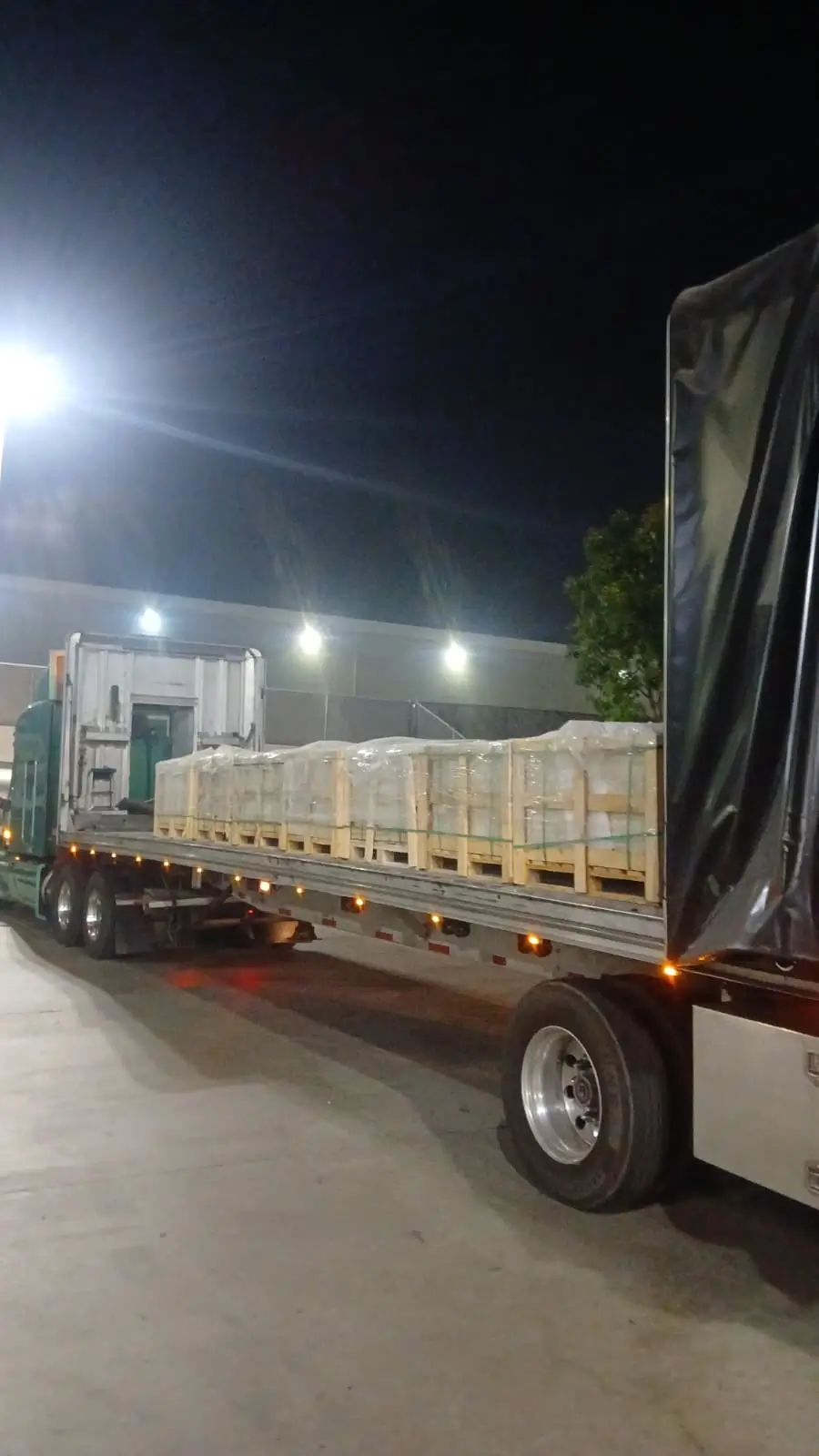
First, irregular flagstone has a coverage efficiency of 85 to 90 percent in skilled hands, meaning you need to order 10 to 15 percent above your net square footage before accounting for cuts. Second, Arizona’s desert palette — warm sandstone tones, rust quartzites, desert gold blends — often means multiple quarry pulls to hit the volume a large project needs. Shade consistency between pulls is never guaranteed, and the experienced approach is to order full project quantity in a single release whenever warehouse stock supports it. Third, flagstone delivered in Arizona arrives palletized at 2,000 to 4,000 pounds per pallet, and partial pallets for a small add-on order can trigger minimum freight charges that approach half the material cost of the additional stone.
- Net square footage × 1.10 to 1.15 = recommended order quantity for irregular flagstone formats
- Net square footage × 1.05 to 1.08 = recommended order quantity for cut-to-size or semi-dressed flagstone
- Full truck load threshold (typically 20 to 24 tons) qualifies for lowest freight rates from most local flagstone dealers in Arizona
- Specify shade grouping on your purchase order — reputable natural flagstones suppliers in Arizona will sort and document shade groups per project shipment
- Request a minimum 10-piece physical sample prior to approving full quantity release — particularly important for flagstone delivered in Arizona from distant quarries where you can’t inspect in person
Local flagstone dealer relationships matter more than most buyers realize at the estimation stage. A distributor with genuine warehouse stock can tell you what’s actually available in your required thickness and shade family — not just what they could theoretically order. That transparency is worth a slight premium over the lowest quoted price from a supplier who’s essentially drop-shipping from a quarry on a lead time they can’t reliably control. Local flagstone suppliers in Arizona who hold meaningful on-hand inventory also allow you to verify shade consistency across the full quantity before release — a safeguard that remote sourcing simply cannot offer.
Natural flagstone supplier pricing in Arizona follows commodity markets for raw stone but also reflects regional labor costs, fuel surcharges, and warehouse handling. Current bulk flagstone pricing in Arizona’s wholesale market runs from approximately $0.85 to $2.40 per square foot for common sandstone and quartzite grades, before freight. Premium formats — thick-cut quartzite, dimensional-cut travertine flagstone, and specialty slate — sit in the $2.80 to $5.50 range wholesale. These figures shift quarterly with fuel pricing, so treat any quote older than 60 days as a reference point, not a binding number. Landscaping flagstone in Arizona follows similar pricing tiers, with thinner formats and irregular sizing at the lower end of the range.
Flagstone Supplier in Arizona — Order Direct from Citadel Stone
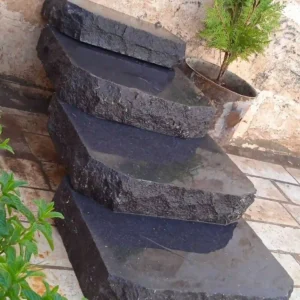
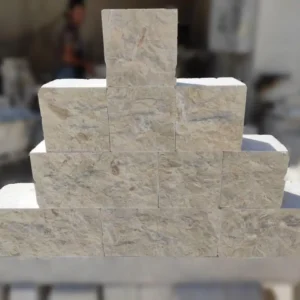
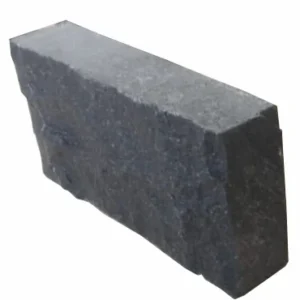
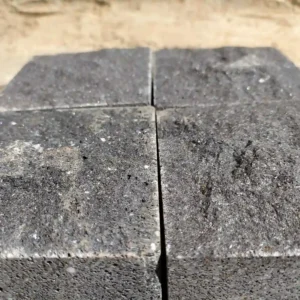
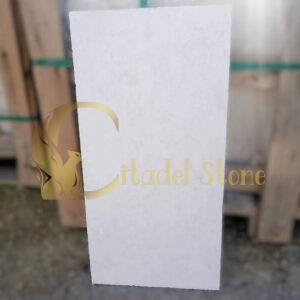
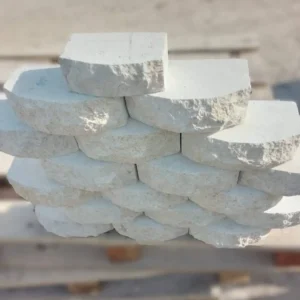
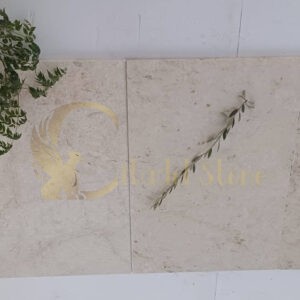
Citadel Stone stocks flagstone in Arizona across the primary thickness runs — 1.25-inch, 1.75-inch, and 2.5-inch nominal — in quartzite, sandstone, and slate families. Formats include random irregular, semi-dressed, and cut-to-size options, with multiple shade families available depending on current warehouse inventory. You can request sample pieces and full specification sheets, including absorption data and compressive strength test results, before committing to a purchase order. Trade accounts and wholesale enquiries are handled through the project consultation process, which connects you with specification support on thickness selection, quantity estimation, and phased delivery scheduling.
Lead times for warehouse-stocked material run one to two weeks for most Arizona destinations. Special-order formats or large-volume projects requiring dedicated truck allocation may require three to four weeks from order confirmation. Citadel Stone ships flagstone across Arizona, including metro Phoenix, Tucson, and regional markets, with truck delivery coordinated to match your site access constraints. For custom-cut requirements or non-standard format specifications, the team can advise on lead times and minimum order thresholds before you finalize your project schedule. Contact Citadel Stone to request a current price list, arrange a sample delivery, or discuss wholesale terms for your upcoming flagstone paving project.
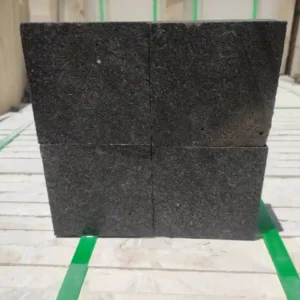
Your project’s stone choices extend beyond flagstone — Arizona hardscape frequently combines multiple stone types across different structural applications. As you finalize your material specifications, Granite Building Blocks in Arizona offers relevant context on another Citadel Stone material that complements flagstone installations in Arizona landscape and construction projects. Architects and builders in Flagstaff, Sedona, and Yuma specify Citadel Stone Flagstone Supplier for Arizona outdoor installations.