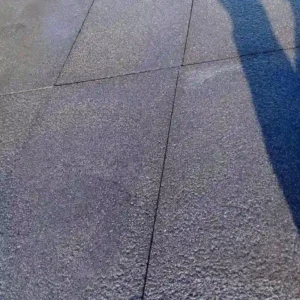
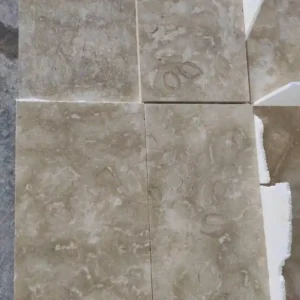

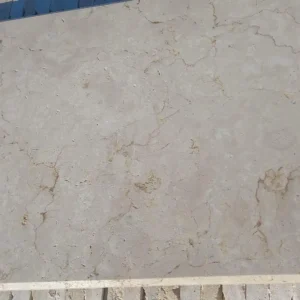
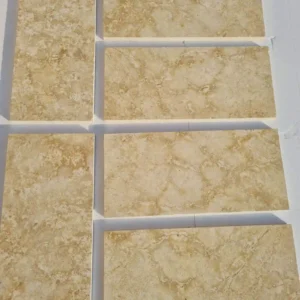

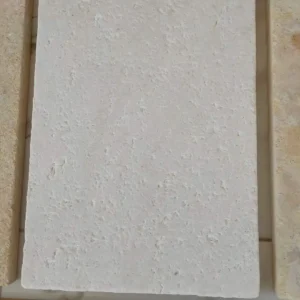

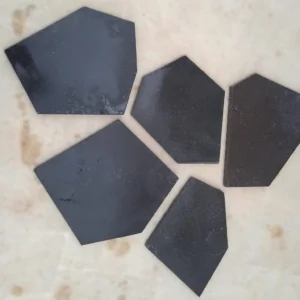
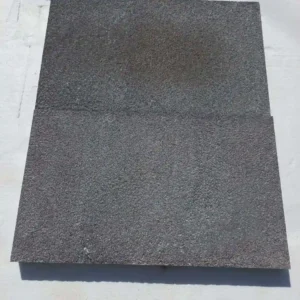
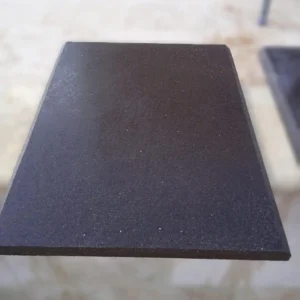

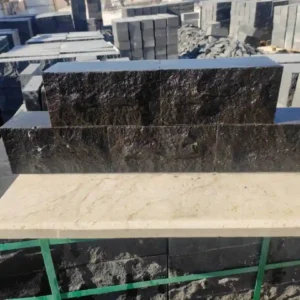

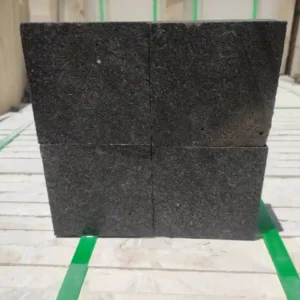


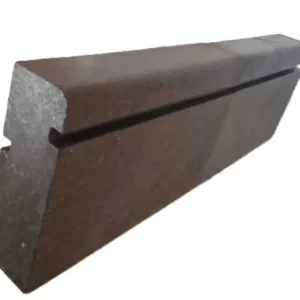
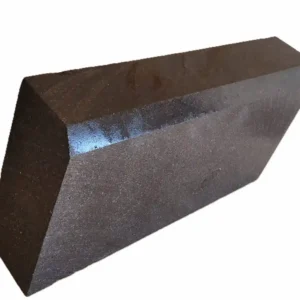
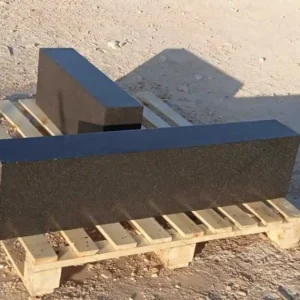
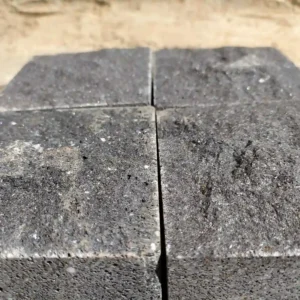
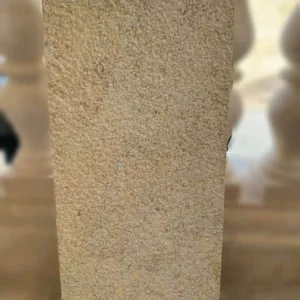

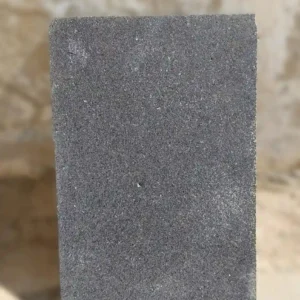
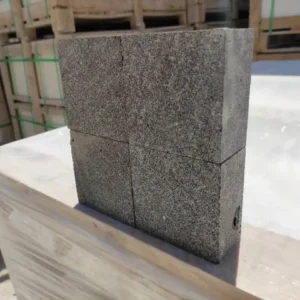
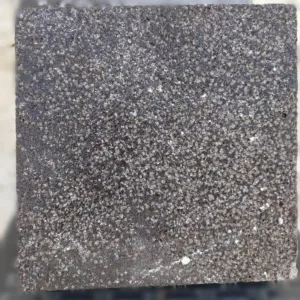

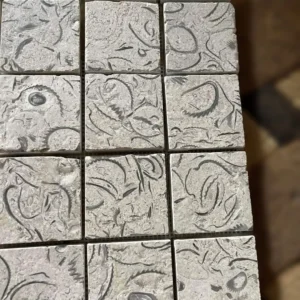

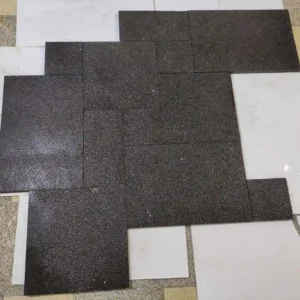
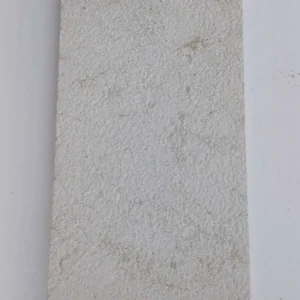
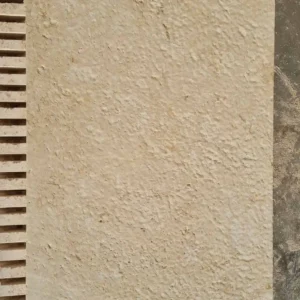
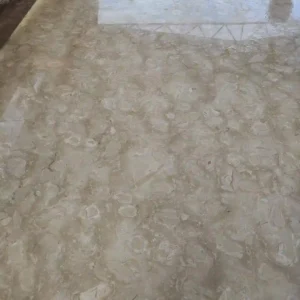
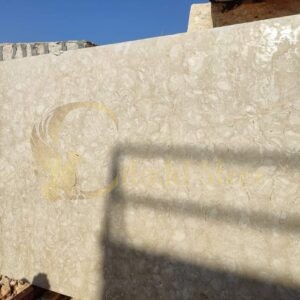
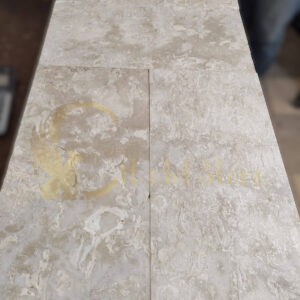
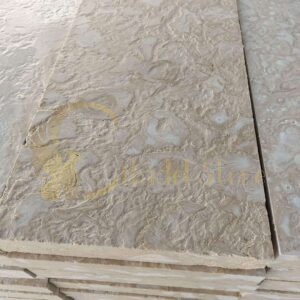
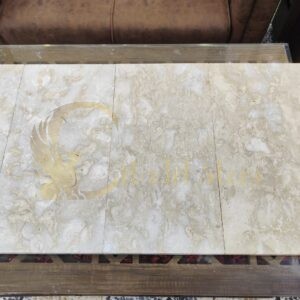
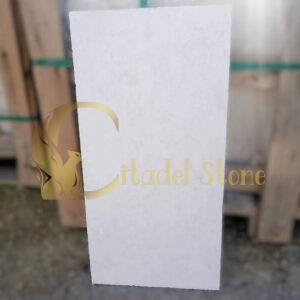

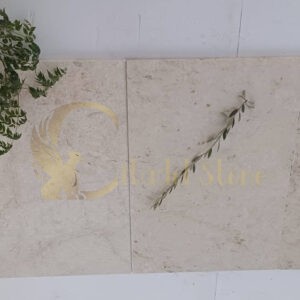


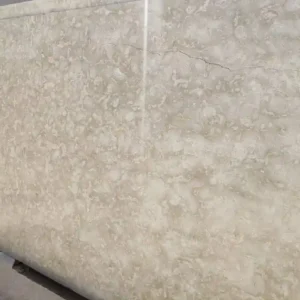
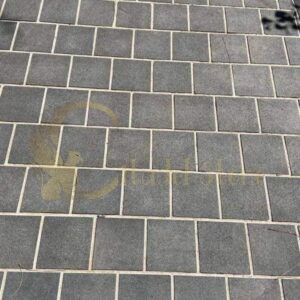

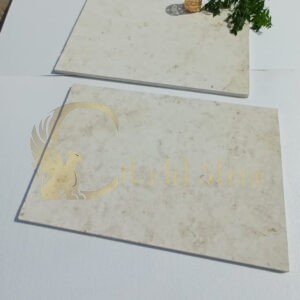
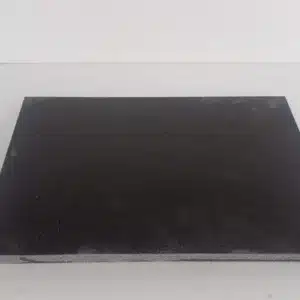
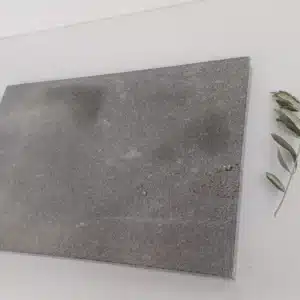
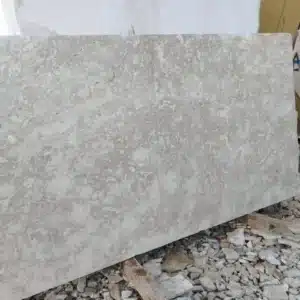

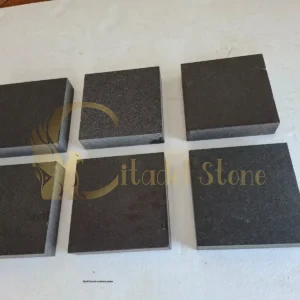

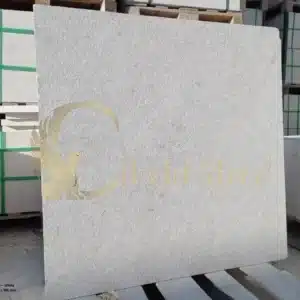


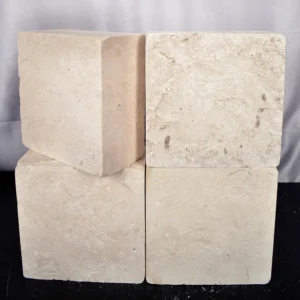
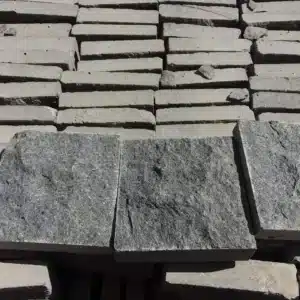
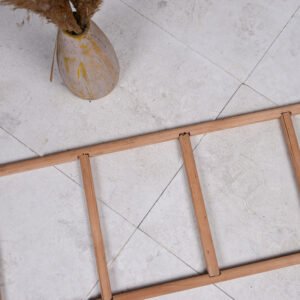
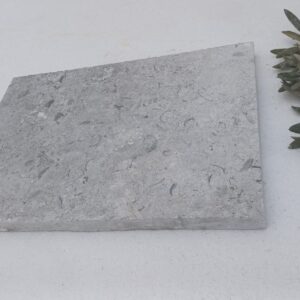
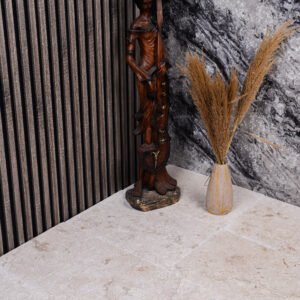
Grey patio slabs for sale in Arizona represent one of the more technically demanding product categories to specify correctly — not because the material itself is complex, but because Arizona’s storm and wind events create mechanical stresses that most standard installations simply aren’t engineered to handle. Hail impact loads, debris-driven abrasion from haboobs, and the uplift pressures generated by monsoon gusts all interact with how your slab system is installed. Getting the slab thickness, bedding mortar specification, and joint depth right from the start is what separates a patio that weathers a decade of Arizona storms from one that starts failing after the third monsoon season.
Wind and Storm Performance: What Grey Patio Slabs Actually Face in Arizona
Arizona’s monsoon season generates sustained wind speeds of 40–60 mph with frequent gusts exceeding 75 mph in open desert terrain, and those numbers carry real consequences for unseated or improperly bedded patio slabs. The mechanical stress isn’t just surface abrasion — it’s the cyclic pressure differential that acts like a suction force on any slab with insufficient bedding contact. You need at least 95% bedding coverage beneath each unit, not the 80% that residential contractors often achieve with basic trowel application. That missing 15% becomes a void where wind-driven moisture accumulates, expands during thermal cycling, and progressively undermines the unit’s lateral stability.
Hail events compound the risk significantly. Grey patio stone pavers in Arizona face hailstones averaging 0.5–1.5 inches in diameter during peak storm season, and the compressive impact load from a 1-inch hailstone at terminal velocity exceeds 800 PSI at the point of contact. For this reason, your slab specification should target a minimum flexural strength of 3.5 MPa — which eliminates thinner decorative products and points you firmly toward 40mm or 50mm nominal thickness units. Citadel Stone stocks grey garden patio slabs in Arizona in both 40mm and 50mm profiles, with the 50mm product being the preferred specification for exposed patio applications where hail frequency is a genuine risk factor.
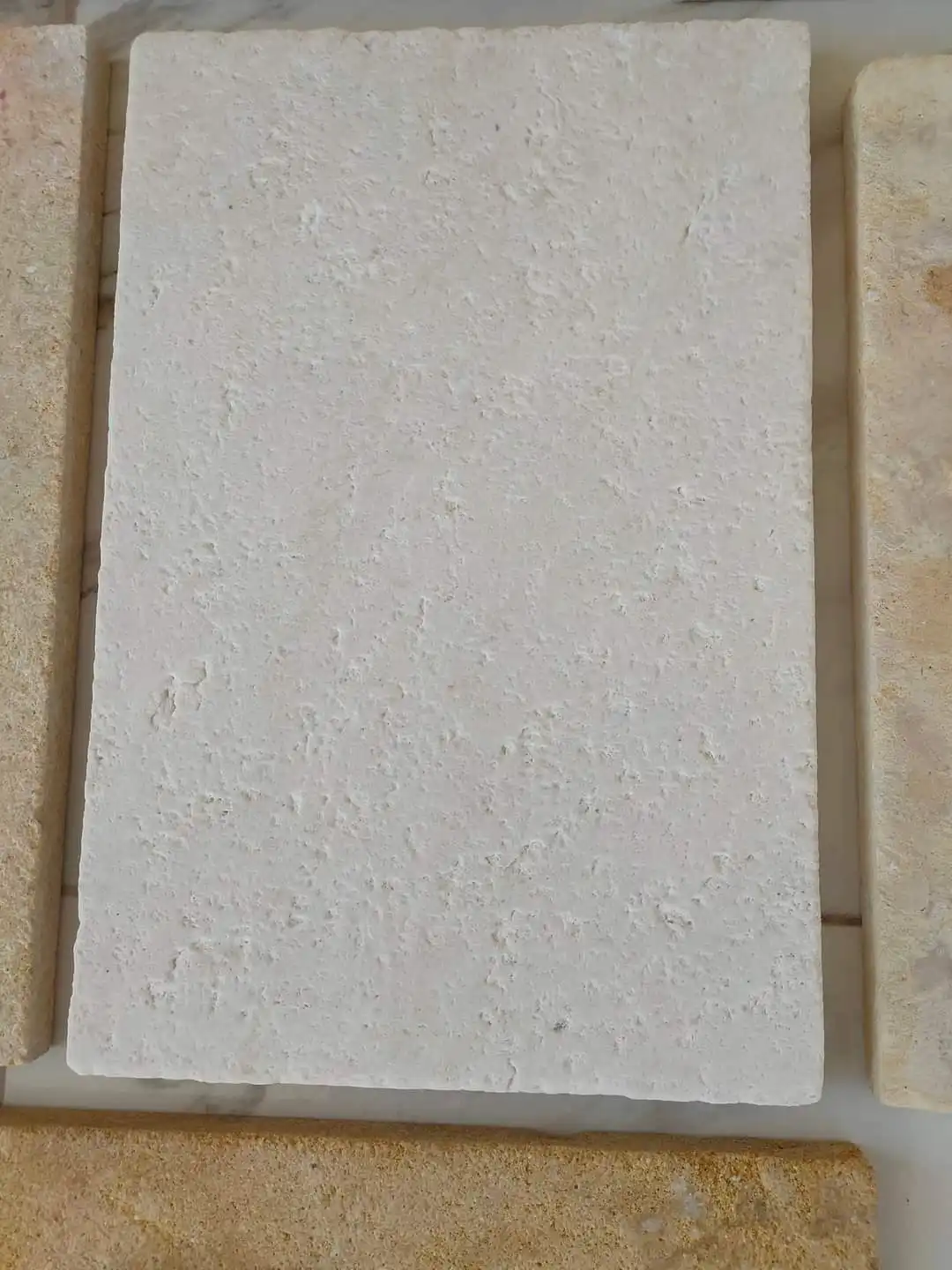
Grey Stone Slab Formats and How Format Affects Storm Resistance
Format choice has a direct bearing on how well your patio system resists mechanical disruption from wind and storm loading. Grey large patio slabs — typically 600mm x 900mm or 600mm x 600mm — distribute surface loads efficiently but create longer unsupported spans between joint lines. In storm conditions, those spans become potential flex points if the sub-base has any differential settlement. Conversely, grey square patio slabs in smaller formats like 450mm x 450mm or the commonly specified grey 2×2 slabs create tighter joint networks that act as mechanical interlocks, limiting individual slab movement under lateral wind loading.
Grey rectangle paving slabs — particularly the 600mm x 300mm format — offer a practical middle ground. The elongated format creates a natural running bond pattern that performs well under directional loads, and the narrower width reduces the unsupported span issue you get with large-format square units. For projects in Flagstaff, where storm events include freeze-thaw cycling on top of wind and hail stress, grey rectangle pavers in a running bond with 10mm mortar joints have consistently outperformed random-format installations over 5-year observation windows — the regularity of the joint pattern keeps differential movement predictable and manageable.
- Grey large paving slabs (600mm x 900mm+) suit lower-wind zones with excellent sub-base preparation
- Grey square pavers (450mm x 450mm, 600mm x 600mm) provide tight joint networks that resist lateral displacement
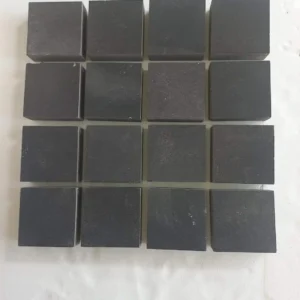
- Grey 2×2 slabs create the highest joint density and perform well in exposed storm-prone locations
- Grey rectangle paving slabs in running bond handle directional wind loads more predictably than stacked joint patterns
- Grey large garden slabs require 50mm minimum thickness when installed in open, unsheltered garden settings
Base Preparation for Grey Patio Paving Under Storm Conditions
The base system underneath your grey patio paving is where storm resilience is actually built — and it’s the stage most residential projects rush through. For Arizona conditions, your compacted aggregate base should reach a minimum depth of 150mm beneath the bedding layer, with 200mm strongly recommended where you’re specifying grey large garden slabs or grey large paving slabs over expansive clay subsoil. The compaction target is 95% Proctor density; anything below that creates differential settlement risk, and differential settlement is what turns storm-season stress into visible cracking and displacement within 2–3 monsoon cycles.
Drainage geometry deserves as much attention as compaction. Grey patio blocks and grey patio flags both rely on free drainage beneath the bedding layer to prevent hydrostatic pressure buildup during intense storm rainfall events. Arizona’s monsoon storms can deliver 1–2 inches of rain in under 30 minutes — a rate that overwhelms surface-only drainage design. You’ll want a minimum 1.5% fall across the patio surface toward a defined drainage channel, and a granular bedding layer with a permeability coefficient of at least 10⁻³ m/s. In Scottsdale, caliche layers at 18–30 inch depths can redirect subsurface storm water laterally, so site investigation should confirm caliche depth before finalizing your drainage specification.
- Minimum 150mm compacted aggregate base — 200mm for large-format slabs on expansive soils
- 95% Proctor density compaction throughout the entire base depth
- 1.5% minimum surface fall for storm drainage — increase to 2% on large open patio areas
- Granular bedding layer (sharp sand or granite dust) at 10⁻³ m/s permeability minimum
- Geotextile membrane between subgrade and aggregate base where clay content exceeds 30%
- Perimeter edging restraint required on all four sides of any unsealed grey patio stone installation
Material Properties That Matter for Grey Patio Stone Pavers
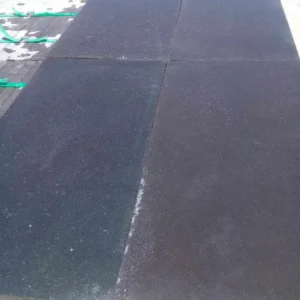
Grey patio stone pavers sourced from natural stone — primarily basalt, granite, and dense limestone — offer mechanical properties that manufactured concrete alternatives can’t match under repeated impact loading. Basalt, which underpins many of the darker charcoal and graphite-toned grey slabs for garden applications, carries a compressive strength of 180–300 MPa and an exceptionally low water absorption rate of under 0.5%. That low absorption figure matters directly in storm resilience: materials with higher porosity absorb storm moisture rapidly, and moisture-saturated units experience amplified freeze-thaw damage at elevation — a critical specification factor for grey large patio slabs and grey large garden slabs destined for higher-altitude Arizona locations.
Grey slate garden slabs and grey slate patio slabs represent a distinct product category worth understanding separately. Natural slate exhibits a layered cleavage structure that gives it excellent slip resistance in wet storm conditions — a surface friction coefficient (DCOF) typically above 0.60 on textured finishes, which exceeds the 0.42 minimum required under ADA accessibility guidelines for wet surfaces. The trade-off is that slate’s laminar structure makes it more vulnerable to hail impact damage than dense granite or basalt, particularly in thinner formats below 30mm. For storm-exposed applications, you should be specifying grey slate patio slabs at 40mm minimum or switching to grey brick patio pavers in dense engineering-grade clay, which handle point impact loads particularly well.
Joint Specification and Weatherproofing Grey Paving Slabs
Joint specification is where many otherwise well-designed grey patio paving installations fall short under Arizona storm conditions. The temptation to reduce joint width for aesthetic reasons — tight-fitting grey square paving slabs look cleaner and more refined — creates a system that can’t accommodate the thermal and moisture cycling driven by storm events. Field measurements on installations with sub-5mm joints consistently show edge spalling within 18–24 months in Arizona’s climate because there’s insufficient room for the 0.3–0.5mm dimensional change each slab undergoes between a 35°F winter dawn and a 105°F summer afternoon.
The minimum joint width for any grey patio slab specification in Arizona should be 8mm, with 10–12mm recommended for grey large paving slabs and any installation within 50 miles of elevation zones experiencing freeze-thaw cycles. Your jointing compound selection matters almost as much as the width itself. Polymeric sand performs adequately in low-wind zones, but exposed grey pavers backyard installations in open desert settings benefit from a cement-based pointing mortar with a flexural additive — this resists the erosive effect of haboob dust at high velocity, which can remove standard polymeric sand from joints within a single severe storm event. For detailed installation guidance across complementary stone applications, Grey Patio Slabs for Sale from Citadel Stone covers the full specification workflow applicable to Arizona site conditions, from bedding compound selection through to joint finishing on grey slabs for patio use.
- Minimum 8mm joint width — 10–12mm for large-format slabs and freeze-thaw zones
- Cement-based mortar with flexural additive for exposed grey pavers backyard installations
- Polymeric sand acceptable only in sheltered, low-wind residential courtyard settings
- Joint depth must be a minimum 25mm to resist storm-driven erosion — avoid shallow topping only
- Re-pointing schedule: inspect annually after monsoon season, re-point any section with greater than 5mm erosion depth
Sealing and Maintenance for Grey Garden Paving Slabs in Arizona
Sealing protocols for grey garden paving slabs differ from standard concrete maintenance because the material’s pore structure and absorption kinetics respond differently to UV, moisture cycling, and the alkaline storm runoff common in Arizona desert environments. Natural stone grey slabs for garden use should be sealed with a penetrating impregnator — not a surface-applied coating — using a product with a minimum 10-year warranty rating under UV exposure. Surface coatings trap storm moisture beneath the sealer film, and that trapped moisture becomes a substrate for efflorescence and spalling as it migrates under UV-driven pressure differentials.
Application timing relative to installation matters significantly. Allow a minimum 28 days after installation before applying sealer to any cement-bedded grey slabs for patio use — this allows full curing and the elimination of bleed moisture from the mortar bed. Applying sealer too early traps alkaline bleed compounds in the stone surface, which presents as persistent whitish staining that’s extremely difficult to remove without light acid washing. For grey garden paving slabs in higher-altitude Arizona locations, add a second sealer coat at 90 days post-installation; the freeze-thaw cycling that begins in late October accelerates initial moisture penetration in ways that a single coat doesn’t fully address.
Colour, Shade, and Aesthetic Considerations for Grey Patio Slabs
The grey colour family covers a genuinely wide range of material expressions, and understanding which shade category you’re working with affects both aesthetic outcomes and practical maintenance decisions. Charcoal and graphite tones — common in basalt-based grey slabs for garden use — maintain their depth of colour well in Arizona’s intense UV environment because the dark pigmentation is mineral-based, not surface-applied. Silver-grey limestone and light grey granite products can fade slightly over 5–7 years under sustained UV exposure, shifting toward a warmer buff tone at the surface. Discussing UV colour retention ratings with your supplier before committing to a light grey product is worthwhile for any project where colour consistency matters over a 15-year horizon.
Grey brick patio aesthetics have seen strong uptake in Phoenix residential projects over the past several years, particularly in grey brick patio pavers installed in a traditional stretcher bond. The format references Southwestern architectural tradition while the grey colour palette connects cleanly with contemporary desert-modern design. For commercial applications where budget is a consideration, grey patio slabs cheap in a larger format — 600mm x 600mm or 800mm x 400mm — can actually deliver better value than smaller units because the installed cost per square metre drops as labour input decreases with fewer units to handle and seat. Citadel Stone can provide sample tiles and full colour range documentation before you commit to a final selection, which is particularly valuable when matching existing materials on a renovation project.
- Charcoal and graphite grey tones: highest UV colour stability, mineral pigmentation throughout
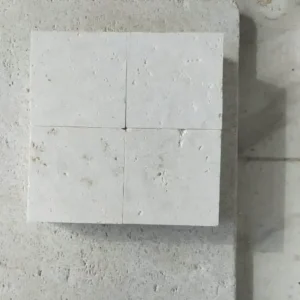
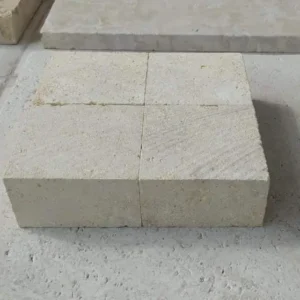
- Silver-grey limestone: excellent initial appearance, moderate UV fade risk over 5–7 years
- Mid-grey granite: strong mechanical performance, consistent colour under UV, higher material cost
- Grey slate garden slabs: distinctive surface texture, moderate UV variation as a natural characteristic
- Request sealer compatibility data for your chosen grey shade — some penetrating sealers darken light grey products significantly
Source Grey Patio Slabs for Sale from Citadel Stone
Citadel Stone supplies grey patio slabs for sale across Arizona in standard formats including 600x600mm, 600x300mm, 450x450mm, and 800x400mm, with 40mm and 50mm thickness options available from warehouse stock for most product lines. Grey patio paving in slate, basalt, limestone, and granite variants can be requested as sample packs before committing to a full project order — a step that’s genuinely worth the lead time when you’re matching an existing patio or specifying for a high-visibility commercial installation. Trade and wholesale enquiries receive direct support from Citadel Stone’s technical team, who can advise on volume pricing, pallet configuration for truck delivery, and project staging across multi-phase installations.
Lead times from the warehouse for standard grey patio stone pavers typically run 1–2 weeks for in-stock product across Arizona, with custom cut orders or non-standard thickness specifications requiring 4–6 weeks from quarry partner confirmation. Sourced from established quarry partners in Europe and Asia, each batch arriving at the warehouse undergoes dimensional and surface quality inspection before dispatch. Delivery truck routing covers Phoenix, Tucson, Scottsdale, Mesa, Chandler, Gilbert, Peoria, Tempe, Sedona, Flagstaff, and Yuma, with freight scheduling coordinated to suit your project’s installation sequence. Grey brick paving represents a complementary hardscape element worth considering alongside slab patio areas — where grey patio slabs define the primary outdoor living zone, grey brick pavers can frame edges, steps, and transition areas on the same site. Grey Block Paving Bricks in Arizona covers specification details relevant to how these two material categories can integrate effectively on the same project. Homeowners in Flagstaff, Sedona, and Yuma source Grey Patio Slabs for Sale through Citadel Stone for Arizona residential and commercial installations.