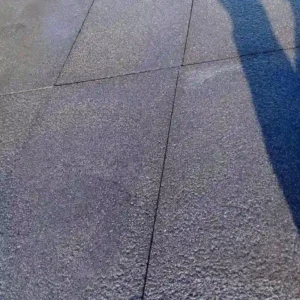
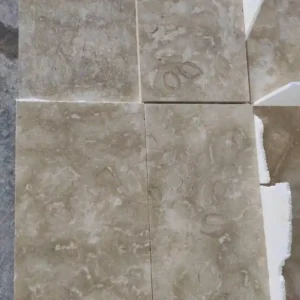

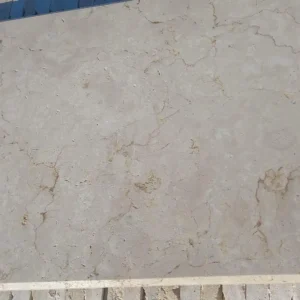
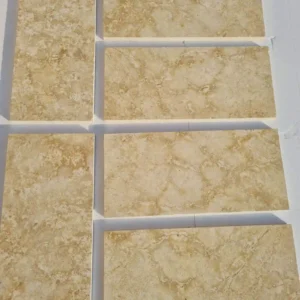
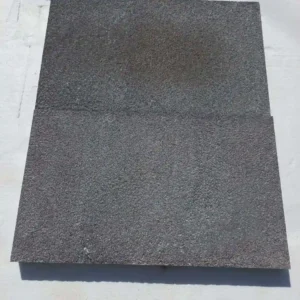
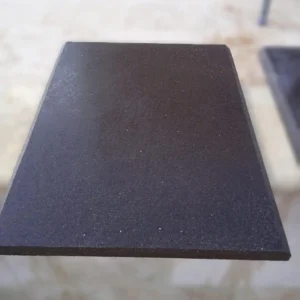
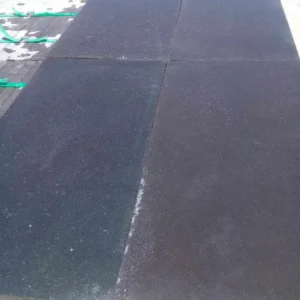
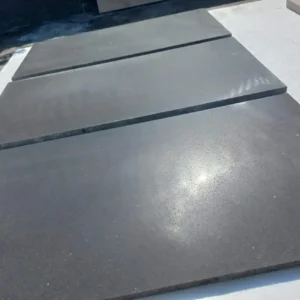
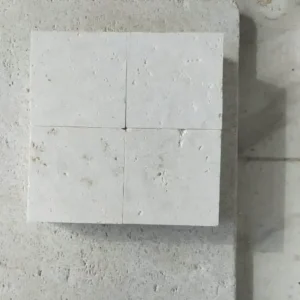
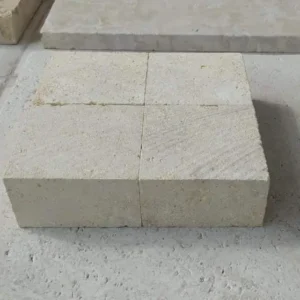
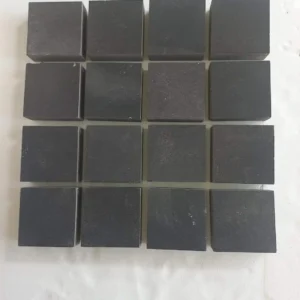
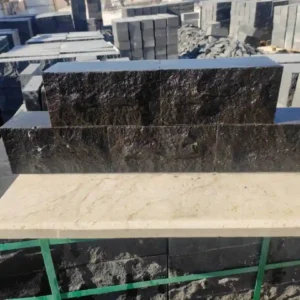
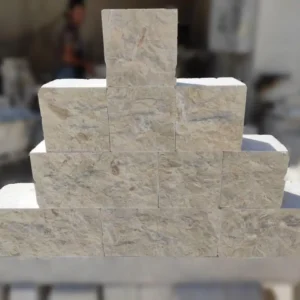
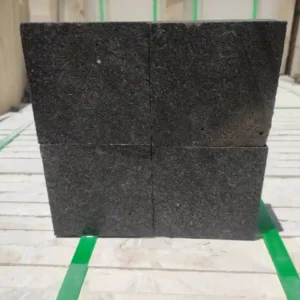
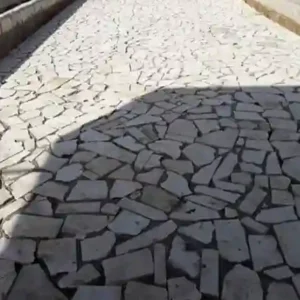
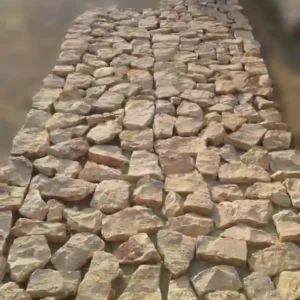
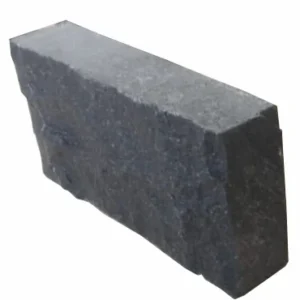
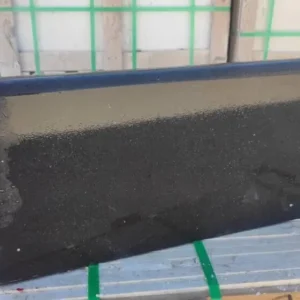
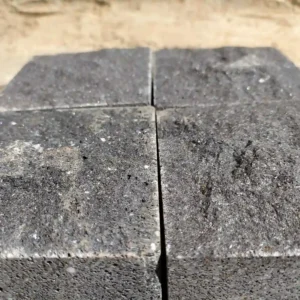
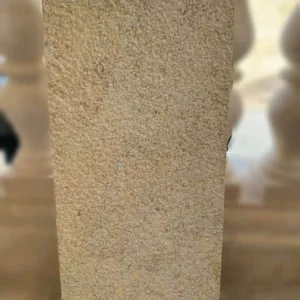

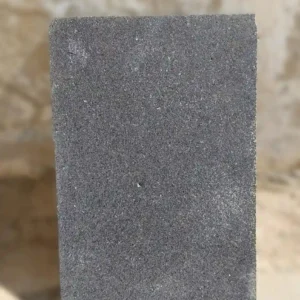
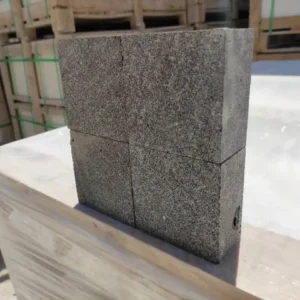
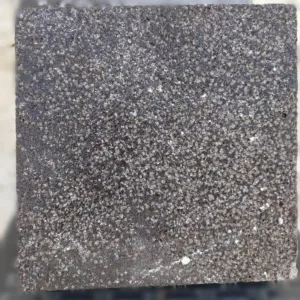
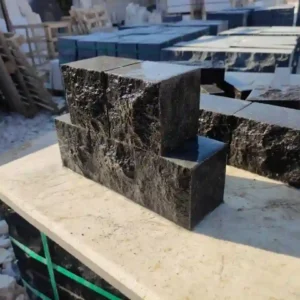
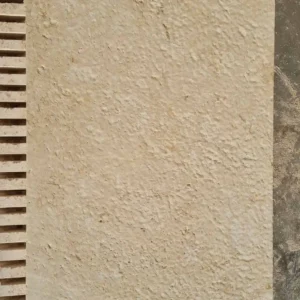
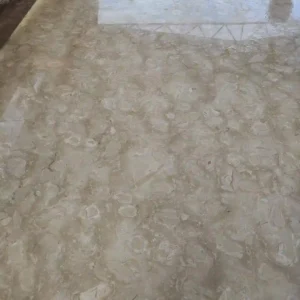
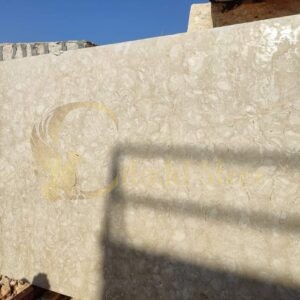
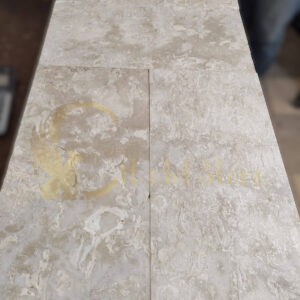
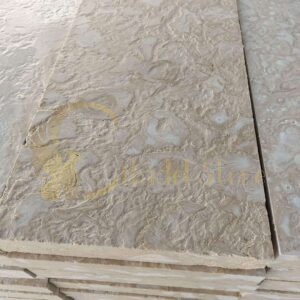
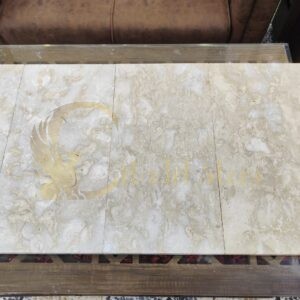
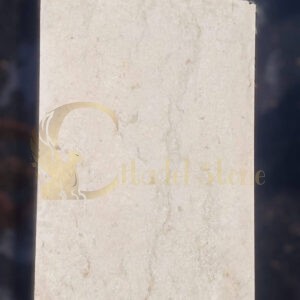
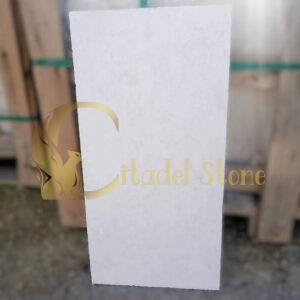
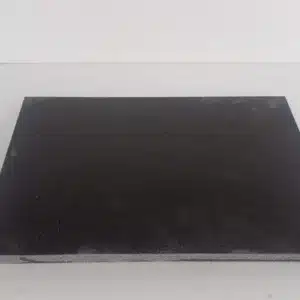
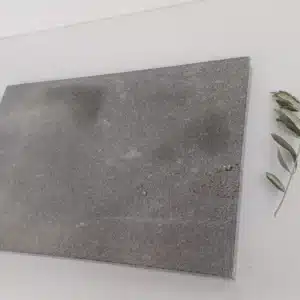
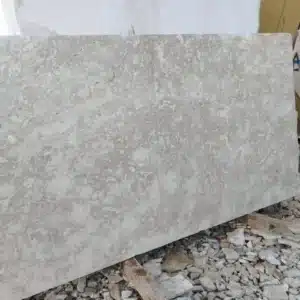
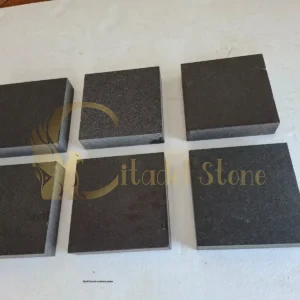
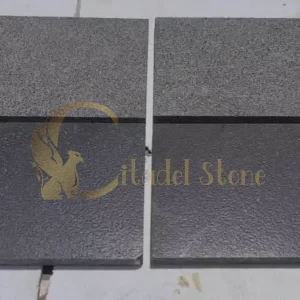
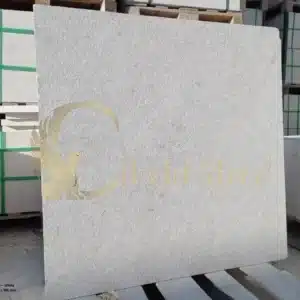
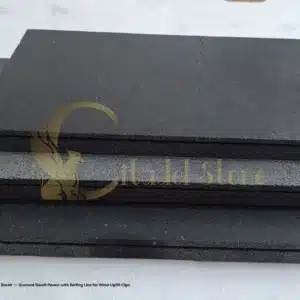
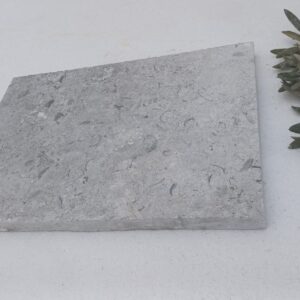
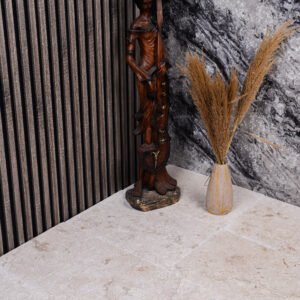
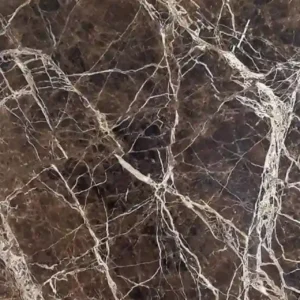
Grey paving stones in Arizona take a mechanical beating that most product specs don’t fully account for — and the culprit isn’t always the summer sun. Haboob-driven grit, hail strikes during monsoon season, and the lateral force of wind gusts exceeding 60 mph in open desert corridors all impose stress on paving systems that can split improperly bedded stones within a single storm cycle. Understanding how material density, joint geometry, and base depth work together to resist those forces is where durable grey paving stone installations in Arizona start.
Why Storm Forces Drive Material Selection for Grey Paving Stones in Arizona
Arizona’s monsoon corridor runs from roughly mid-June through September, delivering not just rain but wind shear, hail, and airborne debris traveling at speeds that can dislodge poorly anchored pavers. Grey paving stones sourced from dense natural stone — basalt, hard limestone, and granite-composite flags — absorb impact energy differently than their concrete counterparts. Natural stone’s crystalline structure distributes point loads laterally rather than concentrating stress at the impact site, which is why hail-struck natural flags rarely develop the spider-crack patterns you see in cast concrete slabs after a significant storm event.
The density threshold that matters here is a minimum of 155 lb/ft³ for any grey stone slab intended for exposed patio or driveway use in high-wind zones. Below that, you’re looking at a material that vibrates under sustained wind pressure — a phenomenon that gradually loosens the aggregate interlock in the bedding layer. Citadel Stone sources grey paving stones from quarry partners whose product consistently tests above 160 lb/ft³, and each batch is inspected for surface delamination and micro-fracture lines before it ships from the warehouse.
- Dense grey natural stone resists hail impact without surface cratering that traps moisture and accelerates freeze-thaw damage
- Interlocked joint systems reduce lateral movement under wind uplift loads compared to open-jointed or mortar-only systems
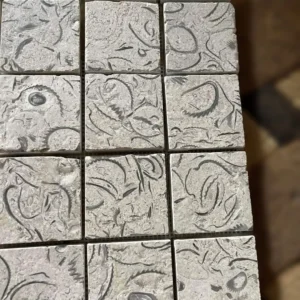
- Grey and white pavers in Arizona with a textured or riven face shed wind-driven debris more cleanly than polished formats
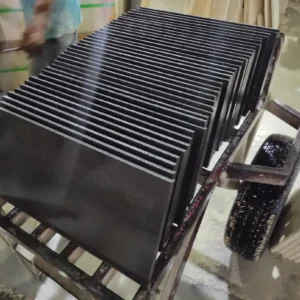
- Minimum 2-inch nominal thickness is the baseline for exposed residential applications — 2.5 inches for commercial or high-foot-traffic areas in storm-prone corridors
- Material weight per square foot (typically 22–28 lbs for 2-inch grey stone slabs) contributes passive resistance to wind uplift without mechanical fastening
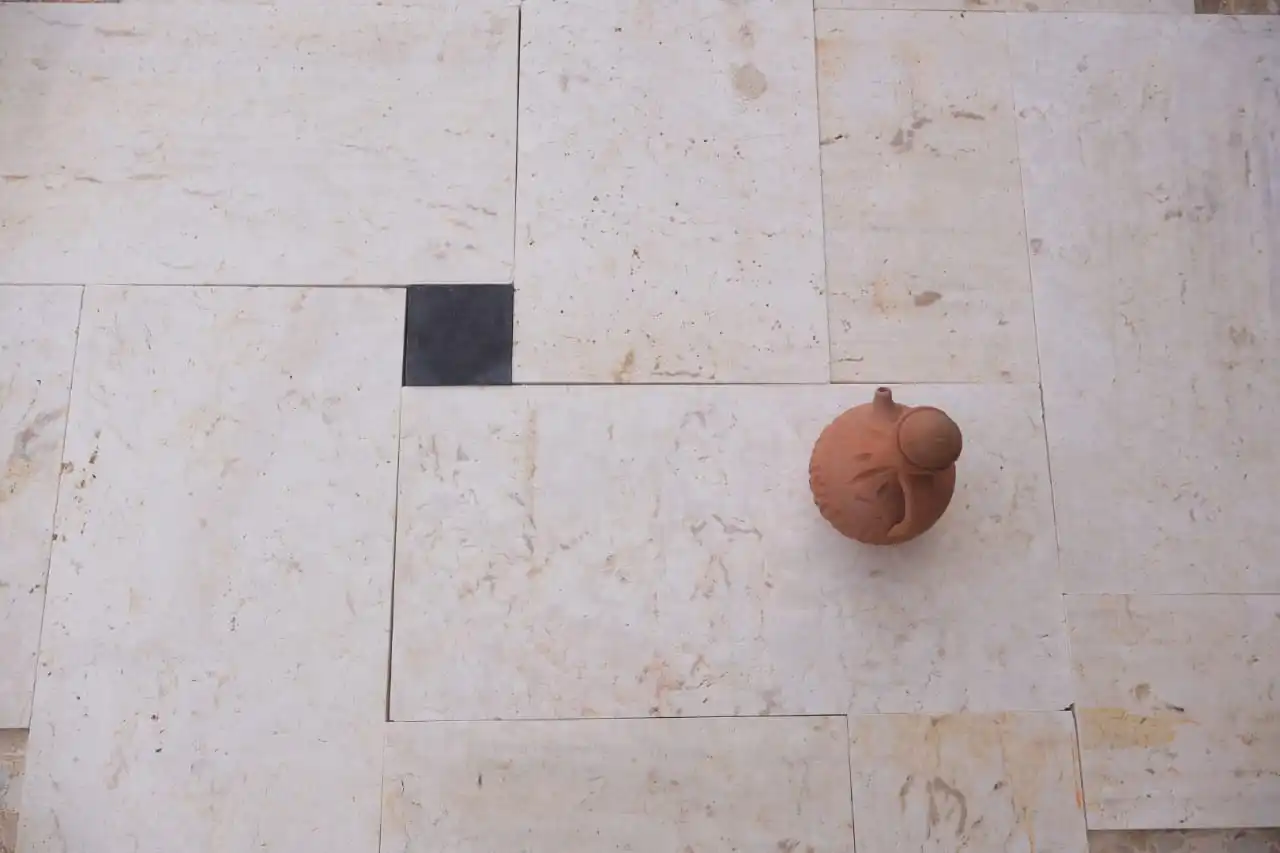
Grey Stone Slab Thickness and Base Depth for Arizona Storm Conditions
Base preparation is where most storm-related paving failures originate — not the stone surface itself. Arizona’s expansive clay soils, present in significant portions of the Phoenix metro and the Tucson basin, respond to the rapid moisture infiltration of a monsoon event by swelling up to 4–6% volumetrically. That movement translates directly to differential heave beneath your paving system if the aggregate base isn’t deep enough to buffer the soil’s dimensional change.
The minimum compacted aggregate base depth for grey paving stones in Arizona’s clay-dominant soils is 8 inches, with a 4-inch sand-setting bed on top. In areas with documented expansive soil profiles — which you can confirm through a basic Atterberg limits test or county soil survey data — going to 10–12 inches of compacted Class II base aggregate is the specification that separates 25-year installations from the ones that need releveling every four or five years. Projects in Scottsdale frequently involve decomposed granite over caliche, which provides a naturally stable sub-base but still requires proper compaction to 95% Modified Proctor density before you set the sand bed.
- 8-inch compacted base minimum for residential grey paving stone applications on standard soils
- 10–12-inch base depth required on verified expansive clay profiles
- 4-inch washed concrete sand setting bed, screeded to ±1/8 inch tolerance across any 10-foot span
- Edge restraint systems must be staked at 12-inch intervals — storm runoff undercuts loosely anchored restraints within a single season
- Geotextile separation fabric between native soil and aggregate prevents clay migration into the base, which is the primary cause of base settlement after heavy rain events
Wind-Resistant Formats: Grey Landscape Pavers and Paving Flags
Format selection has a direct bearing on how well a grey paving system holds up under wind load and storm-driven water infiltration. Smaller modular formats — grey landscape brick and grey brick pavers in the 4×8-inch and 6×9-inch ranges — create more joint lines per square foot, which increases the system’s flexibility and its ability to accommodate micro-movements without cracking individual units. Grey landscape pavers in Arizona in the larger 24×24-inch or 24×36-inch flag formats offer fewer joints but require a stiffer, more precisely prepared base to prevent rocking under point loads.
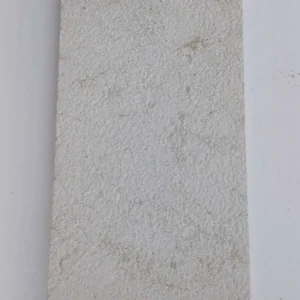
For exposed locations with high wind exposure — open desert lots, rooftop terraces, and poolside applications in Mesa and the wider East Valley — the 16×16-inch or 18×18-inch grey paving slabs hit a practical middle ground. They’re heavy enough per unit to resist uplift, small enough to tolerate minor base settlement without cracking, and their joint pattern supports kiln-dried polymeric sand which locks under vibration rather than washing out in monsoon downpours. Grey riven paving slabs in these sizes perform particularly well because the textured surface creates additional friction against lateral wind-driven forces compared to sawn-smooth formats.
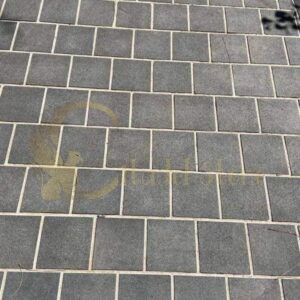
- Grey brick walkway applications benefit from herringbone or 45-degree running bond patterns, which self-interlock and resist shear forces more effectively than stack bond
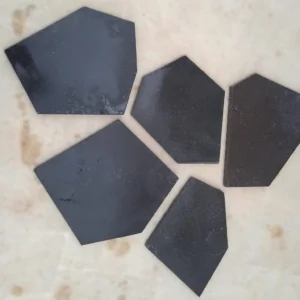
- Grey paving packs in mixed-size calibrated formats allow random-pattern installation that distributes joint lines irregularly — this prevents the aligned joint planes that can act as stress fracture pathways under hail impact
- Grey paving flags above 24×24 inches require full mortar bedding on exposed locations rather than sand-set installation — wind uplift on large-format unrestrained slabs is a documented failure mode in high-desert storm corridors
- Grey textured paving slabs also meet ASTM C1028 wet dynamic coefficient of friction thresholds (0.60+) without additional surface treatment, which matters in applications where monsoon rain creates sudden standing water
Colour Stability: Grey and White Pavers Under Arizona Weather Stress
One question that comes up consistently in project consultations is whether grey and white pavers in Arizona will maintain their tonal range after years of UV exposure, hail abrasion, and the iron-oxide staining that blowing dust can leave on light-coloured stone surfaces. The honest answer depends entirely on the stone’s mineralogy and surface porosity — and these two factors vary significantly even within the “grey” colour category.
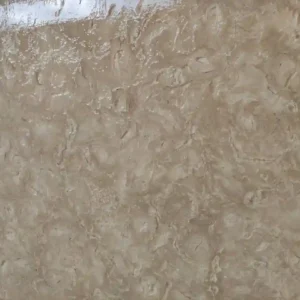
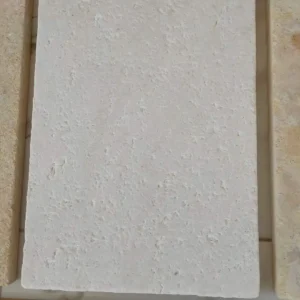
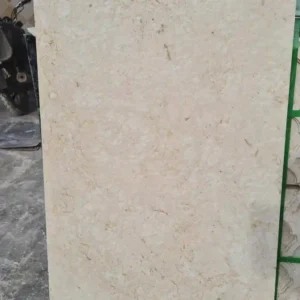
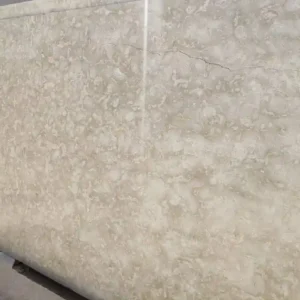
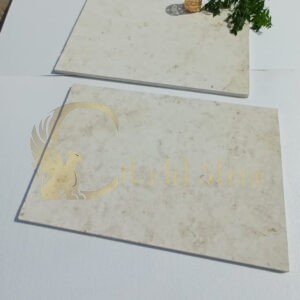
True basalt grey holds its colour exceptionally well because its colour derives from intrinsic mineral composition rather than surface oxidation or deposited minerals. Limestone-based grey paving stones, including grey and white pavers with cream-to-charcoal tonal variation, are more susceptible to surface iron staining from airborne desert particulate but respond well to penetrating silane-siloxane sealers applied at 18-month intervals. Grey landscape pavers with a honed or bush-hammered finish show less visible staining than polished formats simply because the micro-texture breaks up the reflective surface where stains tend to concentrate optically. You can request specification sheets and sample tiles from Citadel Stone before committing to a full material order, which is the right move when colour consistency across a large project area is non-negotiable.
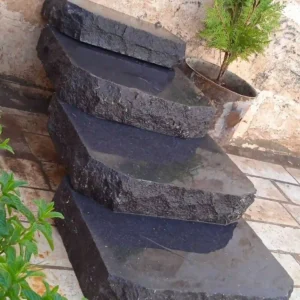
- Basalt-based grey paving stones: highest colour stability, minimal sealing requirement, excellent impact resistance
- Limestone grey flags: moderate colour stability, requires sealing every 18–24 months in dust-heavy corridors, responds well to poultice treatment for iron staining
- Grey textured paving slabs with a riven face: colour variation is natural and expected — this is not a defect but a characteristic of natural stone that actually reduces the visual impact of minor surface weathering
- Polished grey stone slabs: highest staining risk in outdoor Arizona applications — reserve these for covered patios or interior-adjacent zones with overhead protection
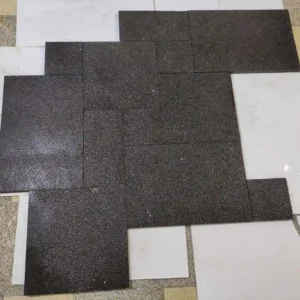
For projects where design intent requires a blend of tones, grey and white pavers laid in alternating or blended patterns read as a unified field rather than two competing colours at typical viewing distances. The contrast between warm white and cool grey also reduces the perceived surface temperature variation after storm events, which matters aesthetically when large areas of stone are viewed at oblique angles after rain.
Grey Paver Walkway and Brick Walkway Installation in Storm-Prone Zones
A grey paver walkway takes different structural risks than a patio slab — it’s a linear element that channels both pedestrian traffic and storm runoff, and those two loads don’t always act in the same direction. The key specification detail that gets missed on walkway projects is cross-slope. Your walkway surface needs a minimum 1.5% cross-slope (roughly 3/16 inch per foot) directed away from structures and toward a defined drainage path. In a 2-inch-per-hour monsoon event, a flat grey brick walkway becomes a temporary watercourse, and standing water is what ultimately degrades the setting bed and promotes efflorescence blooms on light-coloured grey stone surfaces. Grey walkway pavers in Arizona sized at 12×24 inches laid in a running bond orientation create a clean directional line that also guides drainage — the long joints run perpendicular to the slope, slowing sheet flow and directing it to the edges rather than allowing channelization down the centre.
For projects referencing complementary stonework specifications, Grey Paving Stones from Citadel Stone covers design integration details that apply directly to mixed-format Arizona installations. That format choice is a practical structural decision as much as an aesthetic one, and it applies equally to grey paver walkway layouts across residential and commercial sites throughout the state.
Edge detailing on grey paver walkways in sandy or decomposed granite soils requires rigid aluminium or steel restraint systems — plastic edging degrades under Arizona UV within 3–5 years and loses its staking capacity before the walkway’s first major hail event. For a grey brick walkway, border courses set in a contrasting orientation (perpendicular soldier course) also function as a structural edge restraint, eliminating the need for a separate product when the design allows for it.
Maintenance, Sealing, and Storm Recovery for Grey Paving Slabs
Post-storm maintenance on grey paving slabs starts with joint sand inspection within 48 hours of a significant monsoon event. Wind-driven rain at pressure angles above 30 degrees from vertical will erode polymeric joint sand at a measurable rate — typically 5–15% joint depth loss per major storm in the first year after installation. Replenishing joint sand before the next storm cycle is the single most effective preventive maintenance step for extending the life of a grey stone paving system.
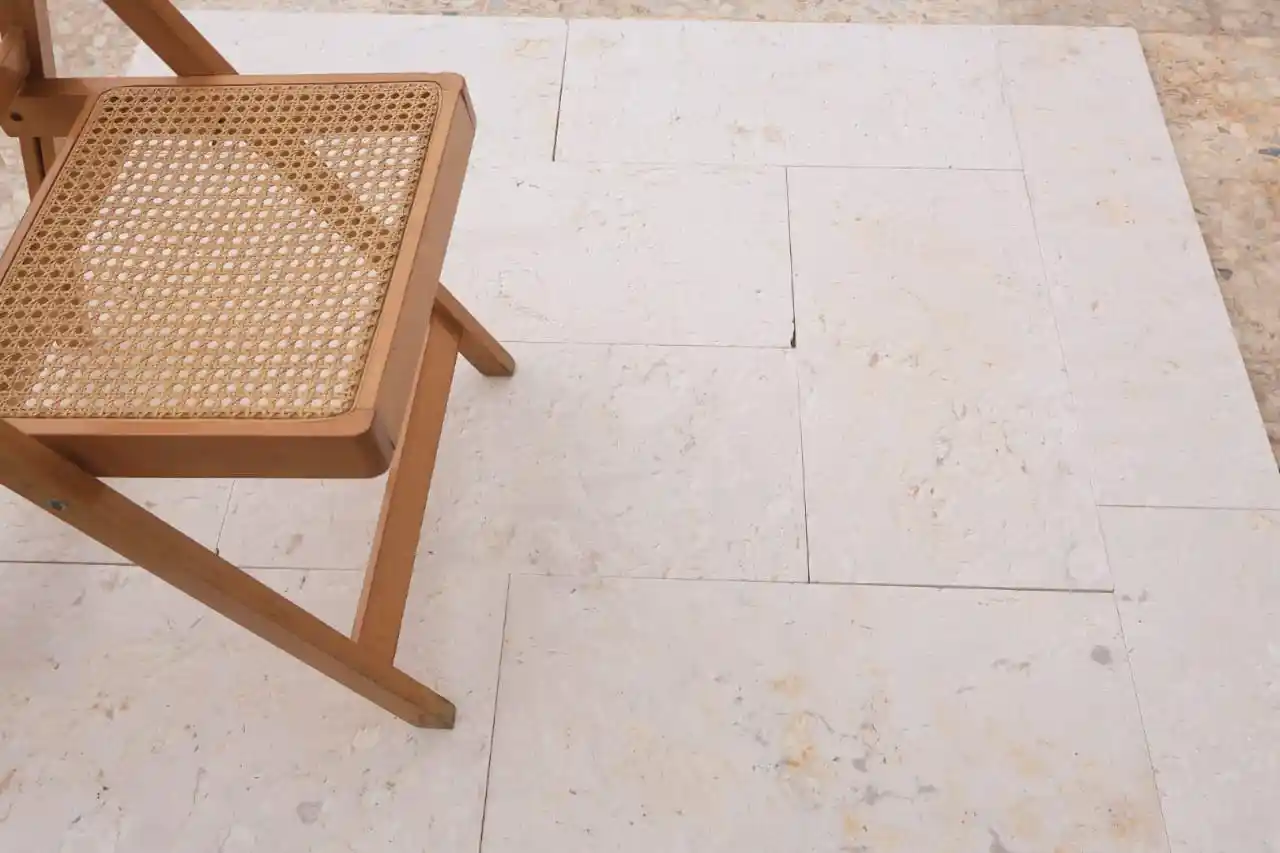
Sealing schedules for grey paving stones in Arizona’s storm-exposed environments should be triggered by an absorption test rather than a fixed calendar interval: pour a small quantity of water on the stone surface — if it absorbs in under 30 seconds, the sealer has depleted and reapplication is due. In high-exposure desert locations, this typically occurs every 18–24 months. In covered or semi-shaded applications, 30–36 months is realistic. Flagstaff installations introduce an additional variable — freeze-thaw cycles above 6,900 feet elevation accelerate sealer depletion and require a penetrating sealer rated for freeze-thaw cycling rather than the topical film-forming products that work adequately in the low desert.
- Joint sand replenishment: inspect after every storm with recorded gusts above 45 mph or rainfall above 1 inch/hour
- Surface cleaning after haboob events: dry brush first, then low-pressure rinse — high-pressure washing forces fine particulate into open pores and accelerates erosion at joint edges
- Efflorescence treatment: white calcium carbonate bloom on grey paving stones after wet events is normal and typically self-resolves with continued weathering — persistent staining responds to dilute muriatic acid solution (1:10) applied under controlled conditions with neutralisation and thorough rinsing
- Hail damage assessment: focus on edges and corners of individual units — centre-of-slab hail strikes on dense stone rarely penetrate below 1–2mm; edge chipping on thin-format units (under 1.5 inches) is more common and may require unit replacement in visible locations
Order Grey Paving Stones in Arizona — Arizona Delivery Available
Citadel Stone stocks grey paving stones for sale in standard residential and commercial formats — 12×12, 16×16, 18×18, 24×24, and 24×36 inches — with thickness options at 1.5, 2, and 2.5 inches to match your structural specification. Grey paving packs in calibrated mixed-size formats and grey riven paving slabs are available from warehouse inventory, with lead times of 1–2 weeks for in-stock items across Arizona. Grey paving stones for sale in non-standard cuts, custom dimensions, or volume orders requiring confirmed truck scheduling carry a lead time of 3–4 weeks depending on quarry sourcing cycles — planning your material order 4–6 weeks ahead of installation start is the approach that keeps projects on schedule.
You can request sample tiles and full thickness specification sheets before committing to a material order — this is standard practice for commercial projects in Phoenix and the wider metro area where multiple product options are being evaluated side by side. Trade and wholesale enquiries are handled directly through Citadel Stone’s project consultation team, who can advise on volume pricing, pallet configuration for truck delivery to your site, and any special handling requirements for large-format grey stone slabs in Arizona. For projects requiring complementary Arizona stonework, Flagstone Patio Slabs in Arizona covers a closely related product category that pairs naturally with grey paving stone installations in mixed-material outdoor designs. Homeowners in Flagstaff, Sedona, and Yuma source Grey Paving Stones through Citadel Stone for Arizona residential and commercial installations.