















UV Exposure and Natural Stone Performance in Arizona
Landscape pavers in Arizona face a degradation mechanism that most specification guides underestimate: cumulative UV photon bombardment that operates independently of air temperature. You can have a mild 75°F day in Scottsdale and still accumulate enough ultraviolet radiation to accelerate surface oxidation in iron-bearing stone, bleach pigment-stabilized concrete pavers beyond recovery, and drive silica breakdown in poorly sealed sedimentary materials. The radiation index in Arizona’s low desert routinely exceeds values recorded in southern Mediterranean climates — yet the specification practices imported from those regions rarely account for the additional UV intensity. Understanding this distinction is the foundation for selecting landscape stone pavers in Arizona that hold their appearance and structural integrity across a 20-plus year service life.
Citadel Stone sources its Arizona inventory from quarry partners whose geological formations have been evaluated not just for compressive strength, but for mineralogical UV stability — a factor that rarely appears on standard material data sheets but makes a measurable difference in long-term color retention. You should verify warehouse stock levels before committing to project timelines, particularly for custom formats, since UV-stable stone in consistent coloration runs in finite quarry batches.
How UV Radiation Degrades Paver Surfaces Over Time
The degradation pathway for unprotected stone under Arizona’s UV load follows a predictable sequence, and recognizing it early lets you intervene before replacement becomes the only option. First, UV radiation breaks down the organic compounds in any surface sealer, stripping the protective film faster than the rate of water intrusion alone would predict. Once the sealer fails — typically in 18 to 24 months without maintenance under high-UV conditions — the stone’s pore structure becomes directly exposed to photon-driven oxidation.
Iron-bearing stones like certain buff limestones and warm-toned sandstones experience the most visible consequence: surface reddening and uneven tonal shifts that cannot be reversed by cleaning. Landscape limestone slabs in Arizona with elevated iron content are particularly susceptible, since UV catalyzes the oxidation of ferrous compounds even without moisture involvement. You’ll notice this first at the edges of pavers where the factory-cut surface is most exposed, while the face finish retains its original color slightly longer.
- UV-driven sealer breakdown accelerates above 6,000 UV index hours annually — Arizona’s Phoenix corridor regularly exceeds this threshold
- Color shift in iron-bearing stone becomes visible after 3 to 5 years without UV-protective sealing treatment
- Crystalline stone structures (granite, quartzite) resist UV photon penetration more effectively than sedimentary alternatives
- Surface texture matters: honed finishes expose more uniform crystal faces, reflecting UV more consistently than rough-sawn surfaces
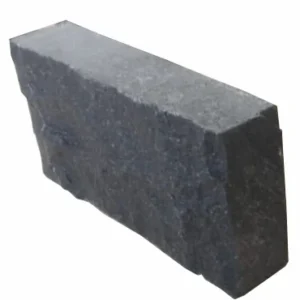
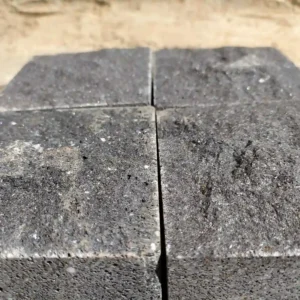
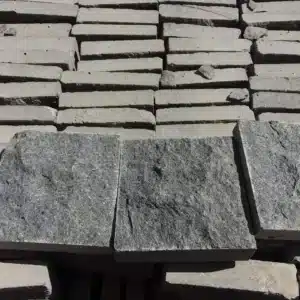
- Landscape rock slabs in Arizona with natural cleft finishes trap heat and UV in micro-recesses, accelerating localized oxidation at the surface level
Selecting Landscape Pavers for UV Resistance in Arizona
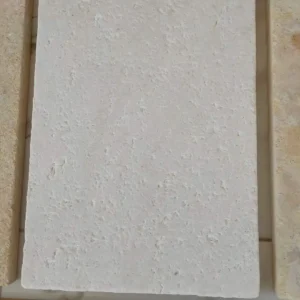
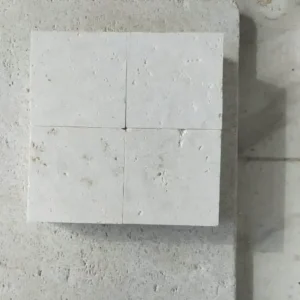
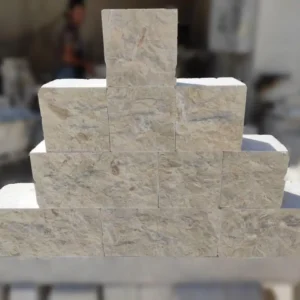
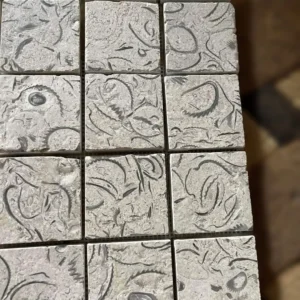
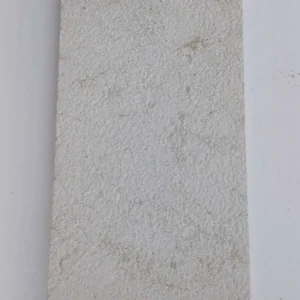
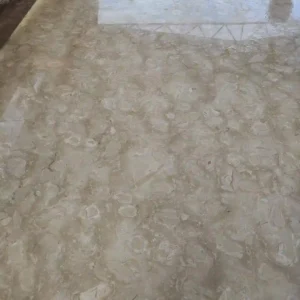
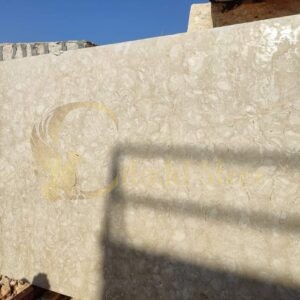
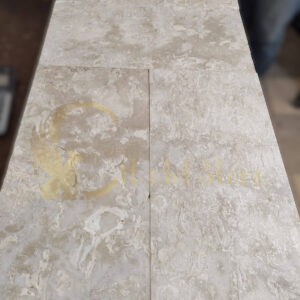
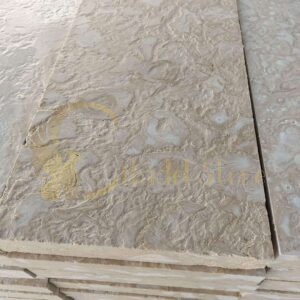
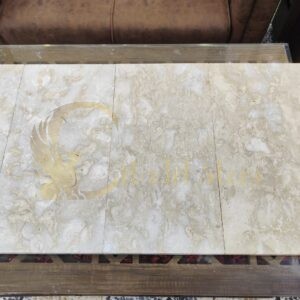
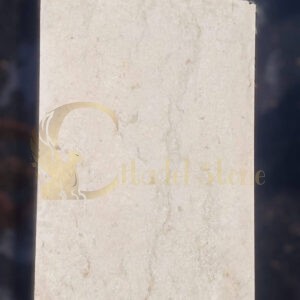
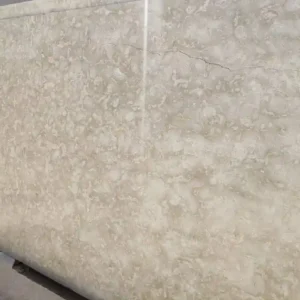
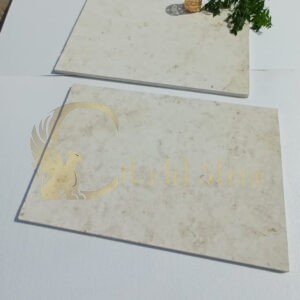
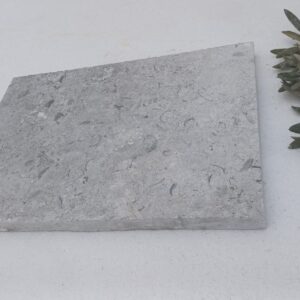
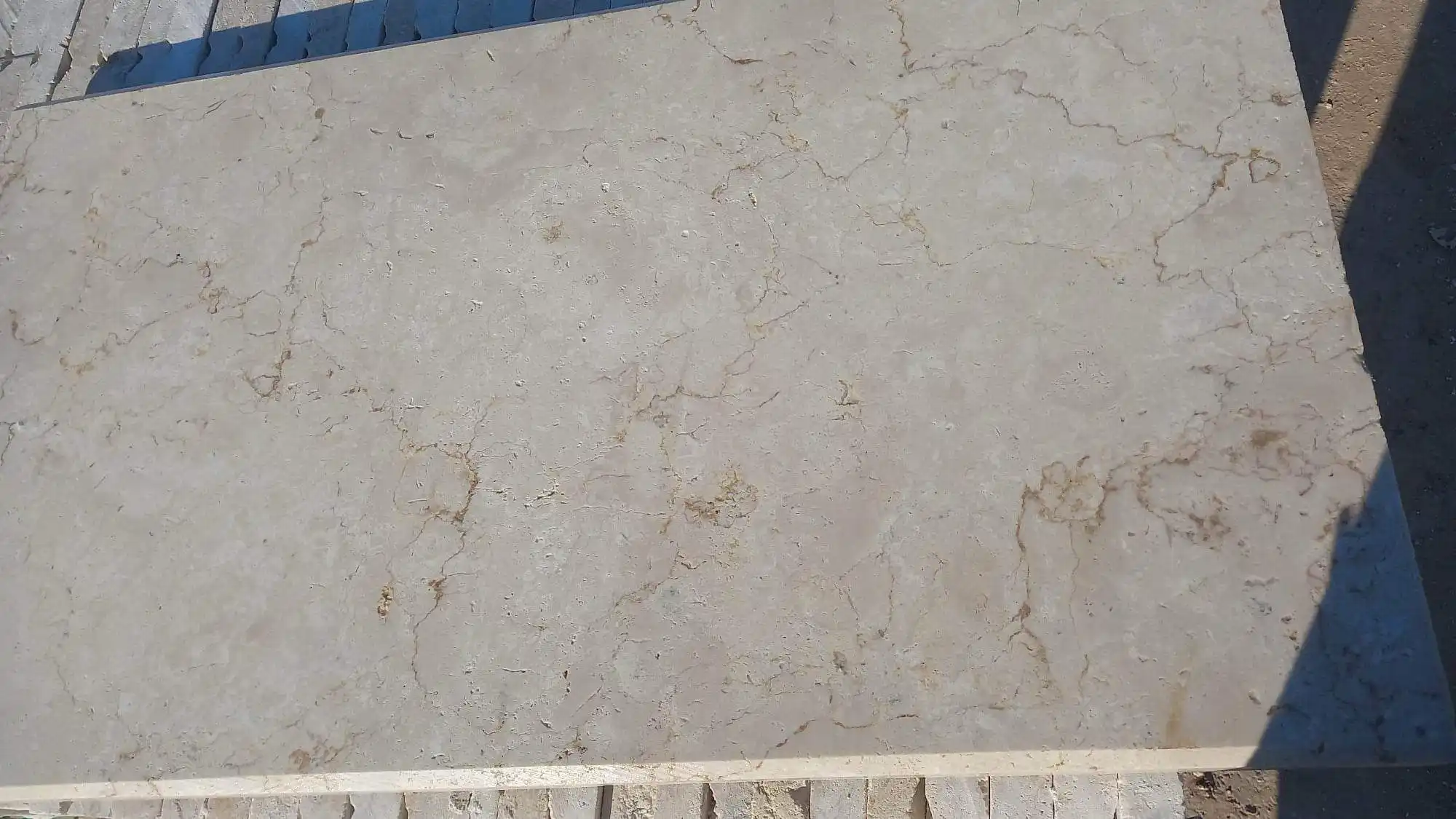
Your material selection decision should prioritize mineralogical stability before aesthetics — though the two are not mutually exclusive. Travertine and dense limestone with low iron content represent the most reliable choices for landscape pavers in Arizona when UV resistance is the primary specification criterion. These materials exhibit a calcium carbonate matrix that is relatively UV-inert, meaning the photon energy that destroys organic binders and oxidizes iron compounds has minimal chemical effect on the stone’s primary mineral composition.
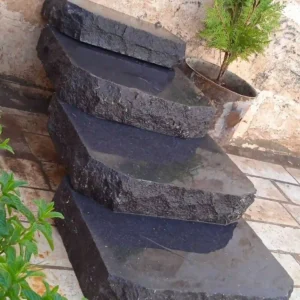
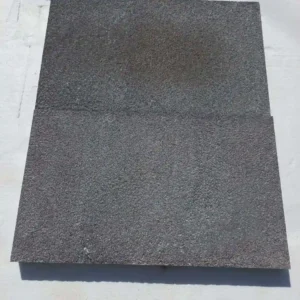
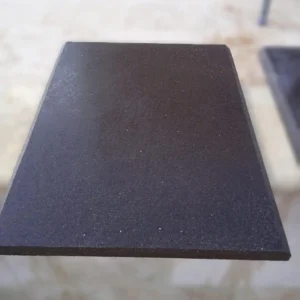
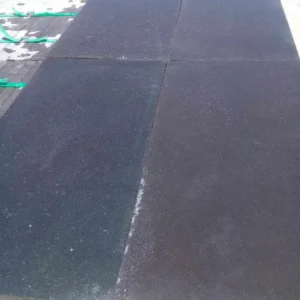
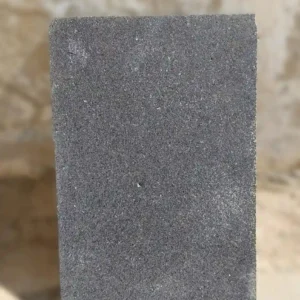
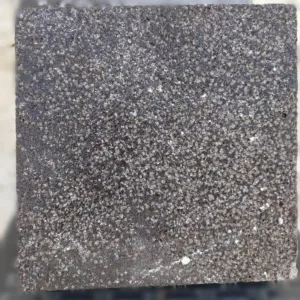
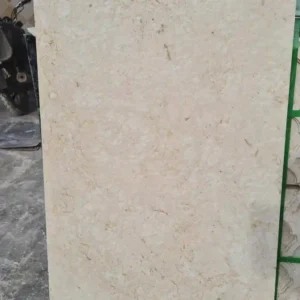
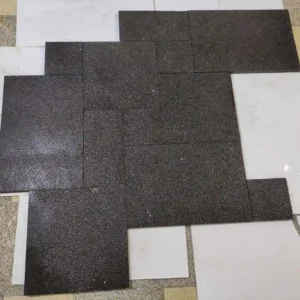
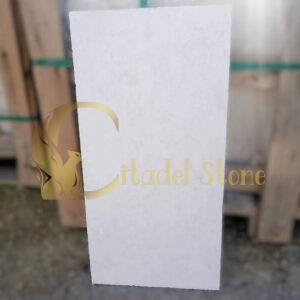
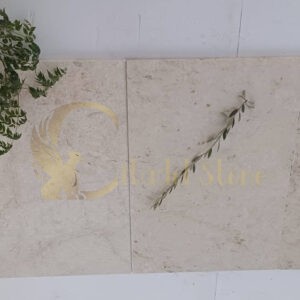
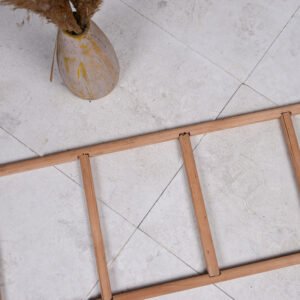
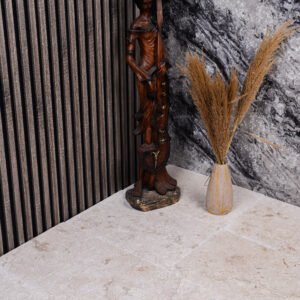
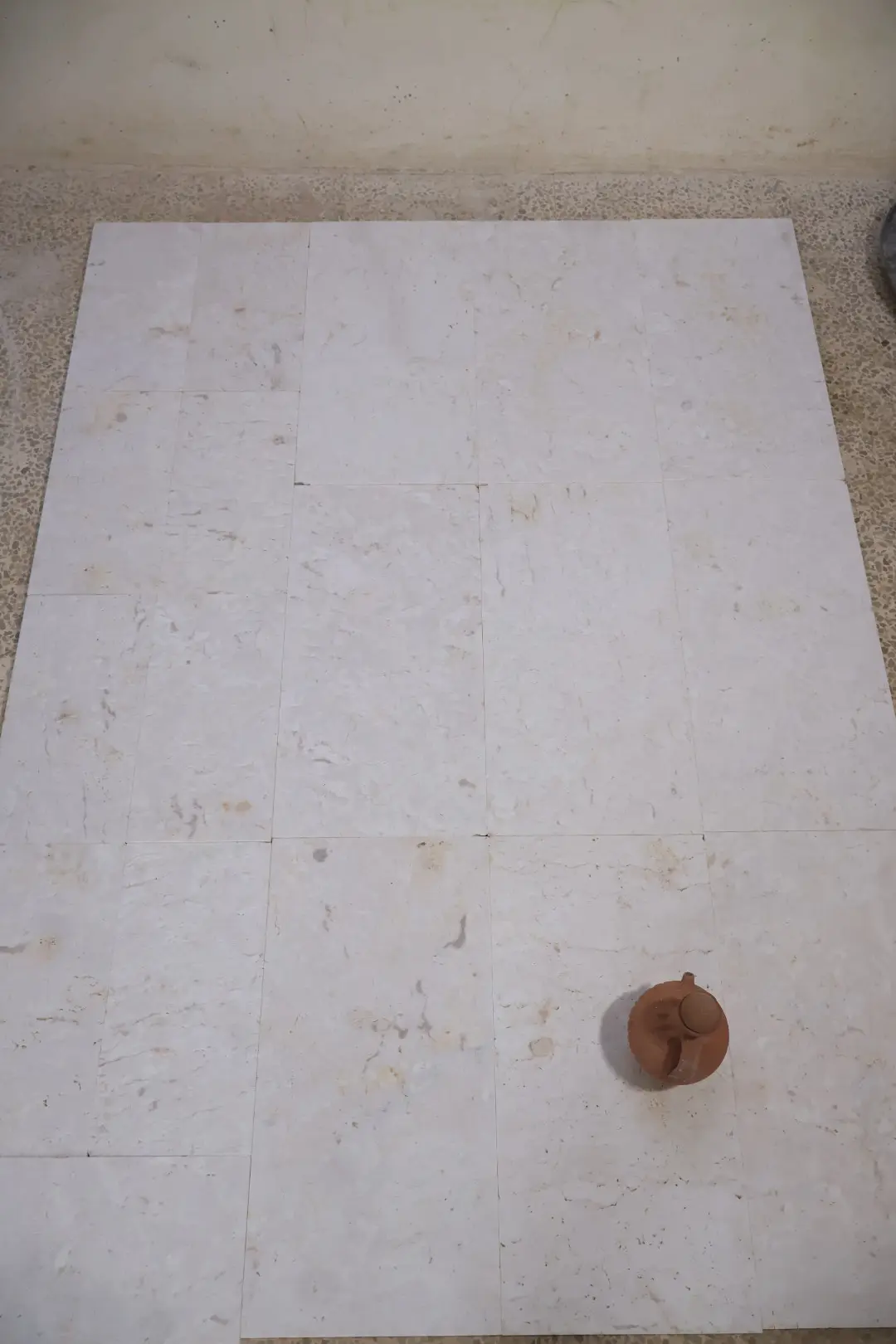
Landscape stone pavers in Arizona made from light-colored calcite-dominant stone — cream, ivory, and warm white travertine — also benefit from high solar reflectance. Surface albedo values above 0.55 for light travertine mean the stone reflects rather than absorbs a significant portion of incoming UV and visible radiation. This directly reduces surface temperature under identical exposure conditions, which in turn slows the thermal cycling that opens micro-fractures at grain boundaries over time. In Phoenix, surface temperature differentials between light travertine and dark basalt pavers under summer conditions regularly exceed 35°F — a practical consideration that affects both material longevity and occupant comfort on patio surfaces.
- Travertine with a nominal porosity below 3% resists UV-driven surface spalling more effectively than higher-porosity alternatives
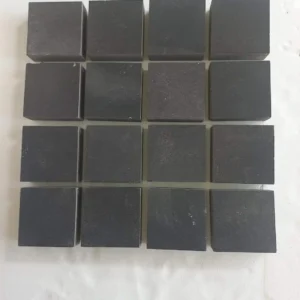
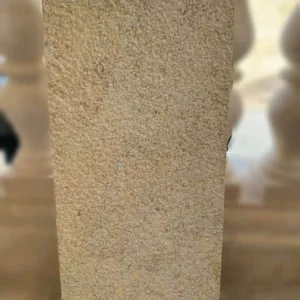
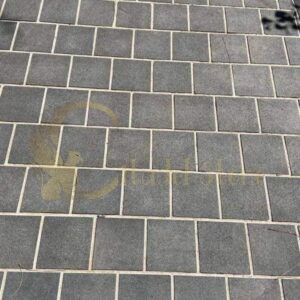
- Landscape patio pavers in cream or buff tones maintain apparent color fidelity longer than charcoal or slate-toned materials under equivalent UV load
- Avoid composite or reconstituted stone in Arizona’s UV environment — the binding resins degrade significantly faster than the aggregate component
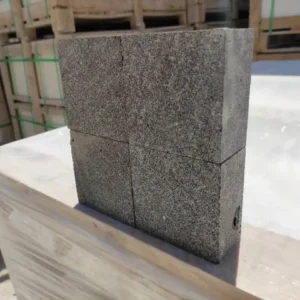
- Landscape rock pavers in Arizona made from quartzite offer exceptional UV stability due to the crystalline silica matrix, though hardness requires diamond-tipped cutting equipment during installation
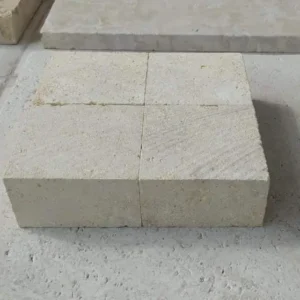
- Hardscape brick pavers in Arizona made from fired clay perform better under UV than concrete pavers, since mineral pigments are more UV-stable than chemical colorants
Base Preparation and Drainage for Arizona Paver Installations
Base preparation in Arizona’s desert soils involves a variable that UV-focused specifications sometimes overlook: caliche. This calcium carbonate hardpan layer — common at depths of 12 to 30 inches across much of the Sonoran Desert — creates drainage complications that directly affect how UV-stressed pavers perform at the surface. Trapped moisture beneath a caliche layer generates hydrostatic pressure that accelerates paver displacement, and displaced pavers expose fresh stone surfaces to UV without the benefit of a factory-sealed face.
For landscape walkway pavers and landscape paver patios in Arizona, your compacted aggregate base should sit at a minimum of 6 inches over native soil, increasing to 8 inches where caliche is confirmed absent and soil expansion from monsoon saturation is the primary concern. In Tucson, the combination of expansive clay pockets and intense summer monsoon cycles means drainage geometry is as important as base depth — a 1% to 1.5% cross-slope toward defined collection points prevents the standing water that undermines joint sand and accelerates freeze-thaw micro-damage in the rare winter cold snaps that reach the Santa Cruz Valley.
Getting the subgrade geometry right at this stage is the single intervention that most separates 25-year installations from the ones that require releveling within a decade. For projects requiring complementary stone element specifications, Landscape pavers from Citadel Stone covers the comparative performance data between brick and natural stone bases that applies directly to Arizona’s soil and UV conditions.
- Minimum 6-inch compacted aggregate base for residential landscape paver patio applications; 8 inches for vehicular-rated hardscape paving in Arizona
- Use angular crushed aggregate, not rounded river rock — interlocking faces in angular material resist lateral creep under thermal expansion cycles
- Caliche layers below the base can be mechanically perforated at 18-inch intervals to allow vertical drainage without full removal
- Bedding sand layer should be 1 inch nominal, never exceeded — oversized sand beds compress unevenly under point loads
- Landscape stepping stones in isolated applications require individual compaction verification, not just perimeter preparation
Format Selection and Layout Patterns for Arizona Hardscapes
Format decisions for hardscape patio installations in Arizona carry more technical weight than aesthetic preference alone. Larger-format landscape slabs in Arizona — 24×24 inch and above — expose more surface area to uniform UV radiation, which is advantageous from a sealer longevity standpoint since the ratio of joint area to face area decreases. Fewer joints mean fewer UV-vulnerable sealer-to-stone interfaces and reduced infiltration pathways for the alkaline dust that accumulates in joint sand during dry season and catalyzes surface staining when seasonal rains finally arrive.
Landscape paving slabs in modular formats (12×24, 16×24) offer a practical middle ground — easier to handle during truck delivery without a crane, more forgiving of base irregularities, and compatible with the running bond and modified herringbone patterns that distribute point loads most evenly across compacted bases. Hardscape paving in Arizona for residential patio applications most commonly uses 2-inch nominal thickness, which provides adequate compressive strength for pedestrian and light furniture loads while remaining manageable for two-person installation teams.
- Large-format landscape slabs in Arizona reduce joint frequency and associated UV sealer vulnerability at joint interfaces
- Landscape border pavers in 4×8 or 6×9 inch formats create edge definition that contains joint sand and resists UV-driven efflorescence migration from interior field pavers
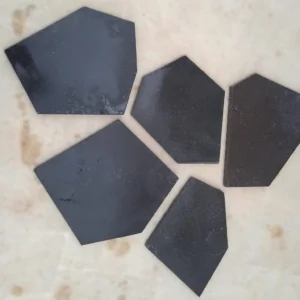
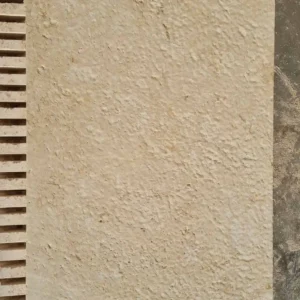
- Irregular flagstone formats require larger bedding sand tolerances — account for thickness variation of ±3/8 inch in most natural-cleft landscape rock slabs in Arizona
- Landscape paver edging in Arizona installed with a mechanical restraint system prevents the lateral creep that UV-softened joint sand cannot resist alone
- Landscaping paver bricks in running bond transfer loads more evenly than stacked bond patterns — avoid stacked bond in any hardscape paving application in Arizona
Retaining Walls and Landscape Edging Blocks in Arizona
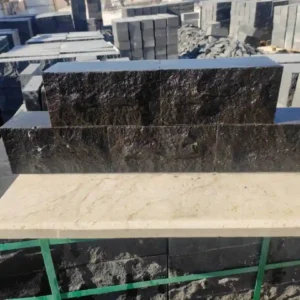
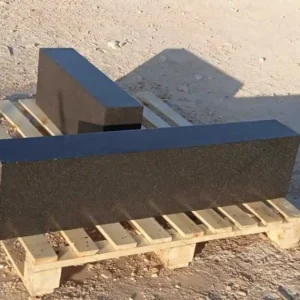
Retaining wall applications add a structural dimension that UV exposure affects differently than flat paving surfaces. Heavy retaining wall blocks in Arizona experience UV degradation primarily at the exposed face, where color shift and surface carbonation occur at rates dependent on the wall’s solar orientation. South and west-facing wall faces in Scottsdale receive the highest cumulative annual UV dose — often 15 to 20% higher than north-facing walls on the same property — meaning your sealing schedule for these faces should be decoupled from the general paving maintenance calendar.
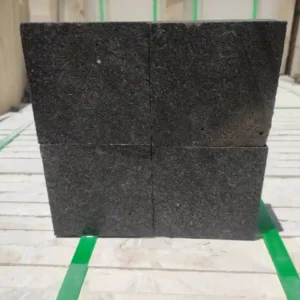
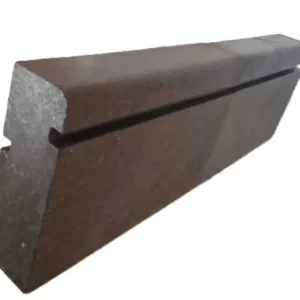
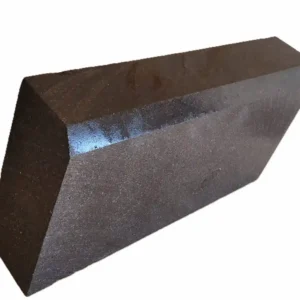
Landscape blocks for edging in Arizona that transition between paved areas and planted beds require particular attention to the soil-contact face. UV doesn’t reach the buried portion, but biological processes at the soil interface — root pressure, moisture cycling, and organic acid activity — create a different degradation mechanism that operates in parallel with UV exposure on the above-grade face. Specifying a landscape edging block in Arizona with a minimum density of 150 lbs/ft³ addresses both exposure contexts: dense stone resists UV surface carbonation above grade and organic acid penetration below grade.
Landscape pavers retaining wall installations above 3 feet require engineered batter calculations and geogrid reinforcement in most Arizona municipal jurisdictions — this is independent of material selection but affects your stone format choices since geogrid integration requires specific block geometry. Landscaping paver walkways adjacent to retained slopes need special attention to drainage swales that prevent wall toe erosion during monsoon events.
- West-facing retaining wall faces require UV-stable sealers with a reapplication cycle of 12 to 18 months, not the standard 24-month schedule
- Landscape paver edging at garden bed transitions should extend 2 inches below finish grade to resist frost-related uplift in higher-elevation Arizona zones
- Heavy retaining wall blocks above 80 lbs each require truck-mounted boom delivery — confirm site access before finalizing block dimensions
- Landscape pavers retaining wall faces in tan and buff tones maintain visual consistency better than dark-toned blocks under Arizona’s UV bleaching effect
Sealing and Maintenance Under Arizona UV Conditions
Sealing protocol for landscape stone pavers in Arizona is where most long-term performance failures originate — not in the initial sealer selection, but in the timing and frequency of reapplication. Standard manufacturer guidance for penetrating sealers typically cites 3 to 5 year reapplication cycles, calibrated for temperate climates with moderate UV exposure. Arizona’s UV environment effectively compresses that cycle to 18 to 24 months for exposed horizontal surfaces, and 12 to 18 months for south and west-facing vertical faces on retaining walls and step risers.
The sealer type matters as much as the schedule. Silane-siloxane penetrating sealers outperform topical acrylic sealers in high-UV conditions because they work within the stone’s pore structure rather than forming a surface film. UV radiation degrades the surface film of acrylic topical sealers visibly — you’ll see whitening, peeling, and eventual delamination — while penetrating sealers fail invisibly, losing water repellency without obvious surface change. The practical implication is that you need a water bead test every 12 months to determine reapplication timing for penetrating-sealed landscape limestone slabs in Arizona, rather than relying on visual inspection alone.
In Flagstaff, the elevation factor introduces freeze-thaw cycles that don’t affect Phoenix or Tucson projects — here, sealer selection must balance UV stability with vapor transmission, since a sealer that traps winter moisture below the stone surface will cause spalling when that moisture freezes. Flagstaff landscape pavers benefit from a breathable penetrating sealer with a minimum vapor transmission rate of 10 perms to allow seasonal moisture equilibration.
- Perform water bead test annually on all landscape paving slabs in Arizona — reapply sealer when beading angle drops below 60 degrees
- Clean stone with pH-neutral detergent before resealing — alkaline cleaners etch calcium carbonate in limestone and travertine
- Apply sealer during cooler morning hours (below 85°F surface temperature) to prevent rapid solvent evaporation that leaves uneven penetration depth
- Landscape walkway pavers in shaded locations may extend their sealing cycle to 30 months — UV exposure, not just time, drives sealer degradation
- Joint sand should be inspected and topped off annually — UV-driven sand displacement is cumulative and accelerates joint destabilization
Order Landscape Pavers in Arizona — Direct Supply from Citadel Stone
Citadel Stone stocks landscape pavers in Arizona in standard formats including 12×12, 16×16, 12×24, and 24×24 inch field pavers, with 2-inch and 3-inch thickness options available from warehouse inventory for most product lines. Landscaping paver walkways, landscape patio blocks, and landscape border pavers in Arizona are maintained as standing stock, reducing lead times to 5 to 10 business days for standard orders across Arizona delivery zones. You can request sample tiles and full thickness specification sheets before committing to a volume order — this is standard practice for any project where UV color retention is a primary selection criterion, since color consistency across production batches varies and in-hand samples are the most reliable verification method.
For trade and wholesale enquiries, Citadel Stone’s team can advise on volume pricing, truck delivery scheduling, and project-specific lead times for non-standard formats or specialty finishes. Landscape pavers for sale in high-volume commercial quantities are available through a direct quote process — contact Citadel Stone with your project dimensions, paver format, and preferred finish to receive a material estimate and delivery timeline. Sourced from established quarry partners, each batch of landscape stone pavers in Arizona undergoes consistency checks before warehouse release, so the material arriving by truck to your project site matches the approved sample.
Your broader Arizona stone project may involve more than one surface type — beyond standard field pavers, complementary irregular formats offer design flexibility for transitional zones and organic garden path applications. Landscape patio blocks and landscaping paver blocks in Arizona work especially well when paired with irregular accent stone at entry points and garden transitions. Irregular Pavers in Arizona covers another dimension of Arizona hardscape specification worth reviewing as you finalize your full material scope. Homeowners in Flagstaff, Sedona, and Yuma source Landscape pavers through Citadel Stone for Arizona residential and commercial installations.