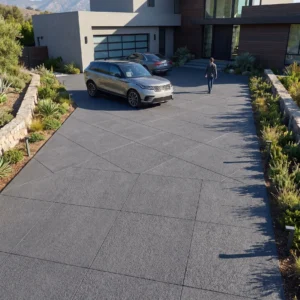
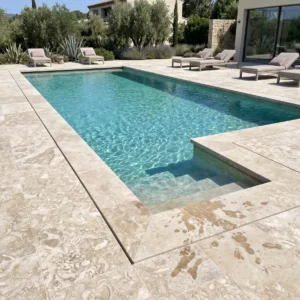

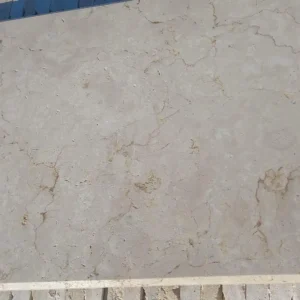
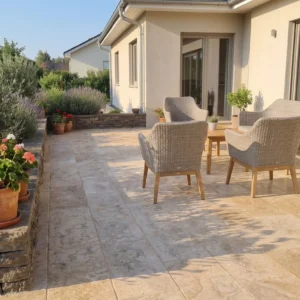

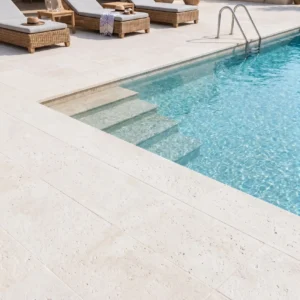
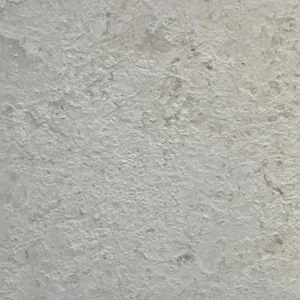
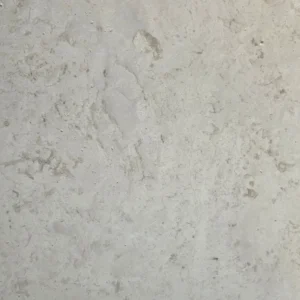
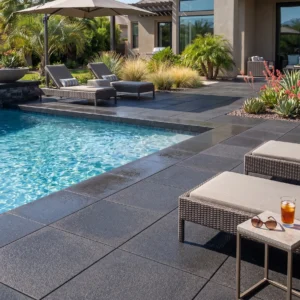
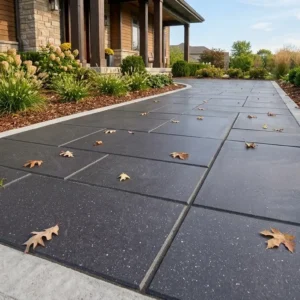

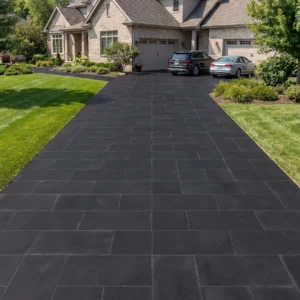
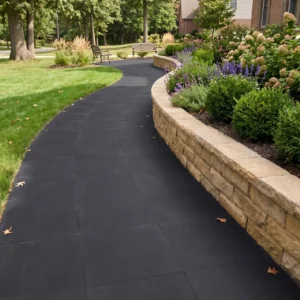





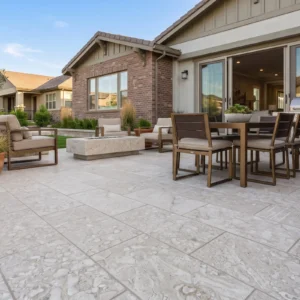
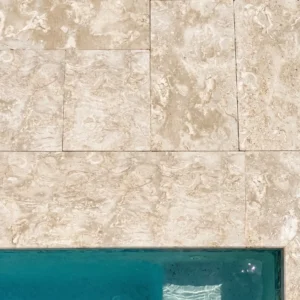
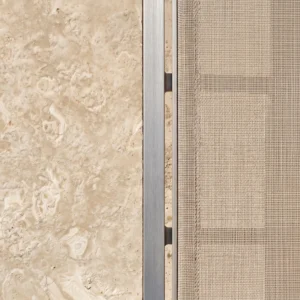
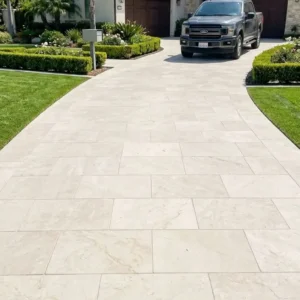
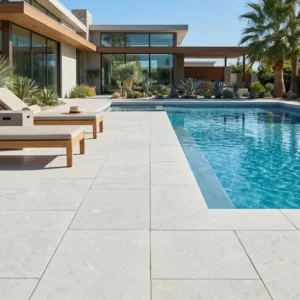


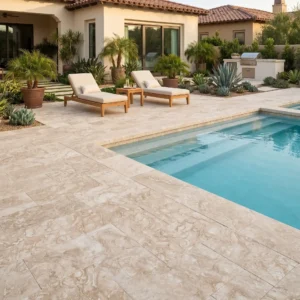
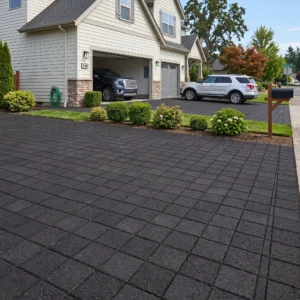

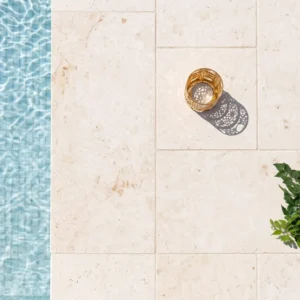
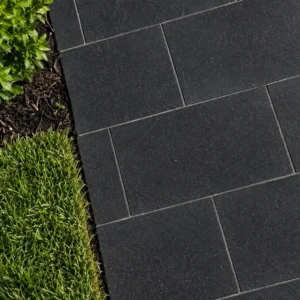
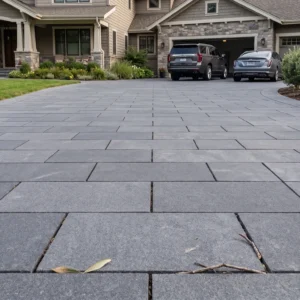
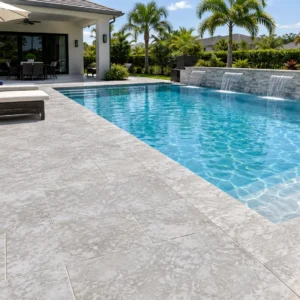



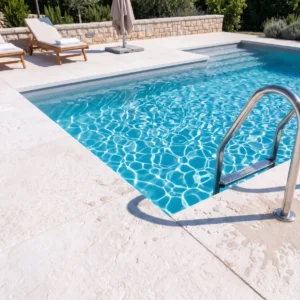
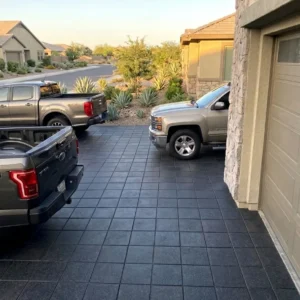
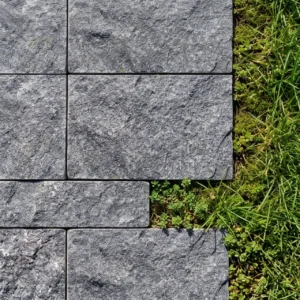
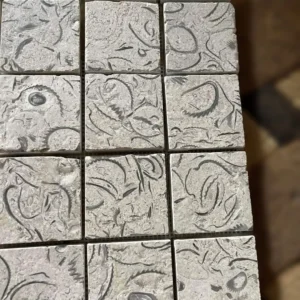

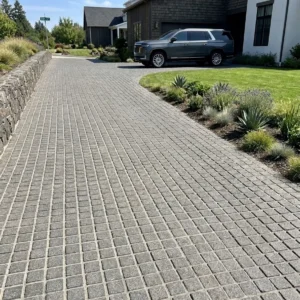
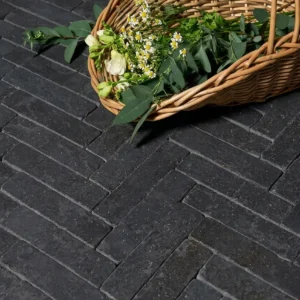
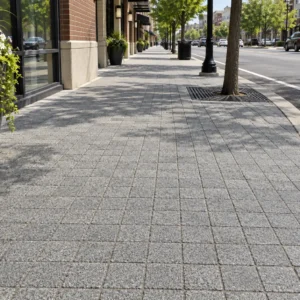
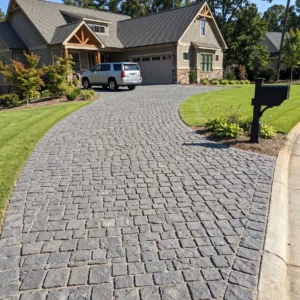
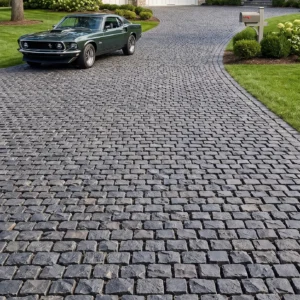

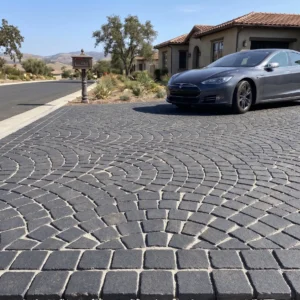


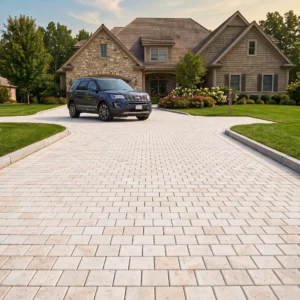
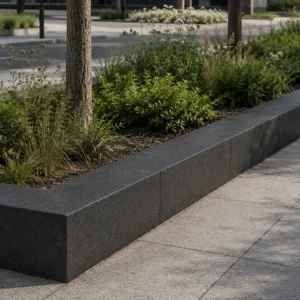
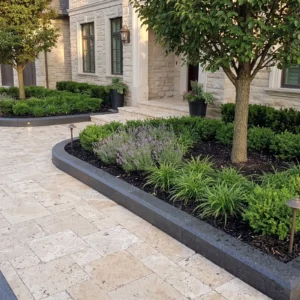
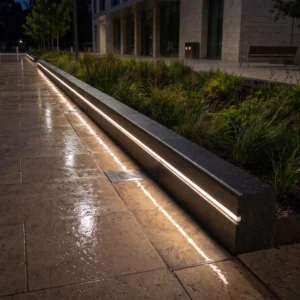
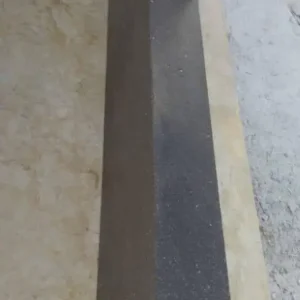
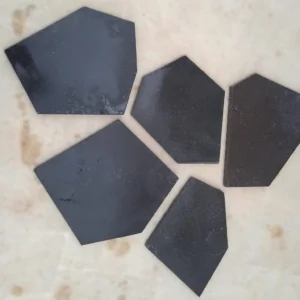



Specifying irregular pavers in Arizona starts with understanding how the state’s dominant design vocabularies — desert modernism, Spanish Colonial revival, and Sonoran Ranch — each demand different stone character, not just different colors. The angular, unpredictable edges of irregular shaped pavers in Arizona work with these architectural traditions rather than against them, creating surfaces that feel deliberate rather than manufactured. Getting that balance right means selecting stone that carries the right tonal range, surface texture, and mass for the surrounding palette before you ever discuss base depth or mortar type.
How Arizona’s Design Traditions Shape Irregular Paver Selection
Arizona’s built environment draws heavily from the land itself — warm ochres, rusted terracottas, sage tones, and the deep blue-grey of shaded canyon walls. Your irregular patio pavers in Arizona need to read as belonging to that palette, not fighting it. Bluestone, slate, and select limestone each occupy a specific position in that color spectrum, and choosing wrong means your hardscape competes with the architecture instead of anchoring it.
Desert modernism — the clean horizontal lines and stucco planes you see throughout Scottsdale — pairs exceptionally well with irregular bluestone pavers in Arizona. The cool blue-grey tones of quality bluestone contrast the warm stucco without clashing, and the irregular format softens what could otherwise feel like a rigid geometry. Specifiers working on this style should look for bluestone with consistent thickness but genuinely varied face dimensions — the randomness is the point.
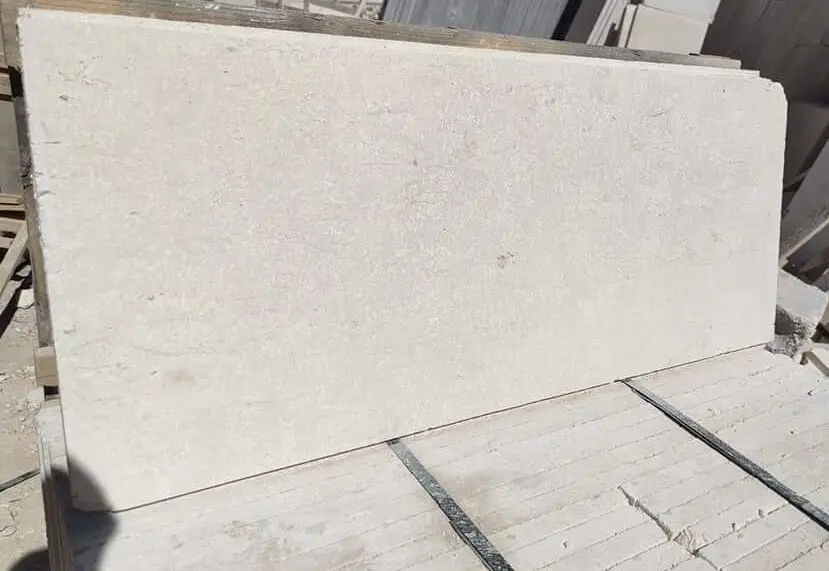
Spanish Colonial and Hacienda-style projects call for something warmer. Irregular slate pavers in Arizona in rust, copper, and charcoal blends read as authentic to that tradition in a way that uniform concrete pavers simply can’t replicate. The layered, cleft surface of slate reflects how traditional Mexican and Southwest builders worked — using locally sourced stone with natural variation as a feature, not a defect.
- Desert modernism: cool-toned bluestone or grey slate with tight irregular joints for a refined aesthetic
- Spanish Colonial: warm rust and copper slate or sandstone-toned limestone in broader irregular formats
- Sonoran Ranch: earthy buff limestone or mixed-tone irregular paving slabs in Arizona with wider joints and a relaxed layout
- Contemporary Organic: mixed-color irregular shaped pavers in Arizona that echo the natural boulder field aesthetic of the Sonoran desert floor
Irregular Paving Slabs in Arizona — Material Performance Essentials
The design conversation matters enormously, but you can’t separate aesthetics from performance in a climate where summer surface temperatures regularly exceed 150°F on south-facing exposures. Irregular paving slabs in Arizona need to handle thermal cycling without spalling or joint deterioration, which directly affects which stone types are viable choices and which ones will disappoint you within five years.
Bluestone in the 1.5-inch to 2-inch thickness range handles Arizona’s thermal load reliably when properly bedded. The material’s relatively low porosity means it doesn’t trap the moisture that drives freeze-thaw damage in higher-elevation installs — request the absorption test report for the batch you are buying. For projects in Flagstaff, where freeze-thaw cycles are a real consideration unlike the low desert, that porosity number matters more than it does in Phoenix — spec the denser cuts and apply a penetrating sealer annually rather than on a biennial schedule.
Slate carries some specific trade-offs worth understanding. The layered cleavage planes that give slate its beautiful irregular character also create a delamination risk when the stone is subjected to prolonged moisture saturation followed by rapid drying — a pattern that occurs during Arizona’s monsoon season. Specifying a slate with a minimum density of 168 lb/ft³ and keeping joints tight enough to prevent pooling beneath the surface will significantly extend service life.
- Bluestone absorption: request the test report for the batch you are buying — low enough for most Arizona elevations with appropriate sealing
- Slate density target: 168 lb/ft³ minimum for monsoon-zone applications
- Limestone for irregular formats: specify a minimum compressive strength of 4,000 PSI to handle point loads from foot traffic on irregular faces
- Thermal expansion of natural stone — expansion joints every 10–12 feet in full-sun desert installations
- Irregular paver patio in Arizona at elevations above 5,000 feet: prioritize ASTM C616 freeze-thaw compliance testing when selecting stone
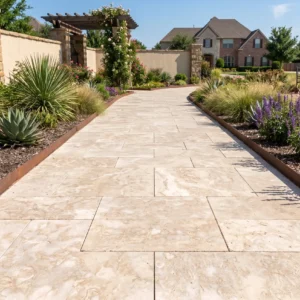
Designing an Irregular Bluestone Walkway in Arizona
An irregular bluestone walkway in Arizona succeeds or fails at the layout stage, long before installation begins. The temptation with irregular shaped paver stones in Arizona is to simply scatter pieces and fill gaps — that approach produces a chaotic result that reads as an installation mistake rather than a design choice. Intentional irregular work follows a loose grid logic where the largest pieces anchor the pattern and smaller fragments fill secondary zones.
Your walkway layout should start with the dominant face sizes — pieces in the 18-by-24-inch to 24-by-30-inch range — positioned at 36-inch to 48-inch intervals along the primary travel line. Smaller irregular pieces fill the spaces between, but the key is maintaining a relatively consistent joint width of ¾ inch to 1¼ inch throughout. Wildly varying joint widths are what make amateur irregular work look unfinished. Consistent joint width is the discipline that separates a high-end result from a confusing one.
Citadel Stone stocks irregular patio pavers in Arizona-compatible thickness ranges — primarily 1.5-inch and 2-inch nominal — in both bluestone and slate formats, and you can request sample pieces before committing to a full project volume. Reviewing actual material samples under your site’s lighting conditions matters more than any catalog photo, particularly for projects where the stone will be viewed under intense Arizona afternoon sun that can wash out subtle tonal variation. For specification details that apply to base preparation and pattern layout in similar Arizona site conditions, Irregular Pavers from Citadel Stone covers the full range of material and installation considerations relevant to this region.
- Primary anchor pieces: 18×24 to 24×30 inches, placed at major stepping intervals
- Secondary fill pieces: 10×14 to 14×18 inches, used to complete the irregular matrix
- Joint width target: ¾ inch to 1¼ inch — consistency matters more than a specific number
- Minimum walkway width for comfortable two-person passage: 48 inches with irregular layouts (wider than uniform paver minimums due to the visual complexity of irregular edges)
- Stepping distance for natural gait on irregular formats: place dominant pieces at 24-inch center spacing along the primary travel line
Base Preparation for Irregular Patio Pavers in Arizona
The base system under your irregular paver patio in Arizona determines long-term performance more than any surface specification. Arizona’s soils range from the sandy, well-draining alluvial deposits common in the low desert around Phoenix to the expansive clay-heavy profiles found at higher elevations — and these profiles behave completely differently under a rigid stone surface. You need to know your soil classification before you spec base depth.
For sandy, non-expansive soils, a compacted aggregate base of 4 inches under a ¾-inch dry-pack mortar setting bed gives you a stable platform for irregular shaped pavers in Arizona. Expansive clay soils require a minimum 6-inch compacted aggregate base with a geotextile fabric layer at the subgrade interface to prevent migration. Skip that fabric layer on clay soils and you’ll be relaying sections within three years as differential settlement opens up visible step-downs between larger irregular pieces.
The setting method for irregular paving slabs in a patio context matters too. Dry-pack mortar — a stiff mix with very low water content — gives you the adjustability you need to bring irregular thickness variations into a consistent plane. Full wet mortar beds are harder to level when you’re working with pieces that vary 3/8 inch or more in thickness, which is normal for cleft natural stone formats.
- Sandy alluvial soils (Phoenix metro): 4-inch compacted Class II aggregate base minimum
- Clay-expansive soils: 6-inch compacted base plus geotextile separation layer at subgrade
- Caliche hardpan: scarify top 2 inches and compact in place — caliche makes a superior natural sub-base when properly conditioned
- Setting bed: ¾-inch dry-pack mortar (not wet mortar) for irregular thickness natural stone
- Curing time before foot traffic: 72 hours minimum in summer heat — mortar sets faster in high heat, but full cure strength requires the full period
Sealing Irregular Pavers in Arizona’s Climate
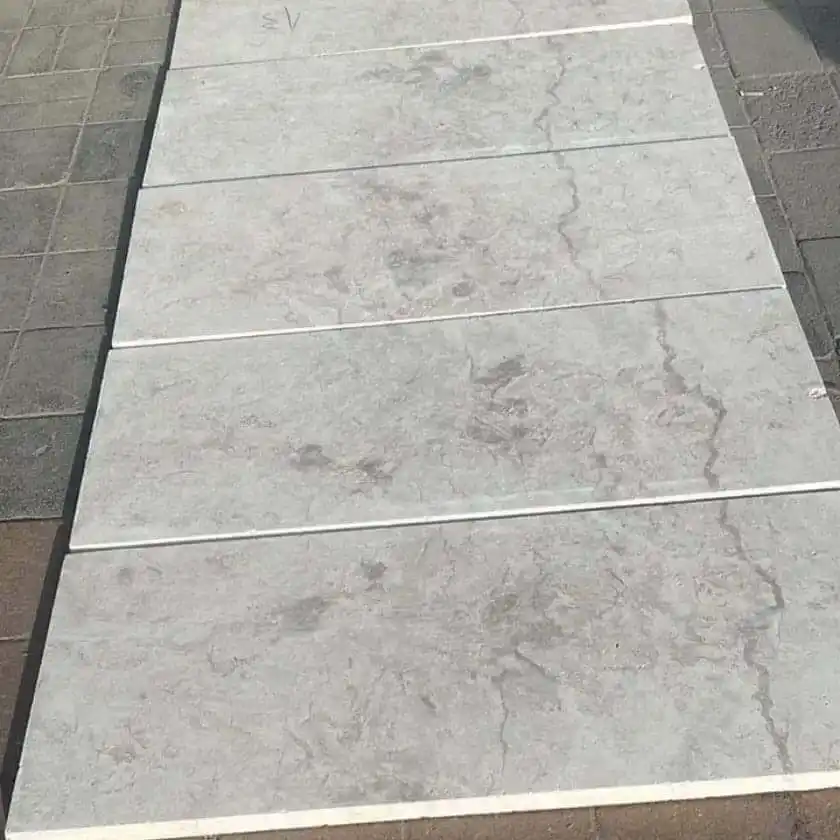
Sealing protocols for irregular shaped pavers in Arizona differ meaningfully from standard maintenance schedules written for temperate climates. The UV intensity at Arizona latitudes degrades most topical sealers within 12 to 18 months rather than the 3-year intervals those products advertise. Penetrating silane-siloxane formulations outperform topical acrylics here because they work within the stone’s pore structure rather than forming a surface film that UV can break down.
Apply sealer to clean, bone-dry stone — and in Arizona’s low humidity, bone-dry is usually achievable within 48 hours of cleaning. The critical failure point most installers overlook is applying sealer to stone that still carries residual mortar haze from the installation. That haze creates a barrier between the sealer and the stone’s surface, producing a patchy, blotchy appearance that’s very difficult to correct after the fact. Mechanical cleaning with a diluted phosphoric acid wash followed by thorough rinsing should precede every first sealer application.
- Sealer type: penetrating silane-siloxane, not topical acrylic, for Arizona UV conditions
- First application timing: 28 days after installation to allow full mortar cure
- Reapplication schedule: every 12–18 months in full-sun low-desert installs; every 24 months for shaded or north-facing exposures
- Pre-seal surface prep: phosphoric acid wash at 10:1 dilution, rinse thoroughly, allow 48-hour dry time
- Slate-specific note: test sealer on a sample piece first — some slate types darken significantly with penetrating sealers, which may or may not be desirable for your design intent
Color, Finish, and Shade Selection for Arizona Projects
Color selection for irregular pavers in Arizona requires you to account for how dramatically natural stone reads differently under Arizona’s high-angle summer sun versus the lower-angle winter light. A bluestone paver that appears a neutral mid-grey in a showroom under diffused lighting can read almost silver-white under July midday sun, or shift to a deeply saturated blue-grey on a January morning. Reviewing samples at your actual site at multiple times of day is non-negotiable for high-value projects.
Finish texture affects both aesthetics and performance. Cleft-face irregular shaped paver stones in Arizona are the standard recommendation for outdoor horizontal applications because the natural texture provides slip resistance without any additional treatment. Sawn-face finishes offer a cleaner, more contemporary aesthetic but require a brushed or sandblasted secondary finish to achieve adequate slip resistance — a smooth-sawn stone in Arizona’s monsoon season becomes dangerously slick.
At Citadel Stone, we source irregular paving slabs from our established selected quarries whose production we’ve inspected personally, which means each warehouse delivery carries consistent color banding and thickness tolerance documentation. That consistency matters when you’re blending multiple pallet loads across a large patio — color drift between early and late production runs is a real issue with some quarry sources, and it shows up badly in finished irregular layouts.
- Cleft face: natural texture, ideal for all exterior horizontal applications, no secondary finish required
- Sawn face: contemporary aesthetic, requires brushed or blasted secondary finish for outdoor use
- Thermal finish: medium texture, good UV-fade resistance, suitable for pool-adjacent irregular paver patio applications
- Color families available: blue-grey (bluestone), charcoal and rust (slate), buff and cream (limestone), multi-tone earth (sandstone blends)
- Request warehouse samples from at least two different production batches when ordering volume over 500 square feet — batch color consistency is something to verify before truck delivery
Get Irregular Pavers in Arizona — Citadel Stone Arizona Supply
Citadel Stone maintains regional inventory of irregular pavers in Arizona across multiple formats and materials, with standard stock including bluestone, slate, and limestone in 1.5-inch and 2-inch nominal thicknesses. Available face sizes range from the smaller 10-by-14-inch fill pieces through to the larger 24-by-30-inch anchor formats that drive pattern quality in high-end residential and commercial projects. You can request specification sheets, thickness tolerance data, and physical samples before placing a full project order — that step is especially useful for architects and landscape designers who need to confirm color compliance with project documents.
Trade and wholesale enquiries are handled through Citadel Stone’s project consultation team, which can advise on lead times for non-standard formats, custom cuts, and large-volume orders. Standard warehouse stock ships across Arizona typically within one to two weeks; custom-cut or special-order formats may require four to six weeks depending on quarry production schedules. For commercial project timelines, confirming stock levels before your project’s mobilization window is the kind of logistical check that prevents costly schedule gaps — your project coordinator should verify truck delivery access at the site address when placing the order, as irregular stone pallet weights typically run 2,400 to 2,800 pounds and require stable ground access.
As you finalize your Arizona stone project, complementary hardscape elements can enhance the overall design — Citadel Stone’s hex paver range pairs effectively with irregular stone in transitional zones and accent areas across Arizona properties. Hex Pavers in Arizona from Citadel Stone explores that format in detail for residential and commercial applications across the region. Homeowners in Flagstaff, Sedona, and Yuma source Irregular Pavers through Citadel Stone for Arizona residential and commercial installations.