

















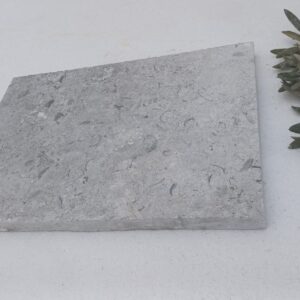
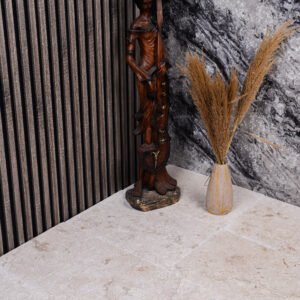
The Design Language Behind Paver Block for Road in Arizona
Specifying a paver block for road in Arizona requires you to reconcile the state’s deeply rooted design vocabulary with the structural demands of high-traffic surfaces — and that tension is where most projects either succeed elegantly or fail expensively. Arizona’s built environment draws from Spanish Colonial Revival, Territorial adobe, and contemporary desert modernism, each tradition carrying specific expectations around color saturation, surface texture, and edge articulation. Paver block road in Arizona projects that ignore these cues end up feeling foreign against the landscape, regardless of how well they perform structurally. The materials you choose need to read as belonging to the place.
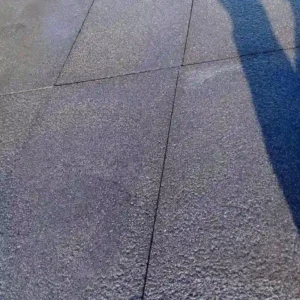
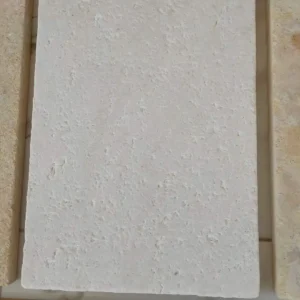
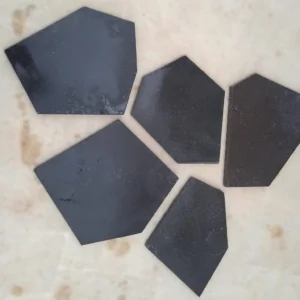
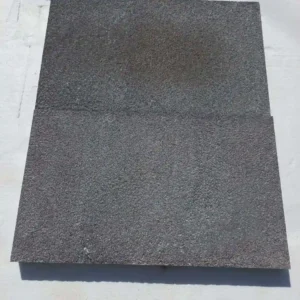
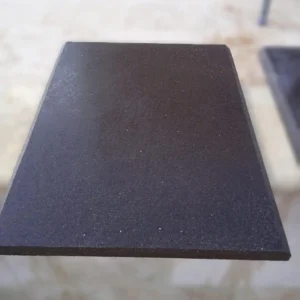
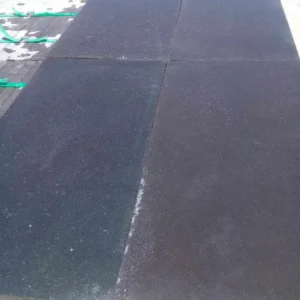
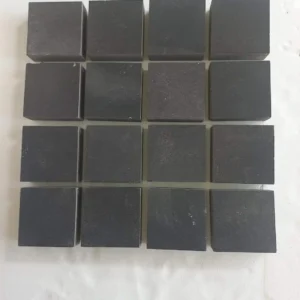
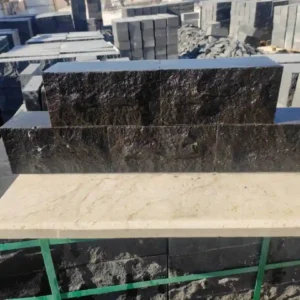
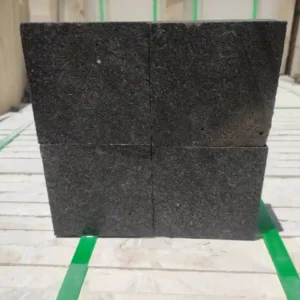
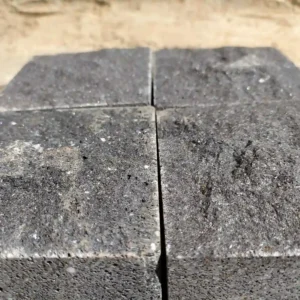
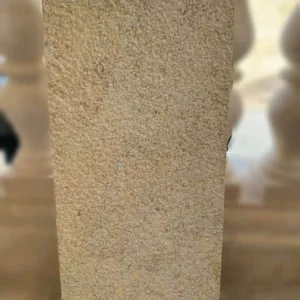
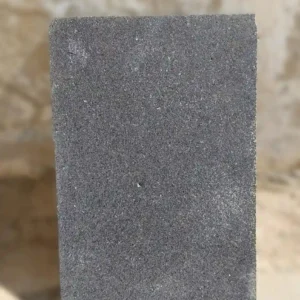
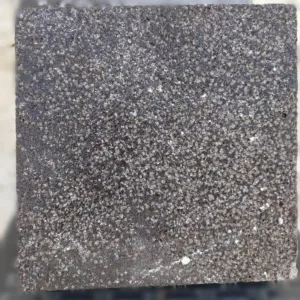
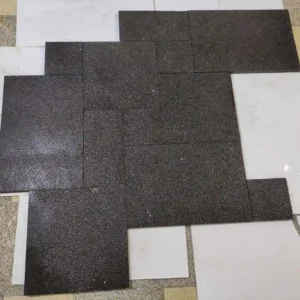
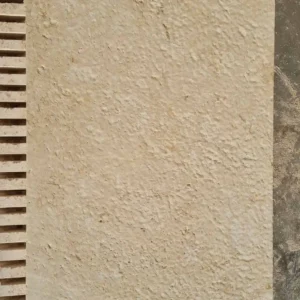
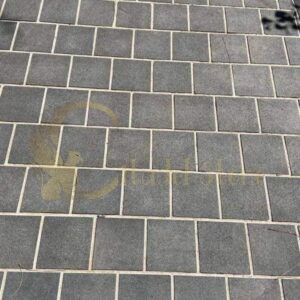
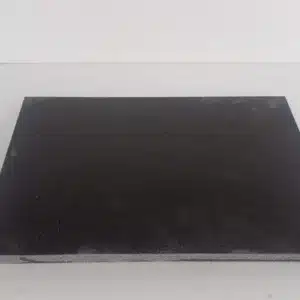
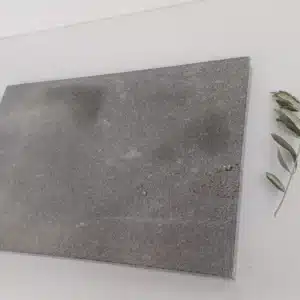
Warm earth tones — terracotta, buff, sandstone cream, and weathered ochre — dominate the regional palette from the low Sonoran desert through the high-altitude ponderosa country. Your paver selections should either harmonize with that palette or make a deliberate, considered contrast. Neutral gray or charcoal block paving works well in contemporary commercial corridors, particularly in urban infill projects, but in residential or resort contexts the expectation typically favors warmer, more mineral-looking surfaces. Understanding this distinction before you finalize a specification saves you from costly substitutions during design review.
Material Properties That Matter for Arizona Road and Parking Applications
Compressive strength is the non-negotiable baseline for any paver block intended for road or parking use. You should be specifying material that meets or exceeds 8,000 PSI for standard vehicular traffic, and stepping up to 10,000–12,000 PSI for truck access routes or heavy equipment staging areas. Natural stone pavers — particularly dense limestone and basalt — consistently deliver in that upper range without the batch variability you encounter with manufactured concrete block. The consistency matters because differential settlement under heavy loads often starts at the weakest unit in a run, not the average.
Porosity is the second variable that Arizona conditions make critical. Materials with an absorption rate below 3% perform significantly better across the state’s monsoon-to-drought cycling than higher-porosity alternatives. Paver bricks in Arizona made from fired clay or lower-density concrete can absorb moisture during the July–September monsoon season and then experience micro-spalling as caliche salts migrate to the surface through repeated wet-dry cycles. Dense natural stone sidesteps that mechanism almost entirely. Citadel Stone sources each batch from established quarry partners and inspects for porosity consistency before material ships, which is the kind of upstream quality check that prevents problems you’d otherwise discover six months into a project.
- Compressive strength target: 8,000 PSI minimum for standard road use, 10,000–12,000 PSI for truck corridors
- Water absorption: specify below 3% for monsoon-zone installations
- Thermal expansion coefficient: dense limestone runs approximately 4.4 \u00d7 10\u207b\u2076 per \u00b0F, basalt slightly lower at 3.9 \u00d7 10\u207b\u2076 — both substantially more stable than concrete block under extreme diurnal swings
- Flexural strength: aim for 1,500 PSI minimum when specifying paver cap stone in Arizona installations subject to point loading
- Surface texture: a cleft or bush-hammered finish delivers ASTM C1028 wet dynamic coefficient of friction above 0.60, the minimum threshold for accessible pedestrian areas adjacent to road-grade paving
Selecting the Right Color Palette for Arizona Paver Projects
Color selection for paver block for road in Arizona is where design intent and material science intersect in ways that most spec sheets never address. The state’s intense solar irradiance — averaging over 300 sunny days annually — means surface color directly affects thermal mass accumulation, which in turn affects user comfort in pedestrian-adjacent zones, heat island contribution, and long-term joint sand stability. Lighter buff and cream tones reflect more solar energy and keep surface temperatures 15–25\u00b0F cooler than dark charcoal alternatives under identical peak-summer exposure.
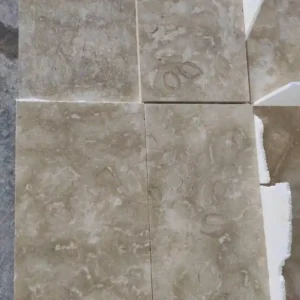
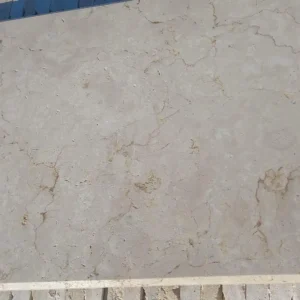
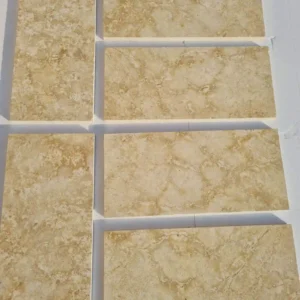
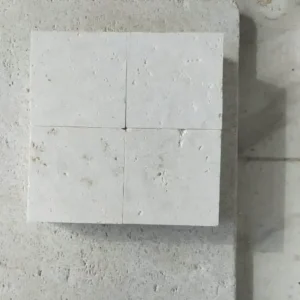
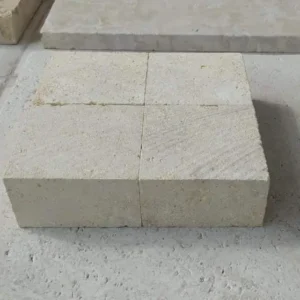
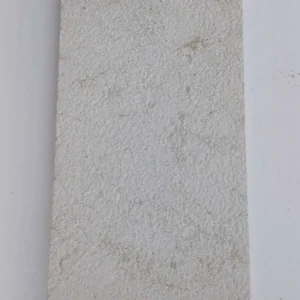
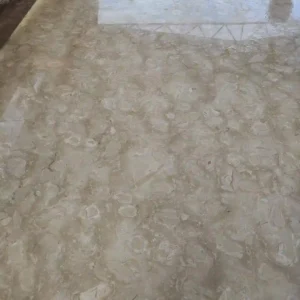
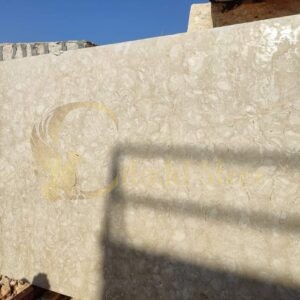
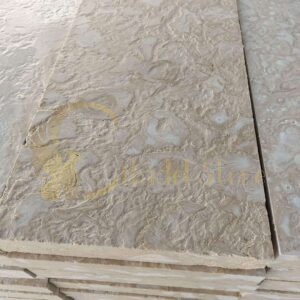
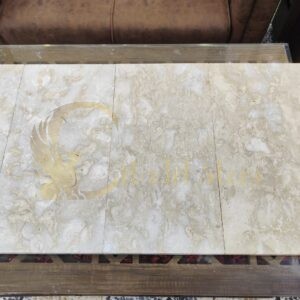
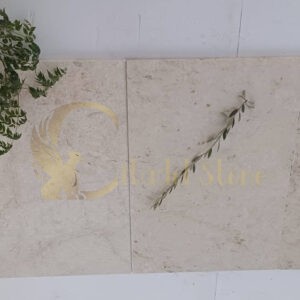
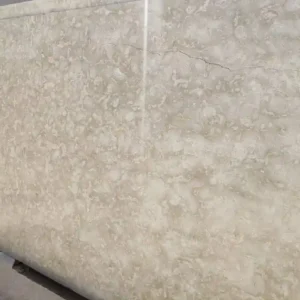
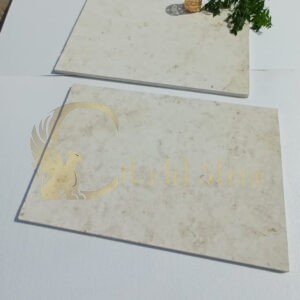
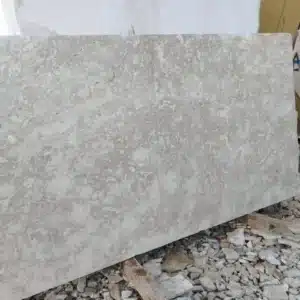
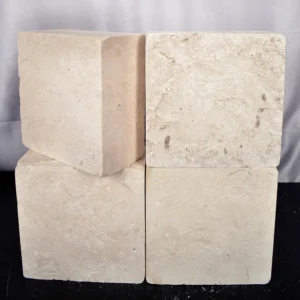
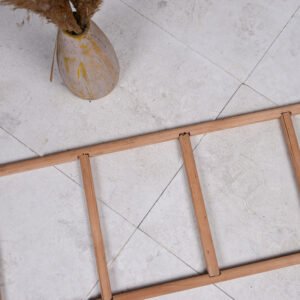
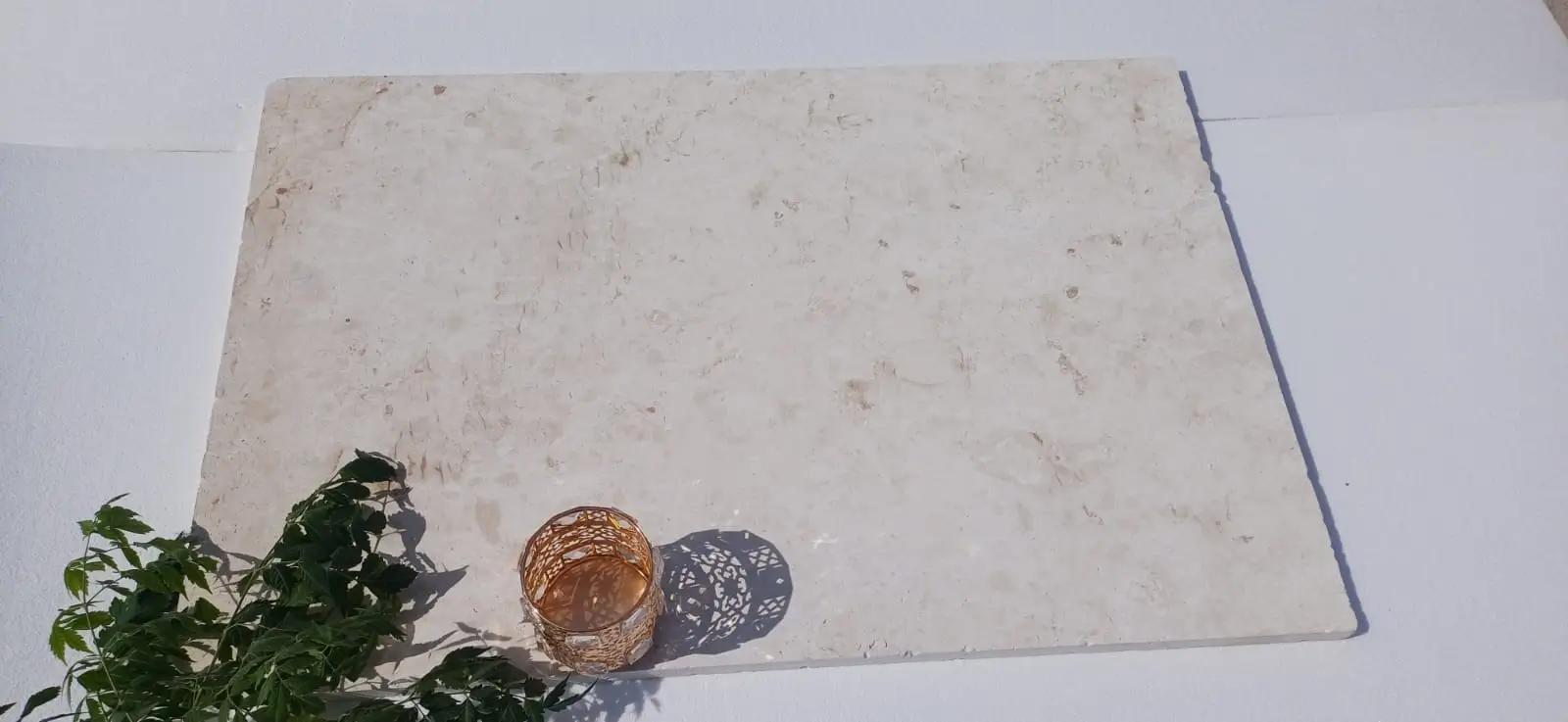
That said, very light-colored paving wall bricks in Arizona and cream paver cap stone in Arizona can read as washed-out or chalky in the intense midday light of lower elevations. Many experienced landscape architects specify a mid-range warm sand or blended-tone product that maintains visual weight in bright conditions while still managing thermal load reasonably. In Scottsdale, resort and commercial streetscape projects frequently use tumbled travertine or buff limestone block because these materials shift color subtly with light angle — they have depth that poured concrete or uniform manufactured block simply cannot replicate.
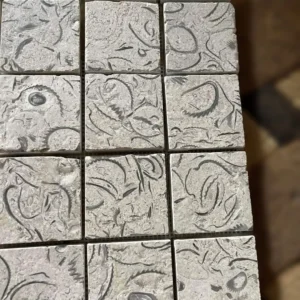
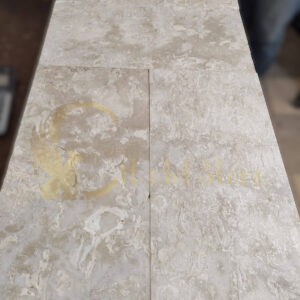
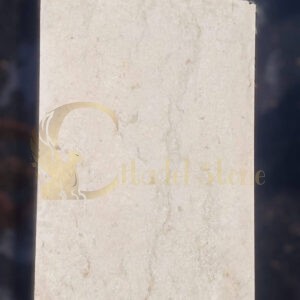
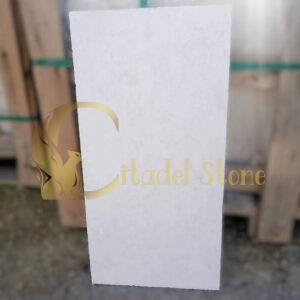
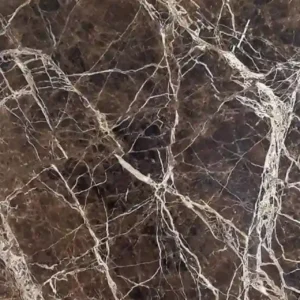
Paver bricks in Arizona with natural mineral veining or color variation are worth the premium for high-visibility installations. The variation breaks up the monotony of large paved areas, reduces the visual temperature of the space, and tends to hide minor surface wear or joint sand displacement that would be obvious on uniform-colored material. You can request sample tiles from Citadel Stone before committing to a full specification, which lets you evaluate actual color behavior under your project’s specific lighting and context — something a catalog image never accurately represents.
Integrating Paver Wall Blocks, Curbing, and Garden Features
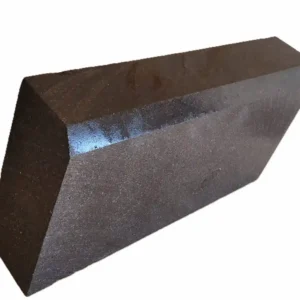
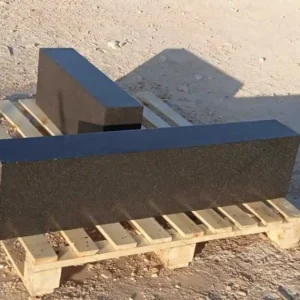
Road paving rarely exists in isolation. The paver curbing in Arizona projects, paver wall blocks defining grade transitions, and paver wall garden features flanking entry drives all need to relate visually and structurally to your road surface. Specifying these elements from the same stone family — or at minimum from the same color family — is the detail that separates a cohesive project from one that looks assembled from a salvage yard.
Paver wall blocks in Arizona should be specified at a minimum 4-inch depth for freestanding walls under 24 inches, with a setback ratio of 1 inch per foot of wall height for dry-stacked applications. Paving wall bricks in Arizona used for low garden borders or edging details can be thinner — 2.5 to 3 inches is typical — but the face dimension needs to coordinate with your road paver module so the jointing pattern resolves cleanly at the transition. Getting this dimensional coordination wrong creates a visible mismatch that clients notice immediately.
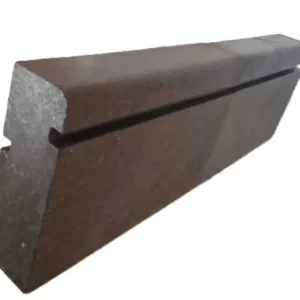
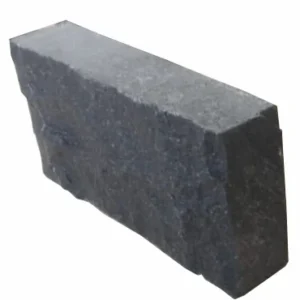
- Paver curbing in Arizona: specify a minimum 6-inch depth for road-edge restraint applications under vehicular loading — 4-inch curbing is inadequate for anything beyond pedestrian traffic management
- Paver wall garden elements should use the same material family as the road surface when within 12 feet of the pavement edge for visual continuity
- Paver cap stone in Arizona needs a minimum 2.5-inch thickness for wall tops exposed to pedestrian traffic; thinner cap risks fracture at cantilever edges over time
- Mortar-set wall caps in high-UV environments require a polymer-modified mortar to handle the thermal movement between stone and masonry substrate without joint cracking within the first two seasons
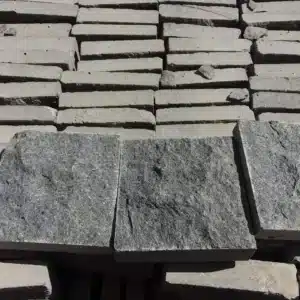
In Tucson, where the design tradition leans heavily on rough-coursed stone walls and decomposed granite groundcover, natural stone paver wall blocks with a split or rockface finish integrate far more convincingly than smooth-sawn alternatives. The texture reads as authentic to the regional vernacular in a way that manufactured concrete block never does, regardless of color matching.
Base Preparation Standards for Road Pavers in Arizona Soils
Base preparation is where Arizona geology creates specific challenges that generic installation guides consistently understate. Expansive clay soils appear throughout the state, particularly in the Phoenix metro basin and parts of the Tucson valley, and they move in ways that will destroy even a correctly specified paver surface if the base isn’t engineered for local conditions. You need a geotechnical evaluation before finalizing base depth on any project larger than a residential driveway, and even on smaller projects, knowing your soil’s plasticity index changes your compaction specification significantly.
For standard road and paver block for parking in Arizona applications, a minimum 6-inch compacted aggregate base over native subgrade is the baseline, but that number climbs to 8–10 inches in clay-dominant soils and to 12 inches for areas with expected truck traffic. The aggregate gradation matters as much as the depth — a well-graded crushed stone base at 95% Proctor density performs entirely differently from a poorly graded material compacted to the same percentage. Specify ASTM D1557 Modified Proctor testing at minimum, not the Standard Proctor method, which allows more moisture sensitivity into the compaction specification. For projects requiring complementary stone details and load analysis, durable paver block road solutions outlines material comparisons that inform base design decisions for different traffic scenarios.
- Subgrade preparation: scarify to 6-inch depth minimum, remove organics, re-compact to 90% Modified Proctor before placing aggregate base
- Base aggregate: 3/4-inch minus crushed stone at 95% Modified Proctor — do not substitute recycled concrete without verifying sulfate content, which can cause efflorescence migration into natural stone units
- Bedding sand: 1-inch nominal layer of coarse washed concrete sand (ASTM C33) — do not use fine beach sand or crusher fines, which retain moisture and cause bedding plane instability
- Joint sand: polymeric sand is mandatory in Arizona applications where ant and weed pressure is high — standard silica joint sand loses integrity within 18–24 months in desert conditions
- Edge restraint: mechanical paver restraint spiked at 12-inch intervals on all free edges — relying on adjacent concrete curbing alone is insufficient where thermal differential causes curbing to gap away from pavement
Paver Block for Parking in Arizona — Format and Load Considerations
Parking applications demand a different specification approach than linear road paving because the load distribution pattern is fundamentally different. Parked vehicles concentrate static load over small contact patches for extended periods, which means your joint stability and base uniformity matter more than they do in a rolling-traffic context. Paver blocks for parking in Arizona should be a minimum 3.15 inches (80mm) in thickness for standard passenger vehicle areas, stepping up to 3.94 inches (100mm) in fire lane and delivery truck zones.
The interlock pattern you choose affects load transfer efficiency dramatically. A herringbone pattern at 45 or 90 degrees to the direction of primary traffic provides the best interlock for areas subject to braking and turning forces — the edge-to-face contact geometry distributes shear loads across more units than a running bond pattern does. Running bond is visually cleaner and easier to cut around obstacles, but it’s biomechanically weaker in high-stress zones. For paver block for parking in Arizona projects handling regular delivery truck access, herringbone is not optional — it’s a structural requirement.
Projects in Phoenix face the additional consideration of urban heat island mitigation requirements increasingly embedded in municipal planning approvals. Permeable paver systems — where joint width is increased to 10–15mm and the base is designed as an infiltration reservoir — are gaining traction as a strategy that satisfies stormwater management requirements while keeping the visual quality of a paver surface. The permeability does require you to use a different joint fill media, typically No. 8 or No. 9 clean aggregate rather than polymeric sand, which affects long-term weed suppression planning.
Sealing and Long-Term Maintenance for Arizona Paver Installations
Sealing natural stone paver block road installations in Arizona is not the optional finishing step that some installation crews treat it as — it is a structural maintenance decision that directly determines service life. Unprotected natural stone in the desert environment is subject to salt efflorescence from rising groundwater minerals, UV photo-oxidation that degrades surface texture, and biological growth in shaded zones that creates slip hazard conditions. A penetrating silane-siloxane sealer applied within 30 days of installation sets the baseline protection level.
The resealing interval in Arizona’s low desert is typically 24–36 months for high-traffic road and parking surfaces, which is shorter than the 48–60 month cycle often cited in national installation guides written for temperate climates. The UV intensity and temperature cycling between summer days and winter nights accelerates sealer breakdown in ways that aren’t fully captured in laboratory accelerated weathering tests. Plan for biennial inspection and reseal in the first six years of a project’s life, then extend the interval to 36 months once you’ve observed the specific degradation rate under your project’s actual exposure conditions.
- Initial sealer: penetrating silane-siloxane, not a topical film-forming product — film sealers trap moisture vapor in stone and cause delamination in heat-cycling climates
- Application timing: 28–30 days after installation, after first full cure and any initial efflorescence has been treated
- Efflorescence treatment: light application of diluted white vinegar solution followed by clean water rinse — commercial efflorescence removers with hydrochloric acid are too aggressive for ongoing maintenance use on most natural stone
- Joint sand replenishment: inspect annually, top-dress polymeric sand as needed — joint sand at below 85% capacity allows paver rocking under dynamic load, which accelerates edge chipping and bedding plane disturbance
- Surface cleaning: pressure wash at maximum 1,500 PSI with a fan tip at 45-degree angle — direct-perpendicular high-pressure washing erodes joint sand and can etch softer stone surfaces
Paver Block for Road in Arizona — Order Direct from Citadel Stone
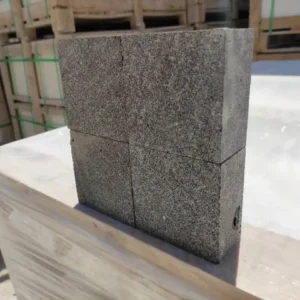
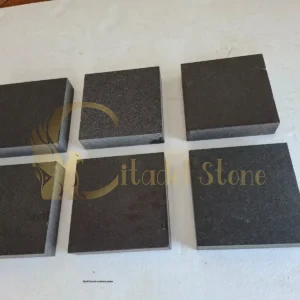
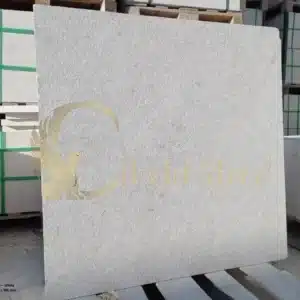
Citadel Stone stocks paver block road materials in standard formats including 4\u00d78, 6\u00d76, 6\u00d79, and 12\u00d712 nominal sizes across multiple thickness ranges — 60mm, 80mm, and 100mm — to cover the full spectrum from pedestrian-adjacent paving through heavy truck-rated installations. Available finishes include natural cleft, honed, tumbled, and bush-hammered surfaces in warm buff, sandstone, charcoal, and blended earth-tone colorways suited to Arizona’s design traditions. You can contact Citadel Stone to request physical samples or formal thickness and absorption specifications before finalizing your project documents — having the actual material in hand under your project’s light conditions is the only reliable way to confirm color and texture fit.
Trade accounts and wholesale enquiries receive dedicated project support, including assistance with quantity takeoffs and phased delivery scheduling for larger road or parking installations. Citadel Stone maintains warehouse inventory across Arizona, which typically reduces lead times to one to two weeks compared to the six-to-eight week import cycle that affects direct-overseas sourcing. For projects with non-standard format requirements or custom cut details — radius edging, tapered curbing units, or bespoke cap profiles — the Citadel Stone technical team can advise on production lead times and dimensional tolerances early in the design process, before specifications are locked. Truck deliveries can be coordinated to align with phased base completion schedules, which keeps material off-site until the base is ready and reduces site congestion on constrained urban projects. Citadel Stone’s Arizona product range extends beyond road-grade paving — adjacent plaza and entry areas within the same project often benefit from large-format stone, and Pavers 36\u00d736 in Arizona covers that dimension of the product line for designers working across multiple surface types in a single scheme. For reliable paver block road projects throughout Arizona, Citadel Stone provides the materials, guidance, and industry knowledge needed to complete every installation with confidence.