Thermal mass in large-format stone works as a double-edged sword in Arizona’s desert climate — the same density that keeps your patio comfortable through a July evening also demands precise scheduling if you want your mortar bed and joint compound to cure without cracking. Big paving slabs in Arizona perform best when installation timing aligns with the state’s predictable seasonal rhythms, and getting that timing wrong by even a few weeks can compromise the entire setting process. The specification decisions you make before the first slab drops are what separate a surface that lasts 25 years from one that needs remediation by year eight.
Seasonal Windows and Why Timing Drives Big Paving Slab Performance
Arizona’s calendar creates two reliable installation windows that experienced contractors protect fiercely. The primary window runs from mid-October through late February, when ambient temperatures in Phoenix and the surrounding valley stay in the 55–75°F range during working hours. Mortar and polymer-modified adhesives cure optimally between 50°F and 80°F — outside that band, cure rates either accelerate too fast or stall, both of which compromise bond strength at the slab interface.
The secondary window is narrower and location-dependent. From late February through mid-April, low-desert sites still offer workable mornings before ground surface temperatures climb past 90°F by midday. In higher-elevation cities, that window extends somewhat — Flagstaff‘s elevation above 6,900 feet means freeze-thaw cycles are a real concern in winter, but it also means that spring installations don’t face the same afternoon heat spike that invalidates a freshly-laid mortar bed in Phoenix by 2 PM.
- Mid-October to late February: optimal window statewide for big paving slabs, mortar bond integrity highest
- Late February to mid-April: viable at low elevation with early-start scheduling, shade management required
- May through September: extreme caution required; only feasible for covered or shaded installations with specialized high-temperature adhesives
- Monsoon season (July–September): substrate moisture variability complicates base compaction and mortar hydration simultaneously
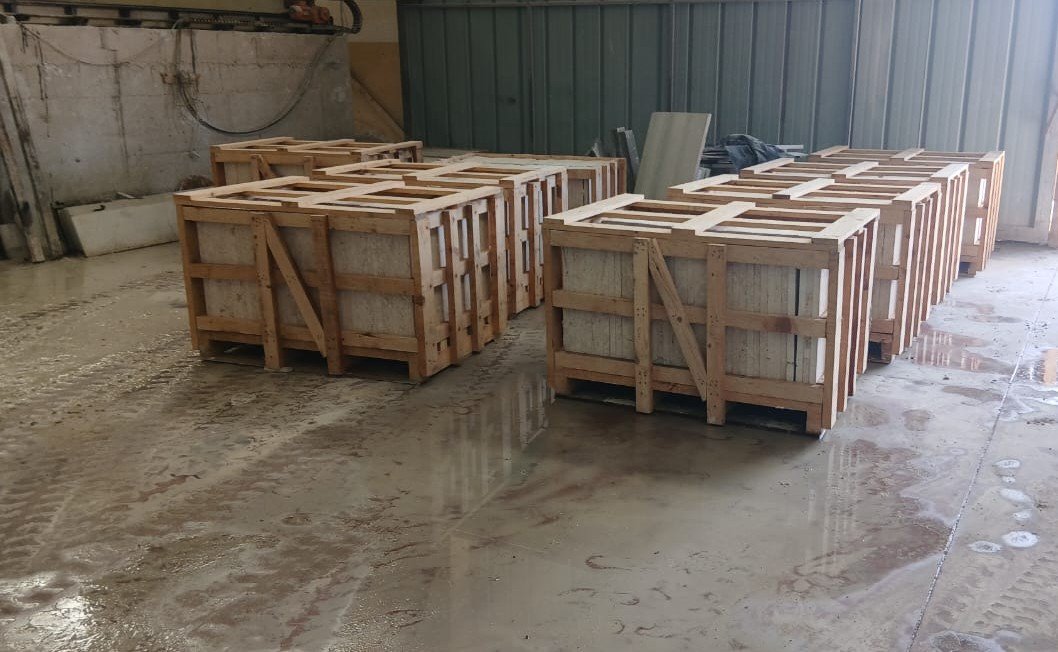
Citadel Stone maintains warehouse inventory across Arizona, which typically reduces lead times to one to two weeks compared to the six-to-eight week import cycle most projects face. That logistics advantage matters specifically for timing — you can order closer to your confirmed installation window rather than gambling on a delivery date that may push you into summer heat.
How Big Paving Slabs Perform Under Arizona’s Specific Conditions
Format size creates an amplified thermal dynamic that smaller pavers sidestep. A 600×600 paving slab in Arizona absorbs significantly more radiant heat per unit than a 300×300 tile, which means the coefficient of thermal expansion — typically 3.5 to 5.5 × 10⁻⁶ per °F for dense natural stone — translates to measurable movement across a full slab length. You’ll need to account for this in your joint width specification, targeting a minimum 3mm joint for standard formats and stepping up to 5mm for slabs exceeding 800mm in either dimension.
Porosity is the variable that often surprises specifiers on their first Arizona project. Big outdoor pavers in a high-UV, low-humidity environment actually dry faster than you expect, which is a plus for slip resistance after rain. But it also means the sealer you apply post-installation needs to penetrate the full slab thickness, not just form a surface film. An impregnating penetrating sealer rated for 10–15 years outperforms topical coatings here because it doesn’t blister under thermal cycling the way film-forming products do.
- Thermal expansion: plan for 3–5mm joint spacing on 600mm slabs, wider on larger formats
- UV exposure: stone color stability varies — lighter tones like cream and ivory show less fading than certain pigmented concrete alternatives
- Slip resistance: textured or bush-hammered finishes maintain a wet dynamic coefficient above 0.6, meeting ADA surface guidance
- Compressive strength: specify slabs rated above 8,000 PSI for vehicular applications, above 5,000 PSI for pedestrian-only use
- Thickness: 30mm minimum for pedestrian patio applications; 50mm for light vehicular or driveway loading
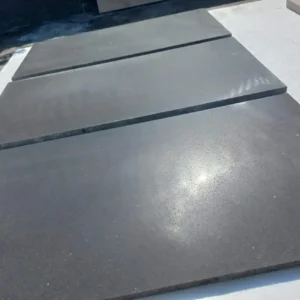
Big patio stones in Arizona with polished finishes are beautiful in covered outdoor rooms, but they’re a liability on fully exposed south-facing surfaces — reflective glare compounds the heat load and wet-surface friction drops below safe thresholds. Save the polished profiles for covered pergola areas or interior-adjacent patios where shade is architectural rather than incidental.
Format Selection: Matching Slab Size to Your Project Scale
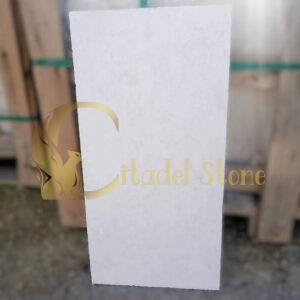
The 600×600 format has become the default specification for Arizona residential patios over the past decade, and for good reasons beyond aesthetics. At that dimension, you get enough visual continuity to make a space feel expansive without the substrate-levelness demands of anything larger. Paving slabs 600×600 in Arizona tile across a 20-foot patio in a grid or stack bond with manageable waste factors — typically 8–12% once you account for cuts at perimeters and obstacles.
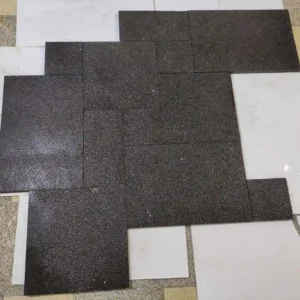
Big square pavers in the 600×600 range pair naturally with big rectangle pavers at 600×900 or 400×800 to create dynamic laying patterns. A mixed-format approach using two complementary sizes reads as intentional design rather than contractor convenience, and it distributes joint lines in a way that breaks up the thermal movement across more interfaces — which is actually a structural benefit in high-heat climates. At Citadel Stone, we recommend discussing your specific patio geometry before finalizing format combinations, since some ratios work cleanly while others generate excessive cuts that drive up labor and material cost.
- 600×600: standard residential patio, manageable for two-person crews, widely available in warehouse stock
- 600×900 and 400×800: rectangle formats for mixed-pattern designs and larger-scale commercial applications
- 900×900 and larger: requires specialized lifting equipment and highly level sub-base, best for professional installation only
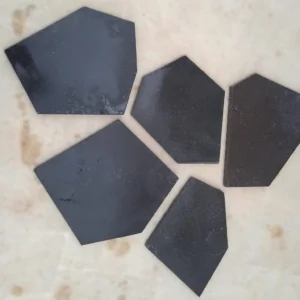
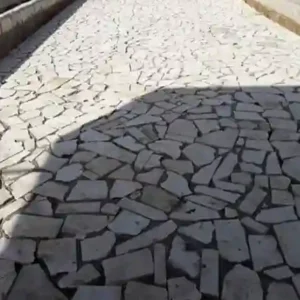
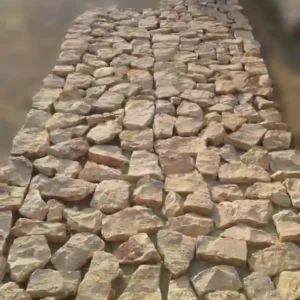
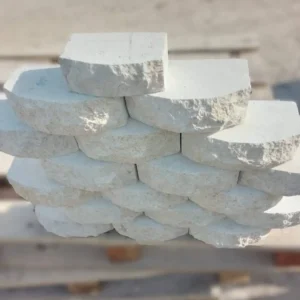
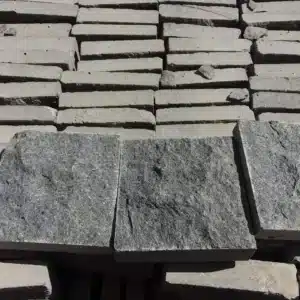
- Irregular and random-size formats: used for big garden slab designs and natural stepping stone pathways
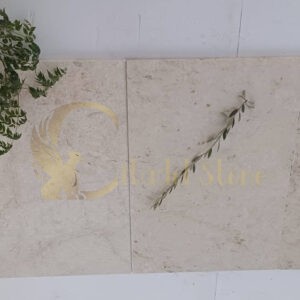
For projects in Scottsdale where contemporary desert-modern architecture dominates, the large-format slab aesthetic aligns naturally with the prevailing design vocabulary — expansive horizontal planes with minimal joint interruption. Specifying a honed or matte finish in a warm grey or sandstone tone ties the hardscape back to the regional palette without looking derivative. Big paving slabs in Arizona specified for this market frequently lean toward neutral tones that complement the surrounding desert landscape.
Base Preparation: The Detail That Determines Longevity
Base preparation standards for big rock pavers in Arizona differ from what you’d spec in the Pacific Northwest or the Midwest, and the differences aren’t intuitive until you’ve seen a few failures firsthand. Arizona’s native soils — particularly the expansive clay horizons common in the East Valley — can shift 1.5 to 3 inches seasonally as moisture content changes between the dry pre-monsoon months and the wet August cycle. That movement will telegraph directly through an undersized base and crack your mortar joints within two to three seasons.
The minimum base specification for big paving slabs on residential Arizona projects should be 6 inches of compacted Class II road base, achieving 95% standard Proctor density before any setting bed goes down. On native soil with PI (plasticity index) above 15, excavate an additional 4 inches and install a geotextile separation fabric before your aggregate base — this prevents the clay from pumping up into your clean crushed stone during monsoon saturation events. Projects in Mesa frequently encounter caliche hardpan at 18–24 inches, which provides an excellent natural sub-base when properly scarified and re-compacted; don’t reflexively remove it just because it’s dense.
Base preparation details for your specific site conditions are worth reviewing before material delivery — for guidance on complementary stone applications on similar Arizona substrates, large format stone slabs Arizona provides specification context that applies across a range of project types. Getting the subgrade right at this phase prevents the most common long-term failures you’ll encounter with big patio blocks in Arizona.
- Minimum 6 inches compacted Class II road base at 95% Proctor on stable soils
- Add geotextile fabric on expansive clay sites with PI above 15
- Caliche hardpan: scarify, re-compact, and treat as structural sub-base rather than obstruction
- Setting bed: 1-inch screed of dry-pack mortar (3:1 sand:cement) for pedestrian applications; polymer-modified thinset for bonded installation over concrete
- Drainage slope: minimum 1.5% fall away from structures — increase to 2% on large slab formats to avoid standing water at edges
Installation Scheduling and On-Site Heat Management
Scheduling your big paving slab installation in Arizona isn’t just about picking the right month — it’s about managing the workday itself during transitional seasons. In March and April, a morning start at 6:30 AM gives you four to five hours of viable installation conditions before ground surface temperatures start compromising mortar open time. Once substrate surface temperature exceeds 95°F, polymer-modified mortars can skin over in under ten minutes, which is not enough working time to properly set and adjust a 600×600 slab before bond integrity is lost.
Shading the work area with temporary scaffold netting reduces substrate surface temperature by 15–25°F — a straightforward intervention that extends your viable working window by 90 minutes to two hours in shoulder-season months. Have your truck delivery scheduled for early morning so slabs coming off the pallet are at ambient shade temperature rather than solar-loaded from sitting in an open yard. Stone slabs that have been sitting in direct sun on a Phoenix job site in late March can reach 130–140°F surface temperature, and setting a slab that hot into a mortar bed significantly accelerates moisture extraction from the mortar before hydration is complete.
- Target mortar open time management: start before 7 AM in months March through April and September through October
- Cover pallets with reflective tarps after truck delivery to keep slab temperature near ambient
- Use retarder-modified mortars rated for high-temperature application when ambient exceeds 85°F
- Never install over substrate exceeding 95°F surface temperature without specialized high-heat adhesive systems
- Cure protection: mist newly set slabs with water during the first 72 hours in low-humidity months to prevent rapid moisture loss from mortar beds
Choosing the Right Stone Type for Arizona Patios and Gardens
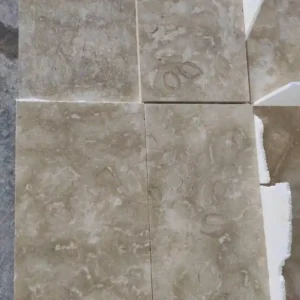
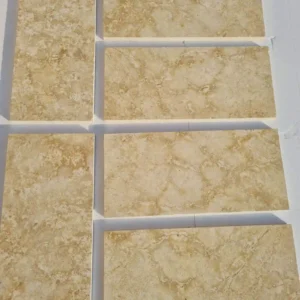
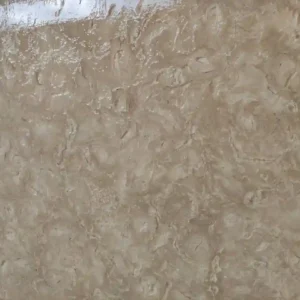
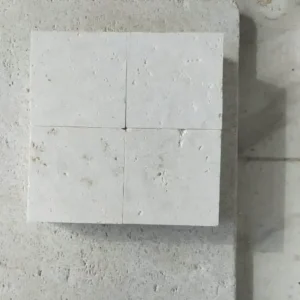
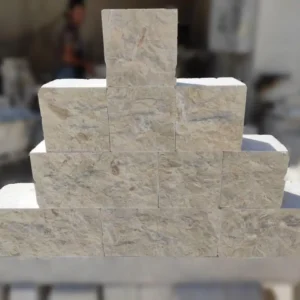
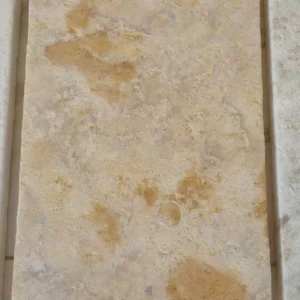
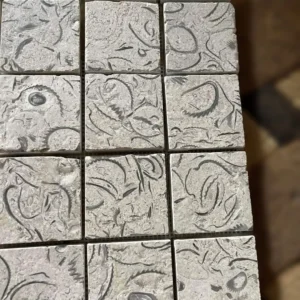
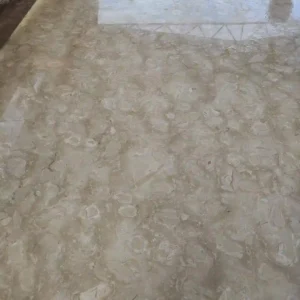
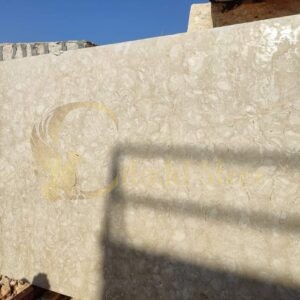
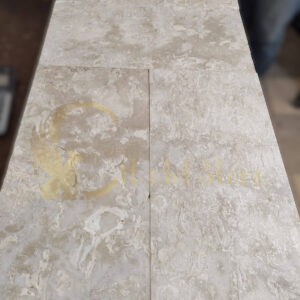
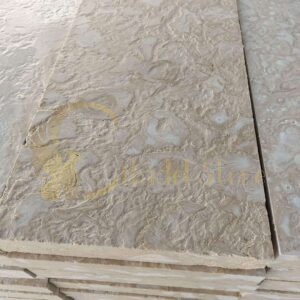
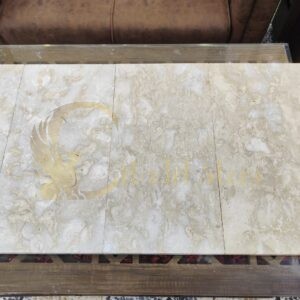
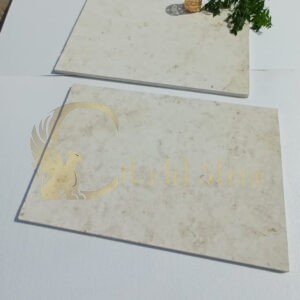
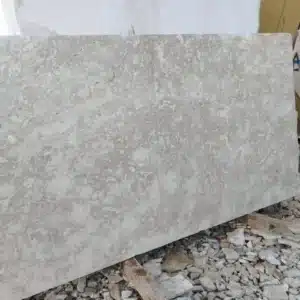
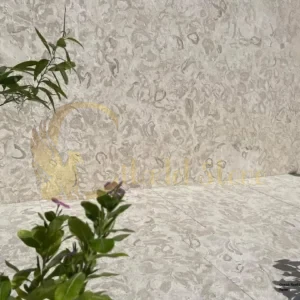
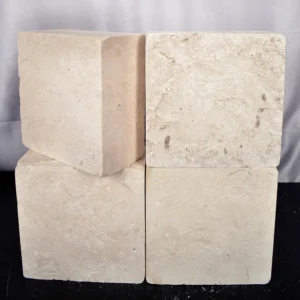
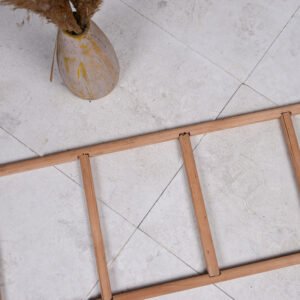
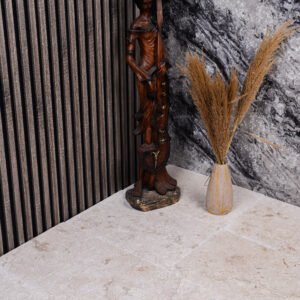
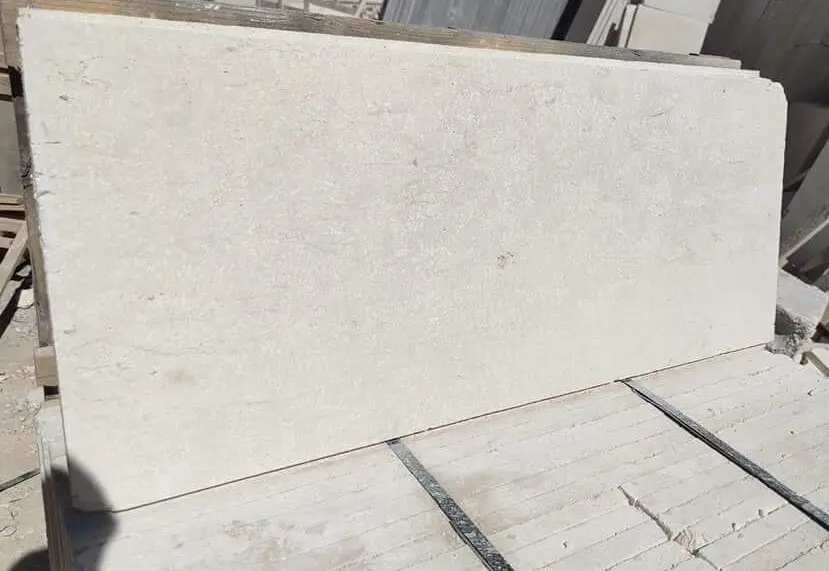
Big stone landscaping in Arizona gives you a meaningful range of material options, each with distinct performance trade-offs that matter more in desert conditions than in moderate climates. Travertine remains a regional favorite for good reasons — its natural porosity creates a cooler surface temperature than dense materials, it cuts cleanly for precise format work, and its cream, ivory, and walnut tones complement the desert color palette without looking imported. The trade-off is that unfilled travertine requires regular joint maintenance to prevent debris accumulation in the natural voids.
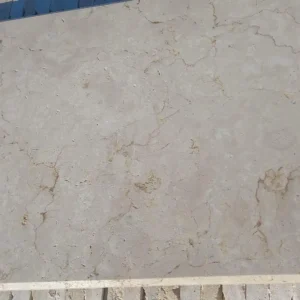
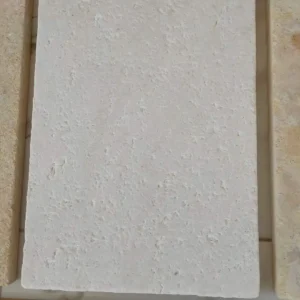
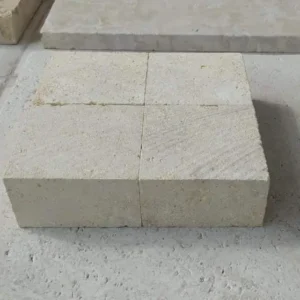
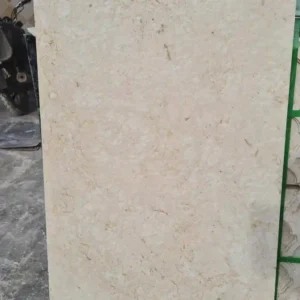
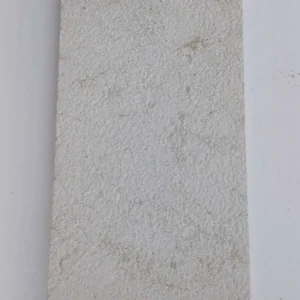
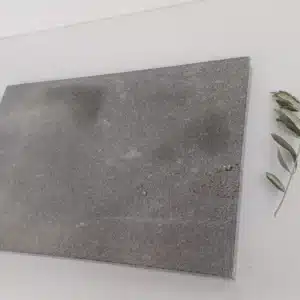
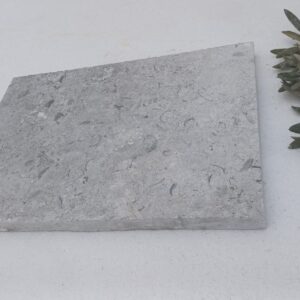
Limestone offers higher density and a broader color range — from creamy buff through blue-grey and charcoal — with compressive strengths typically in the 8,000–15,000 PSI range depending on formation. Big paver stones in a dense limestone profile handle point loads from outdoor furniture, planters, and light maintenance vehicle access without the surface chipping risk that softer sedimentary stones present. Granite and basalt formats deliver the highest performance ceiling but come at a cost premium and require diamond-blade wet cutting, which adds to installation labor in any format above 600mm.
- Travertine: cooler surface, natural aesthetic, requires filled joints for low-maintenance performance
- Limestone: dense and durable, wide color range from ivory to charcoal, excellent compressive strength for mixed-use patios
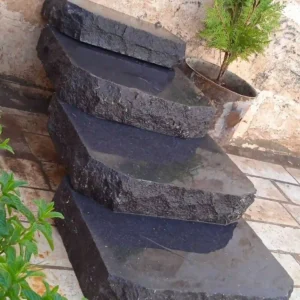
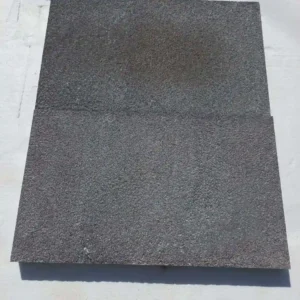
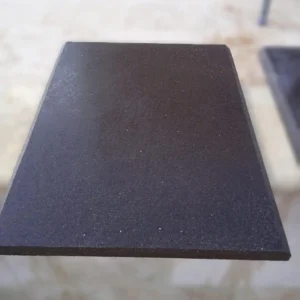
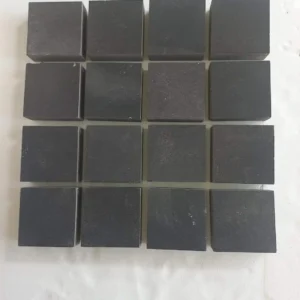
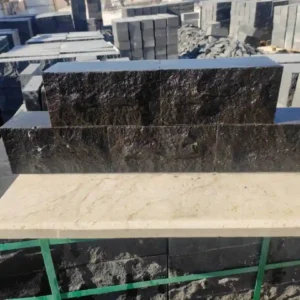
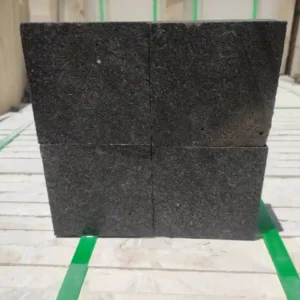
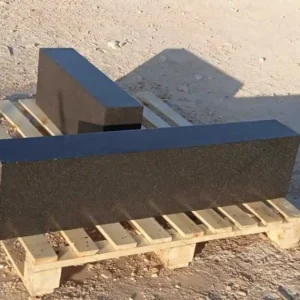
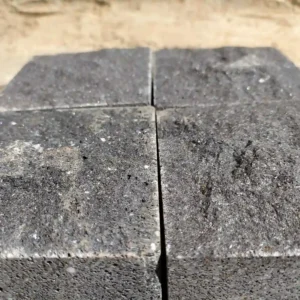
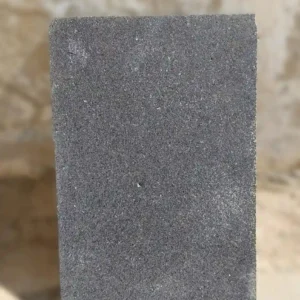
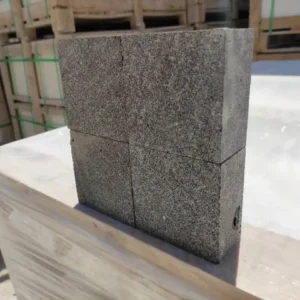
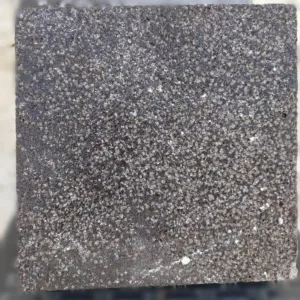
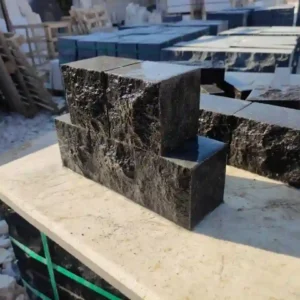
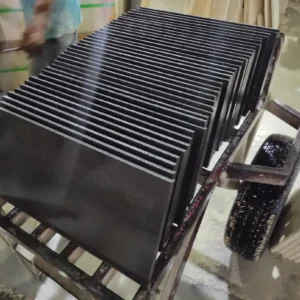
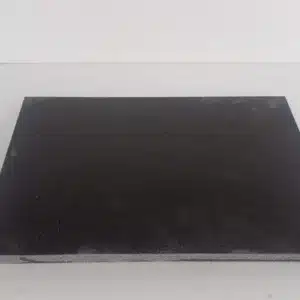
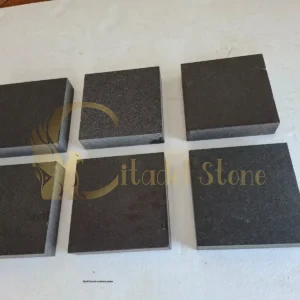
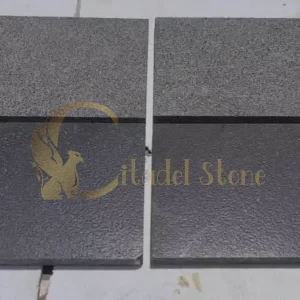
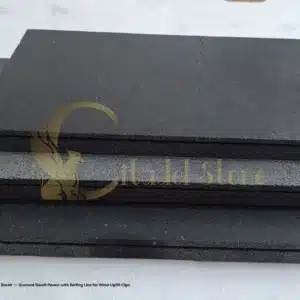
- Basalt: hardest common option, consistent dark grey to black tones, highest thermal mass — specify carefully for sun-exposed surfaces
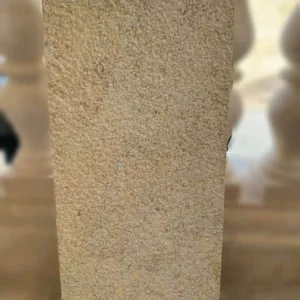
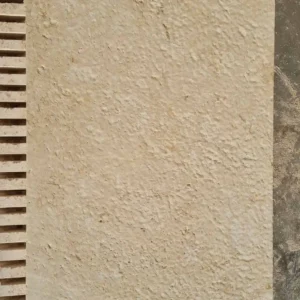
- Sandstone: warm tones, natural texture, moderate density — suitable for garden paths and low-traffic big garden slabs
- Granite: premium performance, salt-and-pepper to solid grey, lowest porosity and highest stain resistance
Sourced from established quarry partners, each batch of Citadel Stone material is inspected for color consistency and thickness tolerance before it reaches warehouse inventory — thickness variation above ±2mm across a pallet causes leveling problems in the field that no amount of setting bed adjustment fully compensates for. Big pavers for sale in Arizona through Citadel Stone’s warehouse stock are held to these same batch-consistency standards regardless of format size.
Maintenance, Sealing, and Long-Term Care in Arizona’s Climate
The sealing schedule for big paving slabs in Arizona’s low-humidity environment differs from what manufacturers print on product data sheets calibrated for coastal or humid-continental climates. Arizona’s UV index — regularly exceeding 11 on the scale — degrades organic sealer chemistry faster than moisture alone would. A penetrating impregnating sealer applied during your October installation window typically needs a re-application inspection by the third year, not the fifth year cited on the container.
Testing for sealer integrity is straightforward: drop a quarter-teaspoon of water on the surface in a sun-exposed area. If it beads and maintains contact angle above 70 degrees, the sealer is functional. If it absorbs within 30 seconds, it’s time to re-seal. Annual testing in spring — before the UV-intense summer season — catches the transition point before your stone starts absorbing staining compounds from pollen, organic debris, and outdoor cooking residue.
- Apply impregnating penetrating sealer within 72 hours of installation on absorbent stones; 7 days for denser materials
- Re-seal on a 2–3 year cycle in Arizona, not the 4–5 year cycle typical of humid climates
- Avoid acid-based cleaners on limestone and travertine — use pH-neutral stone cleaners only
- Efflorescence on new installations is common in the first 6 months; use a diluted sulfamic acid treatment, then re-seal
- Pressure washing: 1,200–1,500 PSI maximum on natural stone surfaces to avoid joint erosion
Get a Quote on Big Paving Slabs in Arizona from Citadel Stone
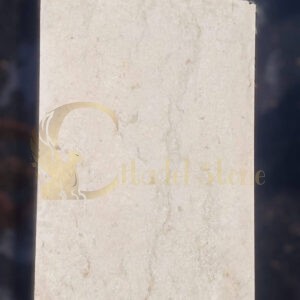
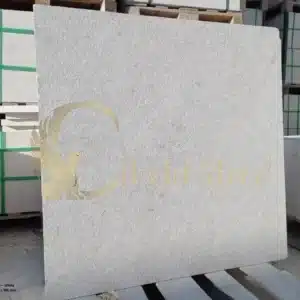
Citadel Stone stocks big paving slabs in Arizona in standard formats including 600×600, 400×800, 600×900, and select larger formats, available in travertine, limestone, basalt, and sandstone finishes. You can request sample tiles and thickness specifications before committing to a full project order — a step that’s worth the few days it adds to your timeline, particularly if you’re matching an existing hardscape palette or specifying for a demanding load application. Big paving slabs for sale in Arizona through Citadel Stone’s warehouse inventory cover the most common residential and commercial formats, with warehouse stock updated regularly to reflect current quarry supply.
For trade and wholesale enquiries, the process is straightforward: submit your format requirements, projected square footage, and desired finish, and the Citadel Stone team will confirm availability from current warehouse stock and provide lead time estimates specific to your delivery location across Arizona. For projects requiring custom cuts or non-standard formats, lead times typically run two to four weeks depending on quarry availability and truck scheduling. Delivery coverage extends statewide — from low-desert projects in Phoenix, Tempe, and Gilbert to higher-elevation sites requiring coordinated logistics. As you finalize your Arizona stone project scope, related hardscape applications may also need specification guidance — Best Pavers for Driveway in Arizona covers another dimension of Citadel Stone material selection worth reviewing if your project includes driveway or access surfaces alongside your patio work. For Arizona property owners seeking quality and scale, Citadel Stone offers a dependable selection of big paving slabs suited to the region’s climate and design demands.