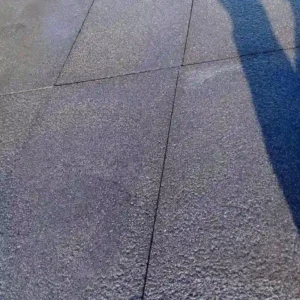
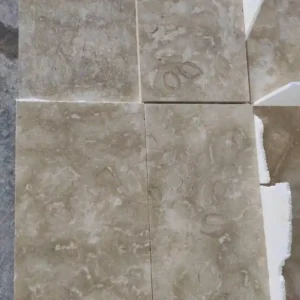
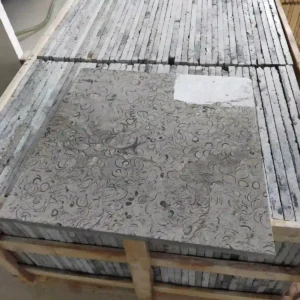
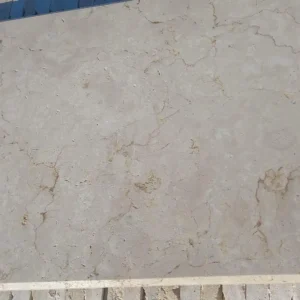
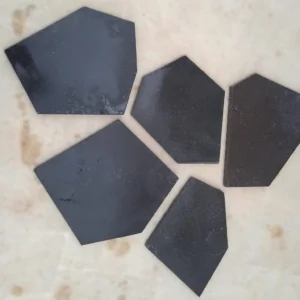
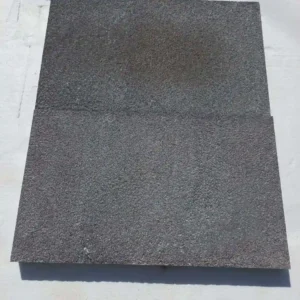
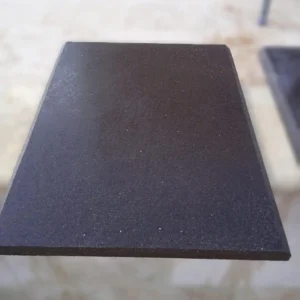
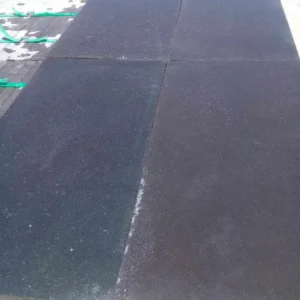
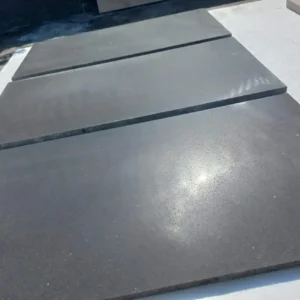
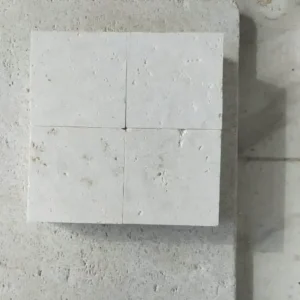
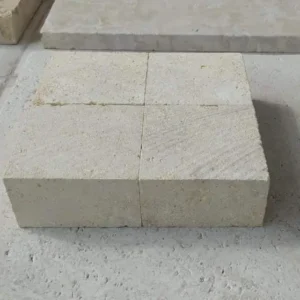
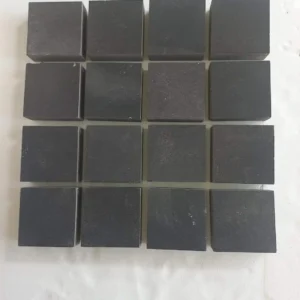


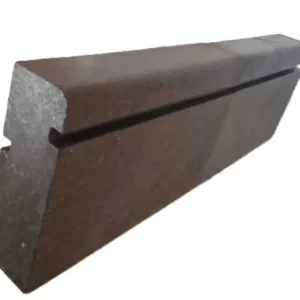
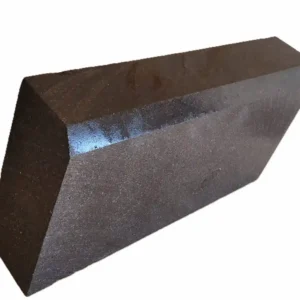
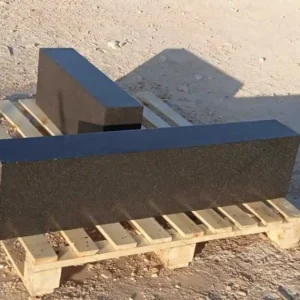
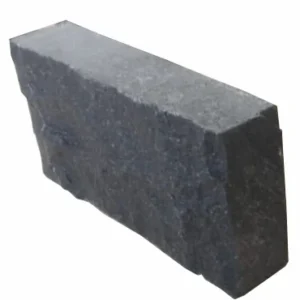

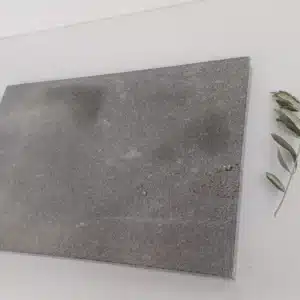
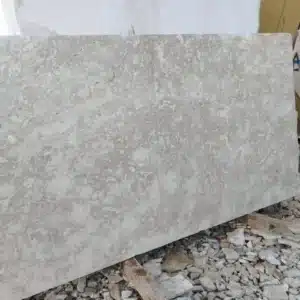
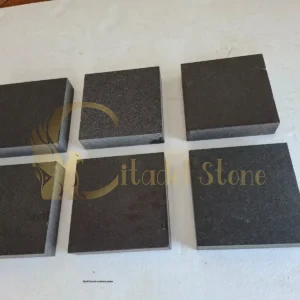
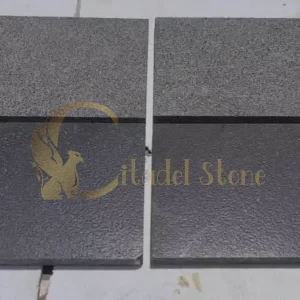

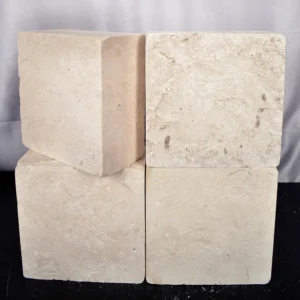
Thermal expansion rates and surface temperature behavior separate a slate installation that lasts two decades from one that starts failing at the joint line within five years. Black slate outdoor paving in Arizona performs exceptionally well when you understand its specific thermal conductivity profile — the material absorbs heat differently than porcelain or concrete, reaching equilibrium faster but also releasing it faster after sunset, which actually works in your favor during shoulder-season evenings. What most specifiers underestimate is how that thermal cycle interacts with adhesive cure schedules and joint sand performance across Arizona’s distinct seasonal windows.
Why Seasonal Timing Defines Black Slate Outdoor Paving Success in Arizona
Arizona doesn’t give you a year-round installation window the way coastal states do. The slate responds to ambient and substrate temperatures, and those numbers swing 80°F between a January morning in Flagstaff and a July afternoon in the low desert — and your mortar, bedding compound, and joint stabilizer all have a narrower tolerance range than that swing. Flagstaff’s elevation of roughly 7,000 feet also means freeze-thaw cycling enters the performance equation, which eliminates several adhesive and grout products that work fine down in the valley.
The optimal installation window for black slate patio slabs in Arizona runs from late September through November in the south, and from May into early June in the northern high country. Those windows share a critical common denominator: ambient temperatures between 50°F and 85°F with low relative humidity — conditions where your setting bed cures at the right rate without flash-setting or staying tacky too long. You can request technical data sheets and sample tiles from Citadel Stone before committing to a project schedule, which helps you match the specific product batch to your timing constraints.
Summer Scheduling Risks for Black Slate Garden Paving in Arizona
Phoenix and the surrounding Valley of the Sun present a specific problem between June and mid-September that goes beyond the obvious. Substrate temperatures — the actual slab or compacted base you’re setting stone onto — routinely hit 140°F to 160°F by early afternoon. At those temperatures, polymer-modified thinset mortars flash-cure before proper bond development occurs, leaving you with a mechanically weak interface that looks fine for the first six months and then starts lifting.
Your installation schedule in summer months, if unavoidable, needs to be compressed into the pre-dawn hours. This means starting layout and setting at 4:00 AM, completing your wet work by 9:00 AM, and protecting freshly laid black slate garden paving in Arizona with reflective shade cloth and misting systems through the heat of the day. Even with those precautions, you’re working against the clock, and most experienced crews in the Phoenix market will tell you summer installs carry a meaningful callback risk that autumn installs simply don’t.
- Substrate temperatures above 100°F require pre-wetting or shade staging of stone before setting
- Mortar open time drops from the standard 20–30 minutes to under 10 minutes in peak summer conditions
- Joint stabilizing sand cures unevenly when surface temps vary by more than 40°F across the same install zone
- Sealer applied above 90°F ambient risks blistering and adhesion failure within the first season
- Night installations require artificial lighting that adds cost and increases the chance of layout errors
The Autumn and Spring Advantage for Black Slate Patio Slabs
October and November represent the best installation months across most of Arizona’s low and mid-elevation zones. Daytime highs stabilize between 70°F and 88°F, overnight lows stay above 45°F, and the absence of monsoon humidity means your joint sand and any penetrating sealers cure cleanly without moisture interference. Black slate garden paving in Arizona installed during this window typically shows superior long-term joint performance because the grout or polymeric sand cures at a controlled rate without the stress of extreme temperature gradients.
Spring — specifically March through early May — offers a secondary installation window that works well in central and southern Arizona. The risk in spring is the late-season freeze event in higher elevations and the rapid temperature climb that can compress your usable window to just six or seven weeks before conditions become difficult again. Projects in Scottsdale typically have until mid-May before substrate temperatures start pushing into problematic ranges, while higher-elevation sites outside the metro area may retain favorable conditions two to three weeks longer.
For projects requiring black slate patio slabs in Arizona at scale, Citadel Stone ships material across the state from regional warehouse inventory, which means you can time your delivery to land two to three days before your crew mobilizes — keeping the stone shaded and acclimated to site conditions before it goes into the ground. Coordinating your truck delivery schedule with your installation crew’s mobilization date is a detail that separates well-run projects from rushed ones.
Base Preparation and How Seasonal Moisture Affects Your Sub-Base
The Arizona monsoon season — roughly July through September — saturates desert soils that spend the rest of the year at near-zero moisture content. Caliche layers common across Mesa and much of the East Valley can behave as near-impervious barriers during heavy monsoon events, creating perched water tables directly beneath your aggregate base. Installing black slate outdoor paving in Arizona directly after monsoon season, without allowing adequate dry-out time, embeds that moisture into your base profile and creates a freeze risk for higher-elevation sites and a differential settlement risk everywhere else.
The practical guidance is straightforward: allow a minimum of four weeks after the last significant monsoon rainfall before commencing base compaction on projects where caliche is present. A moisture probe reading at 18 inches should show less than 8% moisture content before you begin compaction. Rushing that timeline to hit an early October start date is the single most common cause of subtle settlement issues that emerge in the second or third year after installation.
- Compact aggregate base in lifts no deeper than 4 inches using plate compaction equipment rated for your sub-base material
- Target 95% Standard Proctor density on the finished compacted base before setting any stone
- Install French drain outlets at the perimeter for sites with significant caliche presence
- Allow 48 hours between base compaction and bedding application in autumn conditions
- For sand-set applications, your bedding layer should be 1 inch nominal — no more, regardless of the season
Black Slate Thermal Performance and Why Color Matters More Than Most Specs Acknowledge
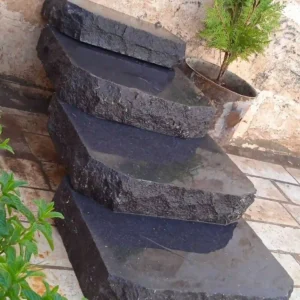
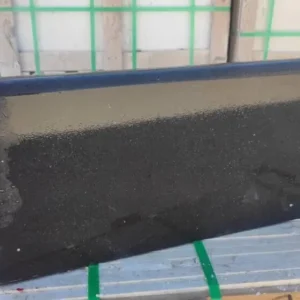
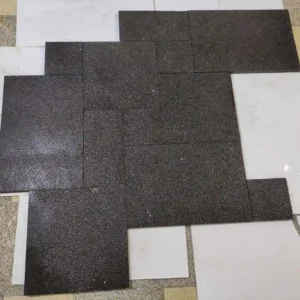
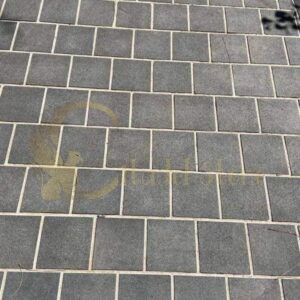
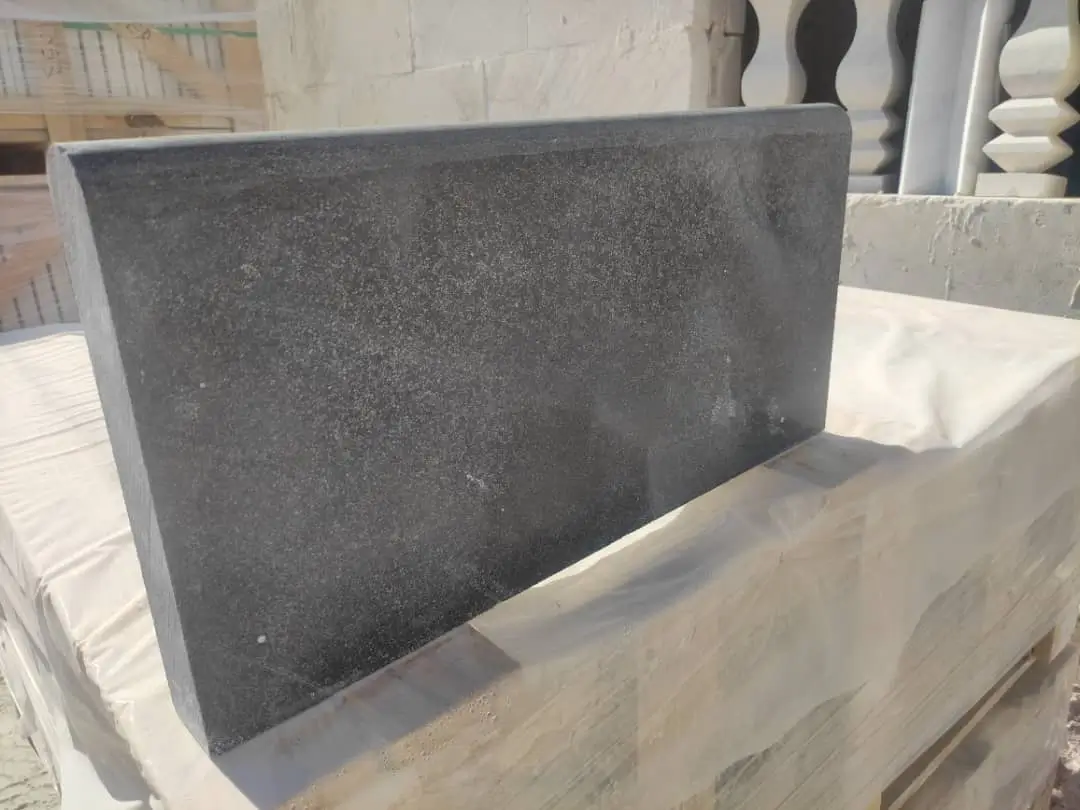
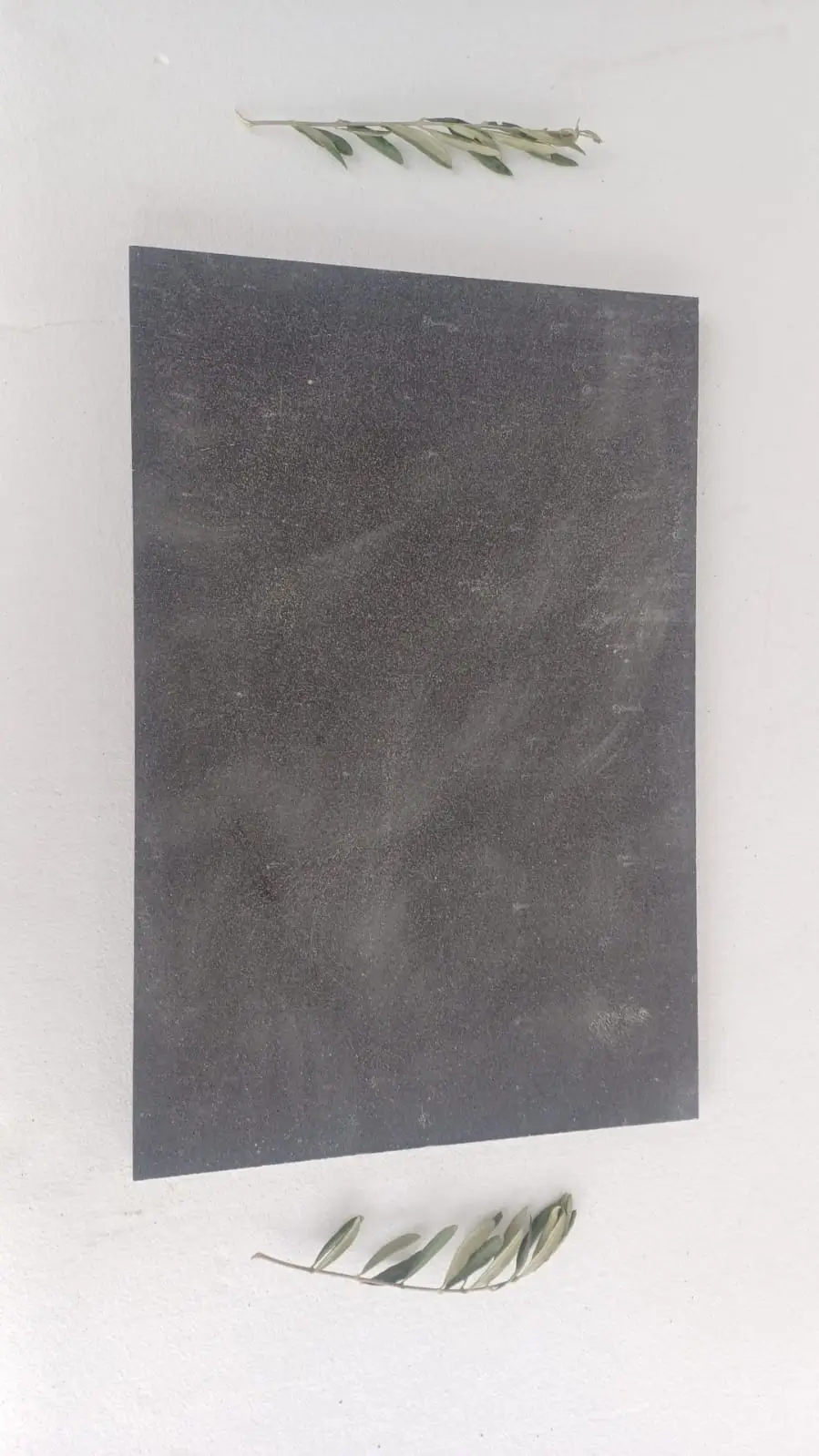
The dark coloration of black slate outdoor paving creates a surface temperature dynamic that you need to account for in residential applications specifically. Surface readings on black slate in direct Arizona sun peak 15°F to 25°F above comparable light-colored materials. That doesn’t disqualify the material — far from it — but it does mean barefoot comfort on a residential patio is limited to shaded zones and early morning or evening hours during summer months. For covered patio applications, pergola-shaded courtyards, and north-facing installations, this performance characteristic becomes irrelevant and the aesthetic advantages of the dark slate are fully realized without the heat retention trade-off.
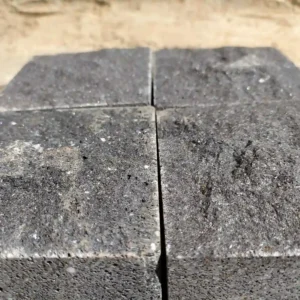
The black slate patio slabs Arizona specification guide covers thickness selections and finish options in detail, which helps you match the right product to your specific project exposure and use pattern. Honed finishes on black slate tend to absorb slightly more heat than brushed or cleft-face finishes because the smoother surface reduces the micro-shadowing effect that lightly textured stone provides — a nuance that matters more in full-sun Arizona applications than in most other markets.
Finish Selection, Slip Resistance, and Arizona’s Dry Climate Advantage
Slip resistance testing for natural stone follows ASTM C1028 wet static coefficient of friction protocols, but here’s what that standard doesn’t capture well for Arizona conditions: your installation spends the vast majority of its functional life in a dry state. The dynamic coefficient of friction on cleft-face black slate in dry conditions typically measures between 0.75 and 0.90, which comfortably exceeds the 0.60 minimum for pedestrian hardscape areas. Even honed finishes on black slate generally register above 0.55 in dry conditions — adequate for most patio applications away from pool decking.
Pool deck applications require a different finish specification. Brushed or flamed black slate maintains adequate wet traction for pool surrounds, and the irregular texture also provides better drainage channeling than a honed surface. Black slate garden paving in Arizona used around water features or in areas subject to irrigation overspray should always be specified with a textured finish rather than honed. The aesthetic difference is subtle — especially on dark-colored stone — but the safety performance difference in wet conditions is significant.
Sealing Protocols and Maintenance Scheduling for Long-Term Performance
Black slate is a fine-grained metamorphic material with a relatively low absorption rate compared to travertine or sandstone, but it’s not impervious. A penetrating silane-siloxane sealer applied after installation and renewed on a two-year cycle provides adequate protection against Arizona’s alkaline caliche dust infiltration and occasional oil or food contamination on residential patios. The timing of your initial sealer application matters — applying within 24 to 48 hours of completion, when the surface is clean and the joints have cured but before any site traffic resumes, gives the sealer the best penetration depth.
Avoid applying sealers when ambient temperatures are below 50°F or above 90°F. In practice, this reinforces the same autumn and spring installation windows that apply to the stone setting work itself — your sealing schedule and your installation schedule align naturally when you plan the full project within the optimal seasonal windows. Skipping the sealing step entirely is a decision some specifiers make on the basis of slate’s lower porosity, but in Arizona’s caliche-heavy environments, the fine dust infiltration into micro-surface features will dull the finish noticeably within two seasons without protection.
- Apply sealer in two thin coats rather than one heavy coat — this prevents surface film buildup that dulls the natural slate color
- Allow 4 hours between the first and second sealer coat at autumn temperatures
- Avoid water contact for a minimum of 24 hours after final sealer coat in optimal conditions
- Re-seal every 24 months in full-sun installations and every 36 months in covered or shaded applications
- Use a color-enhancing penetrating sealer if you want to deepen the black tones — test on a spare piece first, as results vary by batch
Order Black Slate Outdoor Paving in Arizona from Citadel Stone
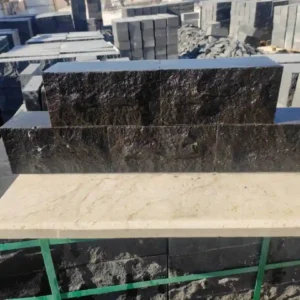
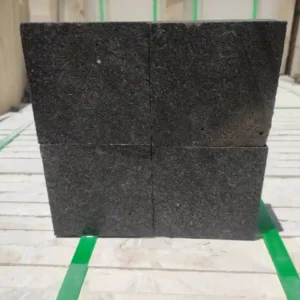
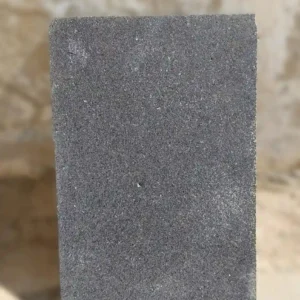
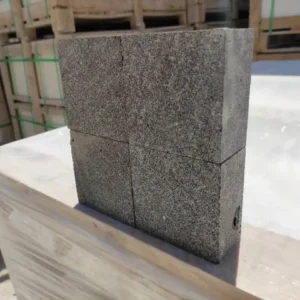
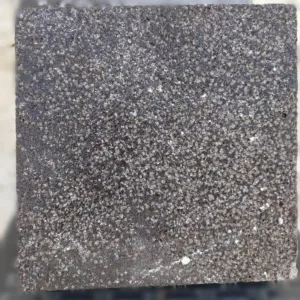
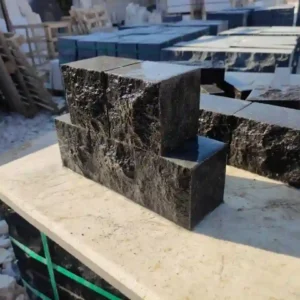
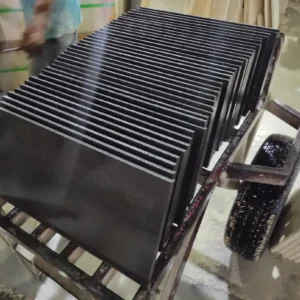
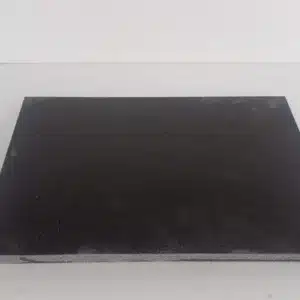
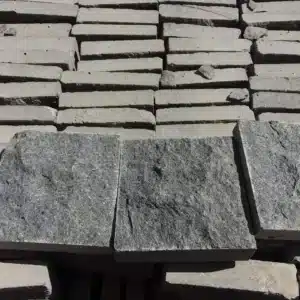
Citadel Stone stocks black slate outdoor paving in Arizona in standard formats including 12×24, 16×16, 18×24, and 24×24 inch sizes, with thickness options at 3/4 inch, 1 inch, and 1.5 inch nominal — the latter being the specification most appropriate for driveways and vehicular access areas. Cleft-face, honed, and brushed finishes are available across the primary format range. For projects requiring non-standard sizing or custom cuts, the Citadel Stone technical team can advise on lead times, which typically run 10 to 15 business days from warehouse inventory and 6 to 8 weeks for special-order batch sourcing from quarry partners. Each batch is inspected for color consistency and surface integrity before it leaves the warehouse, which matters on large-area installs where visual uniformity across the field is a client expectation.
Trade and wholesale enquiries are handled directly through the Citadel Stone team, with project-specific pricing available once format, finish, and quantity are confirmed. Samples are available on request before you commit to a volume order — a step worth taking when specifying black slate, since natural color variation between quarry runs can be meaningful. Truck delivery coverage extends across Arizona, with logistics coordinated to align with your installation crew’s schedule. Beyond black slate paving, your Arizona property may benefit from complementary stone applications — Black Limestone Driveway in Arizona covers how dark-toned limestone performs in Arizona’s driveway and access conditions, which is worth reviewing when considering a cohesive material palette across your project. For projects across Arizona, Citadel Stone offers knowledgeable guidance and consistent supply of black slate patio slabs that meet both aesthetic and structural requirements.