











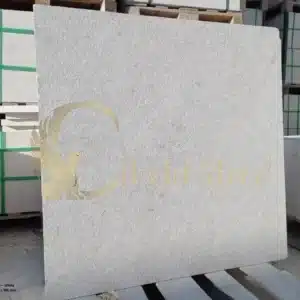


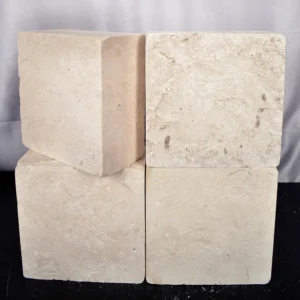
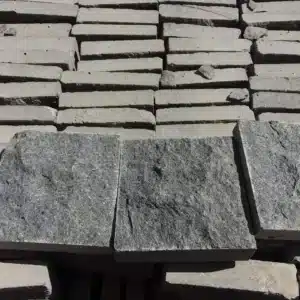

Structural failure in thin-format paver installations almost always traces back to the same root cause — underestimating the mechanical stress that Arizona’s storm season places on surface materials. Specifying 1 inch thick pavers in Arizona demands that the conversation start not with heat tolerance but with how a fast-moving haboob or a concentrated monsoon downpour transfers lateral and impact loads through the paving surface into the base system beneath. Getting that force-transfer chain right is what separates a 25-year installation from one that starts rocking and cracking after the third storm season.
Why Storm Loads Matter More Than Heat for Thin Pavers
Arizona’s weather reputation centers on heat, but for paver specifiers, the monsoon season running June through September is the real performance benchmark. Wind gusts in the Phoenix metro routinely exceed 60 mph during haboob events, and when those gusts carry particulate at surface level, they create abrasion and lateral pressure that thin-format pavers experience very differently than thicker stock. A 1 inch thick stone paver relies entirely on its bedding layer and joint restraint for stability — there’s no mass working in its favor the way a 2-inch or 3-inch unit provides.
Hail events compound the challenge. Northern Arizona, including elevations around Flagstaff, receives golf-ball-sized hail that delivers point-impact loads measured in hundreds of pounds per square inch. For Flagstaff installations, you’ll want to specify stone types with compressive strength above 8,000 PSI and a Mohs hardness rating of at least 6 to resist surface pitting from repeated hail contact. Softer limestone variants that perform fine in low-desert patios simply don’t hold up at elevation when hail enters the picture.
- Lateral wind loads on 1 inch patio pavers require edge restraint systems rated for a minimum 500-lb horizontal force per linear foot in exposed installations
- Monsoon rainfall intensities in Arizona can reach 3–4 inches per hour, creating hydraulic uplift pressure under improperly bedded thin pavers
- Hail impact resistance correlates directly with stone density — specify materials with a dry density above 150 lb/ft³ for elevated Arizona sites
- Freeze-thaw cycling at elevations above 4,500 feet introduces a secondary mechanical stress that compounds storm damage on porous stone types
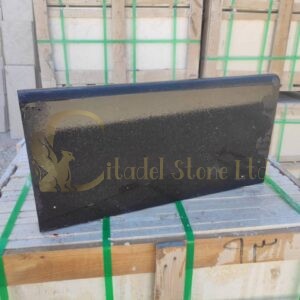
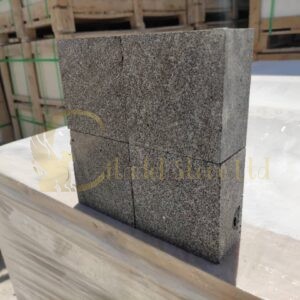
Citadel Stone stocks 1 inch thick pavers in Arizona in formats specifically evaluated for regional storm performance, with each batch inspected at the warehouse for consistent density and surface integrity before it leaves for your site.
Material Selection for Wind and Storm Resilience
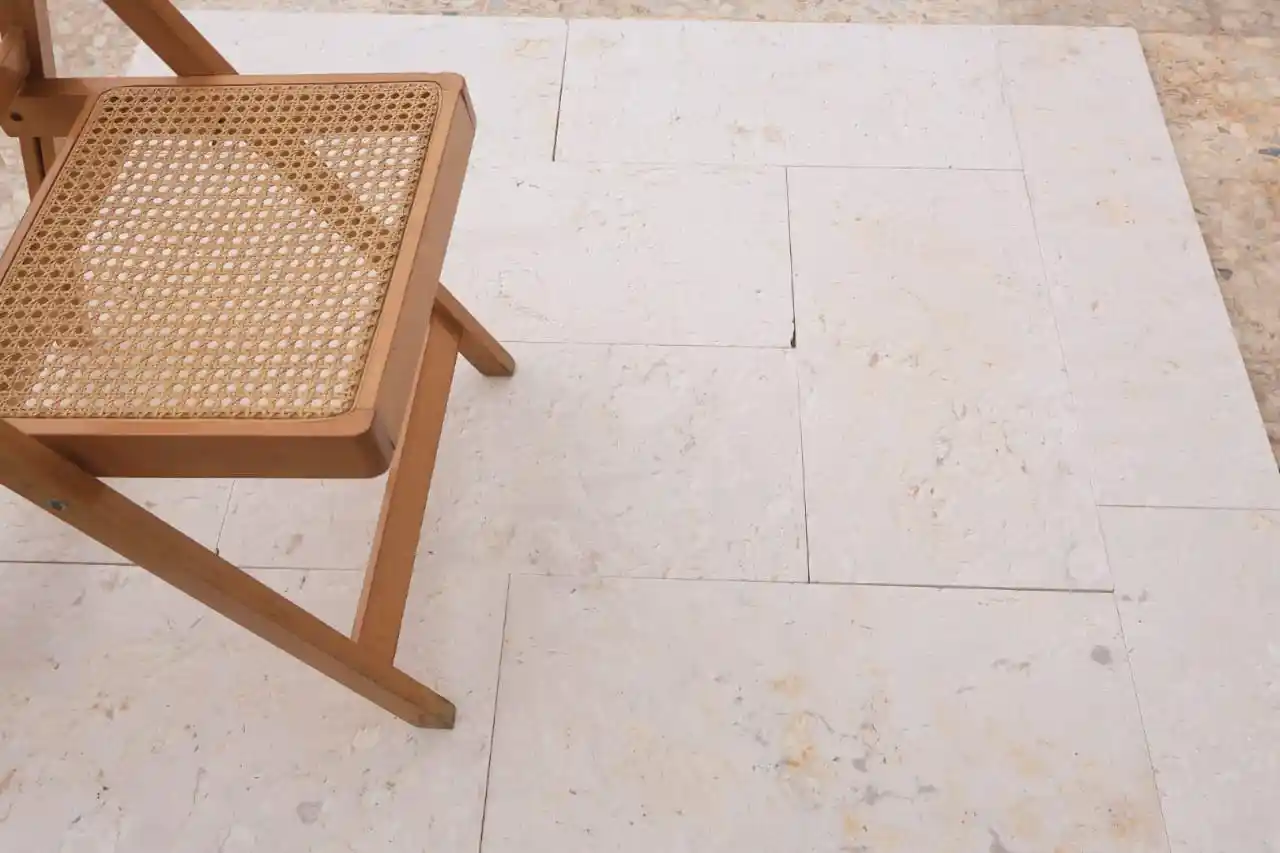
The material you choose for 1 inch thick stone pavers in Arizona should be evaluated against three storm-specific performance criteria before any other consideration: impact resistance, water absorption rate, and surface texture retention under abrasion. These three metrics tell you far more about long-term storm performance than compressive strength ratings alone, which tend to dominate spec sheets but underrepresent real-world failure modes.
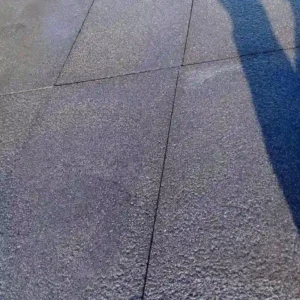
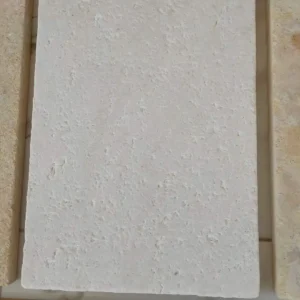
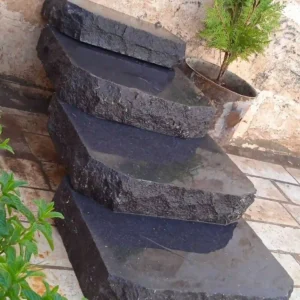
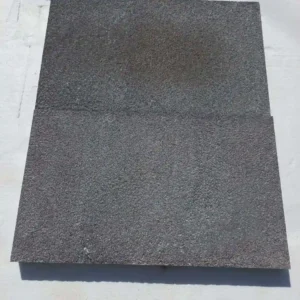
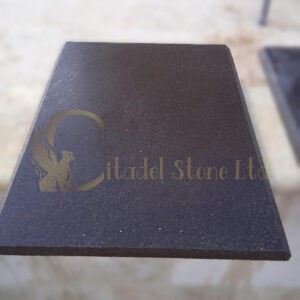
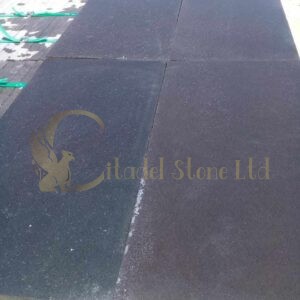
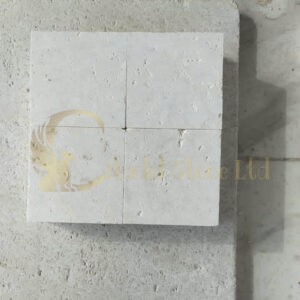
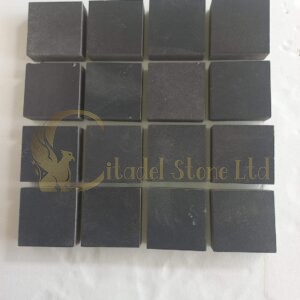
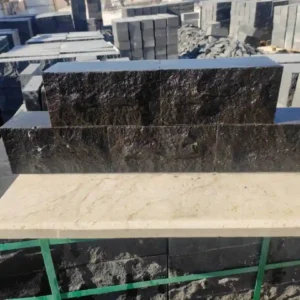
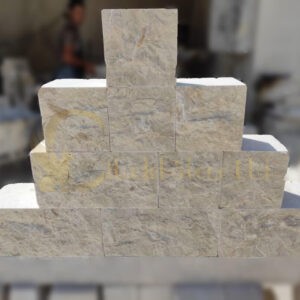
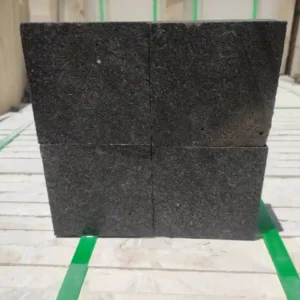
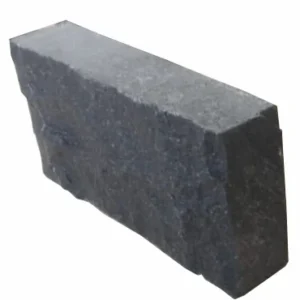
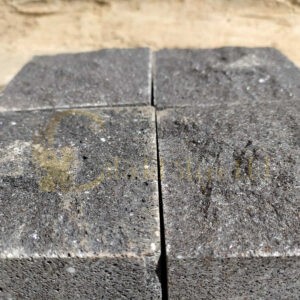
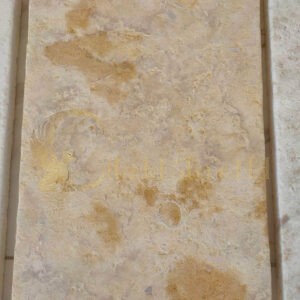
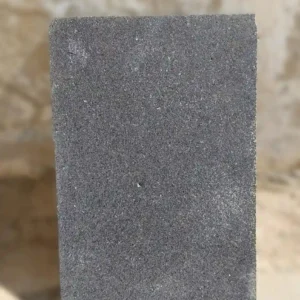
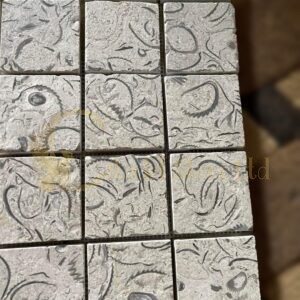
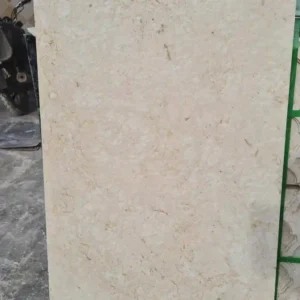
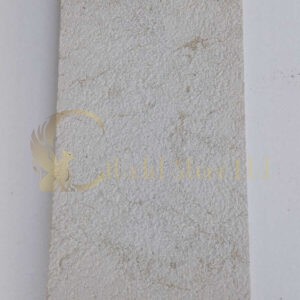
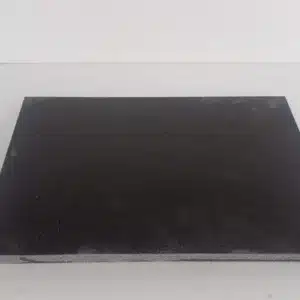
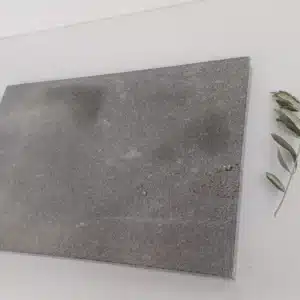
Natural stone options available in 1-inch nominal thickness each bring a distinct storm-performance profile. Basalt, with its fine crystalline structure and absorption rate below 1%, handles both hail impact and hydraulic saturation better than most alternatives. Travertine’s interconnected void structure — the feature that makes it so appealing aesthetically — becomes a vulnerability in high-rainfall events if it hasn’t been properly filled and sealed. Dense limestone sits in the middle: excellent hail resistance when its surface hardness is above Mohs 4, but susceptible to surface dissolution in regions where acid rain from industrial activity reaches measurable pH levels.
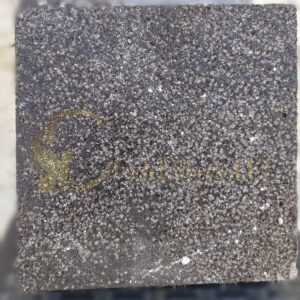
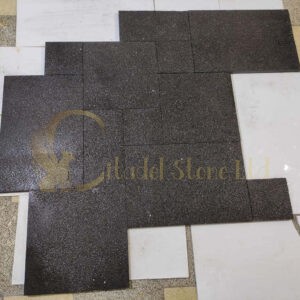
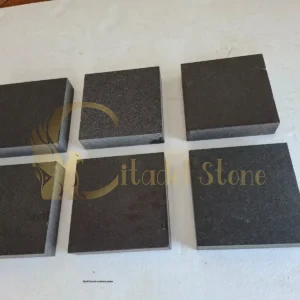
- Basalt: absorption rate under 1%, Mohs hardness 6–7, ideal for exposed Arizona installations with hail exposure
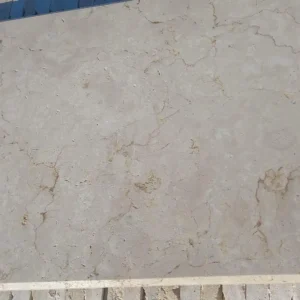
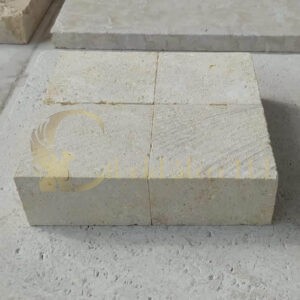
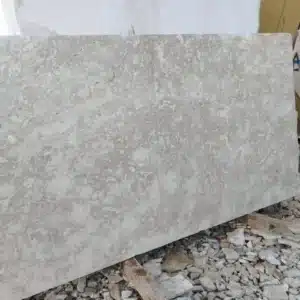
- Dense limestone: compressive strength 8,000–15,000 PSI depending on formation, specify filled and sealed for monsoon-zone patio applications
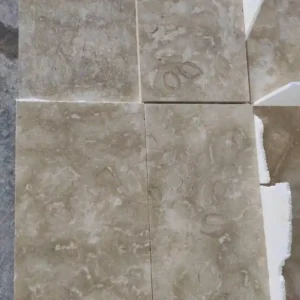
- Travertine: requires factory-filled voids and penetrating sealer before installation in storm-exposed areas — unfilled travertine traps debris and moisture during events
- Quartzite: hardness 7 on Mohs scale, excellent abrasion resistance from wind-driven particulate, but requires wet saw cutting due to its brittleness in thin formats
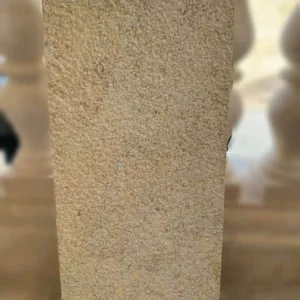
- Sandstone: generally not recommended for 1 inch thick paver applications in Arizona storm zones — surface erosion from wind-driven sand is measurable within 3–5 years
For 1 inch thick brick pavers, the story is different — engineered brick units in this thickness are typically pressed to higher density than natural stone equivalents, achieving water absorption rates of 2–5% depending on the firing temperature and clay composition. In monsoon conditions, that absorption differential matters: a denser unit cycles wet-to-dry faster, reducing the hydrostatic stress that causes delamination at the mortar bed interface.
Base Preparation for Storm-Resistant Thin Paver Systems
Your base system is doing triple duty with 1 inch thick patio pavers: it’s the structural platform, the drainage medium, and the primary defense against hydraulic uplift during heavy rainfall. In Arizona’s expansive clay soils — which dominate the Phoenix and Tucson valleys — that base system faces an additional challenge that storm conditions amplify dramatically.
Expansive soils absorb monsoon rainfall and swell, then contract during dry periods. For 1 inch driveway pavers or patio installations over native caliche and clay, the base must be engineered to interrupt that moisture cycle before it reaches the paving units. A properly designed storm-resilient base for thin-format Arizona pavers typically involves:
- Minimum 6 inches of compacted Class II road base aggregate under pedestrian applications, 8–10 inches under vehicular loads — deeper than standard recommendations because Arizona clay requires greater moisture buffering
- Geotextile separation fabric between native soil and aggregate base — prevents clay migration into the drainage layer during monsoon saturation events
- Bedding layer of 1 inch compacted aggregate sand, not fine masonry sand, which migrates under hydraulic pressure during heavy rainfall
- Edge restraints installed at least 4 inches deep, anchored with 12-inch spikes at 18-inch intervals maximum — standard 24-inch spacing fails under lateral soil pressure from storm-saturated ground
- Positive drainage slope of minimum 1.5% away from structures — at 1%, surface ponding occurs during peak monsoon rainfall intensities and creates uplift pressure under thin units
In Tucson, where soil profiles frequently combine caliche hardpan with overlying sandy loam, your excavation depth needs to account for the hardpan layer. Breaking through and removing caliche creates an excellent natural drainage boundary, but leaving it intact at a slope creates the drainage plane you need without excavating to the depths required in deeper clay profiles. That’s a site-specific judgment call that affects your material quantities and your timeline. For projects where you need to compare pricing across formats before committing to base depth decisions, 1 inch thick paver options provides specification details that connect material choice to base preparation requirements and overall project cost.
1 Inch Paver Thickness: Performance Under Mechanical Stress
The thickness conversation for thin-format pavers gets oversimplified in most spec discussions. A nominal 1 inch thick paver stone in Arizona isn’t a universal specification — actual thicknesses in this product category run from 3/4 inch (true 1/2 inch thick pavers in some manufacturer ranges) through 1 1/4 inches, and that 1/4-inch variation produces measurably different performance under point loading from storm debris impact and vehicular edge loading.
Here’s what the numbers actually mean in field conditions: a 3/4-inch unit under a 200-lb point load — think a branch dropped during a wind event, or a vehicle tire at the edge of a driveway — deflects approximately 40% more than a 1 1/4-inch unit of the same material and plan dimensions. That deflection differential determines whether surface cracking appears at year 3 or year 15. For 1 1/2 thick pavers, the bending resistance increases significantly, making them a better choice for applications with any risk of storm-debris impact or vehicular encroachment.
- True 1/2 inch thick pavers: overlay applications only, must be bonded to existing concrete substrate, not suitable for storm-exposed freestanding patio construction
- 3/4 inch nominal (1/4 inch thick pavers in some ranges): appropriate for indoor or covered applications, not recommended for exposed Arizona patio use without rigid substrate bonding
- 1 inch nominal: the threshold for unbonded pedestrian paving in Arizona — suitable for patios, garden paths, and pool decks with proper base preparation
- 1 1/4 to 1 1/2 inch nominal (1 1/2 thick pavers): recommended for Arizona driveway aprons and any area with storm-debris impact risk or occasional light vehicular use
The 1 2 inch thick pavers category — meaning the 1.5-inch range — occupies a useful middle ground for Arizona projects where you want the visual lightness of a thin-format installation but need the structural margin that monsoon debris events demand. You’ll pay approximately 15–20% more per square foot in material cost, but the reduction in cracking and replacement rates over a 10-year period typically justifies the premium on exposed installations.
Surface Finish and Slip Resistance in Storm Conditions
Surface texture selection for 1 inch paver stones in Arizona isn’t just an aesthetic decision — it directly determines safety performance during and immediately after storm events. Monsoon rainfall creates rapid surface water sheet-flow conditions that persist for 15–45 minutes after the rain stops, and a polished or honed surface finish during that window produces slip resistance values well below the ASTM C1028 minimum threshold of 0.60 dynamic coefficient of friction for pedestrian applications.
The finish categories that matter for Arizona storm performance break down this way:
- Natural cleft or split-face: highest wet slip resistance, dynamic CoF typically 0.75–0.90, best choice for pool deck surrounds and any area exposed to monsoon runoff
- Sandblasted or bush-hammered: CoF range 0.65–0.80 wet, suitable for patios and walkways — provides aesthetic consistency while maintaining safety margins
- Flamed finish: CoF 0.70–0.85 wet, thermally opens the surface micro-texture without compromising dimensional stability, excellent for thin-format stone where surface depth can’t be sacrificed
- Honed: CoF drops to 0.45–0.55 wet — below pedestrian safety thresholds, acceptable only in covered or interior applications in Arizona
- Polished: wet CoF 0.35–0.45 — unsuitable for any Arizona exterior application without anti-slip treatment applied every 12–18 months
Anti-slip additive treatments applied over polished or honed thin-format pavers deteriorate faster in Arizona’s UV exposure than in moderate climates. Plan for reapplication every 12 months maximum, not the 24-month cycle recommended by most product manufacturers, who test under temperate conditions. In Scottsdale pool deck environments, where polished travertine remains a design standard, that maintenance frequency is non-negotiable if you want to maintain code-compliant slip resistance through the storm season.
Joint Design and Edge Restraint for Arizona Storm Exposure
Joint width and infill material selection for 1 inch patio pavers in Arizona should be driven by storm performance requirements, not just aesthetics. The three failure modes that storm conditions accelerate in thin-format paver systems are joint washout, unit displacement, and edge restraint failure — and all three are directly addressable through proper joint design at the specification stage.
Polymeric sand has become the default joint filler for good reason: when activated correctly, it creates a semi-rigid joint that resists hydraulic washout from rainfall intensities up to approximately 3 inches per hour. Arizona’s peak monsoon intensities can exceed 4 inches per hour during severe events, which means polymeric sand alone isn’t sufficient for exposed installations without supplemental drainage capacity in the base. Your joint width should be 3/16 to 1/4 inch for thin-format natural stone — narrower than this restricts drainage and creates hydraulic pressure in the joint cavity during rapid rainfall events.
- Polymeric sand: appropriate for pedestrian patio applications, specify products with Class A fire rating for areas adjacent to fire pits or outdoor fireplaces common in Arizona outdoor living spaces
- Mortar joints: suitable for bonded overlay applications on rigid substrates, not for unbonded base systems — thermal movement will crack rigid mortar joints in Arizona’s temperature range
- Resin-based jointing compounds: highest storm resistance, cost approximately 3–4x polymeric sand, justified for commercial applications or high-value residential projects with premium stone
- Fine aggregate only (no binder): acceptable for temporary or informal pathways, will require replenishment annually in Arizona monsoon zones
Edge restraint systems for 1 inch paver bricks and stone units in Arizona storm zones need to account for soil hydrostatic pressure during monsoon saturation, not just the normal compaction resistance. Plastic edge restraint spiked at 12-inch centers performs adequately for protected courtyard installations. For exposed perimeter edges adjacent to landscaping that channels storm runoff, aluminum or steel restraint systems anchored at 8-inch centers provide the lateral resistance needed when saturated soil moves against the paving boundary.
Sealing and Maintenance Schedules for Storm-Exposed Installations
Sealing protocols for 1 inch thin pavers in Arizona differ from standard concrete maintenance primarily because natural stone’s pore structure responds to the wet-dry cycling of monsoon season in ways that accelerate sealer degradation. A penetrating silane-siloxane sealer that the manufacturer rates for 5-year performance in a temperate climate should be scheduled for reapplication every 2–3 years in Arizona low-desert conditions and every 18–24 months for installations at elevations above 5,000 feet where freeze-thaw cycling compounds UV degradation.
The timing of sealer application relative to storm season matters more than most maintenance guides acknowledge. Applying sealer to 1 inch stone pavers in Arizona during the pre-monsoon window — April through mid-June — allows full cure before the high-humidity, rapid-wet-cycling conditions of July through September. Sealer applied during or immediately after monsoon events on stone that hasn’t fully dried traps moisture beneath the sealer film, causing efflorescence and eventual delamination of the sealer layer.
- Pre-monsoon application window: April 1 through June 15 — optimal cure conditions, low ambient humidity, stone surface temperatures suitable for sealer penetration
- Post-monsoon touch-up: October through November, after storm season ends and before winter temperature drops affect cure rates
- Surface must be dry to minimum 2-inch depth before sealer application — use a moisture meter, not just surface appearance as the test criterion
- Two-coat application with 2–4 hour inter-coat interval produces measurably better performance than a single heavy coat on porous natural stone
- Joint sand must be reapplied before sealing if storm events have caused any settlement or washout — sealing over depleted joints accelerates joint failure
Citadel Stone’s warehouse team can provide sample tiles and sealing specification sheets before you commit to a product line — testing a sealer on your specific stone batch under local conditions before full application is the standard we’d recommend for any project where the paving surface area exceeds 500 square feet.
Application Contexts: Patios, Driveways, and Pool Decks
The application context determines which aspect of storm performance becomes the design constraint for 1 inch thick patio pavers in Arizona. Patio applications prioritize surface drainage geometry and slip resistance. Driveway applications shift the focus to edge restraint integrity and point-load resistance at tire contact zones. Pool deck applications require the most complex balancing of storm drainage, chemical resistance from pool water, and slip safety in continuously wet conditions.
For 1 inch driveway pavers at approach aprons and transition zones — where vehicle wheels exert their maximum point load — the thin format works best when the base system is engineered to distribute that load rather than expecting the paver unit to carry it. A 10-inch compacted aggregate base with a 1.5-inch bedding layer effectively reduces the point load stress at the unit level to within the safe range for 1-inch natural stone with compressive strength above 6,000 PSI. Below that strength threshold in driveway applications, you’re relying on the base system to compensate for the material’s structural limits.
- Patio pavers: 1 inch format suitable for all pedestrian loads, slope specification of 1.5–2% critical for monsoon drainage performance
- Driveway aprons and transition zones: 1 inch pavers require rigid substrate or reinforced aggregate base of minimum 10 inches — specify 1 1/2 inch format for unreinforced base systems
- Pool decks: 1 inch format ideal for the aesthetic lightness required, specify flamed or natural cleft finish only, slope minimum 1% toward deck drains
- Walkways and garden paths: 1 inch format performs well, focus specification effort on edge restraint to prevent lateral displacement from storm-event soil movement
- Commercial plazas: 1 inch thin pavers appropriate for foot-traffic areas with proper base design, not suitable for service vehicle access zones
Sourced from established quarry partners with consistent geological formation data, each batch of 1 inch stone pavers in Arizona from Citadel Stone’s inventory is checked for density and dimensional tolerance before warehouse release — a quality step that matters specifically for thin-format units where dimensional variation beyond ±1/16 inch creates bedding inconsistencies that storm events exploit.
Selecting Formats, Sizes, and Laying Patterns for Storm Resilience
Format and laying pattern selection for 1 inch paver stones in Arizona has a direct but underappreciated relationship with storm performance. Larger format units — 24×24 inch and above — create fewer joints per square foot, which reduces the total linear footage of potential joint-washout exposure. Smaller units in running bond or herringbone patterns create more joints but distribute mechanical loads more evenly across the base system, reducing the concentrated stress that large-format units experience at their corners during storm-debris impact events.
The herringbone pattern at 45 degrees to the primary traffic direction is consistently the highest-performing laying pattern for areas that receive vehicle loads or significant foot traffic during wet conditions. The interlocking geometry of herringbone distributes horizontal stress — including the lateral loads that wind-driven storm events create at the surface — more effectively than running bond or stack bond patterns. For 1 inch paver bricks in Arizona driveway applications, herringbone at 45 degrees should be the default specification.
- 12×12 inch units: versatile, manageable in all wind conditions during installation, good storm performance with proper joint filling
- 16×16 inch units: the practical sweet spot for 1 inch thick stone pavers in Arizona — fewer joints than smaller formats, manageable point-load stress distribution
- 24×24 inch units: require exceptional base flatness tolerance of ±1/8 inch across the unit, corner cracking risk increases significantly if base settles unevenly after storm events
- Herringbone pattern: highest lateral load resistance, recommended for all vehicular-adjacent applications
- Running bond: suitable for pedestrian patios and walkways, easier to install and maintain consistent joint alignment
- Random ashlar: aesthetically distinctive, requires careful size distribution to avoid large units at installation edges where storm-event lateral pressure concentrates
Request 1 Inch Thick Pavers Pricing — Citadel Stone Arizona
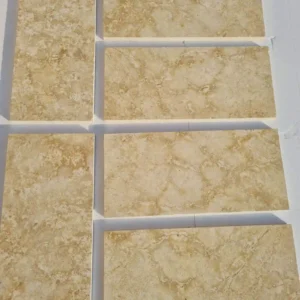
Citadel Stone stocks 1 inch thick pavers in Arizona across a range of natural stone types and formats, with standard availability in 12×12, 16×16, and 24×24 inch units in basalt, limestone, travertine, and quartzite. Specialty formats including 16×24 and custom cut dimensions are available with lead times of 3–4 weeks depending on current warehouse inventory and quarry production schedules. For trade and wholesale enquiries, Citadel Stone’s team can provide project-specific pricing, sample tiles for on-site material assessment, and technical specification support — including base preparation recommendations tailored to your project’s soil conditions and storm-exposure category.
Delivery coverage extends across Arizona, with truck scheduling available to metropolitan areas including Phoenix, Tucson, and Scottsdale on standard 5–7 business day lead times from confirmed order. For remote project sites or locations requiring specialized truck access — including elevated sites where standard flatbed delivery isn’t feasible — freight logistics can be coordinated through Citadel Stone’s project support team. You can contact Citadel Stone directly to request a quote, schedule a material consultation, or confirm current stock availability before locking in your project timeline. As your Arizona stone project evolves beyond the primary paving surface, complementary large-format materials may also become relevant — 600×600 Paving Slabs For Sale in Arizona covers another format dimension in Citadel Stone’s Arizona range that some projects incorporate alongside thinner paver formats. For specifications, availability, and professional support, Citadel Stone serves Arizona clients seeking durable 1 inch thick paver solutions for residential and commercial applications.