

Most budget conversations around 1 inch thick paver cost Arizona start with price-per-square-foot math and stop there — which is exactly where costly mistakes begin. The real calculation involves material density, surface texture relative to Arizona’s design vocabulary, and how a specific stone’s color temperature interacts with the surrounding landscape palette. Before you pull a single quote, you need to understand how the material you’re pricing actually behaves inside the design ecosystem you’re building around it.
Why Design Context Drives Material Cost in Arizona
Arizona’s landscape design traditions are genuinely unlike anywhere else in the country. You’re working within a visual language shaped by high desert color — warm terracottas, silvery sage, bleached sandstone — and the architectural vernacular ranges from Pueblo Revival adobe in Sedona‘s red rock corridors to clean-lined modern desert minimalism in the urban valley. What this means practically is that a paver material priced at $4.50 per square foot might be the wrong choice even if the budget fits, because the wrong stone reads as a visual interruption rather than an integration.
The cost of thin stone paver pricing in Arizona isn’t just a procurement question — it’s a design-fit question. You’ll spend more correcting a material mismatch over five years than you would have investing an extra dollar per square foot upfront to get the tone, texture, and thermal mass right. That’s field reality, not a sales pitch.
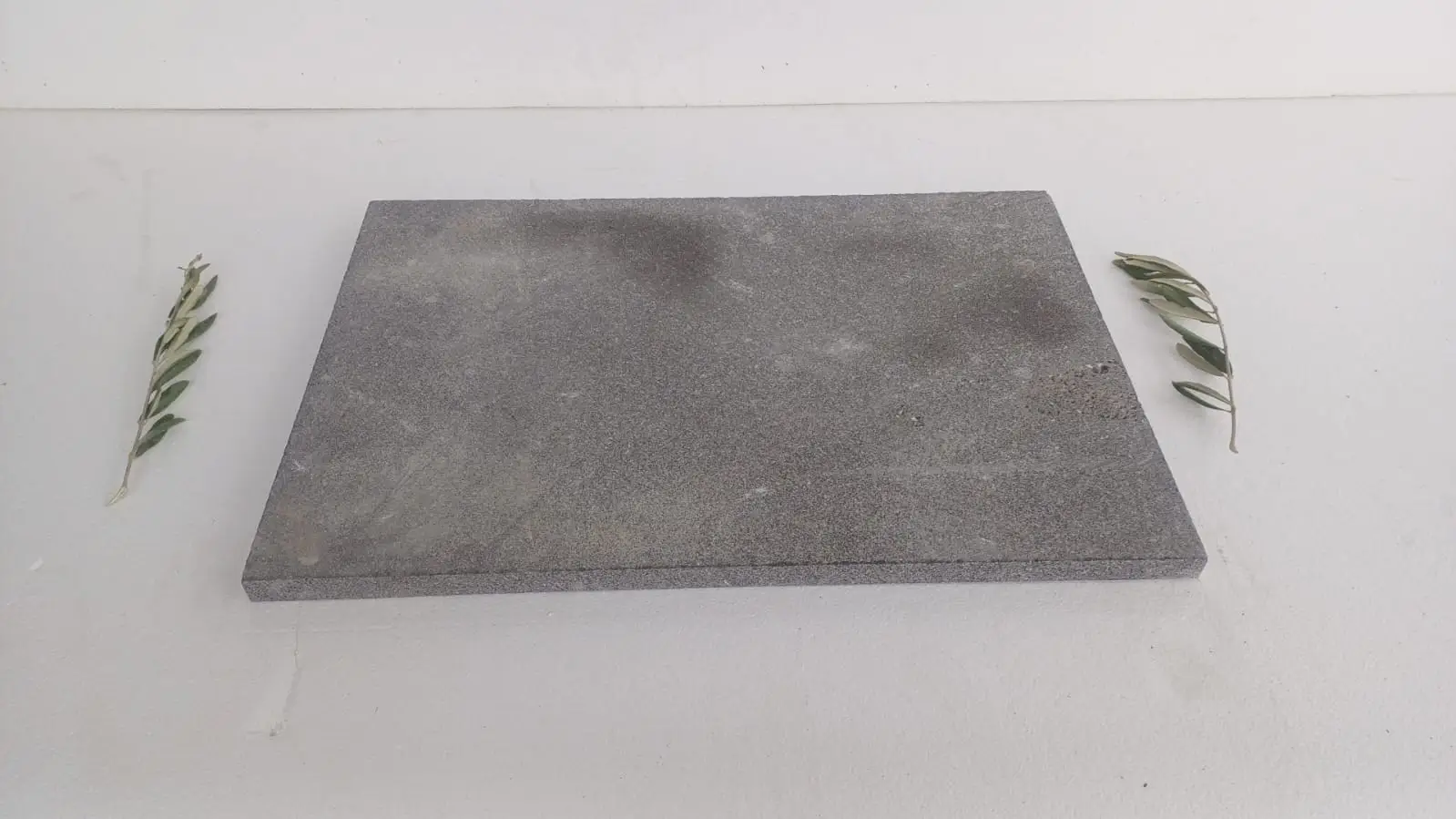
Arizona Paver Material Cost Comparison: What Each Price Tier Delivers
Understanding budget planning for pavers as an AZ homeowner means reading price tiers as design capability tiers, not just quality tiers. Each material category brings a specific aesthetic signature that either reinforces or conflicts with your site’s design intent.
- Concrete pavers in the 1-inch nominal range typically run $2.50–$4.00 per square foot in Arizona, offering consistent color and format but limited integration with natural desert palette — the material’s uniformity works against organic landscape compositions
- Manufactured thin stone veneer panels land around $4.00–$6.50 per square foot installed, with texture profiles that photograph well but often read as flat in person against a background of genuine geological variation
- Natural limestone at 1 inch nominal thickness ranges from $5.50–$9.00 per square foot depending on origin and finish, with a warmth and tonal variation that picks up Arizona’s ambient light in ways manufactured materials simply can’t replicate
- Travertine in true 1-inch slabs runs $6.00–$10.50 per square foot, and the vein-cut and cross-cut options give you design control that matters enormously when you’re tying into existing hardscape or building against a specific architectural style
- Quartzite and sandstone thin pavers can reach $8.00–$13.00 per square foot for premium material with intact natural bedding planes — the texture profile on these is exceptional for xeriscaping compositions
The spread within each category is significant, and it traces back to finish selection, slab thickness consistency, and whether the material was sourced directly from the quarry or passed through multiple distribution points. Each additional step in that supply chain adds cost and reduces your control over material consistency.
How Arizona Landscape Style Affects Your Stone Selection and Budget
The dominant landscape styles across Arizona each carry implicit material requirements, and understanding that alignment upfront saves you from the most expensive mistake in thin stone paver pricing in Arizona: buying a stone that fits your budget but disrupts your design logic.
Desert xeriscaping — which dominates residential projects across the valley floor — reads best with materials that have geological credibility. A paver surface that looks like it was formed by natural processes integrates seamlessly with decomposed granite groundcover, native plantings, and boulder compositions. Tumbled travertine and brushed limestone at 1 inch thick accomplish this in a way that smooth-faced concrete simply can’t. Affordable 1 inch pavers across Arizona are available in natural stone — you don’t have to compromise design integrity to hit a budget target.
For projects with a more formal desert-contemporary orientation — clean geometric planting beds, steel edging, architectural concrete walls — you’ll want a paver with a controlled cleft or sawn face that holds a crisp joint line. Basalt thin pavers in the 1-inch range are excellent for this application, though you’ll pay toward the upper end of the pricing spectrum. Flagstone-format limestone with a honed finish gives you a middle-ground option that pairs well with both modern and transitional design vocabularies.
Regional Pricing Factors Across Arizona Markets
Geography matters more to 1 inch thick paver cost Arizona than most buyers realize, and not just because of transportation. Material availability in each region reflects the local design demand, which affects what’s stocked in warehouse inventory and what ships on order.
In the high-country markets like Flagstaff, you’re dealing with a fundamentally different design context — ponderosa pine surroundings, cooler color temperatures, and a historical preference for rustic dry-stacked aesthetics. The thin stone pavers that perform visually here tend toward darker basalts and rough-split sandstones rather than the warm ivory limestones that dominate valley-floor specifications. Pricing in that market reflects regional freight costs and a smaller installed base of suppliers, which means you should budget 10–18% above valley pricing for equivalent material.
In the extreme low desert around Yuma, the design vocabulary is different again — Spanish Colonial Revival and desert-adapted modernism dominate, with a premium on materials that retain color under sustained UV exposure above 110°F for extended periods. Terracotta-toned travertine and warm-buff limestone hold their saturation better than cooler-toned materials in this environment, and your selection should factor surface albedo alongside design intent. Truck delivery logistics to that region also extend lead times, which affects project scheduling more than material cost.
You can browse current product availability and get region-specific pricing guidance at Citadel Stone pavers Mesa Arizona, which maintains stocked warehouse inventory that reduces the wait times associated with import-cycle materials.
Why Thickness Consistency Is a Hidden Cost Variable
One inch nominal sounds precise, but the tolerance range across different material sources varies enough to affect both your installation cost and your finished surface quality. This is a detail that separates experienced specifiers from first-time buyers.
- Premium-grade natural limestone at true 1-inch nominal typically holds a ±1/8-inch tolerance — this allows for a conventional sand-set installation with standard screeding technique
- Budget-tier material from secondary-cut sources can vary ±3/8 inch within a single pallet, which forces your installer to mud-set individual pieces, adding $1.50–$3.00 per square foot in labor
- Travertine specifically requires attention to fill quality in voids — unfilled back-face voids in 1-inch material collapse under point loading at lower PSI thresholds than filled-face product
- Thin stone paver pricing in Arizona from direct-quarry suppliers tends to have tighter tolerance control because the material moves from cut to shipping without redistribution sorting
- Always request a thickness specification sheet before committing — not just a nominal dimension, but the actual calibration tolerance and calibration method used
At Citadel Stone, we review thickness calibration data from every shipment before it enters warehouse stock, because inconsistent material causes field problems that reflect poorly on the product regardless of whose name is on the delivery ticket. That quality-check step is something you should verify with any supplier you’re considering.
Integrating Thin Pavers Into Xeriscaping Compositions on a Budget
The intersection of affordable 1 inch pavers across Arizona’s desert landscape design market is where the most interesting specification decisions happen. Xeriscaping as a design discipline isn’t just about water efficiency — it’s an aesthetic philosophy that rewards material authenticity and penalizes anything that reads as imported or out-of-context.
For stepping stone paths through native plant beds, 1-inch irregular limestone flags in the $5.50–$7.00 range accomplish both the functional and aesthetic goal elegantly. The irregular format reads as naturalistic, which is exactly what the design language demands, and the 1-inch thickness is appropriate for pedestrian stepping applications on a compacted DG base. A thicker paver isn’t necessary for this application — 1 inch on a properly prepared sub-grade handles the load without excess material cost.
For defined patio areas within a xeriscaped garden, you’ll want more dimensional consistency — either calibrated limestone or travertine in a regular-format pattern that creates visual order within the organic surrounding. The 12×24 format in 1-inch thickness works exceptionally well for this because the proportion reads as architectural without requiring the weight and base prep of a 2-inch paver. Your drainage detail matters more here than your paver thickness; a 2% cross-slope on a well-compacted base handles Arizona’s monsoon events without pooling. Budget planning for pavers as an AZ homeowner should always account for this drainage prep as a line item, not an afterthought.
Installation Cost Variables That Affect Your Total Budget
The material cost is only one component of your actual project budget, and for 1-inch pavers specifically, the installation variables carry more weight than in thicker-format applications. Thinner material is less forgiving of base irregularities, which means base preparation quality directly determines whether your finished surface holds up or requires early remediation.
- Base preparation in Arizona’s clay-heavy soils typically runs $1.80–$3.50 per square foot depending on excavation depth and compaction requirements — don’t underestimate this line item
- Sand-set installation for calibrated 1-inch material runs approximately $4.00–$6.50 per square foot in labor in most Arizona markets
- Mortar-set installation on a concrete substrate adds $2.50–$4.00 per square foot in labor but reduces long-term movement risk in areas subject to tree root pressure or heavy vehicle access
- Joint material selection — polymeric sand versus standard silica sand — costs the same per bag but polymeric is worth the minor premium for any application where weed intrusion is a concern near planted areas
- Sealing 1-inch natural stone in Arizona’s UV environment adds $0.80–$1.50 per square foot on initial application, but the protection against staining from monsoon sediment and organic material justifies the investment on any high-visibility surface
The total installed cost for quality 1 inch thick pavers in Arizona typically lands between $14.00 and $24.00 per square foot depending on material selection, base conditions, and finish details. Breaking down that range by project scope helps you identify where your specific design priorities add legitimate cost versus where you can optimize without compromising the outcome.
Ordering, Logistics, and Lead Times for Arizona Projects
Your project timeline is as much a cost variable as your material selection. Material sourced through import cycles carries a 6–8 week lead time that can push your installation window into Arizona’s summer heat peak — which affects both installation conditions and labor availability. Direct-quarry sourcing through suppliers with established warehouse stock in Arizona typically reduces that lead time to 1–2 weeks, which gives you meaningful schedule flexibility.
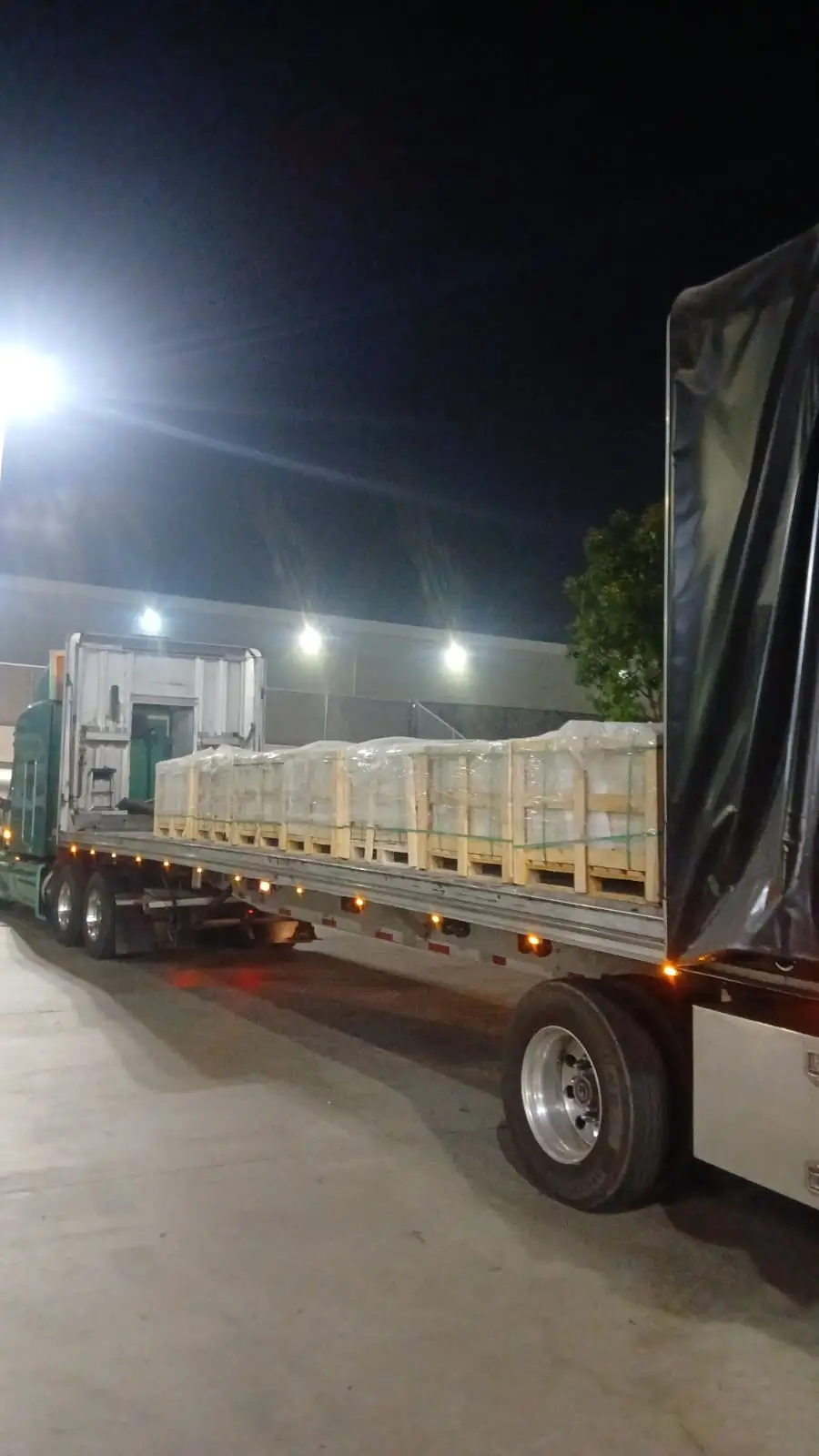
Truck delivery logistics across Arizona’s geography vary significantly by region. Standard flatbed truck delivery to the metro valley is straightforward, but rural site access — particularly on the winding approaches to some of the design-forward resort properties in the Sedona area — requires coordination on truck size and unloading access. Confirm site accessibility details with your supplier before finalizing your delivery schedule. A truck that can’t access your staging area adds an offload-and-transfer cost that doesn’t appear on any material quote.
Order quantity also affects your effective per-unit cost. Pallet-minimum orders typically carry a $200–$400 freight allocation that gets buried in the pricing, while full-truckload quantities often unlock material pricing 8–12% below pallet pricing. For projects above 800 square feet, running the full-truck math against the pallet quote is worth the conversation with your supplier. This is an area where the Arizona paver material cost comparison between pallet and truckload pricing can meaningfully shift your total project budget.
Professional Summary: Getting 1 Inch Thick Paver Cost Arizona Right
Nailing the 1 inch thick paver cost Arizona calculation means starting with design intent and working backward to material selection — not starting with price and hoping the stone fits. The materials that integrate authentically with Arizona’s landscape traditions, from the xeriscaped residential gardens of the valley to the architecturally ambitious resort corridors of the red rock country, are the ones that deliver long-term value because they belong in the composition. A paver that fights the design context will always feel like a compromise, regardless of how competitive the price point was.
Your specification process should address material tone and texture relative to your surrounding palette first, then confirm thickness consistency and tolerance data, then model your total installed cost including base preparation and finishing. That sequence prevents the most common and expensive misalignment in Arizona paver projects. Once you have material selection and installation scope defined, understanding the physical installation process is equally important — How to Install 1 Inch Pavers in Arizona: Step-by-Step covers the sequenced field process that ensures your specified material performs the way it should under Arizona conditions.
Buyers in Scottsdale, Peoria, and Flagstaff find that Citadel Stone’s direct quarry sourcing keeps 1 inch thick paver costs more predictable compared to locally stocked alternatives with limited material variety.