
Base geometry determines the long-term fate of any thin overlay installation — and Arizona’s terrain makes that statement more consequential than most specifiers anticipate. Installing 1 inch thick pavers in Arizona isn’t just a surface decision; it’s a drainage engineering challenge shaped by grade transitions, slope variability, and subsurface conditions that shift dramatically between the Valley floor and the high desert benchlands. Get the grade right and your overlay performs flawlessly for two decades. Miss it by even a quarter-inch per foot and you’ll watch moisture migrate under the stone within the first monsoon season.
Terrain Before Tile: Why Elevation Shapes Everything
Arizona’s topography spans roughly 12,000 feet of elevation range from the Colorado River lowlands to the Mogollon Rim — and that range creates installation conditions that vary more dramatically than most guides acknowledge. You’re not dealing with a single desert climate. You’re dealing with a spectrum of drainage velocities, soil compositions, and freeze-thaw exposures depending on where your project sits on that elevation band.
The practical consequence for thin overlay installations is slope management. On flatter terrain in the lower desert, drainage moves slowly and pooling risk is high. On hillside sites or graded residential lots in the mid-elevation zones, runoff accelerates and edge containment becomes critical. Your base preparation strategy has to reflect which problem you’re actually solving, not a generic overlay procedure.
- Lower desert sites (below 2,000 ft elevation): prioritize positive slope of 1.5–2% minimum to overcome flat-plane pooling tendencies
- Mid-elevation transitional zones (2,000–4,500 ft): address cut-and-fill transitions where engineered grade meets native undisturbed soil
- Higher elevation installations (above 4,500 ft): freeze-thaw cycling becomes a genuine factor and affects adhesive mortar selection
- Hillside and terrace applications: retaining edge restraints must be engineered for lateral hydrostatic pressure, not just aesthetic containment
- Caliche hardpan layers: common across much of Arizona and require specific sub-base treatment before any overlay begins
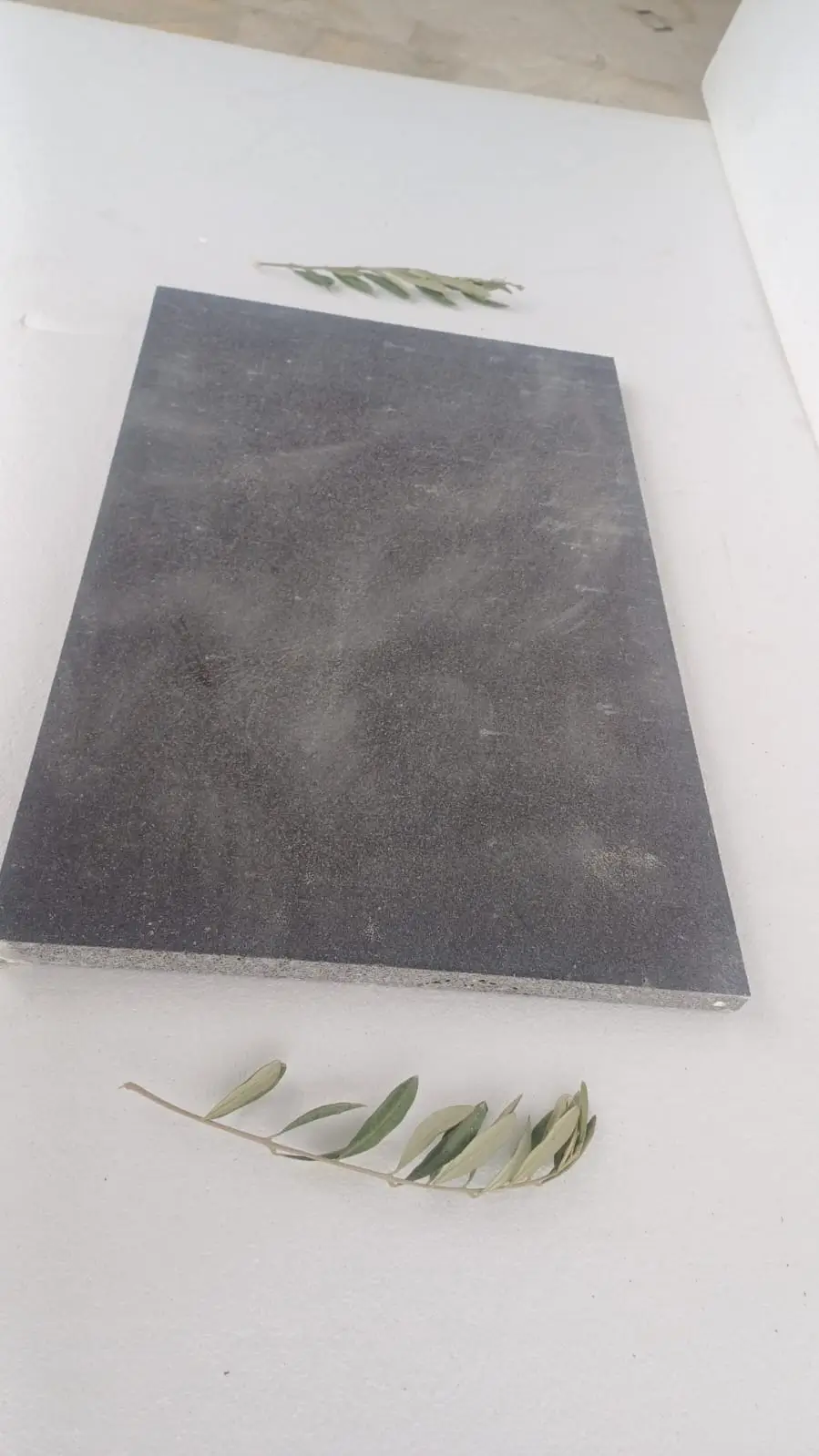
Reading Your Existing Concrete Slab Before You Lay Anything
The concrete beneath your overlay tells you almost everything you need to know about whether this installation will succeed. You’re looking for three specific conditions before committing to a 1 inch thick paver installation: structural integrity of the existing slab, the existing cross-slope and drainage geometry, and the presence of active cracks versus dormant ones.
Active cracks — ones that move seasonally with thermal expansion — will telegraph straight through a thin overlay within one or two years. Dormant shrinkage cracks, typically 1/8 inch or narrower, are generally manageable if you treat them with a crack isolation membrane before setting. The distinction matters enormously for your specification decision.
- Check existing slope with a 6-foot level and tape: you want 1/8 inch per foot minimum, ideally 3/16 inch per foot toward drainage
- Tap the slab with a rubber mallet across a grid pattern — hollow sounds indicate delamination or subsidence below
- Look for pop-outs or spalling near edges where rebar may be corroding and creating upward pressure
- Assess joint locations in the existing slab — your overlay joints should align with them, not bridge over them
- Confirm the slab’s surface is free of curing compounds, sealers, or oil contamination that prevent mortar bonding
Projects in Phoenix frequently involve slabs poured during the rapid suburban development of the 1970s and 80s — many of which are now showing the kind of micro-cracking that’s stable but needs crack isolation treatment before any overlay adhesive goes down. Don’t skip that step expecting the mortar to bridge the problem.
Correcting Grade Before the Overlay Goes Down
Here’s the step that separates the installations that last from the ones that fail quietly over three to four years. Arizona’s terrain creates situations where an existing concrete slab was poured to code at the time but now drains inadequately toward a downhill edge, toward a pool deck, or toward a doorway threshold. Laying 1 inch thick pavers in Arizona directly over that geometry doesn’t fix the drainage — it hides it until water migration becomes a subsurface problem.
Your two practical tools for pre-installation grade correction are self-leveling underlayment on flat surfaces and polymer-modified mortar screeds on sloped ones. Self-leveling products work well for adjusting modest height discrepancies across flat patio slabs — typically up to 1 inch of correction without structural implications. For steeper corrections on hillside terraces or where the existing slab has settled unevenly, a bonded mortar screed gives you directional control that self-leveling compounds don’t.
When working a slope that transitions from one grade to another — say, a hillside terrace that steps down in multiple tiers — design each tier’s drainage independently. Water from the upper tier can’t be allowed to discharge onto the lower tier’s overlay surface at volume; that’s how edge stone loosens and joint sand erodes. A channel drain at each tier transition prevents that problem and it’s far cheaper to install during the overlay phase than to retrofit later.
Mortar and Adhesive Selection for Arizona Overlays
The mortar or adhesive layer in a thin overlay system is doing heavy lifting that most people underestimate. For installing 1 inch thick pavers in Arizona, that bonding layer has to tolerate surface temperatures that can reach 170°F on dark concrete substrates, resist the shear forces created by thermal cycling, and cure reliably in ambient temperatures that often exceed the labeled application window on standard thinset products.
Medium-bed mortar — specifically a polymer-modified thinset rated for large-format tile — is the correct baseline specification for most Arizona overlay projects. Standard thinset applied at the labeled 3/16 inch bed depth won’t accommodate the surface irregularities typical of older concrete slabs. Medium-bed formulas allow a 3/8 to 3/4 inch application depth while maintaining bond integrity, which is what you actually need when you’re working over a slab that isn’t perfectly flat.
- Specify polymer-modified medium-bed mortar: achieves 500+ PSI bond strength at standard curing temperatures
- Avoid standard thinset on slabs with more than 1/4 inch variation per 10-foot straightedge run
- In summer installation conditions above 95°F ambient, use extended open-time mortar formulations to maintain workability
- Apply mortar in sections no larger than your team can set in 20 minutes — open time collapses fast in direct sun
- Back-butter each paver as well as the substrate for full coverage — aim for 95%+ contact area visible when you pull a test piece
- Epoxy-based adhesives are appropriate for commercial-grade overlay applications with significant point-load traffic
One practical note about summer installations: shade your mortar bags and mixing water. Mortar mixed with hot water or stored in direct sun begins setting significantly faster than the printed working time suggests. Splitting your work into early morning and late afternoon shifts — avoiding the 11 AM to 3 PM window — gives you more consistent results and reduces the chance of hollow spots from rushed placement.
Overlay Paver Installation Steps for Arizona Conditions
Your layout starting point should always come from the drainage outlet — not from the aesthetically centered position most homeowners prefer. On a sloped site, you want your grout joints running perpendicular to the fall line where possible so water doesn’t track along joint channels and concentrate flow at a single low point. On flat patios with a single-slope drain geometry, centering the layout and working toward edges typically works fine.
Snap your reference lines after confirming your drain point. Use a chalk line stretched from the highest point of your overlay area toward the low drain point, then establish perpendicular lines from it. The intersection of those lines is your starting corner — from there you’re setting in quadrants. This approach keeps your layout manageable on large terraces and helps you catch any accumulated error before it reaches a visible edge. These 1 inch paver installation steps apply consistently across Arizona’s varied terrain, from low-desert patios to elevated hillside terraces.
Step-by-Step Setting Sequence
- Clean the existing concrete surface with a pressure washer and allow to dry 24 hours minimum — no surface moisture when mortar goes down
- Apply a concrete bonding primer to the substrate if the slab is older than 10 years or shows surface dusting
- Comb mortar onto the substrate with a 1/2 inch square-notch trowel for full coverage beds
- Back-butter each paver with a thin skim coat before setting to eliminate air pockets on textured stone surfaces
- Set pavers using a rubber mallet and beating block — never tap individual stones directly, which risks edge chipping on thin material
- Check slope continuity with a level every 4–5 stones across the fall direction — don’t wait until an entire section is set
- Maintain consistent joint width using plastic spacers — 3/16 inch minimum for natural stone overlays to accommodate slight dimensional variation
- Allow mortar to cure 24–48 hours before grouting, 72 hours before foot traffic, 7 days before furniture placement
The beating block step gets skipped constantly on residential installations and it’s always a mistake. A 3/8 inch thick natural stone paver is genuinely fragile at corners and edges when struck directly. The block distributes your mallet force across the full surface of the piece and drives it into full mortar contact simultaneously — it’s doing two jobs at once. Cut a scrap of 3/4 inch plywood about 8 by 12 inches and keep it on your tool belt. You’ll set cleaner and break fewer pieces.
Joint Design and Grout Selection for Thin Overlays
Joint width in a thin overlay system isn’t just aesthetic — it’s your thermal expansion buffer. Natural stone pavers in Arizona’s climate cycle through significant dimensional changes as surface temperatures swing from near freezing in January nights at elevation to 150°F+ surface readings in summer. For 12-inch format pavers, you need a minimum 3/16 inch joint to absorb that movement without generating shear stress at the mortar bond line. Narrower than that and you’re building in a failure mechanism.
Understanding how to lay thin pavers over concrete in Arizona means recognizing that grout specification matters as much as joint width. Sanded polymer grout handles the dimensional variation of natural stone better than unsanded formulas, and it resists the UV degradation that breaks down standard cementitious grouts faster in high-radiation environments. Apply grout in sections, work it firmly into joints with a rubber float, and clean the surface residue before it hazes — in Arizona heat, that window can be as short as 10–15 minutes on an exposed surface.
- Use sanded polymer-modified grout for all joints 1/8 inch or wider
- Consider epoxy grout for installations adjacent to pool water exposure or chemical cleaning environments
- Expansion joints using backer rod and flexible polyurethane caulk are mandatory at wall intersections, columns, and any structural transition
- Match grout color to your stone tone — high-contrast grout emphasizes layout irregularities that a matched tone would minimize
For reference on sourcing consistent-thickness material that simplifies this entire process, Arizona 1 inch pavers Citadel Stone provides detailed product specifications and current inventory availability across the state.
Drainage Engineering on Sloped and Hillside Sites
Slope installations bring a set of challenges that flat overlay work simply doesn’t encounter. The primary issue isn’t water getting onto the surface — that’s expected and manageable. The real problem is water velocity and volume concentration at low points, which erodes joint material, undermines edge restraints, and eventually breaks the mortar bond at the downhill perimeter.
For any terrace or hillside installation with a cross-slope greater than 3%, you need a designed drainage strategy, not just a sloped surface. That means linear channel drains at transition points, edge restraints with adequate embedment depth into the underlying structure, and positive drainage outlets that are sized for the actual catchment area — not the bare minimum that passes inspection.
In Scottsdale, hillside custom home projects frequently involve multiple terrace levels with elevation changes of 4 to 8 feet across a single backyard. Each tier needs independent drainage management because stacking runoff from tier to tier concentrates flow at the lowest level in ways that damage stone and grout faster than any other single factor. A 4-inch-wide channel drain at each tier step-down, feeding to a solid pipe outlet, handles this without visible intrusion into the design.
Edge Restraint Requirements for Grade Changes
- Downhill perimeter edges on any slope greater than 2%: use concrete curb or structural aluminum restraint, not plastic edge paver systems
- Embed edge restraints minimum 4 inches below the overlay surface to resist frost heave at elevation and hydrostatic pressure at all zones
- At step transitions on hillside terraces, set the front face of each step course in a full mortar bed with the back edge tied to the upper tier’s base structure
- Allow for weep gaps in solid edge restraints every 4 feet — trapped water behind a sealed perimeter causes more damage than the perimeter is preventing
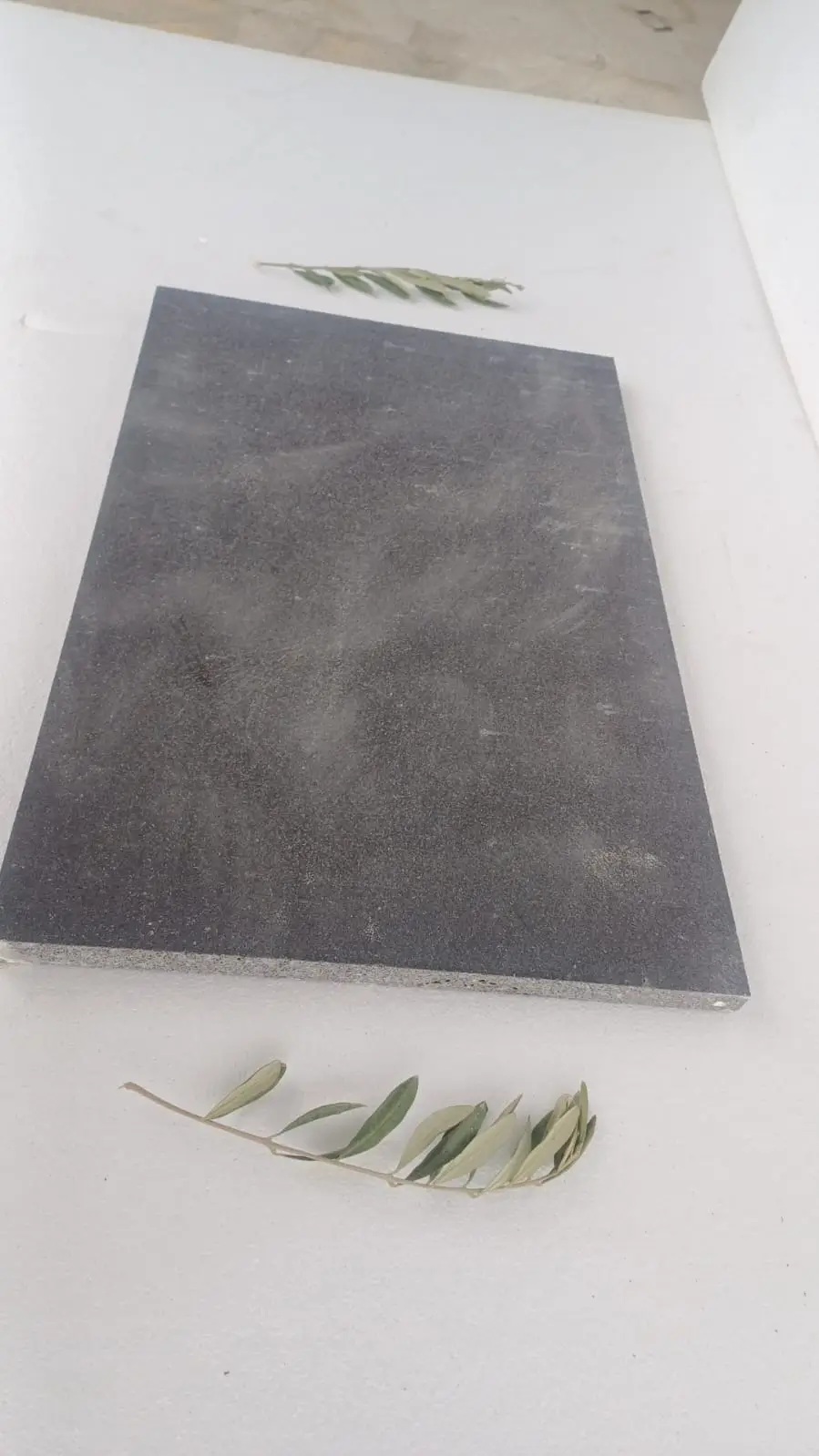
Sealing Protocols and Long-Term Maintenance
Arizona’s UV index is among the highest in the continental United States, and that affects sealer selection in ways most residential guides gloss over. Standard acrylic sealers break down under sustained UV exposure within 18–24 months in low-desert installations — you’re essentially on an annual resealing schedule if you spec the wrong product. Penetrating siloxane or silane-siloxane sealers penetrate the stone’s pore structure rather than forming a surface film, which means UV radiation degrades them far more slowly and they don’t delaminate or yellow the way acrylic topcoats do.
Your first sealing application should happen 72 hours after grouting is complete and all moisture has left the joint material. Apply in two thin coats rather than one heavy coat — the stone absorbs the first application quickly and the second coat provides the actual protective depth. In Arizona’s dry climate, you’re not fighting humidity during application, which is one genuine advantage over coastal installation environments.
- Specify silane-siloxane penetrating sealer for all Arizona installations receiving direct sun exposure
- Allow 72-hour minimum cure before first sealing application — verify with plastic sheet test (no moisture condensation = ready)
- Reapply every 2–3 years in Phoenix-area desert zones; every 1–2 years at elevation where UV and freeze-thaw combine
- Clean with pH-neutral stone cleaner only — acidic cleaners etch limestone and travertine surfaces and destroy sealer bonds
- Inspect joint material annually; repoint any cracked or eroded grout before the next monsoon season
Ordering, Logistics, and Site Delivery Planning
Thin overlay pavers present a specific handling challenge that thicker material doesn’t — they’re vulnerable to edge chipping and corner damage during transport. Your delivery specification should require double-stacked pallets with foam interlayers between stone layers, not just banded crates. A crate that survives a standard flatbed delivery may still arrive with 8–10% breakage on 1 inch material if the driver hits expansion joints at highway speed without the interlayer protection.
Planning your order quantity needs to account for both installation cuts and the terrain-driven layout complexity of Arizona sites. On a flat rectangular patio, a 10% overage handles cuts and breakage comfortably. On a hillside terrace installation with multiple step-downs, irregular boundaries, and drainage channel cutouts, budget 15–18% overage — the geometry multiplies your cut pieces significantly. Ordering a second delivery mid-project is far more disruptive to timelines than carrying a modest overage into storage.
Confirm warehouse stock levels before finalizing your project schedule. At Citadel Stone, we recommend verifying lot availability 3–4 weeks before your installation date — not because lead times are typically long, but because matching dye lots across multiple pallets matters for color consistency on large installations. Our team can pull material from the same production run and hold it at the warehouse until your site is ready, which eliminates the color-matching headaches that come from splitting orders across separate lot arrivals.
In Tucson, projects in hilly residential neighborhoods often face truck access constraints that affect how material gets staged on site. Narrow streets and tight driveways mean you may need to specify a smaller delivery vehicle — a boom truck or flatbed with a pallet jack rather than a full flatbed — which affects per-pallet delivery cost and requires advance coordination with your supplier’s logistics team.
Final Recommendations for Installing 1 Inch Thick Pavers in Arizona
The overlay paver installation steps that matter most in Arizona aren’t the ones that appear on standard instruction sheets — they’re the terrain-specific decisions that adapt a standard process to Arizona’s actual ground conditions. Slope management, grade correction before placement, drainage design at elevation transitions, and mortar selection calibrated to Arizona’s thermal range collectively determine whether your installation holds up through a decade of monsoon seasons and temperature extremes.
Treat this as a site engineering project first and a material placement project second. The 1 inch paver installation steps themselves are straightforward once the substrate geometry, drainage routing, and base conditions are properly addressed. Shortcutting the pre-installation assessment is where thin overlay systems fail — not during the setting process, but six months later when undiscovered grade problems become visible water damage. For projects that involve patio-scale stonework beyond thin overlays, How to Choose 12×12 Patio Blocks in Arizona: Buyer’s Guide covers a complementary approach to Arizona patio stone specification — a useful reference as you plan your broader hardscape scope with the same supplier and regional material standards.
The Arizona desert-rated thin stone paver setup that performs across 20-plus years shares a common foundation: engineered drainage, properly corrected substrate geometry, climate-appropriate mortar and sealer specifications, and material sourced with dimensional consistency that simplifies installation over variable terrain. Homeowners in Tucson, Chandler, and Yuma rely on Citadel Stone for 1 inch thick overlay pavers that arrive pre-sorted by thickness tolerance, simplifying installation over existing concrete slabs.