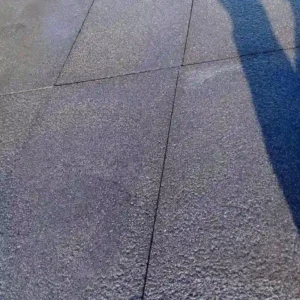
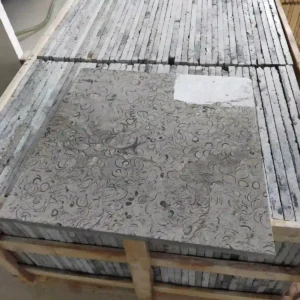
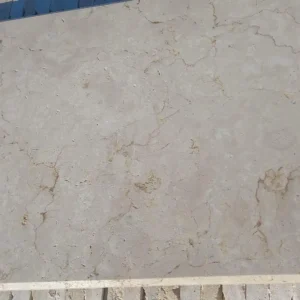
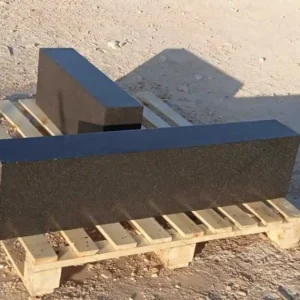
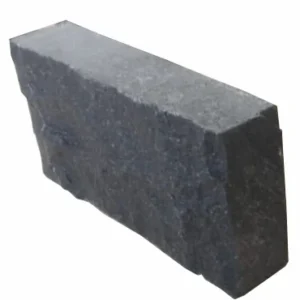
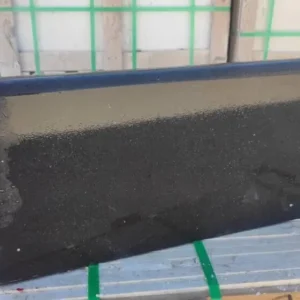
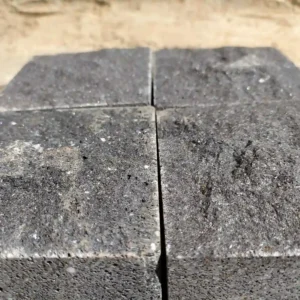
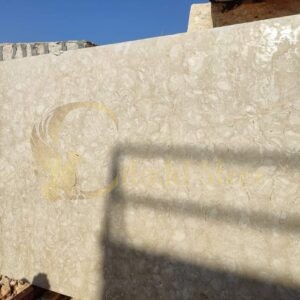
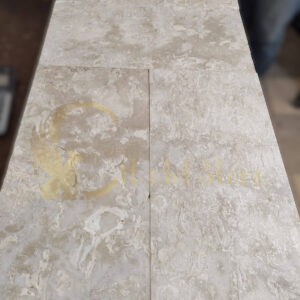
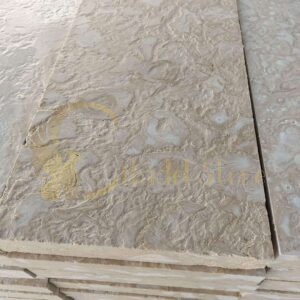
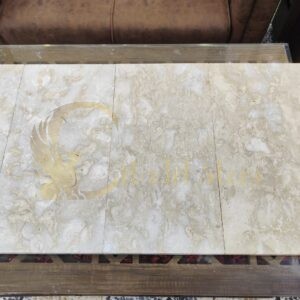
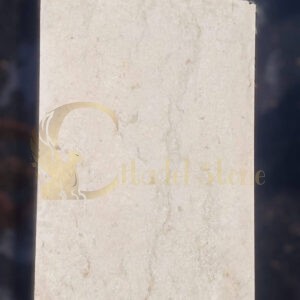
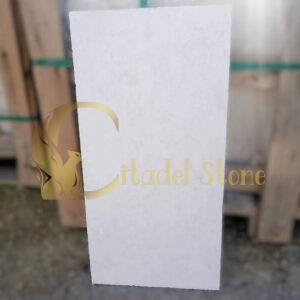
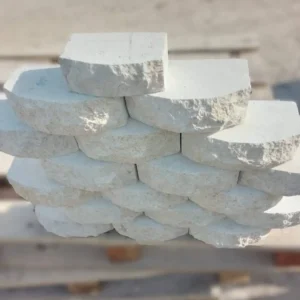
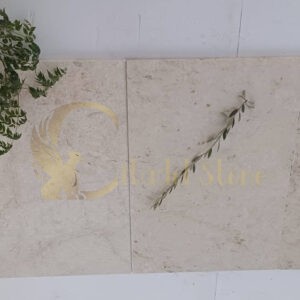
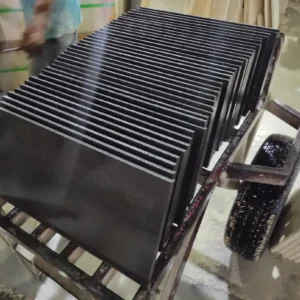
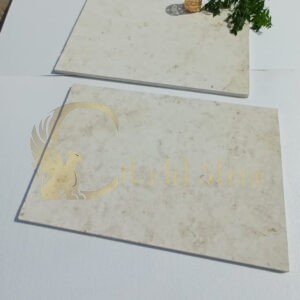
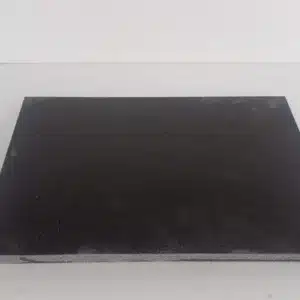
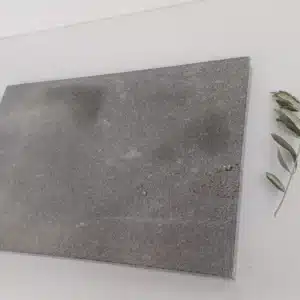
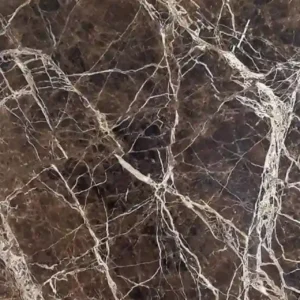
Thermal cycling is the variable that separates a well-specified 600×600 paving slabs for sale in Arizona installation from one that starts showing joint separation within three seasons. Arizona’s temperature swings — routinely 40°F to 50°F between pre-dawn and mid-afternoon, and far more dramatic at higher elevations — generate cumulative mechanical stress that compounds over years. Your slab selection, joint width, and base specification all need to account for this cycling, not just the peak heat figure you’ll see on a weather chart.
How Thermal Cycling Shapes Stone Performance in Arizona
The range matters far more than the peak. A 110°F afternoon in Phoenix followed by a 62°F night represents a 48°F daily swing — and stone’s thermal expansion coefficient means your 600×600 paving slabs are physically moving with every cycle. Natural dense stone at roughly 3.0–4.5 × 10⁻⁶ per °F expands across a 24-inch slab dimension by approximately 0.006 to 0.009 inches per full cycle. That sounds negligible until you multiply it by 300+ high-swing days per year and factor in restrained joint conditions.
Flagstaff adds a freeze-thaw dimension that low-desert projects don’t face. At 7,000 feet elevation, Flagstaff records 100+ freeze-thaw cycles annually, where water infiltrating open joints expands at 9% volumetric increase upon freezing. This is where slab porosity specification becomes non-negotiable — a stone absorbing more than 0.75% water by weight under ASTM C97 testing will accumulate micro-fractures faster than any surface wear pattern.
Citadel Stone sources 600×600 paving slabs from quarry partners with documented low-absorption ratings, and every incoming batch goes through warehouse inspection for dimensional tolerance and surface integrity before dispatch. This isn’t bureaucratic process — it’s the reason field performance holds up across Arizona’s elevation range.
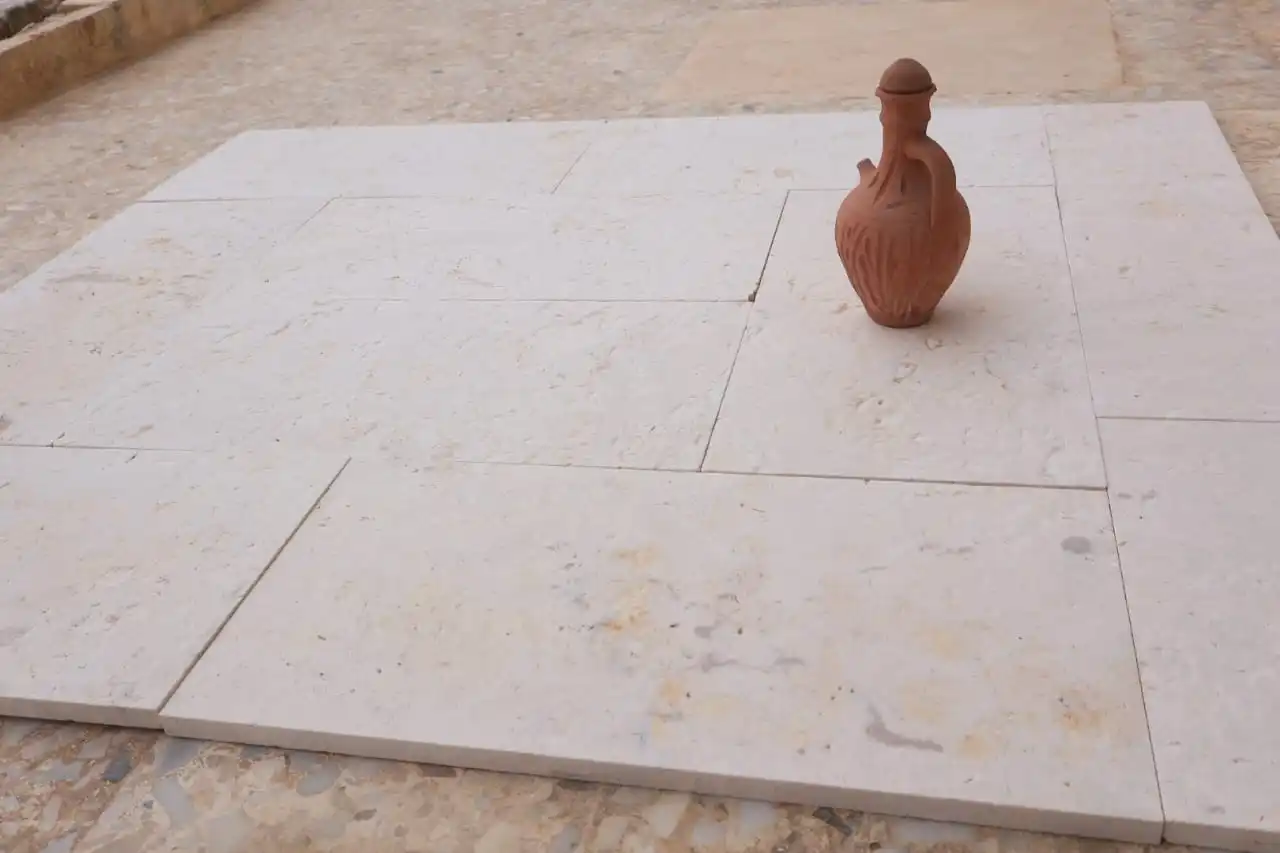
Selecting the Right Slab Size and Format for Arizona Conditions
The 600×600 format — 60 x 60 paving slabs in practical field terms — has become the dominant choice for mid-scale residential and commercial paving in Arizona because it balances thermal mass, handling weight, and pattern versatility. At this dimension, a single slab in 30mm thickness weighs approximately 30–32 kg, which sits at the upper edge of single-person handling and represents a thermal mass that moderates surface temperature variance compared to smaller formats.
Your project scale and application will determine whether you move up or down from this baseline:
- 300 x 300 paving slabs suit stepping stone paths and accent borders — their smaller thermal mass means faster surface temperature response to cycling
- 450x450mm paving slabs provide a useful intermediate for courtyard applications where 600mm feels oversized visually
- 500×500 pavers offer near-equivalent coverage to 600×600 with marginally easier handling on confined job sites
- 900mm x 900mm paving slabs create architectural-scale paving for commercial plazas but require mechanical laying equipment and deeper base preparation
- 1000 x 1000 paving slabs are specification-grade commercial elements — plan for extended lead times and confirm truck access before ordering
- 600×300 paving slabs in a brick-bond or stacked pattern give you more joint lines per square meter, which actually helps accommodate cumulative thermal movement across large areas
For patios and pool surrounds in Scottsdale and similar low-desert locations, 60cm x 60cm paving slabs in 30mm thickness hit the performance sweet spot. The 50mm thick paving slabs become relevant when you’re dealing with vehicular overrun zones or commercial foot traffic above 200 persons per day — the additional thickness adds meaningful structural reserve without requiring a full base redesign.
The 400x400x40 pavers format is worth considering specifically for driveway aprons where a 600mm module feels too large relative to the space but you need the 40mm structural depth. The 400mm x 400mm paving slabs at that thickness carry point loads from vehicle tires without the flex that thinner formats exhibit over time. For larger commercial statements, 800mm paving slabs work well as feature entry panels; pair them with 60 x 30 paving slabs in a complementary border to create visual rhythm without requiring complex cuts.
Joint Specification and Thermal Movement Management
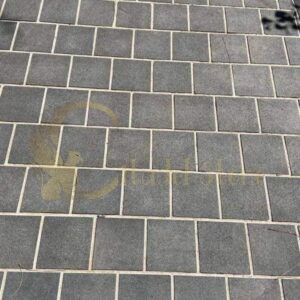
Here’s what most specifications get wrong: they reference joint width for aesthetics and grouting convenience, not thermal movement budget. For 60 x 60 paving slabs in Arizona conditions, a minimum 8mm joint is the practical floor — 10–12mm is the professional recommendation for installations that experience the full seasonal range from winter lows to summer highs.
The math supports this directly. A run of ten 600×600 slabs spans 6 linear meters. With a thermal expansion coefficient of 4.0 × 10⁻⁶ per °F and a realistic temperature delta of 90°F across the full annual range, that 6-meter run moves approximately 0.13 inches end-to-end. Distributed across nine joints, that’s 0.014 inches per joint — well within a 10mm joint’s accommodation capacity. Tighten those joints to 4–5mm and you’ve consumed your entire movement budget, and any additional thermal load pushes against adjacent slabs.
Sand-set installations using polymeric jointing sand rated for thermal cycling outperform cement grout in these conditions. For projects in Scottsdale where surface temperatures routinely reach 155°F on dark stone in direct sun, standard cement grout becomes brittle within two to three seasons. The thermal cycling literally fatigues the grout microstructure.
For 30mm paving slabs on mortar beds, use a flexible polymer-modified mortar with a shore hardness below 80A — rigid beds crack at the stone-mortar interface rather than distributing stress. For 50mm paving slabs on structural beds, the same principle applies but your mortar bed depth needs to account for the full slab thickness to avoid point loading at the edges.
Base Preparation for Arizona Soil Conditions
Arizona’s soil profile varies dramatically by region, and your base specification needs to reflect the actual conditions on site, not a generic regional average. Expansive clay soils in the central desert corridor expand 3–7% volumetrically with moisture introduction — a single monsoon season can introduce differential heave that fractures a rigid slab installation before the mortar has even fully cured.
The standard specification for 600×600 paving slabs in Arizona residential applications:
- Minimum 100mm compacted Class II road base aggregate on stable native soil
- 150mm aggregate base where expansive clay is present within 24 inches of finish grade
- Geotextile separation fabric between native soil and aggregate in any area with PI (plasticity index) above 15
- Drainage slope minimum 1.5% away from structures — 2% preferred for monsoon rainfall volumes
- Compaction to 95% Modified Proctor before any bedding layer is placed
Projects in Mesa frequently encounter caliche hardpan at 18–24 inches below grade. Mesa‘s caliche layer, when properly scarified and compacted, actually provides an excellent natural sub-base — but you need to verify it isn’t fractured caliche, which can hold moisture and cause differential settlement. A simple probe rod test across the project footprint takes 20 minutes and saves significant rework.
For proper guidance on maintaining your installation once it’s complete, 600×600 stone slabs Arizona provides maintenance protocols that directly complement the base and joint specifications covered here. Getting the foundation right at installation is only half the equation — the maintenance schedule determines whether you preserve that investment.
Thickness Guide: Matching Slab Depth to Application and Loading
Thickness selection in Arizona needs to account for thermal cycling stresses in addition to structural loading — the two interact in ways that standard load tables don’t fully capture. A 20mm slab that passes structural calculations for pedestrian loading may still show thermal micro-cracking after three seasons of high-swing cycling if its cross-section is too thin to distribute the stress gradient between the hot exposed face and the cooler mortar bed below.
- 20mm: Interior and sheltered applications only — not recommended for Arizona outdoor conditions given thermal gradient exposure
- 30mm paving slabs: The standard outdoor residential specification — pedestrian patios, pool surrounds, garden paths, residential courtyards
- 40mm: Commercial pedestrian areas, outdoor dining, restaurant and retail forecourts
- 50mm thick paving slabs: Driveway aprons, vehicular access paths, heavy commercial foot traffic zones above 500 persons per day
- 60mm: Vehicular driveways with regular car traffic — spec this when truck or delivery vehicle access is occasional
The 17.5 inch paving slabs and 18 paving slabs formats you’ll encounter in imperial specification documents translate to approximately 445mm and 457mm respectively — these sit between the 400mm x 400mm and 450 x 450 paving slabs in Arizona metric terms. Worth knowing when you’re reconciling a spec sheet written in a different measurement system against your supplier’s inventory. If you’re sourcing 500×500 pavers alongside these imperial formats, note that the 500mm module falls neatly between the two imperial sizes and simplifies joint spacing calculations on mixed-unit projects.
For 2ft x 2ft paving slabs — the 2ft by 2ft paving slabs format — you’re essentially working with a 610mm module, which rounds down to the 600×600 specification for most practical purposes. The dimensional difference of 10mm per side is absorbed in joint width without any performance impact.
Imperial to Metric Conversion Notes for Arizona Specifications
When coordinating with architects or contractors working in imperial units, keeping a quick reference to hand prevents costly ordering errors. The 17.5 inch paving slabs dimension equates to 444.5mm — close enough to a 450x450mm paving slabs module that most suppliers will quote the metric equivalent directly. Similarly, the 18 paving slabs reference in imperial spec sheets corresponds to a 457mm slab, which aligns with the 450mm format rather than the 500mm tier. Confirming the exact metric equivalent with your supplier before placing a large order avoids receiving the wrong size format on site.
Material Options and Finish Selection for Arizona Paving
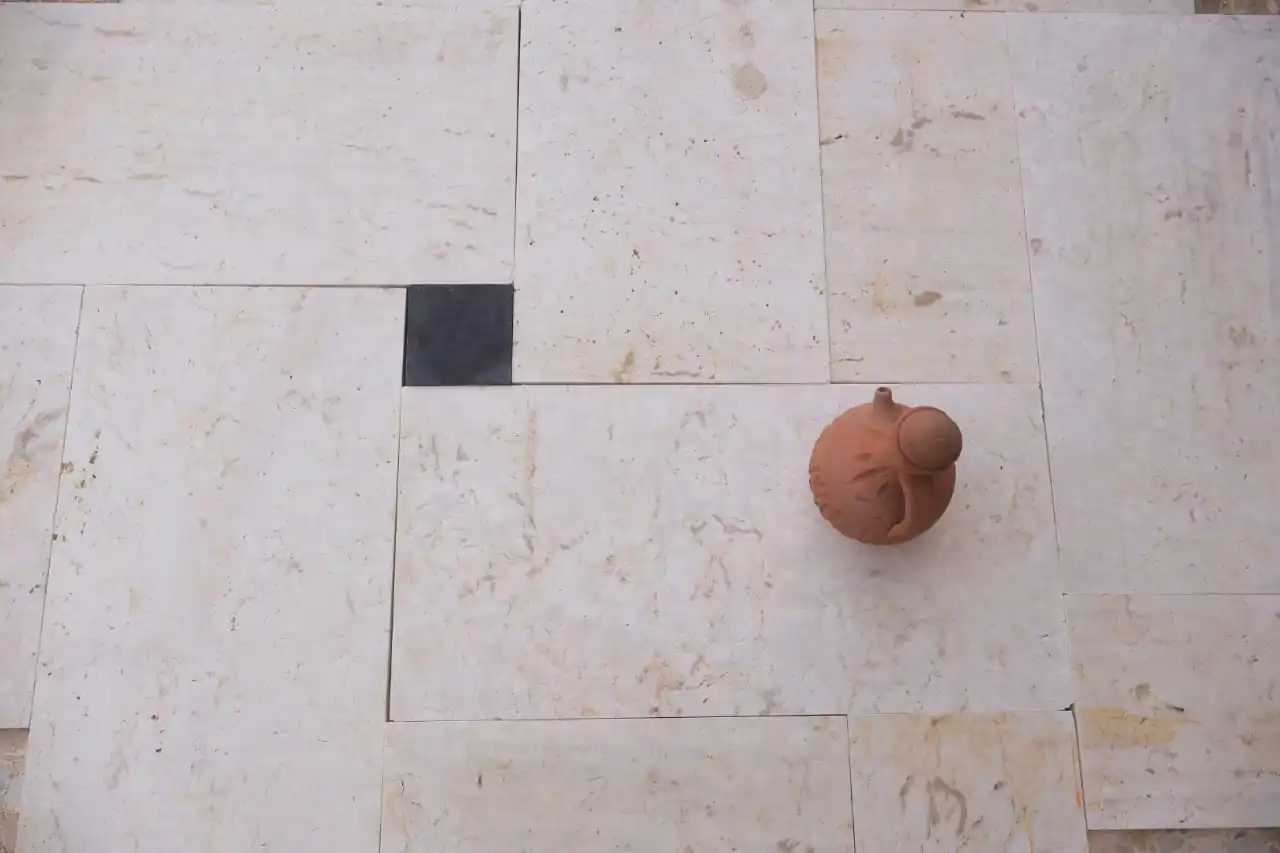
The stone type you specify for 600×600 paving slabs affects thermal cycling performance more than most buyers realize. Different stone families behave differently under repeated heat-cool cycling, and the surface finish directly impacts both slip resistance and surface temperature.
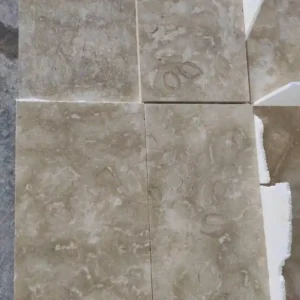
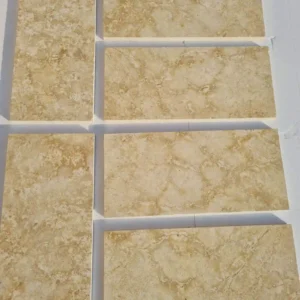
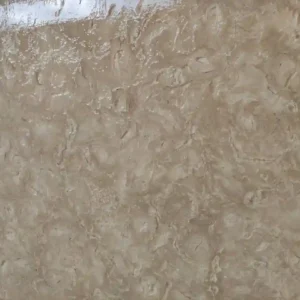
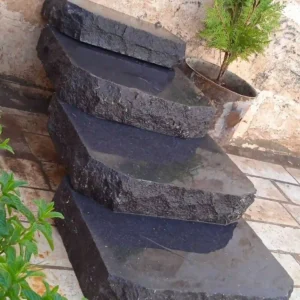
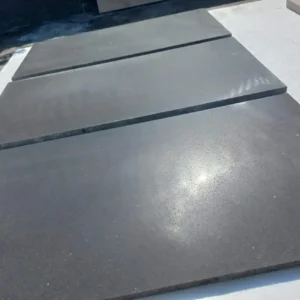
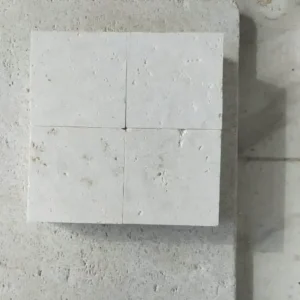
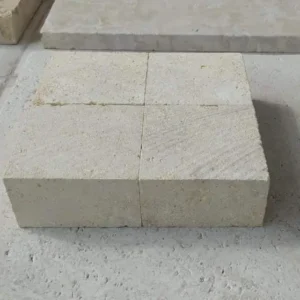
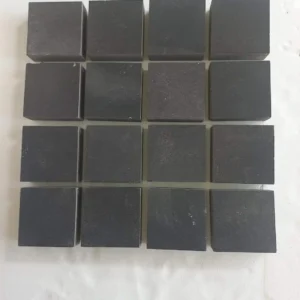
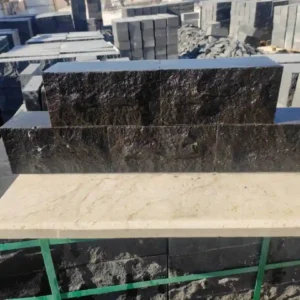
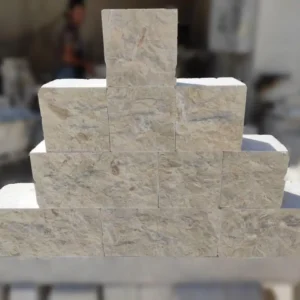
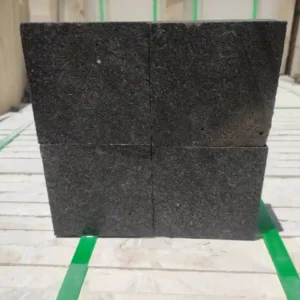
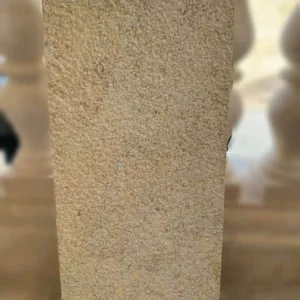
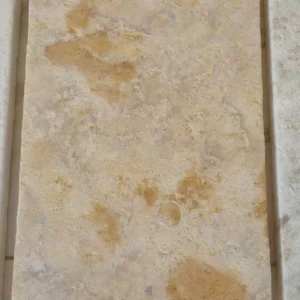
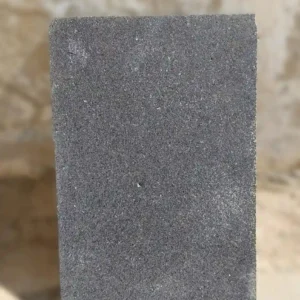
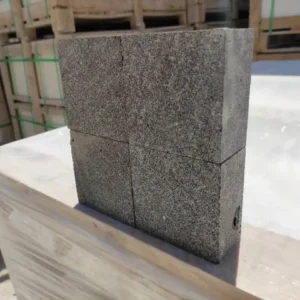
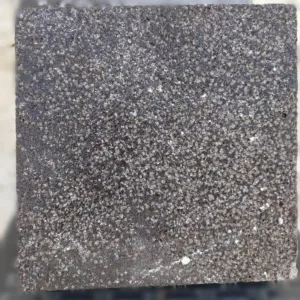
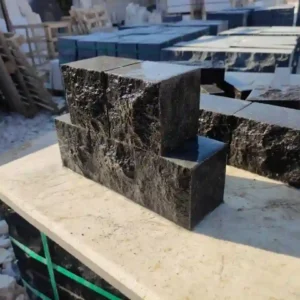
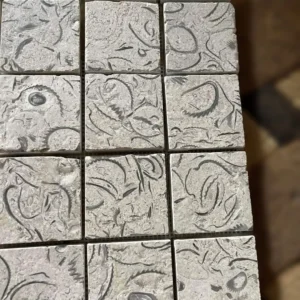
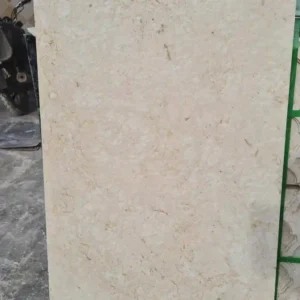
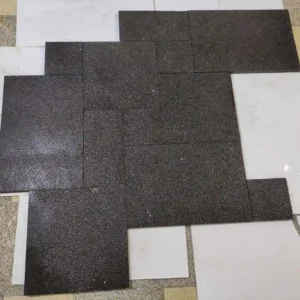
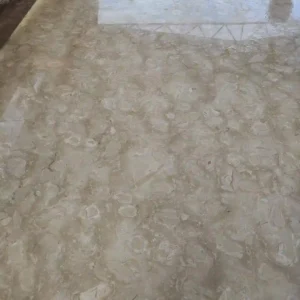
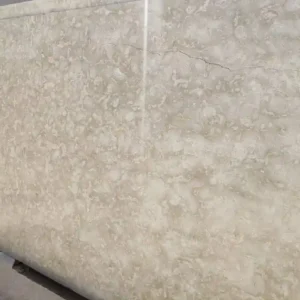
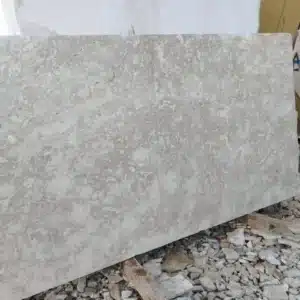
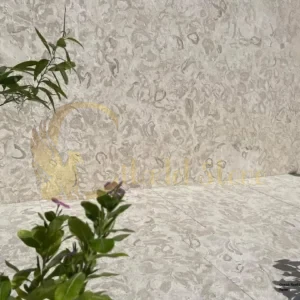
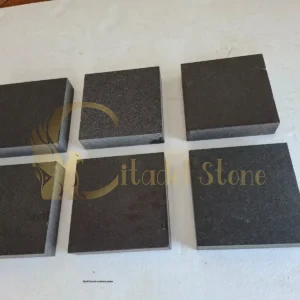
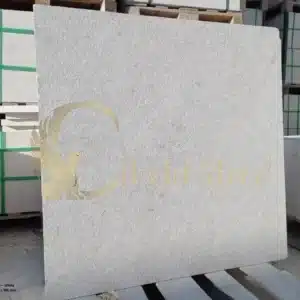
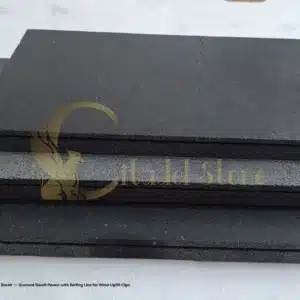
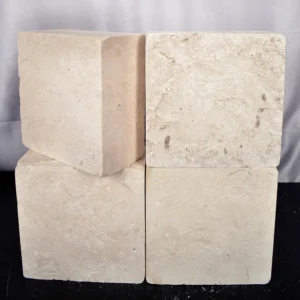
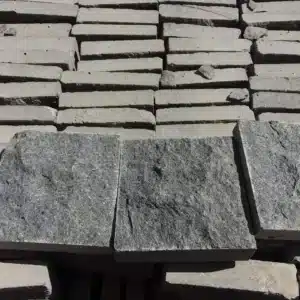
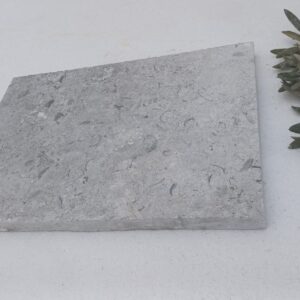
Dense basalt and hard limestone in the 600×600 format offer the most consistent thermal cycling performance — their crystalline structure resists micro-fracturing under daily temperature swings better than softer sedimentary stones. Travertine is popular in Arizona for its aesthetic but requires sealed surface pores before installation in any application where monsoon water pooling is possible. An unsealed travertine slab with open pore structure absorbs water, and even in Phoenix’s low-freeze environment, the daily thermal cycling of water-saturated pores accelerates surface spalling.
Surface finish options for 60cm paving slabs in Arizona conditions:
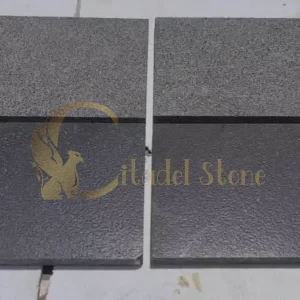
- Flamed finish: Opens the surface texture for maximum slip resistance — important around pool areas where ANSI A137.1 DCOF above 0.42 is required in wet conditions
- Honed finish: Smooth but not polished — good aesthetic choice for covered patios and interior-exterior threshold areas
- Sandblasted or bush-hammered: Mid-range texture profile, appropriate for general patio use
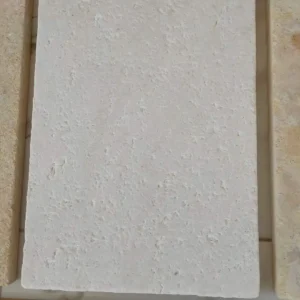
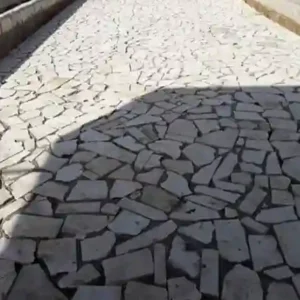
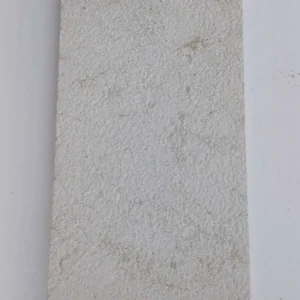
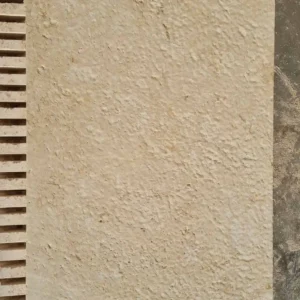
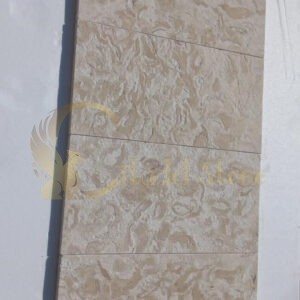
- Natural cleft: Irregular texture provides inherent slip resistance but requires more careful base leveling for 600mm round paving slabs and irregular formats
- Polished: Reserve for interior applications only — outdoor polished stone in Arizona becomes a slip hazard when wet and shows thermal staining rapidly
The 250mm paving slabs format suits pathway borders and mosaic-style accent patterns within larger 600×600 field areas. Larger feature panels using 800mm paving slabs pair well with 60 x 30 paving slabs borders to create layered visual depth across commercial and high-end residential installations. The 250mm format also works well as a transition strip between different field sizes, providing a clean visual break without requiring custom cuts.
You can request finish samples and full thickness specifications from Citadel Stone before committing to a full project order — this is particularly valuable when specifying for a specific client’s aesthetic expectations alongside the performance requirements Arizona conditions demand.
Sealing and Long-Term Maintenance in Arizona’s Climate
The sealing schedule for outdoor 600×600 paving slabs in Arizona diverges from manufacturer recommendations written for temperate climates. UV intensity at Arizona latitudes degrades penetrating sealers approximately 30–40% faster than equivalent exposure in northern states — a product rated for five-year reapplication in the Pacific Northwest needs attention at three years in Tucson.
Penetrating silane-siloxane sealers at 40% active solids concentration are the professional specification for natural stone in Arizona. They don’t alter the surface appearance, they don’t create a film that peels under thermal cycling, and they reduce water absorption to below 0.3% by weight — keeping the stone’s pore structure dry through the monsoon season and through the limited freeze-thaw exposure at mid-elevation sites.
Maintenance protocol for 600×600 slabs in full Arizona exposure:
- Initial sealing: Within 30 days of installation completion, after any efflorescence has cleared
- Reapplication frequency: Every 2–3 years in Phoenix and low-desert locations, every 18–24 months in Flagstaff and above 5,000 feet elevation
- Joint sand replenishment: Inspect polymeric sand levels annually — thermal cycling and monsoon rainfall flush sand out of joints progressively
- Surface cleaning: pH-neutral stone cleaner only — acid-based cleaners etch limestone and travertine surfaces
- Efflorescence treatment: Address within first season with appropriate efflorescence remover before mineral deposits harden
For 45cm x 45cm paving slabs and 300mm x 300mm paving slabs in Arizona used in mixed-format installations, apply the same sealing schedule to the entire surface uniformly — different formats in the same installation create maintenance complexity only when they’re sealed on different schedules. Standardize to the most demanding element’s requirement. The same logic applies to 400x400x40 pavers installed in driveway apron zones adjacent to pedestrian paving: treat the whole surface as a single maintenance unit to avoid inconsistent sealer performance at the format boundary.
Order 600×600 Paving Slabs for Arizona — Citadel Stone
Citadel Stone stocks 600×600 paving slabs for sale in Arizona in multiple material types, finish options, and thicknesses — including 30mm and 50mm thick paving slabs as standard warehouse lines available for short-lead dispatch. Standard residential and commercial formats ship to Arizona delivery addresses from regional inventory, with typical lead times of one to two weeks for in-stock material. Non-standard thicknesses and oversized formats like 900mm x 900mm paving slabs or 1000 x 1000 paving slabs carry longer lead times and should be confirmed with the Citadel Stone team before project scheduling.
Trade and wholesale enquiries are handled directly — you can contact Citadel Stone for volume pricing, project samples, and specification documentation. For contractors managing multiple Arizona projects simultaneously, warehouse stock holds and phased delivery scheduling are available on request. Confirm truck access dimensions and site delivery constraints when placing your order, particularly for projects in gated communities or sites with weight-restricted road access.
Project consultation for custom cuts, thermal expansion joint layouts, and mixed-format specifications is available at no charge. Citadel Stone’s technical team has worked with residential architects, landscape contractors, and commercial developers across Arizona and can advise on material selection relative to your specific site conditions, elevation, and anticipated traffic loading. Formats including 60cm paving slabs, 600×300 paving slabs, and 45cm x 45cm paving slabs are stocked alongside the core 600×600 range, giving you flexibility to complete mixed-format designs from a single supplier without coordinating multiple truck deliveries. As you finalize your stone specification and consider the full scope of your Arizona hardscape, Wholesale Pavers in Arizona outlines additional supply options across Citadel Stone’s paver range that may be relevant to your project’s broader material requirements. For paving projects throughout Arizona, Citadel Stone offers a dependable supply of 600×600 slabs suited to residential, commercial, and landscaping applications of varying scale.