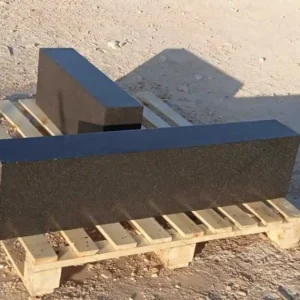
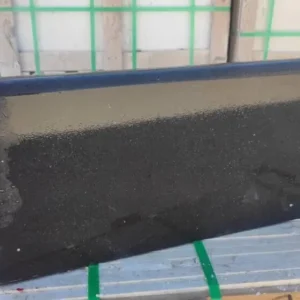
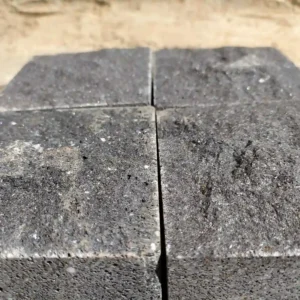
Base composition determines more about the long-term performance of walkway pavers in Arizona than almost any material decision you’ll make on the surface. Arizona’s ground doesn’t behave like the stable, loam-rich soil profiles common in wetter climates — you’re working with expansive clays, caliche hardpan, sandy alluvial deposits, and everything in between, often within the same project site. Getting this layer right before a single paver goes down separates the installations that look pristine at year fifteen from the ones you’re releveling at year three.
Arizona Soil Conditions and What They Mean for Your Walkway Pavers
Arizona soil profiles create challenges that catch specifiers off guard if they’re applying standard base preparation guidelines from general paving literature. The dominant soil types — expansive montmorillonite clays in the low desert valleys, caliche layers throughout the Sonoran region, and loose granitic sand in higher-elevation zones — each demand a different subgrade strategy before you can lay stone walkway pavers in Arizona with confidence.
Expansive clay is the most problematic. Volume changes of 10–15% between wet and dry states are common in clay-heavy soils, and that movement transmits directly to your paver surface if you haven’t engineered the base to absorb or redirect it. You’ll need to either remove and replace with compacted aggregate or install a geotextile separation fabric that prevents clay migration into your base material over time. Skipping the fabric is one of the most common field mistakes on Arizona pathway paver projects — it looks fine at installation and starts failing around year four.
Caliche is the other variable that reshapes your base strategy. In Mesa, dense caliche layers typically appear between 18 and 30 inches below grade, and when they’re intact and properly compacted, they actually perform well as a sub-base material. The problem is when caliche layers are fractured or inconsistent — water pools above them rather than draining through, which creates frost-heave-equivalent pressure cycles even in a desert climate. You’ll want a GPR scan or at minimum a manual probe survey on any project site where caliche depth is unknown.
Selecting Stone Walkway Pavers for Arizona’s Climate and Ground Conditions
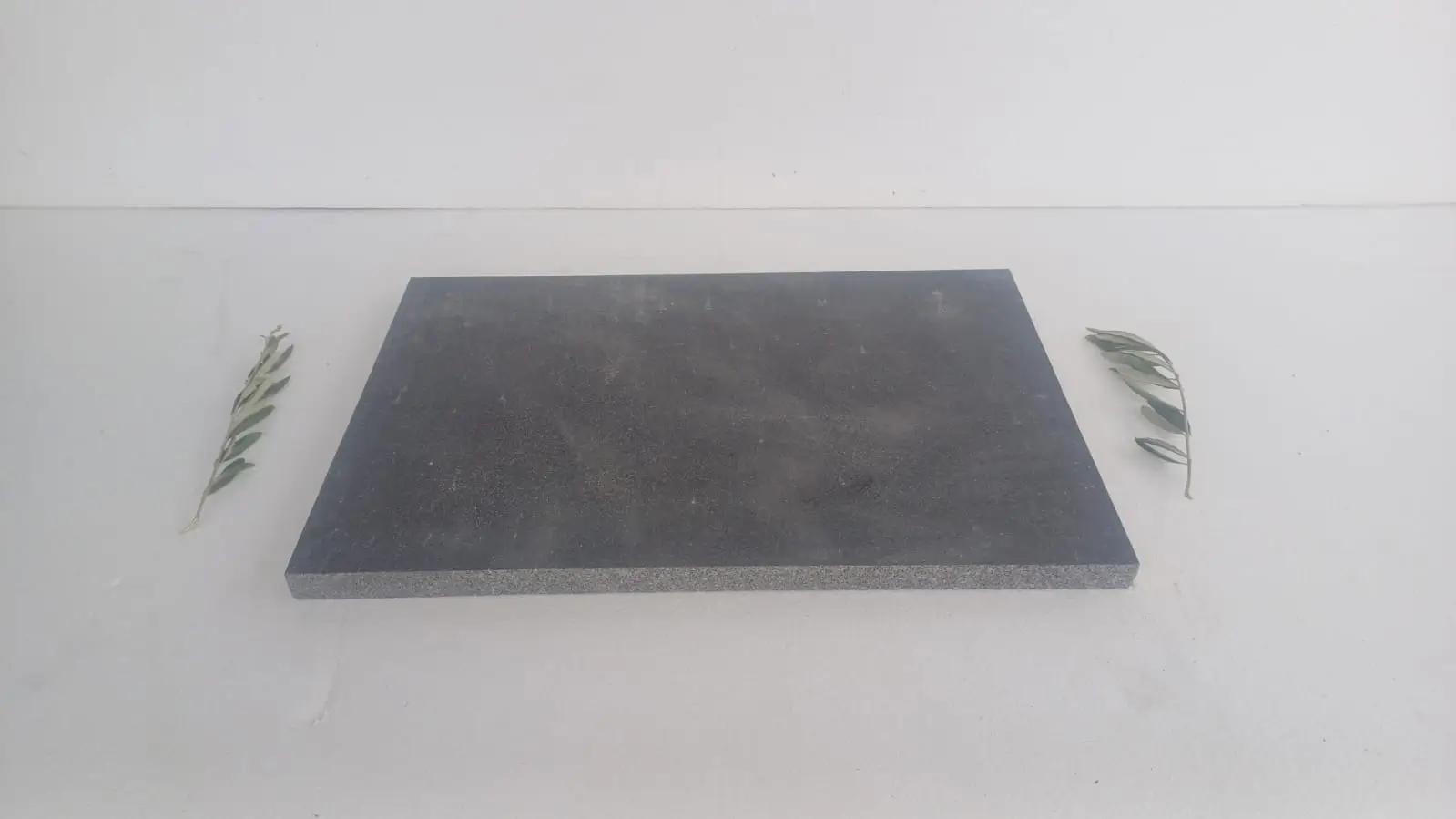
Material selection and subgrade preparation aren’t separate decisions — they inform each other. Heavier large paver stone walkway formats concentrate load on fewer contact points, which demands a more rigid, compacted base to prevent point-load settlement. Thinner walkway slabs in Arizona’s 1.25-inch range need consistent subgrade support across their full surface area because they’ll flex and crack where the base is soft.
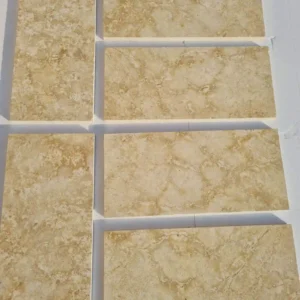
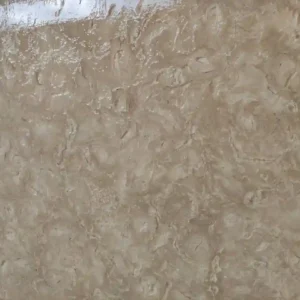
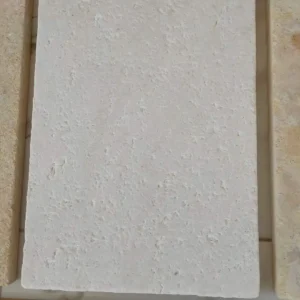
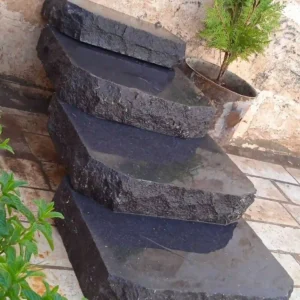
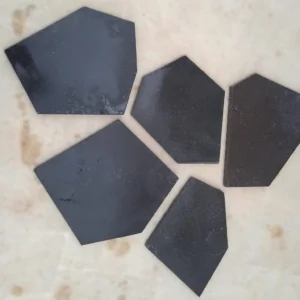
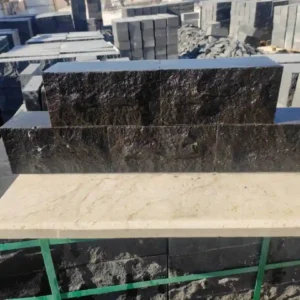
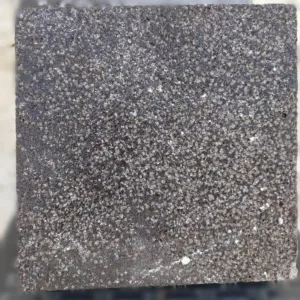
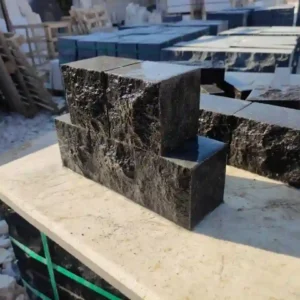
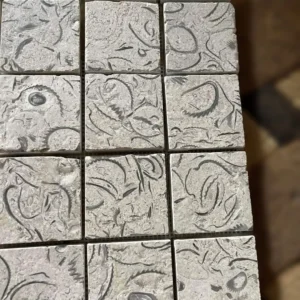
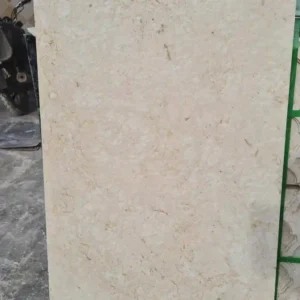
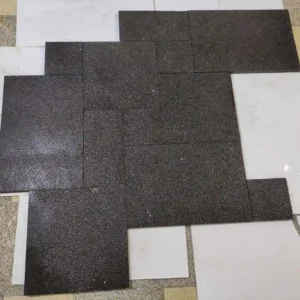
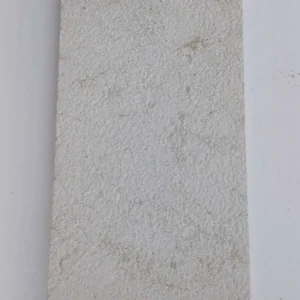
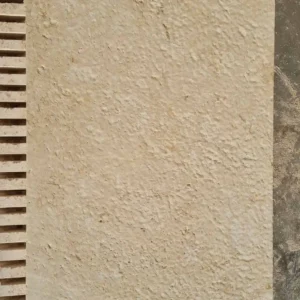
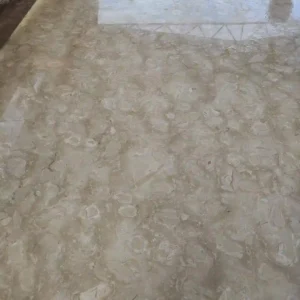
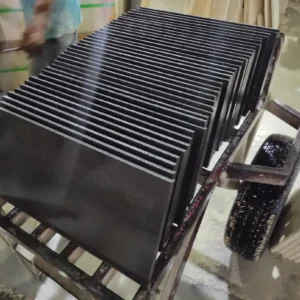
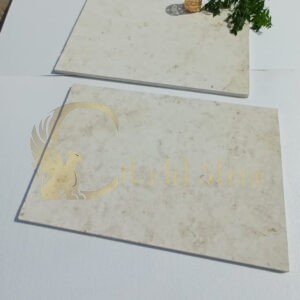
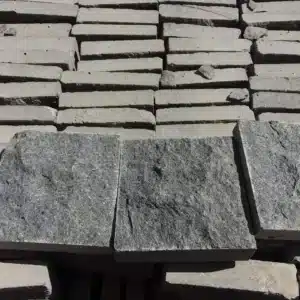
Natural stone options that perform well across Arizona’s varied soil and climate conditions include travertine, limestone, basalt, and sandstone. Each has a different thermal mass profile and porosity characteristic that interacts with Arizona’s ground differently:
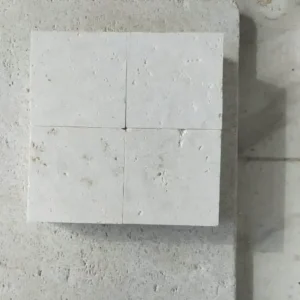
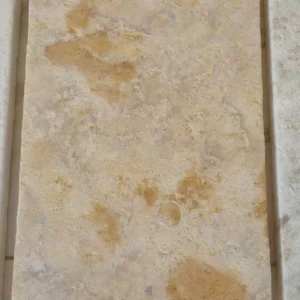
- Travertine’s open pore structure drains quickly, which reduces hydrostatic pressure buildup above clay layers — a genuine advantage in monsoon-affected areas
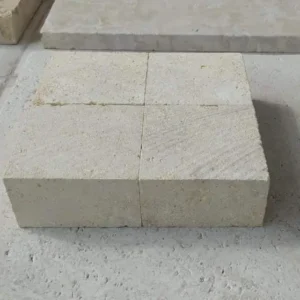
- Limestone offers compressive strength in the 8,000–12,000 PSI range, handling point loads from foot traffic and patio furniture without flexing across a properly prepared aggregate base
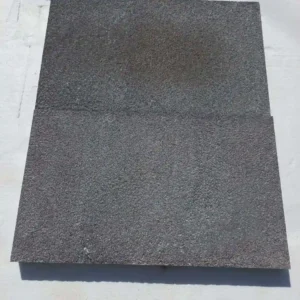
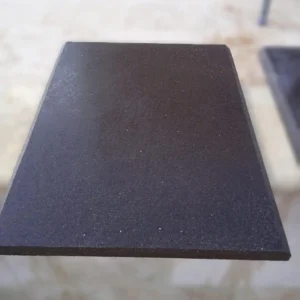
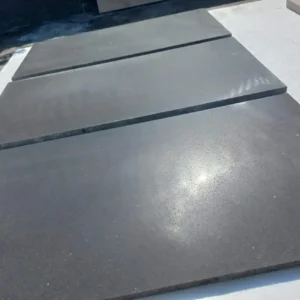
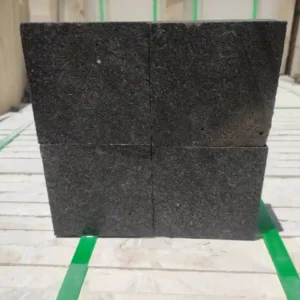
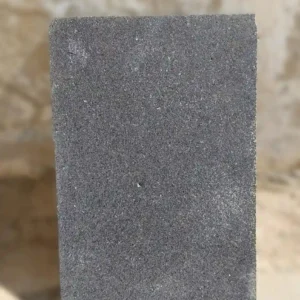
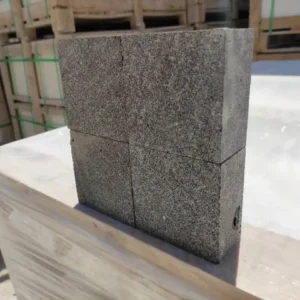
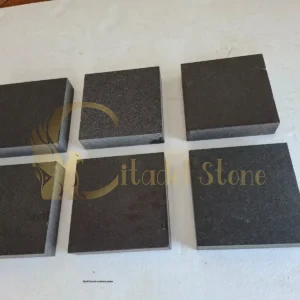
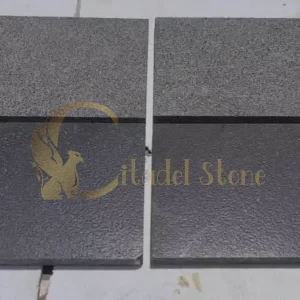
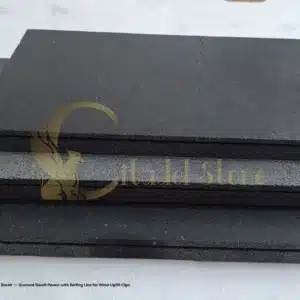
- Basalt’s density makes it one of the more thermally stable options, with a coefficient of thermal expansion around 3.2 × 10⁻⁶ per °F — well below concrete’s 5.5 × 10⁻⁶ range
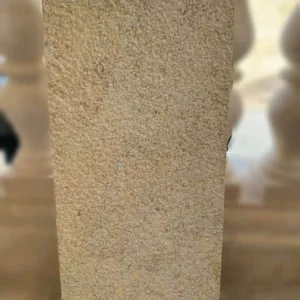
- Sandstone requires careful sealing in Arizona conditions because its higher absorption rate (often 4–6% by weight) makes it vulnerable to staining from iron-rich soils common in the Phoenix basin
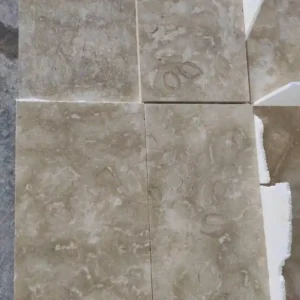
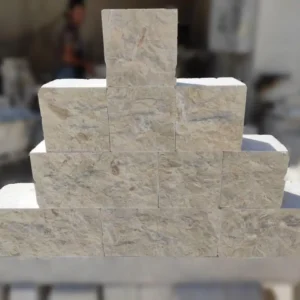
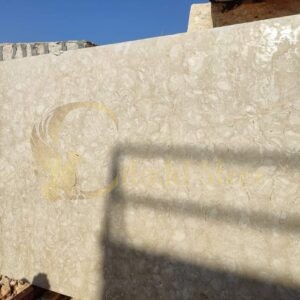
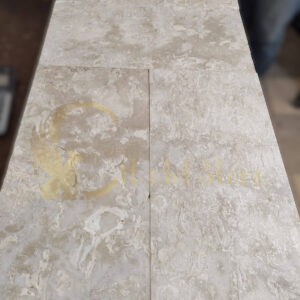
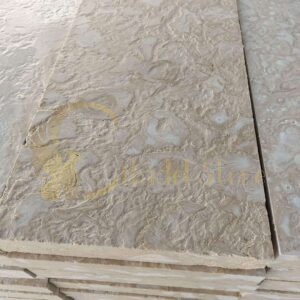
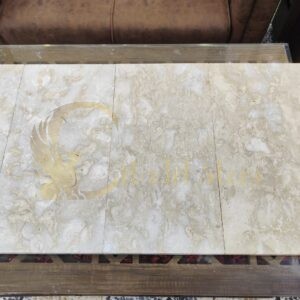
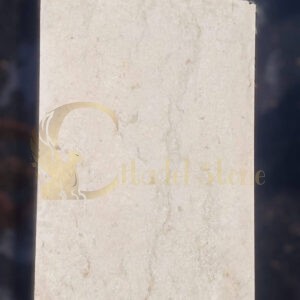
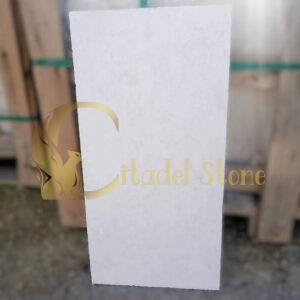
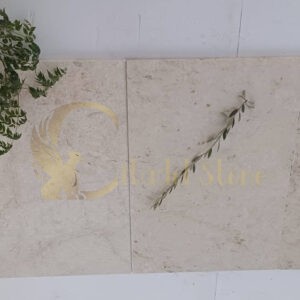
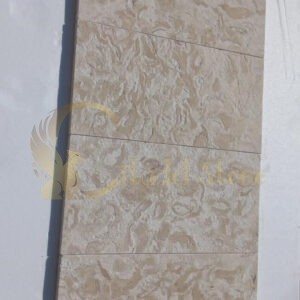
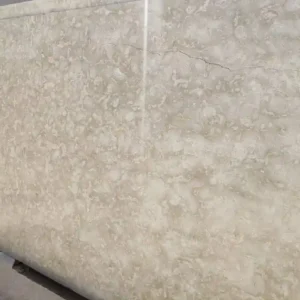
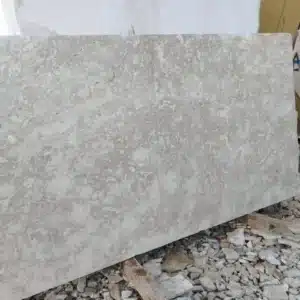
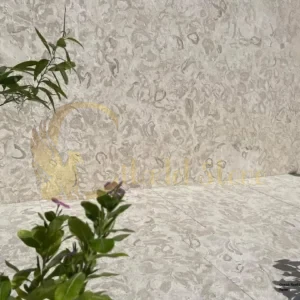
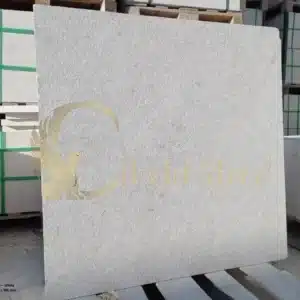
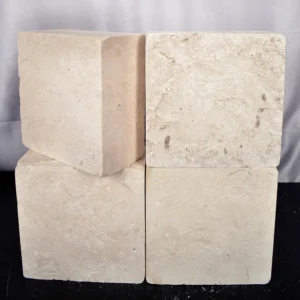
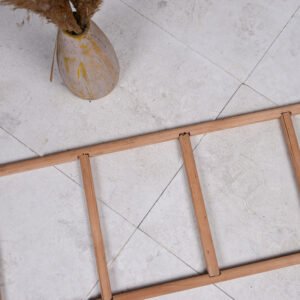
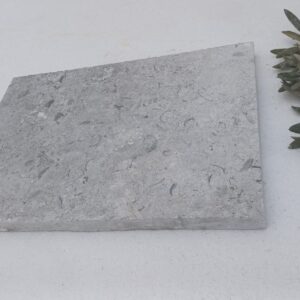
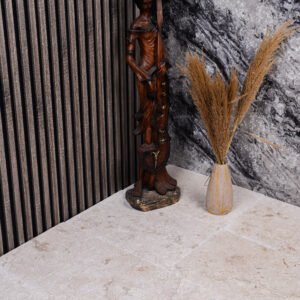
For paver and stone walkway projects in Arizona where the soil profile is particularly variable, travertine in a 2-inch nominal thickness hits the right balance between weight, rigidity, and drainage performance. Citadel Stone stocks travertine walkway pavers in standard 16×16, 18×18, and 24×24 formats, along with random ashlar patterns for projects where a more organic garden path paving aesthetic is the goal.
Base Preparation and Subgrade Stability for Outdoor Walkway Pavers
The aggregate base specification for outdoor walkway pavers in Arizona needs to account for two things standard guidelines don’t: the soil’s shrink-swell potential and Arizona’s monsoon drainage demands. A standard 4-inch compacted aggregate base is adequate for stable, low-clay soil. For the expansive clay soils common throughout the Phoenix and Tucson metro areas, you’re looking at a minimum 6-inch compacted Class II aggregate base with a geotextile barrier at the soil interface.
Compaction targets matter more here than in most markets. You want 95% Proctor density at the subgrade surface and 98% through the aggregate base layers. Running a plate compactor in 2-inch lifts rather than compacting the full base depth in one pass is non-negotiable — single-pass compaction on a 6-inch base leaves a soft zone in the middle third that you won’t detect until differential settlement appears two or three seasons later.
Drainage geometry is the detail that most walkway specifications underspecify. You need a minimum 1.5% cross-slope on your paver walkway in Arizona — not the 1% that generic guidelines often cite. The additional slope accounts for Arizona’s intense monsoon rainfall rates, which can exceed 1 inch per hour during peak events. Without adequate slope, water pools on the surface and infiltrates joints, accelerating joint sand erosion and creating the subgrade saturation conditions that drive clay expansion.
- Minimum base depth for stable soil: 4 inches compacted aggregate
- Minimum base depth for expansive clay soil: 6 inches compacted aggregate + geotextile
- Compaction target: 95% Proctor at subgrade, 98% through base layers
- Lift thickness for compaction: 2-inch maximum per pass
- Cross-slope minimum: 1.5% for Arizona monsoon drainage compliance
- Joint sand specification: Polymeric sand rated for desert UV exposure, not standard jointing sand
Brick Paver Walkway Formats and Pattern Selection
The pattern you choose for a brick paver walkway in Arizona does more than determine aesthetics — it affects structural performance relative to your soil conditions. Herringbone patterns at 45° or 90° create an interlocking geometry that distributes point loads across multiple units simultaneously, which is particularly valuable over expansive clay subgrades where minor differential movement is likely. Running bond and stacked patterns concentrate stress at joint lines, making them more vulnerable to cracking when subgrade movement occurs.
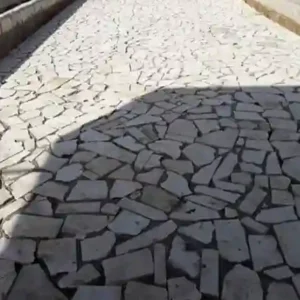
For garden path paving in Arizona, the informal irregular stepping stone format is increasingly popular — and it requires different base preparation than a continuous paved walkway. Each paver stepping stone in a spaced pathway carries isolated load, so you need a properly compacted bed under each stone individually, not just a uniform base across the full path width. Skipping individual unit preparation and relying on a continuous sand bed is what causes individual stones to rock and settle unevenly within the first season.
In Scottsdale, where residential landscape aesthetics favor clean, contemporary lines, large paver stone walkway formats in 24×48 or 24×24 are the dominant specification for high-end projects. These oversized formats look exceptional but require a mechanically screeded concrete base rather than compacted aggregate alone — the surface tolerance requirement for large-format stone is ±1/8 inch over 10 feet, which aggregate alone can’t reliably deliver. A brick walkway in Arizona’s more traditional neighborhoods, by contrast, tolerates slightly wider joint tolerances while still requiring the same rigorous subgrade compaction as any other format.
Walkway Slabs and Walkway Blocks: Thickness Specifications That Matter
Thickness selection for walkway slabs and walkway blocks involves a straightforward load calculation that most residential specifications skip. For pedestrian-only pathways on a stable, properly compacted base, 1.25-inch stone performs adequately. For pathways that cross driveway aprons, accommodate occasional vehicle overrun, or carry concentrated load from heavy planters or outdoor furniture, 2-inch nominal thickness is the correct specification.
The 2-inch threshold matters because of Arizona’s soil expansion dynamics. Minor subgrade movement in expansive clay — even 3–5mm of differential settlement — generates flexural stress in the paver unit. A 1.25-inch slab has roughly 60% of the flexural capacity of a 2-inch slab for the same material, which means it’s significantly more likely to crack under the same subgrade movement event. On Arizona projects with any clay content in the soil profile, defaulting to 2-inch thickness is the conservative and correct call.
- 1.25-inch thickness: pedestrian-only, stable soil, consistent base support
- 2-inch thickness: clay-prone subgrades, vehicle overrun zones, large-format pavers over 18 inches
- 3-inch thickness: commercial pathways, accessible routes with heavy wheelchair or cart traffic
- Setting bed depth: 1-inch screeded bedding sand for standard formats, mortar bed for large-format slabs over 24 inches
You can request full thickness specifications and sample tiles from Citadel Stone before committing your material order — particularly useful for projects where the soil report is pointing toward a more demanding base treatment and you want to confirm the right unit thickness before procurement. Walkway blocks in Arizona’s clay-heavy zones especially benefit from this pre-order verification step.
How Pathway Pavers Perform Through Arizona’s Heat and Monsoon Seasons
Arizona’s climate subjects pathway pavers to two extreme performance demands that operate in opposite directions: sustained high-temperature thermal loading through summer and rapid, intense moisture infiltration during monsoon. Understanding how your chosen material responds to both determines whether your installation specification needs adjustment from standard field practice.
Thermal expansion through a 120°F Arizona summer day is real but manageable with correct joint spacing. Natural stone expands at roughly 3–5 × 10⁻⁶ per °F depending on material density. Over a 24-foot continuous pathway run, that generates approximately 1/8 to 3/16 inch of cumulative expansion. You need an expansion joint at the building or hardscape interface and again at the 15-foot mark on longer runs — not the 20-foot generic specification that appears in most manufacturer literature. Arizona’s temperature swing is simply larger than the conditions those guidelines were written for.
Monsoon performance comes back to the same soil-drainage interaction discussed in base preparation. Your joint sand is the first line of defense against water infiltration reaching the subgrade. Polymeric joint sand rated for high UV environments holds its polymer binder longer than standard formulations — in Arizona conditions, standard jointing sand can lose adequate cohesion within 18 to 24 months, while UV-stabilized polymeric products maintain integrity for 5–7 years before requiring refreshing. For projects sourcing quality paver materials for walkways, matching the joint sand specification to the stone material’s absorption rate is a detail that pays dividends over the installation’s full service life. Outdoor walkway pavers in Arizona face this combined thermal-moisture demand every year, which is why material and joint sand selection must be treated as a system rather than independent choices.
Sealing and Long-Term Maintenance for Arizona Walkway Pavers
Sealing natural stone walkway pavers in Arizona isn’t optional — it’s the difference between a surface that looks sharp at year ten and one you’re patching at year five. The selection of sealer type depends on your stone’s porosity, the finish specification, and whether you want an enhanced color profile or a natural look.
Penetrating silane-siloxane sealers are the correct choice for most Arizona natural stone applications. They don’t form a surface film that can peel under UV and thermal cycling — they bond within the stone matrix and repel moisture without changing the surface appearance significantly. Topical film-forming sealers look impressive in the short term but tend to delaminate in Arizona’s heat within 2–3 years, creating a maintenance burden that exceeds the initial cost savings.
Application timing matters as much as sealer selection. Applying sealer to stone that’s absorbed moisture during a monsoon event — even if the surface appears dry — traps residual moisture within the stone matrix. That moisture expands thermally, creating internal pressure that can cause spalling or sealer delamination. Wait a minimum of 72 hours after any significant rainfall before applying sealer, and check subsurface moisture with a calcium chloride test if you’re working on a new installation in a soil-contact application.
- Resealing interval for penetrating sealers: every 3–5 years in Arizona UV conditions
- Resealing interval for high-traffic pathways: every 2–3 years regardless of sealer type
- Surface preparation before resealing: clean with pH-neutral stone cleaner, not acid-based products
- Joint sand refresh: inspect annually after monsoon season, refresh polymeric sand where erosion is visible
- Stain treatment: address iron-based staining from Arizona red soil promptly — it oxidizes deeper into porous stone over time
Natural Stone vs. Concrete vs. Brick Walkway Options for Arizona Projects
Comparative material selection for a brick walkway in Arizona comes down to four performance dimensions that matter in this specific climate and soil context: thermal comfort, drainage capacity, maintenance cycle length, and subgrade movement tolerance. Each material family handles these differently.
Concrete pavers offer cost efficiency and dimensional consistency, but their higher thermal mass means surface temperatures peak 15–25°F higher than natural stone alternatives under direct Arizona sun. For garden path paving and residential walkways where bare feet are expected, that’s a meaningful comfort difference. Concrete also has limited permeability in standard impervious formats, which concentrates runoff and can accelerate joint sand erosion during high-intensity monsoon events.
A traditional brick walkway provides a classic aesthetic that works well in Tucson’s historic and craftsman residential districts. Brick performs reasonably well in Arizona’s thermal environment — its lower density means faster heat dissipation at the surface compared to dense concrete. The limitation is dimensional tolerance: brick units have wider manufacturing tolerances than dimensional stone, which can complicate leveling on expansive clay subgrades where you need tight surface flatness to prevent tripping hazards.
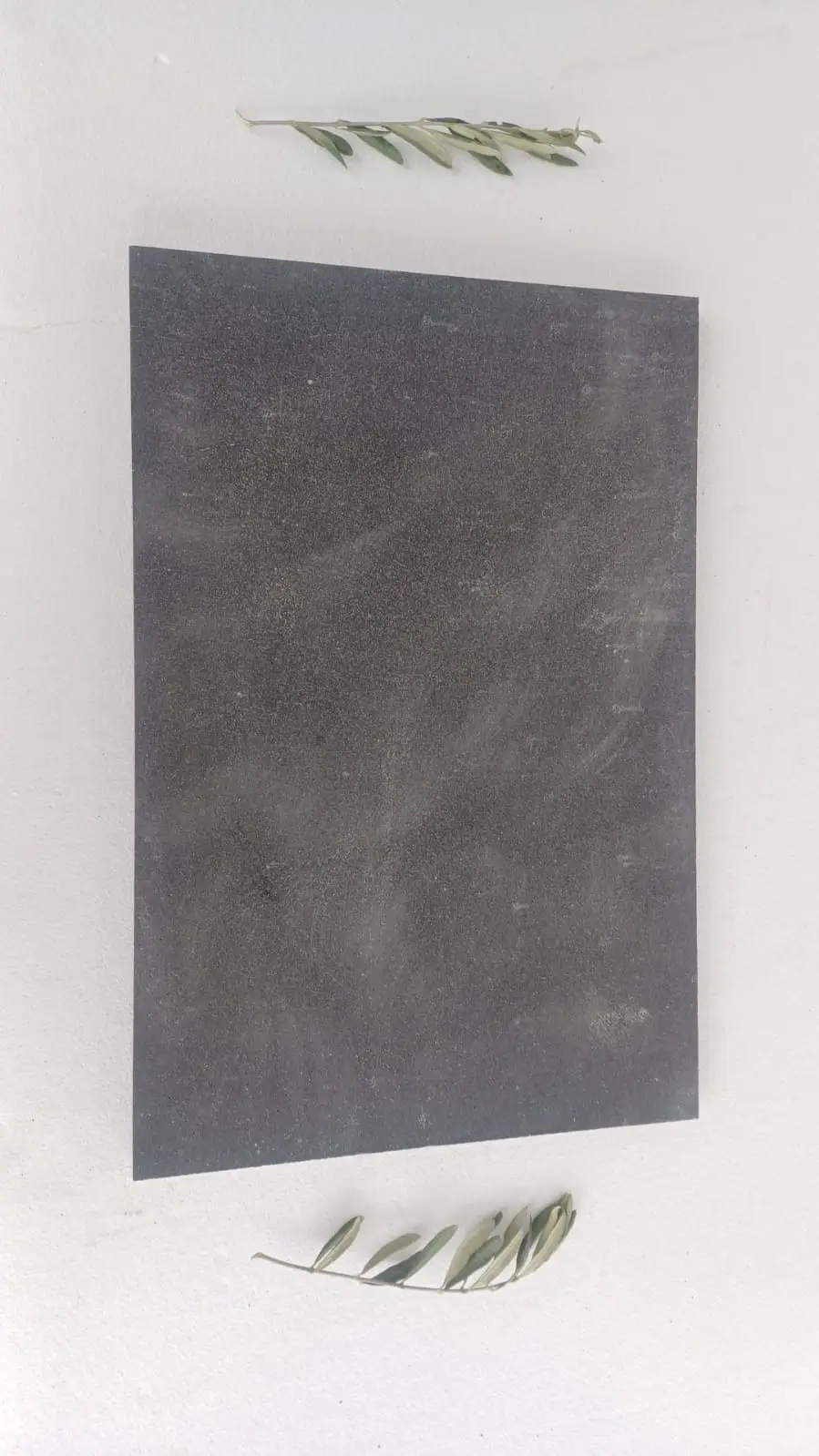
Natural stone walkway pavers in Arizona — particularly travertine, limestone, and basalt — deliver the best combination of surface temperature performance, drainage behavior, and long-term aesthetic durability. The trade-off is initial material cost and the need for more precise base preparation relative to modular concrete products. For residential and commercial projects in Chandler and similar growth corridors where long-term property value is a factor, natural stone consistently represents the stronger investment across a 20-year horizon.
Source Walkway Pavers in Arizona — Wholesale Supply from Citadel Stone
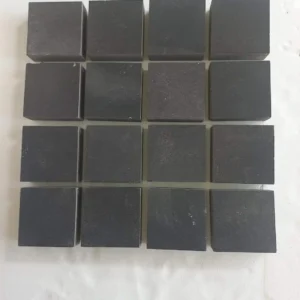
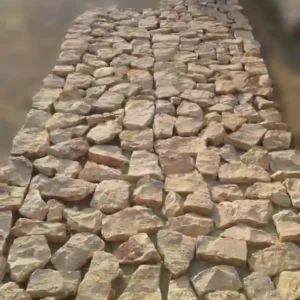
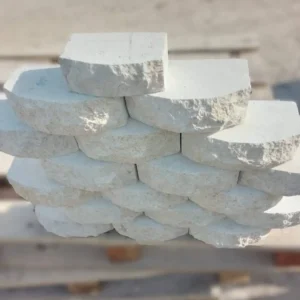
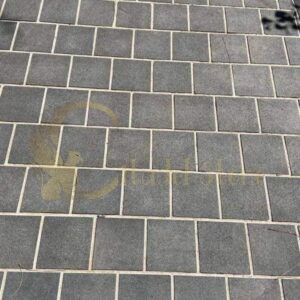
Citadel Stone supplies walkway pavers in Arizona across a full format range — from standard 12×12 and 16×16 stepping stone formats through large-format 24×48 slab options for contemporary pathway design. Available materials include travertine in tumbled, honed, and brushed finishes; limestone in natural cleft and sawn surfaces; basalt in smooth and thermal finishes; and cobblestone options for informal garden path paving applications. Sourced from established quarry partners, each batch is inspected for color consistency and dimensional tolerance before it leaves our warehouse, which matters when you’re coordinating delivery across a multi-phase project with sequential pour schedules.
Trade and wholesale inquiries can request sample tiles and full specification sheets prior to committing to a material order — particularly useful when your soil report is driving a specific thickness or format decision and you need to confirm availability before finalizing procurement. Lead times from warehouse inventory typically run 1–2 weeks for standard formats, with custom cuts or non-standard sizes requiring 3–4 weeks depending on quarry schedule. Citadel Stone delivers pathway pavers and walkway slabs across Arizona, including the Phoenix metro, Tucson, Scottsdale, and surrounding regions, with truck scheduling coordinated to match your installation sequence and site access constraints.
For projects that span multiple hardscape elements, your walkway specification often informs related decisions. Flagstaff projects in particular benefit from reviewing complementary paving applications — the freeze-thaw cycle at that elevation means material choices across your full hardscape need to be consistent. As you plan your complete Arizona stone project, the same soil conditions that govern your walkway pavers apply to adjacent vehicular surfaces with different load and thickness requirements — Driveway Pavers in Arizona covers those specification details in full. For walkway paver options built to perform across Arizona’s varied conditions, Citadel Stone offers reliable materials and knowledgeable support for every project.