

Ground composition is the variable that quietly determines whether your walkway installation holds up for two decades or starts shifting within three years — and in Arizona, that ground rarely cooperates. Installing walkway pavers in Arizona means reconciling some of the most unpredictable subgrade conditions in the Southwest, where caliche hardpan, expansive desert soils, and poorly graded fill can all exist within the same yard. Get the soil prep right, and your paver system performs; skip the diagnostics, and you’re reletting joints before the first summer monsoon cycle even finishes.
Understanding Arizona Soil Conditions Before You Break Ground
Arizona soil isn’t a single material — it’s a patchwork of caliche layers, decomposed granite, alluvial sediment, and sandy loam that varies dramatically by elevation and region. Caliche, that calcium carbonate hardpan found across much of the Sonoran Desert, sits anywhere from 6 inches to 4 feet below grade. It looks like a blessing because it’s firm, but it’s actually a drainage nightmare — water ponds above it, softens the sand layer beneath your base, and you end up with pavers that rock rather than lock. Your first step before ordering materials or mapping a layout is to dig a test hole at least 24 inches deep in two or three spots along your planned walkway path.
What you’re looking for is the transition zone between native soil and any caliche or compacted material. In Chandler, caliche layers tend to appear closer to 18–24 inches, which is shallow enough to affect your standard 6-inch aggregate base if you don’t account for drainage above it. You’ll need to either break through the caliche with a jackhammer or rotary hammer to create drainage weeps, or build a modified base profile that channels water laterally before it saturates your compacted aggregate. Skipping this step is the single biggest reason walkway projects in the Phoenix metro fail prematurely.
Beyond caliche, watch for soft alluvial fill — common in low-lying areas and newer developments where the lot was graded with imported material. This stuff compresses unevenly under paver weight and foot traffic, producing the classic rolling, lippy surface that starts showing up in year two. If your probe rod drops more than 3–4 inches into the native soil without resistance, you’re looking at fill that needs either deeper compaction or partial excavation and replacement with Class II base.
Paver Walkway Installation Steps for Arizona Projects
Once you understand what’s below grade, the installation sequence needs to follow a logic that accounts for both the soil profile and the seasonal environment. Here’s the step-by-step workflow that holds up in Arizona conditions:
- Excavate to a minimum of 8 inches below finished grade — deeper if soft fill is present — to accommodate 6 inches of compacted Class II aggregate and a 1-inch bedding sand layer
- Break through or perforate any caliche layer to allow vertical drainage, preventing hydrostatic pressure buildup beneath the base
- Apply a non-woven geotextile fabric over native soil before placing aggregate — this separates the base from expansive subgrade material without blocking drainage
- Install Class II crushed aggregate in two lifts maximum, compacting each lift to 95% modified Proctor density with a plate compactor making at least three passes
- Check for level and cross-slope (minimum 1.5% away from structures) before placing bedding sand
- Screed a 1-inch layer of coarse, washed bedding sand — never play sand or fine masonry sand, which pump out under load
- Set paver walkway installation steps Arizona projects demand begin from a fixed edge restraint, working in a consistent direction with uniform joint spacing of 3/16 to 1/4 inch
- Compact pavers into the bedding sand with a plate compactor fitted with a rubber pad — two passes minimum across all pavers
- Sweep polymeric sand into joints, mist lightly, and apply a second pass with the compactor before final activation watering
The sequence matters as much as the individual steps. Rushing compaction between lifts is the most common field shortcut, and it shows up as differential settlement within 18 months.
Desert Heat and Paver Base Preparation: What Changes in AZ
Heat affects your installation process more than most guides acknowledge — not just material performance after the fact, but the actual installation window. Desert heat paver base preparation in AZ requires you to think about your working schedule from the start. Bedding sand that sits exposed in direct sun above 105°F loses surface moisture rapidly, which affects how pavers seat and how uniformly the plate compactor transfers energy. For summer installations in the Phoenix metro, plan your final bedding sand placement and paver-setting work for early morning hours — ideally before 10 a.m.
Thermal expansion also plays a role in joint width decisions. Concrete pavers expand approximately 5 × 10⁻⁶ per degree Fahrenheit, which means a 20-foot walkway section can move nearly 1/8 inch across an 80°F temperature swing — a range Arizona sees daily in summer. That sounds minor until you’ve watched a tightly jointed walkway heave at midday and then the polymer sand crack at the surface by autumn. The fix is straightforward: don’t close joints tighter than 3/16 inch, and always use a quality polymeric sand rated for joints up to 1/2 inch in case you need to account for slight dimensional variation in the pavers themselves.
Moisture during compaction of your aggregate base is another desert-specific consideration. Class II base compacts to density specifications most efficiently at optimum moisture content — roughly 8–12% by weight for most crushed aggregate products. In dry Arizona conditions, your delivered aggregate may be at 3–4% moisture, which means you need to add water before compaction, not after. Mist each lift before running the plate compactor, or you’ll burn through fuel passes without achieving adequate density. Proper desert heat paver base preparation in AZ is the difference between a base that holds for a decade and one that shows movement by year three.
Selecting the Right Walkway Pavers in Arizona Climates
Material selection for walkway pavers in Arizona should follow a clear hierarchy of priorities: thermal stability first, slip resistance second, aesthetic compatibility third. The desert environment is unforgiving to porous materials that absorb water and then experience rapid thermal cycling — which happens in Arizona even without freeze-thaw cycles, because monsoon rain hits sun-baked surfaces at temperature differentials that cause surface spalling in lower-quality stone.
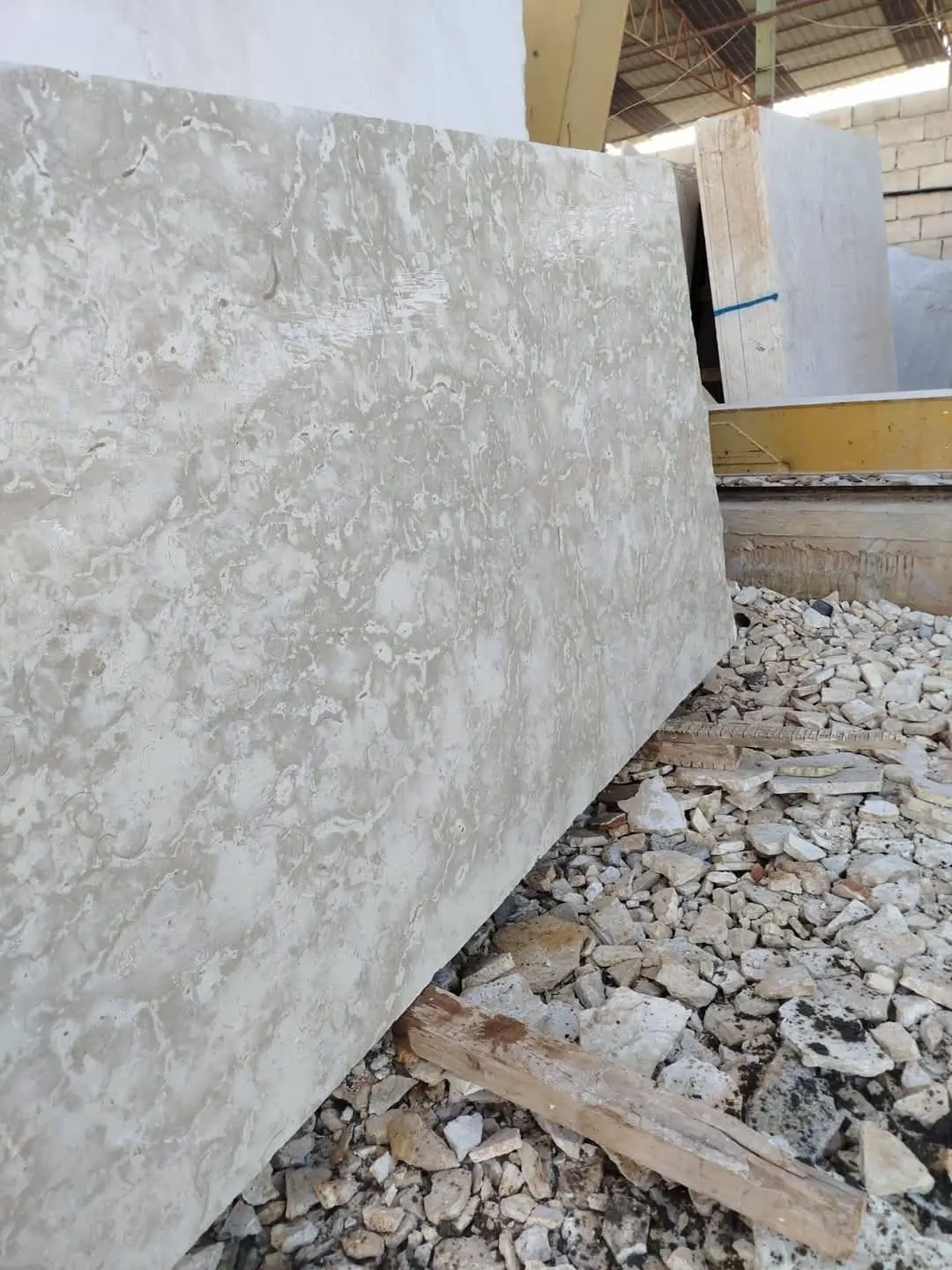
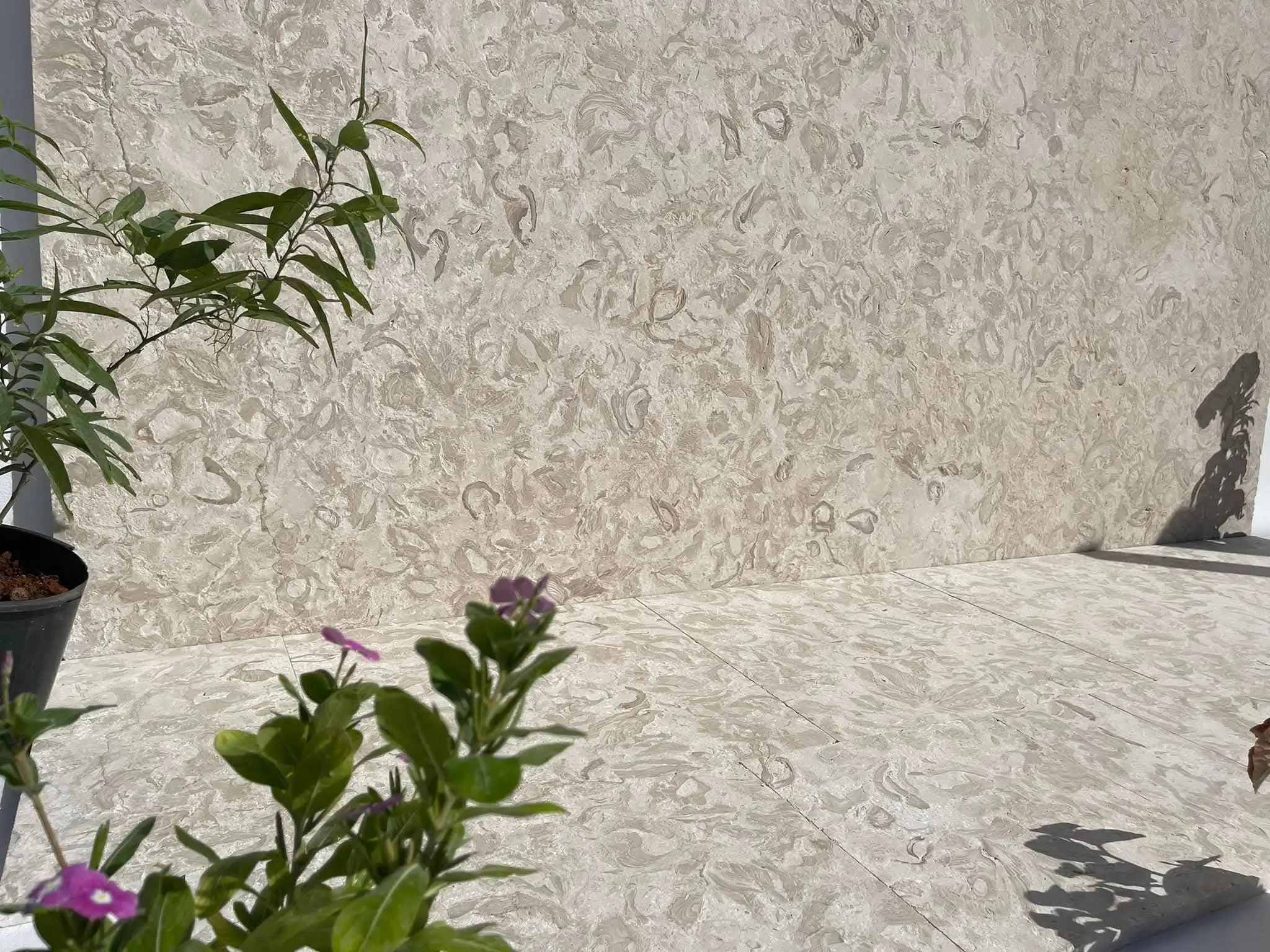
Natural stone pavers in the 2-inch nominal thickness range handle the point load requirements of standard pedestrian walkways without issue. Travertine and limestone are popular in the Phoenix metro for their natural porosity, which keeps surface temperatures noticeably lower than dense concrete pavers — a practical comfort consideration for barefoot use around pools and residential pathways. Bluestone and basalt offer exceptional density and slip resistance but absorb more heat at the surface. The right choice depends on your specific site exposure and use pattern.
- Travertine (2-inch): Excellent thermal comfort, requires penetrating sealer every 2–3 years in Arizona UV conditions, moderate slip resistance in wet conditions
- Limestone (2-inch): High thermal stability, low absorption when sealed, works well in shaded walkways where heat is less of a daily concern
- Basalt (1.5–2-inch): Outstanding compressive strength above 15,000 PSI, dense surface stays cooler in shaded applications but heats significantly in full sun
- Concrete pavers (2.375-inch standard): Cost-effective, consistent dimensional tolerance, higher surface temperatures than natural stone in direct sun
For desert walkways in full sun exposure, natural stone pavers consistently outperform concrete on surface temperature readings — a difference of 15–25°F has been measured on comparable installations under identical Arizona summer conditions.
Subgrade Stability and Long-Term Performance
The performance gap between a 10-year and a 25-year walkway installation in Arizona almost always traces back to subgrade stability decisions made before a single paver was set. Expansive soils — those with a high clay content that swell when wet and shrink when dry — aren’t the dominant concern across most of the Phoenix basin the way they are in Texas, but they do appear in localized pockets, particularly in older Tempe and Peoria neighborhoods where native soils weren’t fully removed during original lot grading.
In some Peoria residential zones, older established neighborhoods sit on reworked desert soils with enough fine material to show moderate swelling behavior — typically a swell potential of 1–3% under saturation loading. That’s enough to produce 1/4-inch differential movement across a 10-foot walkway section if your base doesn’t account for it. The mitigation is a combination of adequate base depth (8 inches compacted minimum), positive drainage geometry, and geotextile separation fabric that prevents fine soil particles from migrating upward into your aggregate base over time.
Long-term subgrade stability also depends on how you manage irrigation. Drip systems running along walkway edges are notorious for slowly saturating the base over months and years, gradually softening the compacted aggregate from the sides. Redirect emitters at least 18 inches away from any paver edge, and install root barriers if you have oleander, citrus, or mesquite within 10 feet of the walkway — root intrusion under pavers is a slow-motion demolition process.
Laying Walkway Pavers Across Arizona Yards: Layout and Pattern Considerations
Your layout approach affects both the visual result and the structural integrity of the finished walkway. Running bond and herringbone patterns both distribute load across more joints than stacked bond, which is important for walkways that experience any lateral stress — like a path along a slope or a connection between two grade changes. Herringbone at 45 or 90 degrees is the most structurally forgiving pattern for pedestrian walkways because the interlock geometry resists both longitudinal and lateral spreading.
Laying walkway pavers across Arizona yards that include grade transitions requires particular attention to your edge restraint system. Plastic edge restraints work adequately on flat runs, but on any slope exceeding 3%, you’ll want to stake restraints at 12-inch intervals rather than the standard 18-inch spacing. The soil in graded Arizona yards tends to be looser than it appears at the surface — especially in areas that were cut-and-filled during grading — and restraint spikes can pull free under lateral paver pressure if they’re not anchored into consistently dense material.
For Tempe projects near the university district, older lots often have multiple layers of landscaping history — you may encounter decomposed granite on top of old concrete on top of native desert caliche. Take the time to probe and map these layers before finalizing your excavation depth; hitting an old concrete pad at 5 inches is a common surprise that adds cost and time if you haven’t planned for it.
Joint Sand, Sealing, and Maintenance in the Arizona Climate
Polymeric sand in Arizona performs differently than it does in milder climates, and the reason comes down to the activation process. Polymeric sand requires moisture to activate the binding polymers — but in desert conditions during summer, a light mist over a 105°F surface evaporates in minutes, leaving the surface layer activated while the deeper joint material stays dry and powdery. You need to apply water slowly and thoroughly, then wait 20 minutes and apply again before the final set. Rushing the activation is the leading cause of polymeric sand failure in Arizona — it looks set from the top but hasn’t bonded through the joint depth, and monsoon rains wash it out within a season.
Sealing walkway pavers in Arizona serves two primary functions: UV protection and water intrusion prevention. The desert UV index consistently runs at 10–11+ during summer, which degrades unsealed natural stone surfaces measurably over 3–5 years. A penetrating silane-siloxane sealer applied within 30 days of installation — and reapplied every 2–3 years — keeps natural stone pavers performing at spec without altering the surface appearance significantly. Film-forming sealers give a wet look that some homeowners prefer, but they require more frequent reapplication and can trap moisture beneath the surface if applied over damp stone.
- Apply sealer only when surface temperature is below 90°F — early morning application is ideal in summer months
- Allow new installations to cure for a minimum of 30 days before first sealer application
- Reapply polymeric sand to any joint that has lost more than 30% of its fill depth before resealing
- Check all edge restraints annually and re-stake any sections showing movement before they create a cascading alignment problem
At Citadel Stone, we recommend requesting material data sheets for any sealer you’re considering — specifically the vapor transmission rate, which tells you whether the product allows the minor moisture vapor movement that Arizona soils produce even in dry months.
Ordering, Delivery Logistics, and Project Planning
Material planning for a walkway project needs to happen earlier than most homeowners expect. Arizona paver installation from Citadel Stone — Arizona paver installation from Citadel Stone — benefits from Citadel’s regional warehouse inventory, which typically keeps lead times at 1–2 weeks for standard products rather than the 6–8 week import cycle that specialty stone can require. Plan your order at least three weeks before your target start date to accommodate any product variations or quantity adjustments.
Calculate your square footage, add 10% for cuts and breakage on standard patterns, and add 15% if you’re running a herringbone layout — diagonal cuts waste significantly more material at edges. Your truck access to the delivery site matters more than most people realize. A flatbed truck carrying 2,000 pounds of pavers needs a clear, firm approach path — not a fresh decomposed granite driveway that was just installed. Coordinate delivery timing with your site prep schedule so the truck isn’t navigating over loosely prepared ground.
Order your aggregate base material separately and in advance. Class II crushed aggregate typically requires a different supplier than your paver vendor, and scheduling conflicts between base delivery and paver delivery can stall a project by days. Check warehouse availability for both materials before setting a firm installation start date.
What Every Arizona Paver Installation Comes Down To
Installing walkway pavers in Arizona successfully comes down to how seriously you treat what’s below the surface. The pavers themselves — the material, the pattern, the finish — are the part everyone sees, but the soil profile, base depth, compaction quality, and drainage design are what determine whether the walkway looks the same in year fifteen as it did in year one. Most installation failures aren’t material failures; they’re subgrade preparation failures dressed up as surface problems. Follow the Arizona climate paver installation guide principles correctly — soil diagnostics, base engineering, moisture management, and polymeric sand activation — and the visible results take care of themselves.
As you finalize your Arizona hardscape plans, complementary stone applications can also inform your overall material choices — Bluestone Slabs vs Natural Stone Arizona Homeowners? covers another dimension of Arizona stone specification worth reviewing before you commit to a single material family for your project. Homeowners in Tucson, Scottsdale, and Peoria rely on Citadel Stone walkway pavers known for handling Arizona’s intense desert heat without significant surface degradation over time.