













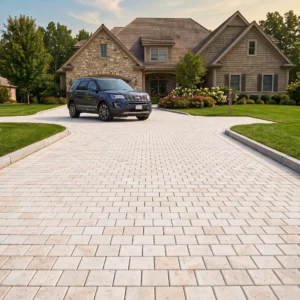
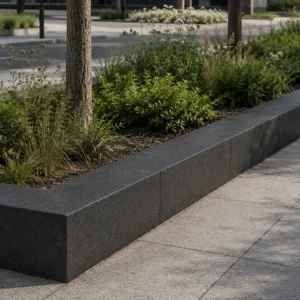
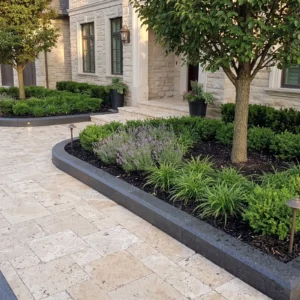
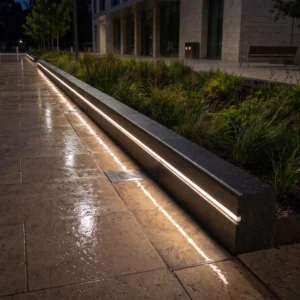



Budget decisions for shell limestone pavers in Arizona hinge less on the material’s price tag and more on where that material originates and how far it travels to reach your site. Freight from Florida quarries — the primary domestic source for genuine shell stone — adds meaningful cost per pallet when your jobsite sits in Phoenix or Tucson, and those logistics calculations should happen before you finalize your material budget, not after the quote arrives. Understanding the regional pricing dynamics specific to Arizona gives you a real advantage when evaluating bids and avoiding the substitution games that are frustratingly common with this material category.
What Shell Limestone Actually Is — And Why the Name Matters
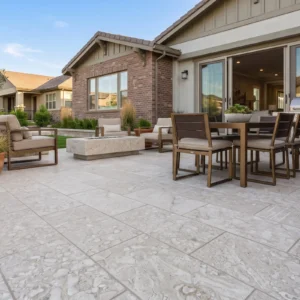
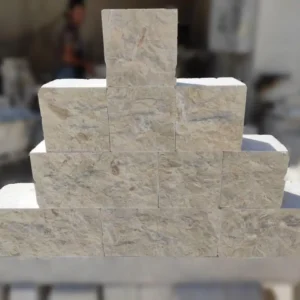
Shell stone limestone in Arizona gets sold under a cluster of overlapping trade names — cordova shell limestone, coquina shell stone, fossil shell stone, shell reef stone — and each label can mean something slightly different depending on the quarry and the distributor. The base material is a naturally cemented bioclastic limestone formed from compressed marine shells, corals, and organic fragments. Compressive strength varies with formation density — request the test report for the batch you are buying — and while shell limestone is softer than granite, it is entirely adequate for residential patios, pool decks, and pedestrian walkways when you specify the correct thickness.
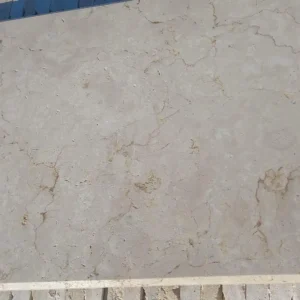
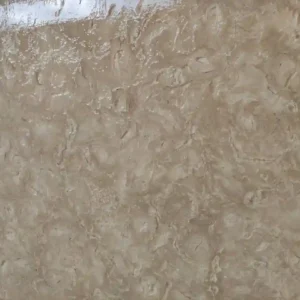
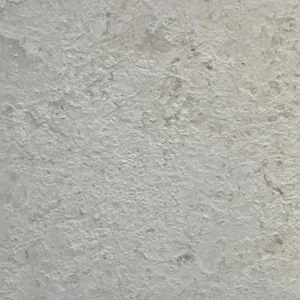
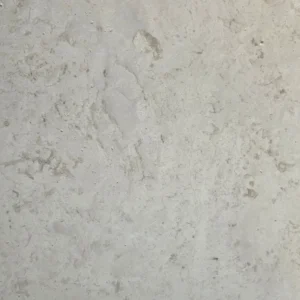
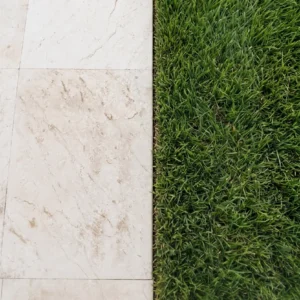
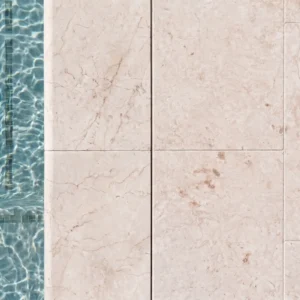
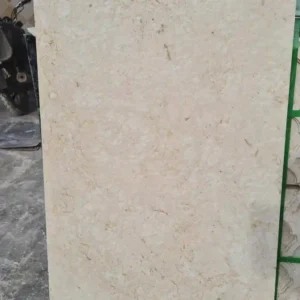
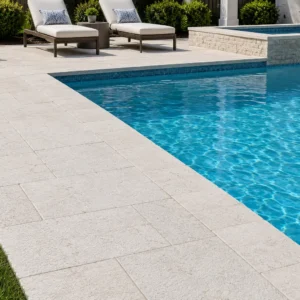
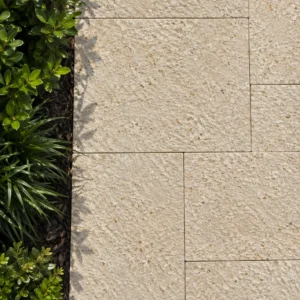
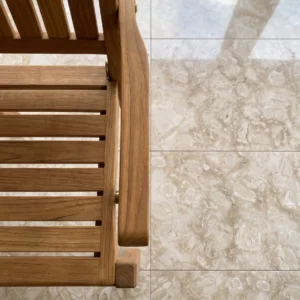
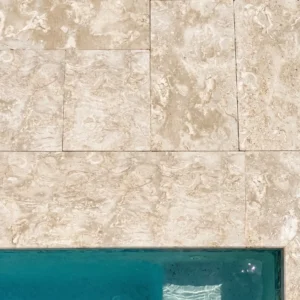
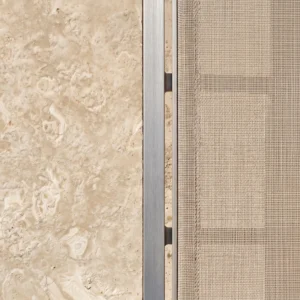
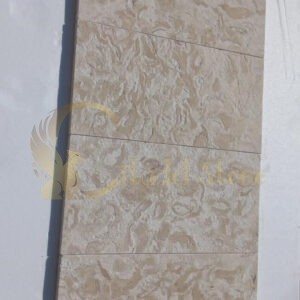
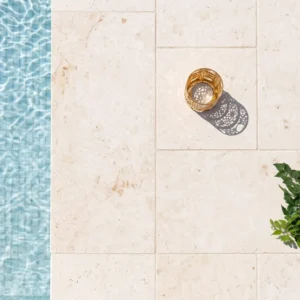
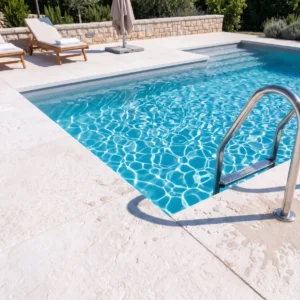
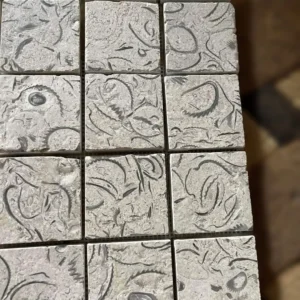
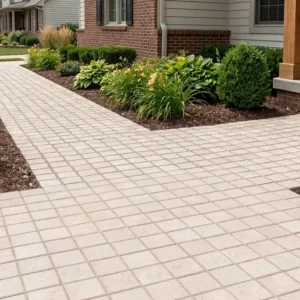
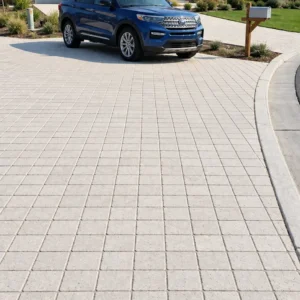
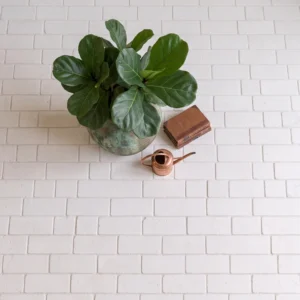
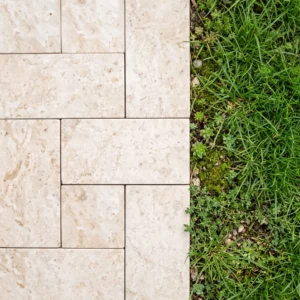
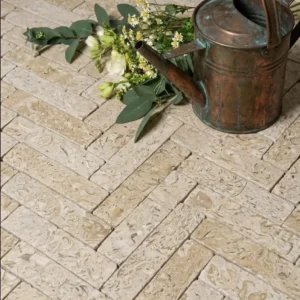
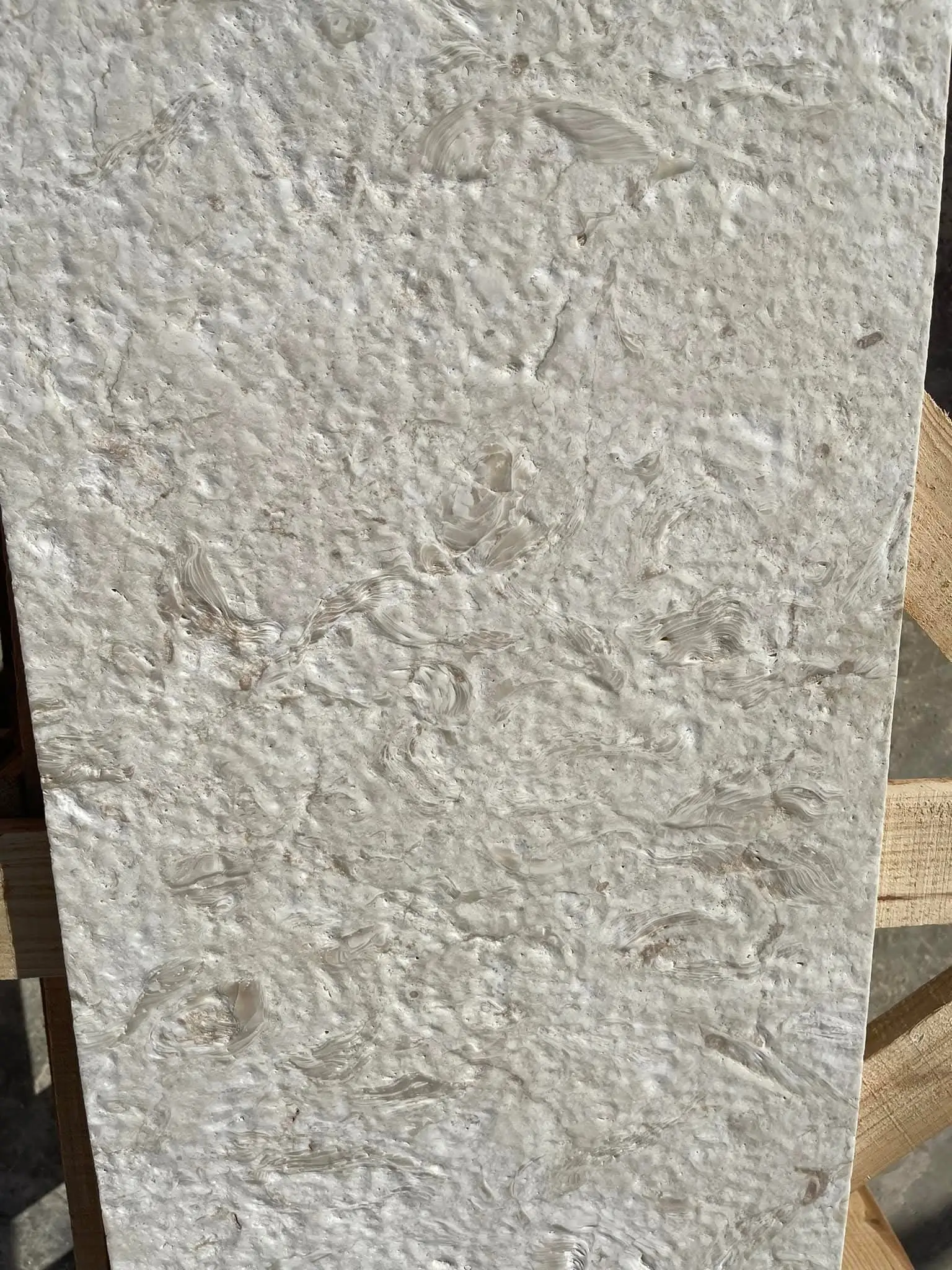
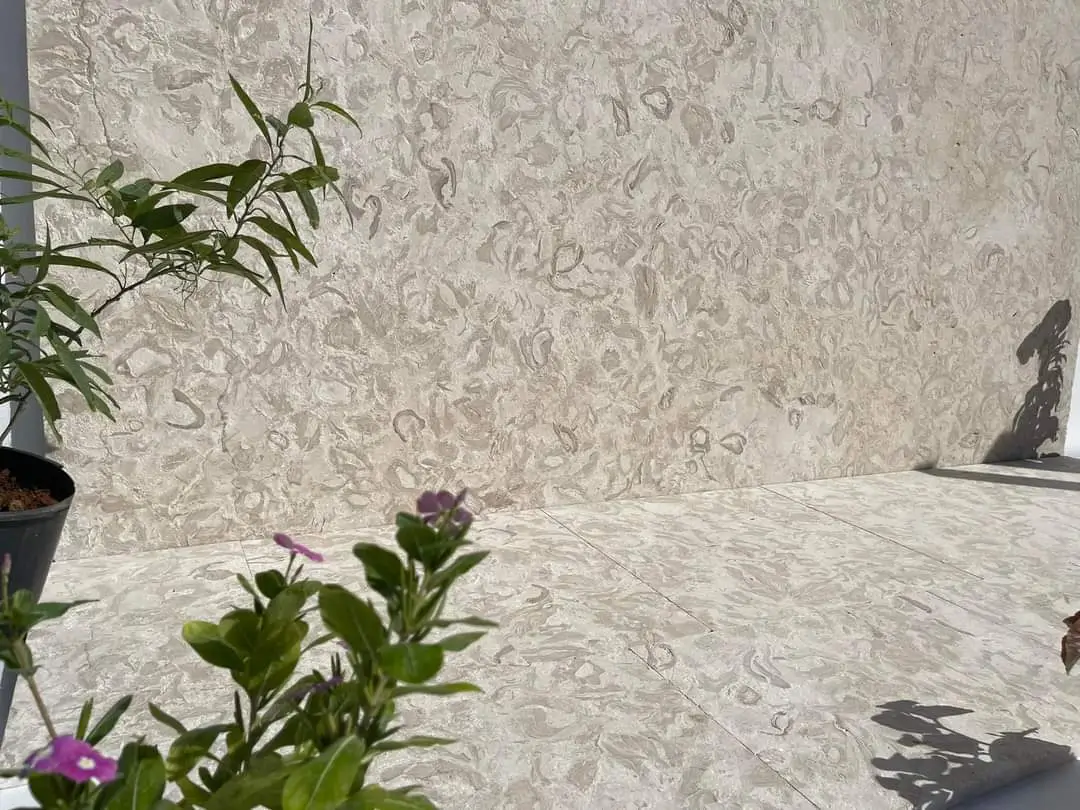
The visual character — the embedded shell fossils, the warm cream and beige tones, the slight surface texture — comes directly from the biological material in the matrix. Shell white limestone pavers in Arizona and shell beige limestone in Arizona refer to the same fundamental stone in different color expressions, and both are quarried from the same general coastal Florida formations. The shell beige variety carries slightly warmer ochre undertones that read differently against Arizona’s desert palette compared to the cooler ivory of shell white. Your design context should drive that selection, but both perform similarly in the field.
Regional Cost Factors: What Drives Pricing for Shell Limestone Pavers in Arizona
The honest starting point for any Arizona shell limestone budget is freight. Florida quarries ship palletized stone on flatbed trucks, and the distance from the panhandle to Phoenix runs roughly 2,100 road miles — a haul that adds somewhere between $180 and $340 per pallet depending on fuel costs, carrier availability, and whether your site requires a liftgate or inside delivery. That number compounds quickly across a mid-size project. A 2,000 square foot pool deck at standard 2-inch thickness might require 18 to 22 pallets, meaning freight alone can represent $3,500 to $7,500 of your material budget before you’ve purchased a single square foot of stone.
Unlike travertine or basalt — materials with domestic processing operations closer to Arizona — shell stone limestone in Arizona has no meaningful regional quarry alternative. The material is geologically specific to coastal carbonate formations, so you’re always budgeting for a long-haul delivery. Suppliers who quote unusually low freight costs either have pre-positioned warehouse inventory in Arizona or are substituting a different material. Both scenarios require verification. Confirm warehouse stock before committing to any project timeline, because backorder situations on genuine shell stone can stretch 6 to 8 weeks during high-demand season.
Citadel Stone maintains stocked inventory of shell limestone pavers in Arizona-accessible formats, which compresses that lead time significantly compared to direct import cycles. For projects in Scottsdale and surrounding metro communities where installation windows are tight and contractor schedules don’t flex easily, that warehouse inventory buffer is a genuine budget protection tool — it keeps you from paying premium rush freight when a project accelerates.
Choosing Genuine Varieties: Cordova, Coquina, Fossil, and Reef Stone Compared
The secondary keyword list for shell limestone reveals how fragmented the naming convention is in this market, and that fragmentation creates real purchasing risk. Here’s a practical breakdown of the distinctions that matter for Arizona specifications:
- Cordova shell limestone in Arizona refers to a specific Florida quarry product with tighter shell matrix density and more consistent cream coloring — it’s a premium cut that holds a sharper edge on gauged pavers
- Coquina shell stone in Arizona is a softer, more porous formation with visible shell fragments and a rougher natural surface — beautiful for rustic applications but not appropriate for pool coping where water absorption becomes a durability concern
- Fossil shell stone in Arizona emphasizes the visible fossil content and organic patterning — typically the same base material as cordova but marketed toward decorative applications
- Shell reef stone in Arizona and shells reef beige limestone in Arizona are trade names used by specific distributors and don’t always correlate to a distinct geological formation — verify the actual formation and quarry source before specifying
- Seashell limestone pavers in Arizona is the broadest category term and can encompass any of the above — always request the geological specification sheet, not just the commercial product name
For Arizona projects where durability in high-UV, low-humidity conditions matters, cordova shell limestone and the denser fossil shell stone varieties are the safer specification choices. Their lower water absorption rates — compare the figures on the test reports for the varieties you are considering — translate directly to better sealer performance and longer maintenance cycles. Request material specification sheets and sample tiles from Citadel Stone to compare absorption data across varieties before committing to a large order.
Thickness, Format, and Surface Finish: Getting the Specification Right
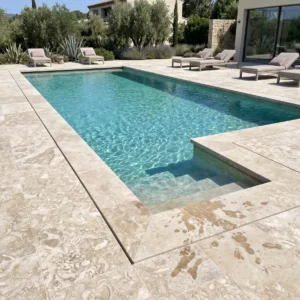
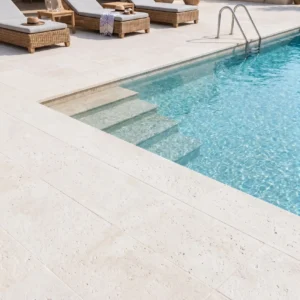
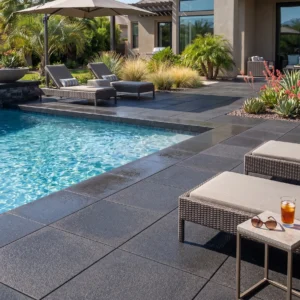
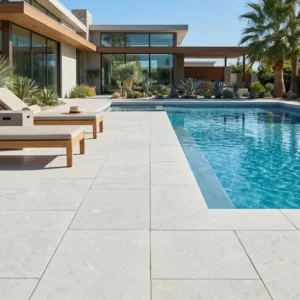
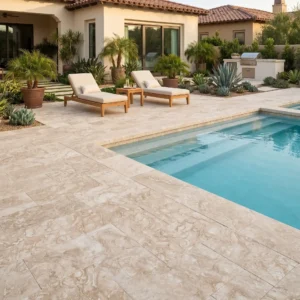
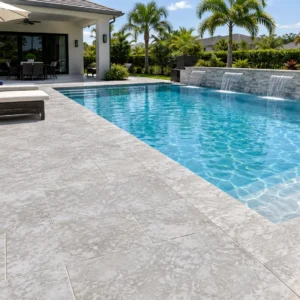
Shell stone tumbled limestone pavers in Arizona represent a specific format choice with distinct performance implications. The tumbling process rounds edges and creates a worn, aged surface texture that reads as more casual and Mediterranean in aesthetic terms. More practically, the tumbled surface leaves an open, textured face — the finish, not the stone type, is what governs here — and that makes it one of the better barefoot-rated surfaces for pool deck applications in Arizona’s climate zone.
Thickness selection for Arizona conditions should account for the clay-expansion soils common across much of the Valley floor. In areas of Tucson where expansive soils create vertical movement of 0.5 to 1.5 inches seasonally, a 2-inch nominal thickness provides substantially better crack resistance than the 1.25-inch material that works adequately in more stable soil conditions. The load span between support points increases with thicker material, which reduces the micro-flexing that initiates fracture in this relatively soft stone category.
- 1.25-inch pavers: appropriate for stable aggregate base over non-expansive soils, pedestrian traffic only
- 1.5-inch pavers: standard residential specification for patios and walkways with normal soil conditions
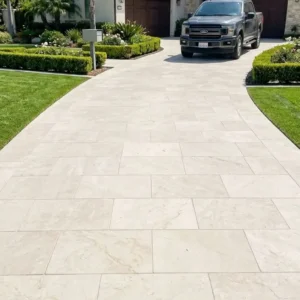
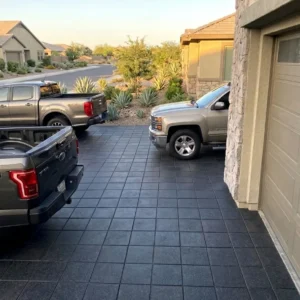
- 2-inch pavers: recommended for pool decks, driveway approaches, expansive soil zones, and any application with occasional vehicle overhang
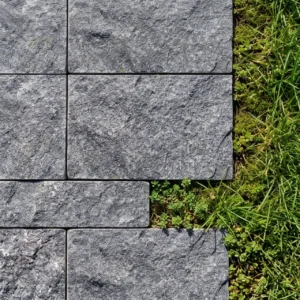
- Gauged (uniform thickness) versus ungauged (variable): gauged material installs faster and achieves flatter finished surfaces; ungauged material is less expensive but requires more skilled setting technique
- Shell white limestone pavers in Arizona: available in gauged format from most major suppliers, including standard 12×12, 16×16, and 12×24 module sizes
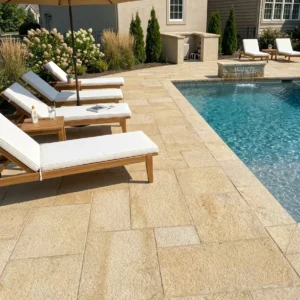
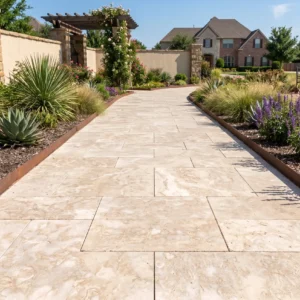
Surface finish options beyond tumbled include natural split (the quarry face), honed (mechanically flattened), and brushed (wire-brushed to enhance texture). For shell limestone pavers in Arizona pool and patio applications, the brushed and tumbled finishes consistently outperform honed surfaces in barefoot comfort ratings and summer heat retention — honed shell limestone in direct sun runs hotter underfoot than the same material with a textured finish under identical exposure conditions. Seashell limestone pavers in Arizona specified with a brushed finish also tend to show less surface wear over time in high-traffic areas compared to honed alternatives.
Base Preparation Standards for Arizona Soil Conditions
Getting the base right is where most shell limestone installation failures begin in Arizona, and the regional soil profile makes this more complex than the generic installation guides acknowledge. The caliche hardpan layer present across much of the Sonoran desert zone is both an obstacle and an asset — you need to break through it for drainage, but its density provides excellent bearing capacity once properly prepared.
Standard base preparation for shell limestone pavers in Arizona should follow this sequence:
- Excavate to a minimum 8-inch depth below finished grade for residential patios; 10 to 12 inches for pool deck perimeters and driveway approaches
- Where caliche is present, break the layer mechanically and remove loose material — a continuous caliche layer that slopes away from structures can serve as a vapor barrier substitute but must not trap water under the aggregate base
- Install 4 to 6 inches of compacted Class II road base aggregate at 95% compaction — Arizona’s low annual rainfall means you have a wider installation window, but the dry base compacts differently than humid-climate soils and requires verified moisture content during compaction
- Apply a 1-inch setting bed of coarse washed sand or dry-set mortar depending on the application type and expected thermal cycling range
- Expansion joint spacing should be tightened to 10 to 12 feet for outdoor Arizona applications — the 15 to 20 foot spacing in standard specifications was developed for moderate climates and underperforms in the 100°F-plus temperature range that Phoenix summers deliver regularly
Shell stone’s coefficient of thermal expansion is lower than concrete’s but still significant across 100°F temperature differentials. That thermal movement accumulates at joint interfaces, and undersized expansion gaps are the primary source of edge chipping and cracking in installations that otherwise look technically correct.
Sealing Protocols and Maintenance Schedules for Desert Conditions
Shell limestone is a porous material that requires sealing in Arizona’s environment — the question isn’t whether to seal but which product chemistry and what application schedule. The low humidity and intense UV exposure that define Arizona’s climate accelerate both staining infiltration and sealer degradation simultaneously, creating a maintenance challenge that differs meaningfully from humid-climate applications of the same stone.
- Initial sealing: apply penetrating silane-siloxane sealer to clean, dry stone within 30 days of installation — do not delay past the first rainy season, which for Arizona means before the July monsoon window
- Sealer type: avoid topical film-forming sealers on tumbled shell stone — they trap moisture behind the film in humid monsoon conditions and peel visibly within 18 months in Arizona UV exposure
- Resealing schedule: Arizona’s UV intensity degrades most penetrating sealers in 18 to 24 months compared to the 3 to 5 year cycles appropriate in northern climates — budget for biennial maintenance
- Efflorescence management: shell limestone’s calcium carbonate matrix is particularly prone to efflorescence in alkaline soil conditions common in the Arizona desert — use a pH-neutral efflorescence cleaner, never muriatic acid, which etches the surface and accelerates future staining
- Coquina shell stone and high-porosity varieties: require a second sealer coat applied within 24 hours of the first, as the initial coat absorbs into the matrix without fully bridging the surface pores
The sealing maintenance difference between shell white limestone pavers in Arizona and shell beige limestone in Arizona is primarily cosmetic — the lighter shell white shows calcium deposits and hard water staining more visibly, which means the maintenance intervals feel more urgent even when the actual protection level is equivalent. Factor that visibility difference into your material selection if the project owner has limited appetite for maintenance. Shell white limestone in Arizona is otherwise equivalent in durability and sealer compatibility to the beige varieties under identical Arizona exposure conditions.
How Shell Limestone Compares to Other Arizona Hardscape Options
Shell stone limestone in Arizona competes most directly with travertine, sandstone, and concrete pavers in the residential outdoor market. Each material has a specific performance profile that makes it more or less appropriate depending on project context, and honest comparison serves your specification process better than material advocacy.
- Shell limestone versus travertine: travertine offers higher compressive strength and better freeze-thaw resistance — in higher elevation Arizona locations like Flagstaff, travertine is the more conservative specification choice
- Shell limestone versus sandstone: sandstone is domestically quarried in closer regional proximity, reducing freight costs meaningfully, but lacks the fossil texture and warm organic character of genuine shell stone
- Shell limestone versus concrete pavers: concrete offers lower upfront cost and easier replacement of individual units, but cannot replicate the natural variation and thermal comfort characteristics of shell stone — surface temperatures on concrete pavers in direct Arizona sun typically run 20 to 35°F hotter than equivalent shell limestone surfaces
- Shell beige limestone in Arizona versus shell white: beyond the color difference, the beige varieties often come from slightly denser formations with marginally lower absorption — a meaningful specification advantage in wet applications like pool decks
- Shells reef beige limestone in Arizona versus standard shell white: the reef beige trade name covers a slightly warmer tone with comparable density, making it a popular alternative for projects where the cooler ivory of shell white reads too stark against warm desert landscaping
The thermal comfort differential between shell limestone pavers in Arizona and concrete is the specification argument that resonates most strongly with Arizona homeowners. At 115°F ambient air temperature — a Phoenix summer reality — barefoot surface temperatures on unsealed concrete pavers can exceed 150°F. Shell limestone under the same conditions typically measures between 118°F and 128°F depending on finish and color. That 20 to 30 degree difference is the gap between a usable outdoor space and one that sits empty during Arizona’s peak outdoor season.
Order Shell Limestone Pavers in Arizona — Direct Supply from Citadel Stone
Citadel Stone supplies shell limestone pavers across Arizona in standard formats including 12×12, 16×16, 12×24, and 24×24 modules at 1.25-inch, 1.5-inch, and 2-inch nominal thicknesses. Surface finish options include natural split, tumbled, honed, and brushed. Available color expressions cover shell white limestone, shell beige limestone, and shells reef beige limestone in Arizona — with physical samples available on request so you can evaluate color and texture against your project’s design context before committing to a full order.
Contact Citadel Stone directly to request material specification sheets, absorption data, and thickness availability by product type. Trade accounts and wholesale pricing structures are available for contractors, landscape architects, and designers working on recurring Arizona projects. At Citadel Stone, we review each project inquiry with an eye toward logistics as much as material selection — the right stone delivered to the wrong site at the wrong time creates as many problems as a poor material specification. Truck delivery is coordinated based on your site’s access constraints and installation schedule, and warehouse stock levels are confirmed before order processing to prevent the mid-project supply interruptions that derail timelines. Lead times from current inventory typically run 5 to 10 business days to Phoenix metro, Tucson, and Scottsdale; more remote Arizona delivery zones should allow 10 to 14 business days.
For projects requiring custom cuts, non-standard module sizes, or large-volume pricing, Citadel Stone’s sourcing team can advise on fabrication lead times and quarry batch availability. Beyond this application, your Arizona property may also benefit from complementary stone surfaces — Shell Stone Travertine in Arizona covers a closely related material family worth comparing when you’re evaluating options for pool decks, patios, or covered outdoor living spaces in the same project. For Arizona projects requiring durable, naturally textured surface materials, Citadel Stone provides shell limestone pavers backed by experienced sourcing and reliable regional distribution.