Why Soil Conditions Define Gray Flagstone Paver Performance in Arizona
Base failure in gray flagstone pavers in Arizona almost never starts at the surface — it starts six inches below grade, where Arizona’s notoriously variable soil composition begins dictating the outcome. The interaction between expansive clay soils, caliche hardpan layers, and the compacted aggregate base you place on top of them determines whether your installation stays level and tight for two decades or starts rocking and separating within three years. Understanding your specific subgrade before you spec your stone thickness or joint width is the single most important step in any gray flagstone project, and it’s the step most often skipped.
Gray flagstone pavers in Arizona perform exceptionally well under load — compressive strength values for quality flagstone typically range from 8,000 to 15,000 PSI depending on stone type — but that structural capacity only translates into long-term durability when the base beneath it remains stable. Citadel Stone stocks gray flagstone in standard thicknesses of 1.25 inches, 1.5 inches, and 2 inches, and you should match your thickness selection to your subgrade condition, not just your traffic load estimate. On reactive soils, go thicker.
Arizona Soil Types and What They Mean for Your Flagstone Base
Arizona’s soil landscape is anything but uniform. You’re working across three fundamentally different soil environments depending on where your project sits, and each one requires a different base preparation strategy for grey flagstone pavers in Arizona to perform correctly over the long term.
- Caliche hardpan, common throughout the Sonoran Desert corridor, creates a deceptively solid sub-base that can actually work in your favor — but only if it’s continuous and unbroken. Fractured caliche heaves unpredictably.
- Expansive clay soils in valley floor zones around Phoenix expand up to 10% volumetrically with moisture uptake, translating directly into paver lift and joint failure if drainage isn’t engineered into the base design.
- Sandy loam and decomposed granite soils in higher elevation zones compact predictably and drain well, making them the most forgiving substrate for flagstone installations.
- Mixed alluvial deposits — layers of clay, sand, and cobble — require test pits before you commit to any base depth specification, because the variation within a single site can be dramatic.
Projects in Phoenix frequently encounter expansive clay in the upper 24 to 36 inches, and this changes your compacted base depth requirement significantly. The standard 4-inch compacted aggregate base that works fine in a sandy loam environment needs to become 6 to 8 inches when you’re building over reactive clay — and you’ll need a geotextile separation fabric between the native soil and your aggregate to prevent clay migration upward through the base over time.
Gray Flagstone Color and Material Options for Arizona Projects
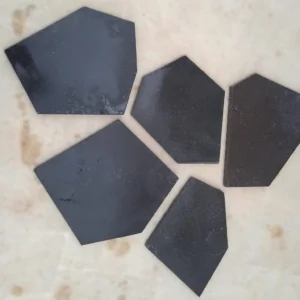
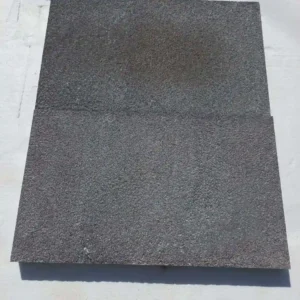
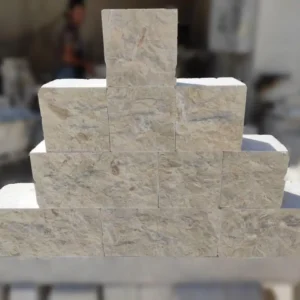
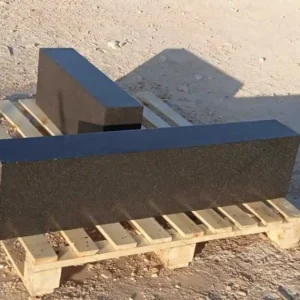
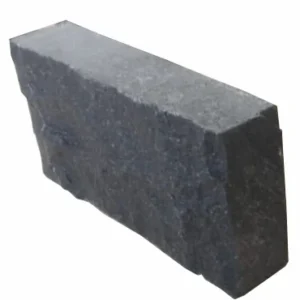
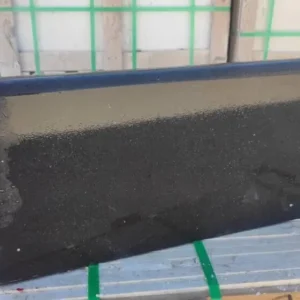
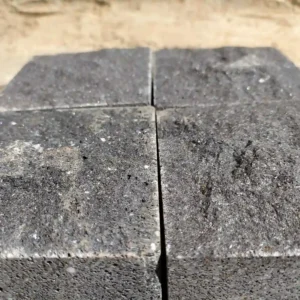
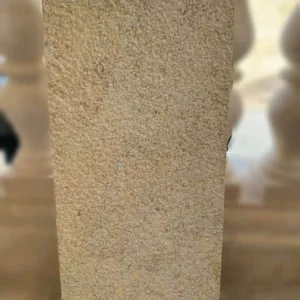
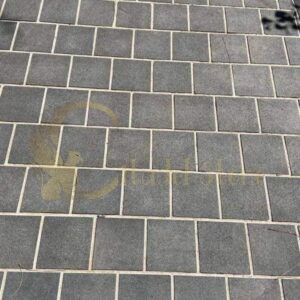
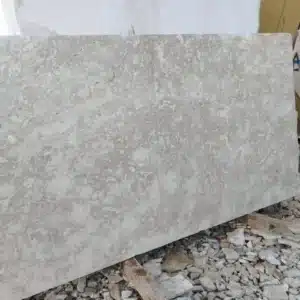
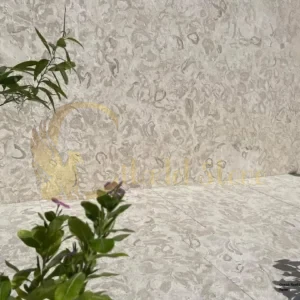
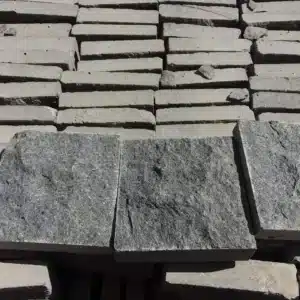
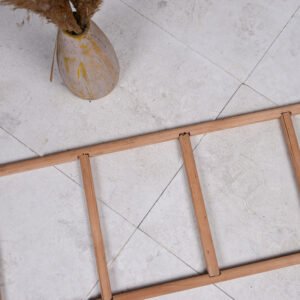
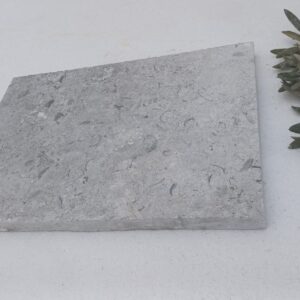
The grey flagstone pavers in Arizona market covers a wider range of stone types than most buyers initially realize. The word “gray” describes a color family, not a single material, and the performance differences between stone types within that color range are substantial enough to affect your specification significantly.
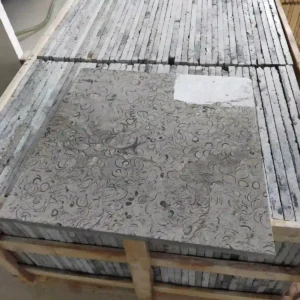
- Slate flagstone pavers in Arizona deliver a dense, low-porosity surface with natural cleft texture that provides inherent slip resistance without additional surface treatment — absorption rates typically run below 1%, making them exceptionally moisture-resistant.
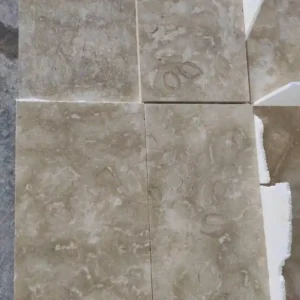
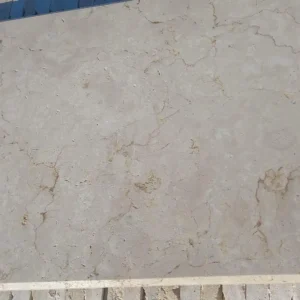
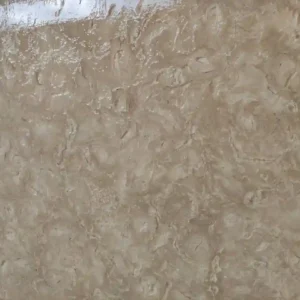
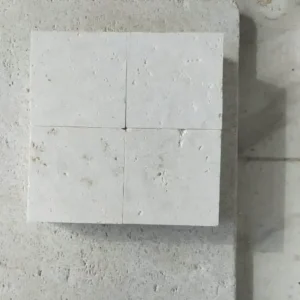
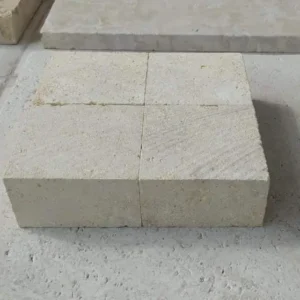
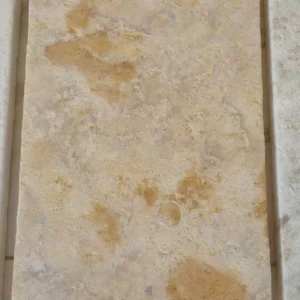
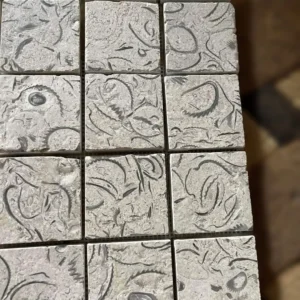
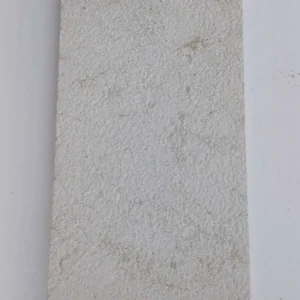
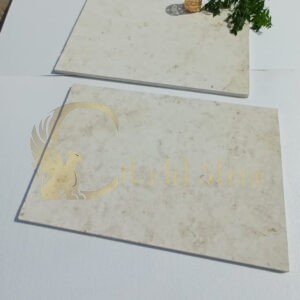
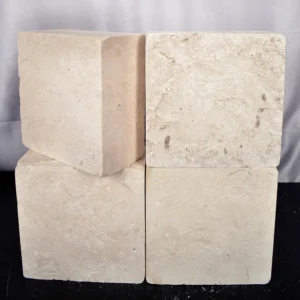
- Limestone flagstone pavers in Arizona offer a softer, more even gray tone with slightly higher absorption rates (2–5%), requiring penetrating sealer application within 30 days of installation and reapplication on a biennial schedule in high-UV exposures.
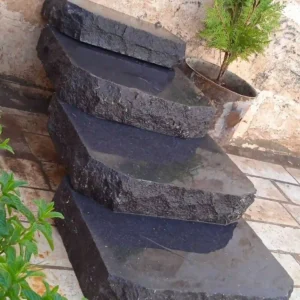
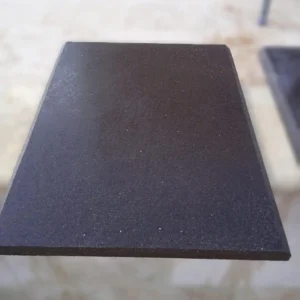
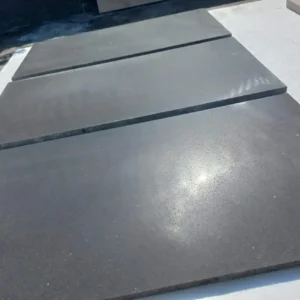
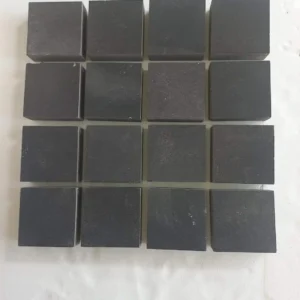
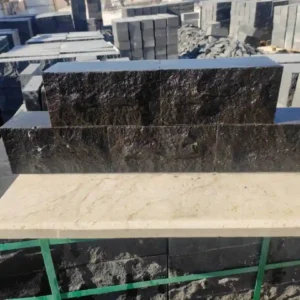
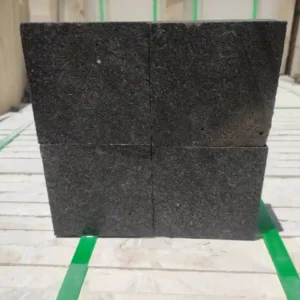
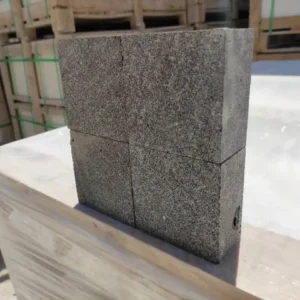
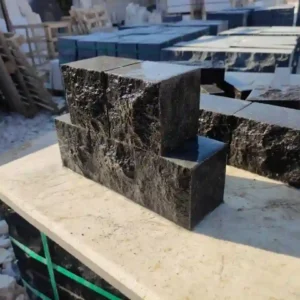
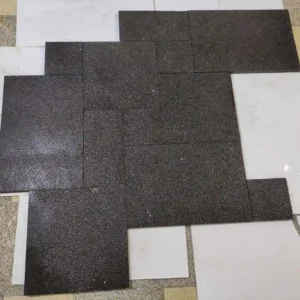
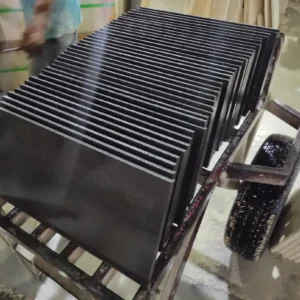
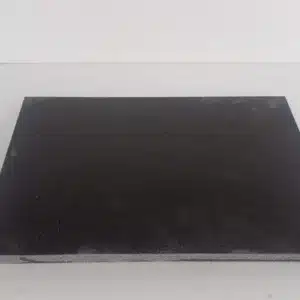
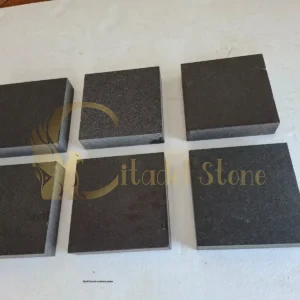
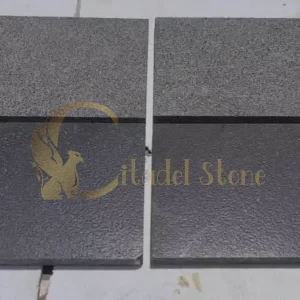
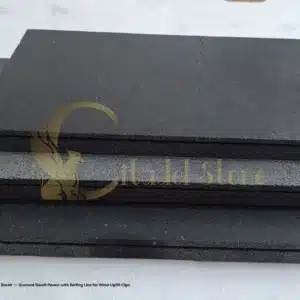
- Black flagstone pavers in Arizona — typically basalt or dark slate — present the highest heat absorption of any flagstone color and need careful placement consideration in direct sun zones on bare-foot traffic areas.
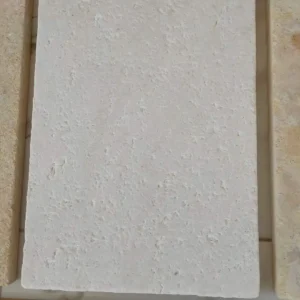
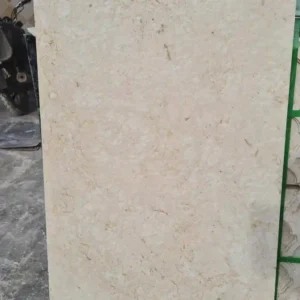
- White flagstone pavers in Arizona sit at the opposite thermal end, reflecting 60–70% of solar radiation and staying significantly cooler underfoot, though they show efflorescence and surface staining more readily than darker tones.
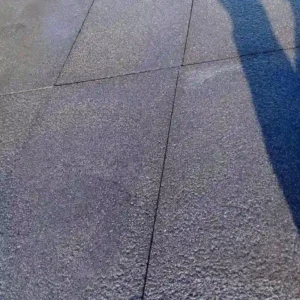
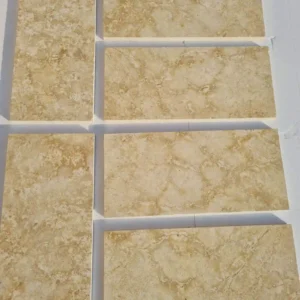
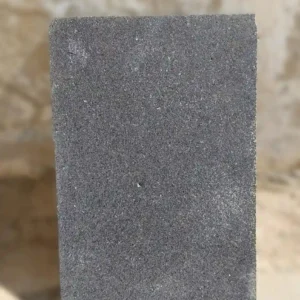
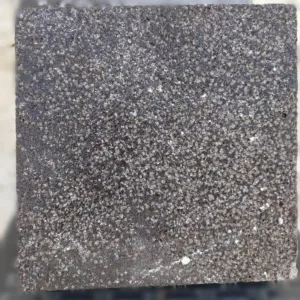
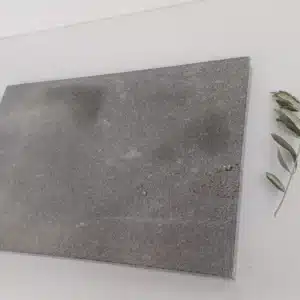
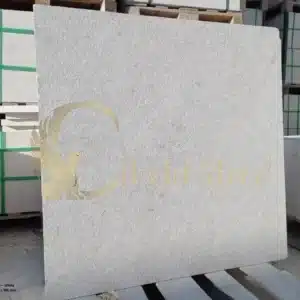
- Pavers flagstone gray in Arizona mid-tones — the charcoal and medium-gray slate and quartzite options — balance thermal performance and stain concealment effectively for most residential patio and walkway applications.
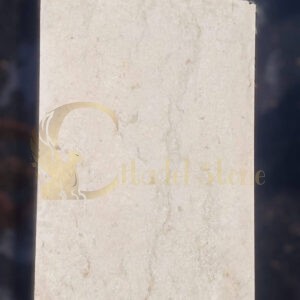
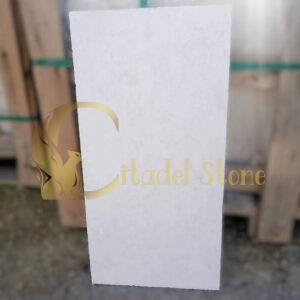
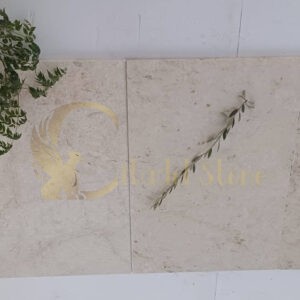
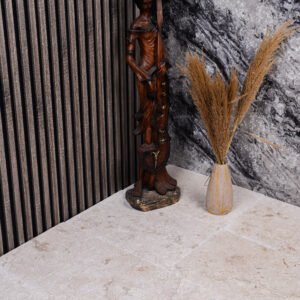
At Citadel Stone, we recommend requesting sample tiles before finalizing your color selection, because gray flagstone photographs significantly lighter than it appears in person, especially in Arizona’s high-ambient-light conditions. You can request samples directly from our team alongside the thickness and finish specifications for your shortlisted options.
Base Preparation Standards for Stable Flagstone Installation
The compacted aggregate base is where gray flagstone paver projects are won or lost. Here’s the specification framework that actually holds up in Arizona’s challenging subgrade conditions — not the generic guidelines you’ll find in a product sheet.
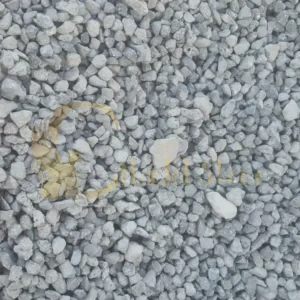
Your aggregate base material should be crushed angular stone, not rounded river gravel. Angular aggregate locks together under compaction; rounded material shifts. Use 3/4-inch minus crushed aggregate compacted in 2-inch lifts to at least 95% of maximum dry density per ASTM D1557. Each lift gets compacted separately — don’t try to compact 6 inches in one pass and expect stability.
- Over caliche: scarify the top 2 inches of caliche before placing base aggregate to create mechanical bond between layers — smooth caliche becomes a slip plane under lateral loads.
- Over expansive clay: install a minimum 4-ounce-per-square-yard non-woven geotextile before aggregate placement; clay migration into your base layer destroys compaction over 3–5 seasons.
- Over sandy loam: standard 4-inch compacted base is typically sufficient for pedestrian loads; increase to 6 inches for vehicular or heavy furniture loading.
- Over fill soil: never assume fill compaction meets spec — always test or excavate to undisturbed native soil, regardless of how long the fill has been in place.
For projects in Tucson and the surrounding Sonoran Desert basin, caliche depth and consistency varies enough site to site that a simple probe rod test before excavation saves costly mid-project surprises. If caliche is solid and at least 6 inches thick, you can often reduce your imported aggregate depth by 2 inches and use the caliche itself as part of your structural base — provided you’ve verified it’s continuous across the full project footprint.
Maintaining proper drainage geometry throughout the base is non-negotiable. A minimum 2% cross-slope away from structures, carried through from subgrade to finish surface, prevents the hydrostatic pressure buildup that heaves flagstone off its bed over time. In clay soil environments specifically, standing water beneath a flagstone field accelerates expansion cycling and joint deterioration significantly faster than in well-drained conditions.
Thickness and Format Selection for Arizona Ground Conditions
Flagstone thickness selection isn’t just a structural calculation — in Arizona’s soil environment, it’s a soil-interaction decision. Thinner stone over reactive subgrade transmits ground movement directly to the surface; thicker stone bridges minor subgrade irregularities and distributes load more forgivingly.
For pedestrian-only applications over stable, well-compacted base: 1.25-inch nominal flagstone is structurally adequate. For mixed pedestrian and occasional vehicle access over variable soils, step up to 1.5 inches minimum. For full vehicular traffic or installations over clay-heavy subgrade with known expansion potential, 2-inch nominal is the defensible specification. Citadel Stone ships gray flagstone pavers in Arizona in all three thickness categories from regional inventory, which typically reduces lead times to one to two weeks for standard sizes compared to the six to eight week cycle on special-order imported material.
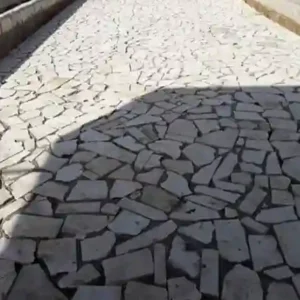
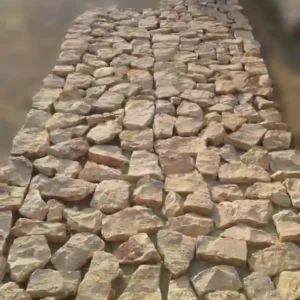
- Random irregular flagstone formats accommodate minor subgrade movement better than precision-cut square formats — the varied joint widths allow for differential settlement without creating obvious pattern disruption.
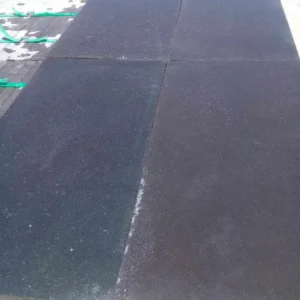
- Cut flagstone in square or rectangular formats requires a more precise base — any subgrade irregularity shows immediately in joint alignment and lip height differences between adjacent pieces.
- Large-format pieces (24 inches and above) need continuous bedding support; point loading on edges over voids is the primary fracture mechanism in oversized flagstone.
The base preparation detail and long-term maintenance schedule are closely linked for grey flagstone pavers in Arizona — a well-prepared base reduces maintenance frequency significantly by eliminating the differential settlement that causes joint sand loss and surface lippage. grey flagstone pavers Arizona projects benefit most from this integrated approach, where specification decisions at the base stage directly reduce the cost and frequency of upkeep over the installation’s service life.
Joint Design, Drainage, and Long-Term Stability
Joint design in gray flagstone installations serves three functions simultaneously: structural interlock, drainage routing, and accommodation of thermal movement. Getting the balance right requires you to think about all three, because optimizing for one at the expense of the others creates problems on a predictable timeline.
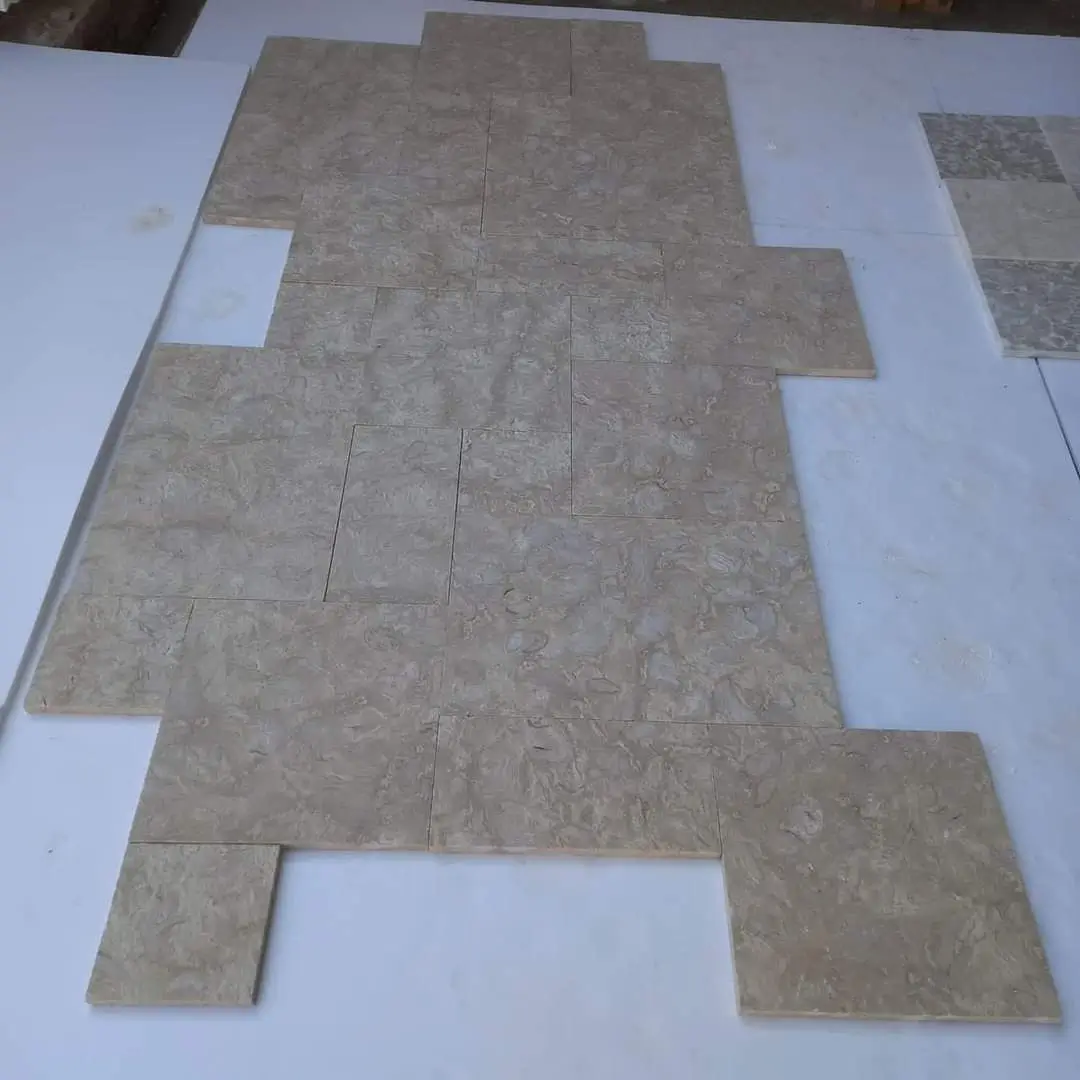
For dry-set flagstone applications on a compacted base, polymeric joint sand provides the most durable fill option in Arizona’s climate — it resists washout during monsoon rainfall events and doesn’t support the weed establishment that plain sand allows. You’ll need to account for thermal expansion joints every 12 to 15 feet in large flagstone fields; the coefficient of thermal expansion for most flagstone types runs between 4.5 and 6.0 × 10⁻⁶ per °F, which translates to meaningful linear movement across the 80°F+ daily temperature swing Arizona regularly produces.
- Minimum joint width for dry-set gray flagstone: 3/8 inch for cut stone, 1/2 to 1 inch for irregular flagstone — narrower joints in expansive soil environments are a documented failure pattern.
- Drainage channels should be incorporated at paving field edges and at any grade transition to prevent water pooling under the stone during monsoon saturation events.
- Mortar-set flagstone over concrete slab substrates requires control joints that align with the slab control joints — bridging a slab crack with continuous flagstone causes surface fracture regardless of mortar bed thickness.
Sealing and Maintenance for Arizona Flagstone Pavers
Arizona’s UV index runs at the top of the national scale for most of the year, and that UV load degrades unsealed flagstone surface finish faster than any other climatic factor — faster than temperature, faster than foot traffic, faster than moisture. Penetrating silane-siloxane sealers rated for UV stability are the correct product class for gray flagstone pavers in Arizona outdoor applications; film-forming sealers peel, blister, and trap moisture in ways that damage stone surfaces in high-UV, low-humidity conditions.
Your initial sealing should happen within 30 days of installation completion, after the base has had time to settle and joint sand has been refilled and compacted. Apply sealer in two coats during cooler morning hours — stone surface temperature above 90°F causes premature sealer flash-off that prevents proper penetration. At Citadel Stone, we can advise on sealer compatibility with specific stone types in your order; slate flagstone pavers in Arizona and limestone flagstone pavers in Arizona have different absorption characteristics that affect sealer dilution ratios and coverage rates.
- Resealing frequency for low-desert Arizona (Phoenix, Scottsdale, Yuma): every 2 years for high-traffic areas, every 3 years for low-traffic patios with overhead shade cover.
- Resealing frequency for higher-elevation zones (Flagstaff, Sedona): every 3 years, with inspection after the first freeze-thaw season to check for sealer delamination caused by moisture expansion in the stone’s pore structure.
- Joint sand inspection and refill should occur annually after monsoon season — water infiltration during heavy rainfall events compresses and displaces joint sand, and low-sand joints are the entry point for both weed establishment and paver wobble.
In Scottsdale, where outdoor living spaces with exposed natural stone are architecturally prominent, the maintenance schedule for gray and black flagstone pavers in Arizona becomes part of the property maintenance calendar — not an afterthought. Consistent resealing is the single highest-return maintenance investment for stone longevity in this climate zone.
Order Gray Flagstone Pavers in Arizona — Direct Supply from Citadel Stone
Citadel Stone supplies gray flagstone pavers in Arizona across the full range of stone types, thicknesses, and finish options that commercial and residential projects require. Available formats include natural cleft irregular flagstone in random sizes, sawn-edge cut flagstone in standard 12×12, 16×16, 18×18, and 24×24 formats, and custom-cut pieces for architectural detail work with advance lead time coordination. Stone types span slate, limestone, quartzite, and basalt in the gray color family, allowing you to match thermal performance, surface texture, and absorption characteristics to your specific project requirements.
You can request sample tiles and written thickness specifications before committing your order — this is standard practice for projects specifying grey flagstone pavers in Arizona where soil conditions or finish requirements are still being finalized. Trade accounts, landscape contractors, and wholesale buyers can contact Citadel Stone directly for volume pricing and project scheduling. Warehouse inventory across Arizona supports typical lead times of one to two weeks for stocked items; non-standard sizes and custom cuts require four to six weeks depending on quarry availability. For projects with complex site conditions or tight installation schedules, Citadel Stone’s technical team can provide material guidance from initial soil assessment through final specification. Beyond gray flagstone, your Arizona project may also benefit from complementary stone applications along pool perimeters and water features — Flagstone Pool Pavers in Arizona covers how flagstone selection and base preparation differ in wet-zone applications, which is worth reviewing if your project scope includes any pool deck or water feature work. For grey flagstone pavers across Arizona, Citadel Stone offers consistent quality, regional expertise, and material guidance to support projects from initial planning through completion.