
Gray flagstone paver maintenance in Arizona gets complicated fast once you factor in monsoon-season wind loads and the mechanical stress that storm events put on jointing and edge systems — and most maintenance guides completely skip this part. The surface sealing conversation dominates, but what actually shortens the service life of flagstone installations in this state is joint failure driven by wind-driven rain infiltration and the lateral movement that follows. Understanding that sequence changes how you approach every maintenance task, from joint sand replenishment to edge restraint inspection.
Why Wind and Storm Loads Define Your Maintenance Schedule
Arizona’s monsoon corridor doesn’t get enough credit for the mechanical punishment it delivers. You’re looking at sustained wind gusts that routinely exceed 60 mph in Phoenix-area storms, and that wind carries abrasive particulate at high velocity — a combination that erodes joint sand, compromises sealer film integrity, and hammers exposed flagstone edges in ways that heat alone never would. Your maintenance schedule needs to start with a post-storm inspection protocol, not just an annual sealing date on the calendar.
The specific failure mode worth understanding is this: wind-driven rain enters compromised joints at an oblique angle, pushing hydraulic pressure laterally beneath the flagstone. Over multiple storm cycles, that pressure displaces the bedding layer and creates differential settlement — the rocking, clicking flagstone you’ve probably seen in neglected installations. Catching joint sand loss early, after the first heavy monsoon event each season, prevents that cascade. This is the foundation of effective gray flagstone paver maintenance in Arizona: responding to storm stress before it compounds.
Edge Restraint Inspection and Integrity Checks
Edge restraints are the most storm-vulnerable component of any flagstone installation, and they’re the most overlooked item in routine outdoor stone paver upkeep across Arizona properties. In Yuma, where dust storms compound wind-driven erosion at perimeter zones, you’ll find edge restraint failure accelerating at roughly twice the rate seen in interior metropolitan areas — the combination of abrasive particulate and sustained high winds creates a unique stress profile.
- Check stake spacing at perimeter restraints — they should be no more than 12 inches apart; anything wider and the restraint flexes under lateral wind load
- Look for restraint sections that have lifted or heaved — frost isn’t the culprit here, but hydrostatic pressure from wind-driven rain can displace improperly backfilled perimeters
- Inspect corner connections specifically, since angular wind approaches hit corners at compound angles that spike localized pressure
- Confirm that edge flagstones haven’t migrated outward even 1/8 inch — that movement signals restraint compromise before visible damage appears
Replacing or re-staking edge restraints is a straightforward field repair, but the window to do it matters. Address edge movement before the next storm cycle arrives, not after — once the perimeter starts shifting, interior joint integrity follows within one or two seasons.
Joint Sand Maintenance Under Storm Stress
Joint sand in flagstone installations functions as both a structural buffer and a drainage regulator, and wind-driven monsoon rain is its primary enemy in Arizona. Polymeric joint sand performs significantly better than standard masonry sand in storm conditions — the polymer binders resist hydraulic displacement at wind-driven entry angles that would flush conventional sand within a season or two. For outdoor stone paver upkeep across Arizona properties that experience regular storm exposure, polymeric sand isn’t optional; it’s baseline specification.
The replenishment schedule most Arizona homeowners underestimate looks like this: inspect joints after every significant monsoon event, and plan on topping up polymeric sand at minimum every 18–24 months even in well-maintained installations. You’re not looking for obvious voids — you’re looking for the subtle 1/4-inch depression that indicates the upper sand layer has displaced and left the joint vulnerable to the next storm cycle.
- Sweep polymeric sand into joints and compact with a plate compactor before activating with water — don’t skip compaction even on small repair areas
- Activate polymeric sand with a gentle mist, not a direct stream — high-pressure water activation on dry sand can channel and create uneven curing
- Allow full cure time (typically 24 hours) before exposing repaired joints to irrigation or rainfall
- In Mesa, where caliche hardpan beneath installations creates localized drainage variations, check that joint sand replenishment is uniform across the installation — drainage differentials cause uneven sand displacement patterns
Cleaning Flagstone Before Sealing in Arizona
The question of how to seal flagstone pavers in Arizona always starts with surface preparation, and storm deposits complicate this step in ways that simple dust accumulation doesn’t. After monsoon season, flagstone surfaces carry embedded mineral deposits from wind-driven rain — primarily iron oxide and calcium carbonate from regional soil — that seal over if you apply sealer to an inadequately cleaned surface. That traps the staining beneath the film and creates a maintenance problem that’s significantly harder to correct than a missed cleaning.
Your cleaning protocol for gray flagstone in Arizona storm conditions should follow this sequence: dry brush to remove loose particulate, then apply a pH-neutral stone cleaner diluted to manufacturer specifications, allow 10–15 minutes of dwell time, and rinse with low-pressure water at 1,200 PSI maximum. Pressure washing above 1,500 PSI on natural flagstone risks surface micro-fracturing that creates additional sealer adhesion problems — and on gray flagstone specifically, it can open micro-pores that weren’t previously accessible to contamination.
- Test your cleaning chemistry on an inconspicuous flagstone before full application — pH variance in Arizona’s hard water supply can interact unexpectedly with certain cleaner formulations
- Allow complete surface drying before sealing — 48–72 hours after cleaning in summer, 72–96 hours in cooler months when evaporation slows
- Inspect for surface spalling after cleaning — storm-driven hail impacts occasionally create micro-fractures that only become visible once surface deposits are removed
- Address any efflorescence before sealing — sealing over efflorescence traps the mineral migration pathway and accelerates reappearance
Sealing Gray Flagstone Pavers for Arizona Storm Conditions
Arizona flagstone paver care tips that focus exclusively on UV protection miss the more urgent sealer performance requirement in storm-prone zones: penetrating sealer must create a hydrophobic barrier capable of resisting lateral water entry under wind-driven conditions, not just vertical rain exposure. That’s a meaningfully different performance target. Standard topical sealers that perform adequately in calm-weather climates frequently delaminate under the wind-load pressures that characterize Arizona’s monsoon events, because the film bond can’t handle the hydraulic pressure differential at the stone’s surface.
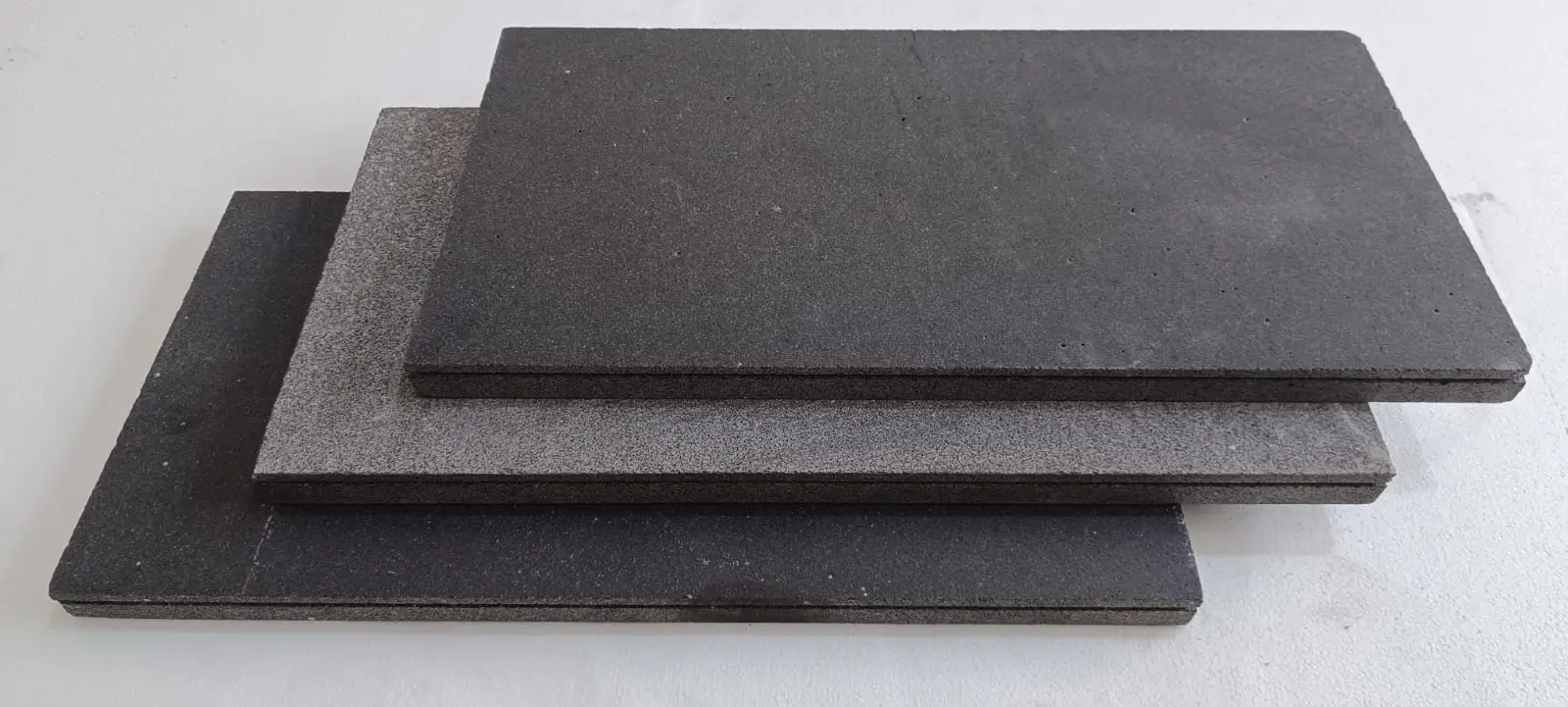
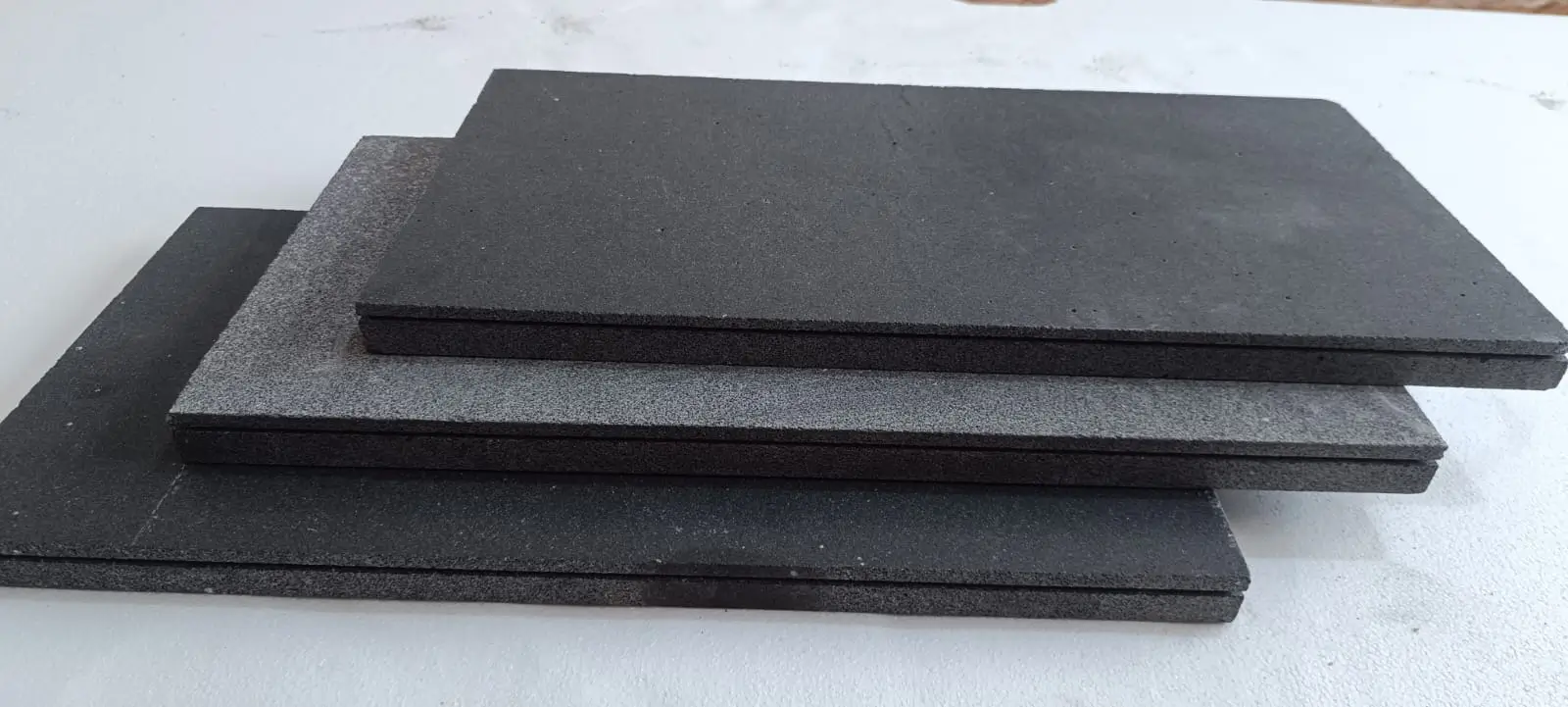
Penetrating silane-siloxane sealers consistently outperform topical acrylic films for storm-exposed gray flagstone in Arizona. They impregnate the stone’s pore structure rather than forming a surface film, which means wind-driven rain has no film edge to penetrate and no bond line to exploit. The trade-off is reduced stain resistance compared to topical options — you won’t get the same surface sheen or beading effect — but the durability under mechanical weather stress is substantially higher. You can explore our Arizona gray flagstone selection to understand which stone densities and absorption rates align with your sealer choices.
Sealer application timing in Arizona also intersects with storm season in a practical way. Apply sealer in spring before monsoon season, not immediately after. Applying sealer to stone that has absorbed heavy monsoon moisture — even after surface drying — risks trapping residual moisture beneath the penetrating sealer layer, which accelerates micro-spalling in subsequent freeze cycles if the installation is at higher elevation.
Hail Impact and Surface Damage Assessment
Arizona’s hail events concentrate in the monsoon season and can deliver 1-inch-diameter hailstones at terminal velocity — enough mechanical energy to create surface pitting on softer flagstone varieties and micro-fractures in tighter-grained gray flagstone. Most homeowners don’t recognize hail damage until it manifests as accelerated sealer failure two seasons later, because the micro-fractures that hail creates are below visible threshold at ground level immediately after the event.
In Gilbert, where storm tracks from the southeast tend to concentrate during mid-monsoon, properties on the southeastern exposure of open lots see disproportionate hail impact frequency — worth noting if you’re advising on flagstone selection for that area. Thicker gray flagstone in the 1.5-inch to 2-inch range handles hail impact significantly better than 3/4-inch material, because the stone mass absorbs impact energy without transmitting fracture to the full depth of the paver.
- After significant hail events, inspect flagstone with raking light (hold a flashlight at a 10–15 degree angle to the surface) to reveal micro-pitting not visible in direct light
- Test impacted areas with water — new micro-fractures absorb water rapidly and leave localized dark spots that disappear more slowly than surrounding surface
- Document damaged flagstone locations before the next monsoon event — progressive fracture propagation is easier to track when you know where damage originated
- Flagstone sections showing significant hail pitting should be resealed with penetrating sealer immediately, before the next storm cycle drives additional contamination into the opened pore structure
Drainage Management and Storm Water Channeling
Desert flagstone cleaning and sealing in Arizona performs better and lasts longer when the installation’s drainage geometry is working correctly — and storm events are the stress test that reveals drainage failures. An installation with inadequate slope doesn’t just puddle; it allows hydrostatic pressure to build beneath the flagstone bed, which accelerates both joint sand displacement and the lateral migration of fine bedding material that causes differential settlement.
The minimum slope specification for flagstone installed in Arizona storm exposure zones is 1/8 inch per foot, but 1/4 inch per foot performs meaningfully better in areas that receive concentrated storm runoff from rooflines or adjacent hardscape. Check slope by placing a 6-foot level across multiple flagstone sections after each monsoon season — storm erosion and freeze-thaw cycles at higher elevations can reduce slope over time as base material migrates. Citadel Stone’s technical team advises checking drainage performance annually in the first three years after installation, when base settling is most likely to affect surface geometry.
- Clear debris from drainage channels and weep holes immediately after storm events — blockage converts slow sheet drainage into ponding within one additional storm cycle
- Check that no landscaping edging or adjacent surface has risen above the flagstone plane — even 1/4-inch lip redirects storm water back onto the stone surface rather than away from it
- Inspect the perimeter for erosion channels where storm water exits the flagstone area — these channels indicate velocity concentrations that will continue eroding foundation material
Scheduling Maintenance Around Arizona Storm Seasons
The annual maintenance rhythm for gray flagstone paver maintenance in Arizona works best when it’s organized around the state’s two distinct weather stress windows: monsoon season (July through September) and the winter weather period at higher elevations. Most of what goes wrong in flagstone installations traces back to maintenance deferred across one of these windows — the damage compounds faster than the deferred timeline suggests.
A practical annual schedule looks like this: pre-monsoon inspection and sealer application in May–June, mid-monsoon joint inspection in August, post-monsoon comprehensive inspection and any remediation in October, and a spring cleaning in April before the next sealer application cycle. Following Arizona flagstone paver care tips on seasonal timing pays dividends over the life of the installation — reactive programs consistently cost more than scheduled ones. At Citadel Stone, we recommend verifying warehouse stock on polymeric sand and sealer products in May, before the pre-monsoon rush depletes regional supply — lead times from the warehouse can extend to two weeks or more during peak season when regional demand spikes.
- Pre-monsoon (May–June): apply penetrating sealer, check edge restraint stakes, inspect joint sand levels
- Mid-monsoon (August): inspect joints after the heaviest storm events, top up displaced polymeric sand
- Post-monsoon (October): comprehensive surface inspection for hail damage or wind erosion, address any drainage issues before winter
- Spring (April): clean surfaces, allow full drying before sealer application, check for any frost heave at higher-elevation installations
What Determines Long-Term Performance in Arizona Flagstone Installations
Gray flagstone paver maintenance in Arizona is fundamentally a storm-management discipline, and the installations that hold up for 20-plus years are the ones where edge restraints, joint integrity, and drainage geometry get the same attention as surface sealing. Investing in desert flagstone cleaning and sealing on a proactive schedule will cost less over the life of the installation than running a reactive program that only addresses visible damage. The mechanical stress from wind, hail, and monsoon-driven hydraulic pressure does its worst work below the surface — catching it early at joints and edges is where the real maintenance value lives.
For the specifics of getting the installation foundation right before maintenance even enters the picture, How to Install Gray Flagstone Pavers in Arizona covers the base preparation and setting details that determine how resilient your installation will be under Arizona storm conditions. Citadel Stone gray flagstone pavers available to homeowners in Gilbert, Peoria, and Flagstaff are selected for low porosity, which generally reduces the frequency of sealing needed through Arizona’s intense UV seasons.