

Budget miscalculations kill more gray flagstone patio projects in Arizona than bad weather ever will — and the numbers start shifting the moment you move stone from a quarry in northern Mexico or the Colorado Plateau to a job site in the Valley. Installing gray flagstone pavers Arizona homeowners and contractors can count on for decades requires you to think through freight costs, regional stone availability, and labor market realities before a single base aggregate gets ordered. The price difference between sourcing flagstone locally versus importing it from out-of-state suppliers can swing your material budget by 20–35%, which cascades directly into your contingency margins and schedule.
Understanding Arizona’s Flagstone Cost Landscape
Arizona sits in an interesting position for natural stone supply — close enough to Sonoran quarry operations to access competitive pricing on certain gray varieties, but far enough from Midwest and Southeast distributors that freight adds real dollars to every pallet you move. Your material-to-labor cost ratio in Arizona typically runs between 55:45 and 60:40 for flagstone patios, which means material selection decisions carry more financial weight here than in labor-intensive coastal markets. That ratio compresses when you spec thinner pieces that require more adjustment time, and it stretches favorably when you source stone with consistent 1.5- to 2-inch nominal thickness that sets fast.
Freight distance from warehouse to site is the variable most budget estimates undervalue. Stone shipped from a regional distribution hub in Phoenix reaches Scottsdale job sites at a fraction of the cost compared to stone moving on a truck from suppliers in Tennessee or Georgia — and that cost difference, often $180–$280 per ton depending on haul distance, compounds quickly across the 4–8 tons a typical 500-square-foot patio requires. Before committing to a specific gray flagstone variety, verify that your supplier carries inventory in-state and can confirm current warehouse stock rather than quoting from a catalog with 8–10 week lead times.
Value Engineering Through Smart Material Selection
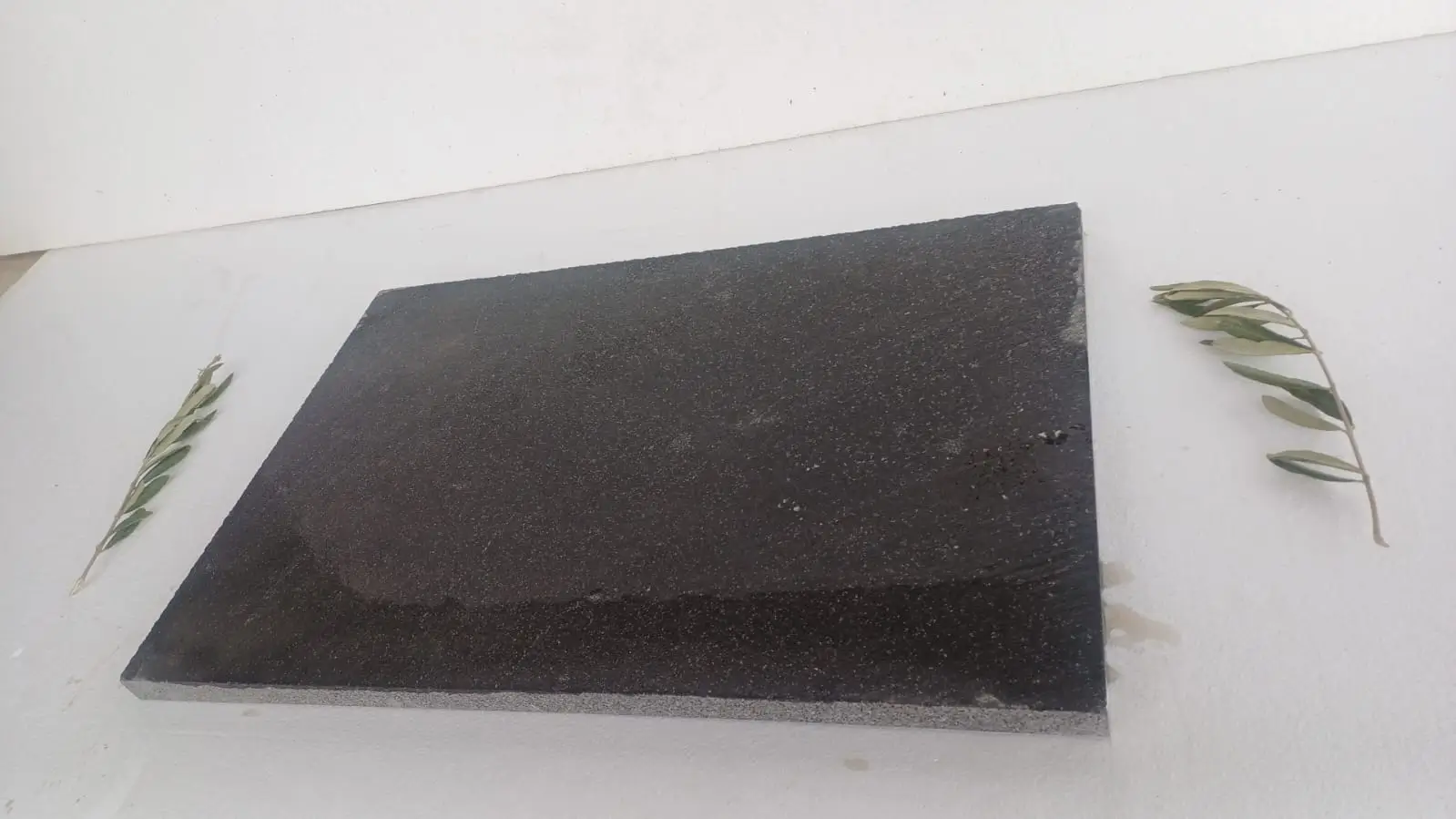
The single most effective value-engineering move on a gray flagstone installation is selecting for thickness consistency rather than the lowest per-ton price. Irregular pieces with wide thickness variation — say, 0.75 inches on one end and 2.5 inches on the other — require your setter to spend 30–45 minutes per square yard adjusting base material to keep surface plane. That labor premium erases any savings on cheaper stone within the first 50 square feet.
- Specify 1.5-inch to 2-inch nominal thickness with a tolerance of ±0.25 inches — this keeps your setter moving efficiently and reduces waste cuts
- Gray flagstone with natural cleft faces performs better in Arizona sun than sawn faces, which can heat up faster and show surface whitening from UV oxidation over time
- Pieces in the 18×24-inch to 24×36-inch range give you the best coverage-to-handling ratio — smaller pieces take longer to lay, larger pieces require two-person lifts that add labor cost
- A desert-rated flagstone patio installation Arizona budgets should allocate 10–15% material overage for cuts, pattern matching, and inevitable breakage during transport
- Avoid ordering the exact square footage — stone arrives from the truck in varying shapes, and zero overage means project stoppage when pieces break or don’t fit
At Citadel Stone, we source gray flagstone specifically graded for thickness consistency because our field experience showed that labor overruns on inconsistent stone wiped out project margins faster than any other single factor. That sourcing discipline translates directly to your installation timeline and budget.
Base Preparation Across Arizona Soil Conditions
Arizona’s soil profile varies dramatically across elevation zones, and your base specification needs to reflect that reality — not a generic 4-inch compacted gravel standard copied from a temperate-climate manual. Desert soils in the low-elevation Valley tend toward sandy loam with expansive clay pockets, while higher elevations bring denser mineral soils with different drainage characteristics.
The flagstone paver installation steps in Arizona that consistently produce 20-year results start with excavation to 8–10 inches below finished grade. That depth allows for a 6-inch compacted aggregate base, a 1.5-inch setting bed, and your stone thickness — leaving your finished surface at or slightly above adjacent grade for positive drainage. Cutting that depth to save excavation costs almost always results in differential settling within 3–5 years, particularly where irrigation systems run nearby.
- Use Class II road base (3/4-inch crushed aggregate) compacted to 95% Proctor density — this is the baseline for stable performance in Arizona’s thermal cycling range
- Install compaction in two lifts maximum: first lift at 4 inches compacted, second lift at 2 inches, both verified with a plate compactor
- Where caliche hardpan exists below 18 inches, you can leverage it as a natural sub-base — but you must scarify and re-compact the interface layer to prevent water pooling
- Slope your base a minimum of 1.5% away from structures — 2% is better in areas prone to monsoon sheet flow
- Consider a geotextile fabric layer between native soil and aggregate in sandy soils to prevent base migration over time
Projects in Flagstaff introduce a base preparation variable that low-desert work doesn’t require — freeze-thaw action at 7,000-foot elevation means your aggregate base needs to drain completely between moisture events. A perimeter drain or French drain system isn’t optional at that elevation; it’s the difference between a base that stays stable and one that heaves asymmetrically during the shoulder seasons.
Setting Bed Options and What They Mean for Performance
Your choice between dry-set and mortar-set installation affects both your upfront labor cost and your long-term maintenance commitment — and Arizona’s thermal conditions push the decision toward specific approaches that work against what’s commonly recommended in general guides.
Dry-set installation with decomposed granite or coarse sand as a setting medium costs roughly 15–20% less in labor than mortar work and allows for easier stone replacement when individual pieces crack. The trade-off is that fine sandy soils in some Arizona markets migrate into the setting bed over time through vibration from foot traffic and irrigation, requiring periodic top-dressing of joint material. Mortar-set gray flagstone pavers in Arizona deliver better long-term stability but lock you into a more expensive repair process if a piece needs replacement.
- Dry-set with coarse washed sand (concrete sand, ASTM C33 gradation) performs consistently across the Phoenix metro’s soil profile
- Mortar-set is worth the labor premium in high-traffic areas, around pools, or on sloped installations where stone migration is a real risk
- Hybrid systems — mortar spots under each piece with open joints — give you stability without full mortar coverage, reducing material cost while improving setting accuracy
- Setting bed thickness for dry-set should be 1.5 inches compacted to 1 inch after stone placement — don’t exceed this or you lose base compaction integrity
- In mortar applications, use a Type S mortar mix rated for exterior applications, not Type N — Arizona’s thermal range requires the higher-strength bond
Natural Stone Paver Base Prep Across Arizona Regions
Elevation shapes your installation requirements more than any other single geographic factor in this state. The gray stone paving guide AZ homeowners trust most consistently accounts for the roughly 4,800-foot difference between Yuma’s desert floor and Flagstaff’s highlands — but that guidance rarely gets specific enough about the intermediate zones where conditions blend unpredictably. Reviewing a reliable gray stone paving guide AZ contractors have validated across multiple elevation zones gives you a practical framework before you finalize your base specification.
Sedona sits at approximately 4,350 feet elevation, which places it in a transitional zone between low-desert and high-desert installation protocols. Projects in Sedona experience occasional freezing nights from November through February, and any flagstone installation there needs joint sand that won’t wash out during the March snowmelt and April rains that follow. Polymeric joint sand with a coarser gradation than you’d typically use at low desert elevations handles that moisture cycle better than standard setting sand left exposed in open joints.
Thermal Performance and Joint Spacing in Arizona Heat
Gray flagstone’s thermal performance in Arizona’s summer heat is worth understanding quantitatively, not just conceptually. Flagstone surfaces in full sun exposure reach surface temperatures of 140–155°F during peak July and August hours — significantly above what concrete reaches under the same conditions due to flagstone’s higher emissivity. That thermal mass means the stone stays warm well into the evening, which affects barefoot comfort and influences where you position fire features or outdoor seating relative to paved areas.
Joint spacing on installing gray flagstone pavers Arizona projects should account for the stone’s linear thermal expansion coefficient — typically around 4–6 × 10⁻⁶ per °F for most gray flagstone varieties. Across a 12-foot run of stone installed at 65°F morning temperatures during a spring project, you’ll see measurable expansion by the time afternoon temperatures reach 105°F. That expansion needs somewhere to go, and irregular flagstone’s natural irregular edges actually help here — the non-parallel joints distribute expansion stress more effectively than precisely sawn edges.
- Maintain a minimum 0.75-inch joint width for dry-set installations to accommodate thermal movement without buckling adjacent pieces
- Do not attempt to butt-joint gray flagstone with zero spacing — this is the fastest path to surface cracking in Arizona’s temperature swing range
- Joint widths can run up to 2 inches for a more rustic aesthetic and still maintain structural integrity with proper polymeric sand fill
- Re-check joint sand levels 60–90 days after installation, when thermal cycling has settled the fill and may have created low spots that need topping
Sourcing, Logistics, and Project Timeline Planning
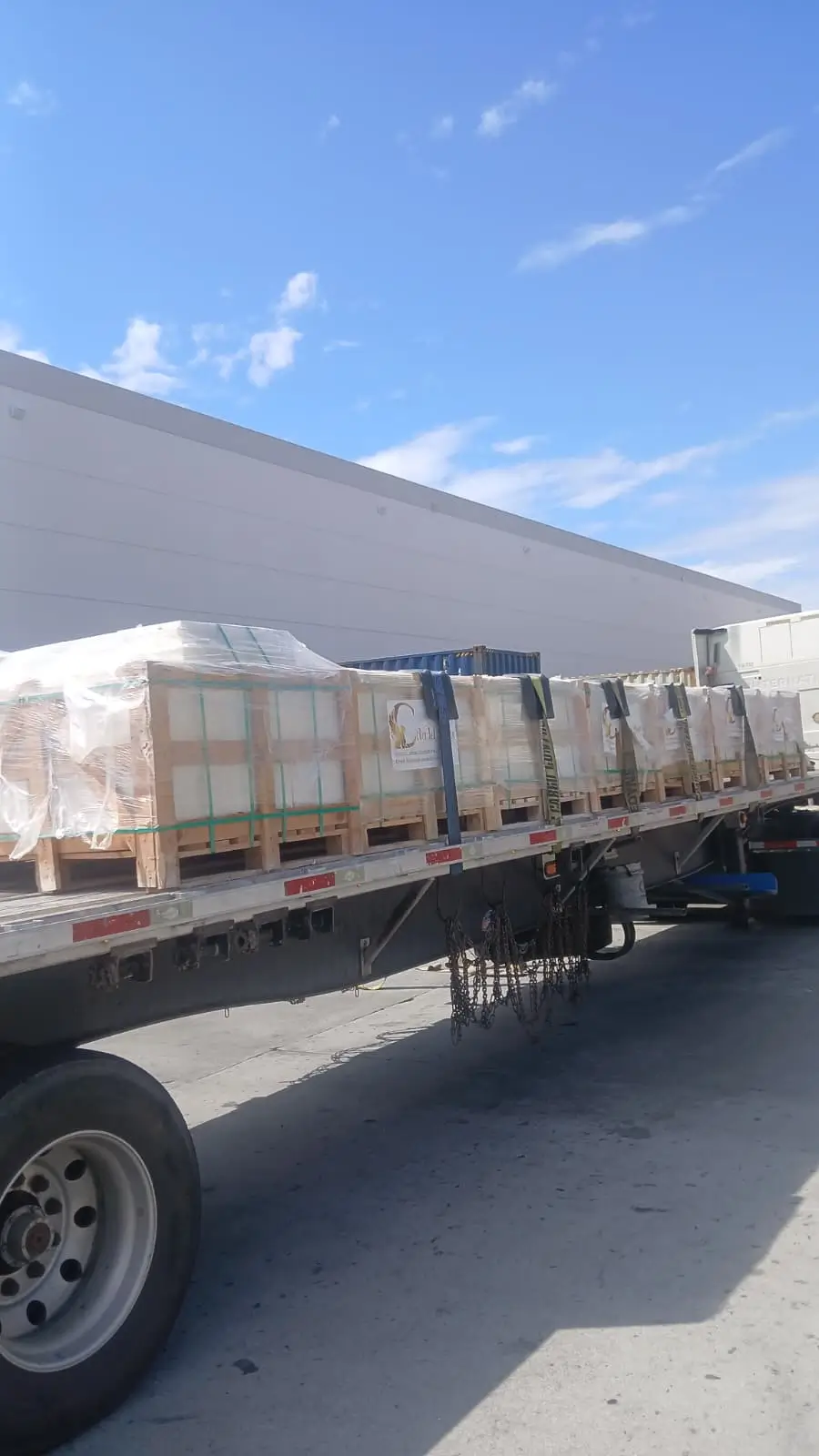
The logistics side of installing gray flagstone pavers Arizona projects depends heavily on your supplier’s regional inventory depth. Stone that ships on a truck from an in-state warehouse reaches your site faster, with less transit damage, and at meaningfully lower freight cost than product moving cross-country. Check whether your supplier can deliver full-pallet quantities directly to your job site — some flagstone arrives in crates that require a forklift, and residential sites without equipment access may need smaller deliveries that increase per-unit shipping cost.
Lead time planning matters more than most homeowners anticipate. Popular gray flagstone varieties — particularly those with consistent color and thickness — move quickly during peak season (February through May and September through November in Arizona). Order confirmation with a verified warehouse stock check, not just a quote, is the standard you should hold your supplier to before committing your installation crew’s schedule. Citadel Stone maintains active inventory of gray flagstone pavers Arizona contractors rely on, which typically allows us to confirm truck delivery scheduling within 2–3 business days of order placement.
You can review our gray flagstone pavers Arizona selection to verify current availability and thickness specifications before committing to a project timeline.
- Order at least 3 weeks before your intended start date to account for inventory confirmation, truck scheduling, and site delivery coordination
- Confirm that your delivery address allows truck access with a standard flatbed — low clearances, tight driveways, or steep approaches may require crane off-load or smaller vehicle delivery at premium cost
- Request a material sample before full order commitment — gray flagstone color varies between quarry runs, and what you see on a website photo may differ from what arrives on your truck
- Factor in a 5–7 day buffer between stone delivery and installation start to allow material to acclimate and for any damaged pieces to be identified and replaced
Sealing and Maintenance Under Arizona Conditions
Gray flagstone in Arizona requires a sealing protocol calibrated to the UV intensity and the seasonal moisture pattern — not a generic annual-seal recommendation you’ll find on most product labels. The state’s UV index runs extreme for roughly seven months of the year, and penetrating sealers break down faster here than in moderate climates, regardless of their manufacturer-rated service life.
Use a penetrating silane-siloxane sealer rated for exterior natural stone in high-UV environments. Apply your first coat within 30 days of installation after the stone has fully cured, then plan on resealing every 18–24 months in low-desert climates and every 12–18 months at higher elevations where monsoon moisture and freeze-thaw cycles accelerate sealer degradation. Don’t apply sealer when surface temperature exceeds 85°F — the sealer cures before fully penetrating the stone, leaving a surface film that chalks and peels within a season.
- Test water absorption before resealing — pour a small amount of water on the surface; if it absorbs within 60 seconds, resealing is due regardless of the calendar
- Gray flagstone with a natural cleft texture holds sealer longer than honed or brushed finishes because the micro-roughness creates more penetration surface area
- Clean flagstone with a pH-neutral stone cleaner before sealing — acidic cleaners etch the surface and compromise sealer adhesion
- Efflorescence (white mineral deposits) can appear in Arizona flagstone during the first season due to salt migration through the setting bed — treat with a diluted white vinegar solution before sealing, then rinse thoroughly and allow full drying time
Parting Guidance for Your Gray Flagstone Paver Project
Getting installing gray flagstone pavers Arizona right comes down to making the right decisions in sequence — material selection informed by real cost data, base preparation calibrated to your specific soil and elevation, and sourcing logistics confirmed before your crew mobilizes. The projects that underperform almost always trace back to one of three points of failure: inconsistent stone thickness that inflated labor costs, inadequate base depth that allowed differential settling, or sourcing decisions made on price alone without verifying in-state inventory availability. None of those failures are complicated to avoid once you know where to look.
Your project’s success also depends on understanding that gray flagstone performs differently across Arizona’s elevation range — what works in a Scottsdale backyard needs adjustment for a Sedona terrace and further refinement for a Flagstaff outdoor space. Budget for those regional nuances in your material spec and your labor quote, and you’ll avoid the cost overruns that catch underprepared projects in their second or third season. Following the flagstone paver installation steps in Arizona outlined across each section above positions you to meet those regional variables with a documented plan rather than improvised adjustments on site. If your planning extends to other stone applications on the same property, How to Choose Irregular Flagstone Pavers in Arizona covers cost considerations for a complementary flagstone format that pairs well with standard gray flagstone installations. Homeowners in Tucson, Mesa, and Chandler rely on Citadel Stone for gray flagstone pavers selected for consistent thickness, which simplifies joint spacing and reduces adjustment time during desert installations.