




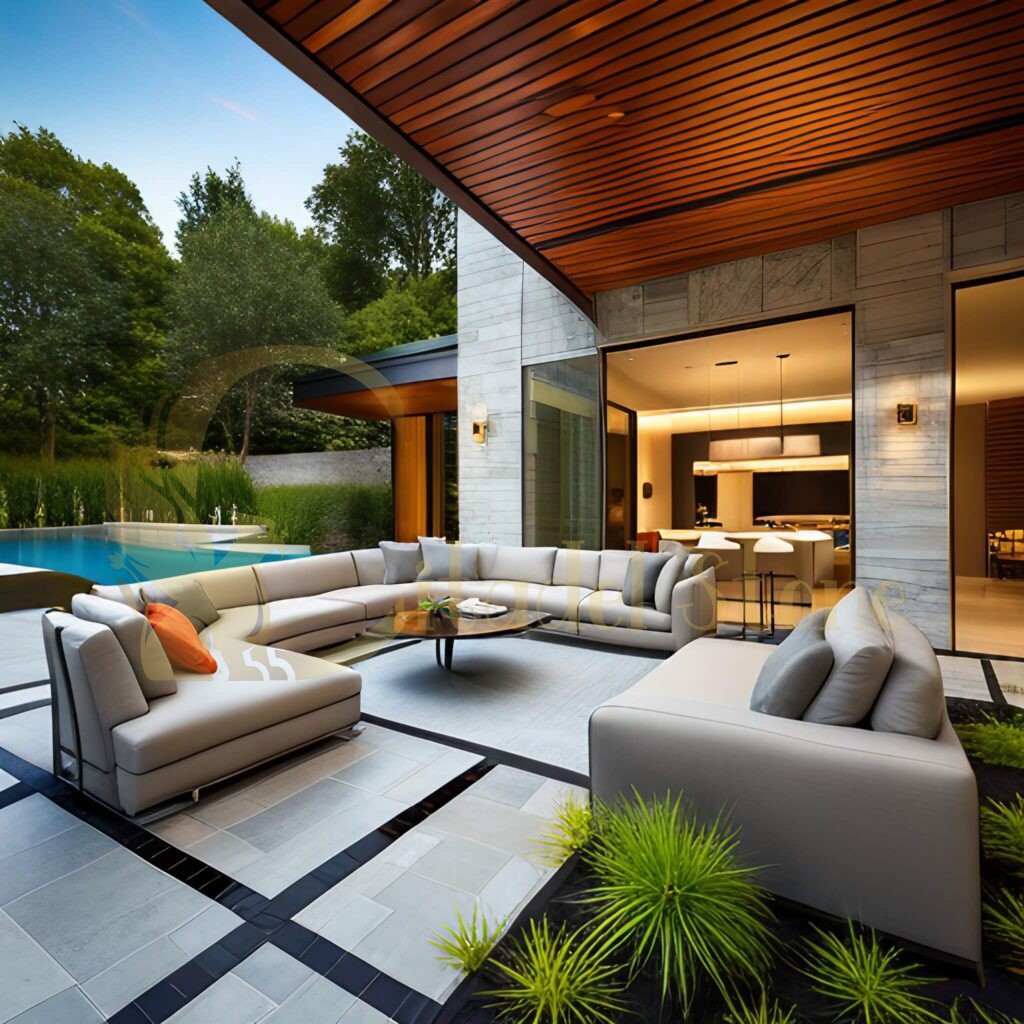
How UV Exposure Actually Degrades Bluestone Pool Coping in Arizona
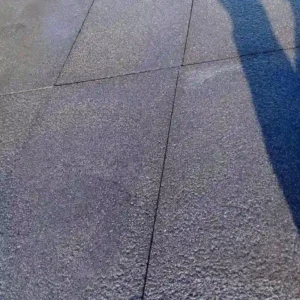
Bluestone pool coping in Arizona faces a weathering challenge most specs underestimate — it’s not the ambient temperature that breaks down the stone surface, it’s the cumulative UV radiation load that exceeds what most temperate-climate specifications account for. Arizona receives some of the highest annual UV index readings in North America, and that sustained photon bombardment drives oxidation in iron-bearing minerals within the stone matrix, shifting surface tone from the characteristic blue-grey toward warm brown-gold hues within three to five years if left unsealed. You’ll notice this color migration first on south-facing coping edges, where direct-angle exposure compounds the effect. Understanding this degradation pathway before you specify material thickness, finish type, and sealing schedule is what separates installations that look sharp at year fifteen from those that look tired at year six.
Finish Selection and UV Resistance: What the Data Actually Shows
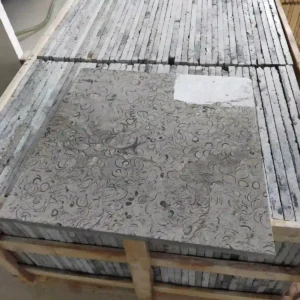
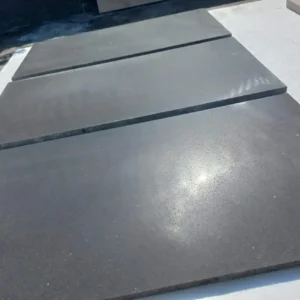
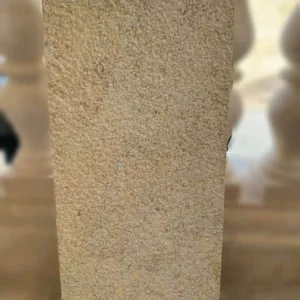
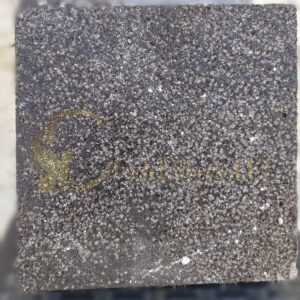
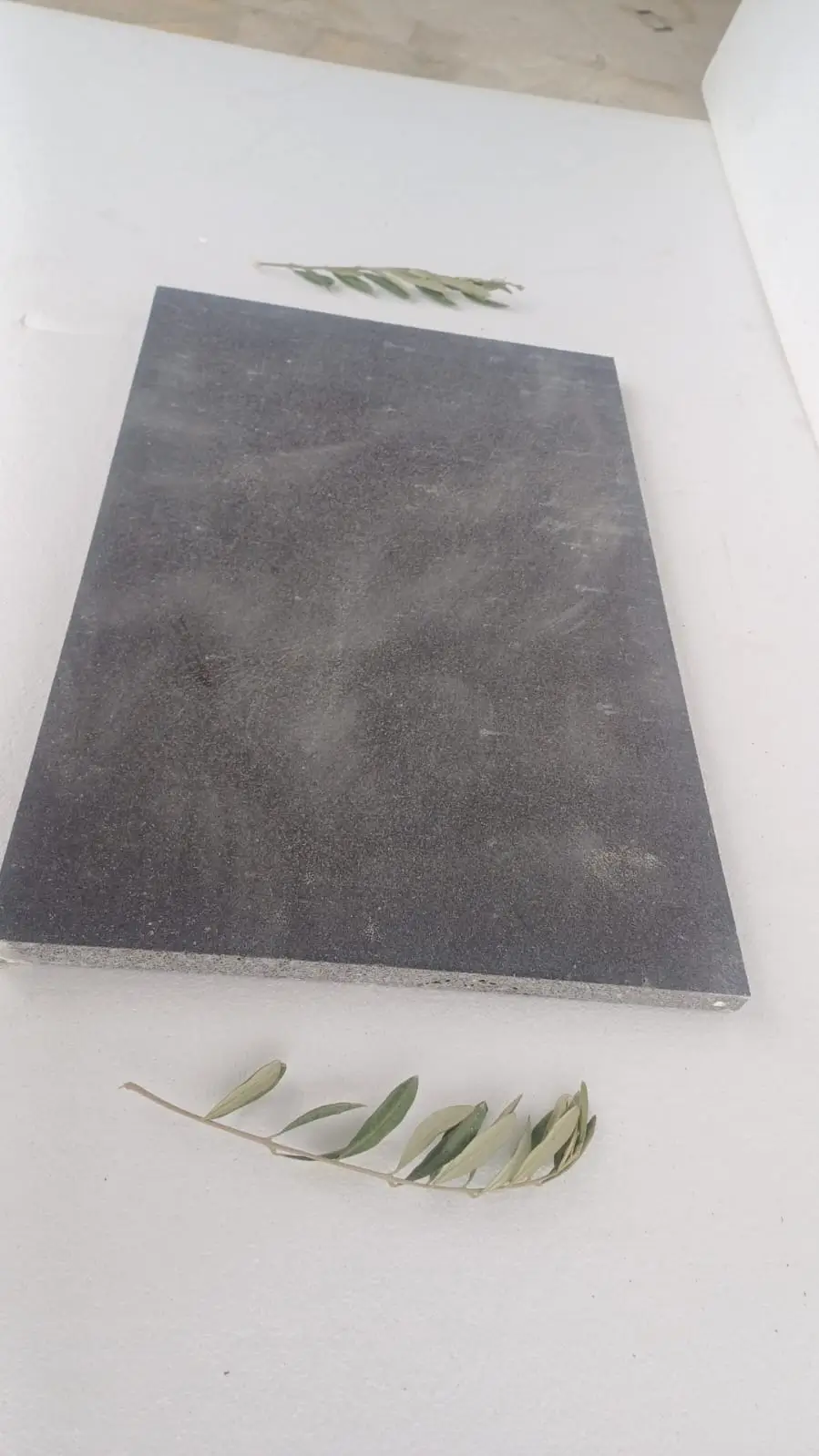
Your finish choice is the single biggest variable in how bluestone pool coping in Arizona holds its color under sustained UV exposure. The three dominant finish options — sawn smooth, natural cleft, and thermal — behave very differently when photodegradation sets in.
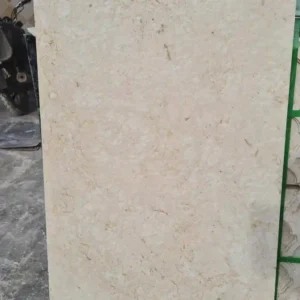
- Sawn smooth finishes expose the densest face of the stone, reducing surface porosity and limiting the oxidation pathway that drives color shift — but the polished face also amplifies UV reflectance back toward bathers and adjacent surfaces
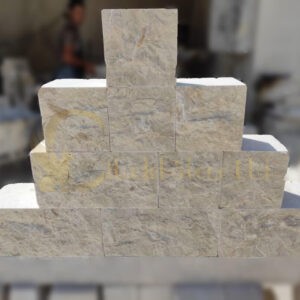
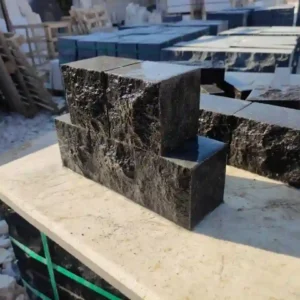
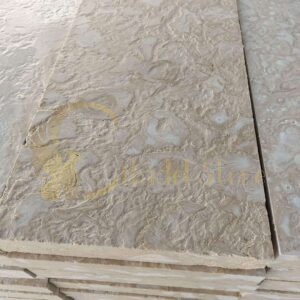
- Natural cleft finishes preserve the stone’s authentic texture and provide better slip resistance around water, but the irregular surface creates micro-pockets where UV-driven iron oxidation accelerates due to moisture retention in shadow zones
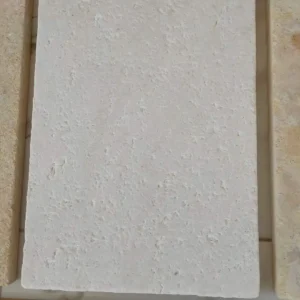
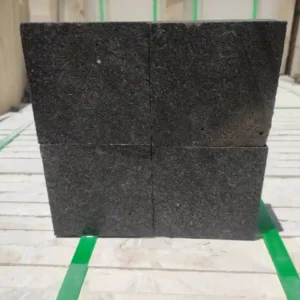
- Thermal finishes flame-treat the surface to open the crystal structure slightly, which paradoxically improves sealer penetration and gives you more control over the UV protection layer than untreated faces
- Honed finishes sit between sawn and natural cleft — they’re popular for contemporary pool designs in Scottsdale, where the low-sheen aesthetic works with desert modernism, and they accept penetrating sealers very effectively
Thermal and honed finishes consistently outperform natural cleft in Arizona UV conditions when you’re maintaining a regular sealing program. The key insight is that finish texture directly controls how deep your sealer penetrates — and sealer depth is what determines UV protection duration, not just initial coverage. Bluestone coping pavers in Arizona specified with thermal or honed faces give you the most predictable long-term performance when the sealing schedule is followed correctly.
Thickness Specifications for Arizona Pool Coping Applications
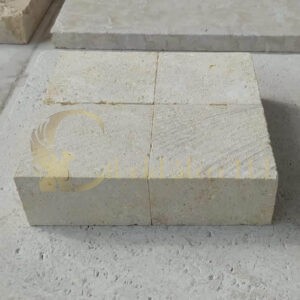
For bluestone coping tiles in Arizona pool installations, the standard 1.25-inch nominal thickness handles residential cantilever applications cleanly, but you’ll want to step up to 1.5-inch or 2-inch material for projects with extended cantilever overhangs beyond 3 inches. The structural reasoning matters here: as UV degradation works on the surface layer over years, thicker stock gives you a maintenance buffer — you can lightly grind and re-hone the face at the 10-to-12-year mark without compromising structural integrity.
- 1.25-inch: Standard residential pools, straight-edge or bullnose profiles, cantilever up to 3 inches
- 1.5-inch: Extended cantilever designs, high-traffic areas, commercial residential pools
- 2-inch: Large-format coping runs, step integration, projects requiring matching bluestone paver steps adjacent to the pool shell
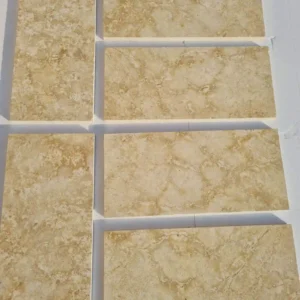
Citadel Stone stocks bluestone pool coping tiles in Arizona in 1.25-inch and 2-inch thicknesses in standard 12×24 and 6×24 formats, with the 2-inch profile available in both sawn and thermal finishes to match your project’s UV resilience requirements. You can request sample tiles before committing to a full order, which is worth doing when color consistency across a large coping run matters to your client.
Bluestone Bullnose Coping: Profile Options and Edge Durability
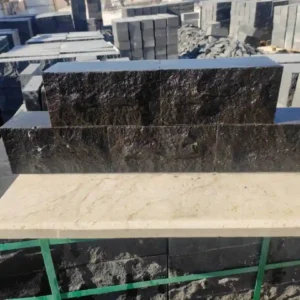
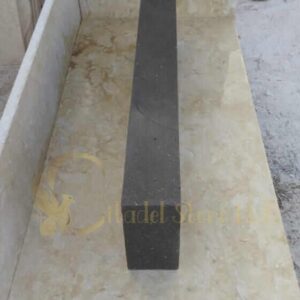
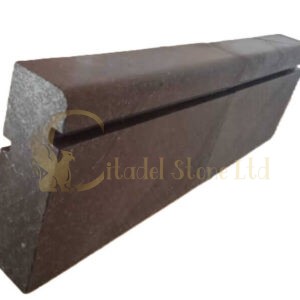
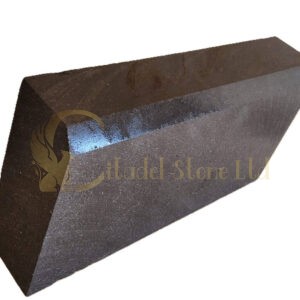
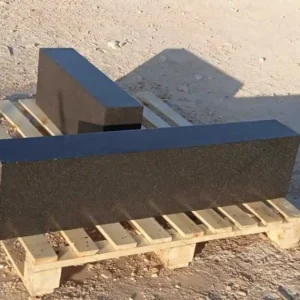
The bullnose bluestone pool coping profile is the workhorse edge detail for Arizona pools — the rounded nose eliminates the sharp corner that UV-stressed stone tends to chip at, and it reads cleanly against both plaster and tile waterline finishes. You’ll encounter two main bullnose executions in the field: a single bullnose where only the pool-facing edge is rounded, and a double bullnose where both the pool edge and the deck-side edge are dressed.
Single bullnose remains the dominant specification for most projects because it sits flush against the bond beam cleanly and allows tighter grout joint control at the deck-side edge. Double bullnose makes sense when the coping also serves as a seating ledge or when the deck-side edge is visible from a lower grade. What often gets overlooked is that the bullnose profile radius affects how UV weathering reads visually — a tighter radius (3/8-inch) concentrates color change at the nose more noticeably than a broader radius (3/4-inch), which distributes the tone shift across a wider curve and looks more natural as the stone ages. For Arizona projects where unsealed periods are likely between maintenance cycles, the broader radius bullnose bluestone pavers age more gracefully. Bluestone bullnose coping in Arizona specified at 3/4-inch radius is the default recommendation for high-exposure desert installations where long-term patina matters as much as day-one appearance.
Sealing Schedules That Actually Work Against Arizona UV
Arizona’s UV load demands a more aggressive sealing schedule than the biennial cycle most manufacturer literature recommends for temperate climates. In Phoenix and the broader Sonoran Desert corridor, plan for annual sealing during the first three years after installation, then reassess based on water bead behavior. The standard field test — sprinkle water on the surface and check whether it beads for at least 60 seconds — gives you a reliable indicator without lab testing.
- Use a penetrating silane-siloxane sealer with UV inhibitor additives for Arizona applications — film-forming sealers trap moisture under the surface during summer monsoon cycles and cause spalling
- Apply sealer when surface temperature is below 85°F — in Arizona, this means early morning application, ideally before 8 a.m., or scheduling for November through February
- Allow 72-hour cure before pool water contact, not the 24-hour window listed on some product datasheets — Arizona’s UV intensity accelerates solvent evaporation but doesn’t compress the crosslinking time
- Reapply sealer within 6 months of any chemical pool treatment event that drives pH below 7.0 — acid conditions strip penetrating sealers faster than UV exposure alone
For detailed guidance on the installation sequence that sets up your sealing program correctly, the guide on bluestone pool coping tiles Arizona covers the base preparation, mortar bed specifications, and joint treatment sequence that professional installers follow on Arizona projects. Getting those layers right underneath is what makes your sealing program effective on top.
Color Stability and Iron Oxidation in Arizona Conditions
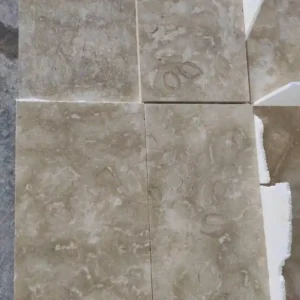
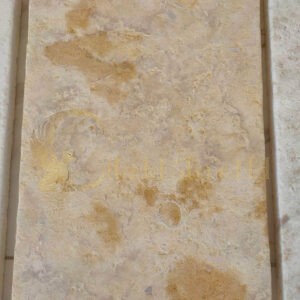
Here’s what most specifiers miss about bluestone’s color behavior under Arizona UV: the material’s characteristic blue-grey color comes from iron sulfide minerals in the stone matrix, and UV radiation drives photooxidation that converts these minerals toward iron oxide — the same chemistry behind rust. The rate of this conversion depends on UV intensity, moisture availability, and sealer integrity. Arizona delivers high UV intensity and episodic moisture from monsoon season, creating the exact conditions that accelerate the process.
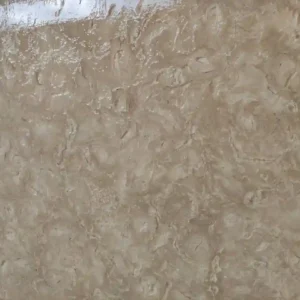
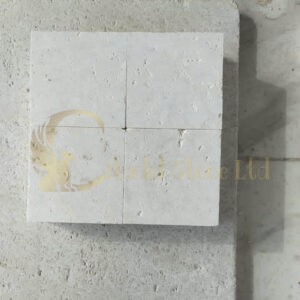
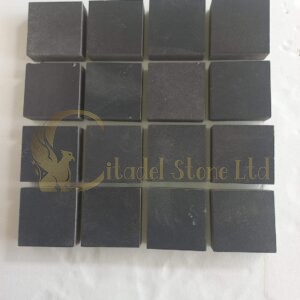
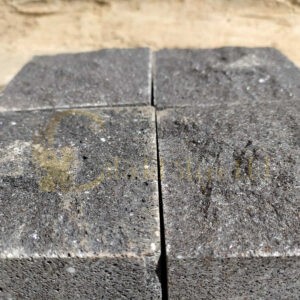
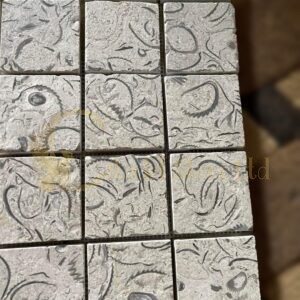
Tumbled bluestone coping in Arizona installations shows this color shift most visibly because the tumbling process micro-fractures surface mineral edges, increasing the oxidation surface area. Tumbled profiles are popular for their organic, aged appearance and excellent slip resistance, but you should communicate clearly with clients that the color will warm noticeably over three to five years — and that this is a characteristic of the material responding to its environment, not a defect. Some designers in Tucson actually lean into this warm patina as a design intent, pairing it with desert landscaping that reads better against warm stone tones than cool grey. Sourced from established quarry partners, each batch Citadel Stone supplies is inspected for mineral consistency, which helps you predict how a specific batch will age rather than discovering color variance after installation.
Base Preparation and Drainage: What the UV Conversation Ignores
All the focus on UV and surface sealing doesn’t help you if the base preparation fails. Arizona’s expansive clay soils — particularly common in the East Valley and in Mesa‘s older residential zones — move seasonally, and that movement creates joint failures that expose the stone’s interior to UV and moisture simultaneously. Interior exposure accelerates weathering faster than surface UV alone.
- Minimum 4-inch compacted aggregate base for residential coping applications on stable soils — step up to 6 inches on clay-heavy sites
- Slope the mortar bed away from the pool shell at a minimum 1/8-inch per foot to direct water away from the bond beam
- Specify Type S mortar for the setting bed — Type N is undersized for Arizona’s thermal cycling demands, even at pool coping scale
- Use a modified thinset bonding layer between the mortar bed and the stone face to improve adhesion and reduce joint failure from thermal expansion
- Maintain expansion joints every 8 to 10 linear feet, not the 15-to-20-foot spacing that works in cooler climates — Arizona’s surface temperature swings between winter nights and summer afternoons justify the tighter spacing
The drainage geometry you establish at the base preparation stage also affects how moisture moves through the coping system during monsoon season. Correct slope and joint treatment reduce the moisture loading that compounds UV-driven oxidation — addressing both degradation mechanisms at once. Bluestone edging pavers in Arizona installed along the pool perimeter benefit from the same base standards, since consistent subgrade preparation across the full surround prevents differential settlement that shows up as grading discontinuities over time.
Bluestone Edging Pavers and Step Integration Around the Pool
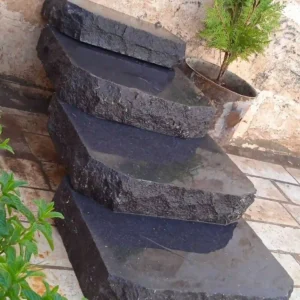
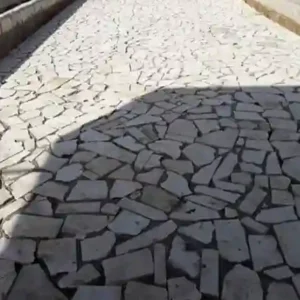
Your pool coping specification doesn’t exist in isolation — the transition to bluestone edging pavers and bluestone paver steps adjacent to the coping run needs to be coordinated for consistent weathering behavior. Mixing finish types or thickness across the coping-to-deck transition creates visual discontinuity as UV weathering progresses at different rates on different surfaces.
The most reliable approach for Arizona projects is to specify the same finish type across coping, steps, and edging, and to source all material from the same production batch where possible. Batch-to-batch color variation in natural bluestone is real — the mineral banding that gives the stone its character varies by quarry position. When you’re running bluestone bullnose steps down from a pool deck to a lower patio level, match the step nosing profile to your coping bullnose radius. Bluestone bullnose pavers in Arizona used for step nosing should mirror the coping profile radius exactly — that consistency reads as intentional design rather than piecemeal specification, and it means the UV weathering gradient across all surfaces develops in parallel rather than diverging. Citadel Stone ships bluestone across Arizona from regional inventory, which typically means you can coordinate coping, step, and edging material from the same stock run — reducing the color variation risk that comes with split-order fulfillment.
Ordering, Lead Times, and Logistics for Arizona Pool Projects
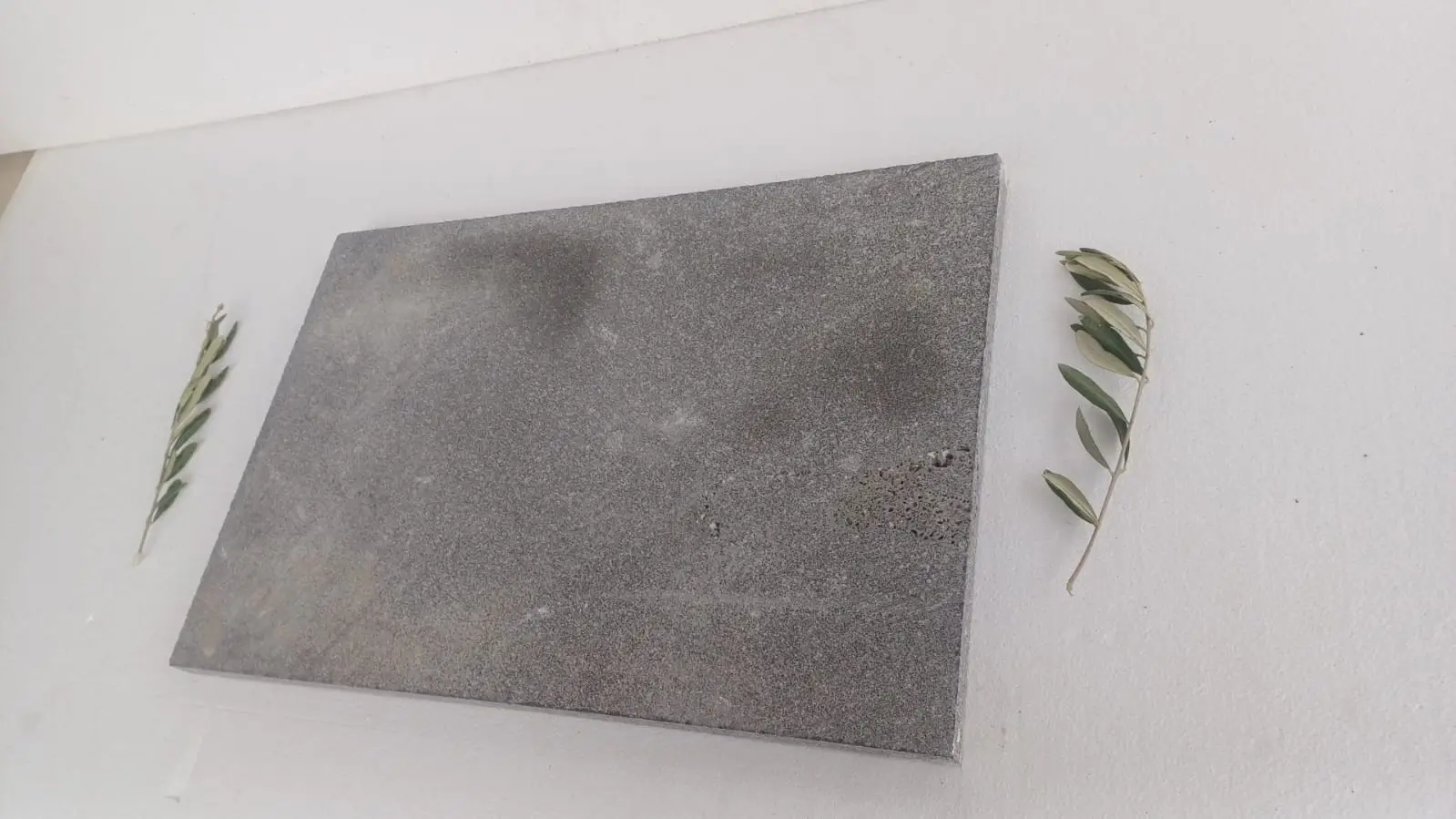
Arizona’s construction season creates real supply pressure on natural stone inventory between February and May, when pool contractors are racing to complete projects before summer heat limits installation windows. Warehouse stock levels for bluestone coping in standard profiles — particularly the 12×24 single bullnose in 1.25-inch thickness — can move quickly during peak season. You should verify current inventory before committing to a project timeline, especially if your coping run exceeds 200 linear feet.
- Standard in-stock profiles typically ship within 5 to 7 business days from Citadel Stone’s Arizona warehouse
- Custom cut sizes, non-standard bullnose radii, or specialty thicknesses require 3 to 4 weeks lead time from the quarry processing stage
- Truck delivery to most Arizona metro areas is straightforward, but projects in hillside communities or tight urban lots should confirm truck access dimensions before scheduling — a flatbed delivering 2,000 pounds of coping stone needs turning radius clearance that isn’t always available in older neighborhoods
- For projects requiring custom cuts or matched step-and-coping packages, requesting a material consultation early allows you to lock in batch consistency before the quarry rotates to the next production run
Building a two-week material buffer into your project schedule is worth doing — not because supply is unreliable, but because monsoon season tile damage replacements and late-project additions are easier to match when warehouse stock from your original order batch is still available. A second truck delivery for a handful of replacement pieces is avoidable with upfront planning.
Getting Bluestone Pool Coping Right in Arizona
The specification decisions that determine whether your bluestone pool coping in Arizona performs beautifully for twenty years or starts showing wear at eight come down to three interconnected choices: finish type that governs sealer penetration and UV resistance, base preparation geometry that controls drainage and joint stability, and a sealing schedule calibrated to Arizona’s actual UV index rather than generic product literature. Get those three aligned and the material’s natural durability carries the rest. Beyond the coping run itself, extending your attention to complementary pool surround elements ensures the whole installation weathers consistently — Bluestone Pool Pavers in Arizona provides additional detail on how the deck material specification connects to your overall pool surround performance in Arizona conditions. For bluestone coping tiles in Arizona, Citadel Stone provides reliable product selection and knowledgeable support to help you complete your pool project with confidence.