

Base compaction failures account for more than half of all pool coping callbacks in Arizona — and with bluestone, the margin for error shrinks even further because the material’s density amplifies any movement in the substrate beneath it. Knowing how to install bluestone pool coping in Arizona means understanding that the desert environment introduces variables that simply don’t exist in milder climates: extreme thermal cycling, expansive soils, and UV exposure that can degrade adhesive bonds faster than most product specs suggest. Your installation sequence, material prep, and fastening choices all need to account for these realities from day one. The steps covered here reflect what actually works in the field, not just what the product sheet recommends.
Why Arizona Conditions Change the Installation Equation
Bluestone pool coping in Arizona faces a thermal load that pushes most standard setting mortars to their limit. Daytime surface temperatures on exposed coping can reach 160°F or higher in July, then drop 40–50°F overnight — and that cycle repeats daily for months. The material itself has a thermal expansion coefficient around 4.8 × 10⁻⁶ per °F, which means a 48-inch run of coping can shift nearly 3/32 of an inch through a full temperature swing. Your joint sizing needs to reflect that movement, not fight it.
Soil conditions compound this challenge. Many Arizona pool surrounds sit on caliche or expansive clay soils that move seasonally. In Mesa, caliche hardpan often appears at 18 to 24 inches below grade, which can actually provide a solid sub-base when properly scarified — but if it’s left unaddressed as a continuous impermeable layer, it traps moisture and accelerates heaving during monsoon saturation events. Understanding your soil profile before you pour your bond beam is non-negotiable for proper pool coping placement techniques in this region.
Material Preparation and Selection Before Installation Begins
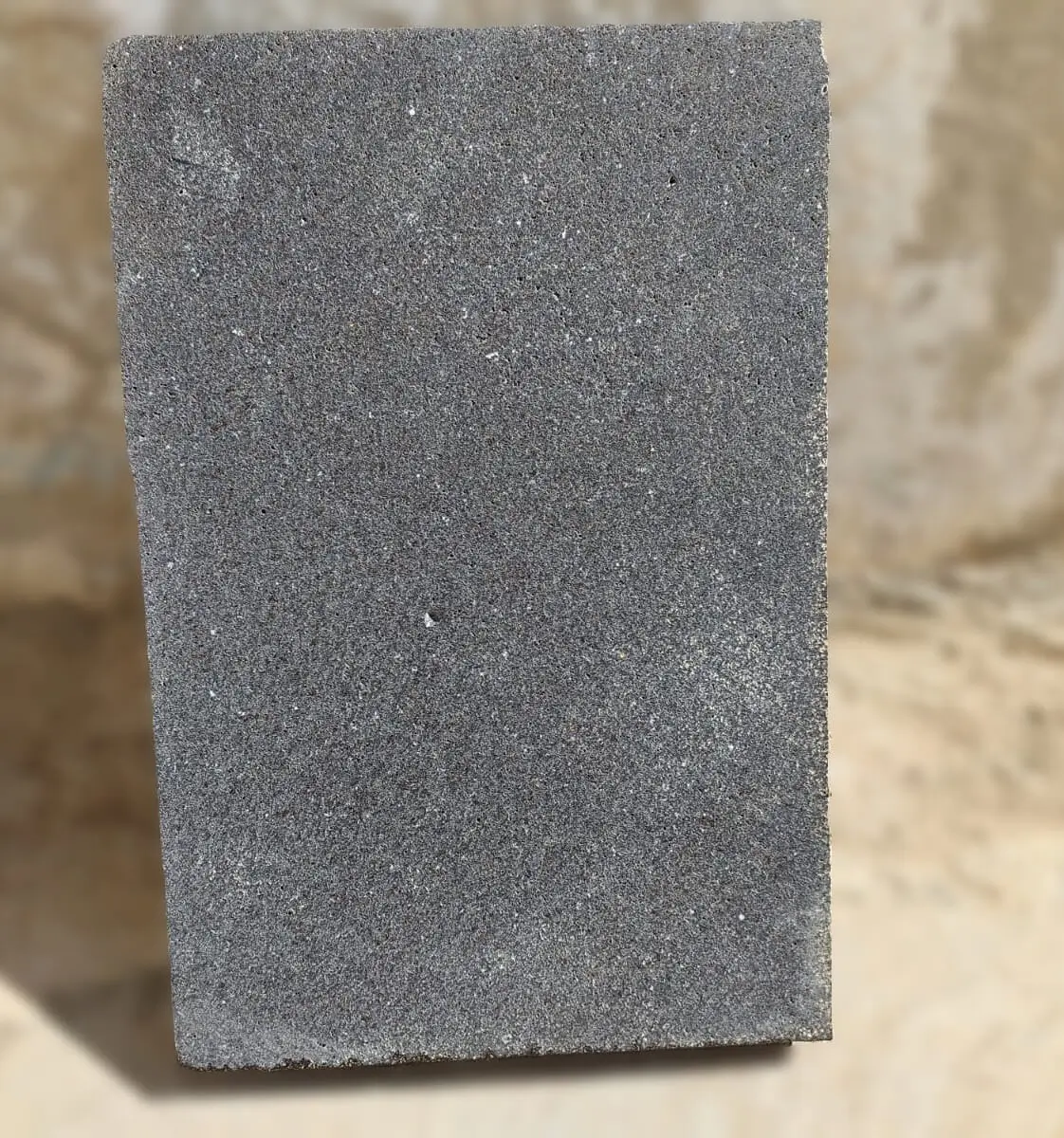
Bluestone pool coping in Arizona performs best when you source material that has been properly acclimated and inspected before it ever reaches the job site. Bluestone varies in density and absorption rate depending on quarry origin, and thinner cuts in the 1¼-inch range are prone to edge chipping under the thermal stress common here. Specify a minimum 1½-inch thickness for pool coping applications in the low desert — 2-inch nominal is preferable for any coping that projects more than 3 inches over the pool edge.
- Verify absorption rates below 0.75% — higher absorption invites chemical imbalance from pool water wicking into the stone face
- Inspect every pallet for bedding plane consistency — inconsistent planes create stress concentration points under load
- Confirm factory edges are eased, not sharp — sharp factory edges on bluestone chip prematurely in high-traffic pool environments
- Allow material to acclimate on-site for at least 24 hours before installation, shaded from direct sun to prevent pre-installation thermal stress
At Citadel Stone, we inspect incoming bluestone shipments for absorption variance and bedding consistency before warehouse release — issues that aren’t always visible in product photos but make a real difference once the material is in the ground.
Bond Beam and Substrate Requirements for Desert Pool Coping
Your bond beam is the foundation everything else depends on, and desert climate pool edge preparation demands more precision than a typical concrete flatwork pour. The bond beam should achieve a minimum compressive strength of 3,500 PSI before any setting material is applied — most contractors try to start within 7 days of pour, but at Arizona summer temperatures, surface moisture evaporates faster than the concrete gains adequate strength. Wait for full 28-day cure when project timelines allow, or use a Type III high-early cement mix to accelerate the process without sacrificing strength.
Surface preparation before setting is where many installations fail quietly. The bond beam surface needs to be clean, free of form-release agents, and profiled to at least a CSP 3 (Concrete Surface Profile) per ICRI 310.2R standards. A light acid etch or mechanical scarification achieves this without over-opening the surface. Slick bond beams cause debonding failures within 2–3 seasons regardless of how good your mortar is.
- Minimum bond beam width: 6 inches — narrower beams don’t provide adequate bearing for standard coping overhangs
- Slope bond beam face: 1/8 inch per foot away from pool water to encourage drainage
- Embed dowels at 24-inch centers where pool deck concrete meets the coping edge — this controls differential movement between the two planes
- Dampen the bond beam before applying setting mortar — dry concrete pulls moisture from the mortar and reduces bond strength significantly in dry desert air
Choosing the Right Setting Mortar for Arizona Pool Coping
Standard Type S mortar is not adequate for bluestone pool coping in Arizona’s climate. You need a polymer-modified setting mortar rated for immersion service — look for ANSI A118.4 or A118.11 compliance at minimum. The polymer modification gives the mortar the flexibility to move with thermal expansion cycles rather than cracking at the bond interface. Unmodified mortars lose that flexibility as they fully cure, and in a climate where the coping goes through 1,500+ thermal cycles annually, the difference between modified and unmodified is the difference between a 5-year and a 20-year installation.
Back-buttering every piece of coping is mandatory, not optional, when following proper pool coping placement techniques with bluestone. Full-coverage adhesion — targeting 95% or better — prevents hollow spots that trap pool water, harbor algae, and create freeze-thaw spalling risk during the occasional cold snap Yuma and central Arizona experience in January. Use a 1/2-inch square-notch trowel on the bond beam and a straight trowel for back-buttering to ensure mortar transfer is complete.
Arizona Pool Coping Fastening Methods That Hold Up to Heat
The question of Arizona pool coping fastening methods comes down to whether you’re relying on mortar bond alone or incorporating mechanical restraint at vulnerable corners and transitions. For straight runs on a well-prepared bond beam, properly applied polymer-modified mortar provides adequate adhesion. For outside corners, returns, and any pieces installed on a slope, supplemental mechanical anchoring is worth the added labor cost.
Epoxy anchor systems work well here — two-part epoxy specifically formulated for natural stone and rated for submerged or chemical-exposure service. Standard construction adhesives break down under pool chemical exposure within 18 to 24 months. Stainless steel pins or threaded anchors embedded into the bond beam at corner pieces provide a secondary retention system that doesn’t rely entirely on mortar bond. This matters most in Sedona, where pools at higher elevation experience more significant freeze-thaw cycling than the low desert, adding mechanical stress that mortar-only systems handle less reliably.
- Use 316-grade stainless steel hardware exclusively — standard stainless corrodes in pool chemical environments within 3–5 years
- Set corner pieces with a full mortar bed plus epoxy anchor at each end — corners carry disproportionate thermal stress
- For cantilevered nosings projecting over 4 inches, embed stainless threaded inserts during the bond beam pour for post-installation anchoring
Joint Spacing and Expansion Control in Extreme Heat Zones
Joint sizing is the detail most specifiers underestimate on desert climate pool edge preparation projects. Standard grout joint recommendations of 1/8 inch are designed for interior tile environments — not for exterior stone coping exposed to 100°F+ temperature swings. For bluestone pool coping in Arizona, your minimum running joint should be 3/16 inch, and expansion joints at transitions, corners, and every 12 to 15 linear feet should be a full 3/8 inch. These joints need to be filled with sanded urethane or silicone sealant, not grout — a distinction that gets missed often on residential projects where tile installers handle the work without stone-specific training.
You can review our bluestone coping tiles Arizona to verify the specific product tolerances before finalizing your joint layout, since nominal versus actual dimensions affect your layout math more than most installers account for.
The sealant used in expansion joints must carry a UV resistance rating appropriate for Arizona sun exposure — look for ASTM C920 Type S, Grade NS, Class 50 sealant at minimum. Budget-grade sealant chalks and shrinks within 2 seasons under Arizona UV load, and by the time the joint opens enough to admit water, you’re already looking at substrate damage. Reapplication every 5 to 7 years is realistic with quality sealant; budget product may need attention every 2 to 3 years.
Grouting and Sealing Bluestone Pool Coping in the Desert
Epoxy grout is the right call for bluestone pool coping joints in Arizona — not sanded cement grout. Cement grout is porous, stains readily from pool chemicals and iron deposits in desert water supplies, and degrades faster in UV-intense environments. Epoxy grout costs more upfront but essentially eliminates maintenance grout replacement for the first 15 to 20 years. Use a 100% solids epoxy grout rated for pool immersion service, and plan your installation so grouting happens in the early morning — Arizona midday heat accelerates epoxy cure time and dramatically reduces your working window.
Sealing is not optional with bluestone, even in its denser forms. A penetrating silane-siloxane sealer at 20% concentration applied to clean, dry coping provides the best combination of water repellency and chemical resistance without altering the stone’s appearance. Allow the stone to fully cure — minimum 28 days after setting and grouting — before sealing. Apply in two thin coats rather than one heavy coat; heavy single coats trap vapors and cause surface hazing that’s difficult to correct. In the Yuma region, where pool water temperatures stay elevated and evaporation concentrates minerals at the waterline, plan for resealing every 3 to 4 years rather than the typical 5-year cycle recommended in milder climates.
Drainage, Slip Resistance, and Safety Compliance
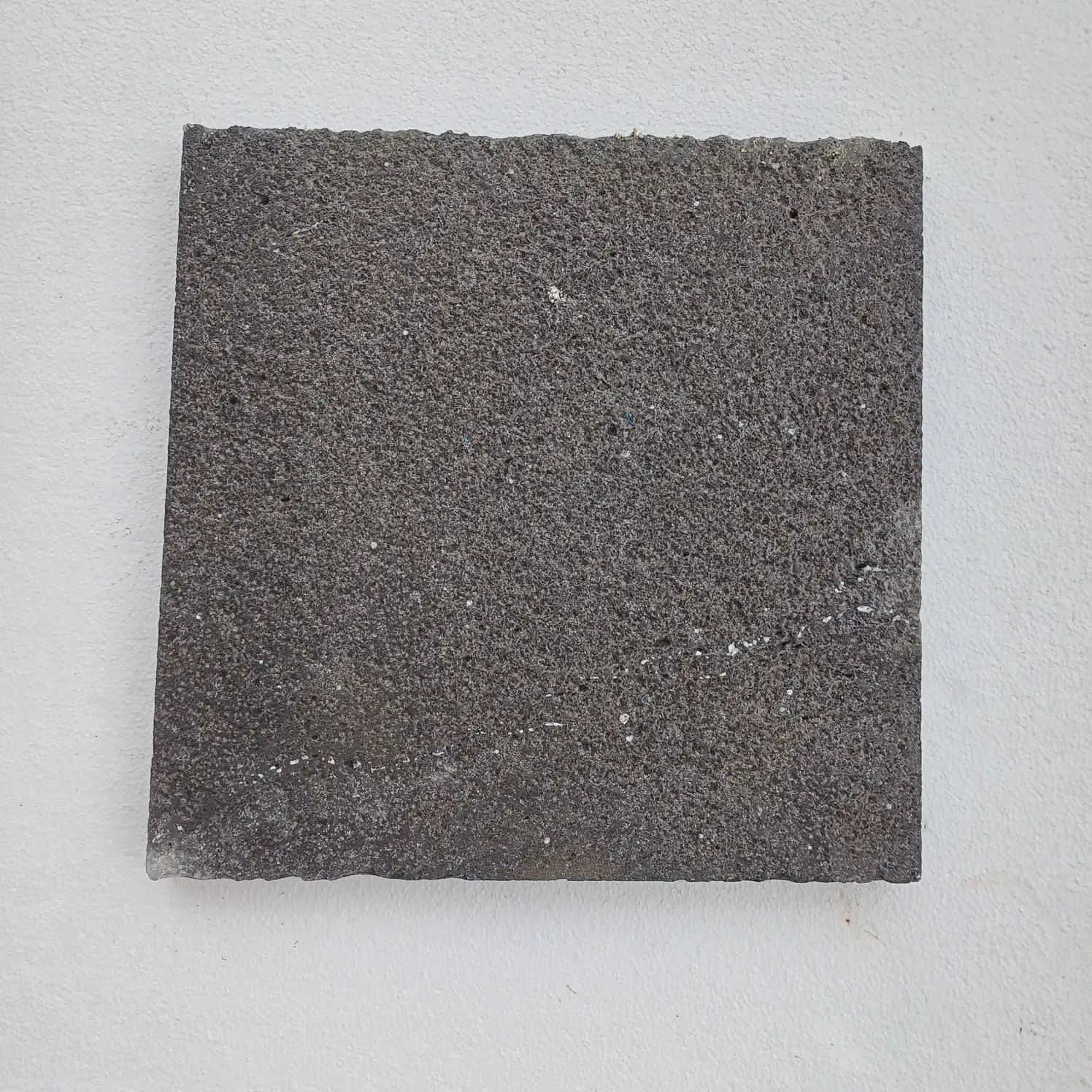
Drainage geometry around pool coping is a code and safety requirement, not a design preference. Your coping surface should slope a minimum of 1/4 inch per foot away from the pool edge toward the deck drain system. Bluestone’s naturally cleft or textured surface meets 0.42, the ANSI A326.3 wet DCOF threshold when wet — but only if you’ve specified the correct finish. Honed or polished bluestone finishes fall below that threshold when wet and are not appropriate for pool coping in any climate, let alone Arizona where sun-baked surfaces create barefoot safety risks.
- Natural cleft or thermal-finished bluestone: an open, textured face — the finish specified for pool coping
- Honed bluestone: DCOF typically 0.40–0.52 wet — not recommended for pool edges
- Polished bluestone: DCOF below 0.40 wet — prohibited for pool coping applications
- Verify finish specification with your supplier before ordering — finish types can look similar in sample photos but perform very differently underfoot
The bluestone coping installation steps Arizona projects require also include verifying that all coping edges drain water away from the deck surface, not back toward the pool deck where foot traffic concentrates. Pooling water on the coping surface accelerates mineral staining and creates slip hazards — two problems that are preventable with the right slope verification during installation rather than corrective work afterward.
Parting Guidance
Installing bluestone pool coping in Arizona correctly means treating every phase of the process as interconnected — your substrate prep determines how your mortar performs, your mortar selection determines how your joints behave, and your joint design determines how the entire installation handles 20 years of Arizona thermal cycling. Skipping steps or substituting lower-rated materials might not produce visible failures immediately, but the compounding effect of desert heat, UV exposure, and pool chemistry will surface every compromised decision within 5 to 7 seasons. If you want to review how similar natural stone installation principles apply to a related project type, How to Install Bluestone Cobbles in Arizona: Step-by-Step Guide covers complementary techniques that reinforce many of the same base preparation and fastening concepts covered here. Our technical team at Citadel Stone can confirm warehouse stock availability, lead times, and thickness options before you finalize your material order — which matters more than most contractors realize when truck delivery scheduling is tied to your concrete cure milestones. Homeowners in Scottsdale, Mesa, and Yuma rely on Citadel Stone bluestone pool coping known for its dense composition, which resists the thermal cycling common in Arizona’s desert pool environments.